Top 10 Natural Monuments in Parque Nacional Galápagos
Best natural monuments in Parque Nacional Galápagos are shaped by volcanic activity and host unique endemic wildlife. This UNESCO World Heritage Site offers pristine ecosystems for exploration. Visitors can observe evolutionary processes and diverse natural features. The park features a variety of landscapes, from volcanic craters to white sand beaches.
Best natural monuments in Parque Nacional Galápagos
- The most popular natural monuments is Turtle Bay, a beach known for its white sand. It is a site where sea turtles…
Last updated: July 5, 2026
Turtle Bay
Highlight (Segment) • Beach
Translated by Google •
Tip by

Tijeretas Hill Lookout
Highlight • Viewpoint
Translated by Google •
Tip by

Sign up now to discover places like this
Get recommendations on the best single tracks, peaks, & plenty of other exciting outdoor places.
Sign up for free
Marine Iguana Observation Point
Highlight • Viewpoint
Translated by Google •
Tip by
The Wall of Tears
Highlight • Historical Site
Translated by Google •
Tip by
Magnificent Frigatebird Colony
Highlight • Natural
Translated by Google •
Tip by

Sign up for free to discover even more natural monuments in Parque Nacional Galápagos.
Sign up for free
Already have an account?
Start today with a free account
Your next adventure awaits.
Login or Signup
Popular around Parque Nacional Galápagos
Tips from the Community

You rarely see so many male frigatebirds with their red throat sacs inflated during courtship as here!
0
0

Tijeras is also used to describe frigate birds that open their tails like scissors (Spanish Tijeras) in flight,
3
0

Super nice view and the national park is also really worth seeing.
1
0
It's impressive how the males woo the ladies here.
1
0

With the necessary calm and appropriate distance, you can make fascinating observations here.
1
0

Nice view over the Bay Area and to the other side to Kicker Rock.
1
0

At this point, a meter high wall of volcanic rock was built by a penal colony between 1946-1959.
1
0
Marine iguanas frolic here to warm up after their excursions in the sea water.
0
0
Frequently Asked Questions
What unique natural features can I explore in Parque Nacional Galápagos?
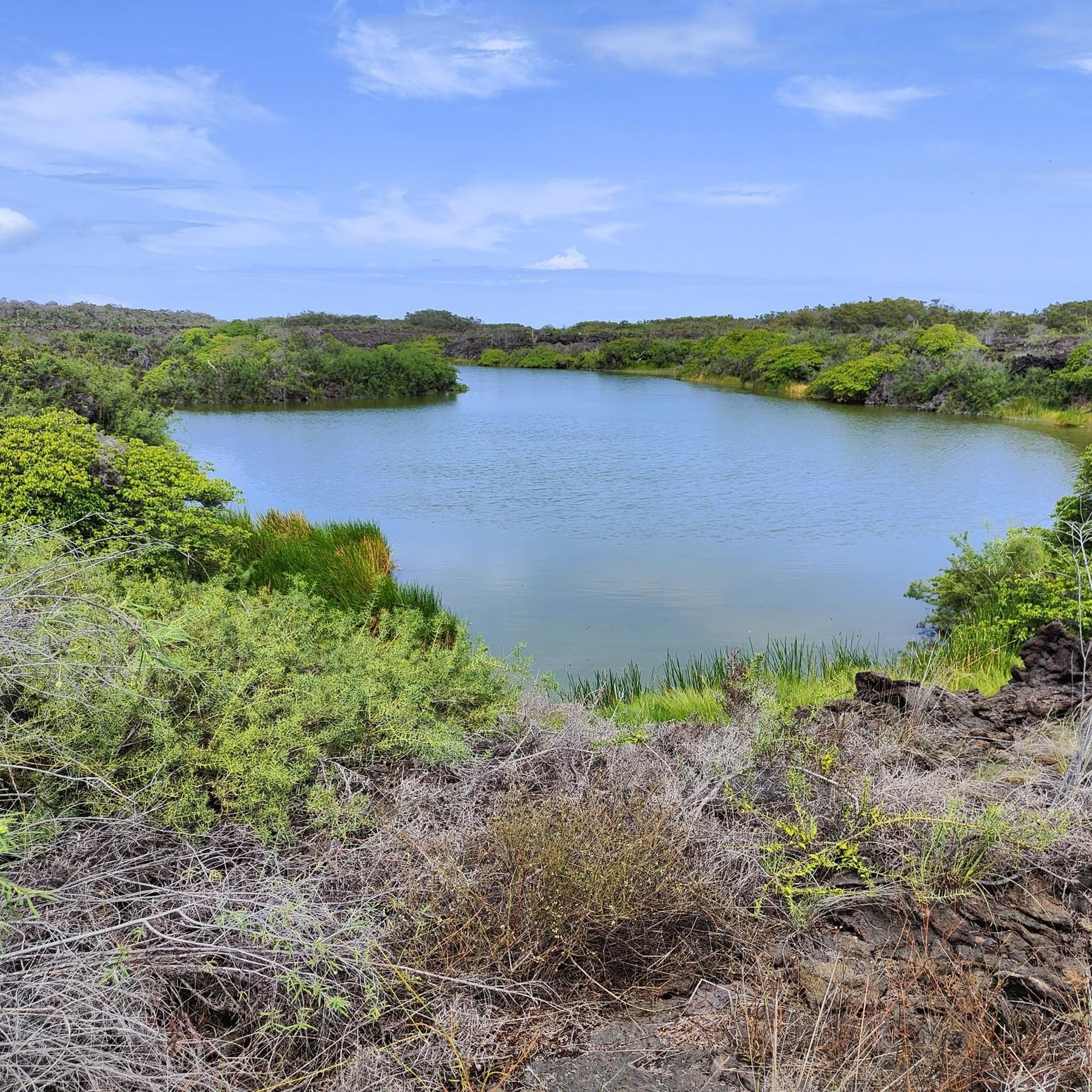
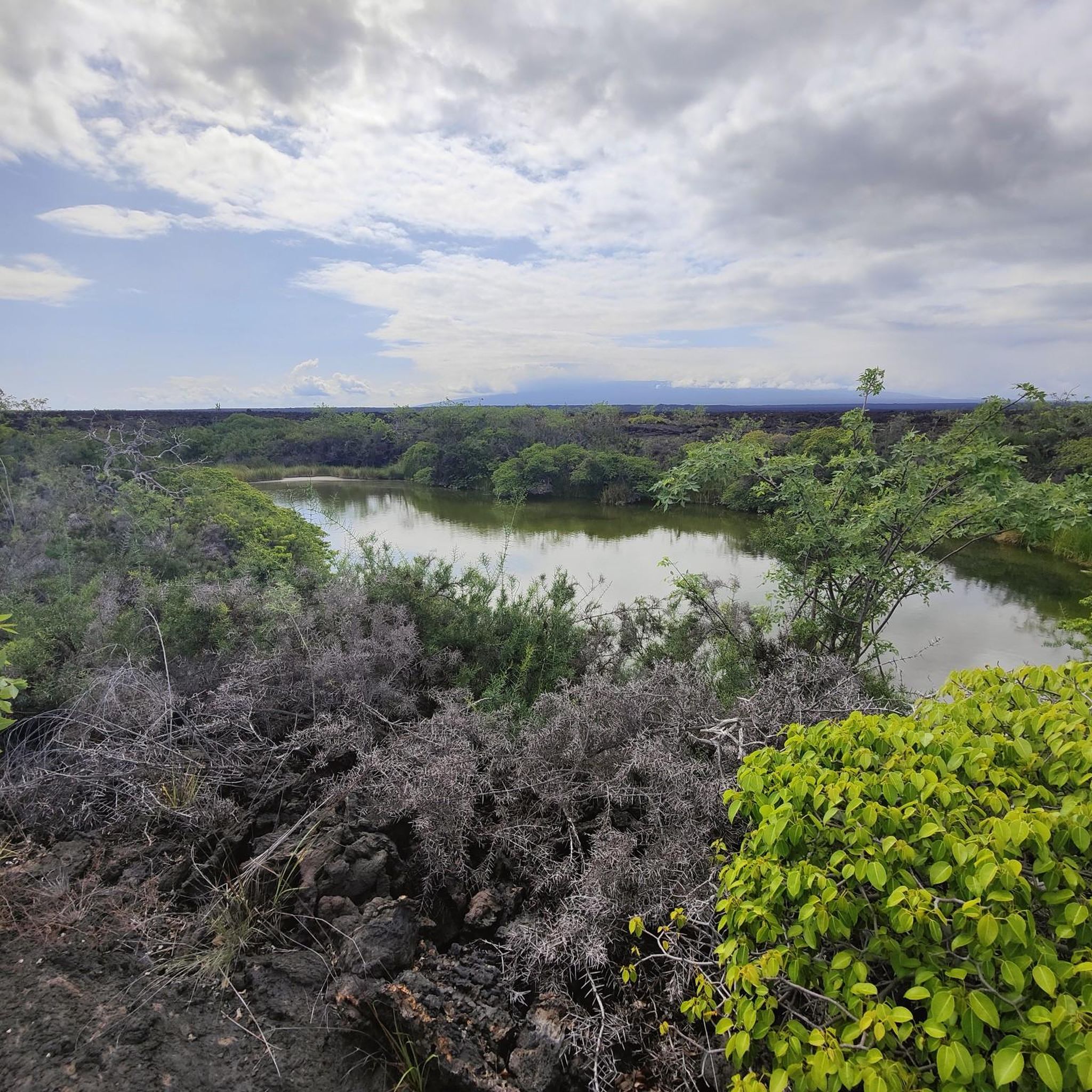
The Parque Nacional Galápagos is renowned for its volcanic landscapes, including surreal pahoehoe lava fields, towering volcanic peaks, and enchanting lava tunnels. You can also find unique hydrological features like El Junco Lagoon, the only freshwater lagoon in the archipelago, and Darwin Lake, a saltwater lagoon within an old volcano caldera.
Where can I observe giant tortoises in their natural habitat?
You can observe giant tortoises in their natural habitat at sites like El Chato – Giant Tortoise Reserve on Santa Cruz Island, where these magnificent creatures graze freely. Another unique spot is Volcán Alcedo on Isabela Island, where large groups of giant tortoises can be seen in pools within the volcanic landscape.
Are there any natural monuments suitable for snorkeling or diving?
Yes, León Dormido (Kicker Rock), off San Cristóbal Island, is a prime location for snorkeling and diving. Its dramatic rock formations rise 150 meters from the ocean, offering opportunities to swim with eagle rays, hammerhead sharks, and turtles amidst vibrant marine life.
What are some good spots to see marine iguanas?
For observing marine iguanas, Marine Iguana Observation Point is excellent, where these unique lizards warm themselves after foraging. Puerto Egas on Santiago Island and Las Tintoreras off Puerto Villamil also offer fantastic opportunities to see countless scaly black marine iguanas along their black igneous rock shorelines.
What kind of hiking trails are available near the natural monuments?
The Parque Nacional Galápagos offers a variety of hiking trails. For instance, you can explore the Sierra Negra Volcano Trail on Isabela Island, which leads along an active volcano with the second-largest crater in the world. There are also easier hikes like the Tijeretas Hill Lookout – View of Frigatebird Hill loop from Puerto Baquerizo Moreno.
Are there family-friendly natural monuments in Parque Nacional Galápagos?
Absolutely. Turtle Bay is a popular family-friendly beach known for its white sand and calm coves, where you can observe white-tip reef sharks, small fish, and various bird species. The opportunity to see marine iguanas and pelicans makes it an engaging visit for all ages.
What is the best time to visit the natural monuments in Galápagos?
The Galápagos Islands have a pleasant climate year-round, but generally, the warm and wet season (December to May) offers warmer water temperatures ideal for swimming and snorkeling, and lush green landscapes. The cool and dry season (June to November) brings cooler temperatures and often clearer waters, which can be excellent for wildlife viewing, especially marine life.
Where can I see frigatebirds in the Parque Nacional Galápagos?
You can observe frigatebirds at Tijeretas Hill Lookout, which is known for its frigatebird population. Another excellent spot is the Magnificent Frigatebird Colony, where you can witness males with their red throat sacs inflated during courtship, offering fascinating observations.
Are there any historical natural monuments to visit?
While primarily known for its natural wonders, the region also features sites with historical significance. The Wall of Tears, though man-made, is a historical site built from volcanic rock by a penal colony, and is considered a natural monument due to its integration with the landscape and its historical context within the park.
What should I bring for a trip to the natural monuments in Galápagos?
When visiting the natural monuments, it's advisable to bring essentials like sunscreen, a hat, insect repellent, comfortable walking shoes, and a reusable water bottle. For marine activities, swimwear and snorkeling gear are recommended. Don't forget a camera to capture the unique wildlife and landscapes.
Are there opportunities for running near the natural monuments?
Yes, there are several running trails available. For example, you can find routes like the Tortuga Bay loop from Puerto Ayora or the Tijeretas Cannon loop from Puerto Baquerizo Moreno. These trails offer a chance to experience the natural beauty while staying active.
How can I access the natural monuments in Parque Nacional Galápagos?
Access to many natural monuments often involves guided tours, as the Galápagos National Park has strict regulations to protect its delicate ecosystem. Some sites, like Tortuga Bay, are accessible via a walk from Puerto Ayora. Always check specific access requirements and permit needs for each location.
Most popular routes in Parque Nacional Galápagos
Most popular attractions in Parque Nacional Galápagos

Get inspired with the komoot mobile app


Explore more
Extend your search for the best caves by checking out these guides of the top ones in Parque Nacional Galápagos:
