Top 20 Natural Monuments in Jasper National Park
Best natural monuments in Jasper National Park include shimmering glaciers, crystal-clear lakes, and towering mountains within Canada's largest Rocky Mountain park. This UNESCO World Heritage Site features diverse natural wonders. The park's landscape offers a range of geological formations and scenic vistas. It provides opportunities to explore significant natural landmarks.
Best natural monuments in Jasper National Park
- The most popular natural monuments is Maligne Canyon trailhead, a canyon with swirls, waterfalls, ice, and rocks. Several bridges lead over the…
Last updated: August 29, 2026
Athabasca Falls
Highlight • Waterfall
Tip by

Maligne Canyon trailhead
Highlight • Canyon
Translated by Google •
Tip by

Sign up now to discover places like this
Get recommendations on the best single tracks, peaks, & plenty of other exciting outdoor places.
Sign up for free
Fifth Lake, Valley of the Five Lakes
Highlight • Lake
Translated by Google •
Tip by

Athabasca Glacier
Highlight • Natural Monument
TIP: Put on the warm clothes here! ;-)
Translated by Google •
Tip by
Maligne Lake
Highlight • Lake
Translated by Google •
Tip by

Sign up for free to discover even more natural monuments in Jasper National Park.
Sign up for free
Already have an account?
Start today with a free account
Your next adventure awaits.
Login or Signup
Popular around Jasper National Park
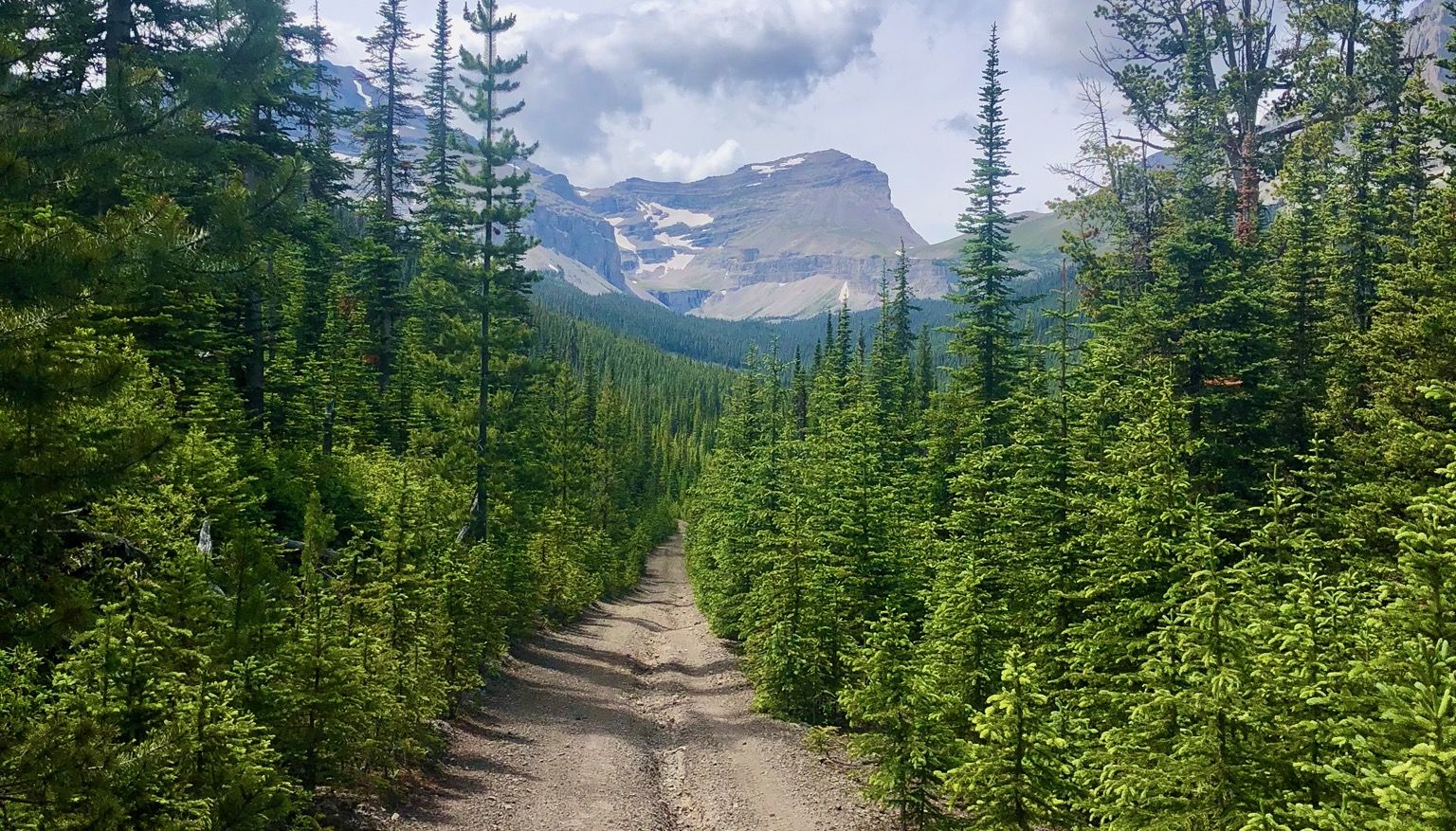
Run the Rockies – mountain range fastpack #5
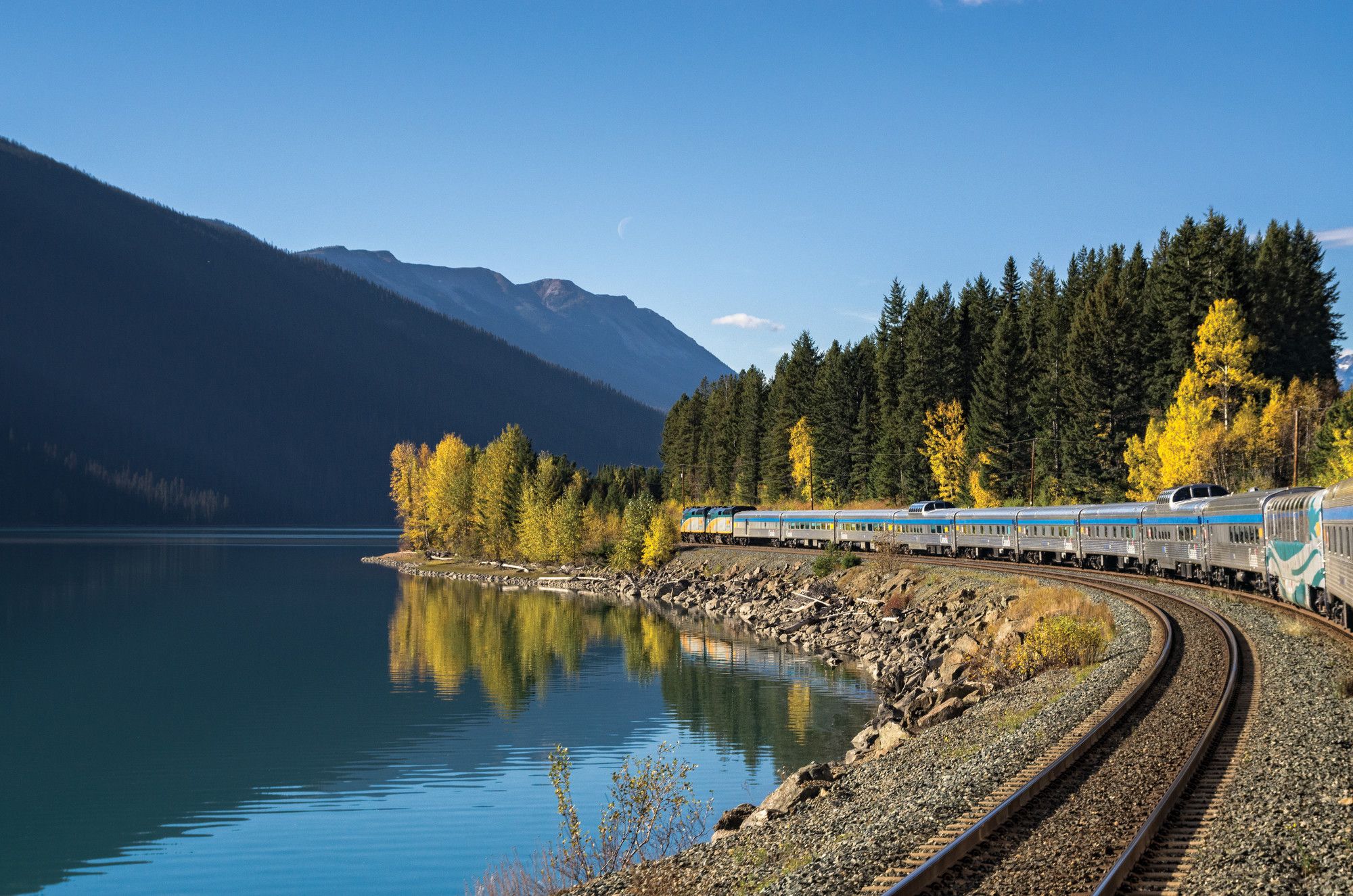
Canada by train – scenic hikes from Western stations
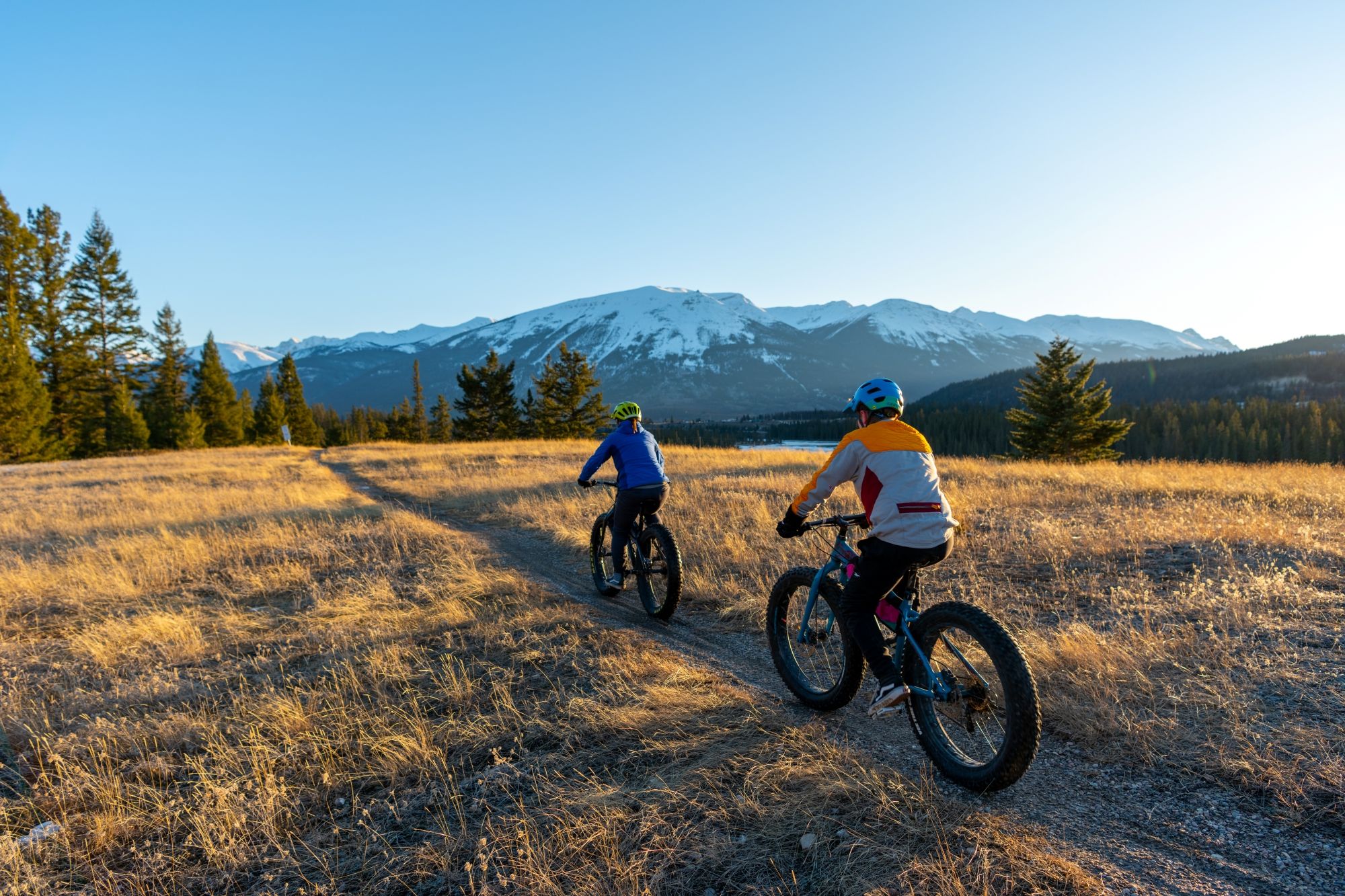
Hop on the trails – mountain biking & fat biking in Alberta
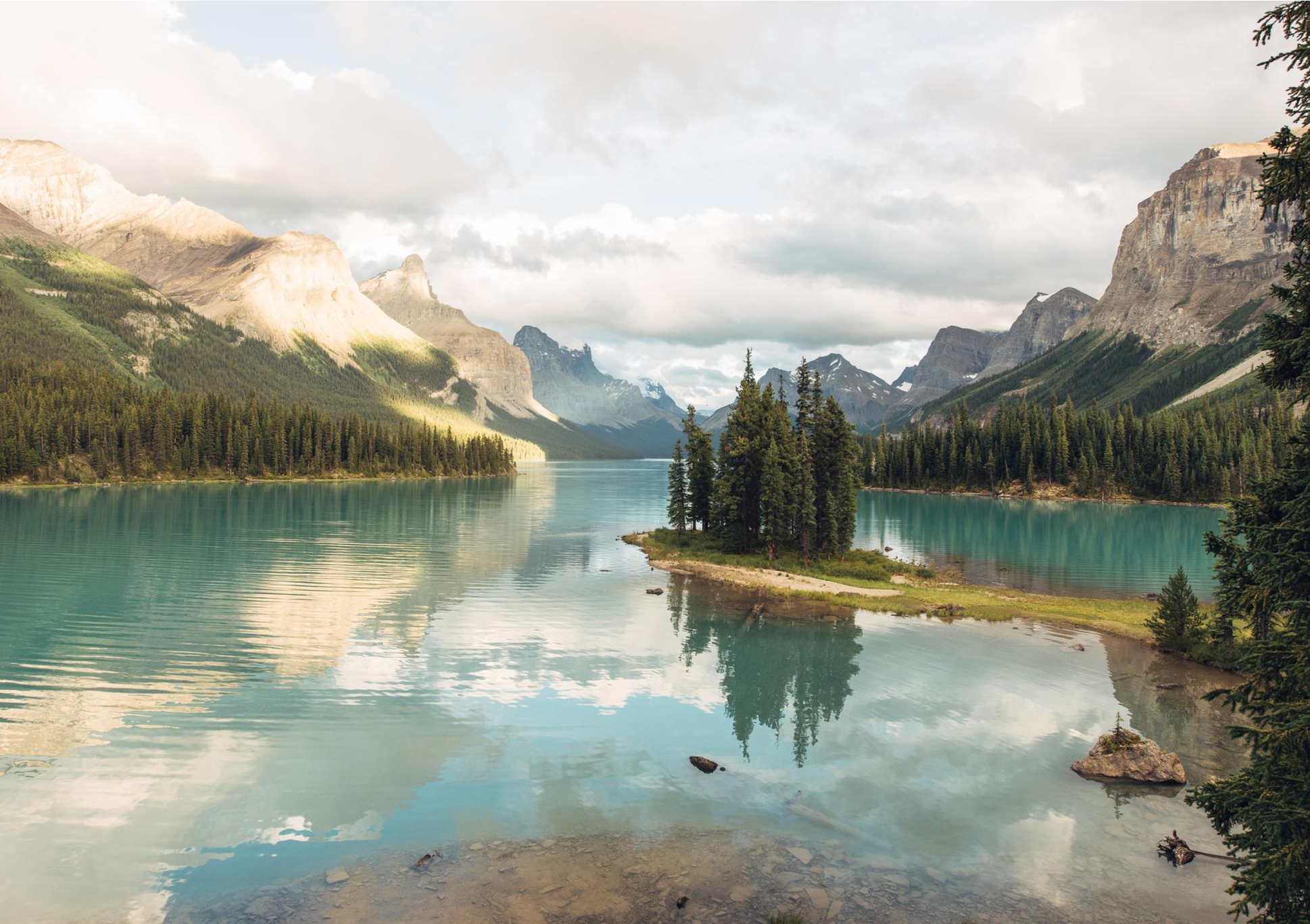
Waterfalls and wild lakes – hiking in Northern Alberta and Jasper
From the Arctic Ocean to the Panama Canal — North American Epic
Hiking in Jasper National Park
MTB Trails in Jasper National Park
Running Trails in Jasper National Park
Cycling in Jasper National Park
Road Cycling Routes in Jasper National Park
Other adventures in Jasper National Park


Tips from the Community

It's so incredibly beautiful here! You can truly disappear into nature.
3
0

The guides also call the lake Elchsee 🫎… so moose encounters are not uncommon there.
1
0

The Maligne River, about 80 km long, flows into the Athabasca River near Jasper at 1,000 meters elevation. Its main reservoir is Maligne Lake, with Medicine Lake located 16 km from its mouth at 1,392 meters. Much of the river’s water disappears into an underground drainage system, re-emerging downstream through springs and underground channels. Below Medicine Lake, the river gains volume from surface runoff and springs. At Maligne Canyon, it carves a deep gorge through erosion, forming potholes and curved surfaces. The canyon drops 120 meters over 1.5 km, with underground water sources significantly increasing the river's volume at the bottom. (Visit June 1. 2018) https://www.worldwaterfalldatabase.com/waterfall/Maligne-Canyon-Falls-2626 Some information on geology of Maligne Canyon at page 53 of: http://parkscanadahistory.com/geology/misc-report-6-1963.pdf
2
0
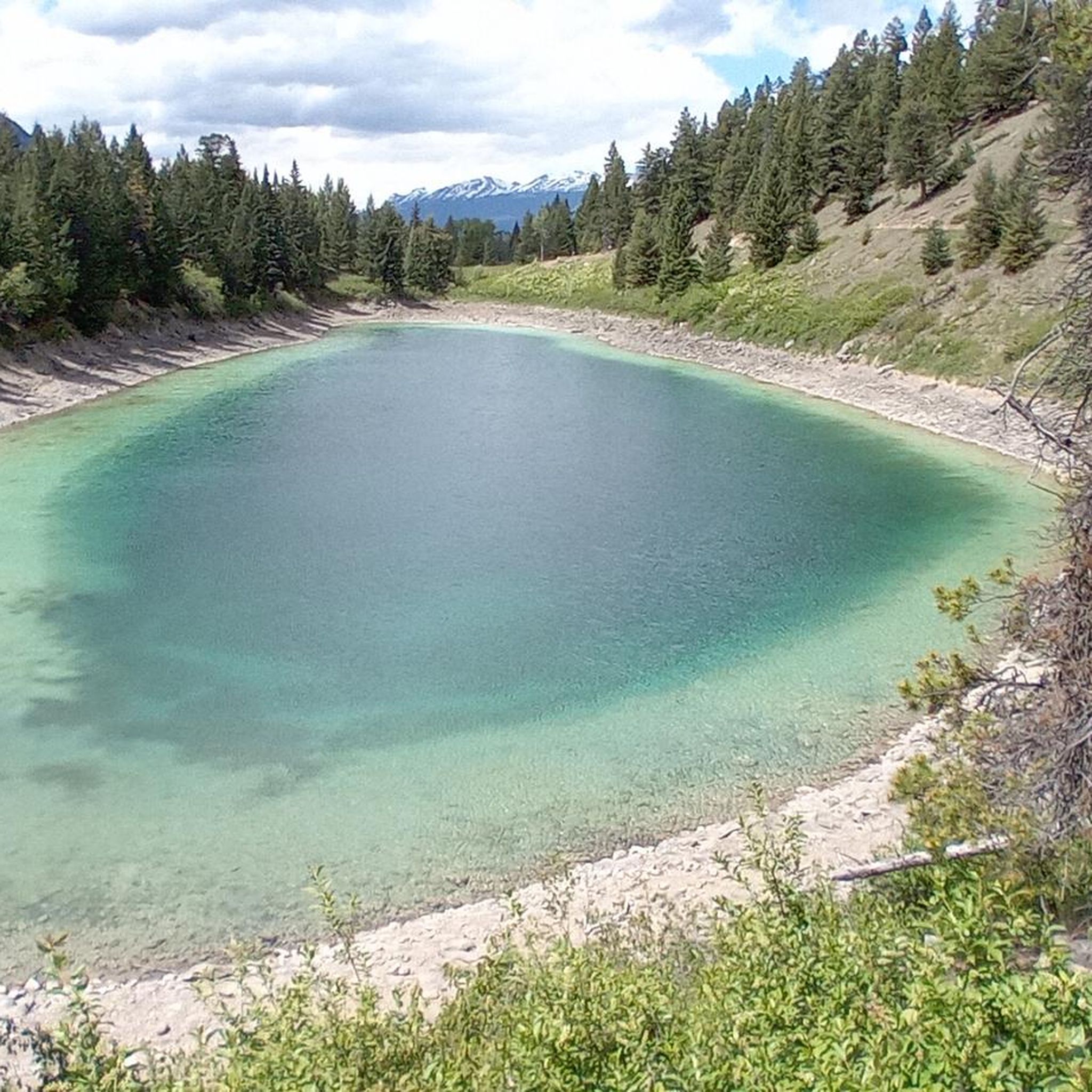
At the turquoise Fourth Lake you have a wonderful view of the Trident Range mountains. In the Tonquin Valley with the Portal Creek, Peveril Peak catches the eye. When the water level is high, the Third and Fourth Lakes are connected.
3
0
When the great Athabasca and Miette Glaciers retreated after the Ice Age, the valley was covered by a long, deep lake. The Jasper region is now dotted with lakes, remnants of this great lake that once filled the entire Athabasca River valley. The Valley of the Five Lakes hike passes some of these lakes. Because of the large number, most of them are nameless; these have been given numbers.
2
0
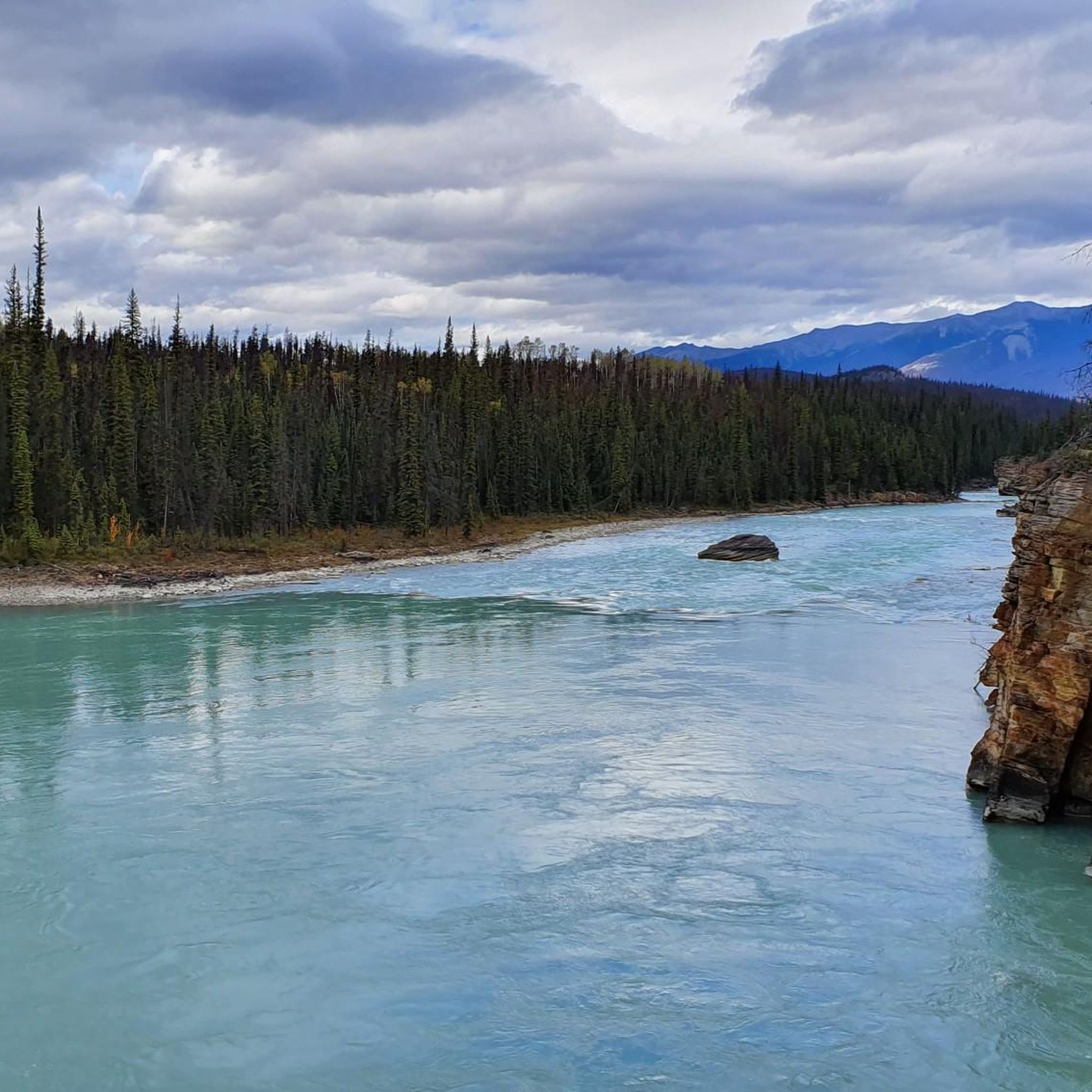
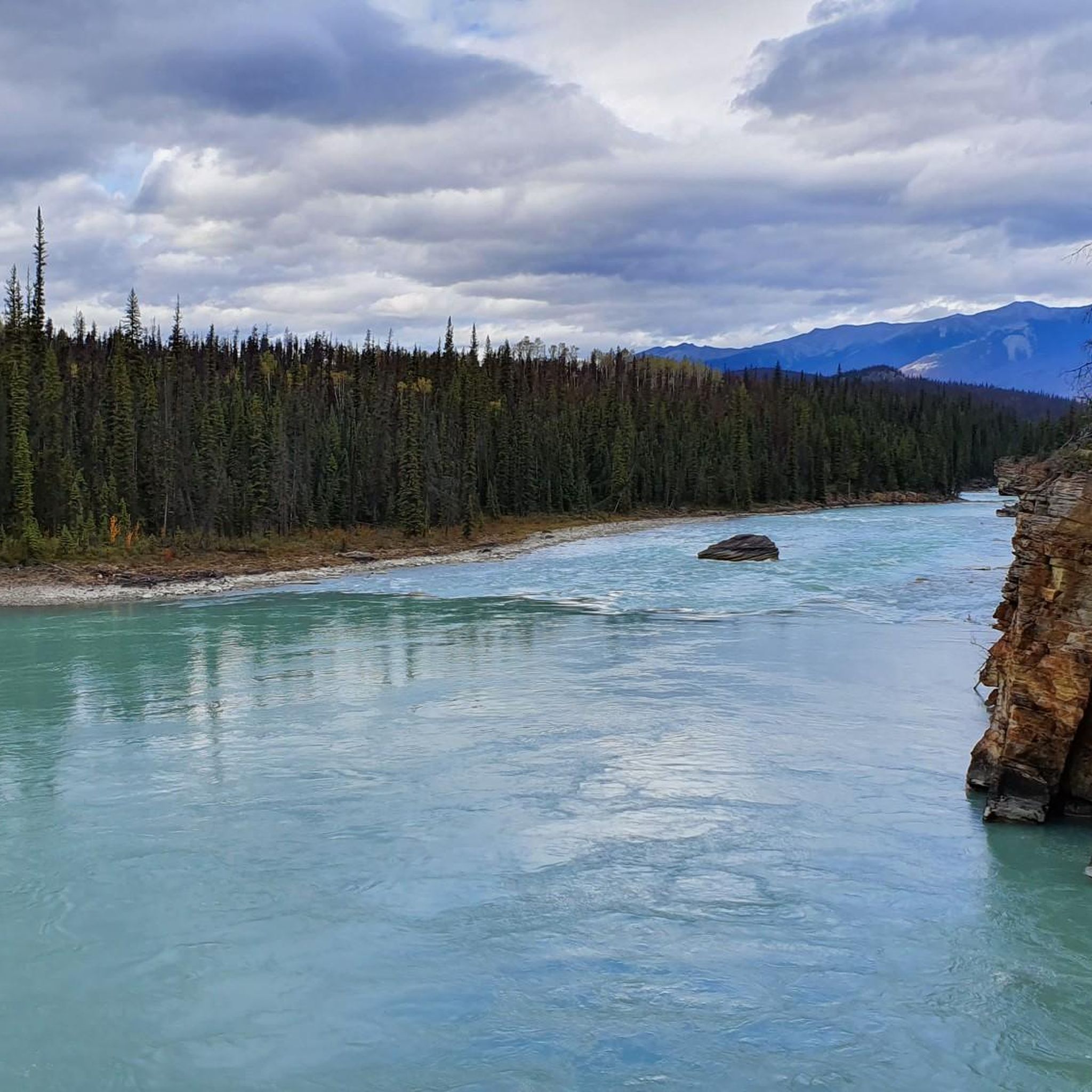
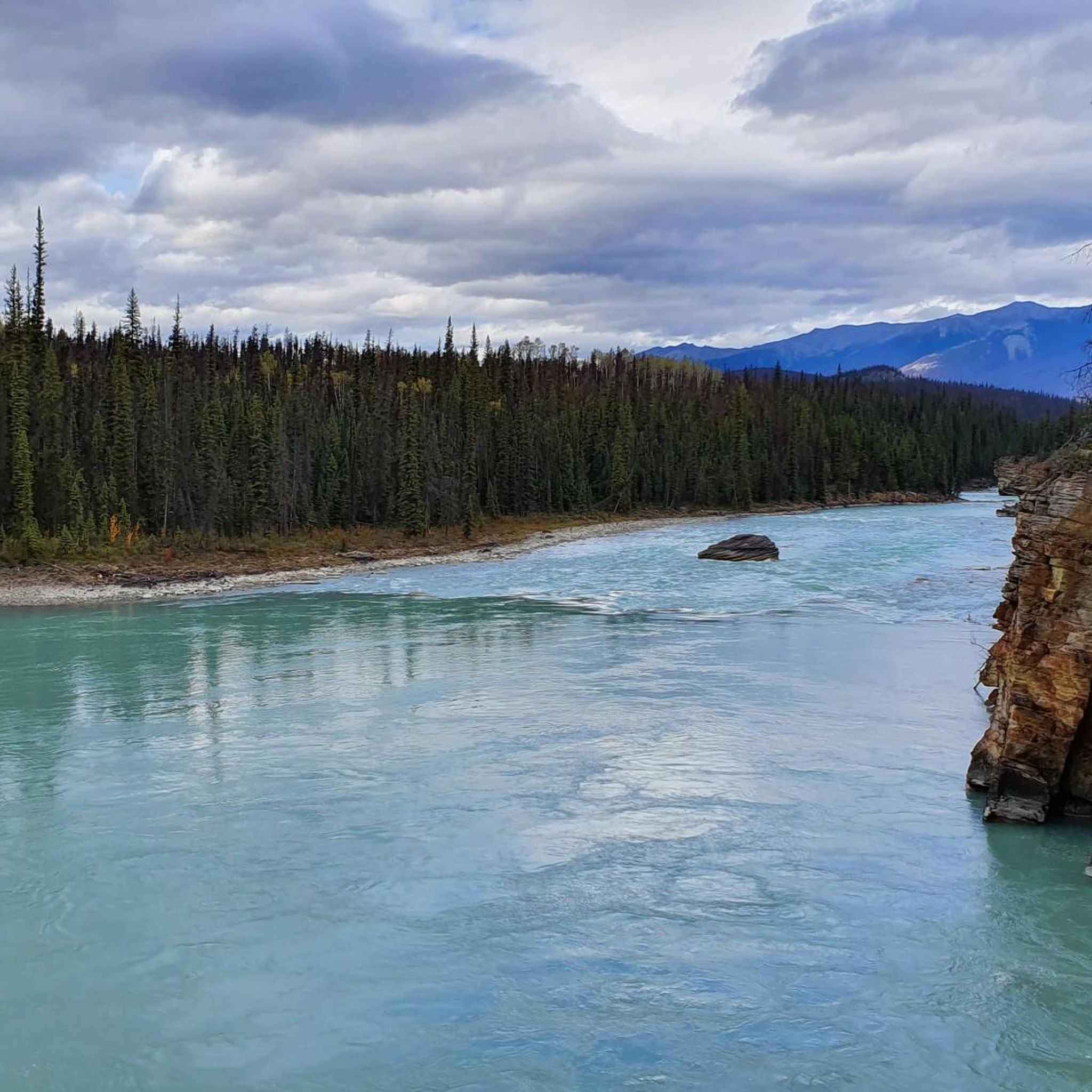
Athabasca Falls is located on the Icefields Parkway, Alberta's Highway 93, at km 203 (towards Lake Louise to Jasper) at the junction with Highway 93A (which is normally closed from November to April). The mighty Athabasca River originates from the glaciers of the Columbia Icefield. At the foot of Mount Kerkeslin, the Athabasca River plunges over a jagged cliff of Precambrian quartzites into a narrow canyon of its own making. https://www.worldwaterfalldatabase.com/waterfall/Athabasca-Falls-2576 Some information on geology at page 102 of: http://parkscanadahistory.com/geology/misc-report-6-1963.pdf
2
0
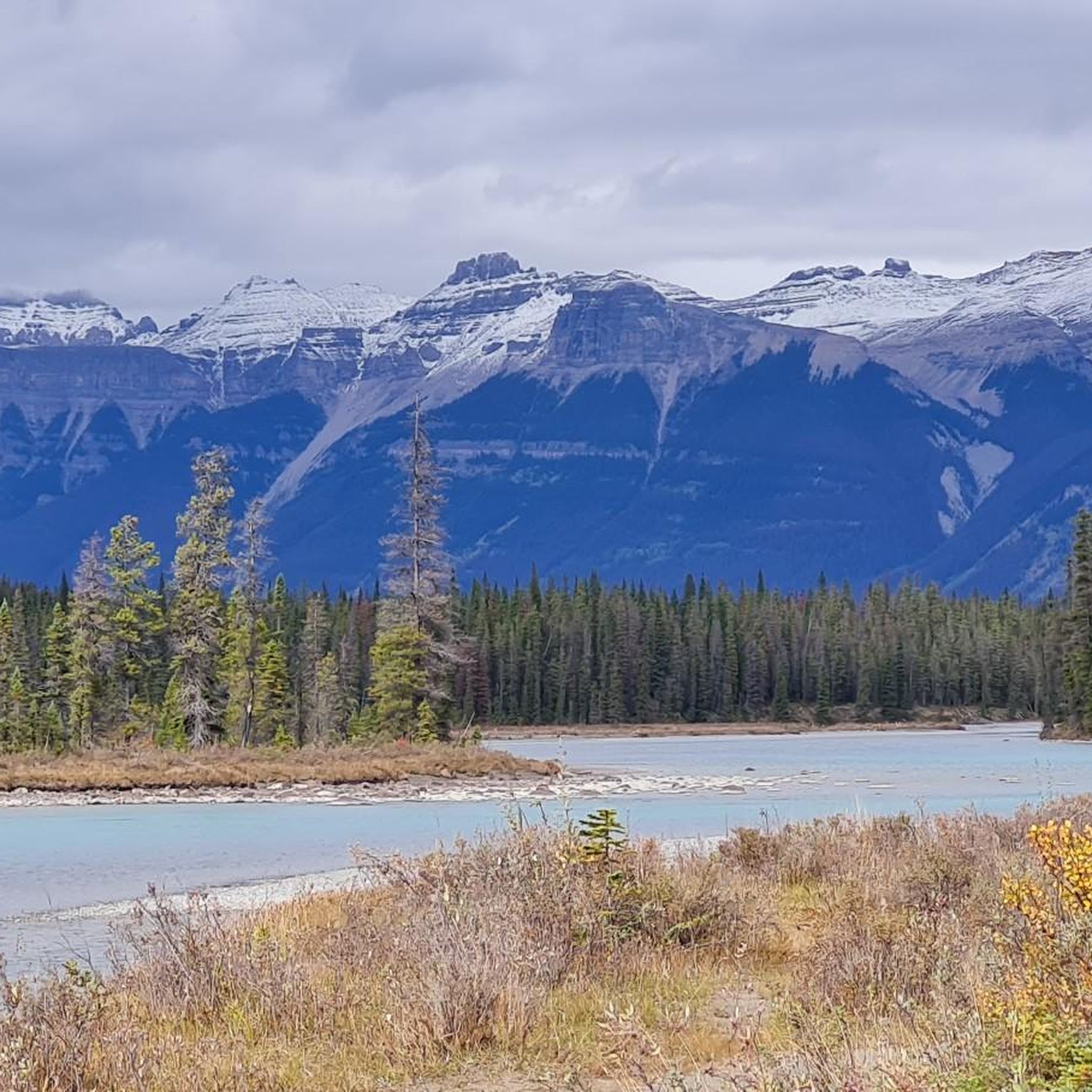
The Columbia Icefield is located on a plateau in the Canadian Rocky Mountains and is the remnant of the ice mass that once covered the high peaks. The Athabasca Glacier flows over three enormous rock steps from the Columbia Icefield in the Sunwapta Valley. It is one of the six principal 'toes' of the Columbia Icefield. The glacier has been receding more than 1.5 km in the past 125 years, leaving behind a vegetation-free moraine landscape. (Visit May 31, 2018) Information at: https://parks.canada.ca/pn-np/ab/jasper/activ/itineraires-itineraries/glacier-athabasca A photo of the Athabasca Glacier in around 1963 can be seen in the publication ‘Jasper National Park - Behind the mountains and glaciers’ at page 61: http://parkscanadahistory.com/geology/misc-report-6-1963.pdf
3
0

Frequently Asked Questions
What are some easy-to-access natural monuments in Jasper National Park?
Many natural monuments in Jasper National Park are easily accessible. For instance, Athabasca Falls offers designated pathways for impressive views. Similarly, Upper Sunwapta Falls is a quick and worthwhile stop along the Icefields Parkway with surrounding trails and viewpoints. The Valley of the Five Lakes also features an easy hike suitable for most visitors.
Are there family-friendly natural monuments to visit in Jasper National Park?
Yes, several natural monuments are ideal for families. Athabasca Falls has short, easy paths. The Valley of the Five Lakes offers a pleasant hike around its serene waters. Maligne Lake provides opportunities for boat tours to Spirit Island or simply enjoying the scenery from the shore. Upper Sunwapta Falls is also considered family-friendly with accessible viewpoints.
What kind of geological formations can I expect to see in Jasper National Park?
Jasper National Park is rich in diverse geological formations. You can witness the deep, narrow gorge of Maligne Canyon, carved by rushing water up to 50 meters deep. The powerful Athabasca Falls showcases how the river sculpts the canyon. Further afield, the Columbia Icefield, including the accessible Athabasca Glacier, represents a massive ice formation feeding rivers to three different oceans. Towering mountains like Mount Edith Cavell also display dramatic rock faces and glacial features.
What is the best time of year to visit the natural monuments in Jasper National Park?
The best time to visit depends on your interests. Summer (June to September) offers the warmest weather and full access to all sites, including boat tours on Maligne Lake and hiking to Cavell Meadows. Spring and fall provide fewer crowds and stunning seasonal colors, though some higher elevation roads might be closed. Winter offers a unique experience, with frozen waterfalls at Maligne Canyon and opportunities for snowshoeing or cross-country skiing.
Can I find less crowded natural monuments in Jasper National Park?
While popular sites can get busy, visiting early in the morning or later in the afternoon can help avoid peak crowds. For a more serene experience, consider exploring areas like Pyramid Lake and Pyramid Island, which offer peaceful moments and stunning views, especially at sunrise or sunset. The Valley of the Five Lakes, while popular, can feel less crowded than some of the major attractions, particularly on weekdays.
Are there any natural monuments close to Jasper town?
Yes, several natural monuments are conveniently located near Jasper town. Pyramid Lake and Pyramid Island are just a short drive away, offering beautiful views of Pyramid Mountain. The Valley of the Five Lakes is also easily accessible from town and provides a lovely hiking experience. Additionally, the scenic drive towards Maligne Canyon and Maligne Lake starts relatively close to Jasper, offering stunning views along the way.
What outdoor activities can I do near these natural monuments?
Jasper National Park offers a wide range of outdoor activities near its natural monuments. You can enjoy hiking on trails like the Lake Annette Loop or the Valley of the Five Lakes hike. Cycling is also popular, with routes like the Jasper's city center – Athabasca River loop. Many natural monuments, like Maligne Lake, offer opportunities for canoeing, kayaking, or boat tours. The park's diverse habitats also support abundant wildlife viewing.
Are there specific hiking trails associated with these natural monuments?
Absolutely. Many natural monuments are focal points for hiking. Maligne Canyon features designated pathways and trails of varying lengths that wind down through the canyon. The Valley of the Five Lakes is known for its loop trail connecting all five lakes. Near Mount Edith Cavell, you can explore the alpine flower-covered Cavell Meadows. For more options, you can find various hiking routes in Jasper National Park.
How long should I plan for visiting specific natural monuments like Athabasca Falls?
For easily accessible sites like Athabasca Falls or Sunwapta Falls, a visit can range from 30 minutes to an hour, allowing time to walk the pathways and take photos. For Maligne Canyon, you might spend 1-2 hours exploring the various bridges and viewpoints. A trip to Maligne Lake, especially if including a boat tour to Spirit Island, could take half a day.
What are some popular viewpoints for natural monuments in Jasper National Park?
Jasper National Park offers numerous stunning viewpoints. The bridges over Maligne Canyon provide spectacular views into the gorge. Pathways at Athabasca Falls and Upper Sunwapta Falls offer impressive perspectives of the powerful cascades. For panoramic mountain and lake views, the shores of Maligne Lake and the iconic Spirit Island are unparalleled. Pyramid Lake and Pyramid Island are perfect for capturing sunrise and sunset views of Pyramid Mountain.
Are dogs allowed on trails around the natural monuments?
Jasper National Park generally allows dogs on trails, but they must be kept on a leash at all times. This rule is crucial for their safety, the safety of other visitors, and to protect wildlife. Always check specific trail regulations before heading out, as some sensitive areas or trails might have restrictions. Remember to pack out all pet waste.
What are the parking options for popular natural monuments like Maligne Canyon?
Popular natural monuments like Maligne Canyon typically have designated parking lots. However, due to their popularity, these can fill up quickly, especially during peak season and midday. It's advisable to arrive early in the morning or later in the afternoon to secure a spot. Some locations may have overflow parking or require a short walk from alternative parking areas.
What are some unique natural monuments to see in winter?
Winter transforms Jasper National Park's natural monuments into a magical landscape. Maligne Canyon is particularly stunning in winter, with ice formations clinging to its walls and frozen waterfalls, making it a popular spot for ice walks (often requiring crampons). The frozen surfaces of lakes like Pyramid Lake offer serene beauty, and the snow-covered mountains provide dramatic backdrops for photography.
What do visitors enjoy most about the natural monuments in Jasper National Park?
Visitors consistently praise the breathtaking scenery and the sense of being immersed in nature. Many highlight the powerful beauty of waterfalls like Athabasca Falls and Upper Sunwapta Falls. The stunning views and peaceful atmosphere of Maligne Lake and Spirit Island are frequently mentioned as highlights. The dramatic geological features of Maligne Canyon also leave a lasting impression, with many appreciating the well-maintained trails that allow close-up exploration.
Do I need a permit or pay fees to visit natural monuments in Jasper National Park?
Yes, Jasper National Park is part of Parks Canada, and a valid park pass is required for entry. This pass covers access to all national parks in Canada, including the natural monuments within Jasper. You can purchase daily or annual passes online or at park gates and visitor centers. Specific activities or facilities, such as boat tours on Maligne Lake or guided glacier tours, may have additional fees.
Most popular routes in Jasper National Park
Most popular attractions in Jasper National Park

Get inspired with the komoot mobile app


Explore more
Extend your search for the best caves by checking out these guides of the top ones in Jasper National Park:
