Top 6 Natural Monuments in Lande Du Cap Fréhel
Best natural monuments in Lande Du Cap Fréhel include dramatic coastal landscapes, unique geology, and diverse ecosystems. This region, a designated "Grand Site de France" and Natura 2000 area, features pink sandstone cliffs rising over 70 meters above the English Channel. The area is characterized by extensive coastal moors and serves as a vital sanctuary for numerous seabird species. It offers a well-preserved natural environment for exploration.
Best natural monuments in Lande Du Cap Fréhel
- The most popular natural monuments…
Last updated: July 5, 2026
Cape Fréhel
Highlight • Viewpoint
Translated by Google •
Tip by

Trail between Cap Fréhel and Fort La Latte
Highlight (Segment) • Trail
Translated by Google •
Tip by

Sign up now to discover places like this
Get recommendations on the best single tracks, peaks, & plenty of other exciting outdoor places.
Sign up for free
La Fauconnière Bird Reserve
Highlight • Natural Monument
It's an important nature reserve with many seabirds such as gannets, guillemots, gulls, and cormorants – ideal for birdwatching.
Translated by Google •
Tip by

View of the cliffs and lighthouse at Cap Fréhel
Highlight • Viewpoint
The views are very impressive.
Translated by Google •
Tip by

Stunning view of Cap Fréhel
Highlight • Viewpoint
Translated by Google •
Tip by

Sign up for free to discover even more natural monuments in Lande Du Cap Fréhel.
Sign up for free
Already have an account?
Start today with a free account
Your next adventure awaits.
Login or Signup
Tips from the Community

Dreamlike views at every point of the hiking trail
1
0

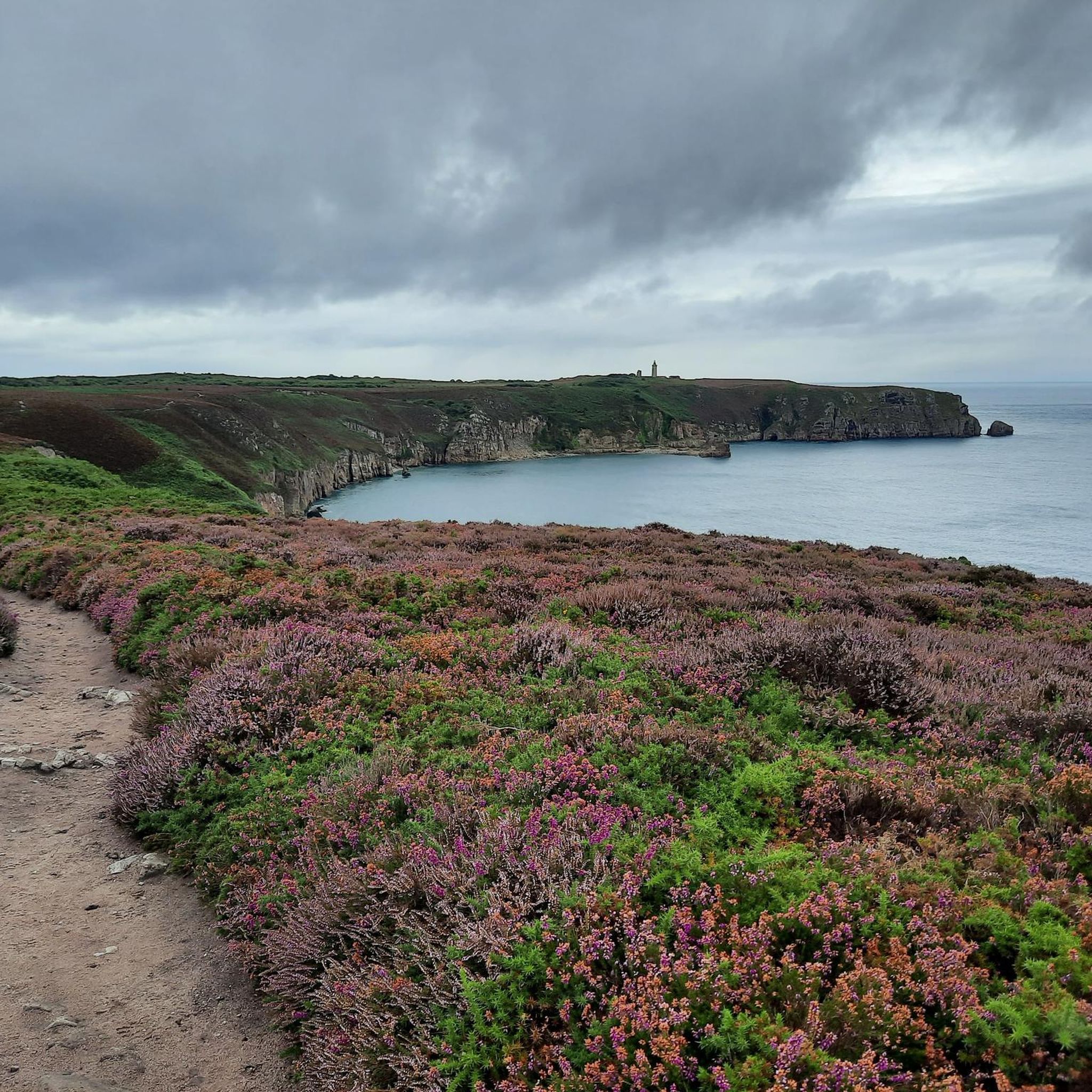
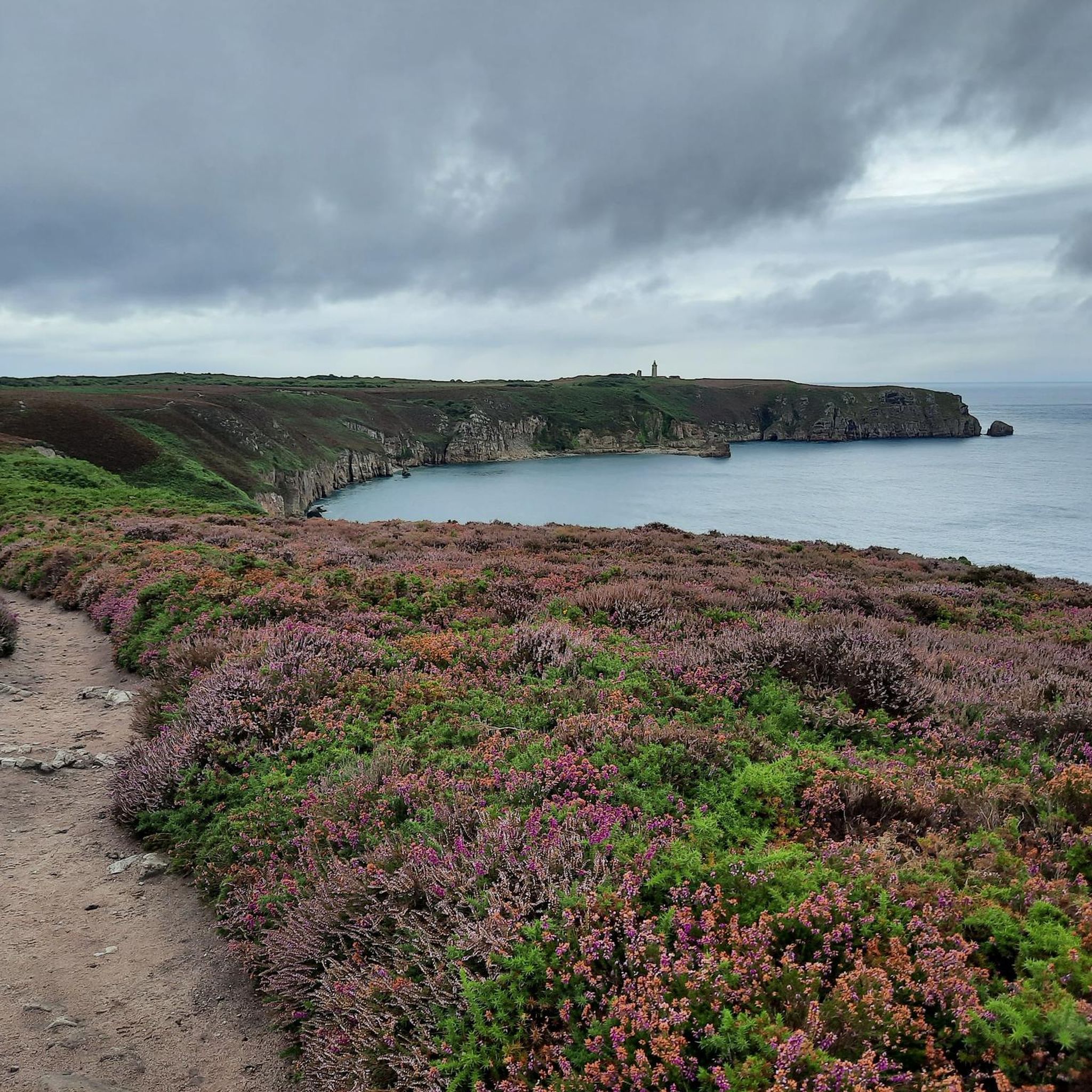
Perched high on the pink granite cliffs above the Emerald Coast, Cap Fréhel offers sweeping views extending all the way to the islands of Jersey. Surrounded by the colorful Lande de Fréhel and important bird sanctuaries such as La Fauconnière, nature, history, and the sea combine here in a striking way. The nearby lighthouse and Fort La Latte complete the unique coastal panorama.
5
0
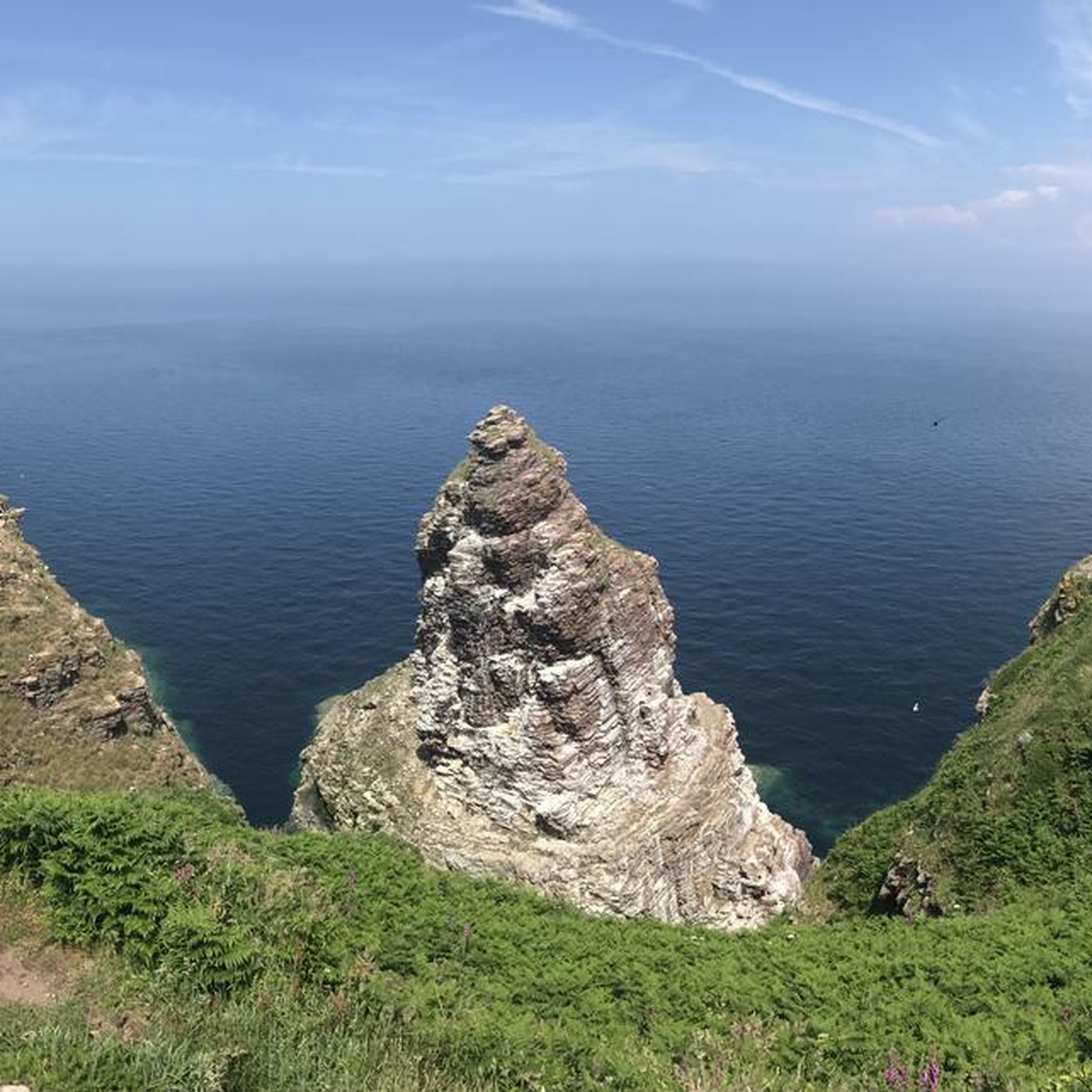
Off the coast of Cap Fréhel lies the small, rugged island of La Fauconnière, designated a protected bird sanctuary. The rock is uninhabited and off-limits to the public—an important refuge for numerous seabirds and shorebirds that nest and breed here. Between spring and summer, guillemots, razorbills, cormorants, gulls, and northern gannets populate the steep cliffs. Their calls mingle with the wind and the roar of the sea, and this vibrant natural spectacle can be easily observed from the viewpoints at Cap Fréhel.
3
0
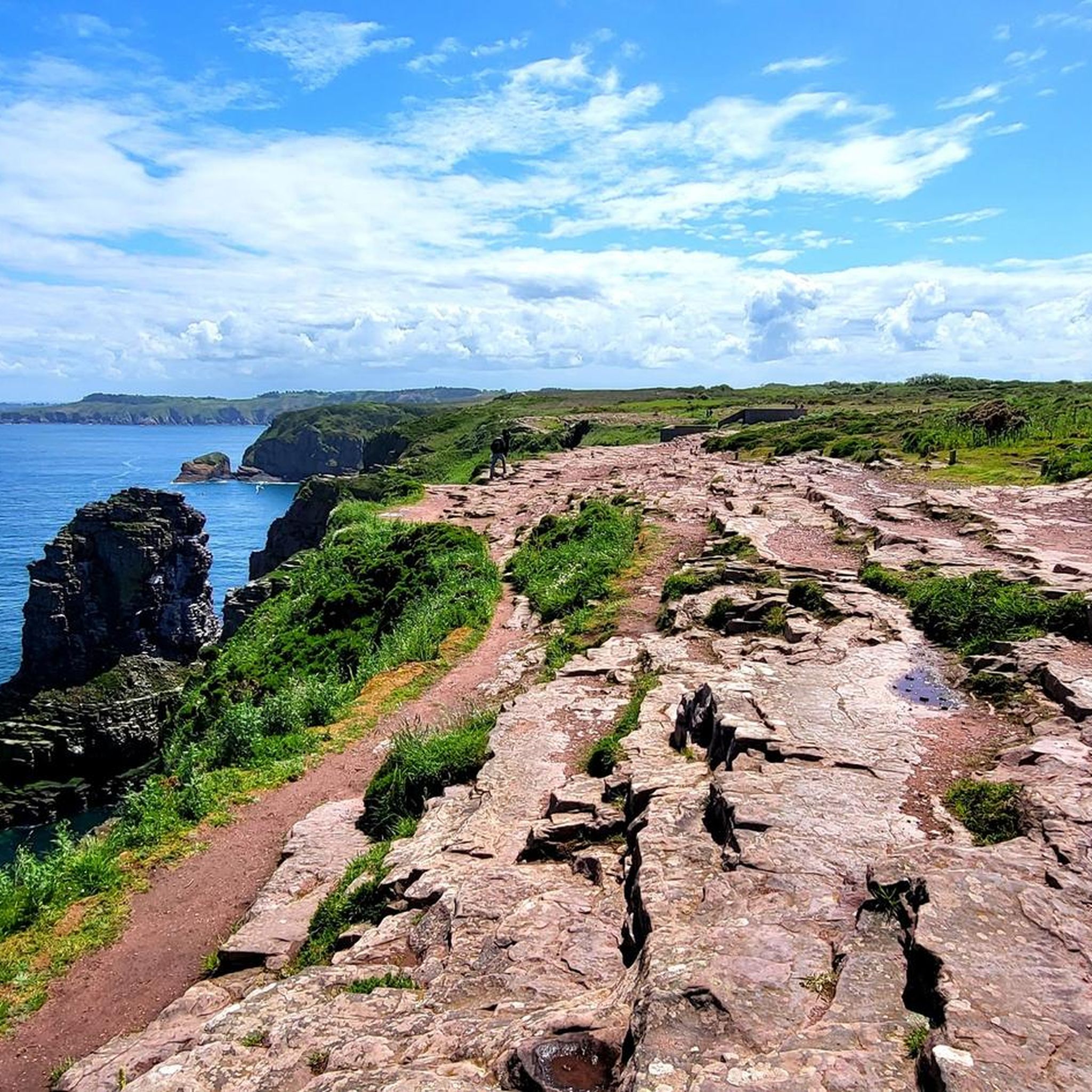
One of Brittany's most beautiful coastal paths runs between Cap Fréhel and Fort La Latte. The narrow path, part of the famous GR34 customs path, leads along the spectacular cliffs of the Emerald Coast. For approximately four and a half kilometers, you'll be accompanied by the constant sound of the sea, the wind carries the scent of heather and salt, and the water shimmers in all the shades of green that gave this stretch of coast its name. From the cape's expansive heathland, the view opens up repeatedly over the rugged coastline, until the defiant Fort La Latte appears on the horizon – majestically perched on a rock overlooking the sea.
3
0

Magnificent path between the cape and the fort (gr34). Not too difficult, but perhaps dangerous (high cliffs)!
2
0

Birdwatching is worthwhile here. It's an important nature reserve with many seabirds such as gannets, guillemots, gulls, and cormorants – ideal for birdwatching.
6
0
Known for its dramatic cliffs of pink sandstone, slate and porphyry, the cape offers breathtaking views of the sea and the surrounding coastline.
7
1

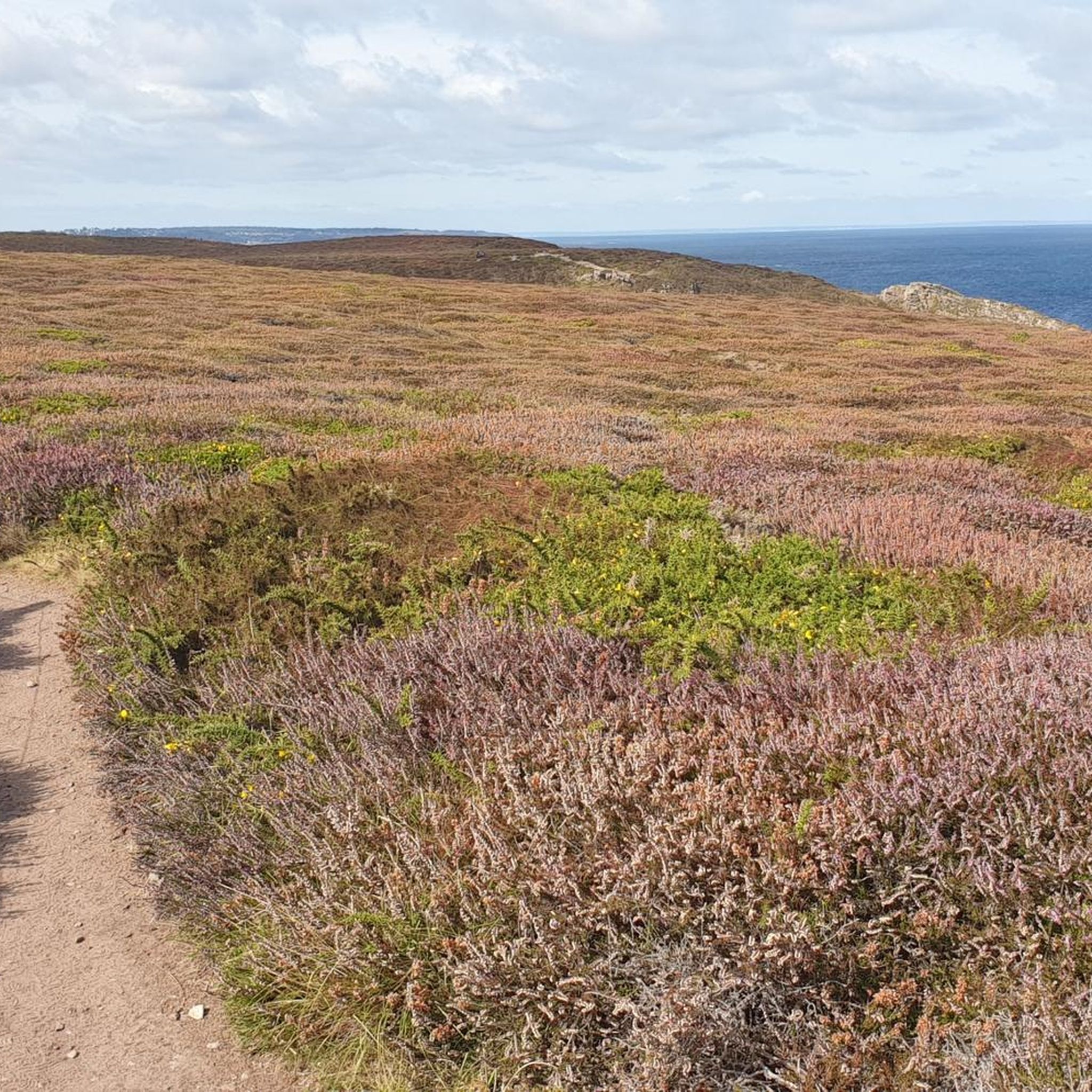
This small communal road allows you to drive in complete peace while admiring Cap Fréhel and its characteristic moors in the distance, tinged with beautiful shades of pink and yellow against the blue backdrop of the sea.
0
0
Frequently Asked Questions
What are some must-see natural monuments in Lande Du Cap Fréhel?
Beyond the general beauty of the region, visitors highly recommend the Trail between Cap Fréhel and Fort La Latte for its breathtaking cliff structures and coastal views. Another popular spot is the View of the cliffs and lighthouse at Cap Fréhel, offering impressive vistas along the steep cliffs and paths through the heath.
What unique geological features define Cap Fréhel?
Cap Fréhel is renowned for its dramatic pink sandstone cliffs, which rise over 70 meters above the English Channel. This striking pink hue comes from iron oxide within the 470-million-year-old sedimentary rock, a formation unique to the Fréhel-Erquy region. The cliffs are sculpted by millennia of erosion, creating dramatic vertical drops into the sea.
What kind of wildlife can I observe at Cap Fréhel?
Cap Fréhel is a vital sanctuary for numerous seabird species, making it excellent for birdwatching. You can spot Razorbills, Common Guillemots, Black-legged Kittiwakes, Great Black-backed Gulls, Northern Fulmars, and Crested Cormorants. It's the only place in France where Common Guillemots, Razorbills, and Black-legged Kittiwakes can be observed simultaneously. Beyond birds, the moors host the Azuré des Mouillères butterfly, and marine mammals like seals and dolphins are occasionally sighted off the coast.
Are there specific areas for birdwatching at Cap Fréhel?
Yes, the cliffs provide nesting grounds for a diverse avian population. The La Fauconnière Bird Reserve is an important nature reserve and a great starting point for birdwatching, with an improved viewpoint established to facilitate observation while protecting the birds.
Are there popular hiking trails to explore the natural monuments?
The renowned GR34 Trail, also known as the Sentier des Douaniers, winds along the coastline, offering unparalleled views. A particularly popular section connects the Cap Fréhel lighthouse to the historic Fort La Latte. For more hiking options, you can explore various routes in the region, such as the "Fréhel Heath – La Latte Beach loop from Cap Fréhel" or the "Fréhel Heath – Cape Fréhel loop from Cap Fréhel." Find more details on Hiking in Lande Du Cap Fréhel.
When is the best time to visit Lande Du Cap Fréhel to experience its natural beauty?
The coastal moors present a vibrant tapestry of colors throughout the seasons. Purple heather, golden gorse, and thistles dominate the flora, offering beautiful displays. While pleasant year-round, spring and summer bring blooming flowers and active birdlife, while autumn offers rich hues. Clear days provide the best panoramic views, sometimes stretching as far as Jersey.
Are there family-friendly natural monuments or activities in the area?
Yes, the La Fauconnière Bird Reserve is considered family-friendly and offers an engaging experience for all ages to observe seabirds in their natural habitat. The extensive hiking trails, particularly easier sections, are also suitable for families looking to explore the coastal landscapes.
What other coastal natural features can be found beyond the main cliffs?
Beyond the iconic cliffs, you can discover features like the View of the rock arch at Port-au-Suet, an impressive natural formation sculpted by Atlantic erosion. Nearby, Sables d'Or les Pins offers a different environment with dunes, mudflats, and a tranquil lagoon beach known for its turquoise waters and typical dune flora like sea holly and salicornia.
What outdoor activities are available near the natural monuments?
The region offers a variety of outdoor activities. Besides hiking along the GR34, you can find numerous routes for mountain biking and running. For example, explore "Scenic Gravel Path – Plévenon Church loop from Plévenon" for MTB or "Cap Fréhel Lighthouse – La Fauconnière Bird Reserve loop from Cap Fréhel" for running. You can find more options in the guides for MTB Trails in Lande Du Cap Fréhel and Running Trails in Lande Du Cap Fréhel.
Where can I find the best viewpoints of the Cap Fréhel coastline?
For impressive vistas, visit the View of the cliffs and lighthouse at Cap Fréhel, which offers expansive views over the coast and lighthouse. Another excellent spot is the Stunning view of Cap Fréhel, where you can admire the cape and its characteristic moors tinged with beautiful shades of pink and yellow against the sea.
Are there accessible routes for visitors with reduced mobility?
Yes, efforts to maintain the natural integrity of the site include redesigned parking and accessible routes for those with reduced mobility, ensuring that a wider range of visitors can enjoy the natural beauty of Cap Fréhel.
Is parking available near the natural monuments?
Yes, redesigned parking facilities have been implemented to accommodate visitors while protecting the fragile heathland. Specific parking areas are available near key natural monuments and trailheads.
What kind of unique plant life can be found on the moors of Cap Fréhel?
The extensive coastal moors are biologically rich, featuring a vibrant tapestry of colors. Dominant flora includes purple heather, golden gorse, and thistles. The area also supports rare species like the Gentian Pneumonanthe flower, which is crucial for the life cycle of the Azuré des Mouillères butterfly.
Most popular routes in Lande Du Cap Fréhel
Most popular attractions in Lande Du Cap Fréhel

Get inspired with the komoot mobile app


Explore more
Extend your search for the best caves by checking out these guides of the top ones in Lande Du Cap Fréhel:
