Top 20 Natural Monuments in Baie Du Mont Saint Michel
Best natural monuments in Baie Du Mont Saint Michel include a UNESCO World Heritage site known for its unique geological formations and ecological significance. The region features a rocky tidal island, extensive salt marshes, and one of Europe's highest tidal ranges, creating a dynamic intertidal zone. This diverse landscape supports a variety of wildlife, including numerous bird species, bottlenose dolphins, and harbor seals. The bay's natural features have shaped its cultural and historical development.
Best natural monuments in Baie Du…
Last updated: August 29, 2026
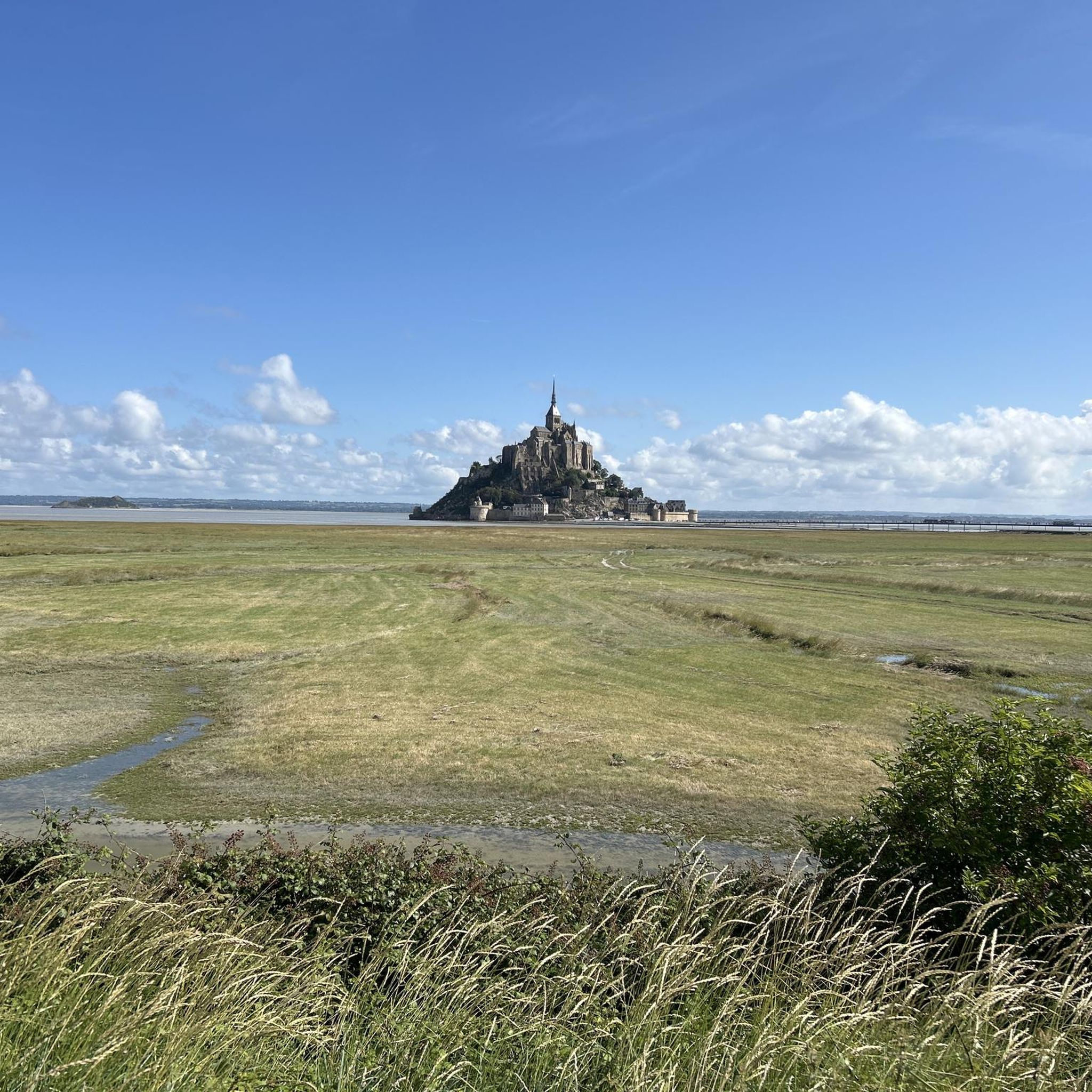
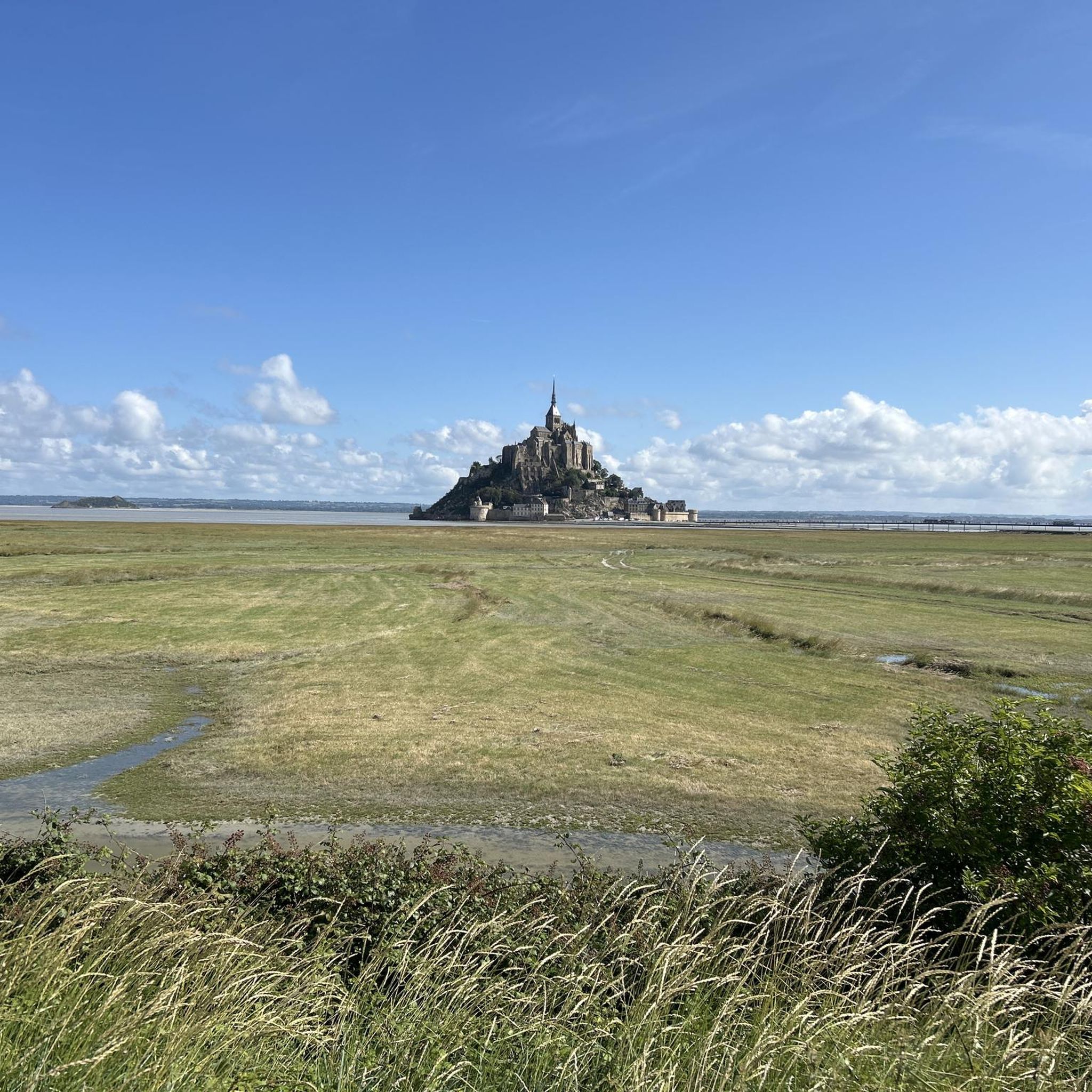
Mont Saint-Michel
Highlight • Religious Site
Translated by Google •
Tip by

Saint Aubert Chapel
Highlight • Religious Site
Showing Translation
Tip by

Sign up now to discover places like this
Get recommendations on the best single tracks, peaks, & plenty of other exciting outdoor places.
Sign up for free
Grouin du Sud
Highlight • Viewpoint
Translated by Google •
Tip by

Customs Officers' Path – Lude Valley and Beaches from Carolles to Saint-Jean-le-Thomas
Highlight (Segment) • Trail
Showing Translation
Tip by
Barbe Brûlée Point
Highlight • Viewpoint
Translated by Google •
Tip by
Sign up for free to discover even more natural monuments in Baie Du Mont Saint Michel.
Sign up for free
Already have an account?
Start today with a free account
Your next adventure awaits.
Login or Signup
Popular around Baie Du Mont Saint Michel
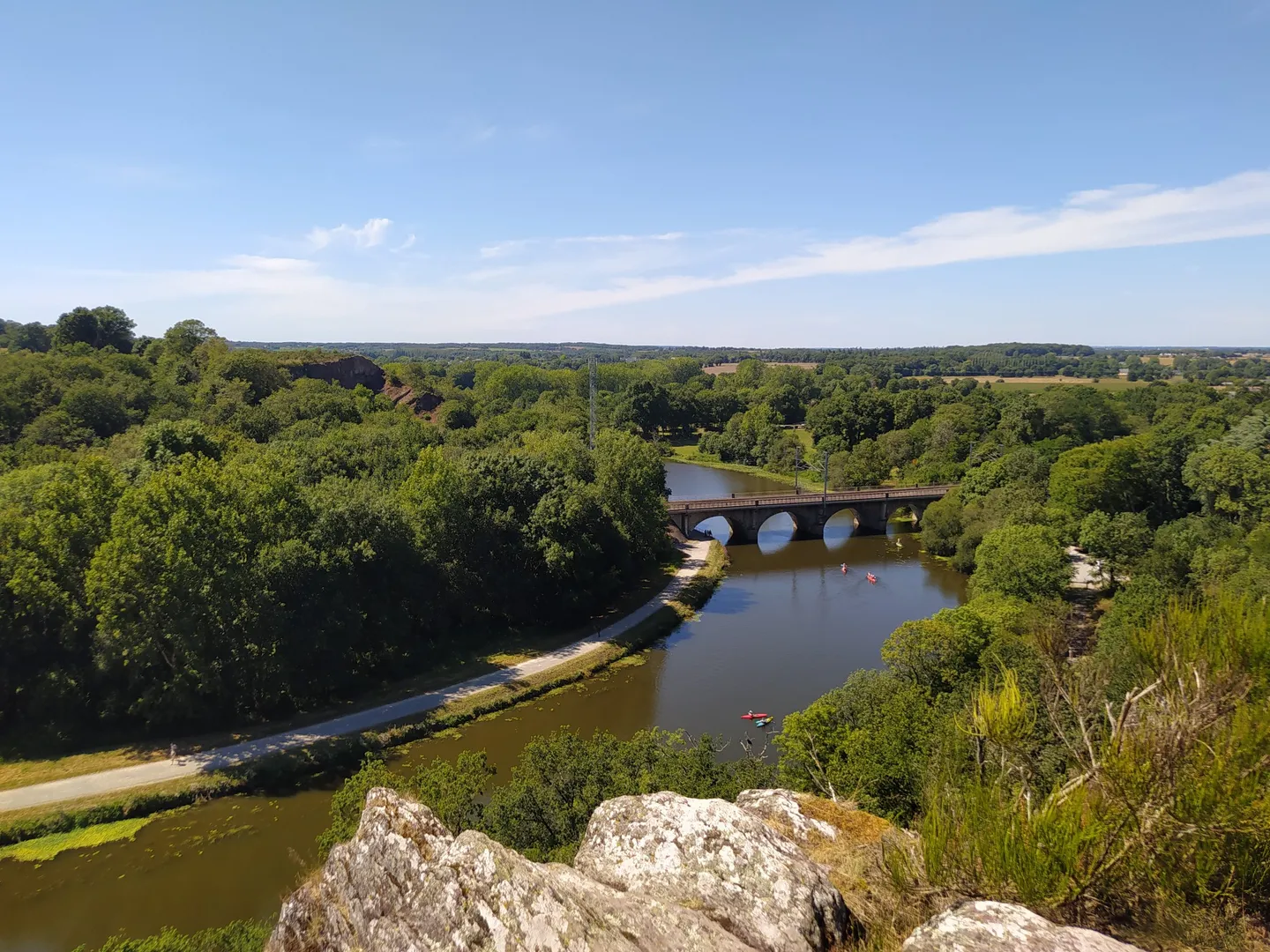
The GR 39 — On the historical traces of Brittany
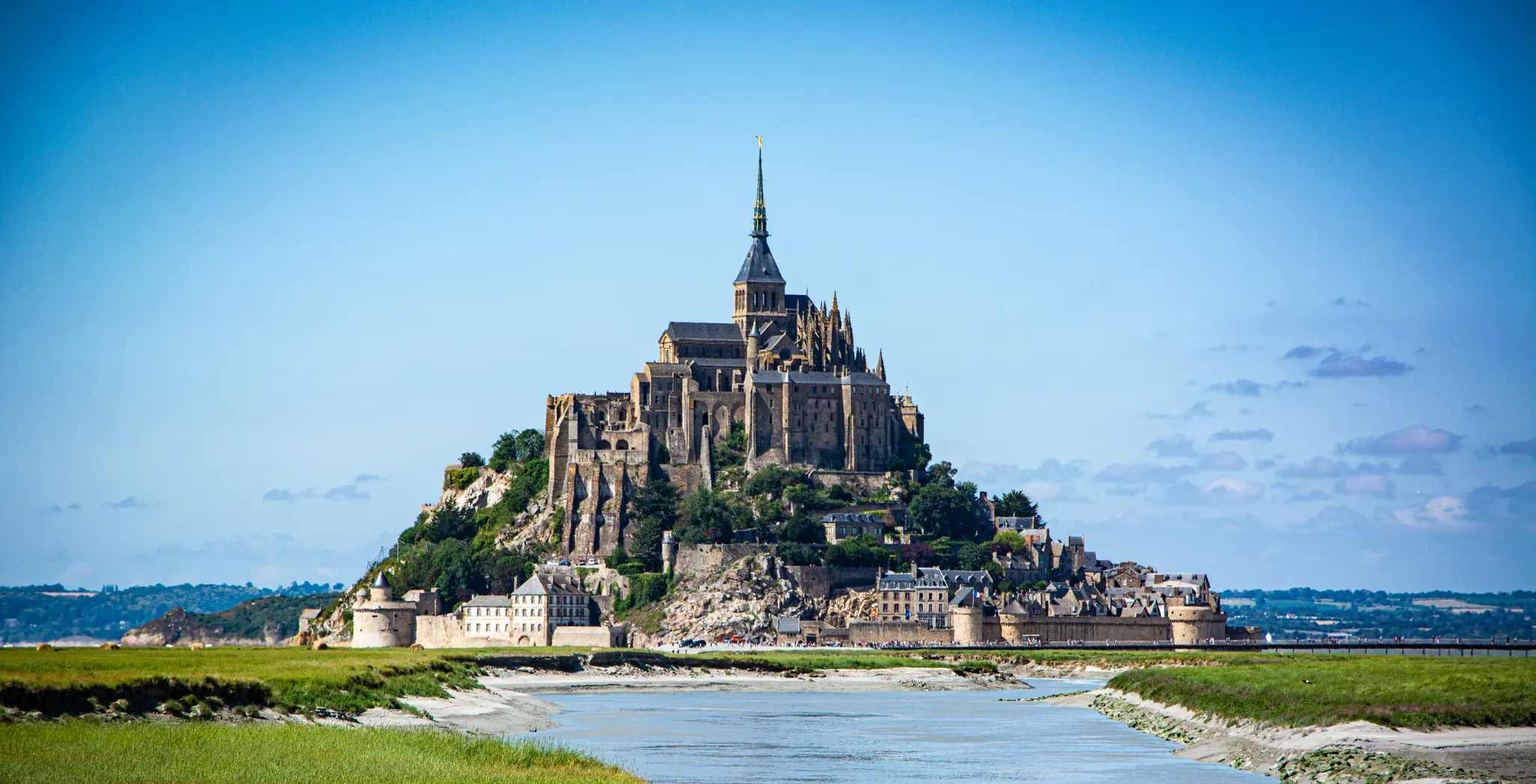
History and gastronomy - La Régalante
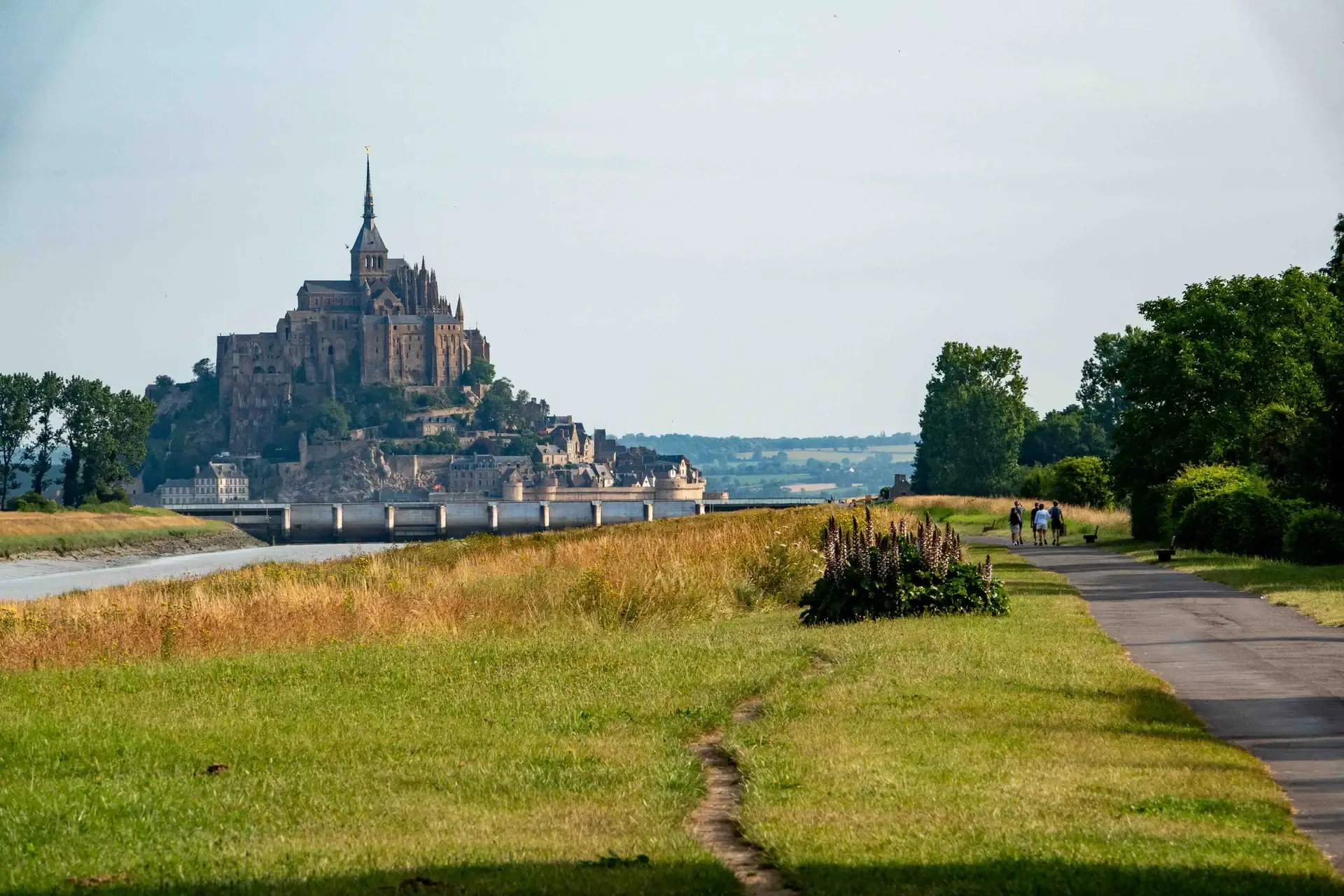
The Customs Officers’ Path – GR 34 between Saint-Malo and Pontorson
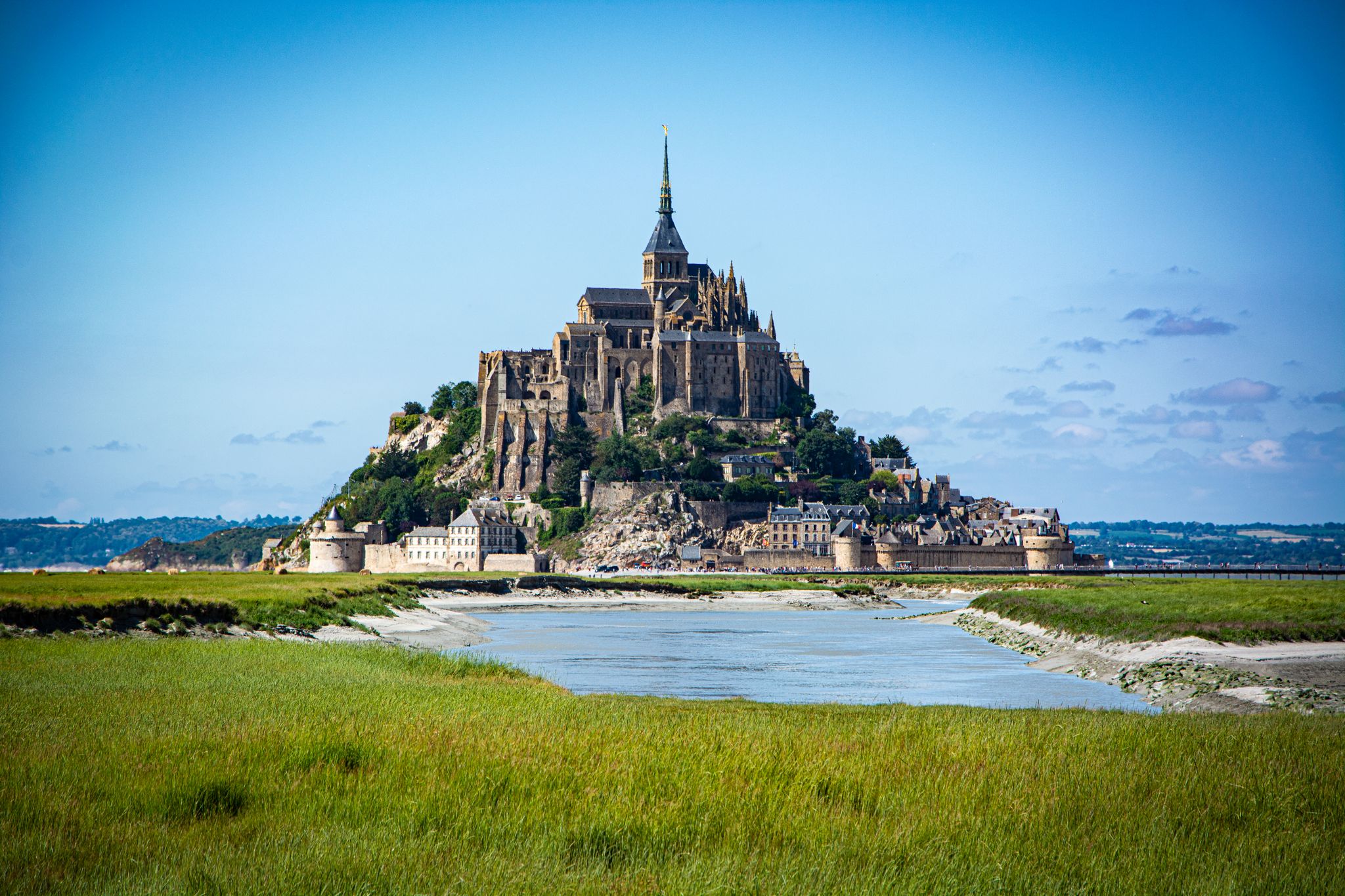
Coastlines of the English Channel — Tour de Manche
Cycling in Baie Du Mont Saint Michel
Hiking in Baie Du Mont Saint Michel
Running Trails in Baie Du Mont Saint Michel
MTB Trails in Baie Du Mont Saint Michel
Road Cycling Routes in Baie Du Mont Saint Michel

Gravel biking in Baie Du Mont Saint Michel
Other adventures in Baie Du Mont Saint Michel


Tips from the Community

The holy Aubert of Avranches was bishop of the Norman city of Avranches in the 8th century. According to Christian tradition, he founded the first sanctuary on the rock of the later Mont-Saint-Michel. According to legend, the Archangel Michael appeared to him several times, urging him to build a church on the then Mont Tombe. After initial hesitation, Aubert followed this command and had a chapel built, which became the origin of the famous pilgrimage site of Mont-Saint-Michel. Aubert is venerated as a pious bishop. His feast day is September 10th.
12
0

Many visitors run their hand over the chapel's granite wall or briefly place their hand on it. It is said to bring: • Good luck, • Protection on journeys, • or the fulfillment of a wish. However, there is no official historical source to document this custom. It is a local tradition passed down by visitors and tour guides – similar to many pilgrimage sites.
3
0
Who was Saint Aubert? According to legend, the Archangel Michael appeared to him in a dream three times in the year 708 and instructed him to build a church on the then Mont-Tombe. Aubert considered the first two apparitions to be dreams and ignored them. On the third occasion, Michael is said to have become impatient and touched him on the forehead with his finger – so forcefully that a hole was created in his skull. This hole, supposedly created by the archangel's finger, is still shown today in the Basilica of Avranches. Only then did Aubert begin the construction of the first sanctuary, from which Mont-Saint-Michel later emerged. The statue therefore shows him as a bishop: • with a mitre on his head, • in bishop's vestments, • with his right arm raised in a gesture of blessing, • with the crozier on his shoulder.
3
0

The documentary film "Border Paths – The Customs Officers' Trail" is described on its website as follows: "The historic Customs Officers' Trail begins at the famous pilgrimage site of Mont Saint-Michel and is now one of France's most popular hiking trails. Along its 1,700 kilometers, between Mont Saint-Michel in the north and Saint-Nazaire in the south of the Breton peninsula, hikers can discover impressive landscapes with a rich diversity of flora and fauna. Passing rugged cliffs, expansive dunes, and seemingly endless beaches, hikers become border crossers on a floating border that shifts with the rhythm of the tides." ``` The video about the "Sentier des Douaniers" (duration: 43 minutes / language: German) in the ARD media library can be accessed via the following link =>> https://www.ardmediathek.de/video/grenzwege-der-zoellnerpfad/grenzwege-der-zoellnerpfad/mdr/Y3JpZDovL21kci5kZS9zZW5kdW5nLzI4MjA0MC81MjE2OTktNTAxNzM2
1
0
Between Carolles and Saint-Jean-le-Thomas, beaches, steep coasts, and the picturesque Lude valley alternate. From the valley, the Rocher du Sard and the historic Cabane Vauban offer spectacular views of the Mont-Saint-Michel bay. Part of the route follows the historic customs path, where guards and customs officers once patrolled and monitored the coast. The flat sandy beaches and tidal flats at low tide invite leisurely walks, and the GR 223 combines history and coastal panorama into a charming hike.
28
0
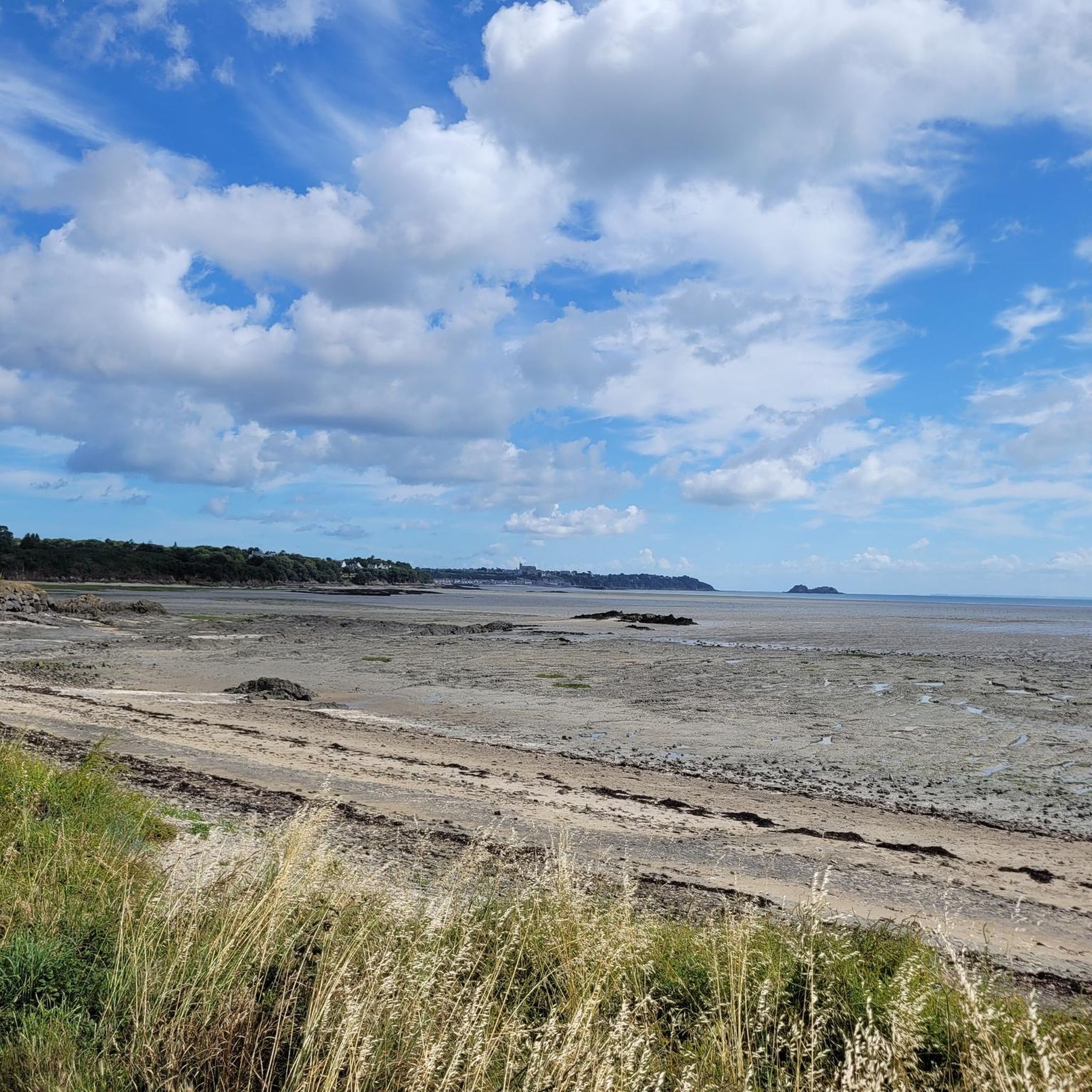
The Grouin du Sud is a natural headland offering impressive views of the bay and the famous Klosterberg. Depending on the tide, the landscape alternates between vast mudflats and ocean views, making the place particularly charming.
1
0
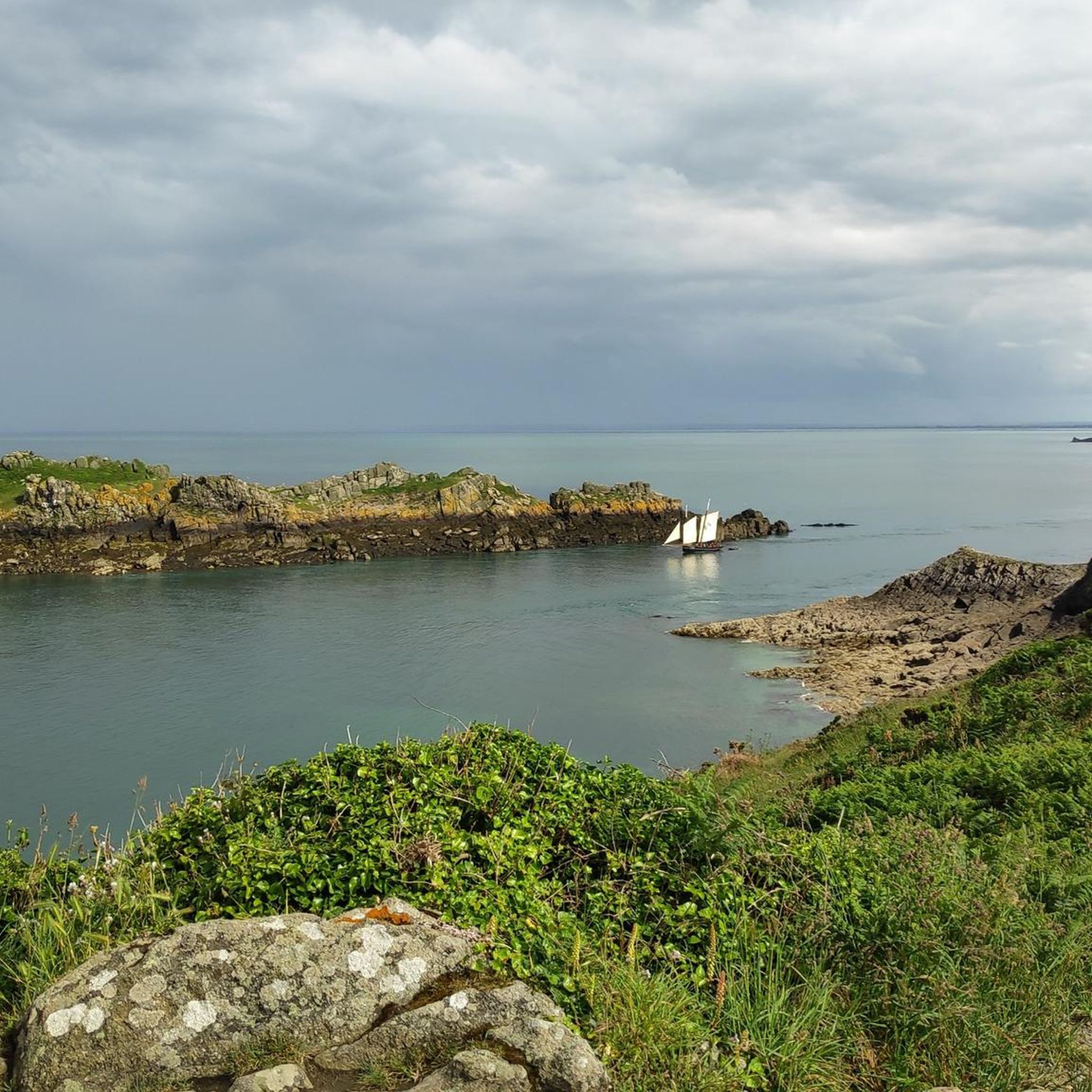
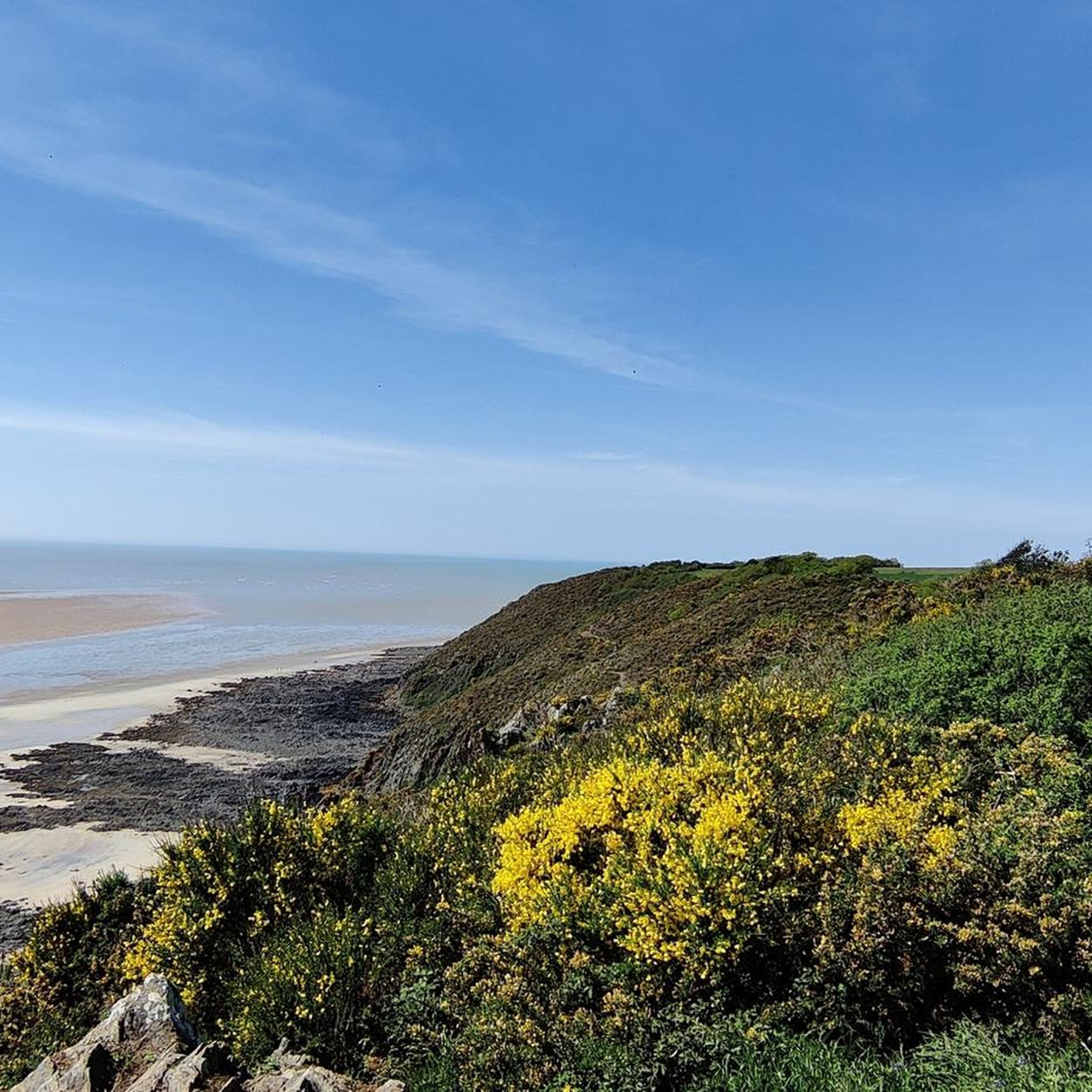
The Pointe de la Barbe Brûlée is a striking headland. Cliffs dominate the landscape, which changes dramatically depending on the tide. This stretch of coast is ideal for hiking, nature observation, and photography, offering impressive views of the bay and the sea.
31
0

Great viewpoint. The path is a bit bumpy in places, but it's worth the walk.
2
0
Frequently Asked Questions
What are the most popular natural monuments in Baie Du Mont Saint-Michel?
The Baie Du Mont Saint-Michel is home to several highly appreciated natural monuments. Among the most popular is Mont Saint-Michel itself, recognized as a UNESCO World Heritage site for its unique geological resilience as a rocky tidal island. Visitors also frequently enjoy Grouin du Sud, a viewpoint offering beautiful panoramas of Mont Saint-Michel and its bay. Another favorite is the Customs Officers' Path – Lude Valley and Beaches from Carolles to Saint-Jean-le-Thomas, which provides stunning views of the bay and its cliffs.
What unique geological features can I explore in the Baie Du Mont Saint-Michel?
The Baie Du Mont Saint-Michel is geologically fascinating. The iconic Mont Saint-Michel is a rocky tidal island composed of ancient sedimentary rocks that resisted erosion, giving it its distinctive conical shape. The bay also features Tombelaine Island, another granitic islet. Furthermore, the bay hosts the largest reefs of Sabellaria alveolata (honeycomb worm) in Europe, intricate structures built by marine worms that are crucial biodiversity hotspots.
Are there good viewpoints to see Mont Saint-Michel and the bay?
Yes, the region offers several excellent viewpoints. Grouin du Sud is a prominent rocky spur providing expansive panoramas of Mont Saint-Michel and its bay. The Customs Officers' Path, particularly the section between Carolles and Saint-Jean-le-Thomas, offers continuous scenic vistas from its cliffs. Another great spot is Barbe Brûlée Point, which provides distant views of Mont Saint-Michel.
What kind of wildlife can I expect to see in the Baie Du Mont Saint-Michel?
The Baie Du Mont Saint-Michel is a haven for diverse wildlife. It's a vital stopover for numerous migratory bird species, with up to 100,000 wintering wading birds like Eurasian curlew, common shelduck, and Brent geese. You might also spot a permanent population of bottlenose dolphins in the marine environment, and harbor seals are frequently seen basking on sandbanks or hunting in the tidal waters.
Are there family-friendly natural monuments or activities in the Baie Du Mont Saint-Michel?
Many natural monuments in the Baie Du Mont Saint-Michel are suitable for families. The main site of Mont Saint-Michel is considered family-friendly, offering an engaging historical and natural experience. Grouin du Sud is also listed as family-friendly, providing accessible viewpoints. Exploring the salt marshes with a guided tour can be an educational and enjoyable activity for all ages, offering insights into unique flora and fauna.
What outdoor activities, like hiking, can I do near these natural monuments?
The Baie Du Mont Saint-Michel offers excellent opportunities for outdoor activities. You can find various hiking routes, including easy options like the Lude Valley and Vauban Hut Loop from Carolles or the View of Mont Saint-Michel – Chemin du Douanier loop from Ecomusée de la Baie du Mont-Saint-Michel. For more challenging hikes, consider the Grouin du Sud and Priory of Saint-Léonard Loop. You can find more details on these and other trails in the Hiking in Baie Du Mont Saint Michel guide. Gravel biking is also popular, with routes like The Couesnon at Beauvoir – Pont d'Orson loop from Beauvoir, detailed in the Gravel biking in Baie Du Mont Saint Michel guide.
When is the best time to visit the natural monuments in Baie Du Mont Saint-Michel?
The Baie Du Mont Saint-Michel can be visited year-round, but each season offers a different experience. Spring and autumn generally provide pleasant weather for exploring, with fewer crowds than the peak summer months. These seasons are also excellent for birdwatching as many migratory species pass through. Summer is popular for its warmer temperatures, but can be very busy. Winter offers a quieter, more dramatic atmosphere, especially during high tides.
What are the famous tidal phenomena in the Baie Du Mont Saint-Michel?
The Baie Du Mont Saint-Michel is renowned for having one of the highest tidal ranges in Europe, averaging 10-11 meters and reaching up to 15-16 meters during spring tides. This dramatic tidal action uncovers a vast intertidal zone of mudflats and sandbanks, creating a breathtaking natural spectacle. The speed of the incoming tide is often described as 'as swiftly as a galloping horse,' and guided crossings of the bay allow visitors to experience this unique phenomenon firsthand.
Are there any less crowded natural sites to visit in the Mont Saint-Michel bay?
While Mont Saint-Michel itself can be very busy, especially during peak season, you can find quieter natural spots. Exploring the extensive salt marshes (prés salés) offers a peaceful experience away from the main crowds, allowing you to observe unique flora and fauna. Tombelaine Island, a largely wild and uninhabited granitic islet, provides a glimpse into the bay's natural state and is an important bird sanctuary, though access may be restricted to protect wildlife.
What are the salt marshes in the Baie Du Mont Saint-Michel, and why are they significant?
The Baie Du Mont Saint-Michel is home to some of the largest salt marshes (prés salés) in France and Europe. These expansive areas are characterized by resilient plants like sea lavender and samphire, adapted to salty conditions. They are vital ecosystems, serving as crucial feeding and nesting grounds for numerous bird species. Historically, these marshes have also been used as grazing grounds for sheep, contributing to the local culinary heritage with 'pré-salé' lamb.
Are there any historical or cultural aspects tied to the natural monuments?
Absolutely. The natural setting of Mont Saint-Michel, a rocky tidal island, profoundly influenced its historical and cultural development as a defensive stronghold and a place of pilgrimage since the 9th century. The isolation provided by its tidal nature was key to its strategic importance. The traditional agricultural practices linked to the salt marshes, such as grazing 'pré-salé' lamb, also represent a cultural heritage shaped by the bay's natural environment.
What should I pack for visiting the natural monuments in Baie Du Mont Saint-Michel?
When visiting the natural monuments, especially if you plan to explore the bay or hike, it's advisable to pack layers of clothing as weather can change quickly. Comfortable, waterproof walking shoes or boots are essential, particularly if you intend to walk on the intertidal zone or wet paths. Sun protection (hat, sunscreen) is important, as is rain gear. Binoculars are recommended for birdwatching, and a camera to capture the stunning landscapes. If participating in guided bay crossings, follow specific advice from your guide regarding appropriate footwear and clothing.
Most popular routes in Baie Du Mont Saint Michel
Most popular attractions in Baie Du Mont Saint Michel

Get inspired with the komoot mobile app


Explore more
Extend your search for the best caves by checking out these guides of the top ones in Baie Du Mont Saint Michel:
