Area De Conservación Guanacaste
Area De Conservación Guanacaste
Top 7 Natural Monuments in Area De Conservación Guanacaste
Best natural monuments in Area De Conservación Guanacaste, a UNESCO World Heritage Site, encompass a vast complex of protected areas in Costa Rica. This region is renowned for its exceptional biodiversity and diverse ecosystems, spanning from the Pacific coast to volcanic mountain ranges. It features tropical dry forests, rainforests, cloud forests, and marine habitats, providing a continuum of varied landscapes. The Area de Conservación Guanacaste is a significant location for conserving biological diversity.
Best natural monuments in Area De Conservación Guanacaste
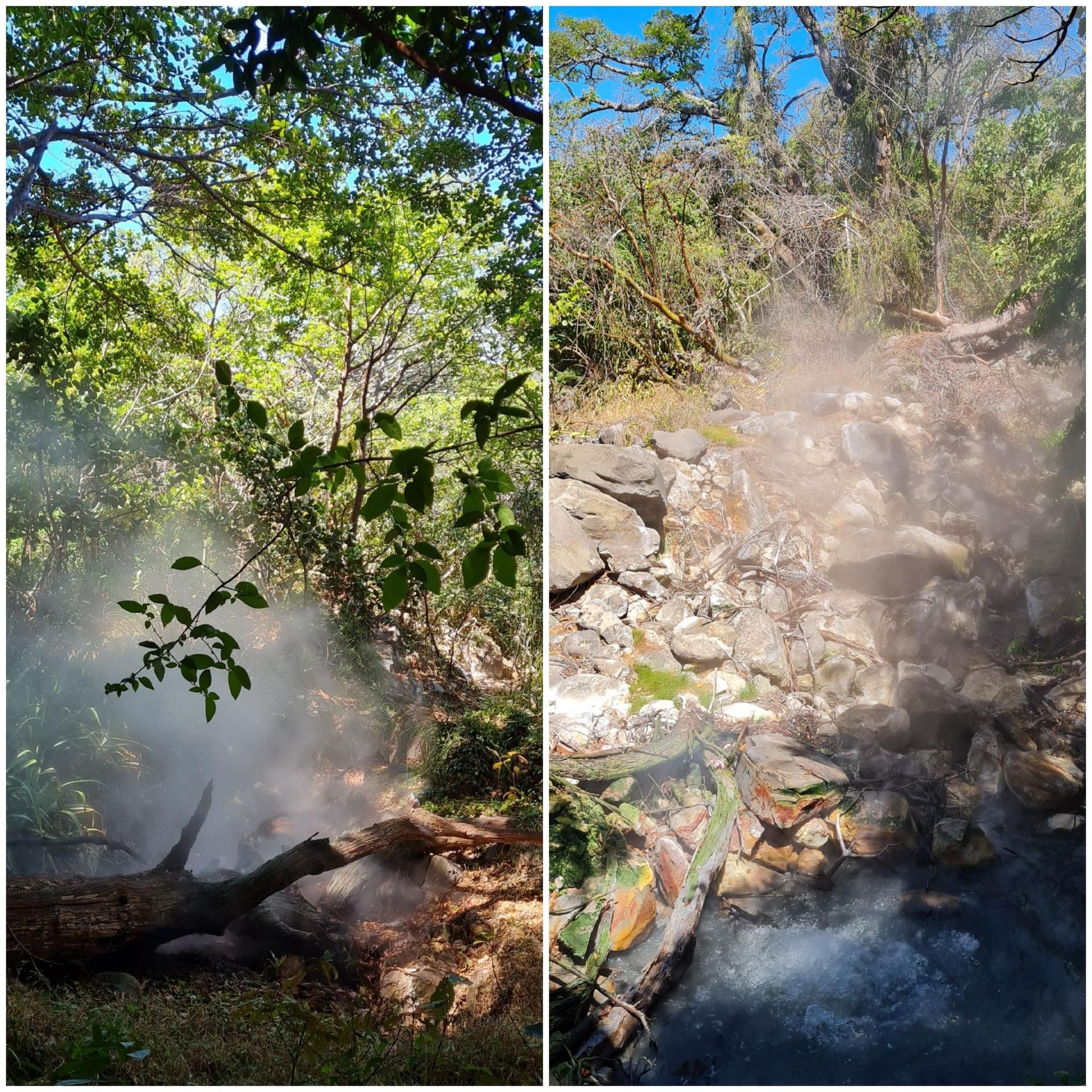
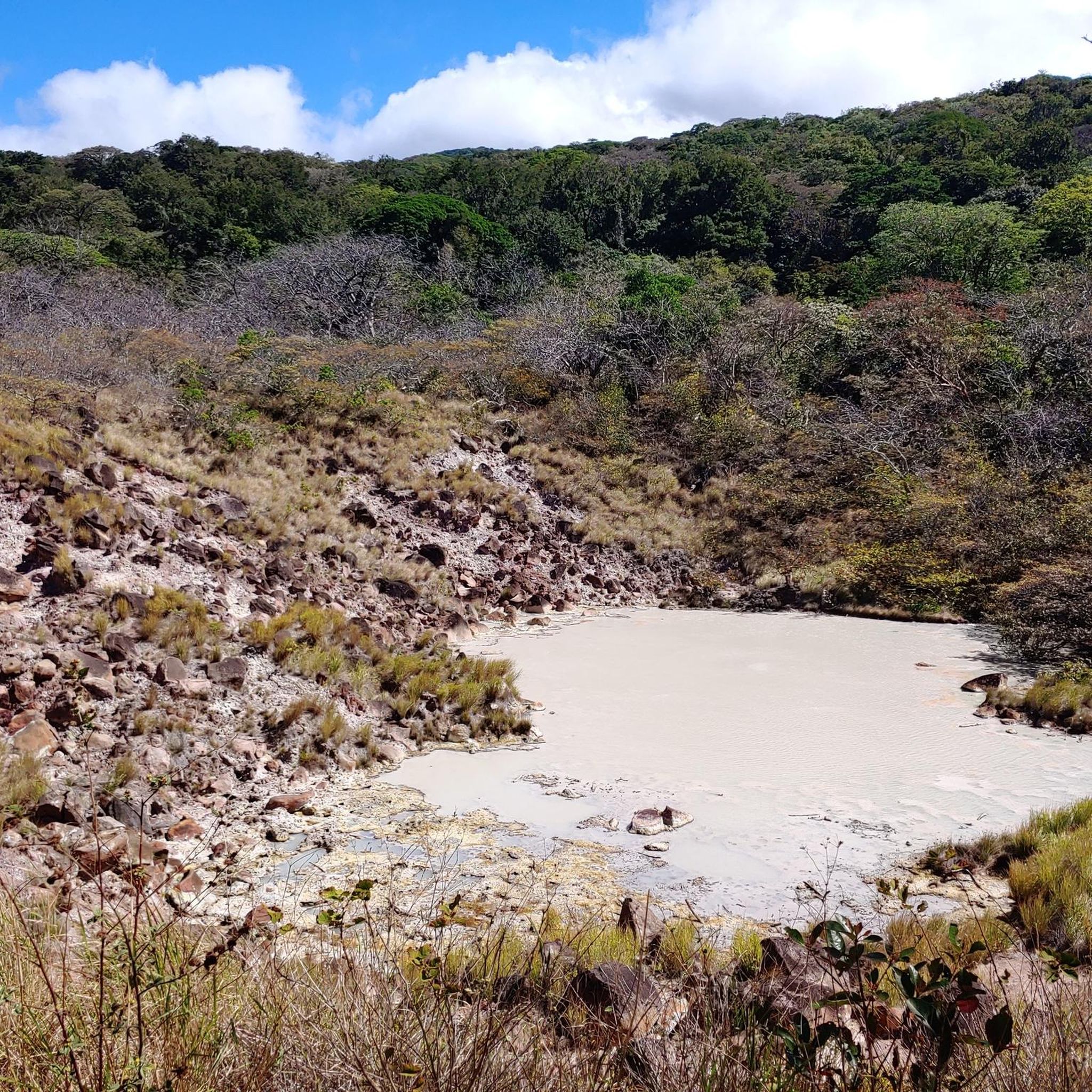
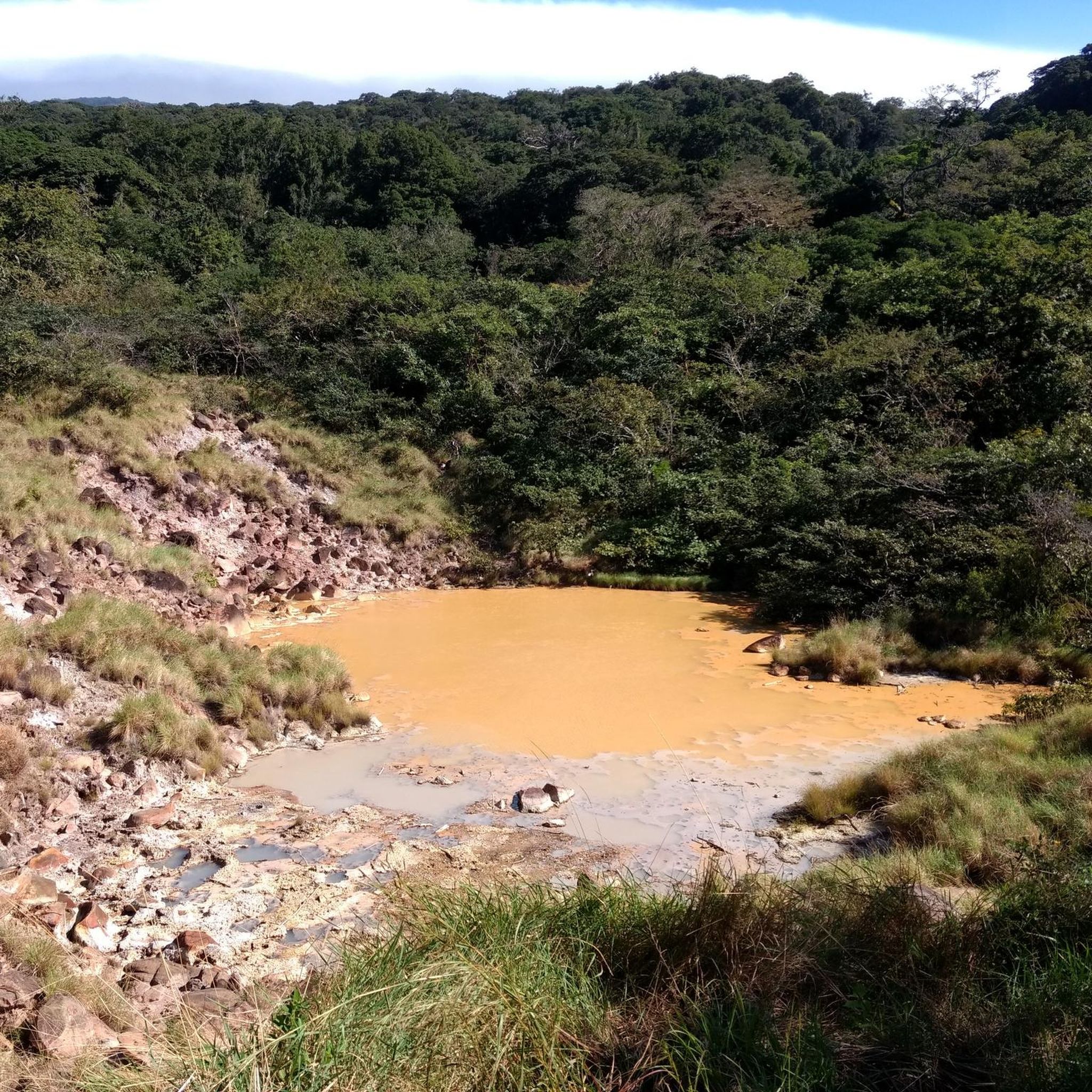
- The most popular natural monuments is Rincón de la Vieja National Park, a natural monument that is dominated by an active volcano. It features volcanic geothermal sites, including fumaroles, bubbling mud pots, and sulfur lakes.
- Another must-see spot is La Cangreja Waterfall, a waterfall located within the Rincón de la Vieja National Park. This picturesque waterfall is reached via a path through the rainforest, offering a rewarding natural spectacle.
- Visitors also love Volcancito Fumarole, a volcanic feature where steam rises from the ground. This site allows observation of the Rincón de la Vieja volcano's activity through its sulfur-scented emissions.
- Area De Conservación Guanacaste is known for its volcanoes, waterfalls, and forests. The region offers a variety of natural monuments to see and explore, from active geothermal areas to ancient trees and diverse ecosystems.
- The natural monuments in Area De Conservación Guanacaste are appreciated by the komoot community. There are 7 natural monuments with 73 photos and 73 upvotes from visitors.
Last updated: July 5, 2026
Rincón de la Vieja National Park
Highlight • Natural Monument
The 14000 ha national park is between 600 and 1900 m altitude. In addition to over 250 bird species, there are also sloths, monkeys, skunks, squirrels and much more to discover here. Also worth a detour are the steaming and sulphur-scented fumaroles, boiling mud pools and crater lakes.
There, where the lush vegetation thins out, you always have a beautiful view of the still active volcano Rincón de la Vieja.
The park is open every day except Monday from 8am-4pm (as of March 2022) and it is not difficult to enjoy a full day here.
Tip by

La Cangreja Waterfall
Highlight • Waterfall
Translated by Google •
Tip by

Sign up now to discover places like this
Get recommendations on the best single tracks, peaks, & plenty of other exciting outdoor places.
Sign up for free
Giant Trees of Parque Nacional Rincón de la Vieja
Highlight • Forest
Translated by Google •
Tip by

Volcancito Fumarole
Highlight • Volcano
Translated by Google •
Tip by
Seasonal waterfall
Highlight • Waterfall
Translated by Google •
Tip by

Sign up for free to discover even more natural monuments in Area De Conservación Guanacaste.
Sign up for free
Already have an account?
Start today with a free account
Your next adventure awaits.
Login or Signup
Popular around Area De Conservación Guanacaste
Tips from the Community

This is one of the kapok trees (Ceiba). Its massive buttress roots and intertwined trunks testify to its great age. These giant trees provide welcome shade and are a striking natural monument of the tropical dry forest.
0
0
Rincón de la Vieja National Park captivates visitors with its volcanic landscapes, fumaroles, and hot mud pools. Hiking trails lead through dry and rainforest to waterfalls and viewpoints. The smell of sulfur, steaming earth, and lush nature make the park an unforgettable experience.
0
0
La Cangreja waterfall lies deep within the national park of the same name in Costa Rica. A varied hike leads through dense rainforest, over roots and streams. At the end, the towering waterfall impresses with its raw power and pristine nature – especially beautiful after rainfall.
0
0

Wonderful waterfall. Absolutely worth it
1
0
Bubbling magma. Great trip into the earth's interior
1
0
Great hike. Worth it
1
0
great construction giants. Worth a hike
1
0

In the forest near the mud pots and fumaroles there are some giant trees that make you wonder how old they are. Huge plank and aerial roots create a thicket.
1
0
Frequently Asked Questions
What are the primary natural features to explore in Area de Conservación Guanacaste?
The Area de Conservación Guanacaste (ACG) offers a wide array of natural features. You can explore active volcanoes with geothermal sites like fumaroles and bubbling mud pots, dense primeval forests, and seasonal waterfalls. The region is also renowned for its diverse ecosystems, including tropical dry forests, rainforests, cloud forests, and significant marine habitats.
Which natural monuments in Area de Conservación Guanacaste are known for volcanic activity?
The most prominent natural monument for volcanic activity is Rincón de la Vieja National Park. Here, you can observe the active Rincón de la Vieja volcano, along with geothermal sites such as fumaroles, bubbling mud pots, and sulfur lakes. The Volcancito Fumarole is a specific highlight where steam rises from the ground, allowing you to experience the volcano's activity firsthand.
What kind of wildlife can I expect to see in the natural monuments of Guanacaste?
The diverse ecosystems within the Area de Conservación Guanacaste support a rich variety of wildlife. In areas like Rincón de la Vieja National Park, you might spot pumas, monkeys, sloths, and jaguars. Santa Rosa National Park is crucial for its tropical dry forests and is a major nesting site for sea turtles, particularly olive ridley turtles. Junquillal Bay Wildlife Refuge offers opportunities to see crocodiles in mangroves and tiger herons along river banks.
Are there family-friendly natural monuments or activities in Area de Conservación Guanacaste?
While many areas offer adventure, some parts of the Area de Conservación Guanacaste can be enjoyed by families. For instance, the Rincón de la Vieja National Park has trails that lead to geothermal sites, and the Rio Negro Hot Springs provide a relaxing experience. For easier walks, you can explore the easy hikes available in the region, such as the Volcancito Fumarole loop.
What are some notable waterfalls to visit in the Area de Conservación Guanacaste?
One of the most impressive waterfalls is La Cangreja Waterfall, located within Rincón de la Vieja National Park. It's reached via a challenging path through the rainforest and is known for its raw power, especially after rainfall. Additionally, the park features other beautiful cascades like the Seasonal waterfall and Escondidas.
When is the best time to visit the natural monuments in Area de Conservación Guanacaste?
The Area de Conservación Guanacaste experiences a dry season and a rainy season. Generally, the dry season (December to April) is considered the best time to visit for hiking and wildlife viewing, as trails are less muddy and the weather is sunny. However, the rainy season (May to November) brings lush greenery and makes waterfalls particularly impressive, though some trails might be more challenging.
What kind of hiking trails can I find near the natural monuments in Area de Conservación Guanacaste?
The region offers a variety of hiking trails, from easy strolls to challenging treks. In Rincón de la Vieja National Park, trails lead to volcanic features and waterfalls like La Cangreja. You can find hiking routes of varying difficulty, including the challenging path to La Cangreja Waterfall and moderate loops around Volcancito Fumarole. The park also features trails through primeval forests with giant trees.
Are there any coastal or marine natural monuments in the Area de Conservación Guanacaste?
Yes, the Area de Conservación Guanacaste extends to the Pacific coast and includes significant marine habitats. The Santa Rosa National Park features beautiful beaches like Naranjo and Nancite, which are vital nesting sites for sea turtles. The Junquillal Bay Wildlife Refuge is another coastal and marine area known for its mangroves and associated wildlife.
What makes the Area de Conservación Guanacaste a UNESCO World Heritage Site?
The Area de Conservación Guanacaste is a UNESCO World Heritage Site due to its exceptional biodiversity and its role in protecting a vast complex of diverse ecosystems. It encompasses tropical dry forests, rainforests, cloud forests, and marine habitats, providing a crucial migratory route for many species. It's recognized for its ongoing natural restoration of tropical dry forests and its commitment to conserving biological diversity, harboring over 7,000 plant species and 500 bird species.
What are the entry requirements or fees for the national parks within Area de Conservación Guanacaste?
When visiting national parks like Rincón de la Vieja, you typically need to pay an entrance fee, which is around $16 per person. It's important to carry your passport or another form of ID for entry. Some parks may also have specific opening hours and last entry times for certain trails, so it's advisable to check in advance. For current information on fees and regulations, you can consult official Costa Rican tourism resources like Visit Costa Rica.
What other outdoor activities, besides hiking, can I do near these natural monuments?
Beyond hiking, the Area de Conservación Guanacaste offers various outdoor activities. In coastal areas like Santa Rosa National Park, surfing and scuba diving are popular. For cycling enthusiasts, there are road cycling routes available, ranging from easy to difficult, allowing you to explore the region's landscapes on two wheels.
Where can I see ancient or giant trees in the Area de Conservación Guanacaste?
Within the Rincón de la Vieja National Park, particularly in the forest near the mud pots and fumaroles, you can find impressive Giant Trees. These include magnificent Kapok trees (Ceiba) with their massive buttress roots and intertwined trunks, which are striking natural monuments of the tropical dry forest and provide welcome shade.
Most popular routes in Area De Conservación Guanacaste
Most popular attractions in Area De Conservación Guanacaste

Get inspired with the komoot mobile app


Explore more
Extend your search for the best caves by checking out these guides of the top ones in Area De Conservación Guanacaste:
