Περισυνάκη - Αγριοκεφάλα - Μανίκα Δήμου Σφακίων
Περισυνάκη - Αγριοκεφάλα - Μανίκα Δήμου Σφακίων
Top 2 Mountain Passes in Περισυνάκη - Αγριοκεφάλα - Μανίκα Δήμου Σφακίων
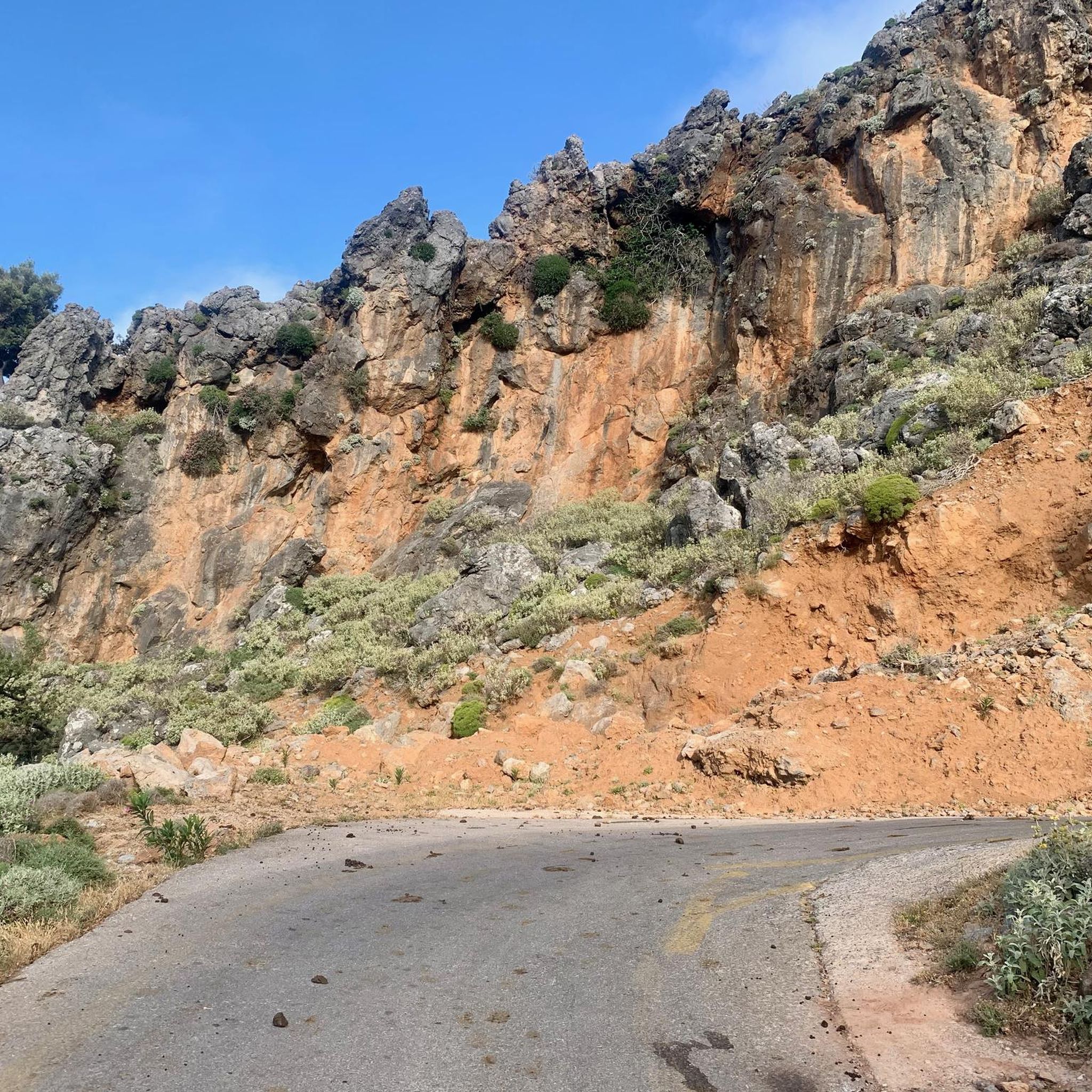
Mountain passes in Περισυνάκη - Αγριοκεφάλα - Μανίκα Δήμου Σφακίων traverse a rugged, mountainous landscape within the White Mountains (Lefka Ori) of Crete. This region is characterized by its dramatic scenery, deep gorges, and varied mountain routes. The area offers routes with significant elevation changes and panoramic views, extending from the mountains to the Libyan Sea. It provides opportunities for exploring challenging terrain and experiencing the natural features of Sfakia.
Best mountain passes in Περισυνάκη - Αγριοκεφάλα - Μανίκα Δήμου…
Last updated: June 21, 2026
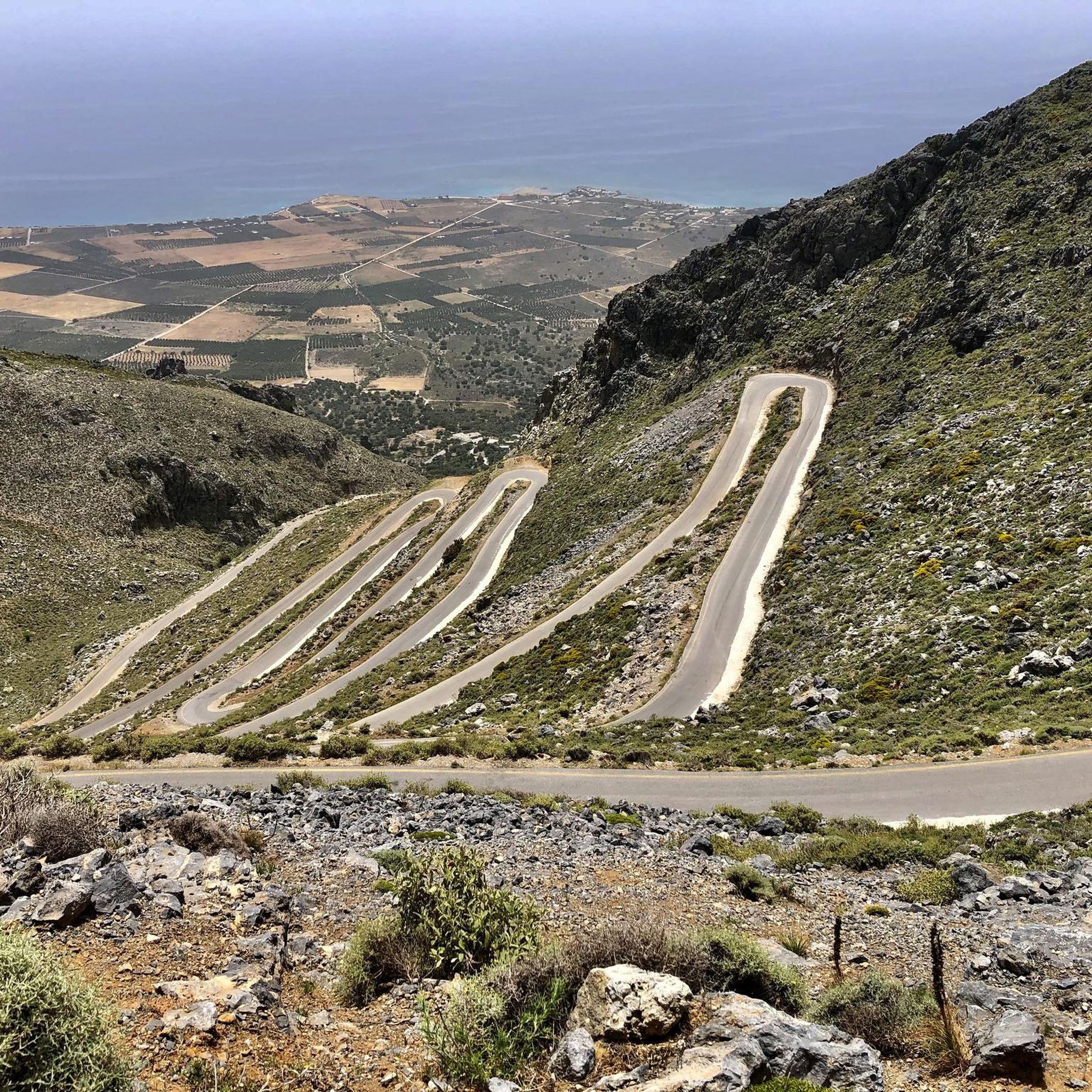
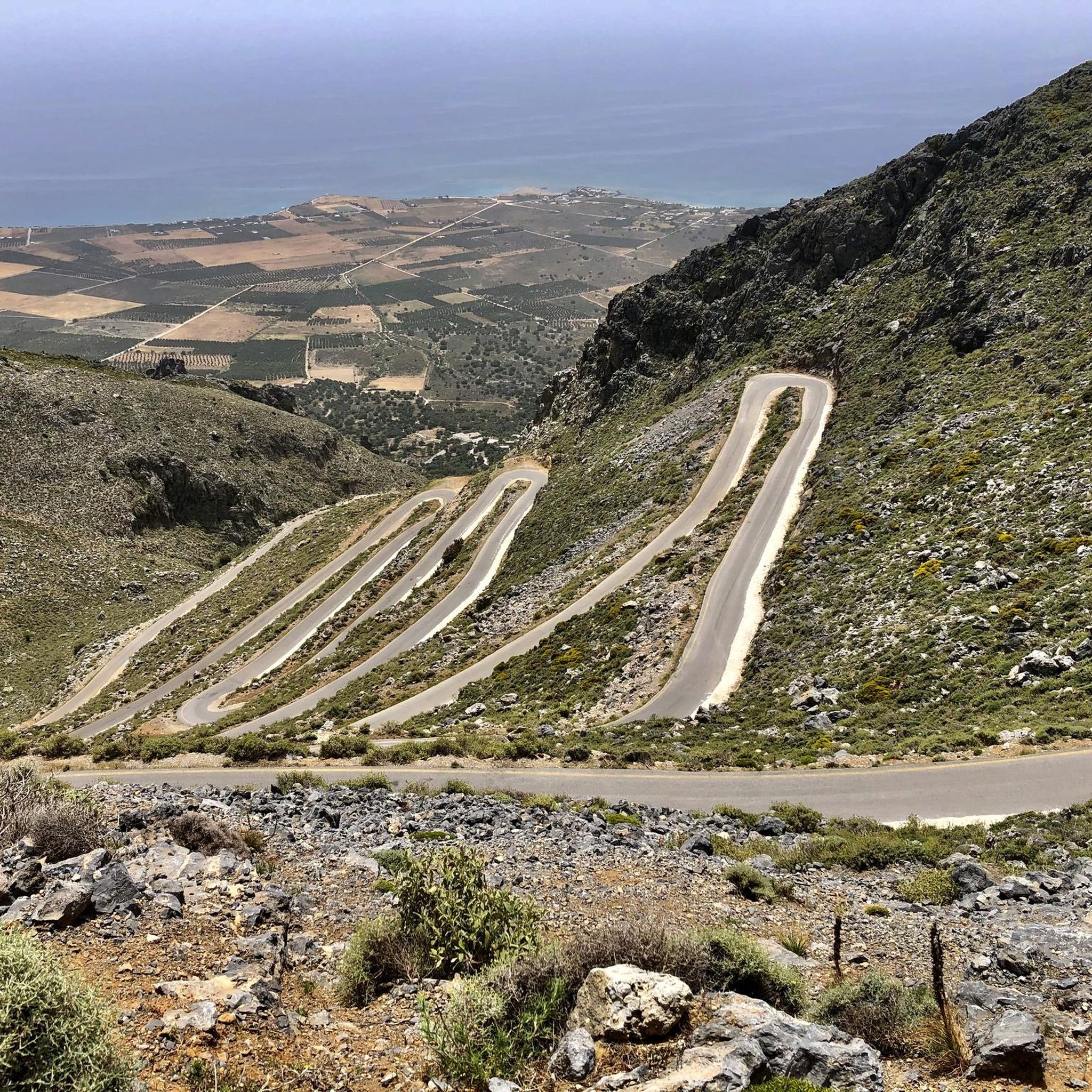
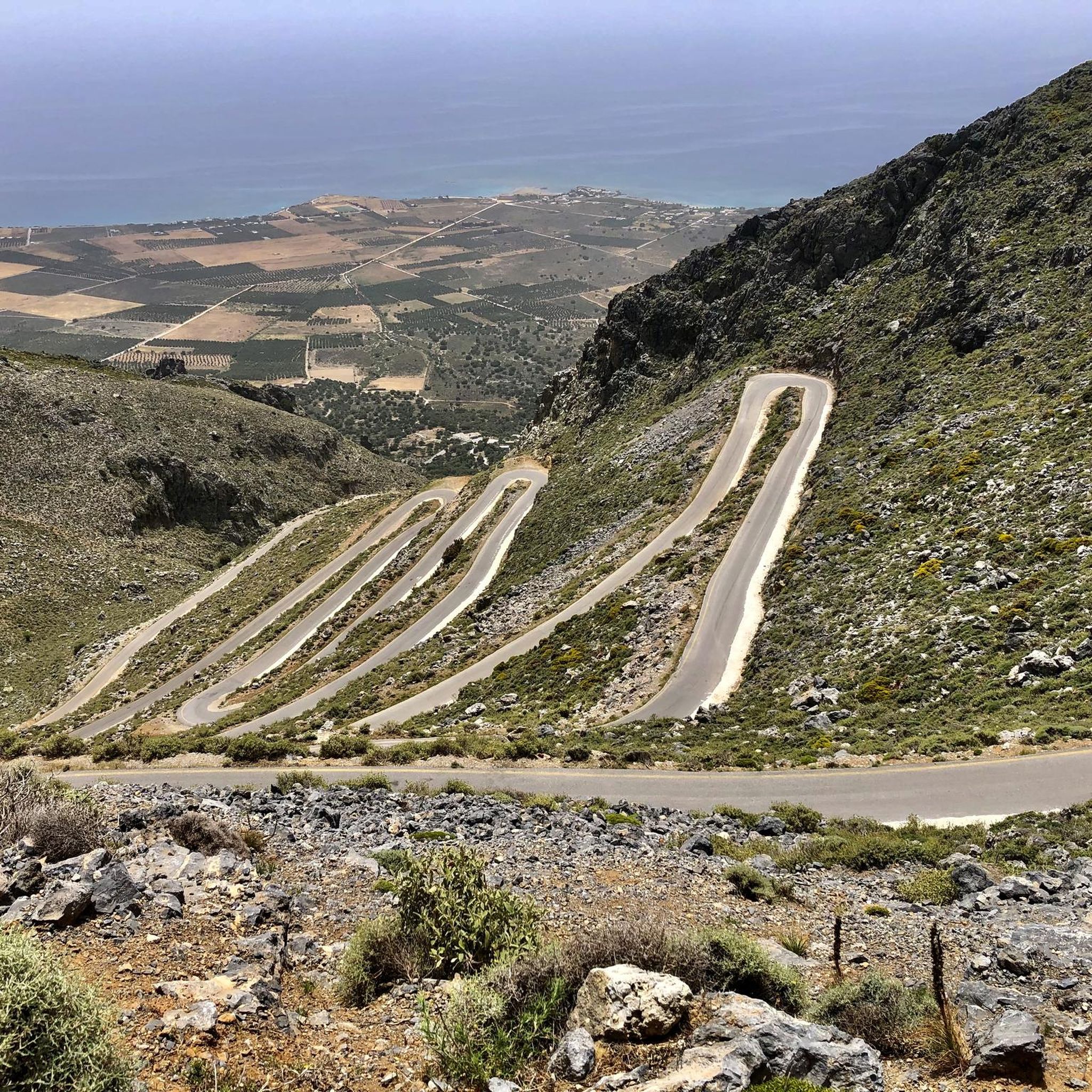
Kallikratis Pass
Highlight • Mountain Pass
Tip by

Mountain Pass Near Anogeia
Highlight • Mountain Pass
Quäldich Pass Description:
Anyone traveling from the Rethymnon area towards the Imbros or Kallikratis-Kapsodasos Passes must first conquer the Bourolos Pass, unless they choose a longer detour via Sellia along the south coast of Crete.
Translated by Google •
Tip by

Sign up now to discover places like this
Get recommendations on the best single tracks, peaks, & plenty of other exciting outdoor places.
Sign up for free
View of Frangokastello and Coastal Plain
Highlight • Viewpoint
Translated by Google •
Tip by

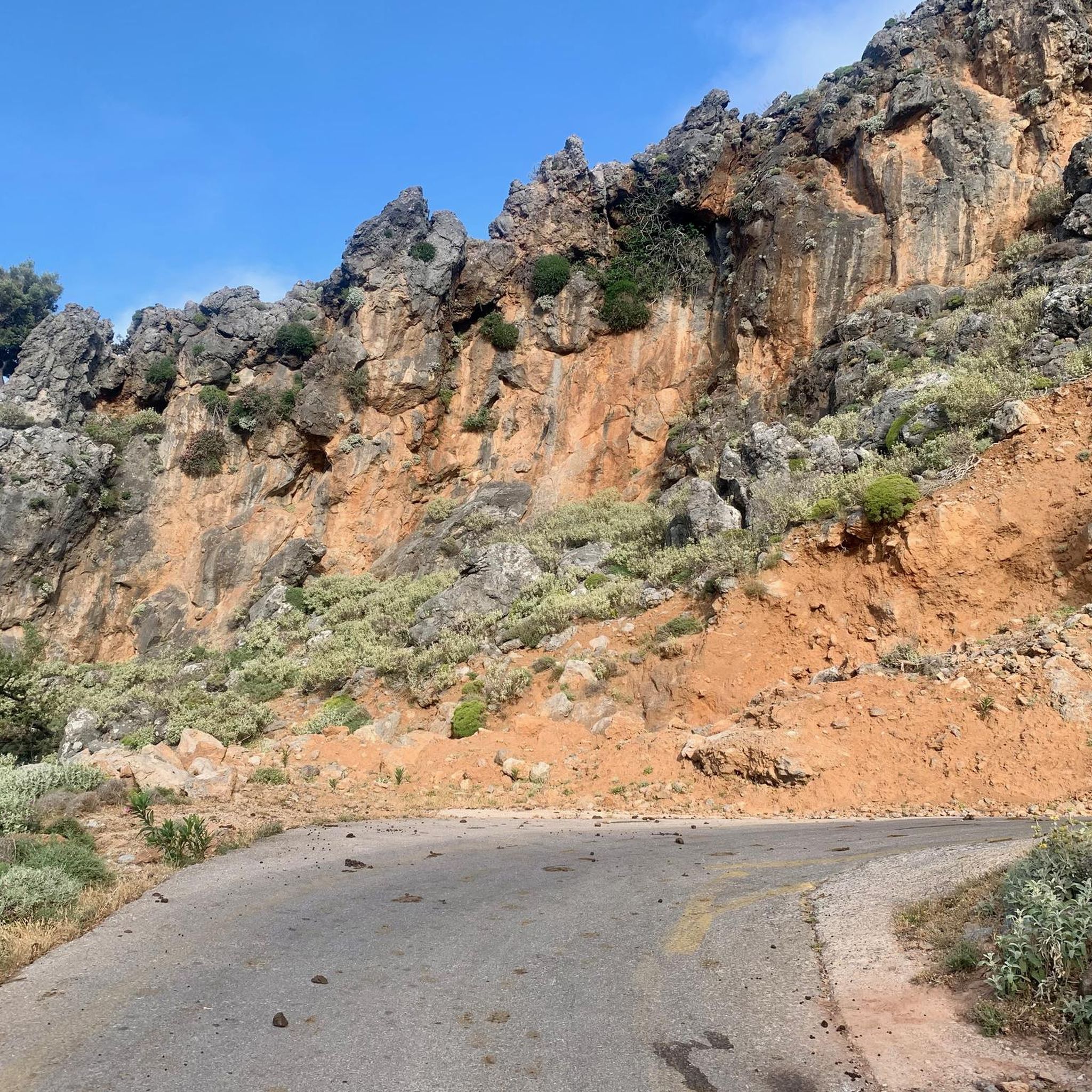
Gravel Road Through Rugged Mountain Landscape
Highlight (Segment) • Trail
Tip by

Start today with a free account
Your next adventure awaits.
Login or Signup
Popular around Περισυνάκη - Αγριοκεφάλα - Μανίκα Δήμου Σφακίων
Hiking in Περισυνάκη - Αγριοκεφάλα - Μανίκα Δήμου Σφακίων
Road Cycling Routes in Περισυνάκη - Αγριοκεφάλα - Μανίκα Δήμου Σφακίων
Cycling in Περισυνάκη - Αγριοκεφάλα - Μανίκα Δήμου Σφακίων
Running Trails in Περισυνάκη - Αγριοκεφάλα - Μανίκα Δήμου Σφακίων
MTB Trails in Περισυνάκη - Αγριοκεφάλα - Μανίκα Δήμου Σφακίων
Tips from the Community

The road is beautifully laid out, has wonderful views, and is not very busy, but with gradients of up to 19%, it's not for everyone ;-)
0
0

Quäldich Pass Description: Southern Ascent from Kapsodasos 6.7 km | 643 m elevation gain | 9.6% (~10.4%) The southern ascent begins in the village of Kapsodasos at an altitude of approximately 100 m. The turnoff to Kallikratis is signposted (as of 2018 on a very weathered sign). The route initially heads north for a little over half a kilometer before a veritable hairpin bend festival unfolds over the next five kilometers. The road winds its way up a barren rocky slope via a total of 27 hairpin bends. There is virtually no vegetation along the route, which has its own charm and offers consistently wonderful views, especially of the hairpin bends already conquered and the Libyan Sea shimmering in the distance. The gradient is inconsistent over these first 5.5 kilometers, averaging just over 10%, but quite steep. In addition to battling the steep incline, the author also encountered a rather strong headwind on the ascent, which swept down the slope and added to the effort. After completing the switchbacks, the worst is over, and the route continues relatively flat for half a kilometer northwards before the remaining 700 meters to the highest point of the route, where the final meters of elevation gain must be conquered at a manageable gradient. Once at the top, the route descends for about a kilometer, followed by a gentle climb of almost three kilometers towards Kallikrátis. From there, however, more elevation gain awaits, as one must either tackle the easy western ascent to the Bourolos Pass or the 560-meter climb of the eastern ascent to the Asfendos Pass. Northern Ascent 1 km | 64 m elevation gain | 6.4% (~8.8%)
0
0
Quäldich Pass Description: The Kallikratis-Kapsodasos Pass lies not far from the south coast of Crete, between Kapsodasos and Kallikratis. As is often the case in Crete, there is unfortunately no pass sign and therefore no official name for the crossing. It is also not marked on local maps. The owner of Olympic Bike in Rethymnon informed the author that the crossing is known locally as the Kapsodasos Pass, or simply Kapsodasos Pass, based on the starting point of the southern ascent. Elsewhere, it is referred to as the Kallikratis Climb. We cannot and do not wish to commit to a definitive name. This is not a pass in the conventional sense, as the road does not connect two valleys, but rather leads from the south coast parallel to a gorge, climbing a slope into the island's interior. However, like a pass, it does cross a high point. Consequently, the southern ascent can involve a considerable amount of elevation gain, while the northern ascent involves only a slight difference in altitude. As of 2018, the entire route is in excellent condition and has a much better road surface than the surrounding roads. Only in the lower section of the southern approach were there occasionally some stones on the road, which only required extra caution on the descent. Furthermore, the road is mostly single-lane, hardly used, and therefore a real pleasure to drive.
0
0
Bourolos Pass 818 m Quäldich Pass Description: Anyone traveling from the Rethymnon area towards the Imbros or Kallikratis-Kapsodasos Passes must first conquer the Bourolos Pass, unless they choose a longer detour via Sellia along the south coast of Crete. The pass runs roughly west-east, with two ascents from the east. The southern ascent offers several options at the beginning. The eastern ascents are quite scenic, while the pass summit itself is barren and unspectacular.
0
0

Great area great landscape
1
0

In fact, this "pass" isn't the highest point; it only looks that way. After a short descent, the climb continues for another 100 meters before reaching Kallikratis.
1
1

The view of Francocastello and its coastal plain is quite striking.
0
0

In case you plan to combine this one with the Imbros Pass in one tour, I would recommend to go Imbros downhill and Kallikratis uphill. There is lots of stones and sometimes fine Gravel/Sand on the road which makes descending at speed dangerous.
2
2
Frequently Asked Questions
What are the most notable mountain passes in Περισυνάκη - Αγριοκεφάλα - Μανίκα Δήμου Σφακίων?
The region features several dramatic routes. The Kallikratis Pass is particularly renowned for its challenging switchbacks and stunning views, often compared to Alpine roads. Another significant route is the Mountain Pass Near Anogeia, also known as Bourolos Pass, which offers scenic eastern ascents despite a barren summit.
What kind of views can I expect from the mountain passes in this region?
The mountain passes in Περισυνάκη - Αγριοκεφάλα - Μανίκα Δήμου Σφακίων offer continuous panoramic views. You can expect dramatic vistas of the rugged White Mountains (Lefka Ori), deep gorges, and the sparkling Libyan Sea. Highlights like the View of Frangokastello and Coastal Plain and the Kallikratis Pass View of Frangokastello Plain provide striking perspectives of the coastline and the serpentine roads below.
Are there challenging cycling routes in the mountain passes of Περισυνάκη - Αγριοκεφάλα - Μανίκα Δήμου Σφακίων?
Yes, the region is excellent for challenging cycling. The Kallikratis Pass is famous among road cyclists for its immaculate hairpins and steep climbs, with sections averaging 10% gradient. There are also routes like the Gravel Road Through Rugged Mountain Landscape which offers a surreal, challenging experience, especially if cycling uphill.
What hiking opportunities are available near these mountain passes?
The broader Sfakia region, including the area around these passes, is crisscrossed by numerous hiking paths. The European hiking footpath E4 also traverses Sfakia's mountains. You can find a variety of routes, from easy walks to more difficult treks. For example, there are easy hikes like the "Saint John the Baptist Chapel – Taverna Vigles loop" near Kapsodhasos, and more challenging ones like the "Narrow Passage of the Gorge – Narrowest Point of the Gorge loop" from Imbros. Explore more hiking options on our guide to easy hikes or hikes from bus stations in the region.
What is the best time of year to visit the mountain passes in Περισυνάκη - Αγριοκεφάλα - Μανίκα Δήμου Σφακίων?
The best time to visit is generally during the spring (April-May) and autumn (September-October) months. During these periods, the weather is pleasant for outdoor activities like cycling and hiking, and the landscapes are particularly vibrant. Summers can be very hot, especially at lower altitudes, while winters can bring snow to the higher peaks of the White Mountains, making some passes less accessible.
Are there any family-friendly activities or routes near the mountain passes?
While many mountain passes offer challenging terrain, the broader Sfakia region does have options suitable for families. Look for easier hiking trails in nearby areas, such as those listed in our guide to easy hikes. These often provide a chance to enjoy the natural beauty without extreme difficulty. The gorges, like Kallikratis Gorge, also have well-marked paths that can be explored by families, depending on the specific section.
What unique natural features can be found in this mountainous region?
The region is characterized by its dramatic geology, including deep gorges and rugged mountain landscapes. The Kallikratis Gorge and the famous Imbros Gorge are notable for their impressive rock formations and narrow passages. The area is part of the White Mountains (Lefka Ori), offering a raw, untouched beauty with significant elevation changes and diverse flora and fauna.
What do visitors enjoy most about the mountain passes in Περισυνάκη - Αγριοκεφάλα - Μανίκα Δήμου Σφακίων?
Visitors frequently praise the stunning, uninterrupted panoramic views of the rugged mountains and the Libyan Sea. The challenging yet rewarding cycling and hiking opportunities are also a major draw. Many appreciate the sense of seclusion and the authentic experience of Crete's 'wilder side,' away from more tourist-dense areas. The unique geological features, especially the gorges, also leave a lasting impression.
How accessible are the mountain passes by car, and is parking available?
Many of the mountain passes, including the Kallikratis Pass, are traversed by paved roads, making them accessible by car. These roads often feature dramatic switchbacks and offer incredible scenic drives. Parking availability can vary; in smaller villages or at specific viewpoints, you'll typically find designated or informal parking spots. However, during peak times, it's advisable to arrive early.
Can I find cafes or tavernas near the mountain passes?
While the mountain passes themselves are often remote, you will find cafes and traditional tavernas in the small villages scattered throughout the Sfakia region. These villages, often nestled in the mountains or along the coast, provide excellent opportunities to rest, refuel, and experience local Cretan hospitality and cuisine.
Are there any specific routes for traffic-free cycling in the area?
Yes, the region offers traffic-free cycling experiences. For example, you can explore routes like the "Kallikratis Road Switchbacks – Kallikratis Pass loop" which provides a dedicated cycling experience. You can find more options and details in our guide to traffic-free bike rides in Περισυνάκη - Αγριοκεφάλα - Μανίκα Δήμου Σφακίων.
Most popular routes in Περισυνάκη - Αγριοκεφάλα - Μανίκα Δήμου Σφακίων
Most popular attractions in Περισυνάκη - Αγριοκεφάλα - Μανίκα Δήμου Σφακίων

Get inspired with the komoot mobile app


