Top 6 Natural Monuments in Monte Dei Cucchi, Pian Di Balestra
Natural monuments in Monte Dei Cucchi, Pian Di Balestra, located in the Bolognese Apennines, offer a diverse natural landscape within the Natura 2000 network. This area features significant natural attractions valued for their beauty and historical context. The region is characterized by a mosaic of habitats, including forests, meadows, and streams. These features provide opportunities for exploring both natural beauty and ancient infrastructure.
Best natural monuments in Monte Dei Cucchi, Pian Di Balestra
- The most popular natural monuments is Lake…
Last updated: August 29, 2026
Roman Sandstone Quarry on the Via degli Dei
Highlight • Historical Site
Tip by

Lake Castel dell'Alpi
Highlight • Lake
Translated by Google •
Tip by

Sign up now to discover places like this
Get recommendations on the best single tracks, peaks, & plenty of other exciting outdoor places.
Sign up for free
Pian di Balestra
Highlight • Natural Monument
Translated by Google •
Tip by

The Sword in the Stone of Monte dei Cucchi
Highlight • Monument
Translated by Google •
Tip by

Monte Freddi Climb and Sword in the Stone
Highlight (Segment) • Climb
Translated by Google •
Tip by

Sign up for free to discover even more natural monuments in Monte Dei Cucchi, Pian Di Balestra.
Sign up for free
Already have an account?
Start today with a free account
Your next adventure awaits.
Login or Signup
Popular around Monte Dei Cucchi, Pian Di Balestra
Western Mugello – Apennine passes and historic cycling climbs
Hiking in Monte Dei Cucchi, Pian Di Balestra
Road Cycling Routes in Monte Dei Cucchi, Pian Di Balestra
Running Trails in Monte Dei Cucchi, Pian Di Balestra
MTB Trails in Monte Dei Cucchi, Pian Di Balestra
Cycling in Monte Dei Cucchi, Pian Di Balestra

Gravel biking in Monte Dei Cucchi, Pian Di Balestra
Other adventures in Monte Dei Cucchi, Pian Di Balestra

Tips from the Community

As magical as it is tough, the climb begins just after the lake, where we find the "sword in the stone." The tale says that only the worthy, that is, those who possess honor and integrity, can draw the sword and become king. What awaits us next is a feat worthy of true heroes, as the 7 km that lie ahead are truly tough, but making everything sweeter is the place that slowly enters the woods, giving us a truly evocative view.
0
0

In the lake rest area, after the fall of the rock in May 2023, the famous sword in the stone was re-enacted
0
0

done the trail in 5 days alone in July 2023, no comment can give an idea of the feeling of happiness, freedom, tension..... I met many guys (and this gives me the idea that the future will be better than what we elderly people leave).... I cried upon arrival in Piazza della Signoria..... as I have already posted "if you have someone you don't love tell them to take the path, if instead you have someone you who you love tell them to do it... in any case they will thank you".
1
0

As you traverse the Via Degli Dei, a fascinating piece of history emerges—the Sandstone Quarry, a testament to the ingenuity of the ancient Romans. This quarry, with its rugged charm, unveils the foundations of the Roman military road that once threaded through these hills. The echoes of clinking tools and the rhythmic sounds of labor resonate through time as you explore the quarry. Carved out of the earth by the hands of Roman builders, the sandstone here served as the very building blocks of their ambitious road construction projects. The stones extracted from this quarry became the sturdy foundation of the roads that connected distant corners of the Roman Empire.
2
0

here began the discovery of the Flaminia Military, with the discovery of the Roman coin by Franco Santi
1
0

Remains of one of the quarries from which the Romans took the sandstone to build the trans-Apennine road
0
0

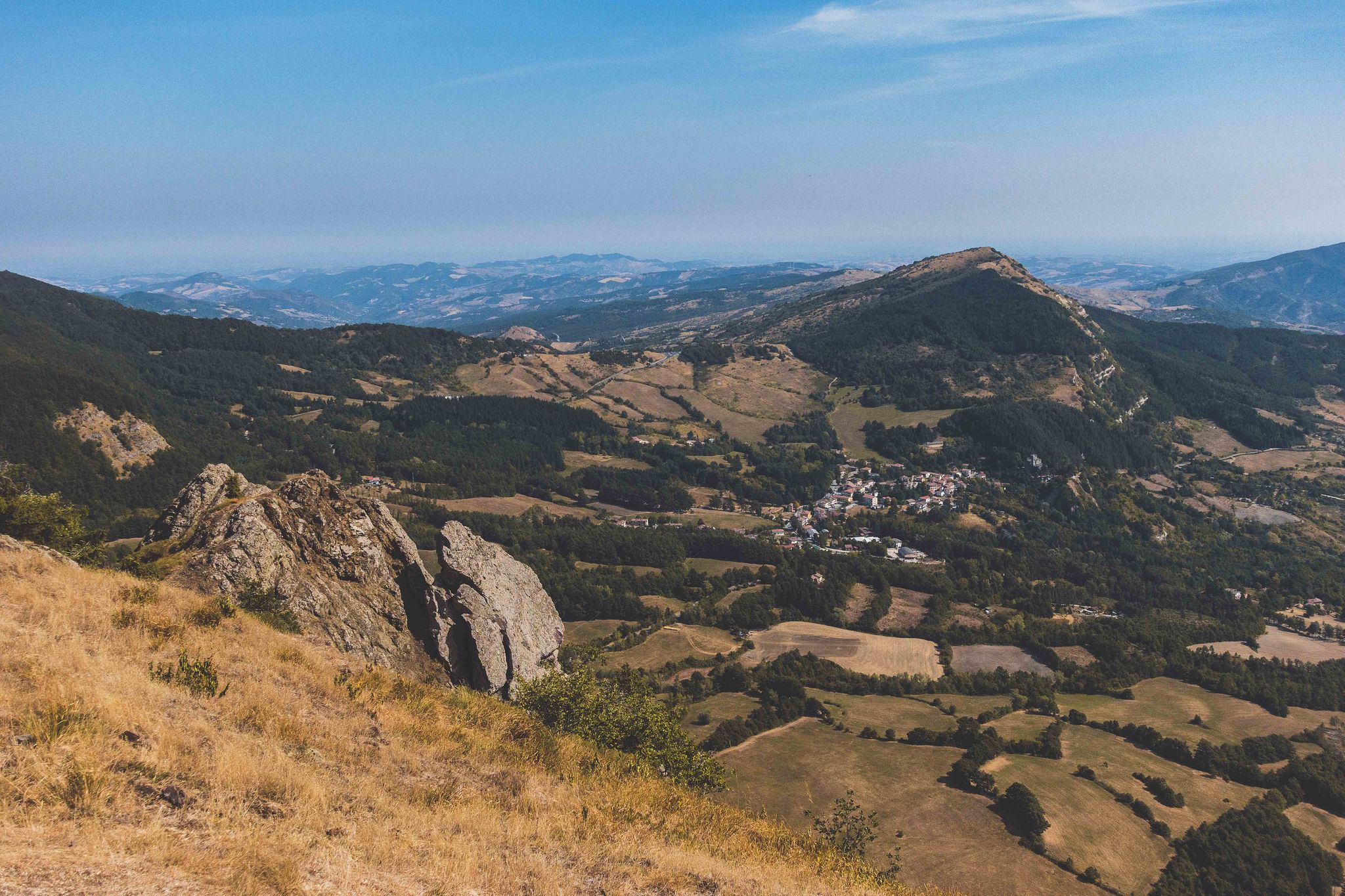
On the slopes between Monte Bastione and Monte dei Cucchi, Pian di Balestra is a plateau located about 1000 meters high along the Via degli Dei. There is a refuge and a small church, and it is the ideal place to explore the Tuscan-Emilian Apennines.
2
0
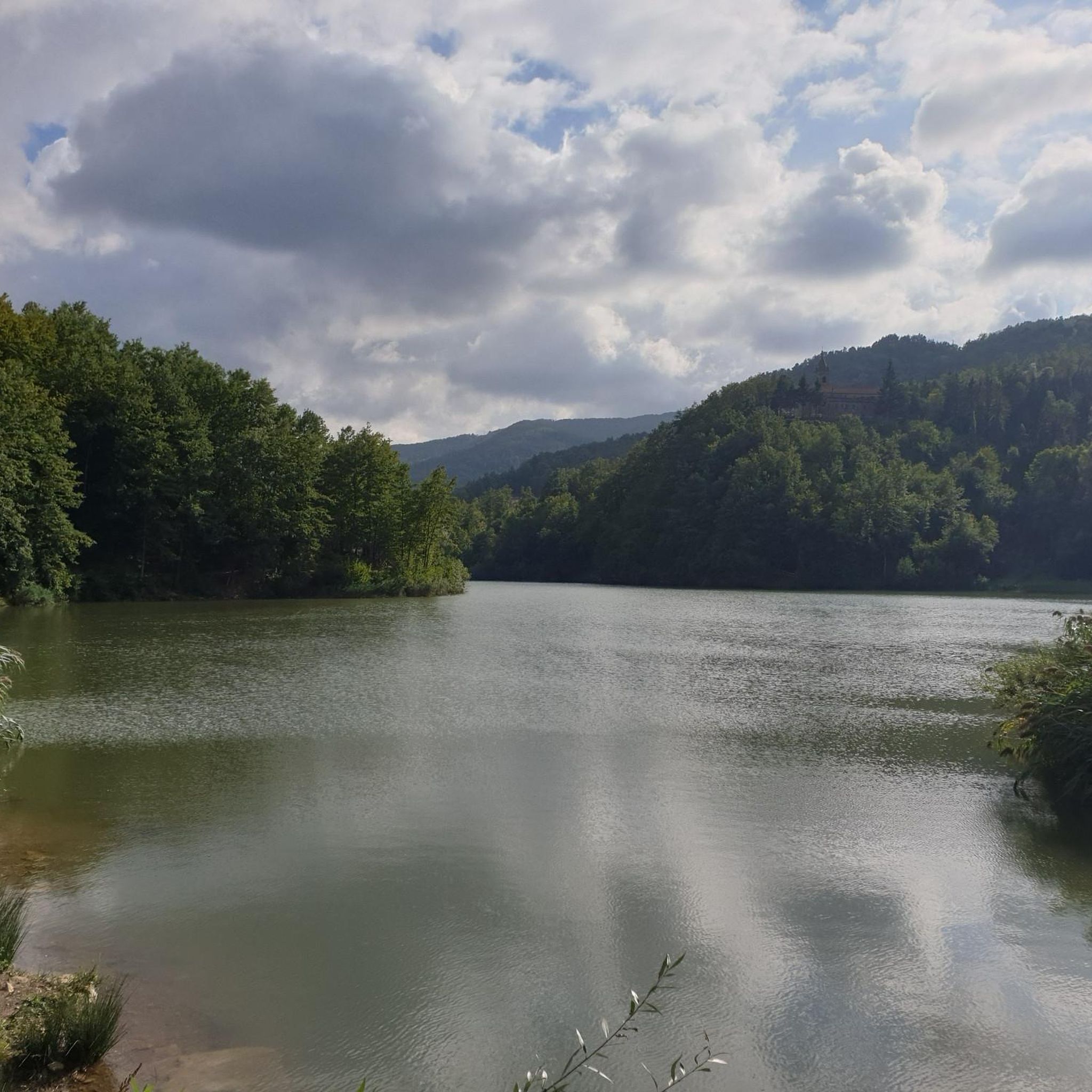
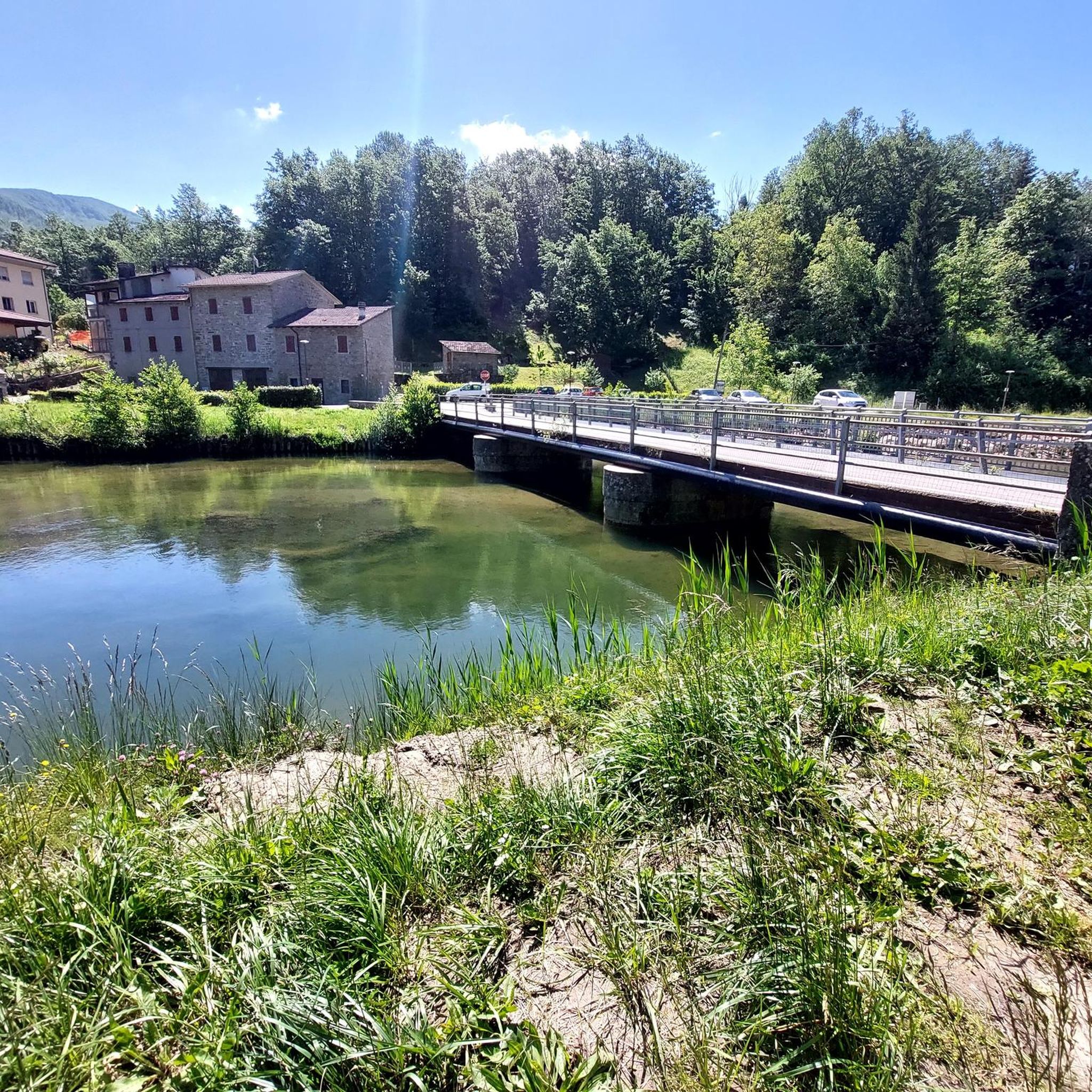
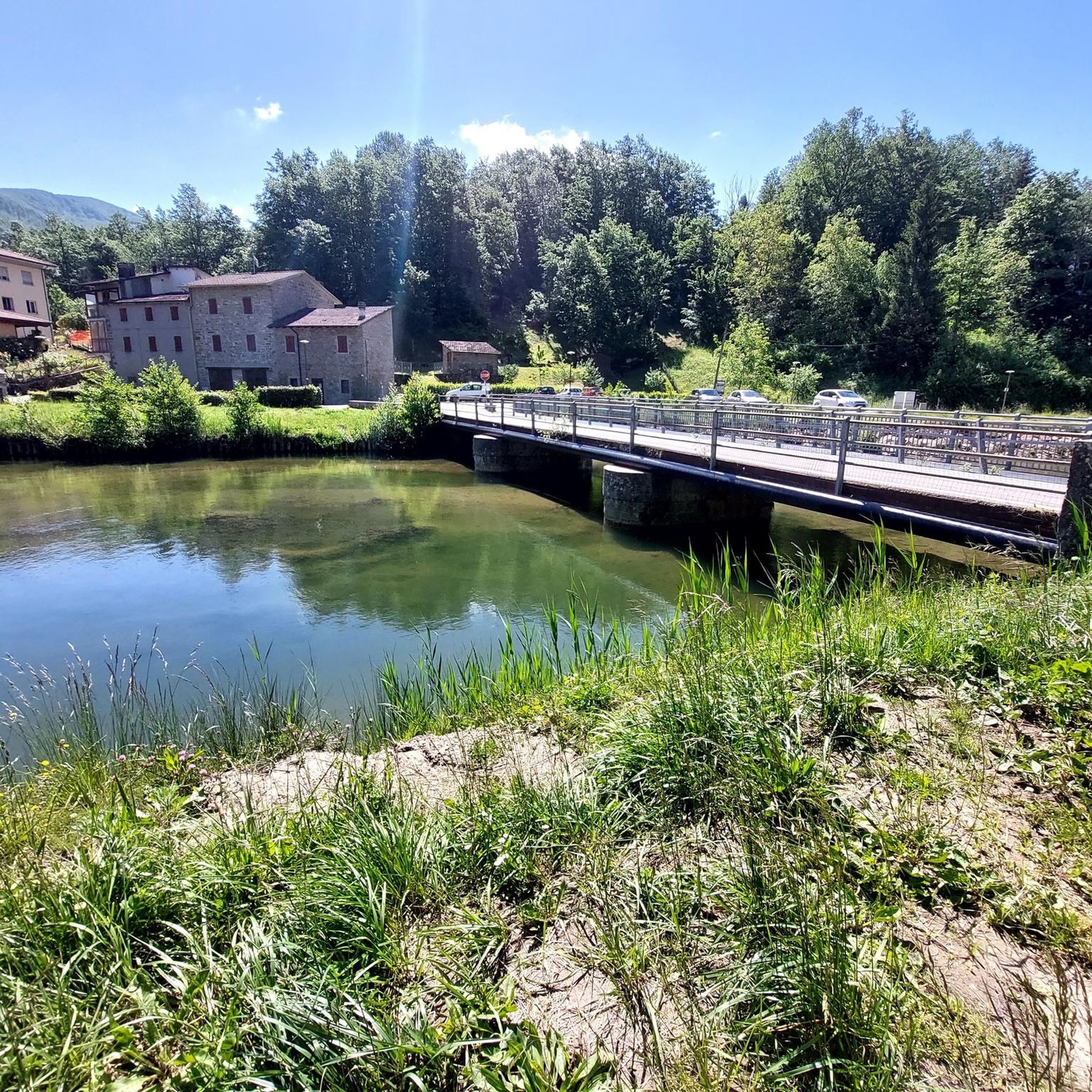
Castel dell'Alpi lake is the only natural basin in the province of Bologna. It was formed in 1951 following a landslide which blocked the course of the Savena stream, partially destroying the village of Castel dell'Alpi, now rebuilt on the right bank of the lake.
1
0
Frequently Asked Questions
What unique natural features can I explore in Monte Dei Cucchi, Pian Di Balestra?
The region offers a diverse natural landscape. You can visit Lake Castel dell'Alpi, the only natural lake in the province of Bologna, formed by a landslide. The area also features extensive forests, meadows, and streams like the Sambro torrent, providing a rich mosaic of habitats typical of the high Bolognese Apennine zone.
Are there any historical sites among the natural monuments?
Yes, the area is rich in history. A significant historical natural monument is the Roman Sandstone Quarry on the Via degli Dei. This quarry is a testament to ancient Roman engineering, as the sandstone extracted here was used for constructing roads like the Flaminia Militare. You can also find well-preserved stretches of the ancient Flaminia Militare road itself, offering a blend of nature and history.
What kind of outdoor activities can I do near these natural monuments?
Monte Dei Cucchi, Pian Di Balestra is ideal for various outdoor activities. You can enjoy hiking on paths suitable for all fitness levels, including those along the ancient Flaminia Militare. The region also offers dedicated routes for road cycling and running. For instance, you can explore waterfall hikes, such as those mentioned in the Waterfall hikes guide, or try challenging road cycling routes from the Road Cycling Routes guide.
Are there family-friendly natural monuments in the area?
Absolutely. Several natural monuments are suitable for families. Lake Castel dell'Alpi is a serene spot perfect for a relaxing visit. Pian di Balestra, a high plateau, also offers family-friendly trails and beautiful forest areas. Additionally, Lake Rioletta is very popular with families, walkers, and fishermen in summer.
What is Pian di Balestra known for?
Pian di Balestra is a natural monument and plateau situated at about 1000 meters high along the Via degli Dei. It is recognized for its significant environmental value and extensive wooded areas, making it an ideal place to explore the Tuscan-Emilian Apennines. It also offers beautiful viewpoints.
What is the best time to visit Monte Dei Cucchi, Pian Di Balestra for outdoor activities?
While specific data on the best time to visit is not provided, the diverse landscape with forests, meadows, and streams suggests that spring and autumn would be ideal for hiking and exploring, offering pleasant temperatures and vibrant scenery. Summer can also be enjoyable, especially around the lakes, but may be warmer.
Can I find viewpoints with scenic vistas in this region?
Yes, the area offers several scenic viewpoints. Pian di Balestra, a plateau along the Via degli Dei, provides excellent views of the Tuscan-Emilian Apennines. The region's varied terrain, including Monte Bastione, also offers opportunities for panoramic vistas.
What makes the Flaminia Militare significant in this area?
The Flaminia Militare is an ancient Roman road dating back to 187 BC, and a captivating stretch of it runs through the Monte Dei Cucchi and Pian Di Balestra area, particularly near Monte Bastione. This well-preserved paved road, part of the larger Via degli Dei, offers a unique blend of nature and history, allowing hikers and mountain bikers to traverse ancient pavements nestled within Apennine woods.
Are there any unique or unusual natural monuments to see?
Beyond the natural lakes and historical quarries, you might encounter the intriguing The Sword in the Stone of Monte dei Cucchi. This re-enactment, located in a lake rest area, adds a touch of folklore and uniqueness to the natural surroundings, especially popular with families.
What do visitors enjoy most about Monte Dei Cucchi, Pian Di Balestra?
Visitors particularly appreciate the blend of natural beauty and historical significance. The well-preserved ancient Roman infrastructure, like the Flaminia Militare and the Roman Sandstone Quarry, combined with serene natural spots such as Lake Castel dell'Alpi and the expansive wooded areas of Pian di Balestra, create a compelling experience for those seeking to connect with nature and history.
Are there opportunities for running near the natural monuments?
Yes, the area provides excellent running trails. You can find various routes, including a challenging running trail that loops from Castel dell'Alpi to the Ancient Roman Quarry, or another that connects Lago di Castel dell'Alpi with the Via Flaminia Militare.
Most popular routes in Monte Dei Cucchi, Pian Di Balestra
Most popular attractions in Monte Dei Cucchi, Pian Di Balestra

Get inspired with the komoot mobile app


Explore more
Extend your search for the best caves by checking out these guides of the top ones in Monte Dei Cucchi, Pian Di Balestra:
