Top 5 Natural Monuments in Gulpvallei Met Omgeving
Best natural monuments in Gulpvallei Met Omgeving are characterized by a preserved landscape that blends natural processes with historical human interaction. The region features a distinct valley form, providing varied topography and microclimates. Ancient grasslands and high-stemmed orchards, some dating back to the 18th century, contribute to its biodiversity and scenic beauty. Integrated watermill sites and geological elements like limestone slopes are also notable natural features.
Best natural monuments in Gulpvallei Met Omgeving
- The most popular natural monuments is Teuvenderberg…
Last updated: October 8, 2026
Teuvenderberg Nature Reserve
Highlight • Forest
Translated by Google •
Tip by

Limestone slope
Highlight • Natural Monument
Translated by Google •
Tip by

Sign up now to discover places like this
Get recommendations on the best single tracks, peaks, & plenty of other exciting outdoor places.
Barbed Wire Monument Sippenaeken
Highlight • Monument
Translated by Google •
Tip by

Start today with a free account
Your next adventure awaits.
Popular around Gulpvallei Met Omgeving

Tips from the Community

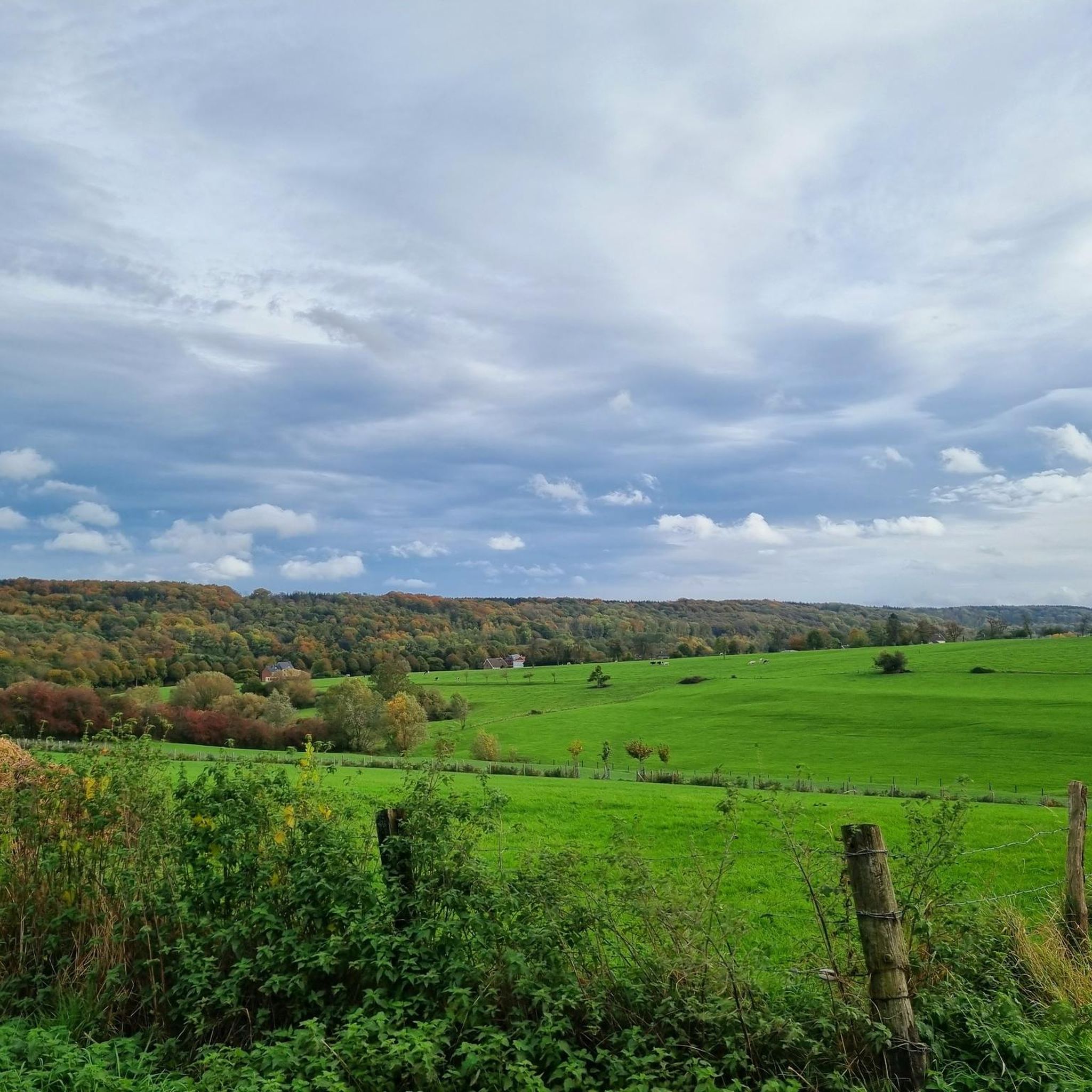
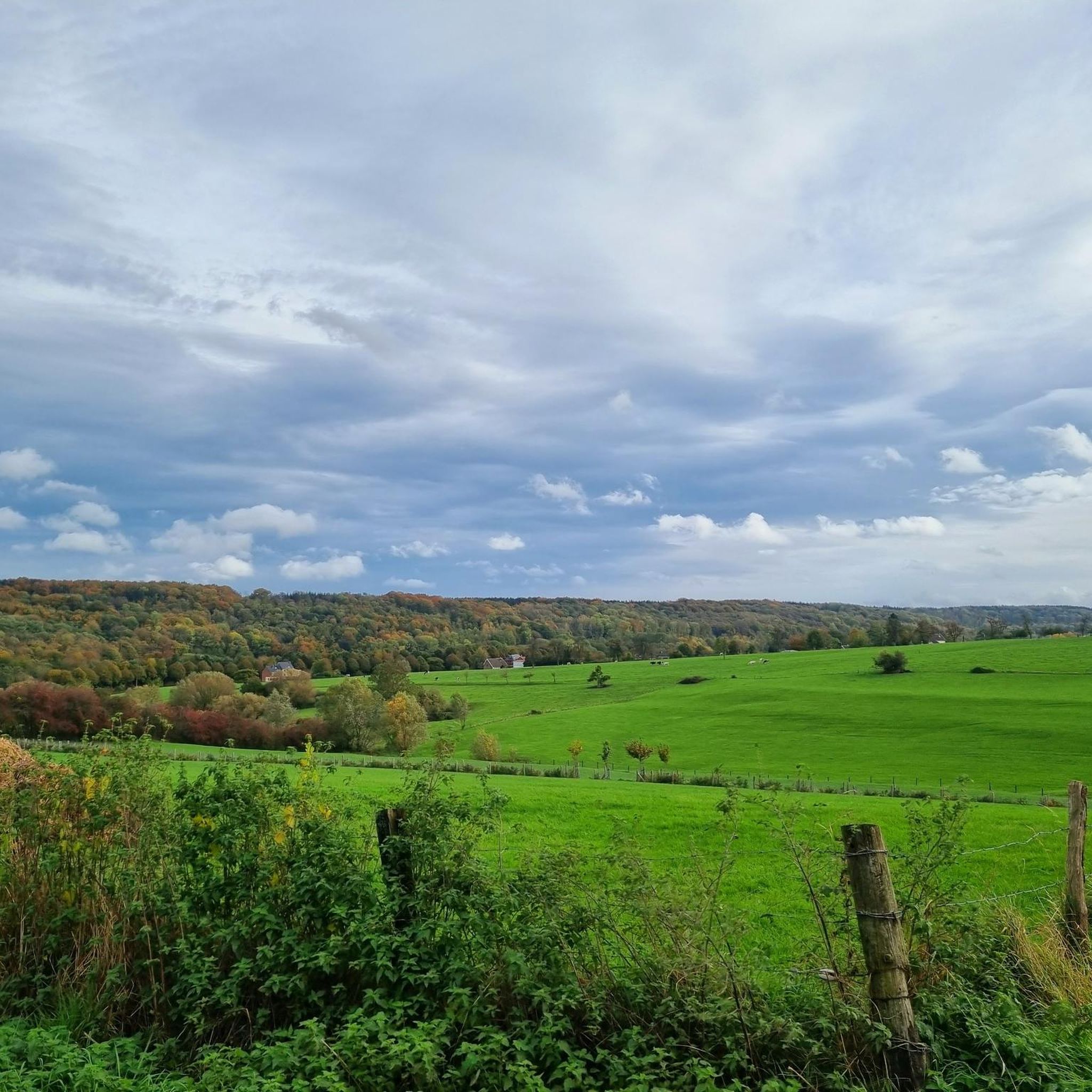
A ridge that shows its unique calcareous soil here.
2
0

Nature as far as the eye can see
2
0

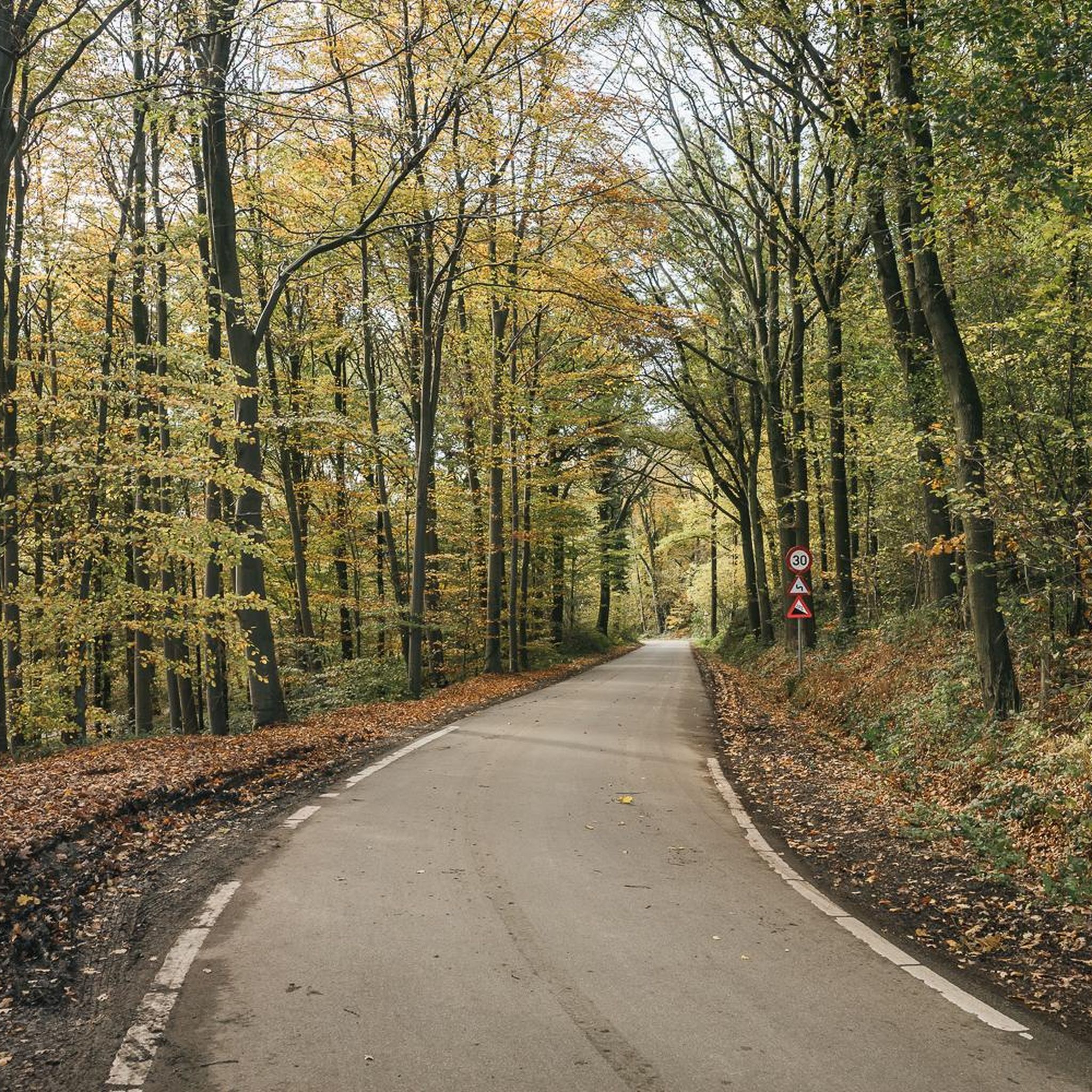
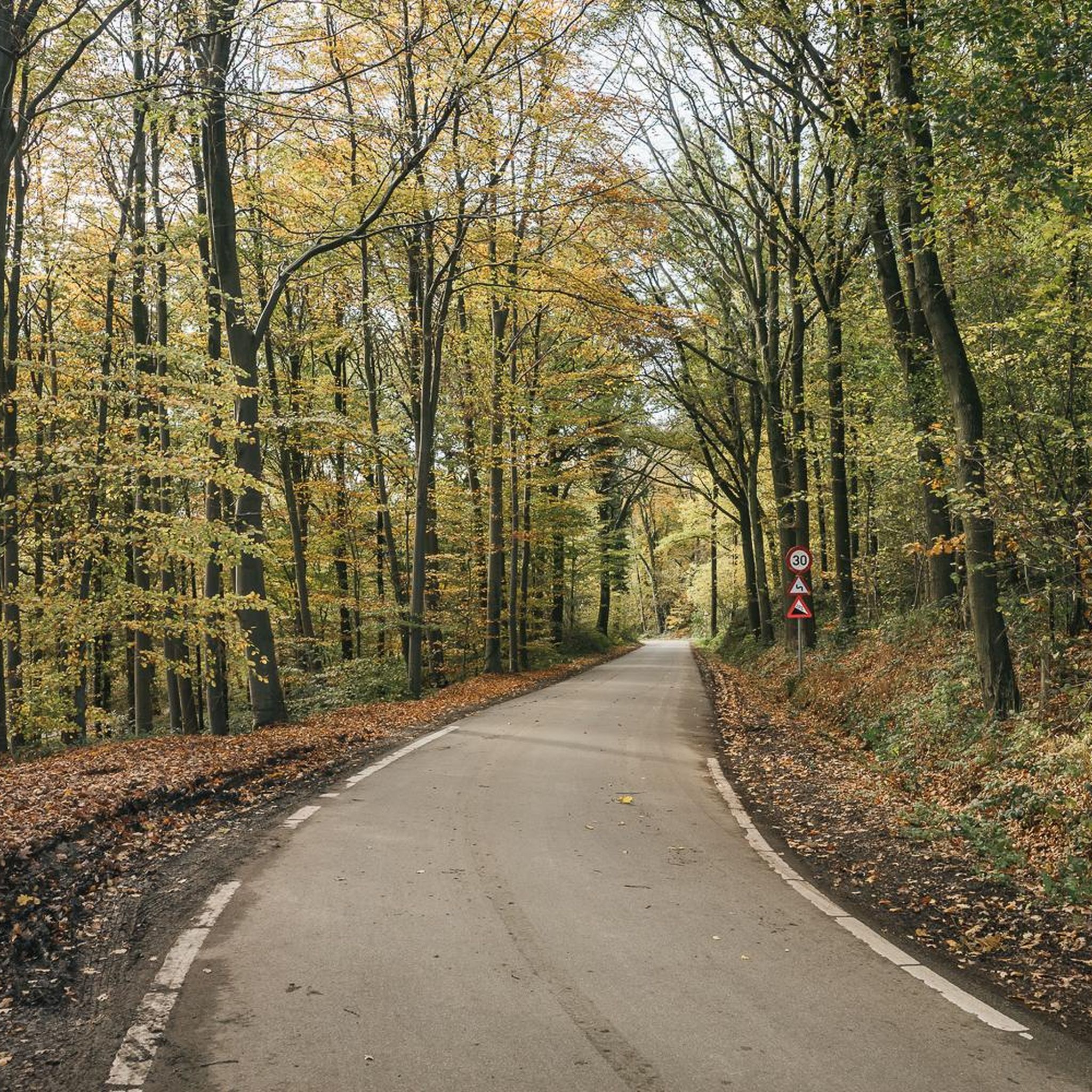
Teuvenderberg is a wooded nature reserve in South Limburg with narrow hiking trails, rolling hills, and a rich flora and fauna. The area offers tranquility and excellent opportunities for hiking, birdwatching, and enjoying the region's natural beauty.
0
0
The Kalkhelling is a unique nature reserve with steep, calcareous slopes teeming with unique flora and fauna. Rare plants dependent on calcareous soil thrive here, while butterflies, bees, and other insects create a vibrant ecosystem. Walking or cycling along the Kalkhelling offers a combination of experiencing nature and science: you'll see how soil, plants, and animals interact in this characteristic Limburg landscape.
2
0
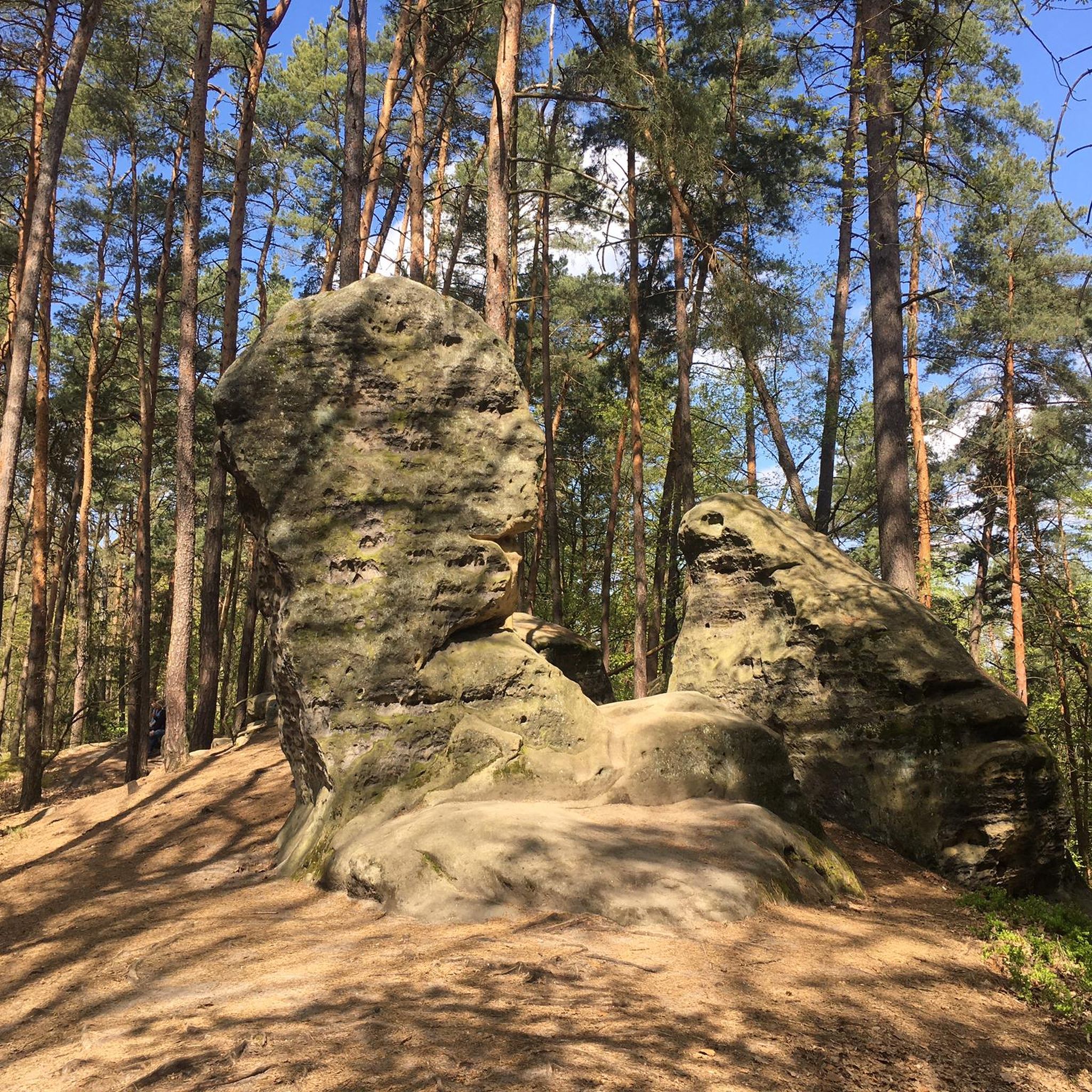
This information board explains the nature and history of the Teuvenderberg. The area is known for its hilly landscape with old sunken roads, calcareous soil, and rich biodiversity. You'll find characteristic flora here, such as orchids and blackthorn hedges, and with a bit of luck, you might spot typical fauna like the yellowhammer or the little owl. The board also explains the history of this cultural landscape and the role of the Teuvenderberg as a transition zone between agriculture and nature. A beautiful place to pause and discover more about the area.
0
0

This memorial commemorates Belgian and Allied victims who perished during the First World War (1914–1918) due to an electric wire fence ("le fil électrique"). This "Death Wire" (or "The Wire") was a notorious electric fence constructed by the Germans along the Belgian-Dutch border. The wire was highly electrified (up to 2,000 volts) and was intended to prevent Belgians from fleeing to neutral Netherlands. The memorial was erected in 1920 by Count J. d’Oultremont, destroyed by the Nazis during the Second World War (1940–1945), and later restored in 1962.
5
0

Text sign NL Welcome to TEUVENDERBERG This forest reserve is only part of a much larger bass complex between the Gulp valley and the plateau. The majority of the complex consists of private forest and extends across the language and national border. The forest reserve itself includes historical, indigenous deciduous forests. Except in a few specific zones, nature is allowed to take its course here and practically no management interventions are carried out anymore. You are here on the ridge in this large forest complex. If you follow the forest path down, you go through a so-called sunken road. This is a road that has been worn down by centuries of use on foot or with horse and cart. As a result, the road surface is now lower than the surrounding land. You will find them not only in forests, but also in the cultural landscape. In addition to their cultural-historical value, sunken roads also have an important natural value. Due to their sunken location, there is a microclimate in sunken roads. Specific animal and plant species are particularly happy there. In this way, shade plants such as ferns find shelter in the hollow path. Ferns do not produce real seeds, but reproduce by means of 'spores'.
1
0

A special piece of history from Cadzand to Vaals
0
0
Frequently Asked Questions
What kind of natural features can I expect to see in Gulpvallei Met Omgeving?
The Gulpvallei Met Omgeving is characterized by a unique blend of natural processes and historical human interaction. You'll find ancient grasslands and high-stemmed orchards, some dating back to the 18th century, alongside ingeniously integrated watermill sites. The landscape also features geological elements like visible chalk rock subsoil and a distinct valley form with varied topography and microclimates.
Are there any specific natural monuments worth visiting in the Gulpvallei?
Yes, you can explore the Teuvenderberg Nature Reserve, a forest where nature is largely allowed to develop freely. Another notable spot is the Limestone slope, where you can clearly observe the chalk rock subsoil deposited millions of years ago.
What kind of historical sites are integrated into the natural landscape?
The region features small architectural relics like cast-iron and natural stone boundary markers. A significant historical site is the Barbed Wire Monument Sippenaeken, which commemorates victims who died from an electric wire during the First World War, reflecting a historical event deeply embedded in the region's setting.
What outdoor activities are popular near the natural monuments in Gulpvallei Met Omgeving?
The Gulpvallei Met Omgeving is excellent for various outdoor activities. You can find numerous routes for gravel biking, road cycling, and hiking. For example, there are many easy hikes available, such as the 'View of Teuven – Bench by the Gulp loop' or the 'Trail through Veursbos Valley – Café Mother Goose loop'. You can find more details on these activities in the respective guides for gravel biking, road cycling, and easy hikes in the region.
Are there family-friendly options among the natural monuments?
Yes, both the Teuvenderberg Nature Reserve and the Barbed Wire Monument Sippenaeken are considered family-friendly. The nature reserve offers a chance to explore a forest where nature thrives, while the monument provides a historical learning opportunity within a natural setting.
What is the terrain like for hiking in Gulpvallei Met Omgeving?
The Gulpvallei is defined by its characteristic valley form, offering varied topography. You'll encounter rolling terrain, often covered with lush greenery, and some hilly sections, particularly where the chalk rock subsoil is visible. This creates diverse environments for walking and experiencing serene natural beauty.
When is the best time to visit Gulpvallei Met Omgeving for natural monuments?
The Gulpvallei Met Omgeving offers tranquil, unspoiled natural beauty throughout the year. Spring and summer are ideal for lush greenery and vibrant orchards, while autumn brings beautiful foliage. The preserved landscape and historical elements can be appreciated in any season, depending on your preference for weather and activity.
Can I find viewpoints to appreciate the valley landscape?
Yes, several spots offer scenic views of the valley. The Teuvenderberg Nature Reserve and the Limestone slope are both noted as viewpoints where you can take in the characteristic valley form and its surroundings.
What makes the Gulpvallei Met Omgeving unique as a natural area?
Its uniqueness stems from being a preserved landscape where natural processes and historical human interaction have created a harmonious environment. The long-standing land uses, such as ancient grasslands and orchards, and the integration of watermill sites, contribute significantly to its biodiversity and picturesque scenery, offering a glimpse into historical agricultural practices.
Are there opportunities for wildlife spotting in the Gulpvallei?
The diverse environment created by the varied topography, microclimates, and ancient land uses in the Gulpvallei provides valuable habitats for flora and fauna. While specific wildlife spotting locations are not highlighted, the ecological richness of areas like the Teuvenderberg Nature Reserve suggests opportunities to observe local wildlife.
What do visitors enjoy most about the natural monuments in Gulpvallei Met Omgeving?
Visitors are drawn to the Gulpvallei Met Omgeving for its tranquil, unspoiled natural beauty, the opportunities for walking and cycling, and the sense of history deeply embedded in its landscape. The combination of ancient land-use patterns, water features, and gentle topography creates a unique and valuable natural experience.
Most popular routes in Gulpvallei Met Omgeving
Most popular attractions in Gulpvallei Met Omgeving

Get inspired with the komoot mobile app


Explore more
Extend your search for the best caves by checking out these guides of the top ones in Gulpvallei Met Omgeving:
