Vlaams Natuurreservaat Oudsberg
Vlaams Natuurreservaat Oudsberg
Top 4 Natural Monuments in Vlaams Natuurreservaat Oudsberg
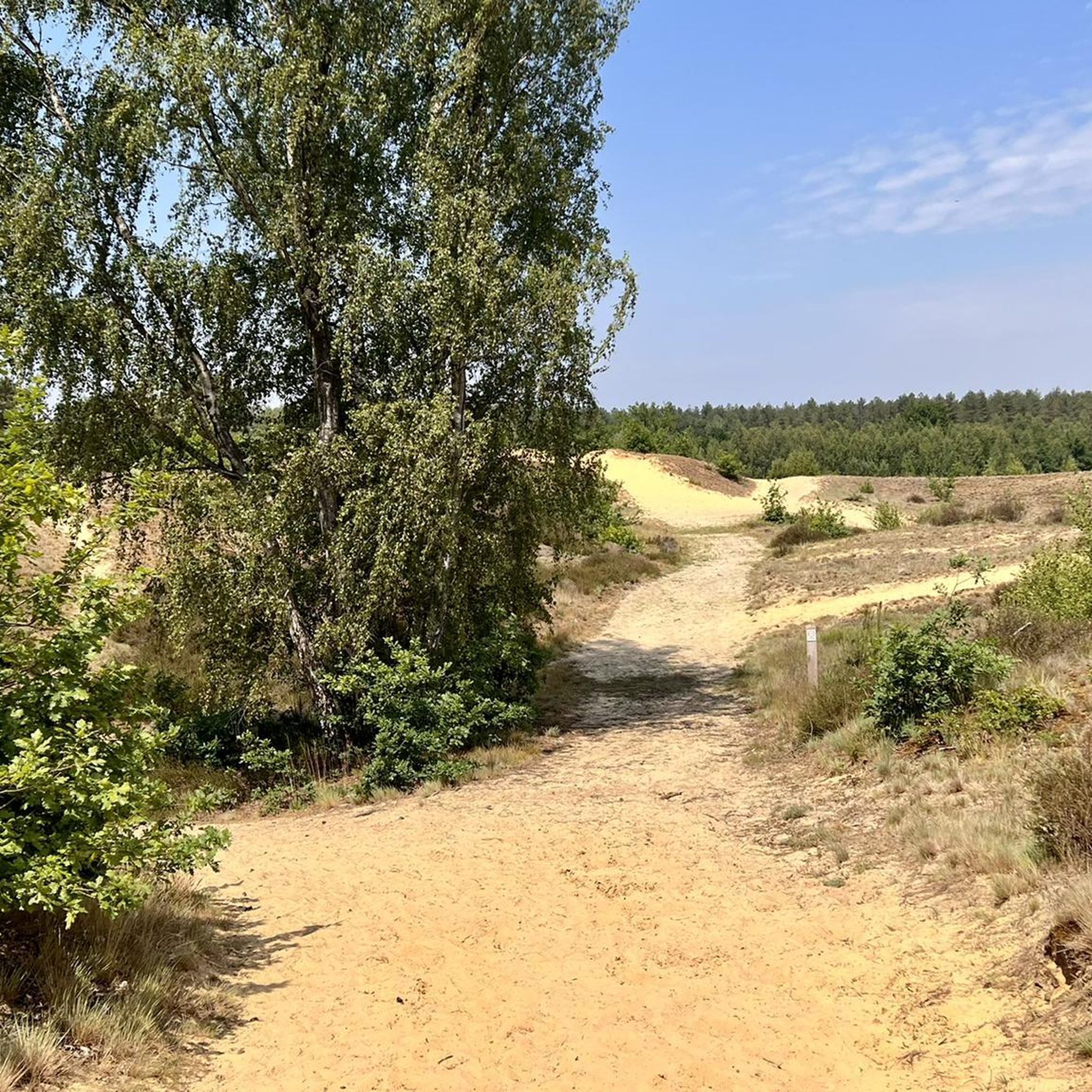
Natural monuments in Vlaams Natuurreservaat Oudsberg are characterized by a diverse landscape of inland dunes, extensive heathlands, and forests. This reserve, located in the Limburgse Kempen, is known for its unique geological features and ecosystems. It offers a rich environment for outdoor activities, with its most prominent feature being De Oudsberg. The area is part of the Duinengordel nature reserve and a European protected Natura 2000 area.
Best natural monuments in Vlaams Natuurreservaat Oudsberg
- The most popular natural monument is…
Last updated: July 5, 2026
Oudsberg Dune
Highlight • Natural Monument
Translated by Google •
Tip by

Oudsberg Sand Dune
Highlight • Natural Monument
In the …
Translated by Google •
Tip by

Sign up now to discover places like this
Get recommendations on the best single tracks, peaks, & plenty of other exciting outdoor places.
Sign up for free
Heathland on the Oudsberg Dune
Highlight • Natural
After the Ice Age, temperatures rose and forest growth increased. People also reappeared in the landscape to hunt, cultivate fields and keep livestock. To achieve this, the new …
Translated by Google •
Tip by

Oudsberg Inland Dune
Highlight • Natural Monument
Translated by Google •
Tip by

Highest dune in Flanders
Highlight • Natural Monument
Translated by Google •
Tip by

Sign up for free to discover even more natural monuments in Vlaams Natuurreservaat Oudsberg.
Sign up for free
Already have an account?
Start today with a free account
Your next adventure awaits.
Login or Signup
Popular around Vlaams Natuurreservaat Oudsberg
Tips from the Community

Beautiful sand dunes with heather, relatively small but well worth it. A highlight of our walk.
0
0
Beautiful sand dunes with heather, relatively small but well worth it. A highlight of our walk.
0
0

The ideal time to enjoy beautiful colours is certainly the month of September when the heathers are in bloom.
1
0

Beautiful serene place, small climb up through the loose sand
3
1
Beautiful trails, many views
2
0
Beautiful paths, given the sensitive area do not go under the fence
1
0

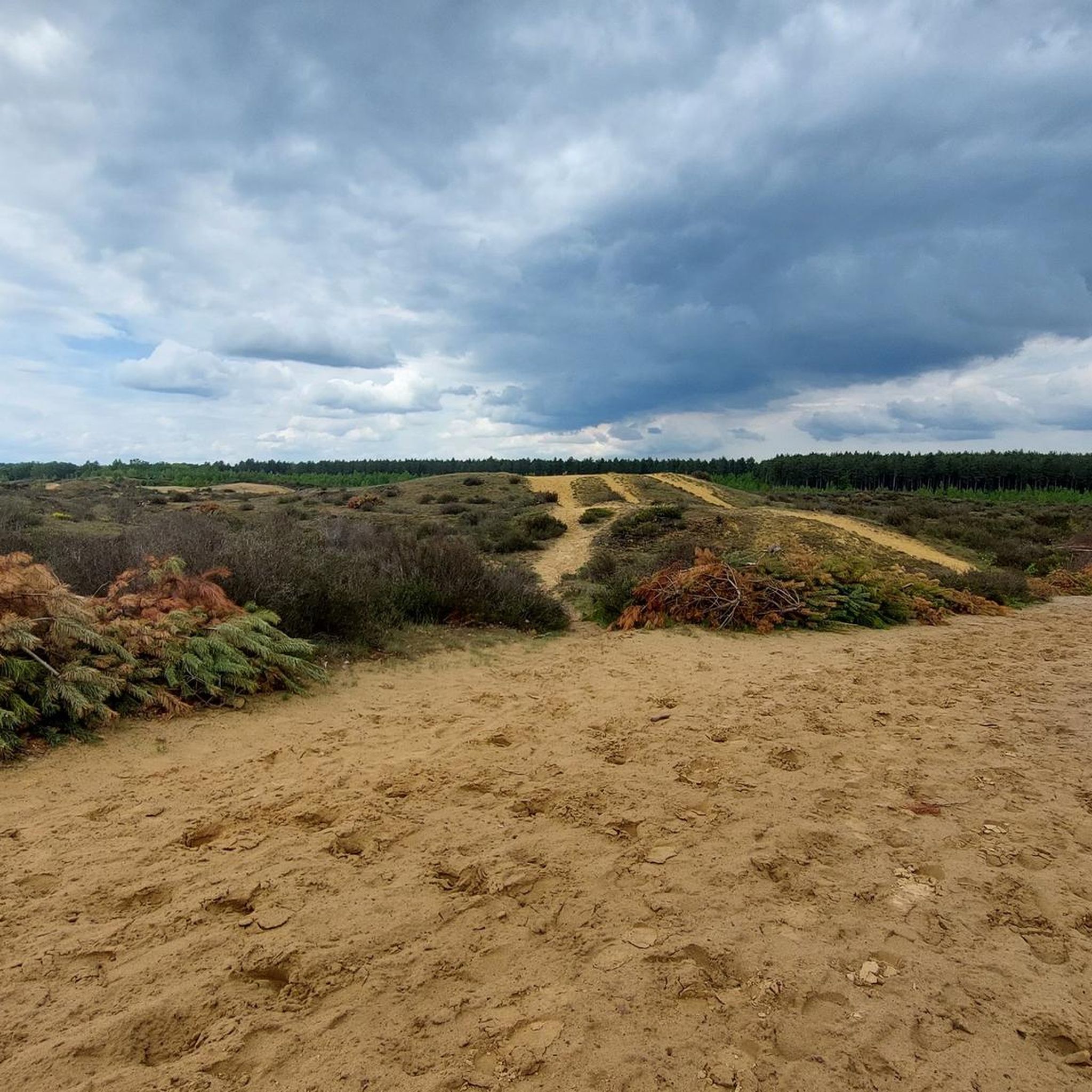
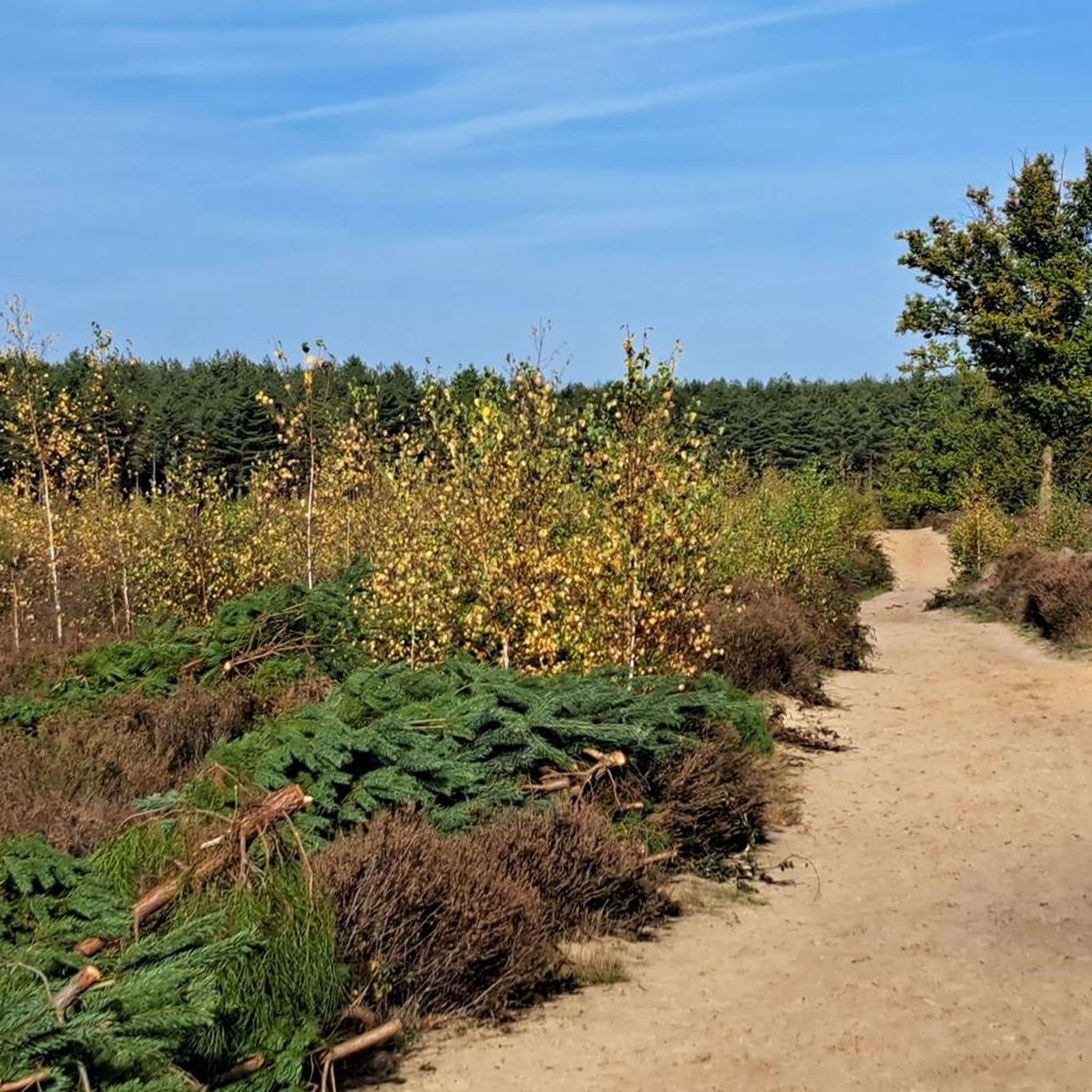
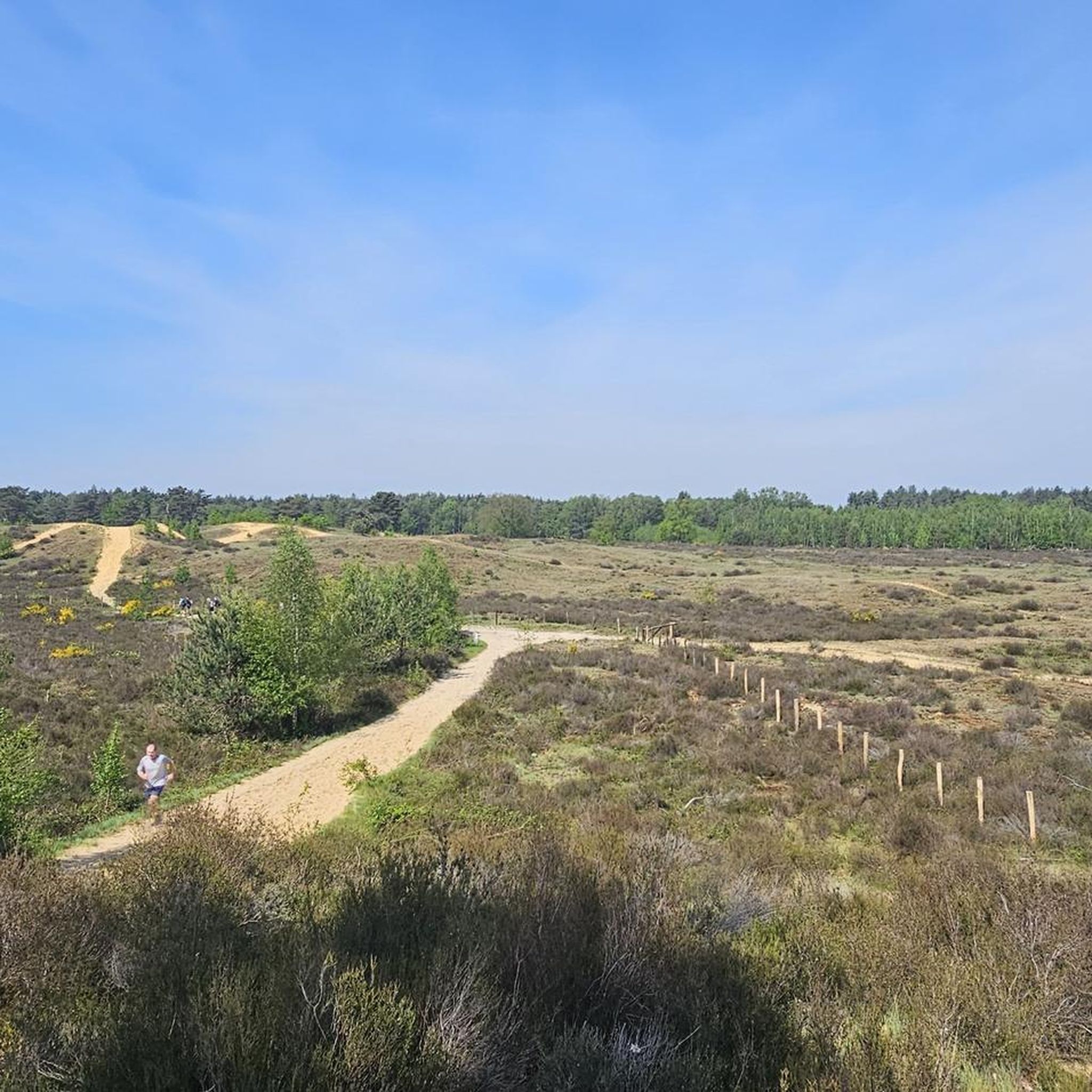
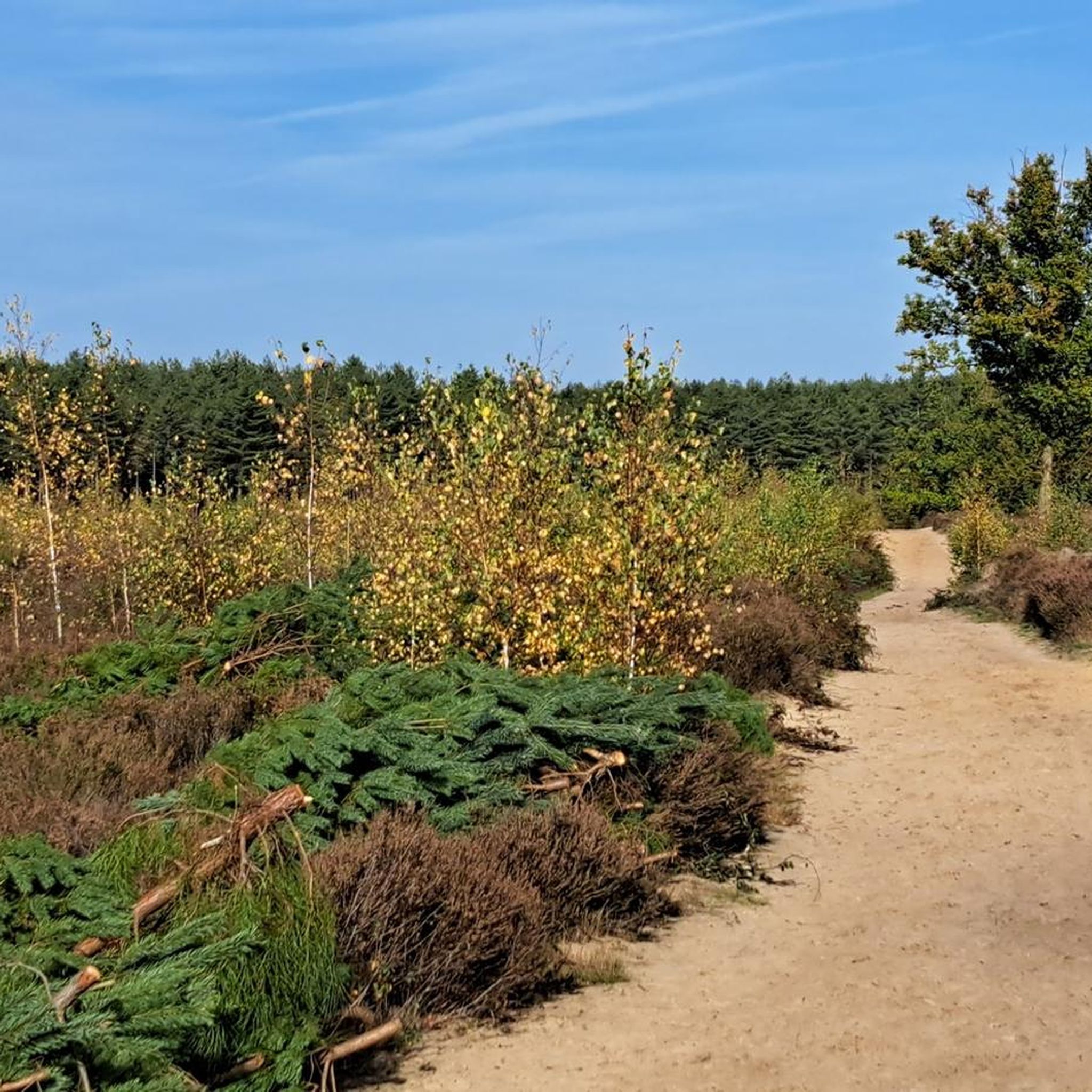
The heathland on the Oudsbergduin is one of the most impressive, yet also most fragile, nature reserves in the Hoge Kempen National Park. This unique dune area, located between Oudsbergen (Opglabbeek) and Gruitrode, is no ordinary heathland: here you walk across a rare inland dune landscape that formed after the last ice age and is today one of the largest drifting sand complexes in Flanders. 🌬️ Landscape shaped by wind and time The Oudsberg formed thousands of years ago when meltwater and strong winds pushed sand from dried-up riverbeds into high dunes. Centuries of grazing and deforestation left the sand partially exposed, resulting in a dynamic landscape of: • undulating sand plains • vast purple heathlands • juniper bushes and sparse grasslands • pine forests on the edges The result is a remarkable panorama that is constantly changing under the influence of wind, seasons, and management.
2
0
Frequently Asked Questions
What are the main natural features to explore in Vlaams Natuurreservaat Oudsberg?
Vlaams Natuurreservaat Oudsberg is renowned for its diverse landscape, including the impressive inland dunes, extensive heathlands, stately forests, and unique fens. The central feature is the Oudsberg Dune, Flanders' highest and largest open sand dune. You can also discover beautiful heathland territories, especially vibrant when the heather is in bloom, and wetlands formed in ancient depressions.
What makes the Oudsberg Dune a significant natural monument?
The Oudsberg Dune is Flanders' highest and largest open sand dune, rising almost 90 meters above sea level. It's a unique active land dune environment, still evolving with sand drifts, and offers stunning panoramic views from its summit. It's also part of a larger dune belt formed by significant sand drifts around 15,000 years ago after the last ice age, making it a site of geological importance.
Are there family-friendly activities or trails in Vlaams Natuurreservaat Oudsberg?
Yes, Vlaams Natuurreservaat Oudsberg offers several family-friendly options. Many trails are suitable for families, including those leading to the Highest dune in Flanders and the Heathland on the Oudsberg Dune. For specific routes, you can explore the Family-friendly hikes in Vlaams Natuurreservaat Oudsberg guide, which includes easy loops like the 3.2 km Oudsberg Sand Dune – Oudsberg Dune loop.
Can I bring my dog to the natural monuments in Vlaams Natuurreservaat Oudsberg?
Yes, dogs are generally welcome in Vlaams Natuurreservaat Oudsberg, but they must be kept on a leash to protect the local wildlife and ecosystems. There are specific dog-friendly hikes available, such as the 6.7 km Oudsberg Dune – Oudsberg Sand Dune loop from Gruitrode, allowing you and your canine companion to enjoy the natural beauty together.
What kind of outdoor activities can I do near the natural monuments?
Beyond exploring the natural monuments themselves, the reserve offers a variety of outdoor activities. You can enjoy hiking through diverse landscapes of dunes, heathlands, and forests. Cycling is also popular, with traffic-free routes available. For detailed options, check out the guides for dog-friendly hikes, traffic-free bike rides, and family-friendly hikes in the region.
When is the best time of year to visit Vlaams Natuurreservaat Oudsberg?
Vlaams Natuurreservaat Oudsberg is beautiful year-round, but the best time depends on your preferences. Late summer (August-September) is particularly stunning when the heathlands are in full bloom, painting the landscape purple. Spring offers fresh greenery and blooming wildflowers, while autumn provides vibrant fall colors in the forests. Winter can offer peaceful, crisp walks, especially after a light snowfall.
What are the typical trail difficulties around the Oudsberg natural monuments?
The trails around the Oudsberg natural monuments vary in difficulty. While many paths are easy and suitable for families, some sections, particularly those involving climbing the dunes like Up the dune hollow, can be challenging due to loose sand and elevation changes. Overall, you'll find a mix of easy, moderate, and challenging routes to suit different fitness levels.
Where can I find panoramic views in Vlaams Natuurreservaat Oudsberg?
For breathtaking panoramic views, head to the summit of the Oudsberg Dune. From this vantage point, you can overlook the vast expanse of the nature reserve, including its heathlands, forests, and the unique dune landscape. Other viewpoints are also scattered throughout the reserve, offering diverse perspectives of the natural beauty.
Are there any specific plants or animals I might encounter in the reserve?
Vlaams Natuurreservaat Oudsberg is a Natura 2000 area, rich in biodiversity. You might spot unique dune vegetation like bentgrass, sand sedge, and rough hair moss, alongside heather, sheep's fescue, and various lichens. The area is home to rare species such as the red-backed shrike, nightjar, brook damsel, and even smooth snakes. Birds of prey like buzzards and hawks also frequent the area.
Is there parking available near the natural monuments?
Yes, there are designated parking areas and trailheads around Vlaams Natuurreservaat Oudsberg, providing convenient access to the natural monuments and hiking routes. Specific parking locations can often be found at the main entrances to the reserve or near popular starting points for trails.
What is the geological history behind the Oudsberg dunes?
The Oudsberg dunes are a result of significant geological processes. Around 15,000 years ago, after the last ice ages, the Kempen Plateau experienced enormous sand drifts. This led to the formation of deep, empty depressions where fens later arose, and high sand deposits that rose above the landscape as dune ridges. The current dune landscape was further shaped in the Middle Ages by local overgrazing of sheep, which caused renewed sand drift.
Are there dedicated cycling routes in Vlaams Natuurreservaat Oudsberg?
Yes, the reserve and its surroundings offer dedicated cycling routes. You can find options for various skill levels, including traffic-free paths that allow you to explore the diverse landscapes. For specific routes, refer to the Traffic-free bike rides in Vlaams Natuurreservaat Oudsberg guide, which includes routes like the 18.1 km Gravel Path Through Forest – Oudsberg loop.
Most popular routes in Vlaams Natuurreservaat Oudsberg
Most popular attractions in Vlaams Natuurreservaat Oudsberg

Get inspired with the komoot mobile app


Explore more
Extend your search for the best caves by checking out these guides of the top ones in Vlaams Natuurreservaat Oudsberg:
