Top 6 Natural Monuments in Brechtse Heide
Best natural monuments in Brechtse Heide are found within a protected landscape characterized by diverse biotopes, including heathland, pine forests, and fens. This region, a watershed between the Schelde and Maas rivers, offers a varied natural setting for exploration. Its landscape has been shaped by a history of agriculture, forest plantations, and clay extraction. The area is valued for its natural features and recreational opportunities.
Best natural monuments in Brechtse Heide
- The most popular natural monuments is Kooldries Old Clay…
Last updated: August 15, 2026
Kooldries Old Clay Pit Pond
Highlight • Lake
Translated by Google •
Tip by

Kooldries picnic area – by the old clay pit
Highlight • Lake
Too bad there is …
Translated by Google •
Tip by

Sign up now to discover places like this
Get recommendations on the best single tracks, peaks, & plenty of other exciting outdoor places.
Sign up for free
Pond Brechtse Heide
Highlight • Natural
Translated by Google •
Tip by

Marbelenven
Highlight • Lake
Translated by Google •
Tip by
Klokkeven Nature Reserve
Highlight (Segment) • Forest
Translated by Google •
Tip by

Sign up for free to discover even more natural monuments in Brechtse Heide.
Sign up for free
Already have an account?
Start today with a free account
Your next adventure awaits.
Login or Signup

Tips from the Community

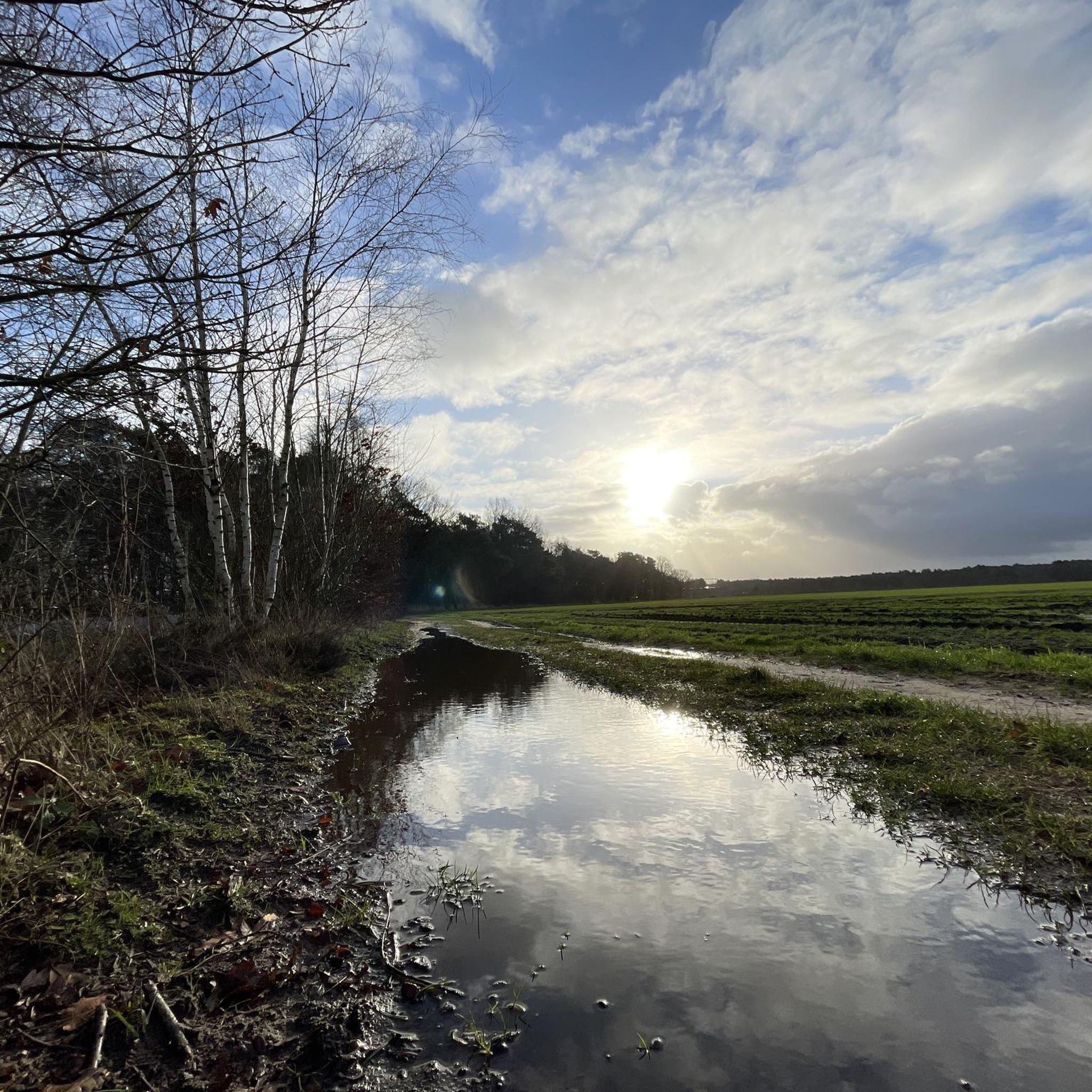
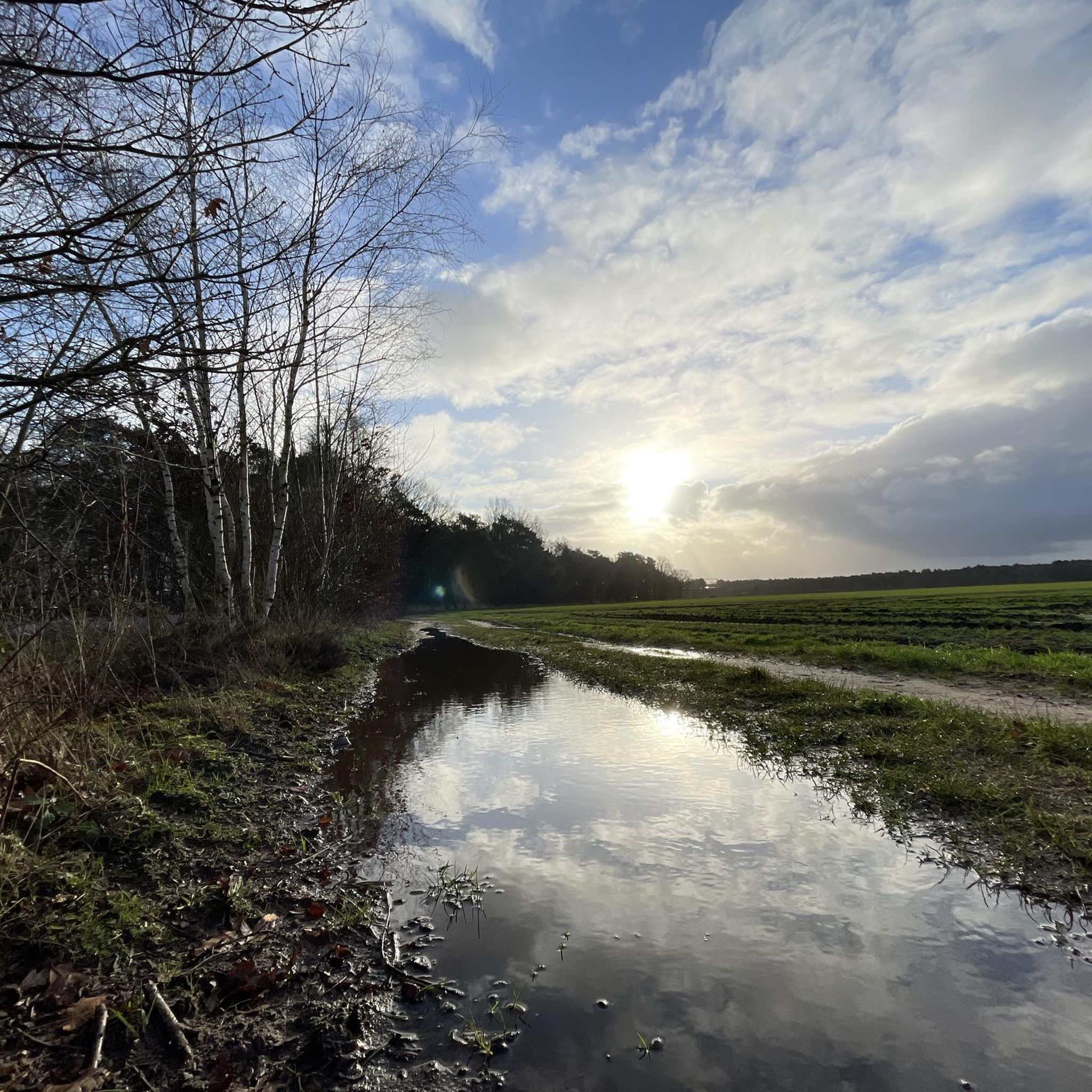
Went for a walk there recently in very warm weather. The walk itself is more than beautiful, but all the wells were dry, except at the picnic spot. Such a shame to see.
2
0

Really beautiful and quiet nature. Surprisingly located behind some industry.
2
0

Bring your own sandwiches, the view is free...
7
0
Winding paths lead along the ponds and through the silence area...
11
0
The sound of nature affects your mood, quiet and no nagging...
10
0

The Marbeleven is a nature reserve located in the Vraagheide and of which 3 ha is currently owned by Natuurpunt. It consists of an overgrown forest with common pine and rough birch, a wet wooded heath, the remains of a dried-up fen, a sod area and a plot edge next to a meadow. This location was once a place of entertainment and fun. Historical interpretation: the recreational area Marmerven, Marmeren Ven, Marbele Ven or Marrebollenven. Together with Sint-Job's "Klein Zwitserland" it was a real attraction for Antwerp tourists, who also spent the night there at campsites. The Marrebollenven gradually lost its appeal, but until the 1980s you could go there for boating or to the playground. The fen is now partly silted up, largely closed off and partly managed by Natuurpunt as a nature reserve. The area is located between junctions 62 and 57 of the Kempense Hoven walking network.
5
0

The Klokkeven nature reserve is located on the edge of Malle, bordering the municipalities of Rijkevorsel and Brecht. The De Volharding nature reserve borders Klokkeven. Many brickworks in the area once mined the rich clay soil here. This former clay pit has been reclaimed by nature and is now a beautiful oasis in Malle. The fen itself is inaccessible, but a dirt road runs around the area. This means you are not allowed to deviate from the dirt road and go to the water, as this is a protected nature reserve. Discover Klokkeven and its beautiful surroundings with the Tichelgatpad.
3
0

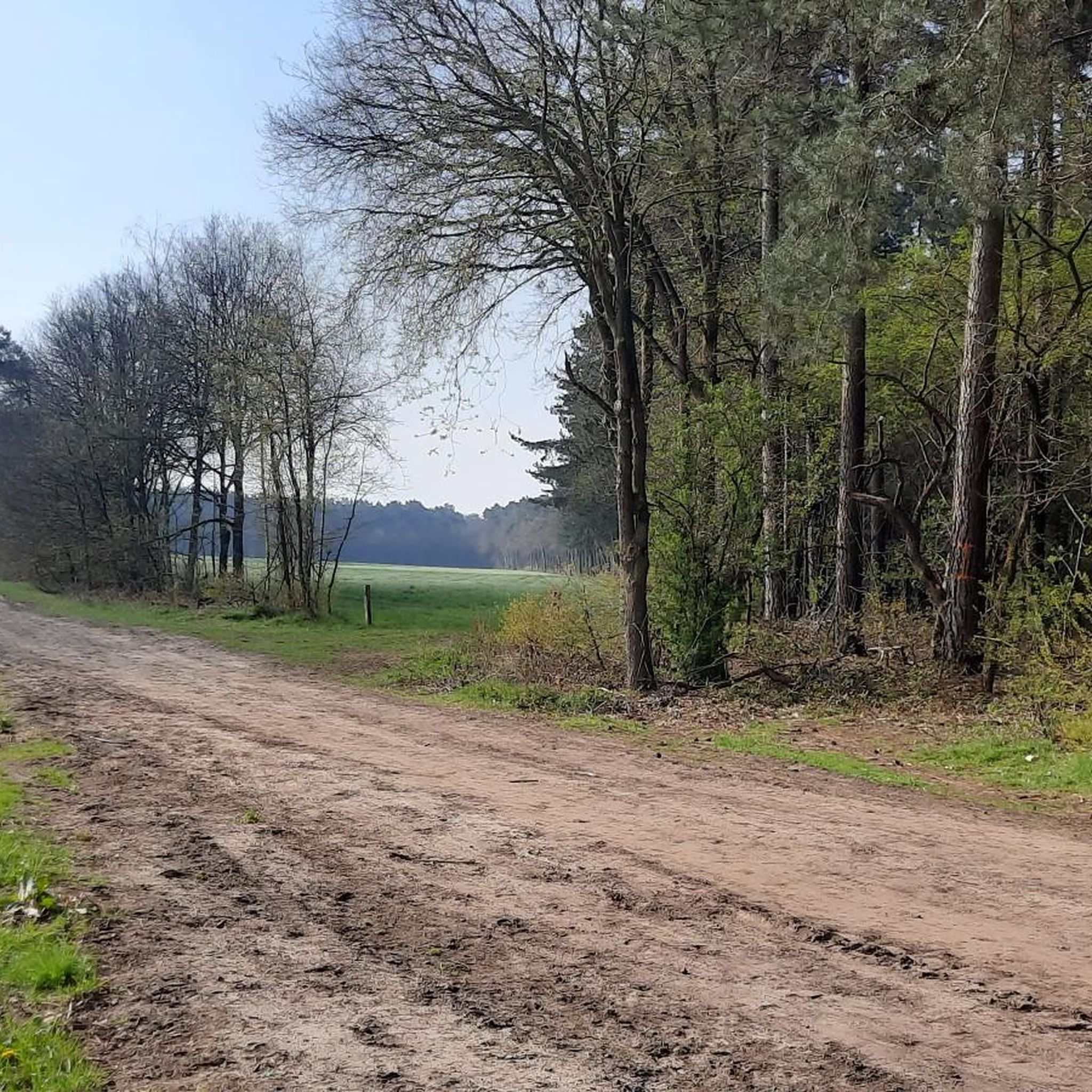
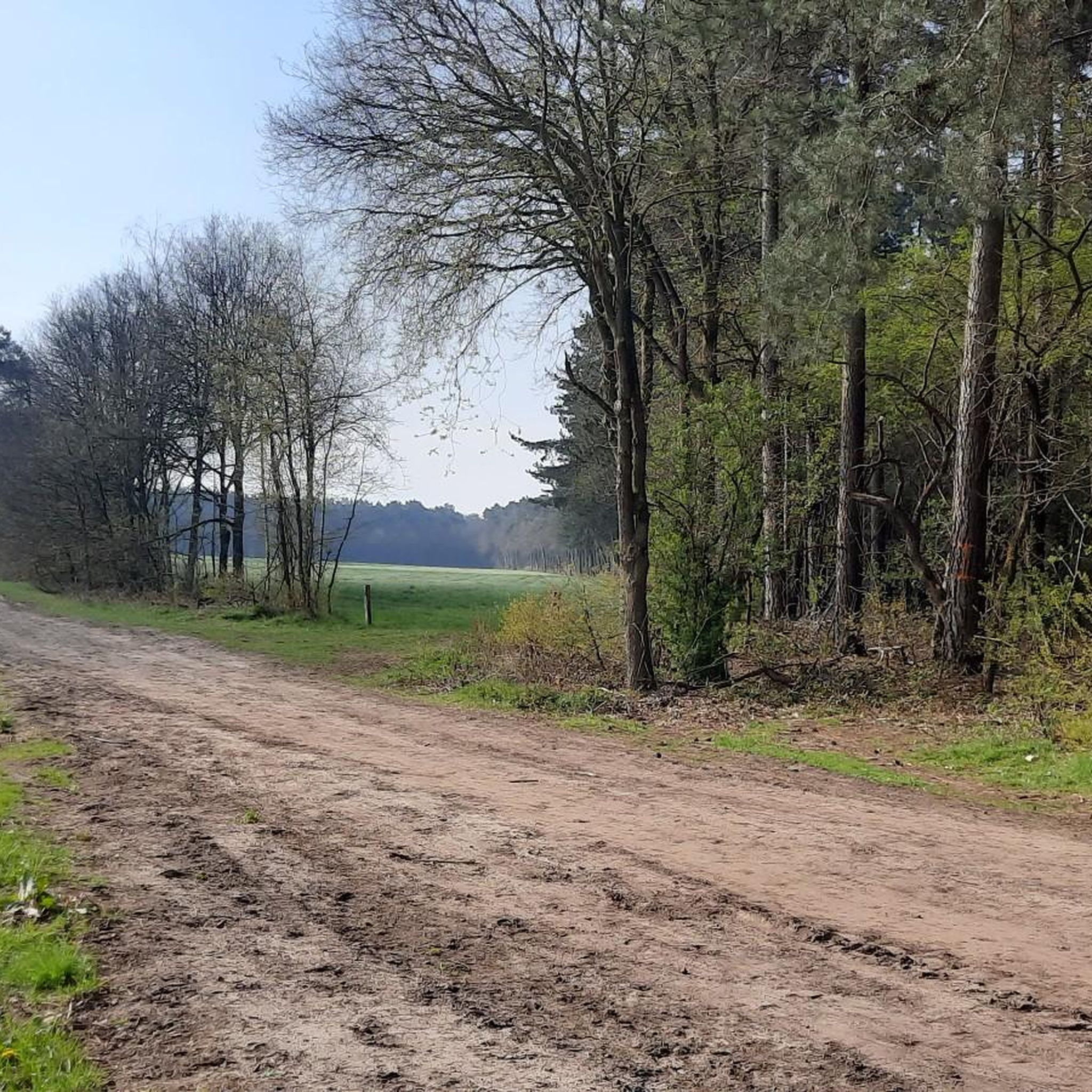
The Kooldries-Hoofsweer is only accessible to walkers. The Paepestraat that separates the two areas is accessible to cyclists. Hikers can discover the area via a number of marked hiking trails. During the digging of this canal in the 19th century, thick layers of clay were noticed in the subsoil. After the clay extraction, the wells fell into disrepair, filled with rainwater and eventually covered with willow thickets. Due to the underlying clay layer, the area is characterized as a very dynamic system of drying out and rewetting, as a result of which the Kooldries-Hoofsweer is home to a unique fauna and flora. Bird species such as little grebe, woodpeckers, nuthatches, orioles, tree falcons and kingfishers find refuge in the large clay pits. They are adventurous walks because the paths are not paved. It is therefore advisable to wear good walking shoes or boots. Buggies and prams are difficult to handle in the area.
9
0
Frequently Asked Questions
What natural features can I expect to see in Brechtse Heide?
Brechtse Heide is characterized by a diverse landscape, including alternating meadows, pine forests, and agricultural fields. You'll also find remnants of heathland and several fens (small, shallow lakes or marshes). Natural waterways like the Klein Schijn, the Aa, and the Weerijs originate here, and the area is notable as a watershed between the Schelde and Maas rivers. The Dessel-Turnhout-Schoten Canal also forms an integral part of the recreational landscape.
Are there specific nature reserves worth visiting within Brechtse Heide?
Yes, two significant nature reserves are the Kooldries-Hoofsweer Nature Reserve and the Marbeleven Nature Reserve. Kooldries-Hoofsweer is known for its unique fauna and flora, particularly around its old clay pits, which have transformed into varied habitats. Marbeleven, located in the Vraagheide area, features wet and dry heathland along with fens.
What kind of wildlife can be spotted in Brechtse Heide?
The diverse habitats of Brechtse Heide support a rich flora and fauna. In areas like the Kooldries-Hoofsweer, bird species such as little grebe, woodpeckers, nuthatches, orioles, tree falcons, and kingfishers find refuge in the large clay pits. The fens and waterways also contribute to the area's biodiversity, making it an interesting spot for birdwatching and ecological observation.
Are there family-friendly natural monuments or areas in Brechtse Heide?
Yes, several spots are suitable for families. The Kooldries picnic area – by the old clay pit offers a relaxing spot with views of waterfowl. The Pond Brechtse Heide is also considered family-friendly. The varied landscape with its forests and open spaces provides plenty of room for exploration, though some paths in areas like Kooldries can be unpaved and challenging for buggies.
Can I bring my dog to the natural monuments in Brechtse Heide?
Brechtse Heide is generally dog-friendly, offering extensive networks for walking. However, specific rules may apply in certain nature reserves to protect wildlife. It's always best to keep dogs on a leash, especially in protected areas or near fens, to ensure the safety of both your pet and the local fauna. Always clean up after your dog.
What are the best outdoor activities to do near the natural monuments?
Brechtse Heide is highly valued for its recreational opportunities. You can enjoy extensive networks for cycling, walking, and horseback riding. For specific routes, you can explore Running Trails in Brechtse Heide, Easy hikes in Brechtse Heide, or MTB Trails in Brechtse Heide. The Dessel-Turnhout-Schoten Canal also provides a smooth route for cyclists and walkers.
Are there easy hiking trails available in Brechtse Heide?
Yes, Brechtse Heide offers several easy hiking options. For example, the 'Kooldries Old Clay Pit Pond – Viewing platform loop from Brecht' is an easy 5.7 km route. Another easy option is the 'Brechtse Heide – Vraagheide Forest Trails loop from Sint-Job-in-'t-Goor', which is 4.6 km. You can find more easy hikes in the Easy hikes in Brechtse Heide guide.
What is the best time of year to visit Brechtse Heide's natural monuments?
Brechtse Heide can be visited year-round, with each season offering a different experience. Spring brings blooming flora, while summer is ideal for longer walks and enjoying the fens. Autumn showcases beautiful foliage in the pine forests, and winter offers a quiet, serene landscape. Consider checking the weather forecast before your visit, as paths can become muddy after rain.
Where can I park when visiting the natural monuments in Brechtse Heide?
While specific parking locations for each natural monument are not detailed, Brechtse Heide is well-equipped for visitors. Look for designated parking areas near popular access points or trailheads. Many recreational areas within the protected landscape will have parking facilities to accommodate hikers, cyclists, and other visitors.
Are there any cafes or amenities near the natural monuments?
Brechtse Heide is a natural protected landscape, so amenities like cafes might not be directly adjacent to every natural monument. However, the surrounding municipalities of Brecht, Schilde, Malle, and Zoersel offer various cafes, pubs, and accommodation options. It's advisable to bring your own refreshments, especially if you plan to explore deeper into the reserves, as there are no trash bins at some picnic spots like the Kooldries picnic area.
What is the historical significance of Brechtse Heide's landscape?
Brechtse Heide's landscape has been shaped by a rich history. It's a heathland reclamation region, with its diverse biotopes resulting from early agriculture, 18th-century pine forest plantations, and 20th-century development, including clay extraction. The Dessel-Schoten canal, built in the 19th century, also played a significant role, leading to the discovery of clay layers and the formation of areas like the Kooldries-Hoofsweer from former clay pits.
Are there any viewpoints or scenic spots in Brechtse Heide?
Yes, Brechtse Heide offers several scenic spots. The Kooldries picnic area – by the old clay pit provides a lovely viewpoint over the largest old clay pit in the Kooldries Nature Reserve, perfect for watching waterfowl. Additionally, a viewing wall in Kooldries offers excellent opportunities for birdwatching over the Hoofsweer nature reserve, providing picturesque elements for visitors.
What makes the Kooldries-Hoofsweer area special?
The Kooldries-Hoofsweer is special due to its unique origins and biodiversity. It formed from 19th-century clay excavation for the Dessel-Schoten canal. The former clay pits have evolved into a varied landscape with an oak-birch forest, reed beds, willow thickets, and heathland fragments. This dynamic system of drying and rewetting supports a unique fauna and flora, including various bird species, making it a prime spot for nature observation.
Can I cycle along the natural monuments in Brechtse Heide?
Yes, cycling is a popular activity in Brechtse Heide. The Dessel-Turnhout-Schoten Canal and its towpaths are integral to the recreational experience, providing a smooth route for cyclists. While some nature reserves like Kooldries-Hoofsweer are primarily for walkers, the Paepestraat separating its two areas is accessible to cyclists, and many other paths throughout the broader Brechtse Heide are suitable for biking. You can find specific routes in the MTB Trails in Brechtse Heide guide.
What should I wear when exploring Brechtse Heide?
Given the diverse terrain, it's advisable to wear appropriate footwear. For adventurous walks, especially in areas like Kooldries Old Clay Pit Pond where paths are unpaved, good walking shoes or boots are recommended. Dress in layers suitable for the weather, as conditions can change. If visiting during warmer months, consider insect repellent, and always be prepared for potential mud, especially after rain.
Most popular routes in Brechtse Heide
Most popular attractions in Brechtse Heide

Get inspired with the komoot mobile app


Explore more
Extend your search for the best caves by checking out these guides of the top ones in Brechtse Heide:
