Top 5 Natural Monuments in Wijnendalebos
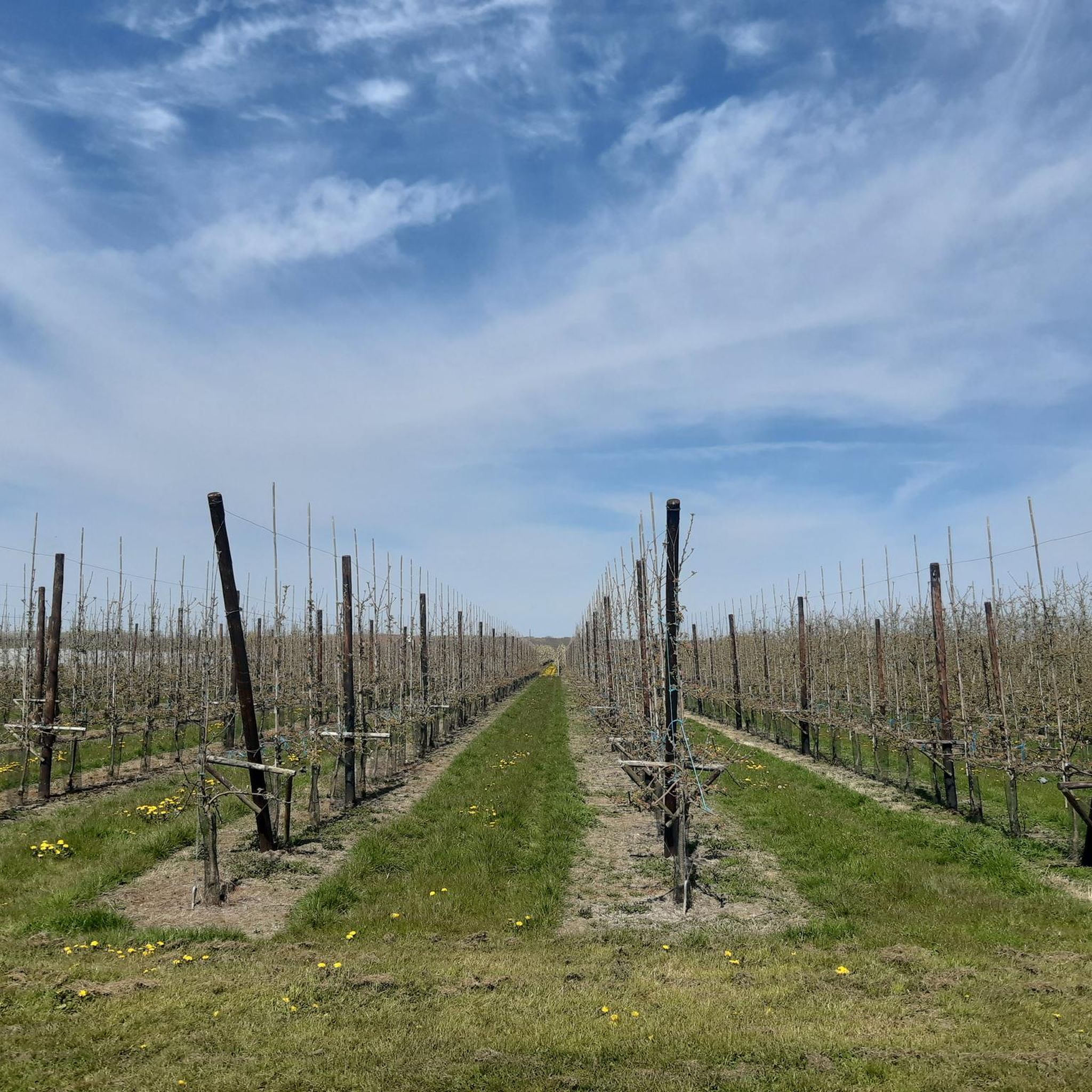
Best natural monuments in Wijnendalebos include a 285-hectare forest in West Flanders, Belgium. This area features a landscape with alternating higher, drier sections and wetter valleys, creating diverse habitats. The forest is characterized by ancient trees, varied flora, and significant biodiversity, making it a notable natural area.
Best natural monuments in Wijnendalebos
- The most popular natural monuments is Wijnendale Forest Nature Reserve, a forest that spans 181 hectares and is historically linked to Wijnendale Castle. It features oaks, beeches,…
Last updated: June 21, 2026
De Wulvemote
Highlight • Historical Site
Translated by Google •
Tip by

Wijnendale Forest Nature Reserve
Highlight • Forest
Translated by Google •
Tip by

Sign up now to discover places like this
Get recommendations on the best single tracks, peaks, & plenty of other exciting outdoor places.
Sign up for free
Spring House Roopijpfontein
Highlight • Monument
Translated by Google •
Tip by

Fonteinbeek Spring
Highlight • River
Although it is known that fish ponds were built in the Wijnendalebos, we can assume that this pond was built as a reservoir for the source of the Fonteinbeek, the Roopipe fountain.
Translated by Google •
Tip by
Start today with a free account
Your next adventure awaits.
Login or Signup
Tips from the Community


Beautiful forest where you can cycle.
0
0

The Wijnendalebos near Torhout is a historical forest area that was part of the medieval Bos van Houthulst and has an area of approximately 280 hectares. The forest consists of oaks, beeches and alders, with a rich flora and more than 500 species of mushrooms. Part of the forest is accessible to the public with walking paths and an educational trail, while other parts are protected as a forest reserve. The area borders the Kasteel van Wijnendale and is protected as a Natura 2000 area because of its ecological value.
0
0

The information board also warns the hiker about the “eternal hunter” who is said to roam here at night. According to legend, a farmer’s son preferred hunting to harvesting, so the farmer/father cursed him to an eternal hunt. Sometimes you can still hear the hunting horn or the calling of the dogs. I didn’t hear anything, but then again, I don’t normally walk through a forest at night. 😉
0
0
The Wulvemote is still very recognizable in structure, even though nature has taken back much of what once was. When reading the information board, this mote (or motte) refers to a house (made of wood and loam) for a farming family and herd surrounded by a ditch. Another theory would see this mote as part of a protective belt of various motes. This protective belt would have functioned as a line of defense against the Norsemen. Little is known about the function(s) of motes and it will probably remain a mystery forever…
0
0

This 181-hectare domain consists mainly of contiguous forest and its history is closely linked to Wijnendale Castle.
2
1

The Fonteinbeek rises here. Although it is known that fish ponds were built in the Wijnendalebos, we can assume that this pond was built as a reservoir for the source of the Fonteinbeek, the Roopipe fountain. The Swal is a wet Koekelaarse lake. Due to its location, a lot of water comes off, but the water that seeps in also finds its way out horizontally because it hits an impenetrable layer of clay. Result: 7 springs, of which the Roopîjpfontein is one. Source: Willem Vandenameele
6
0
Since 23-11-1998, the Roopipe Fountain has been protected as a monument because of its historical value. Since 09-11-2011 we can talk about architectural heritage. The source house of the Roopipe fountain is still easily recognizable by the red brick building with very neat masonry and the turret.
6
0
Frequently Asked Questions
What unique natural features can I discover in Wijnendalebos?
Wijnendalebos is home to several unique natural features. You can find majestic oak and beech trees, particularly in the higher elevations, which contribute to the forest's ancient atmosphere. The wetter valleys boast diverse spring bloomers, including the rare alternate-leaved golden saxifrage. The forest is also a haven for mycology enthusiasts, with over 500 species of mushrooms identified within its bounds, especially in autumn.
Are there any historical natural monuments in Wijnendalebos?
Yes, Wijnendalebos features several sites with historical significance. For instance, De Wulvemote is a historical site and natural monument, a recognizable mote structure with theories suggesting it was either a farmstead or part of a defensive belt. Additionally, the Spring House Roopijpfontein, though man-made, is protected as a monument due to its historical value, linked to the discovery of a spring in the 12th century and the origins of the Torhout pottery industry.
What is the best time of year to visit Wijnendalebos for nature observation?
The best time to visit depends on your interest. Spring offers a vibrant display of diverse spring bloomers, especially in the wetter valleys. Autumn is ideal for mycology enthusiasts, with over 500 species of mushrooms to discover. For wildlife spotting, early mornings might offer glimpses of roe deer, while birdwatchers can enjoy various species throughout the year, including black woodpeckers and common buzzards.
Are there family-friendly activities or areas in Wijnendalebos?
Yes, Wijnendalebos offers family-friendly options. The Wijnendale Forest Nature Reserve is noted as family-friendly and includes an educational trail. The well-maintained walking paths, such as the 'Bosleerpad' (Forest Learning Path), are suitable for families to explore the natural beauty of the forest.
Are there accessible paths for wheelchairs or strollers in Wijnendalebos?
Yes, Wijnendalebos is designed to be accessible. There are wheelchair-accessible routes available, such as the 'Fonteinpad' and 'Julianadreef', ensuring that visitors with mobility needs can also enjoy the forest's natural beauty.
What kind of wildlife can I expect to see in Wijnendalebos?
Wijnendalebos supports a wide range of wildlife due to its diverse habitats. You might spot various bat species, such as the common long-eared bat, in tree cavities. Birdwatchers can look for species like the black woodpecker, common buzzard, and lesser spotted woodpecker. Early visitors might encounter roe deer, while pools house palmate and crested newts, and sunny areas attract sand lizards, slow worms, and butterflies like the white admiral.
What outdoor activities can I do near the natural monuments in Wijnendalebos?
Beyond exploring the natural monuments, Wijnendalebos offers various outdoor activities. You can enjoy hiking on numerous trails, including easy hikes like the Wijnendale Forest Nature Reserve – Wijnendale Castle loop. For cyclists, there are road cycling routes available, such as the Ruidenberg – Ruidenberg West loop from Ichtegem.
Are dogs allowed in Wijnendalebos, and what are the rules?
While the specific dog policy for Wijnendalebos isn't detailed, generally, dogs are welcome in many Belgian forests. It's usually required to keep them on a leash to protect wildlife and ensure the safety and comfort of all visitors. Always check local signage for any specific restrictions or designated off-leash areas.
Where does the Fonteinbeek Spring originate?
The Fonteinbeek Spring rises within Wijnendalebos. It's known that fish ponds were built in the forest, and this particular pond was likely constructed as a reservoir for the spring's waters. The area's geology, with an impenetrable clay layer, causes water to seep out horizontally, resulting in several springs, with the Roopijpfontein being one of them.
How long does it typically take to explore the natural monuments in Wijnendalebos?
The time required to explore Wijnendalebos depends on your chosen route and pace. Many easy hiking loops, such as those around the Wijnendale Forest Nature Reserve, can take anywhere from 1 to 2 hours. For a more comprehensive exploration of multiple natural monuments and features, you might want to dedicate a half-day or even a full day.
What makes the Wijnendale Forest Nature Reserve a significant natural monument?
The Wijnendale Forest Nature Reserve is significant for its 181 hectares of contiguous forest, historically linked to Wijnendale Castle. It features a rich diversity of trees like oaks, beeches, and alders, supporting a vast flora including over 500 species of mushrooms. It's also protected as a Natura 2000 area due to its high ecological value, offering both public walking paths and protected forest reserves.
Are there any cafes or accommodation options near Wijnendalebos?
While specific cafes or accommodation within the immediate vicinity of the natural monuments are not detailed, Wijnendalebos is located near Torhout, a town that offers various amenities including cafes, restaurants, and accommodation options for visitors.
Is parking available for visitors to Wijnendalebos?
Yes, Wijnendalebos is generally accessible for visitors. While specific parking locations are not listed, forest areas like this typically have designated parking lots at trailheads or main entrances to accommodate visitors.
Most popular routes in Wijnendalebos
Most popular attractions in Wijnendalebos

Get inspired with the komoot mobile app


Explore more
Extend your search for the best caves by checking out these guides of the top ones in Wijnendalebos:
