Top 3 Natural Monuments in Boswachterij Exloo
Natural monuments in Boswachterij Exloo are situated on the Drentsche Hondsrug, featuring a varied landscape of forests, heathland, and shifting sands. This area in the Dutch province of Drenthe offers a combination of natural beauty and historical significance. Visitors can explore ancient megalithic tombs and unique geological formations. The diverse terrain provides opportunities for exploring the region's natural and prehistoric heritage.
Best natural monuments in Boswachterij Exloo
- The most popular natural monuments is Dolmen D30, a historical site that…
Last updated: July 5, 2026
Dolmen D30
Highlight • Historical Site
Translated by Google •
Tip by

Glacier pit Ees
Highlight • Natural Monument
Translated by Google •
Tip by
Sign up now to discover places like this
Get recommendations on the best single tracks, peaks, & plenty of other exciting outdoor places.
Sign up for free
Crooked Trees in Stormbos
Highlight • Forest
Tip by

Dolmen D30
Highlight • Historical Site
There are many more in the area.
Translated by Google •
Tip by

Prinses Beatrix Oak
Highlight • Natural Monument
Translated by Google •
Tip by

Start today with a free account
Your next adventure awaits.
Login or Signup

Other adventures in Boswachterij Exloo

Tips from the Community

This oak tree was planted in 1938 for the birth of Beatrix.
0
0


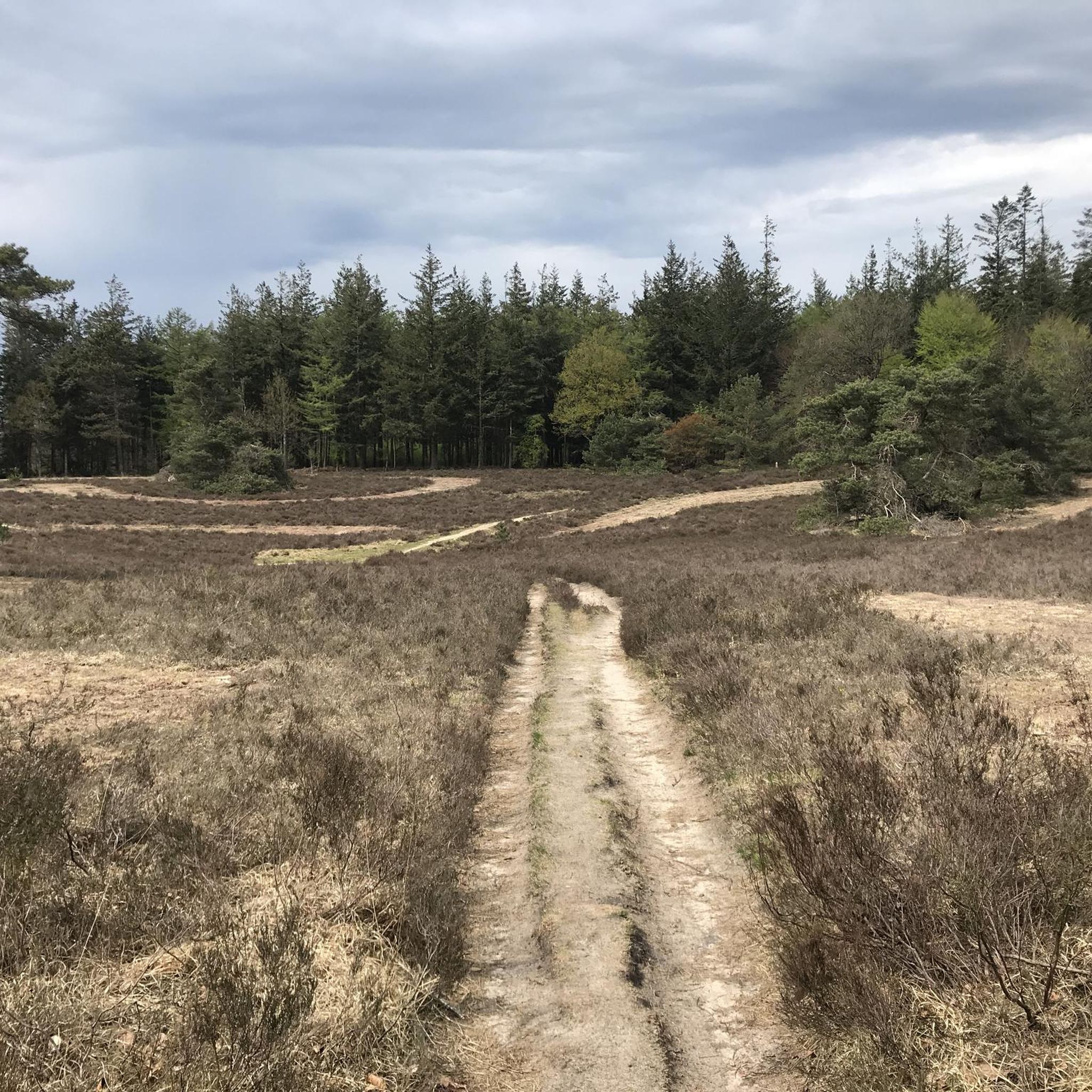
It's definitely even more beautiful when the heather blooms in August/September.
0
0

This dolmen is attributed to the Funnelbeaker culture, the collective name of a number of communities that lived in this area in the New Stone Age. It is perhaps no surprise that the pottery consisted mainly of funnel beakers. Evidence has been found that pottery containing remains of the funeral meal was buried in the grave. The serifs of dozens of pots have been found in the burial vault of dolmen D30, which was located at a depth of one meter.
0
0
Here in front of you you see an oval/round depression in the field. Colloquially, this dry pingo ruin is also called a 'glacier pit'. And that is not without reason. Pingo ruins are the remains of a so-called pingo, a hill that was created by pushing ice during the last ice age (about 20,000 years ago). When this ice melted, a crater filled with water remained, which then became filled with peat. In some places, however, the craters remained dry because the bottom consisted of coarse sand in which water could not remain. The pingo ruin near Ees is such an example.
1
0

The tree has now grown considerably.
1
0

Such a terribly cool piece of unspoiled nature.
0
0
Frequently Asked Questions
What unique natural features can I explore in Boswachterij Exloo?
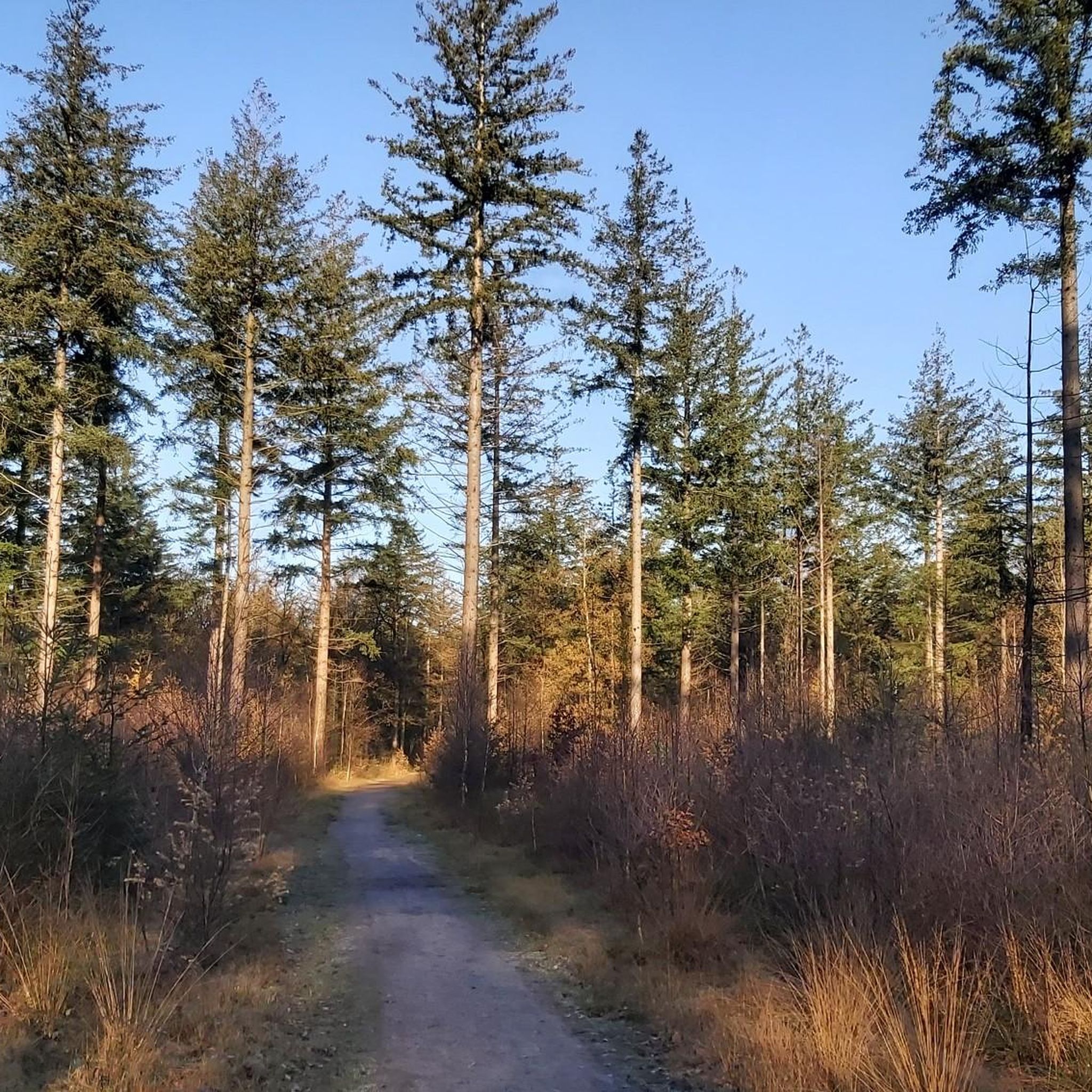
Boswachterij Exloo offers a diverse landscape including dense forests, open heathland, and shifting sands. A standout feature is the Glacier pit Ees, a fascinating geological formation known as a pingo ruin, which originated during the Ice Age. You can also find areas like the Crooked Trees in Stormbos, which create a unique, almost fairy-tale-like forest atmosphere.
Are there historical monuments alongside the natural beauty in Boswachterij Exloo?
Yes, the region is rich in history. The most prominent historical natural monument is Dolmen D30, an ancient megalithic tomb from the New Stone Age, offering a glimpse into prehistoric architecture. Additionally, the area features De Zeven Heuveltjes (The Seven Little Hills), which are ancient burial mounds integrated into the landscape.
What kind of outdoor activities can I do near the natural monuments?
Boswachterij Exloo is excellent for various outdoor activities. You can find numerous trails for hiking, cycling, and mountain biking. For example, there are several hiking routes around Dolmen D30, including an easy 4.2 km loop. You can explore more options on the Hiking in Boswachterij Exloo guide, the MTB Trails in Boswachterij Exloo guide, or the Traffic-free bike rides in Boswachterij Exloo guide.
Are the natural monuments in Boswachterij Exloo suitable for families with children?
Absolutely. Many natural monuments and trails in Boswachterij Exloo are family-friendly. Highlights like Dolmen D30, the Glacier pit Ees, and the Crooked Trees in Stormbos are easily accessible and offer engaging experiences for all ages. The varied landscape and historical elements provide both educational and recreational opportunities for families.
When is the best time to visit Boswachterij Exloo to see the natural monuments?
The natural monuments in Boswachterij Exloo can be enjoyed year-round. However, for vibrant colors, consider visiting in late summer (August/September) when the heather blooms, making areas like the Glacier pit Ees particularly beautiful. Spring offers fresh greenery, while autumn brings stunning foliage. Winter walks can also be serene, especially in the quiet forests.
What do visitors enjoy most about the natural monuments in Boswachterij Exloo?
Visitors frequently appreciate the combination of natural beauty and historical significance. The ancient Dolmen D30 is often cited as an interesting and well-situated historical site. The unique geological features like the Glacier pit Ees and the atmospheric Crooked Trees in Stormbos also receive high praise for their distinct charm and photographic opportunities.
Are there any notable trees or forests to see?
Yes, the forest itself is a natural monument. You can visit the Crooked Trees in Stormbos, known for their unique, almost fairy-tale appearance. Another significant tree is the Prinses Beatrix Oak, planted in 1938, which has grown considerably and stands as a historical marker.
Can I bring my dog to the natural monuments and trails?
Generally, Boswachterij Exloo is dog-friendly, with many trails allowing dogs, often on a leash. It's always a good idea to check local signage at specific natural monuments or trailheads for any particular restrictions, especially in nature reserves or areas with grazing animals like the Drenthe heath sheep.
What is the terrain like for hiking around the natural monuments?
The landscape in Boswachterij Exloo is diverse and undulating, situated on the Drentsche Hondsrug. You'll find a mix of dense forests, open heathland, and some shifting sands. Trails vary from easy, flat paths suitable for leisurely walks, such as the 4.2 km loop around Dolmen D30, to more challenging routes. The varied terrain makes it suitable for different fitness levels.
Are there facilities like parking or cafes near the natural monuments?
Parking is available at several points within Boswachterij Exloo, often near popular natural monuments like Dolmen D30, which is accessible by car. While specific cafes might not be directly adjacent to every monument, the nearby village of Exloo offers various amenities, including cafes and pubs, for visitors to enjoy before or after their exploration.
What kind of wildlife can I spot in Boswachterij Exloo?
Boswachterij Exloo's varied habitats support diverse wildlife. Keep an eye out for various bird species, deer, and the local Drenthe heath sheep flock, which can often be seen grazing near Exloo village. The serene forests and open heathlands provide excellent opportunities for wildlife observation.
Most popular routes in Boswachterij Exloo
Most popular attractions in Boswachterij Exloo

Get inspired with the komoot mobile app


Explore more
Extend your search for the best caves by checking out these guides of the top ones in Boswachterij Exloo:
