Top 8 Natural Monuments in Staufenberg
Natural monuments in Staufenberg are characterized by the region's diverse natural landscape, including forests, hills, and river valleys. The town is situated at the foot of the Hohe Meißner and near the Werra and Lahn rivers, offering a variety of natural attractions. This area provides numerous opportunities for outdoor activities, with extensive hiking and cycling trails. The natural features contribute to a tranquil and picturesque environment for exploration.
Best natural monuments in Staufenberg
- The most popular natural monuments is Two-Country…
Last updated: June 21, 2026
Two-Country Oak (Zweiländereiche) and Harz Border Trail marker
Highlight • Historical Site
Translated by Google •
Tip by

Stiefmutter Shelter and Hundertmorgenwiese Viewpoint (HWN 164)
Highlight • Mountain Hut
Translated by Google •
Tip by
Sign up now to discover places like this
Get recommendations on the best single tracks, peaks, & plenty of other exciting outdoor places.
Sign up for free
Green Belt – Former Inner-German Border Trail
Highlight (Segment) • Trail
Translated by Google •
Tip by

Staufenburg ruins
Highlight • Castle
Translated by Google •
Tip by

Maiden's Cliff
Highlight • Natural Monument
Translated by Google •
Tip by
Sign up for free to discover even more natural monuments in Staufenberg.
Sign up for free
Already have an account?
Start today with a free account
Your next adventure awaits.
Login or Signup
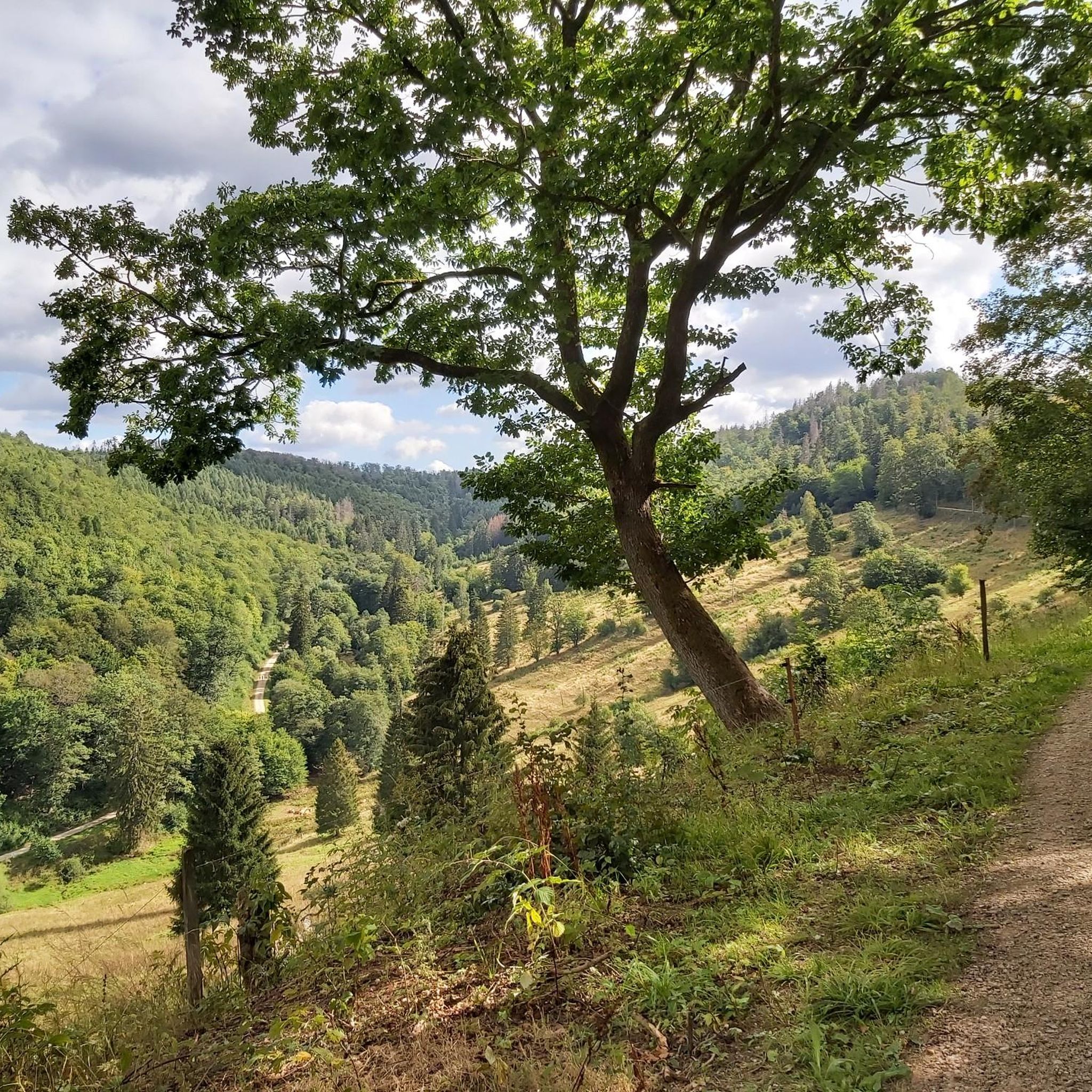
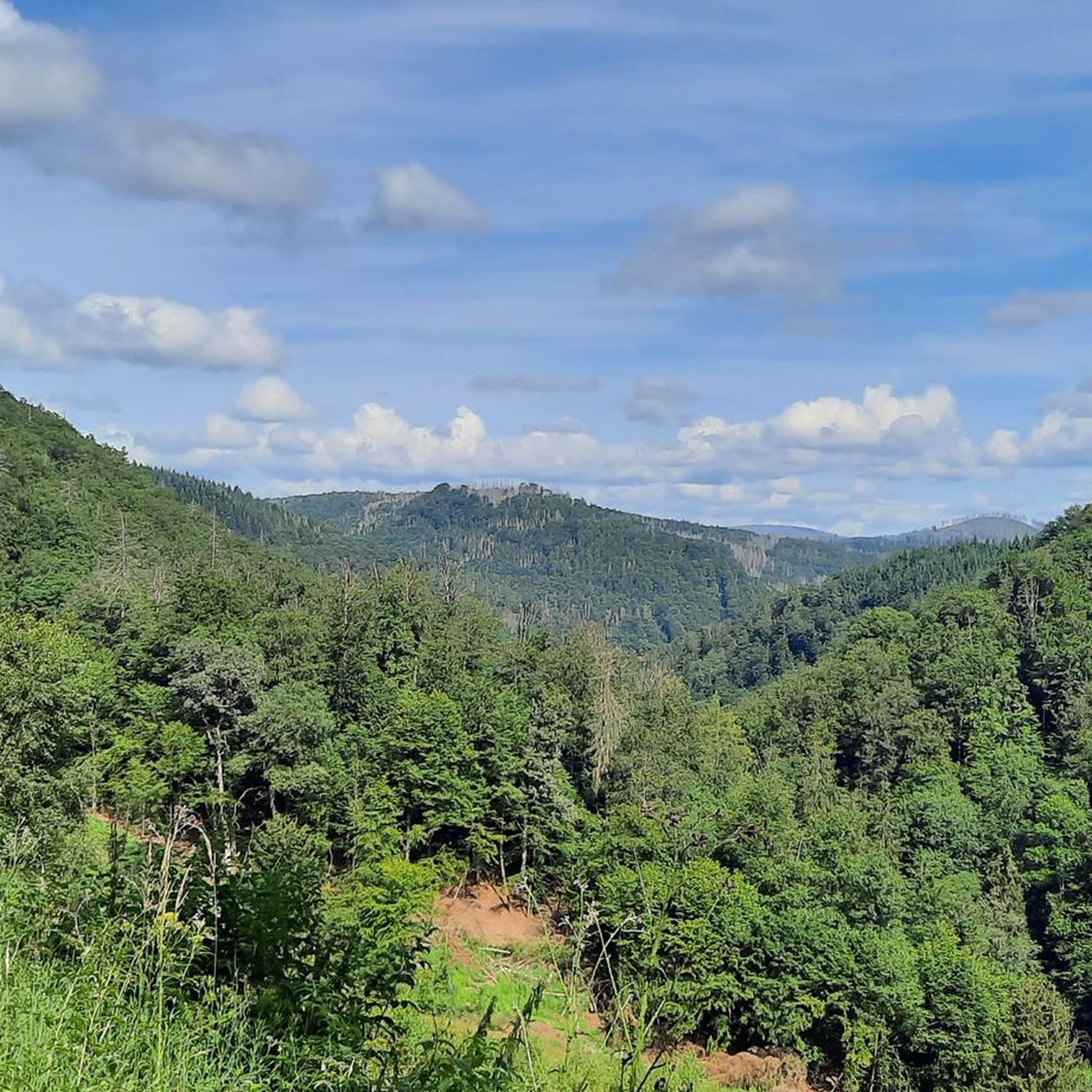
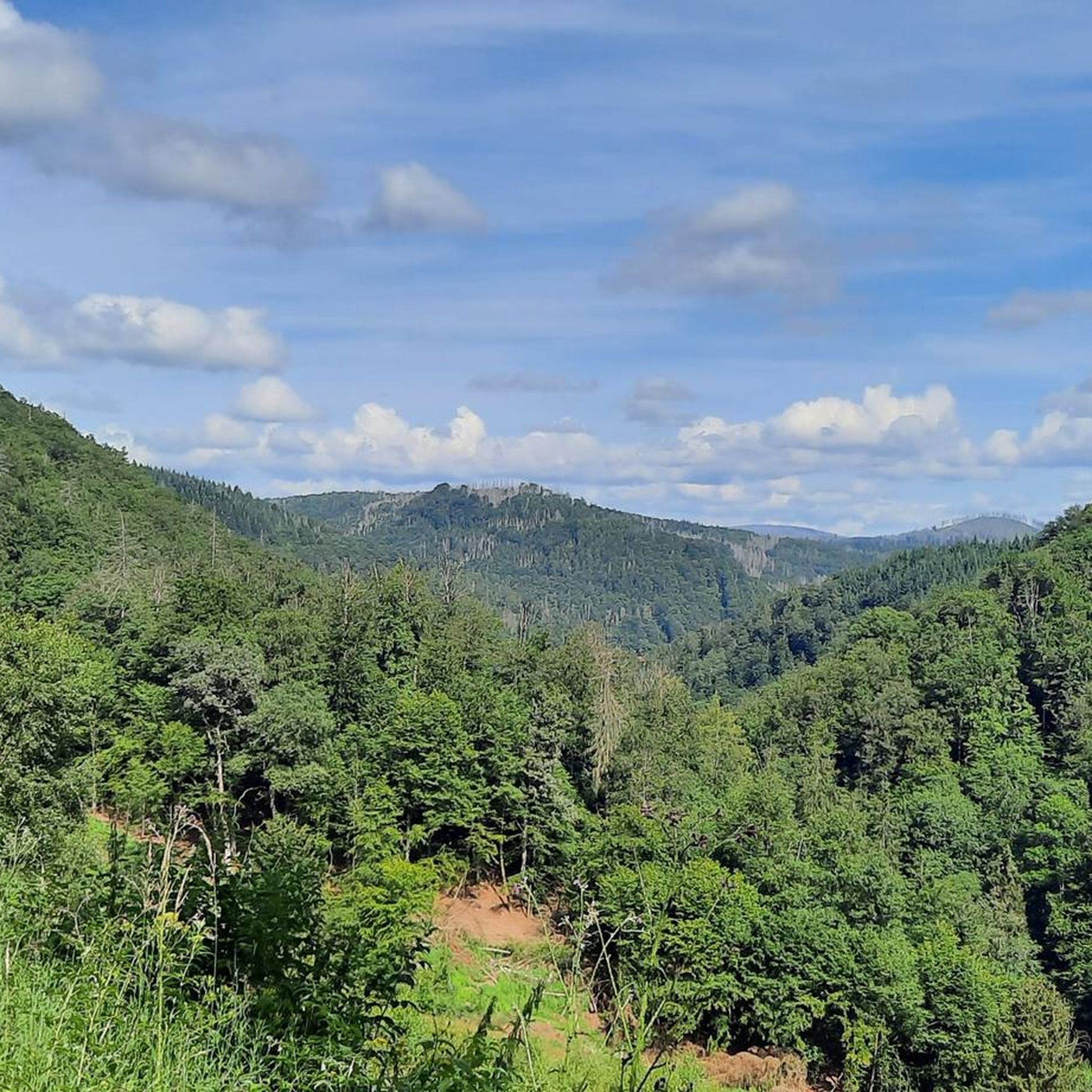
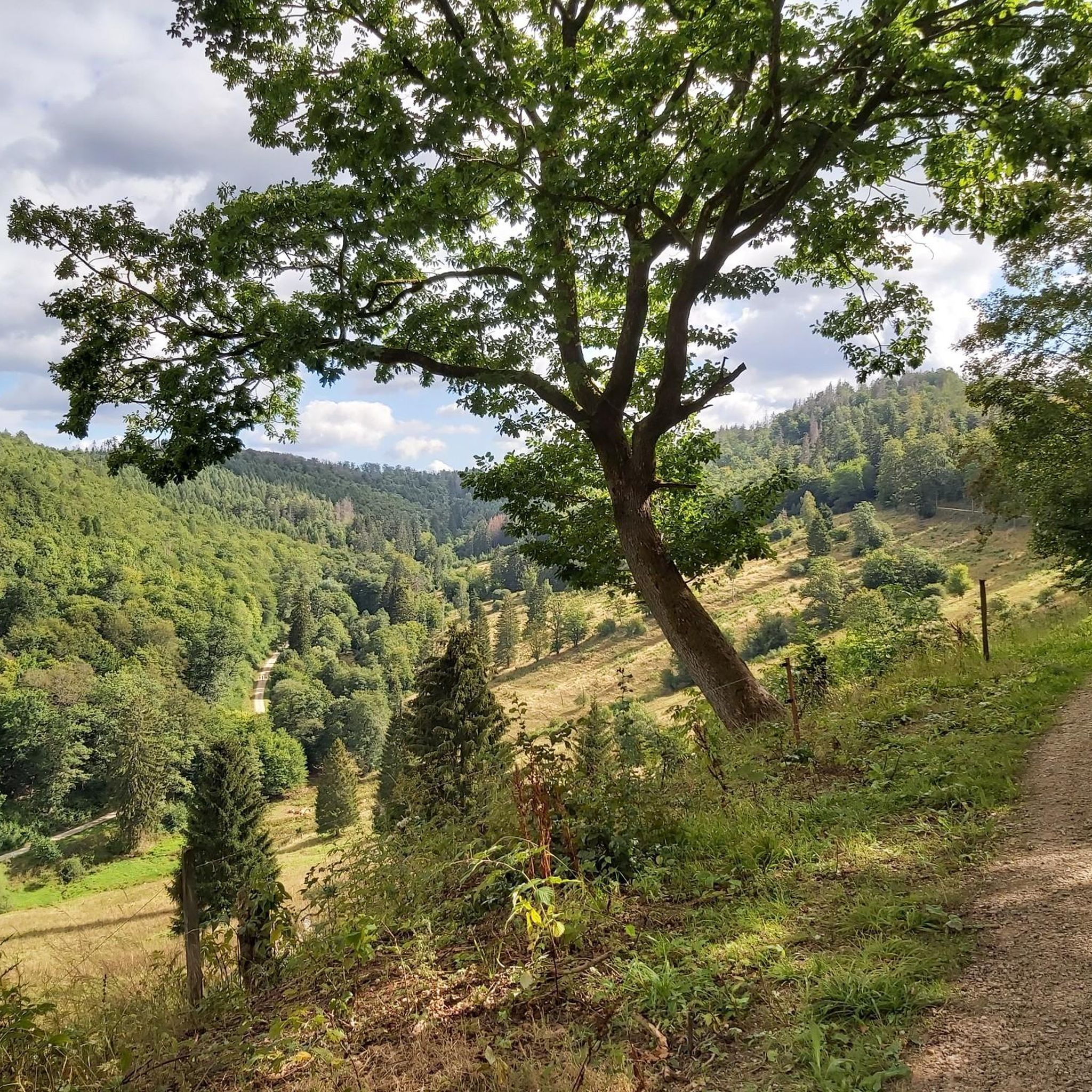

Tips from the Community

These rocks lie somewhat overgrown in the forest. Anyone who doesn't mind a bit of undergrowth can climb up to them.
1
0

A very beautiful and adventurous path to the secluded spot of the castle. Unfortunately, there are neither views nor information about the former site to enjoy. I either couldn't find the information board for the latter, or it has been removed. The former is not visible due to the very dense forest growth. Nevertheless, it's a worthwhile spot.
0
0

There isn't much left to see - but it's still a nice place to take a break.
0
0

The former inner-German border ran right through the two tribes of the Two-Country Empire and thus gave its name
3
0

The Staufenburg, located in the town of Zorge, was built as early as 1243. Count Dietrich von Hohnstein is considered to have built this castle on the Kleiner Staufenberg, and he probably built it as a means of exerting power against his opponents, the Counts of Clettenberg. The castle was initially founded illegally on the land of the Walkenried monastery. But in 1243 the Hohnsteiners were able to legalize the construction - in return for compensation payments. Ten years later the Hohnsteiner counts had won the feud with the Clettenbergers and taken possession of their castle. The Staufenburg had thus lost its strategic importance. The Hohnsteiners therefore had no further use for it and Count Heinrich von Hohnstein began negotiations again with the Walkenried monastery - for the purpose of buying back the Kleiner Staufenberg. The monks were interested and bought back the castle hill and castle in 1253 for 200 silver marks. The monastery was also allowed to demolish the castle. The Staufenburg, which was located on the eastern bank of the Zorge, about 0.5 km south of the southern end of the town, was not a particularly large complex. The inner castle had the dimensions of about 25 x 50 m with an elongated oval/polygonal shape. The inner castle, of whose buildings no structural remains remain, was probably surrounded by a simple ring wall, of which there are still remains on the southeast side. The ascent to the Staufenberg, which is now a nature reserve, can be made from Zorge. There is a kindergarten on the left-hand side of Staufenberg Street. About 30 m north of this, a narrow path branches off to the right at an acute angle uphill. This path later takes a zigzag course to the mountain saddle, from where it goes slightly uphill to the right. Source: https://www.burgen.ausflugsziele-harz.de/ausflugsziele-sehenswertes/burg-schloss/staufenburg-zorge.htm
1
0
For almost 40 long years, the "Iron Curtain" separated people and nature throughout Europe. While it was deadly for people, it was a blessing for nature: endangered animals and plants had found an undisturbed home in the shadow of the border. Today, the former border strip stretches across Europe as the "Green Belt" - a treasure trove of biodiversity. The inner-German border was particularly painful in the Harz Mountains: people in the East and West could only see the Brocken - an imposing and widely visible symbol of the Harz Mountains - from a distance. It was in a military restricted area. Today, the Harz Mountains have a new face: the life-giving Green Belt winds its way along the former death strip - rich in attractions: natural beauty nestles alongside cultural treasures. Adventurous excursions go hand in hand with contemplative moments. And you can hike to your heart's content... through pure wilderness or on the trail of German history. Source: https://www.harzinfo.de/naturlandschaft-harz/das-gruene-band
1
0

The detour there leads up an adventurous and sometimes very steep path. Only remnants of the ramparts can be seen from the castle.
1
0

Very beautiful in autumn with its colors and atmospheric fog.
2
0
Frequently Asked Questions
What unique natural and historical sites can I explore in Staufenberg?
Staufenberg offers a blend of natural beauty and historical significance. A notable example is the Two-Country Oak (Zweiländereiche) and Harz Border Trail marker, where the former inner-German border ran directly through the tree. This site provides insights into both nature and recent history, with a sign explaining the different boundary stones.
Are there good viewpoints to appreciate the natural landscape around Staufenberg?
Yes, the region boasts several scenic viewpoints. The Stiefmutter Shelter and Hundertmorgenwiese Viewpoint (HWN 164) is a popular spot, offering beautiful vistas of the Hundertmorgenwiese. It's also part of the 'Harzer Grenzweg' long-distance hiking trail.
What kind of natural features define the Staufenberg area?
The natural beauty of Staufenberg is characterized by its position at the foot of the Hohe Meißner, its dense woodlands of beech, oak, and spruce, and its proximity to the Werra and Lahn rivers. The area's rolling hills, forests, and river valleys create a picturesque environment for outdoor activities.
Can I find trails that combine nature, culture, and history in Staufenberg?
Absolutely. The Green Belt – Former Inner-German Border Trail is an excellent example. This hiking trail along the former German border is rich in nature, culture, and recent history, and is particularly beautiful in autumn with its vibrant colors.
Are there any challenging natural monuments or historical ruins to explore?
For those seeking a more challenging exploration, the Staufenburg ruins offer an adventurous path to discover the remains of a 13th-century castle. You can still see the former curtain wall and two ring walls, with an information board providing historical context.
What are some lesser-known natural spots in the Staufenberg forests?
Below the Staufenburg, you can find the Maiden's Cliff. These rocks are somewhat overgrown in the forest, offering a quiet and atmospheric photo motif for those who don't mind a bit of undergrowth to reach them.
What outdoor activities can I do near the natural monuments in Staufenberg?
The region around Staufenberg is ideal for various outdoor activities. You can enjoy road cycling on routes like the 'Walkenried Abbey Ruins loop' or 'Brockenbahn Steam Railway – Ascent to the Brocken'. For hikers, there are mountain hikes such as 'View of Zorge – Wendeleiche (Wend Oak) loop' or 'Stephanshütte (HWN 161) – Stöberhai Summit and Shelter loop'. Running enthusiasts can find trails like the 'Running loop from Staufenberg' or 'Bridge with a View of the Zorge loop'. You can find more details on these activities in the Road Cycling Routes, Mountain Hikes, and Running Trails guides for Staufenberg.
Are there family-friendly options among Staufenberg's natural monuments?
Yes, many of the natural attractions in Staufenberg are suitable for families. The Two-Country Oak (Zweiländereiche) and Harz Border Trail marker is categorized as family-friendly, offering an interesting historical and natural point that can be explored together.
What is the best time of year to visit Staufenberg for its natural monuments?
While beautiful year-round, the region's natural monuments, especially trails like the Green Belt – Former Inner-German Border Trail, are particularly stunning in autumn. The vibrant colors of the foliage and atmospheric fog create a unique and picturesque experience.
What do visitors appreciate most about the natural monuments in Staufenberg?
Visitors frequently highlight the unique combination of nature and history. They enjoy the serene spots, beautiful views, and the opportunity to immerse themselves in the tranquil environment. The well-documented and highly-rated spots, with over 1300 upvotes and 1200 photos from the komoot community, attest to their appeal.
Are there opportunities for cycling along rivers near Staufenberg?
Yes, the proximity to rivers like the Lahn, Lumda, and Werra provides excellent opportunities for cycling. The Lumda cycle route, for instance, connects Lollar with Grünberg through the idyllic Lumda valley, offering scenic rides along riverbanks.
How long should I plan for a visit to the natural monuments in Staufenberg?
The time needed depends on which natural monuments you wish to explore. Many can be visited as part of a half-day hike, while others, like the extensive Green Belt trail or the Staufenberg mountain forests, could be part of a full-day excursion or even multi-day trips, especially if combined with hiking or cycling routes.
Most popular routes in Staufenberg
Most popular attractions in Staufenberg

Get inspired with the komoot mobile app


Explore more
Extend your search for the best caves by checking out these guides of the top ones in Staufenberg:
