Top 5 Natural Monuments in Windknollen
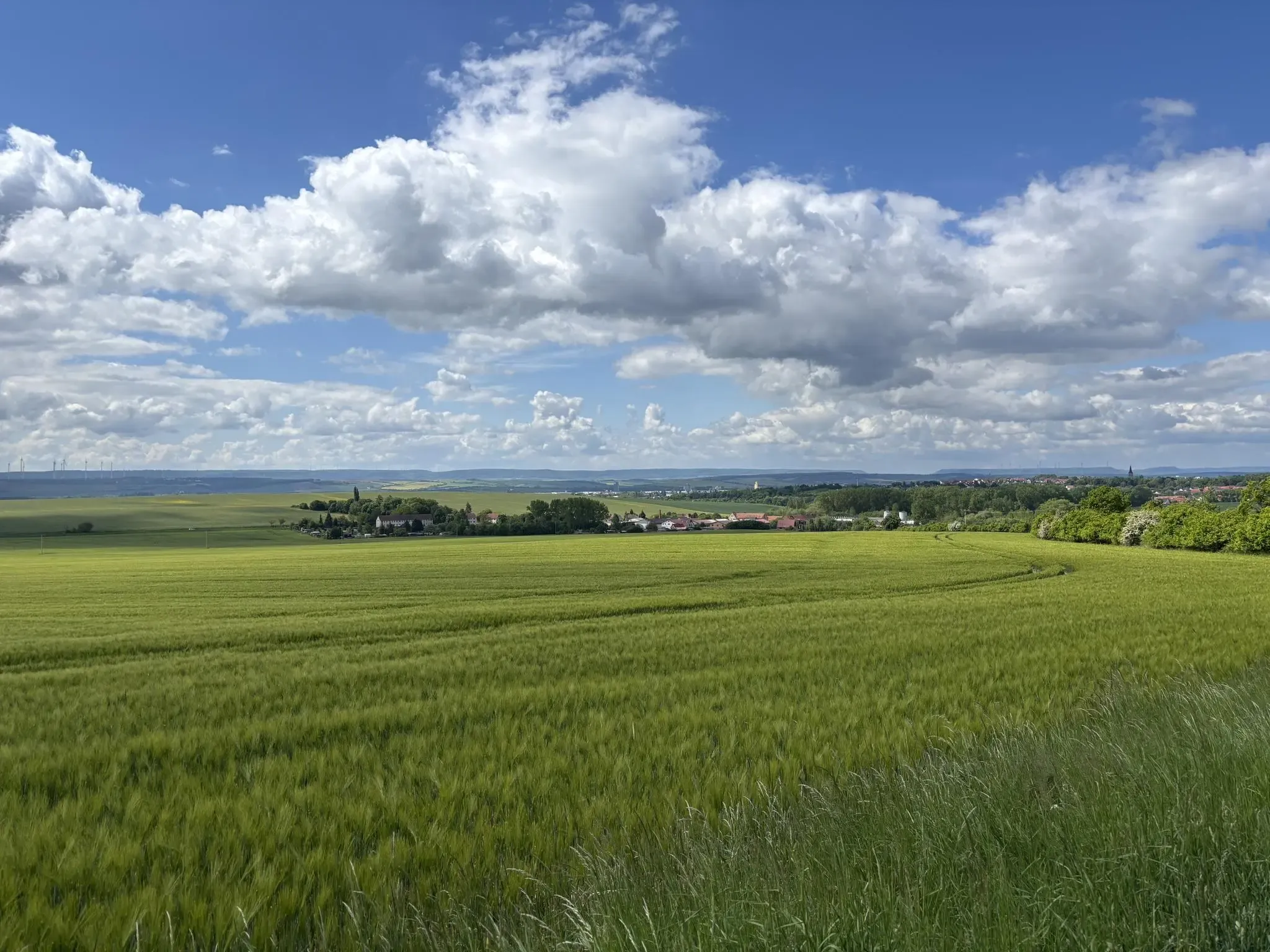
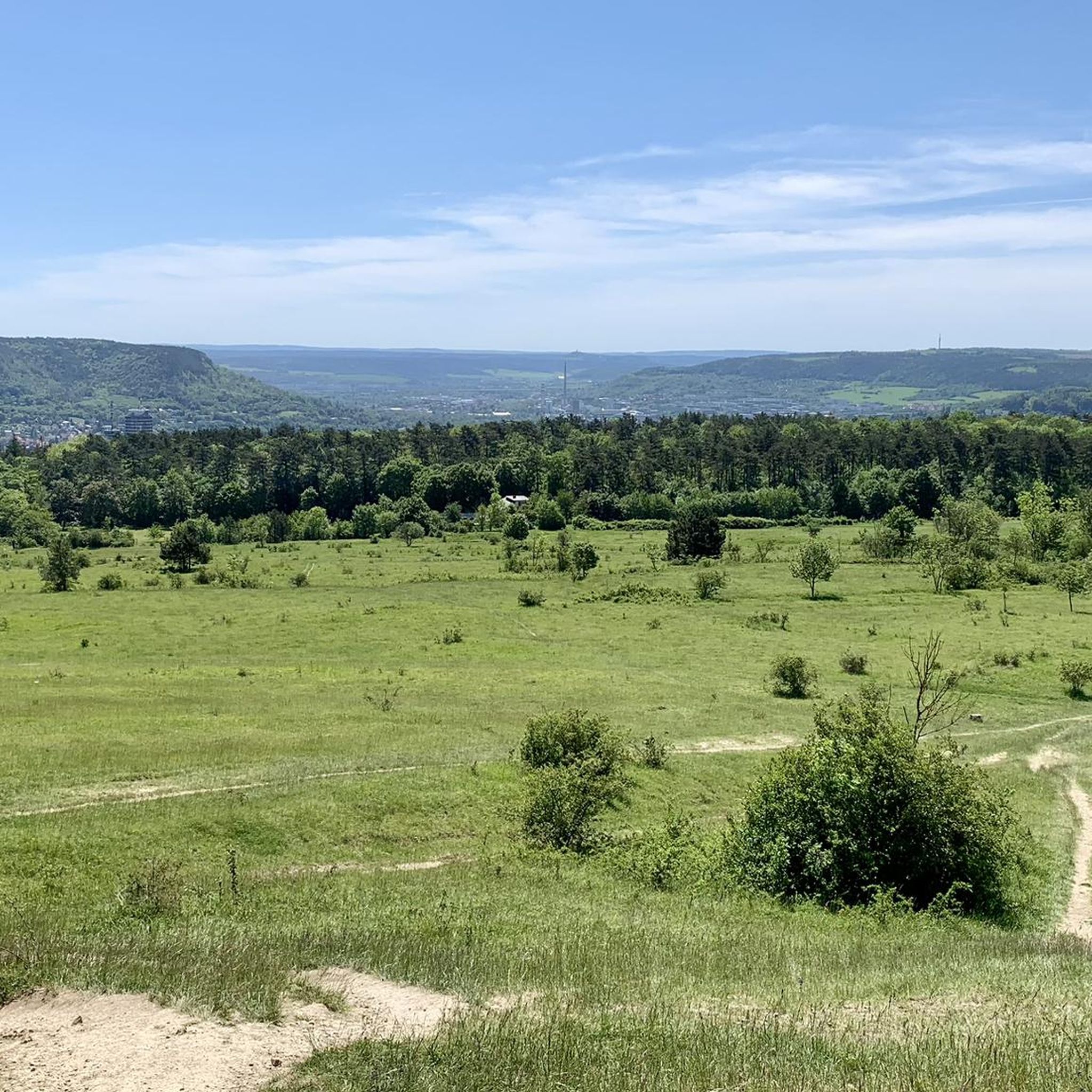
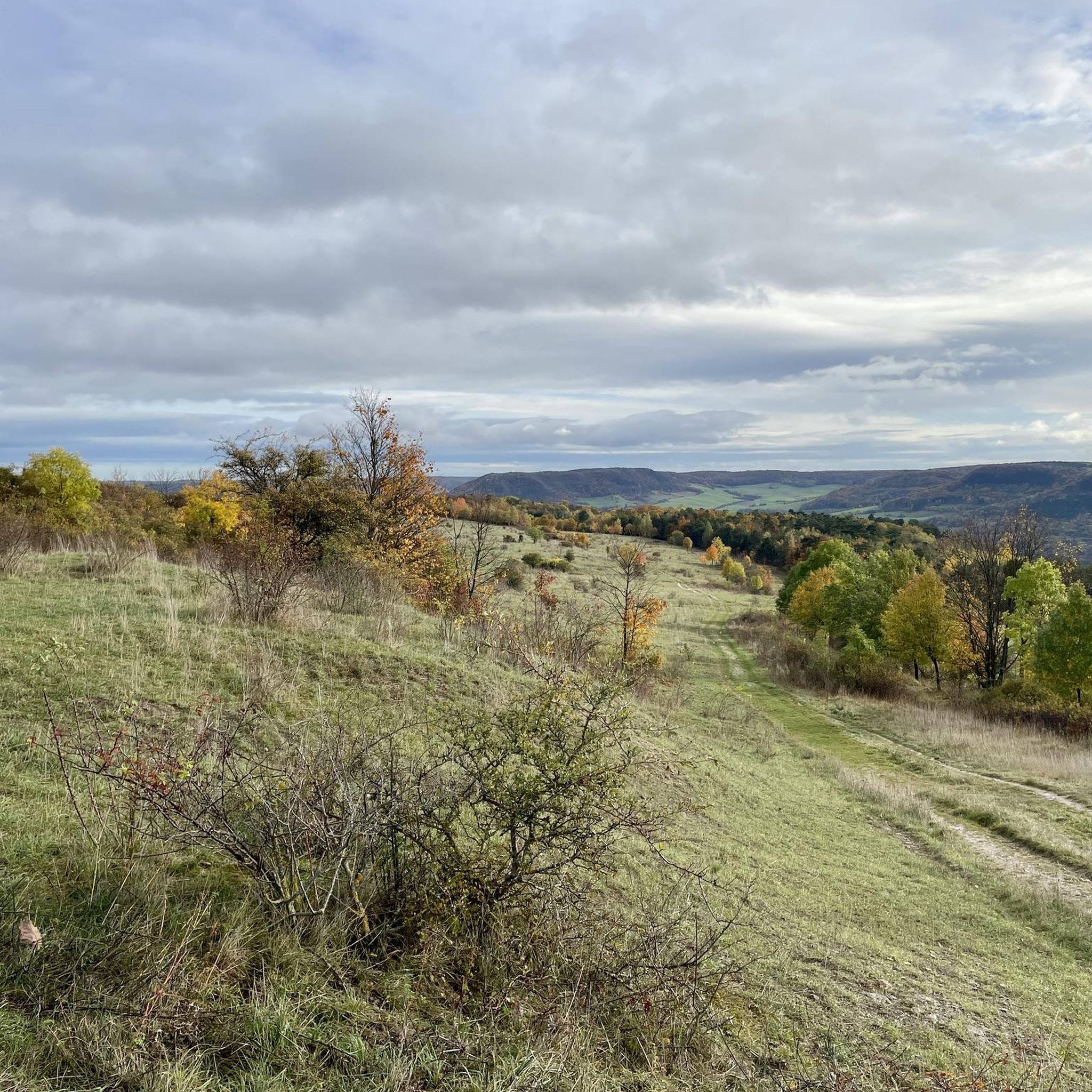
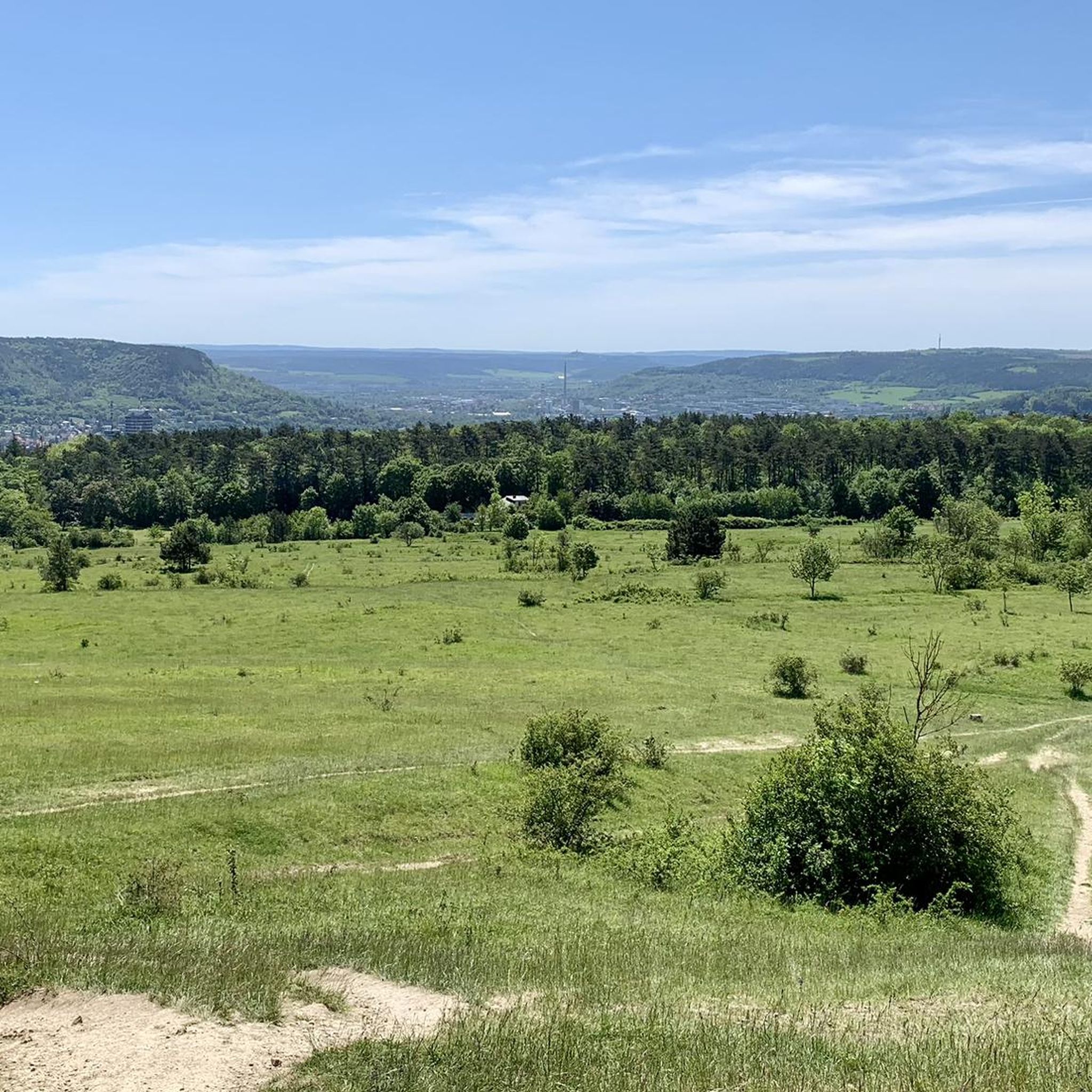
Best natural monuments in Windknollen are located northwest of Jena, Germany. This area is characterized by unique dry grasslands and diverse ecosystems, forming a valuable natural heritage site. The landscape combines historical landmarks with preserved habitats, offering insights into both natural history and past events. It provides a distinct natural experience with varied terrain and significant biodiversity.
Best natural monuments in Windknollen
- The most popular natural monuments is Napoleon Stone on the Windknollen, a man-made monument that commemorates Napoleon's…
Last updated: June 21, 2026
Napoleon Stone on the Windknollen
Highlight • Monument
Translated by Google •
Tip by

Windknollen Nature Reserve
Highlight • Natural Monument
Showing Translation
Tip by

Sign up now to discover places like this
Get recommendations on the best single tracks, peaks, & plenty of other exciting outdoor places.
Sign up for free
Closewitz Nature Discovery Grove
Highlight • Forest
Translated by Google •
Tip by

Napoleon Trail: Birds Station
Highlight • Trail
Translated by Google •
Tip by

Windknollen – Touringen Stamp Station No. 200 "Napoleon"
Highlight • Viewpoint
Translated by Google •
Tip by

Sign up for free to discover even more natural monuments in Windknollen.
Sign up for free
Already have an account?
Start today with a free account
Your next adventure awaits.
Login or Signup

Other adventures in Windknollen

Tips from the Community

In the autumn of 1806, world history was made here on these heights northwest of Jena. Directly behind the Landgrave's house lay the Jena-Auerstedt battlefield, the site of the fighting between Prussian troops and Napoleon in October 1806. The Napoleon Stone, which, like the museum in nearby Cospeda, commemorates this event over two hundred years ago, is located here.
12
0
Here you can learn more about the breeding grounds of native birds.
14
0
Another stop on the Napoleon Trail with a bench at the Napoleon Stone. Here you have a wonderful panoramic view 😎
13
0

Ignoring the Prussian ultimatum, Napoleon marched with approximately 160,000 men from Bavaria to Thuringia toward Berlin between October 7 and 13, 1806. On the afternoon of October 13, Napoleon, standing on the Windknollen, spotted the enemy firing positions on the Dornberg and ordered all available troops to take up positions overnight on the Landgrafenberg. The Prussian commanders never expected the French artillery with its heavy cannons to climb the steep mountain.
14
0

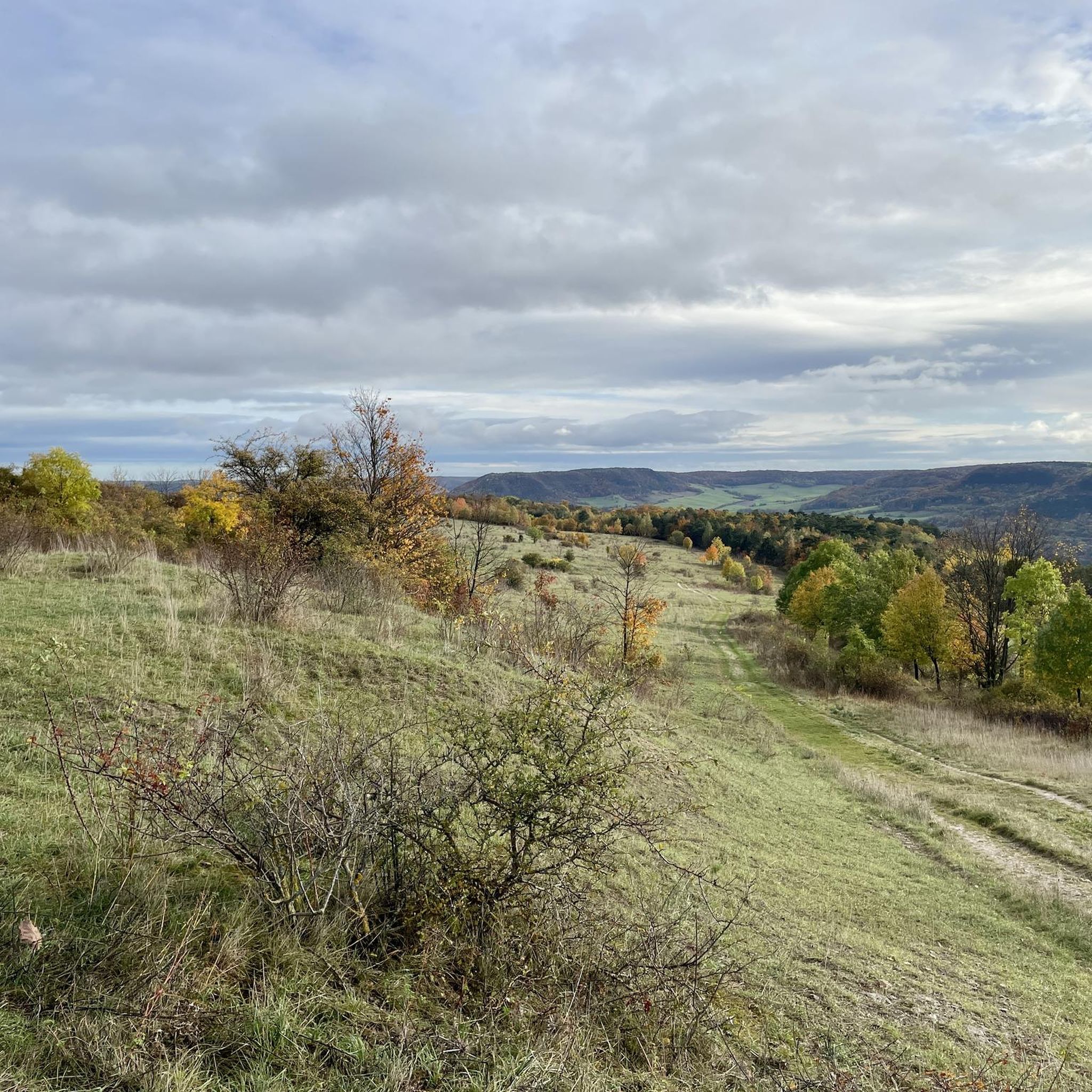
Even in winter, the dry grass meadows around the Napoleon Stone in Jena are wonderful for hiking. Almost 220 years ago, the battle against the French army – a debacle for the German troops – took place here. It wasn't until 1808 that the united troops succeeded in freeing themselves from the Napoleonic yoke – see more about the Battle of the Nations. In this context, Mr. Blücher's tireless will to win, at the age of 73, deserves special mention.
3
0

Bring your worries and troubles and give them to the wind! A beautiful piece of earth that offers wonderful views.
0
0

really very interestingly designed
1
0
Collecting stamps is a bit addictive ;-)
1
0
Frequently Asked Questions
What are the main natural features to explore in Windknollen?
The Windknollen area is characterized by its unique subcontinental dry grasslands, which are home to diverse ecosystems. You can explore preserved habitats, including forests and small bodies of water. The landscape offers a distinct natural experience with varied terrain and significant biodiversity, particularly within the Windknollen Nature Reserve.
Are there good hiking opportunities around the natural monuments in Windknollen?
Yes, the Windknollen area offers excellent hiking opportunities. The Napoleon Stone on the Windknollen is a popular starting point for various routes. You can find numerous trails, including circular walks and routes that pass through the Windknollen Nature Reserve. For more detailed hiking routes, you can explore the Running Trails in Windknollen guide, which also includes walking paths.
What kind of wildlife can I expect to see in the Windknollen Nature Reserve?
The Windknollen Nature Reserve is rich in biodiversity. You might spot rare and protected flora such as various orchid species (bee orchid, lady's slipper) and the vibrant yellow rattle. The reserve is also a habitat for endangered bird species like the woodlark and red-backed shrike, as well as amphibians including frogs, grass snakes, and newts.
Are the natural monuments in Windknollen suitable for families?
Absolutely. Many natural monuments in Windknollen are family-friendly. The Napoleon Stone on the Windknollen and the Windknollen Nature Reserve are suitable for family outings. Additionally, the Closewitz Nature Discovery Grove offers an idyllic setting with information boards on local flora and fauna, perfect for educational family walks.
What are the best viewpoints in the Windknollen area?
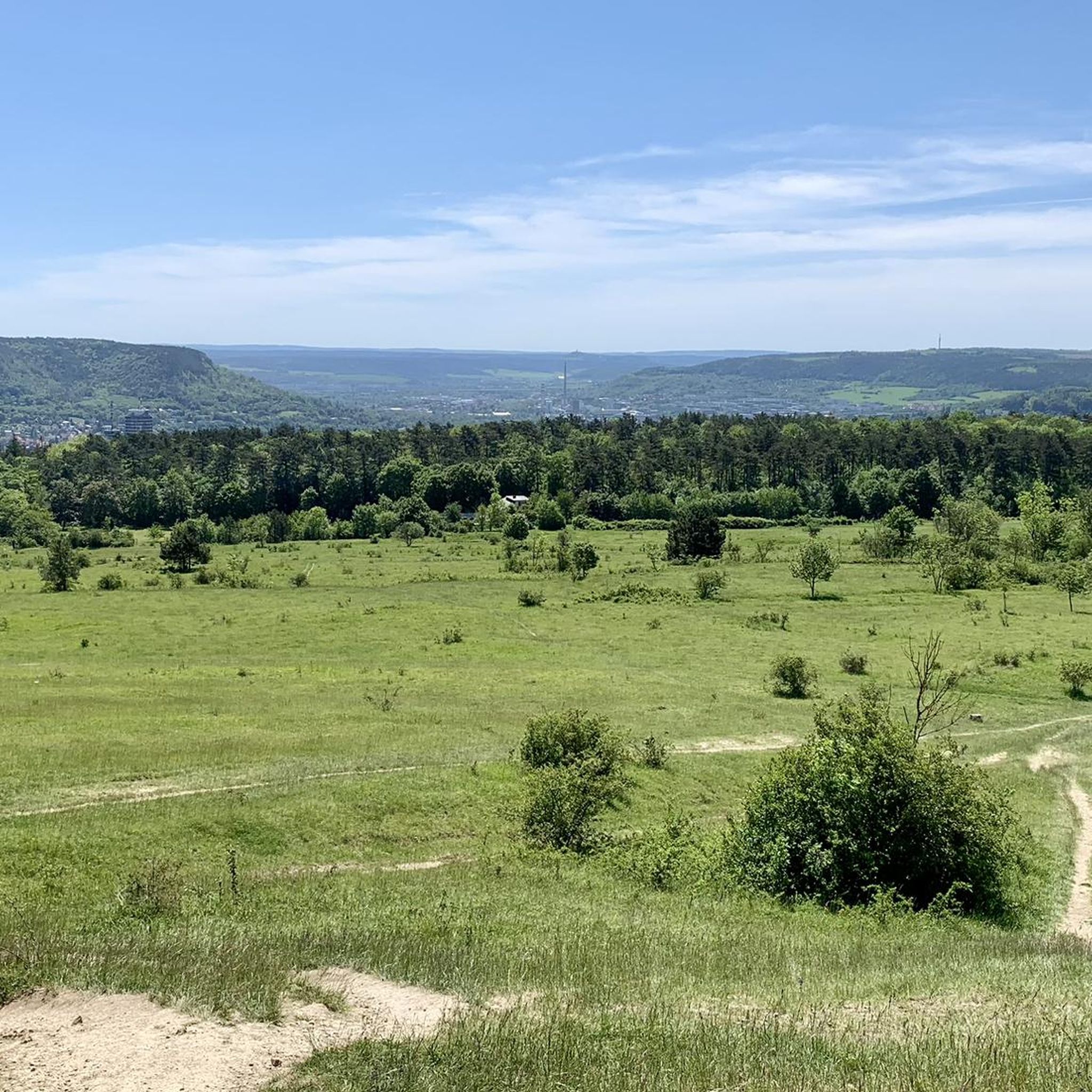
For panoramic views, the Napoleon Stone on the Windknollen offers extensive vistas of Jena and the Saale Valley, reaching the Leuchtenburg on clear days. Another excellent spot is Windknollen – Touringen Stamp Station No. 200 "Napoleon", which also provides clear and wide views as part of a regional hiking trail system.
How can I reach the natural monuments in Windknollen by public transport?
While specific public transport routes directly to the monuments are not detailed, Windknollen is located northwest of Jena. Visitors typically reach the area via public transport to Jena and then proceed by foot or local connections. It's advisable to check local bus schedules from Jena for the most current information on reaching the Windknollen area.
Is there parking available near the Windknollen natural monuments?
Parking options are generally available in the vicinity of the Windknollen natural monuments, especially at common starting points for trails. Specific parking areas are not detailed in the guide, but visitors often find designated spots near trailheads or in nearby villages before embarking on their exploration.
What is the best time of year to visit Windknollen's natural monuments?
The Windknollen natural monuments can be visited year-round. Autumn is particularly popular around the Napoleon Stone for kite flying due to favorable winds. Spring and summer are ideal for observing the rich flora and fauna in the Windknollen Nature Reserve, especially the blooming orchids. Even in winter, the dry grass meadows offer wonderful hiking opportunities.
Are dogs allowed on the trails around Windknollen's natural monuments?
Generally, dogs are permitted on trails in the Windknollen area, including around the natural monuments. However, within the Windknollen Nature Reserve, it is crucial to keep dogs on a leash to protect the sensitive ecosystems and wildlife. Always follow local signage and regulations regarding pets.
What kind of outdoor activities, besides hiking, can I do near Windknollen's natural monuments?
Beyond hiking, the Windknollen area is suitable for various outdoor activities. You can enjoy road cycling, gravel biking, and running on the numerous trails. For specific routes and guides, check out the Road Cycling Routes in Windknollen and Gravel biking in Windknollen guides.
Are there any historical sites among the natural monuments in Windknollen?
Yes, the Windknollen area uniquely blends natural beauty with historical significance. The Napoleon Stone on the Windknollen commemorates Napoleon's actions during the Battle of Jena and Auerstedt in 1806. The Windknollen Nature Reserve also contains historical traces of its past as a military training ground, such as old trenches, adding a historical layer to its natural appeal.
Do I need a permit to visit the Windknollen Nature Reserve?
No, generally you do not need a special permit for general visitation of the Windknollen Nature Reserve. It is open to the public for recreational activities like hiking and nature observation. However, visitors are expected to respect the protected status of the area by staying on marked paths, not disturbing wildlife, and refraining from collecting plants.
Where can I find refreshments or places to eat near the natural monuments?
While there are no direct cafes or restaurants located within the immediate vicinity of the natural monuments themselves, you can find various options for refreshments and dining in the nearby city of Jena. It's recommended to plan your visit accordingly or bring your own provisions for your time exploring the Windknollen area.
Most popular routes in Windknollen
Most popular attractions in Windknollen

Get inspired with the komoot mobile app


