Top 5 Natural Monuments in San Pablo
Best natural monuments in San Pablo are characterized by a landscape shaped by volcanic activity, featuring several crater lakes. The region is situated in the foothills of Mount Makiling, Mount Banahaw, and the Sierra Madre, providing a green environment for exploration. These sites offer a combination of natural features and cultural significance. The area is known for its unique geological formations and diverse natural attractions.
Best natural monuments in San Pablo
- The most popular natural monuments is Peguche Waterfall,…
Last updated: July 17, 2026
Peguche Waterfall
Highlight • Waterfall
Entrance fees are required.
Translated by Google •
Tip by

El Lechero Sacred Tree and Viewpoint
Highlight • Viewpoint
Translated by Google •
Tip by
Sign up now to discover places like this
Get recommendations on the best single tracks, peaks, & plenty of other exciting outdoor places.
Sign up for free
San Pablo Lake
Highlight • Lake
Translated by Google •
Tip by
Laguna Caricocha or Lagunas de Mojanda
Highlight • Lake
Translated by Google •
Tip by

Scenic viewpoint Lagunas de Mojanda
Highlight • Viewpoint
Translated by Google •
Tip by
Sign up for free to discover even more natural monuments in San Pablo.
Sign up for free
Already have an account?
Start today with a free account
Your next adventure awaits.
Login or Signup
Popular around San Pablo
Tips from the Community

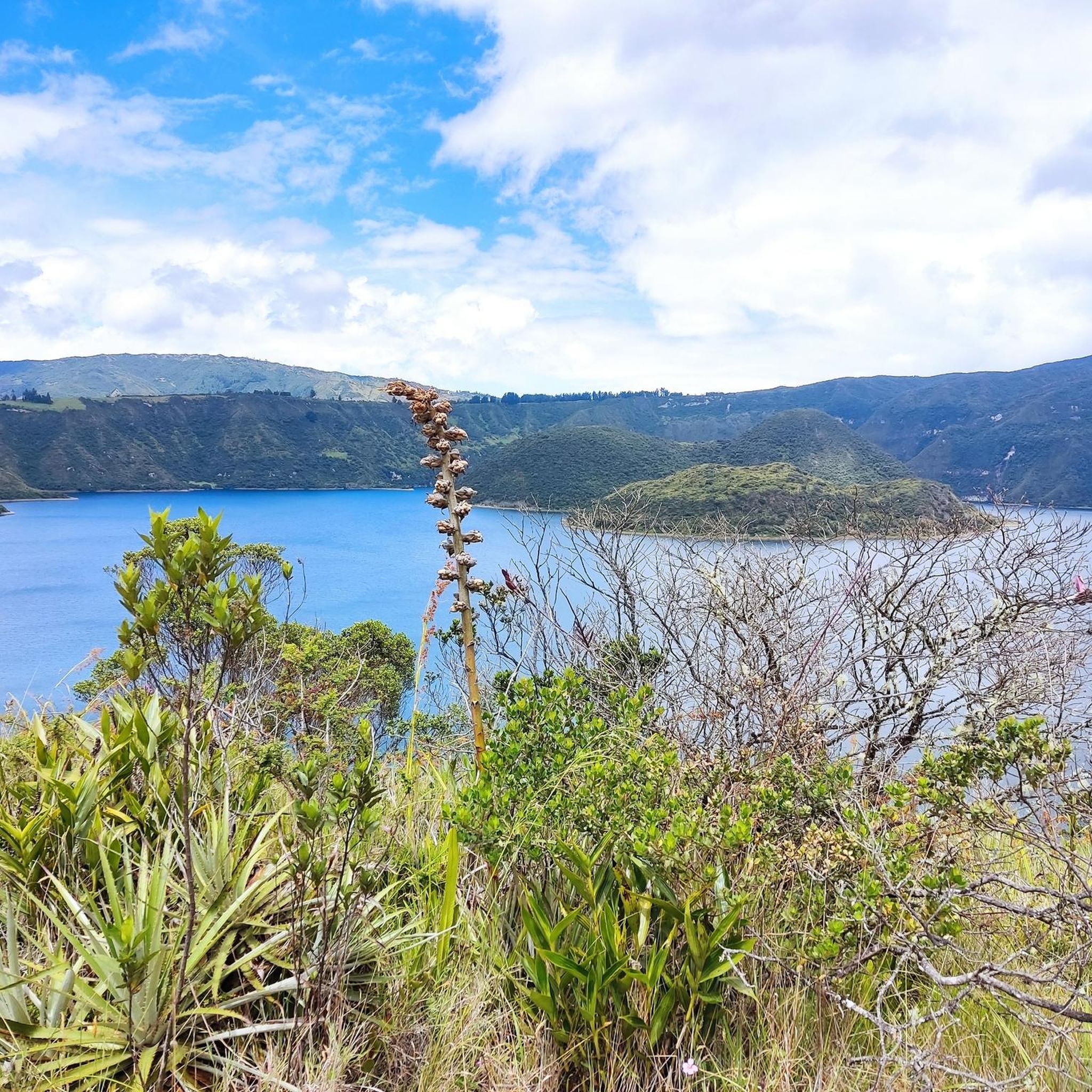
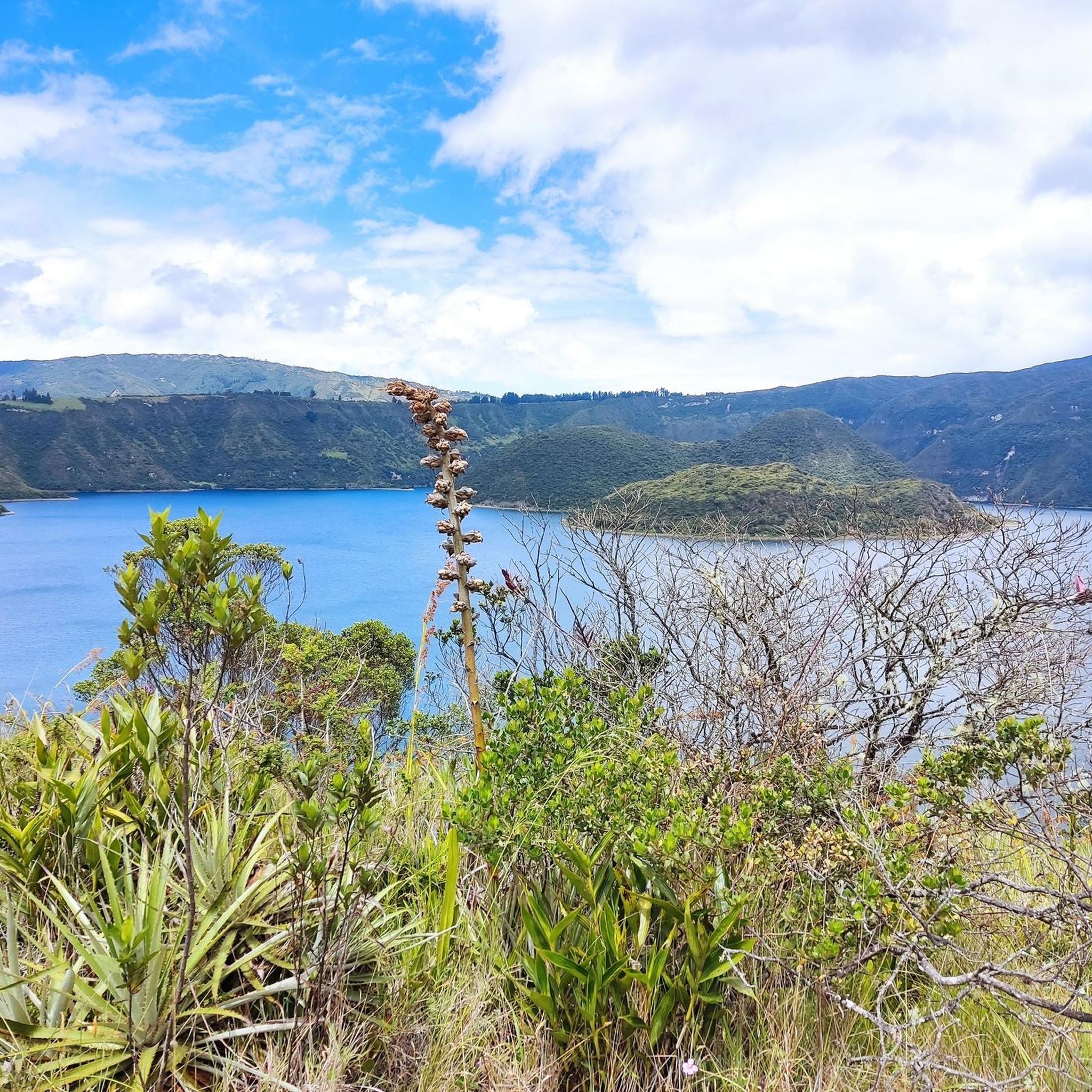
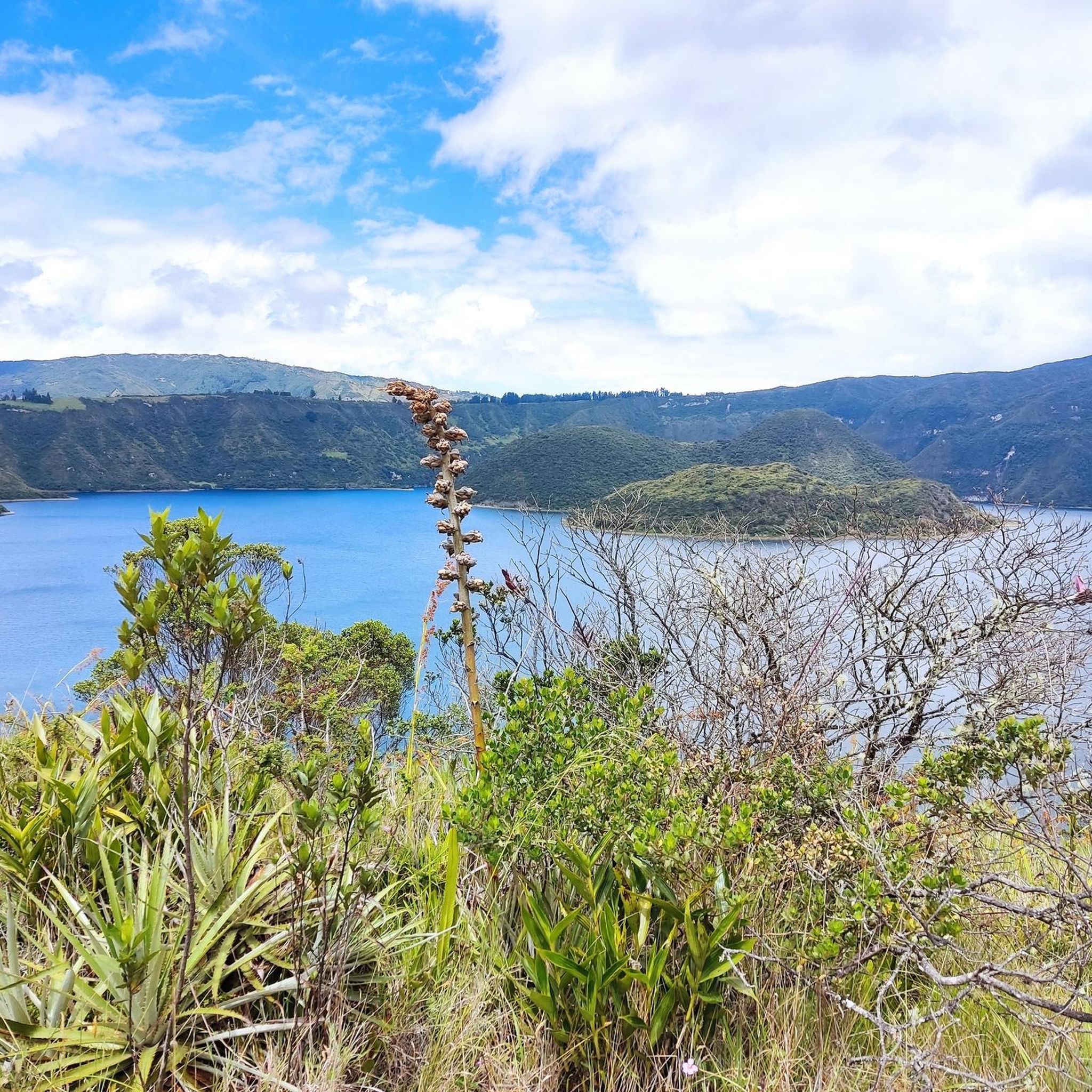
From this panoramic point (about 4,000 meters above sea level) you can observe the three lagoons that form the Lagunas de Mojanda complex: Caricocha lagoon, Huarmicocha lagoon and Chiriacu lagoon. The climb on the dirt road to get here is challenging but the ride on the dark volcanic sand is an unforgettable experience.
1
0
The Lagunas de Mojanda is a complex of three lagoons that formed within the cone of an inactive stratovolcano. The first lagoon, the largest is called Laguna Caricocha. The road to reach the lagoon from Otavalo is very steep and cobbled, but the view and tranquility are worth the effort.
0
0

Look for a sacred place with beautifully landscaped hiking trails. At the top you can crawl through narrow caves and discover other smaller waterfalls. Entrance fees are required.
2
0
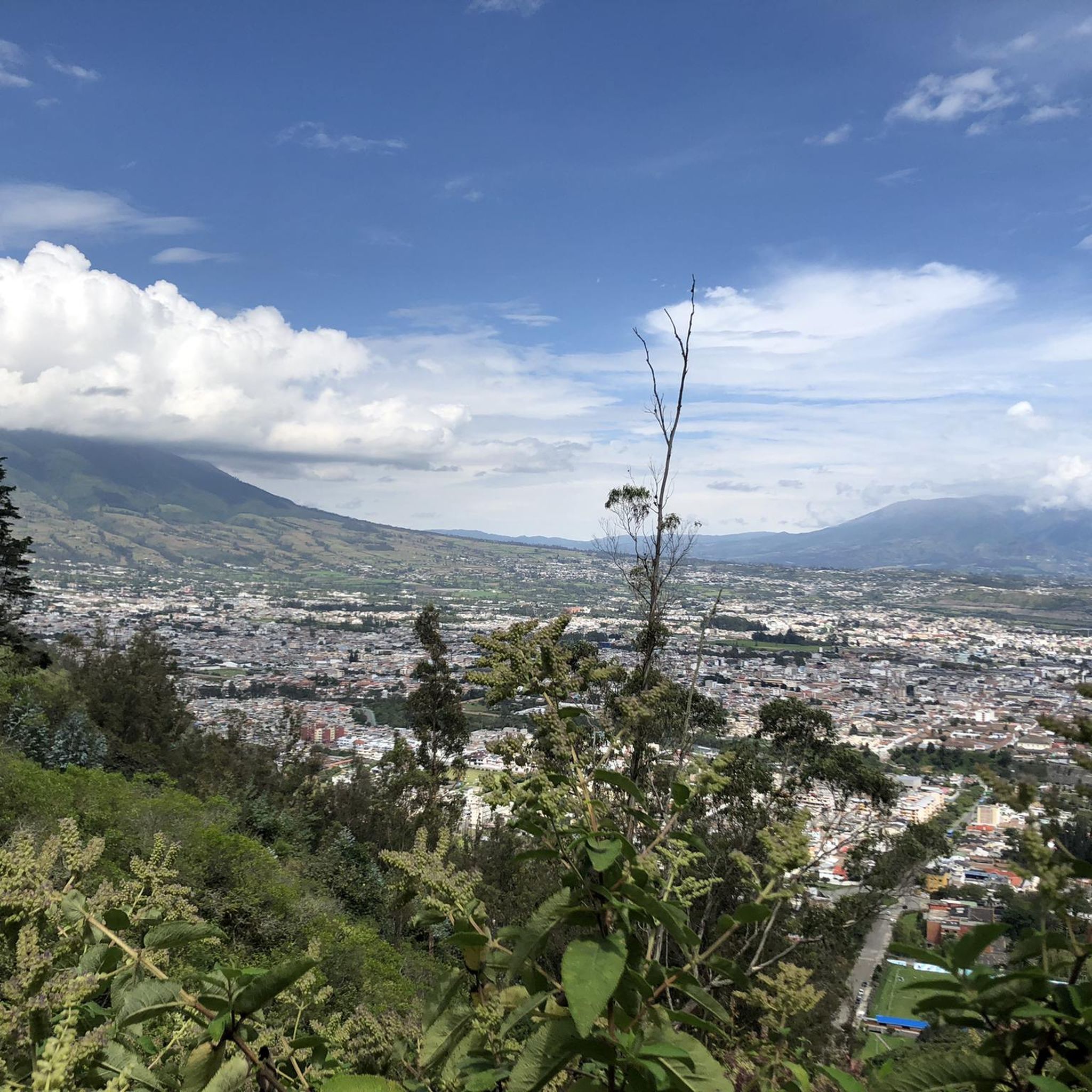
El Lechero is a viewpoint whose tree at the top of the hill is considered sacred. Although unknown to many people, this tranquil spot offers beautiful views of the surrounding area. Located in Otavalo, Ecuador near Condor Park. El Lechero, Otavalo's sacred tree, is part of local mythology and is believed to house the soul of a cursed lover who fell in love with a boy from a rival family. And then it was transformed into nearby Lake San Pablo. From the El Lechero viewpoint you can see Lake San Pablo, the Fuya Fuya Mountains, the Cotacachi Volcanoes, Imbabura and a great view of the city of Otavalo. The place where the tree stands is considered a sacred place with healing powers by local people. There are indigenous Otavaleños who perform many purification rituals and spiritual ceremonies. El Lechero is a place open to the public, where you can not only take beautiful photos, but also have picnics. To get there, you'll have to walk a steep 5km or so from Otavalo or hire a taxi for around $4 each way. There is no transport at the top. Ask the driver to wait if he doesn't want to go back. Source: https://www.planetandes.com/es/ecuador/andes/imbabura/otavalo/el-lechero-arbol-sagrado-otavalo/
2
0
Lake San Pablo or Imbacocha, Spanish Lago San Pablo, Kichwa: Impakucha ("Lake of the Andean Climbing Catfish": impa "Andean Climbing Catfish", kucha "lake") is located in the province of Imbabura in northern Ecuador, at 2,660 m above sea level, below the Imbabura volcano, has a water surface of about 1.8 km² and is of volcanic origin. Source: https://de.wikipedia.org/wiki/Lago_San_Pablo You can take boats across the lake. There are a few stalls at the departure point.
0
0

El Lechero is an ancient tree on a hilltop above Otavalo overlooking the San Pablo Lagoon, Otavalo and Imbabura Volcano. What is special about this tree is not only its age (it is said to be more than a thousand years old), but also its religious background. According to the indigenous people, it is said to have healing abilities. It is not for nothing that he is visited and worshiped for rituals or weddings
0
1

Frequently Asked Questions
What are the most prominent natural monuments to visit in San Pablo?
San Pablo is famously known as the 'City of Seven Lakes,' which are its most prominent natural monuments. These volcanic crater lakes include Sampaloc Lake, the largest and most accessible; the 'twin lakes' of Pandin and Yambo, known for their serene beauty; and Lake Calibato, the deepest. Other notable natural sites include the revered Mount Banahaw nearby, Tanaw de Rizal for panoramic views, and Bato Springs with its refreshing cold spring waters.
Are there family-friendly natural monuments in San Pablo?
Yes, several natural monuments in San Pablo are great for families. Sampaloc Lake is ideal for leisurely walks, cycling, and picnics along its paved loop. Pandin and Yambo Lakes offer bamboo rafting and lakeside picnics in a peaceful setting. Bato Springs is also a popular family destination, providing refreshing swimming pools fed by natural cold springs within a lush forest.
What kind of activities can I do at the Seven Lakes of San Pablo?
At the Seven Lakes, you can enjoy various activities. Sampaloc Lake is popular for jogging, cycling, and enjoying scenic sunsets. At Pandin and Yambo Lakes, visitors can experience bamboo rafting, swimming, and picnicking on floating rafts. The lakes generally offer a tranquil environment for relaxation, photography, and appreciating nature.
What is the best time of year to visit San Pablo's natural attractions?
The best time to visit San Pablo's natural attractions, especially the lakes and springs, is generally during the dry season, which typically runs from November to May. This period offers more pleasant weather for outdoor activities like walking, rafting, and swimming, with less chance of rain disrupting your plans. However, Bato Springs can be a refreshing escape during the hotter summer months.
Are there any natural monuments in San Pablo with cultural or historical significance?
Yes, several natural monuments in San Pablo hold cultural and historical significance. The 'twin crater lakes' of Pandin and Yambo are steeped in local legends and myths, adding a rich cultural dimension to their natural beauty. Additionally, Mount Banahaw, located near San Pablo, is widely revered as a 'holy mountain' and draws pilgrims and spiritual seekers to its sacred sites.
Can I find hiking opportunities near San Pablo's natural monuments?
While the immediate vicinity of the crater lakes like Sampaloc Lake offers paved paths for walking and jogging, more extensive hiking opportunities can be found in the broader region. The foothills of Mount Makiling, Mount Banahaw, and the Sierra Madre provide a rich green landscape for exploration. For general hiking information in the area, you can explore options on komoot's Hiking in San Pablo guide.
Are there any viewpoints offering panoramic scenery of San Pablo's natural landscape?
Yes, Tanaw de Rizal (formerly Tayak Hill) is a popular destination that offers stunning panoramic views of the surrounding mountains and verdant landscapes. It encompasses a protected forest area and is an excellent spot for nature enthusiasts to appreciate the region's beauty from above.
What makes Lake Calibato unique among San Pablo's Seven Lakes?
Lake Calibato stands out as the deepest among San Pablo's seven lakes, reaching a depth of 135 meters. It is characterized by its tranquil waters and lush foliage, offering a serene escape for those seeking peace and immersion in nature. It also serves as a source of fish and aquatic vegetation for local communities.
Are there opportunities for cycling near the natural monuments in San Pablo?
Yes, cycling is a popular activity around San Pablo's natural monuments. Sampaloc Lake features a 3.7-kilometer paved loop that is ideal for cyclists, offering scenic views of the lake and Mount Banahaw. For more cycling routes in the area, you can refer to komoot's Cycling in San Pablo guide.
What kind of natural features can I expect to see in San Pablo?
San Pablo's natural features are primarily shaped by volcanic activity. You can expect to see unique volcanic crater lakes, lush green landscapes, and views of surrounding mountains like Mount Banahaw. The region also boasts cold springs and waterfalls, such as those found at Bato Springs, providing diverse natural beauty.
Are there less crowded natural monuments in San Pablo for a more peaceful experience?
While Sampaloc Lake can be quite popular, lakes like Calibato and Bunot Lake generally offer a more serene and less crowded experience. These lakes provide a peaceful retreat where visitors can immerse themselves in nature's tranquility away from the bustling areas, ideal for quiet contemplation or a calm picnic.
What should I wear when visiting natural monuments in San Pablo?
For visiting San Pablo's natural monuments, especially if you plan on walking, cycling, or exploring, it's best to wear comfortable clothing and appropriate footwear. Light, breathable fabrics are recommended due to the tropical climate. If you plan to swim at Bato Springs or raft on the lakes, bring swimwear. Sun protection like hats, sunglasses, and sunscreen is also advisable.
Most popular routes in San Pablo
Most popular attractions in San Pablo

Get inspired with the komoot mobile app


Explore more
Extend your search for the best caves by checking out these guides of the top ones in San Pablo:
