Top 7 Natural Monuments in Otavalo
Natural monuments in Otavalo are situated in the Andean highlands of Ecuador, offering diverse landscapes. The region features cascading waterfalls, serene volcanic lakes, and majestic peaks. These sites hold cultural significance for the indigenous Kichwa people.
Best natural monuments in Otavalo
- The most popular natural monuments is Cuicocha Lagoon Loop Trailhead, a trail that offers a circular hike around a volcanic crater lake. This 14-kilometer trail provides views of the lake's unique islets.
- Another must-see spot is Peguche Waterfall…
Last updated: July 17, 2026
Cuicocha Lagoon Loop Trailhead
Highlight • Trail
Translated by Google •
Tip by

Peguche Waterfall
Highlight • Waterfall
Entrance fees are required.
Translated by Google •
Tip by

Sign up now to discover places like this
Get recommendations on the best single tracks, peaks, & plenty of other exciting outdoor places.
Sign up for free
Wildflower Path in Reserva Ecológica Cotacachi-Cayapas
Highlight (Segment) • Trail
Translated by Google •
Tip by

El Lechero Sacred Tree and Viewpoint
Highlight • Viewpoint
Translated by Google •
Tip by
San Pablo Lake
Highlight • Lake
Translated by Google •
Tip by
Sign up for free to discover even more natural monuments in Otavalo.
Sign up for free
Already have an account?
Start today with a free account
Your next adventure awaits.
Login or Signup
Tips from the Community

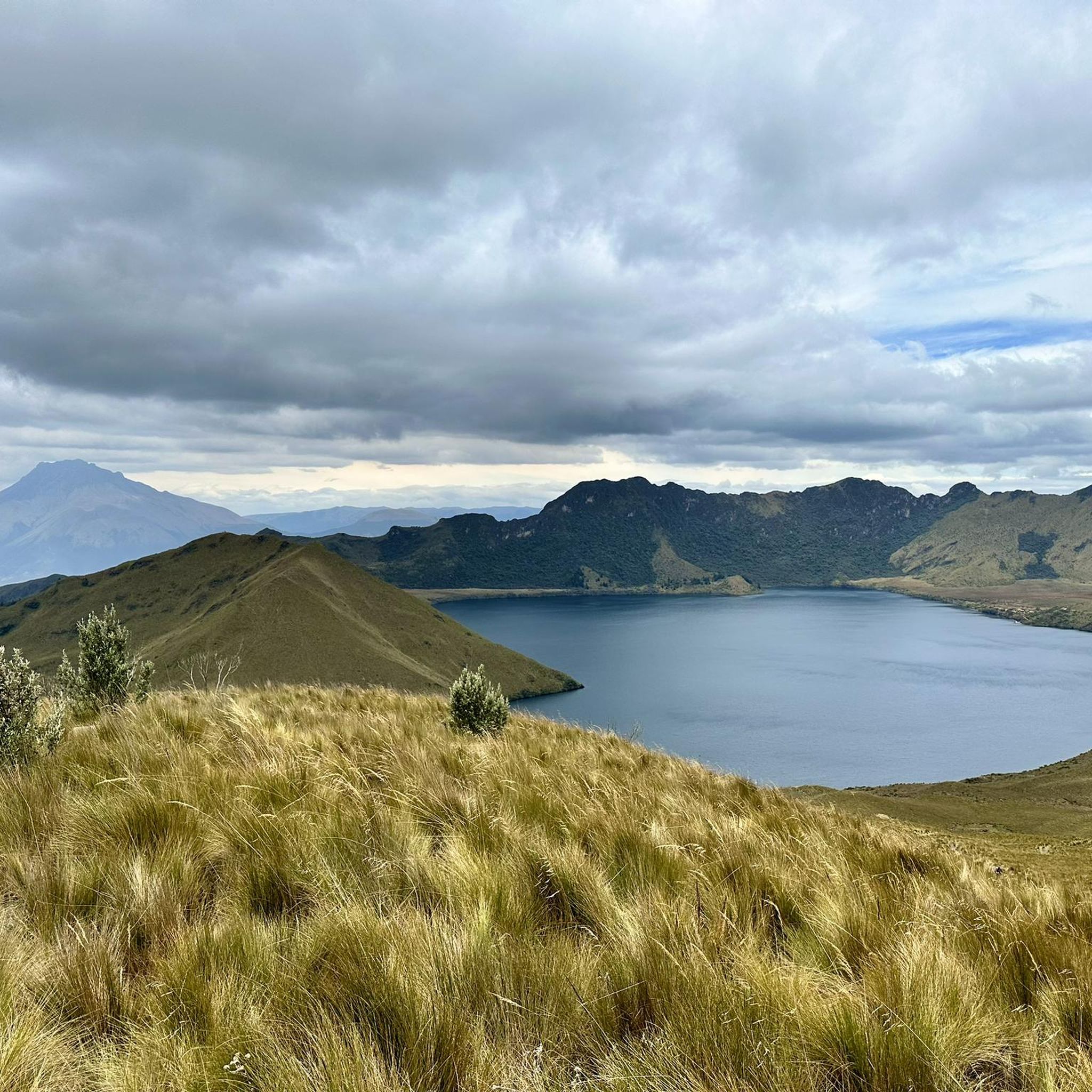
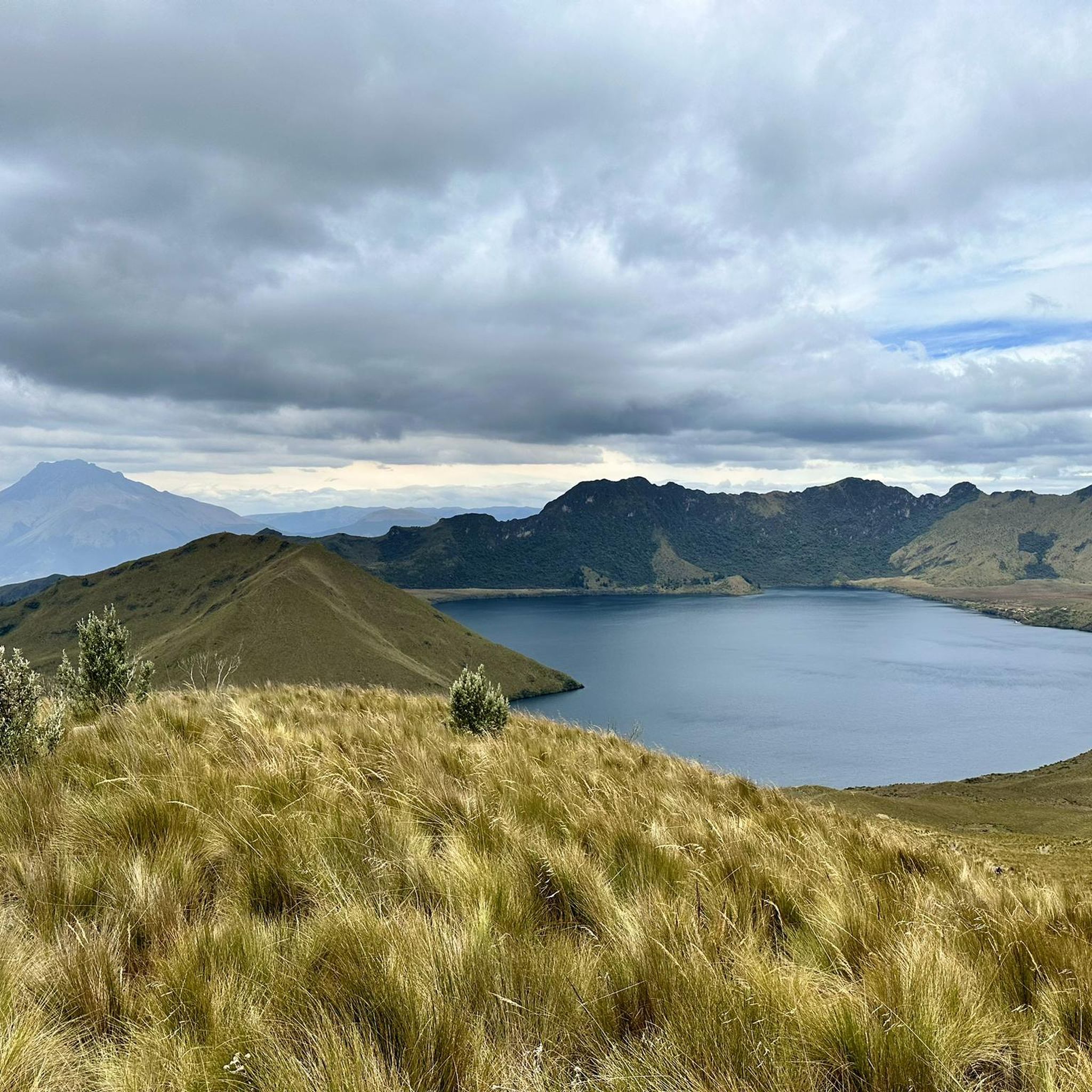
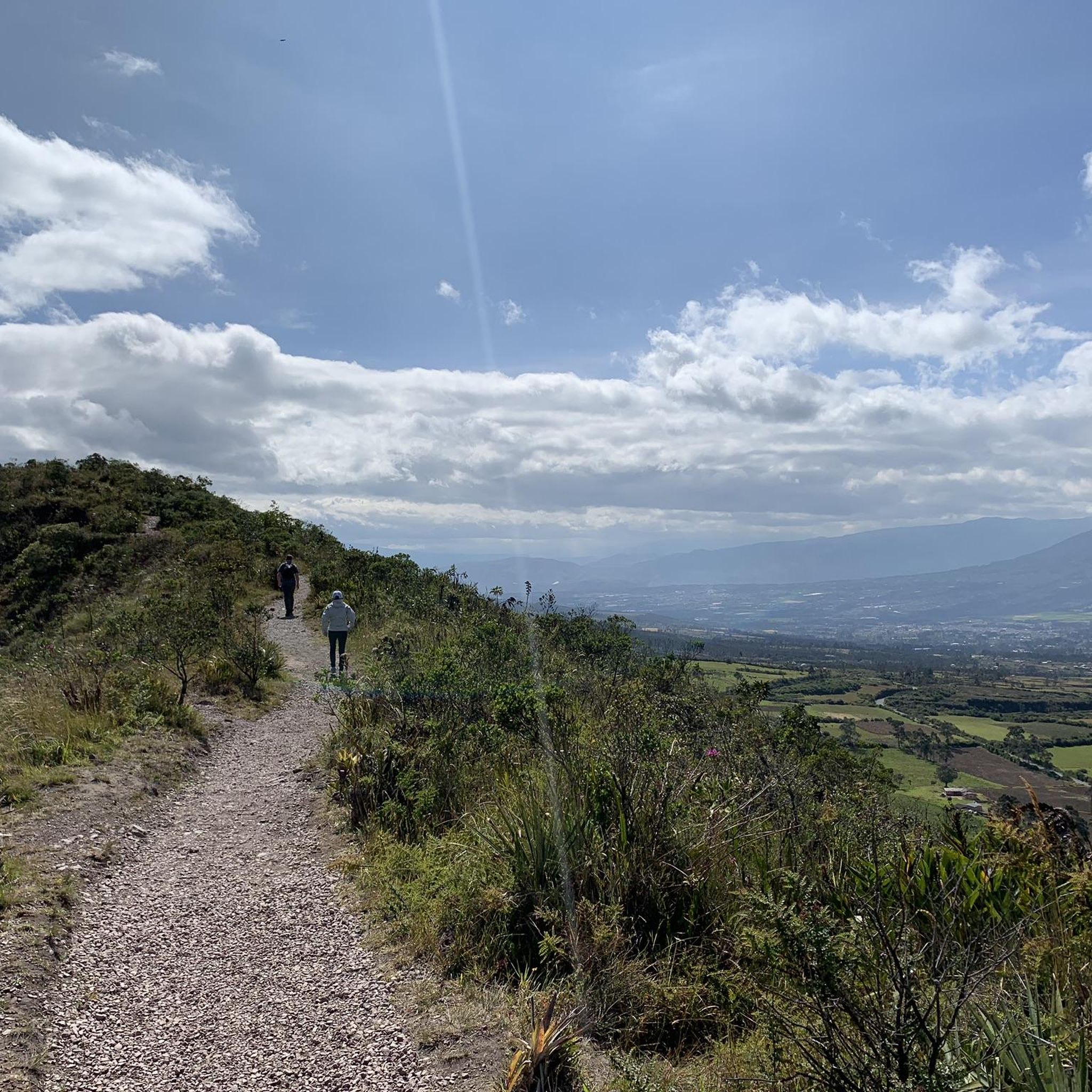
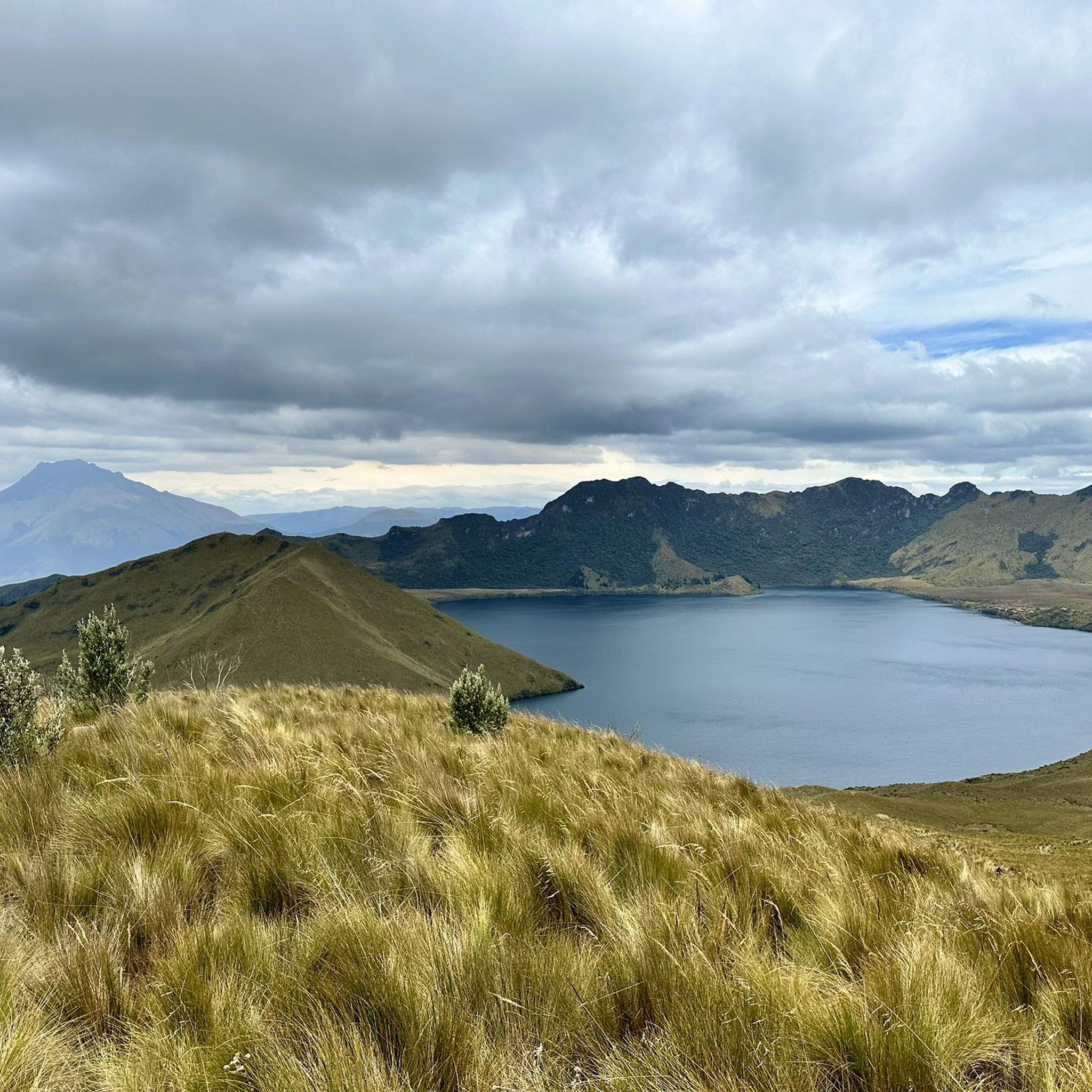
Being in this place and having the feeling of turning around and knowing everything you walked, is beautiful. A different view of everything and the most refreshing and delicious breeze there is.
0
0

Look for a sacred place with beautifully landscaped hiking trails. At the top you can crawl through narrow caves and discover other smaller waterfalls. Entrance fees are required.
2
0
El Lechero is a viewpoint whose tree at the top of the hill is considered sacred. Although unknown to many people, this tranquil spot offers beautiful views of the surrounding area. Located in Otavalo, Ecuador near Condor Park. El Lechero, Otavalo's sacred tree, is part of local mythology and is believed to house the soul of a cursed lover who fell in love with a boy from a rival family. And then it was transformed into nearby Lake San Pablo. From the El Lechero viewpoint you can see Lake San Pablo, the Fuya Fuya Mountains, the Cotacachi Volcanoes, Imbabura and a great view of the city of Otavalo. The place where the tree stands is considered a sacred place with healing powers by local people. There are indigenous Otavaleños who perform many purification rituals and spiritual ceremonies. El Lechero is a place open to the public, where you can not only take beautiful photos, but also have picnics. To get there, you'll have to walk a steep 5km or so from Otavalo or hire a taxi for around $4 each way. There is no transport at the top. Ask the driver to wait if he doesn't want to go back. Source: https://www.planetandes.com/es/ecuador/andes/imbabura/otavalo/el-lechero-arbol-sagrado-otavalo/
2
0
Lake San Pablo or Imbacocha, Spanish Lago San Pablo, Kichwa: Impakucha ("Lake of the Andean Climbing Catfish": impa "Andean Climbing Catfish", kucha "lake") is located in the province of Imbabura in northern Ecuador, at 2,660 m above sea level, below the Imbabura volcano, has a water surface of about 1.8 km² and is of volcanic origin. Source: https://de.wikipedia.org/wiki/Lago_San_Pablo You can take boats across the lake. There are a few stalls at the departure point.
0
0

Arriving from Otavalo without your own car: From the bus terminal, take the bus to Cotacachi or Quiroga. Buses run every 15-20 minutes. Just ask for Laguna at the terminal and someone will direct you to the right bus. Cost per ride: $0.4. The bus driver will drop you off at a taxi rank in Cotacachi or at the central park in Quiroga. From there, the only way to get to the lagoon is by taxi, as there are no buses going there. A taxi will cost around USD 5-6. For the return trip, it's best to use the taxi driver's phone number to call him for the return trip, as the lagoon is pretty deserted and there aren't really any taxis around. The price for the return trip is the same as for the outward trip. It would also be possible to hitchhike back at least to Quiroga, since the road from the lagoon goes through Quiroga. From there or Cotacachi, take the $0.4 bus to Otavalo again. The buses also leave here very regularly.
0
0

El Lechero is an ancient tree on a hilltop above Otavalo overlooking the San Pablo Lagoon, Otavalo and Imbabura Volcano. What is special about this tree is not only its age (it is said to be more than a thousand years old), but also its religious background. According to the indigenous people, it is said to have healing abilities. It is not for nothing that he is visited and worshiped for rituals or weddings
0
1

It's not allowed to camp on the trail, but... Noone checks if you do :)
1
0

Circular hike around the "guinea pig lagoon". The easiest way to get there from Otavalo is by bus to Quiroga and then by taxi from the parque central there ($5)
2
0
Frequently Asked Questions
What are some of the most popular natural monuments in Otavalo?
Beyond the well-known Cuicocha Lagoon Loop Trailhead and Peguche Waterfall, visitors also highly appreciate San Pablo Lake. This large lake, located below the Imbabura volcano, is a popular recreational area where you can enjoy boat tours and views of the surrounding landscape.
Are there family-friendly natural monuments in Otavalo?
Yes, San Pablo Lake is considered family-friendly, offering boat tours and a scenic environment. The trail to Peguche Waterfall is also well-maintained and takes about 15-20 minutes, making it accessible for most ages.
What kind of outdoor activities can I do near Otavalo's natural monuments?
The region offers diverse outdoor activities. You can find numerous hiking trails, such as the challenging Fuya Fuya Peak loop near Mojanda Lakes, or easier options like the Peguche Waterfall loop. Cycling is also popular, with various road cycling and touring bicycle routes available. For more details on routes, you can explore Hiking in Otavalo or Cycling in Otavalo.
How can I get to the natural monuments in Otavalo using public transport?
For Cuicocha Lagoon, take a bus from Otavalo's terminal to Cotacachi or Quiroga (around $0.4). From there, a taxi is needed to reach the lagoon (around $5-6). For Peguche Waterfall, you can walk from Otavalo in about 45 minutes, or take a taxi or bus.
Do any natural monuments in Otavalo have cultural or spiritual significance?
Yes, Peguche Waterfall is a site of deep spiritual significance for the indigenous Kichwa people. Additionally, El Lechero Sacred Tree and Viewpoint is considered a sacred place with healing properties, believed to house the soul of a cursed lover and used for purification rituals.
What are the best natural monuments for panoramic views in Otavalo?
For expansive views, El Lechero Sacred Tree and Viewpoint offers vistas of Lake San Pablo, the Fuya Fuya Mountains, Cotacachi Volcanoes, Imbabura, and Otavalo. The 14-kilometer trail around Cuicocha Lagoon also provides breathtaking views of the volcanic lake and its unique islets.
Are there any hidden natural gems around Otavalo worth exploring?
Beyond the main falls at Peguche Waterfall, a path to the right leads to a small cave and another hidden waterfall, offering a more adventurous exploration. The Mojanda Lakes complex, while known, offers numerous hiking trails and the Fuya Fuya Volcano, which can feel like a hidden gem due to its challenging but rewarding trek.
What is the best time of year to visit Otavalo's natural monuments?
Otavalo generally experiences a mild climate year-round due to its Andean highland location. However, the dry season (typically June to September) often offers clearer skies and more stable weather, which is ideal for hiking and enjoying panoramic views at sites like the Mojanda Lakes and Imbabura Volcano.
What should I bring for hiking at Otavalo's natural monuments?
Given the high altitude and varied terrain, it's advisable to bring layers of clothing, sturdy hiking shoes, sun protection (hat, sunscreen), and plenty of water. For higher altitude treks like Fuya Fuya, be prepared for potential changes in weather and consider bringing rain gear.
How long do visits to Otavalo's natural monuments typically take?
A visit to Peguche Waterfall can take about an hour or two, including the walk from Otavalo. The full loop around Cuicocha Lagoon is a 14-kilometer hike that typically takes 3 to 5 hours. Treks to summits like Fuya Fuya or Imbabura Volcano can be full-day excursions, requiring several hours of hiking.
Can I spot wildlife at Otavalo's natural monuments?
While specific wildlife spotting data is limited, the diverse ecosystems around Otavalo's natural monuments, particularly in areas like the Cotacachi-Cayapas Ecological Reserve (where Cuicocha Lake is located) and the Mojanda Lakes, offer opportunities for bird watching and observing local flora and fauna. The name Cuicocha itself means 'lagoon of the guinea pigs,' referring to the shape of its islets.
Are there any challenging hikes among Otavalo's natural monuments?
Yes, the trek to the summit of Fuya Fuya Volcano, located near the Mojanda Lakes, can be challenging due to its altitude (4,263 meters) and steepness. Similarly, climbing Imbabura Volcano (4,630 meters) is a demanding trek that requires scrambling and is recommended with a mountain guide.
Most popular routes in Otavalo
Most popular attractions in Otavalo

Get inspired with the komoot mobile app


Explore more
Extend your search for the best caves by checking out these guides of the top ones in Otavalo:
