Top 5 Natural Monuments in Futaleufú
Best natural monuments in Futaleufú are characterized by a diverse natural landscape, featuring rugged mountains, pristine rivers, and extensive forests. The region is part of the World Biosphere Reserve of the Temperate Rainforests of the Austral Andes. It offers a variety of natural attractions, including lakes, waterfalls, and ancient trees. This area provides opportunities for outdoor activities amidst Patagonian scenery.
Best natural monuments in Futaleufú
- The most popular natural monuments is Provincial Route 71 (Lago Rivadavia), a lake that…
Last updated: July 15, 2026
Lake Futalaufquen
Highlight • Lake
Translated by Google •
Tip by

Nant y Fall Waterfalls
Highlight • Waterfall
Although it cannot be traveled by bike, it can be left in the access area, the staff will very kindly …
Translated by Google •
Tip by
Sign up now to discover places like this
Get recommendations on the best single tracks, peaks, & plenty of other exciting outdoor places.
Sign up for free
Provincial Route 71 (Lago Rivadavia)
Highlight (Segment) • Lake
The surface in general is in good …
Translated by Google •
Tip by
Lago Baggilt (Bagillt or Baguilt)
Highlight • Lake
Translated by Google •
Tip by
Millennial Alerce “Lahuan”
Highlight • Natural Monument
Translated by Google •
Tip by
Start today with a free account
Your next adventure awaits.
Login or Signup
Popular around Futaleufú
Tips from the Community

Section of Provincial Route 71 that runs through Los Alerces National Park between the North entrance to the park and bordering Lake Rivadavia. The surface in general is in good condition and allows you to enjoy the picturesque landscape of the lake and this area of the Park.
2
0
Without a doubt, the most important lake of the several that the Los Alerces National Park contains and a large part of it is because it is located on the southern entrance to it, receiving tourists who come from Esquel. A beautiful and very quiet place surrounded by a wonderful landscape. The Villa is very close and from there you can access several beaches that will allow you to enjoy its fresh and crystal-clear waters.
2
0
This Alerce specimen has been there for more than 2,500 years and makes it an icon of Los Alerces National Park.
4
0
A wonderful site with several waterfalls and very well organized. Although it cannot be traveled by bike, it can be left in the access area, the staff will very kindly take care of it and you can do the 600 meter route in peace. There are toilets, a recreational area next to the river and a grocery store with food and drinks right there. Access costs $2,500 Argentine pesos as of January 2024.
4
0
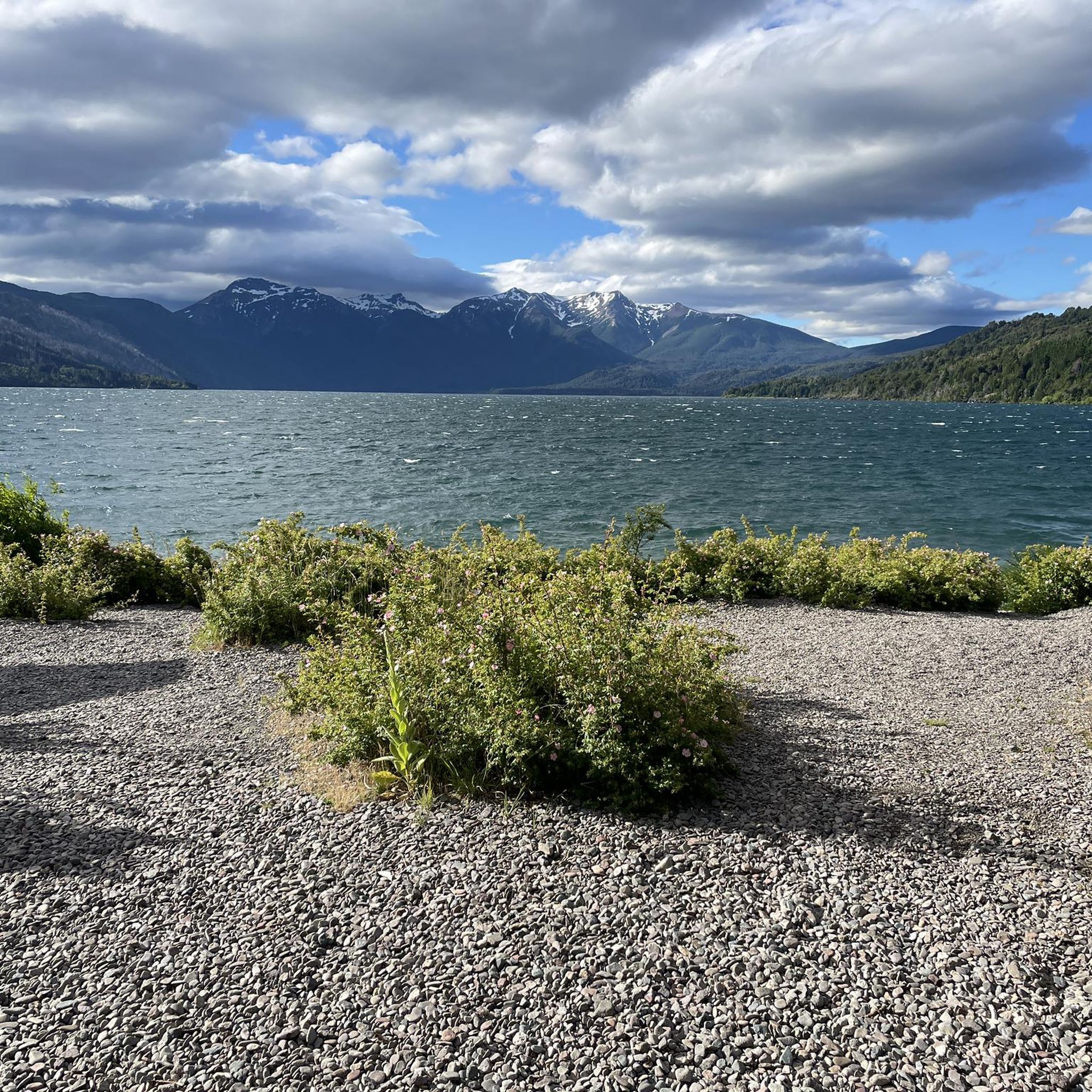
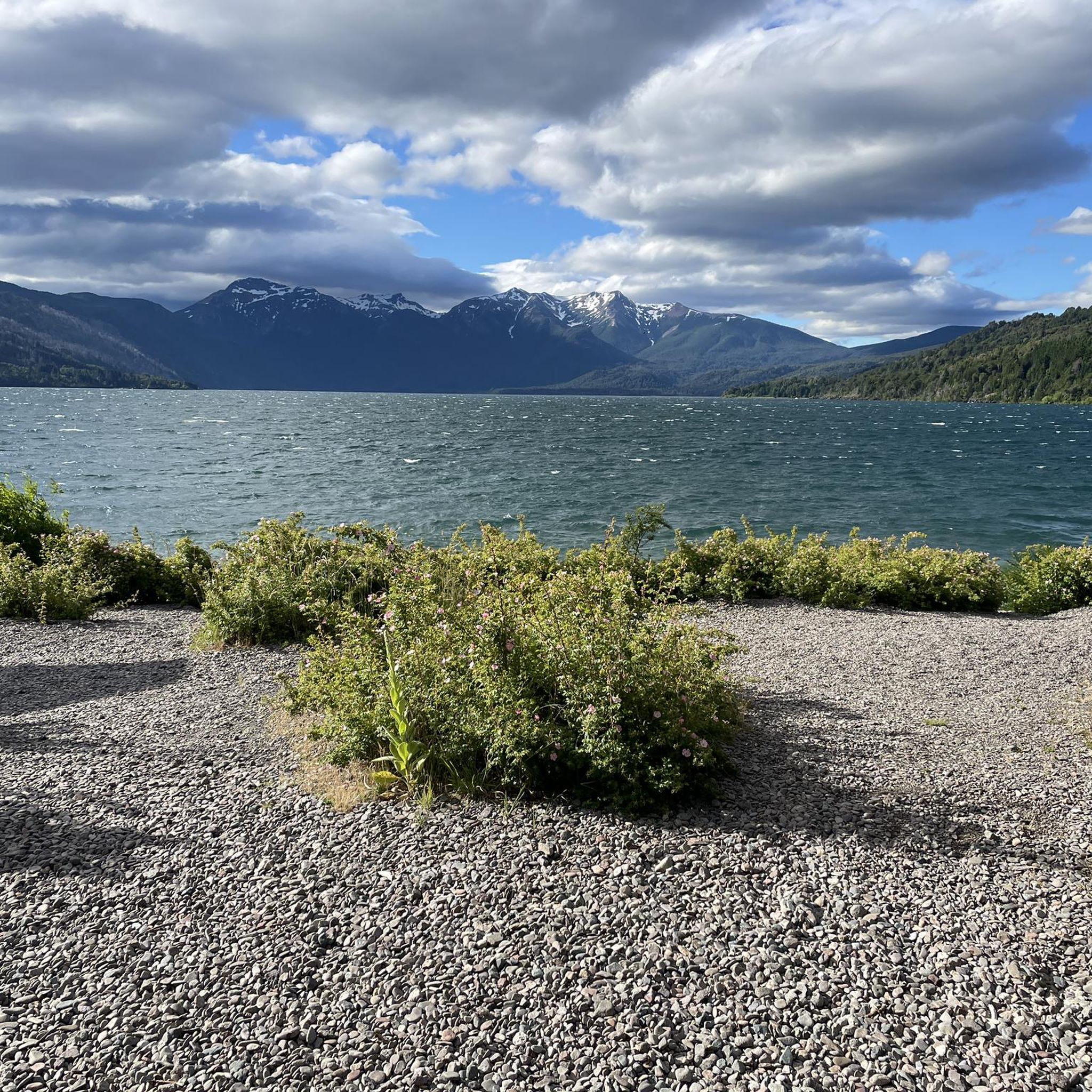
Wonderful place that is worth visiting despite the demanding path to get there. Crystal clear waters, a small pebble beach and an incredible landscape of the mountain range make this lake an ideal place to visit at any time of the year.
4
0
Frequently Asked Questions
What are some of the most popular natural monuments in Futaleufú?
Visitors frequently enjoy the serene beauty of Lake Futalaufquen, known for its fresh, crystal-clear waters and accessible beaches. Another favorite is Provincial Route 71 (Lago Rivadavia), which offers picturesque views of Lake Rivadavia within Los Alerces National Park. Lago Baggilt (Bagillt or Baguilt) is also highly regarded for its clear waters, pebble beach, and stunning mountain views.
What kind of wildlife can I expect to see in Futaleufú's natural monuments?
The Futaleufú National Reserve is a critical habitat for diverse wildlife. You might spot the endangered South Andean deer (huemul), pumas, güiñas (kodkod), and culpeo foxes. Birdwatchers can look for species like the black carpenter, kingfisher, and the majestic condor, especially around areas like Condor Hill (Cerro Condor) or Laguna Loncanao.
Are there family-friendly natural monuments in Futaleufú?
Yes, several natural monuments are suitable for families. The Nant y Fall Waterfalls offer a well-organized site with multiple waterfalls and recreational areas. Lake Futalaufquen and Provincial Route 71 (Lago Rivadavia) also feature accessible beaches and trails perfect for family outings. The Espolón River and Lake Espolón are ideal for calmer water activities like stand-up paddleboarding and swimming.
What outdoor activities can I do near these natural monuments?
Futaleufú is a hub for outdoor adventure. You can enjoy white-water rafting and kayaking on the Futaleufú River, known globally for its exhilarating rapids. Hiking is popular, with trails ranging from easy to difficult. For example, you can find various hiking routes in the region, including the Turquoise River loop or the Laguna Escondida – Mirador loop. You can explore more options on the Hiking in Futaleufú guide. Other activities include horseback riding, fly fishing, and stand-up paddleboarding.
What is the best time to visit Futaleufú's natural monuments?
The best time to visit Futaleufú for outdoor activities and to enjoy its natural monuments is generally during the warmer months, from December to March. This period offers pleasant weather for hiking, rafting, and exploring, with longer daylight hours. However, the region's beauty can be appreciated year-round, with each season offering a unique experience.
Are there any natural monuments that are wheelchair accessible?
Yes, the Millennial Alerce “Lahuan” is noted as being wheelchair accessible. This ancient Alerce tree, over 2,500 years old, is an iconic part of Los Alerces National Park and offers an accessible way to experience the region's ancient forests.
Where can I find impressive viewpoints of the Futaleufú Valley?
For breathtaking panoramic views, consider visiting Piedra del Águila, a prominent rock formation accessible by walking, mountain bike, or horseback. Another easily accessible option is Mirador Torre del Agua (Water Tower Viewpoint) near the town, which provides sweeping vistas of Futaleufú, its mountains, lakes, and valleys.
What are some unique natural features besides lakes and rivers?
Beyond the prominent lakes and rivers, Futaleufú boasts several unique natural features. The Futaleufú National Reserve is home to thick forests of mountain cypress, Magellan's coigüe, and lenga beech, along with numerous waterfalls, some reaching 30 to 40 meters. Laguna Espejo (Mirror Lagoon) is captivating for its pristine turquoise color and the unique 'mirror effect' created by reflections on its waters. The 'Garganta del Diablo' (Devil's Throat) waterfall on the Espolón River is another point of interest.
Do I need a permit to visit natural monuments in Futaleufú?
Access to certain areas, particularly within the Futaleufú National Reserve or Los Alerces National Park, may require an entrance fee or permit. For example, the Nant y Fall Waterfalls have an access cost. It's advisable to check specific requirements for each site you plan to visit. You can find more information about the Futaleufú National Reserve on Wikipedia or VisitChile.
Are there opportunities for advanced hiking near Futaleufú's natural monuments?
Yes, Futaleufú offers more challenging hiking options for experienced trekkers. Longer trails like those leading to Laguna Piñilla and Sierra Teta provide access to more remote natural beauty and are often best explored with a guide. The
Are there opportunities for advanced hiking near Futaleufú's natural monuments?
Yes, Futaleufú offers more challenging hiking options for experienced trekkers. Longer trails like those leading to Laguna Piñilla and Sierra Teta provide access to more remote natural beauty and are often best explored with a guide. Within the Futaleufú National Reserve, trails like "El Mirador" offer spectacular views, and the "Veranada-Correntoso" leads to a waterfall. You can also find difficult routes like the La Trochita Railway – La Trochita Railway Bridge loop, as detailed in the Hiking in Futaleufú guide.
What do visitors enjoy most about the natural monuments in Futaleufú?
Visitors consistently praise the pristine, crystal-clear waters of the lakes and rivers, the stunning Patagonian landscapes, and the sense of tranquility found in the region. The well-organized facilities at places like Nant y Fall Waterfalls are also appreciated, as are the opportunities for photography and wildlife observation.
Can I go running on trails near the natural monuments?
Absolutely. The region offers various running trails that allow you to experience the natural beauty. For instance, you can find running loops from Trevelín or Gendarmería Nacional, and the Laguna La Zeta loop from Esquel. These routes vary in distance and difficulty. More details can be found in the Running Trails in Futaleufú guide.
Most popular routes in Futaleufú
Most popular attractions in Futaleufú

Get inspired with the komoot mobile app


