Top 5 Natural Monuments in Salta
Best natural monuments in Salta showcase a landscape characterized by arid terrain, rugged mountains, and unique geological formations. The region features immense salt flats, deep canyons, and multi-colored slopes. These areas also hold cultural significance, with evidence of pre-Columbian settlements and traditional communities. Visitors can explore a variety of natural wonders and historical sites.
Best natural monuments in Salta
- The most popular natural monuments is View of Salta, a viewpoint where people gather in a pleasant atmosphere. It offers…
Last updated: July 15, 2026
View of Salta
Highlight • Viewpoint
Translated by Google •
Tip by

Los Estratos
Highlight • Natural Monument
Translated by Google •
Tip by

Sign up now to discover places like this
Get recommendations on the best single tracks, peaks, & plenty of other exciting outdoor places.
Sign up for free
Abra del Acay Pass – Highest Road in Argentina
Highlight (Segment) • Mountain Pass
Translated by Google •
Tip by

Río Calchaquí Valley
Highlight (Segment) • River
Translated by Google •
Tip by
Quebrada de las Flechas
Highlight (Segment) • Gorge
Translated by Google •
Tip by
La Yesera Rock Formations
Highlight • Natural Monument
Translated by Google •
Tip by

Start today with a free account
Your next adventure awaits.
Login or Signup
Popular around Salta
Other adventures in Salta

Tips from the Community

People gather here in a very pleasant atmosphere until late in the evening after sunset.
1
0

At the end of the hike is Los Estratos itself; an amazing, colourful rock face - I counted at least ten discenible colours. Well worth the short easy hike.
0
0


Great play of colors due to different layers of sediment. The rocks can be part of a small circular hike with a final section through a canyon.
0
0

The "gorge of the arrows" you cross on a humpy gravel road, where you are constantly shaken. The reward for this effort is the experience of a magnificent, almost vegetationless rocky landscape with bizarre pinnacles - the eponymous "arrows".
1
0
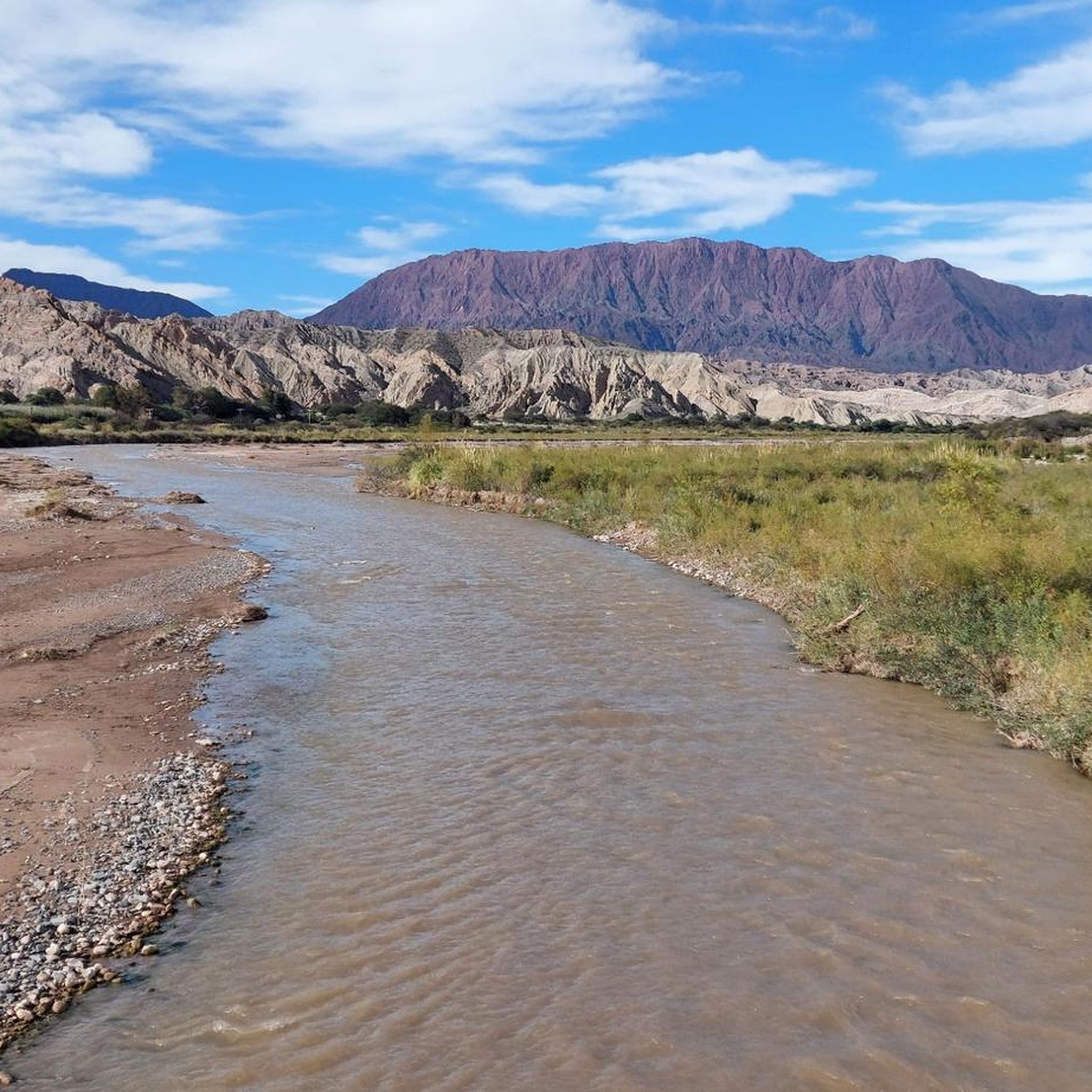
From the Abra del Acay pass (just under 5,000 m), you can reach Ruta Nacional 40 (the highest road in Argentina, a gravel road) through breathtakingly beautiful mountain scenery in the valley of the Río Calchaquí. In the further course you cross this mountain river several times through broad fords; it is hard to imagine that someone comes through here with a dry foot. Finally, a wide plain opens up to admire giant cacti.
3
0
The highest road in Argentina (part of the Ruta Nacional 40, a gravel road) leads at almost 5,000 m above the Abra del Acay pass. Highlighted here as a highlight section leads from the pass through overwhelmingly beautiful mountain scenery to a serpentine loop with breathtaking views of the Andes.
3
0
Frequently Asked Questions
What are some of the most significant natural monuments to visit in Salta and its surrounding region?
Salta and the wider Northwest Argentine region offer breathtaking natural monuments. Key sites include Los Cardones National Park with its vast cactus forests, the immense Salinas Grandes salt flats, and the vibrant, historically rich Quebrada de Humahuaca (a popular excursion from Salta, located in Jujuy province).
Are there family-friendly natural monuments in Salta?
Yes, several natural monuments in Salta are suitable for families. For instance, the View of Salta offers a pleasant atmosphere and panoramic views. Los Estratos features an amazing, colorful rock face accessible via a short, easy hike, making it great for all ages. Los Cardones National Park also offers accessible areas for family exploration.
What kind of unique natural features can I expect to see in Salta's natural monuments?
Salta's natural monuments showcase a diverse range of features. You can see towering 'cardón grande' cacti in Los Cardones National Park, vast, dazzling white salt plains at Salinas Grandes, and multi-colored mountains like the Cerro de los Siete Colores in the Quebrada de Humahuaca. The region also features deep canyons, rugged mountains, and unique rock formations such as Quebrada de las Flechas and La Yesera Rock Formations.
What is the best time of year to visit Salta's natural monuments?
The best time to visit Salta's natural monuments is generally during the dry season, from April to November. This period offers pleasant temperatures and clear skies, ideal for exploring the parks and salt flats. The summer months (December to March) can bring heavy rains, especially in the mountains, which might affect road conditions and visibility.
What cultural or historical sites are associated with Salta's natural monuments?
Many of Salta's natural monuments are rich in cultural and historical significance. Los Cardones National Park contains evidence of pre-Columbian settlements and was once part of an Inca route. The Quebrada de Humahuaca, a UNESCO World Heritage site, is a major trade route with 10,000 years of history, featuring pre-Hispanic communities, archaeological sites like Pucará de Tilcara, and colonial towns. Salinas Grandes also has a long history of traditional salt harvesting by indigenous communities.
Are there hiking opportunities near Salta's natural monuments?
Yes, there are various hiking opportunities. Los Cardones National Park offers trails for exploring its unique landscapes. While the Salinas Grandes are more about scenic views, the journey there often includes routes with hiking potential. For more structured options, you can find easy hikes in Salta, such as the View of Salta loop from Salta, or explore more challenging routes like those found in the general hiking guide for Salta.
What should I wear when visiting natural sites in Salta?
Given the varied altitudes and arid conditions, it's best to dress in layers. Include comfortable walking shoes, sun protection (hat, sunglasses, high-SPF sunscreen), and a jacket, as temperatures can fluctuate significantly, especially at higher elevations like Abra del Acay Pass or Salinas Grandes. A windbreaker is also advisable.
What do visitors enjoy most about the natural monuments in Salta?
Visitors frequently praise the stunning panoramic views, especially from spots like the View of Salta. The unique geological formations, such as the colorful rock faces at Los Estratos and the bizarre pinnacles of Quebrada de las Flechas, are also highly appreciated. The sense of adventure on challenging routes like the Abra del Acay Pass and the overwhelmingly beautiful mountain scenery are often highlighted.
How accessible are Salta's natural monuments for parking and public transport?
Access varies by monument. Many natural monuments, especially those further afield like Los Cardones National Park and Salinas Grandes, are best reached by private vehicle or organized tour due to limited public transport options. Parking is generally available at major viewpoints and park entrances. For sites closer to Salta city, such as the View of Salta, public transport might be an option, but a car offers more flexibility for exploring the wider region.
Are there any natural monuments in Salta that are considered hidden gems?
While the major sites are well-known, exploring the vastness of the Calchaquí Valleys can reveal lesser-known spots. The Río Calchaquí Valley itself, with its breathtaking mountain scenery and giant cacti, offers a sense of discovery, especially when traversing the Ruta Nacional 40. The remote sections of Los Cardones National Park also hold many secluded natural wonders away from the main tourist routes.
What kind of wildlife can be observed in Salta's natural monuments?
The semi-arid environments of Salta's natural monuments support diverse wildlife adapted to these conditions. In Los Cardones National Park, you might spot guanacos, vicuñas, foxes, and various bird species, including condors. The high-altitude areas and remote valleys are home to unique flora and fauna, though sightings often require patience and a keen eye.
What are the typical difficulty levels for trails and routes in Salta's natural monuments?
Difficulty levels vary significantly. Some natural monuments, like the immediate vicinity of Los Estratos, offer easy, short hikes. Others, such as the Abra del Acay Pass and certain sections of the Río Calchaquí Valley, involve challenging routes, often on gravel roads or through river fords, requiring suitable vehicles and experience. Always check specific route details before embarking.
Most popular routes in Salta
Most popular attractions in Salta

Get inspired with the komoot mobile app


Explore more
Extend your search for the best caves by checking out these guides of the top ones in Salta:
