Top 6 Natural Monuments in Valparaíso
Best natural monuments in Valparaíso offer diverse landscapes and unique ecosystems within Chile's Coastal Range. The region features significant natural areas like La Campana National Park, known for its mountainous terrain and Chilean palm forests, and Lago Peñuelas National Reserve, centered around a crucial freshwater reservoir. These sites provide opportunities to observe varied flora and fauna, including protected species and numerous bird species. The natural monuments in Valparaíso showcase the area's rich biodiversity and geological formations.
Best natural monuments in…
Last updated: July 15, 2026
Robinson Crusoe Island
Highlight • Settlement
Translated by Google •
Tip by

Ahu Tongariki
Highlight • Monument
Translated by Google •
Tip by

Sign up now to discover places like this
Get recommendations on the best single tracks, peaks, & plenty of other exciting outdoor places.
Sign up for free
Rano Raraku Quarry and Moai Statues
Highlight • Historical Site
Translated by Google •
Tip by

Quebrada de Alvarado Viewpoint
Highlight • Viewpoint
Translated by Google •
Tip by

Tunquén Wetland Nature Sanctuary
Highlight • Natural
Translated by Google •
Tip by

View of the Aconcagua Valley
Highlight • Viewpoint
Translated by Google •
Tip by
Chilean Palm Grove, La Campana National Park
Highlight • Forest
Translated by Google •
Tip by
Laguna del Inca
Highlight • Lake
Translated by Google •
Tip by
Start today with a free account
Your next adventure awaits.
Login or Signup
Other adventures in Valparaíso

Tips from the Community

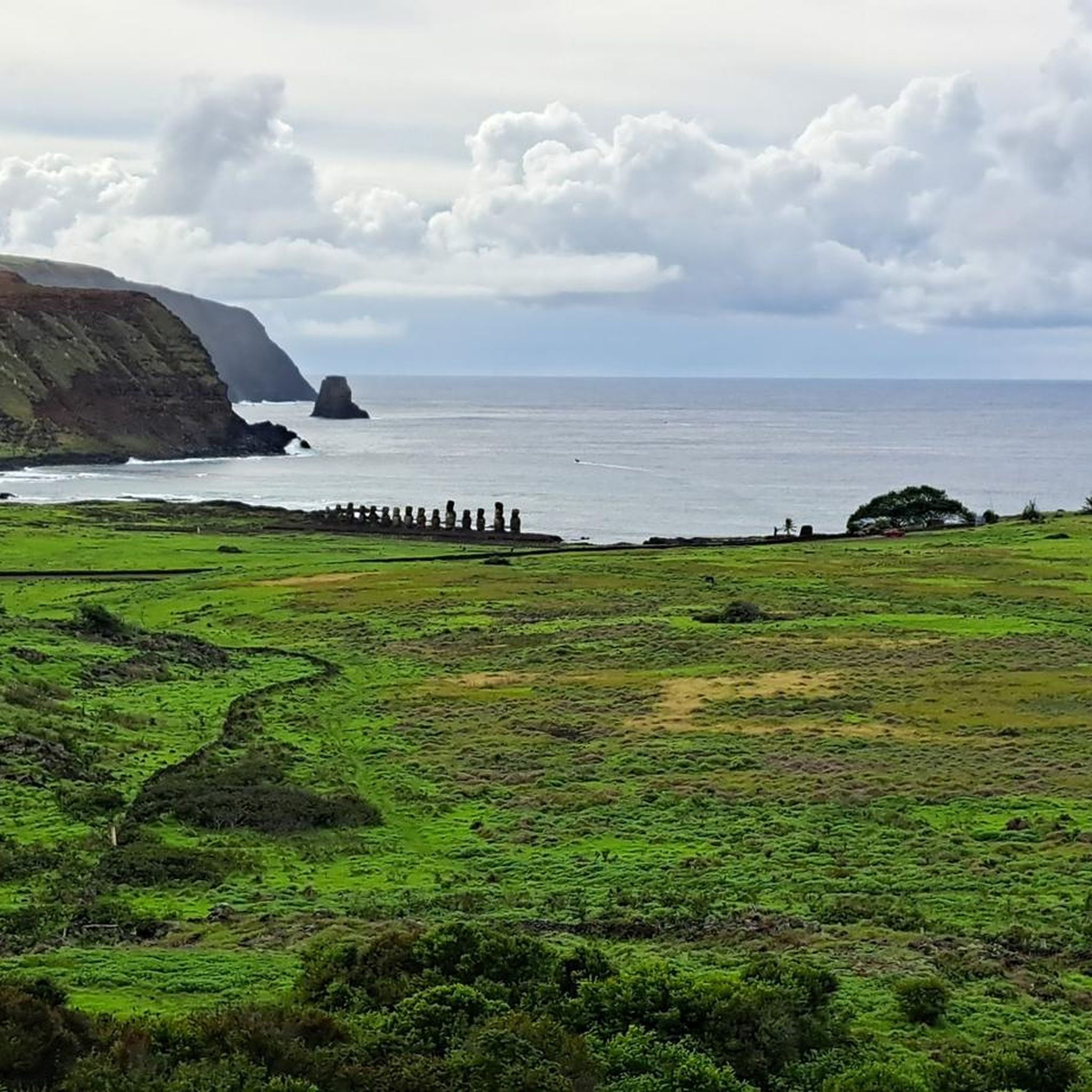
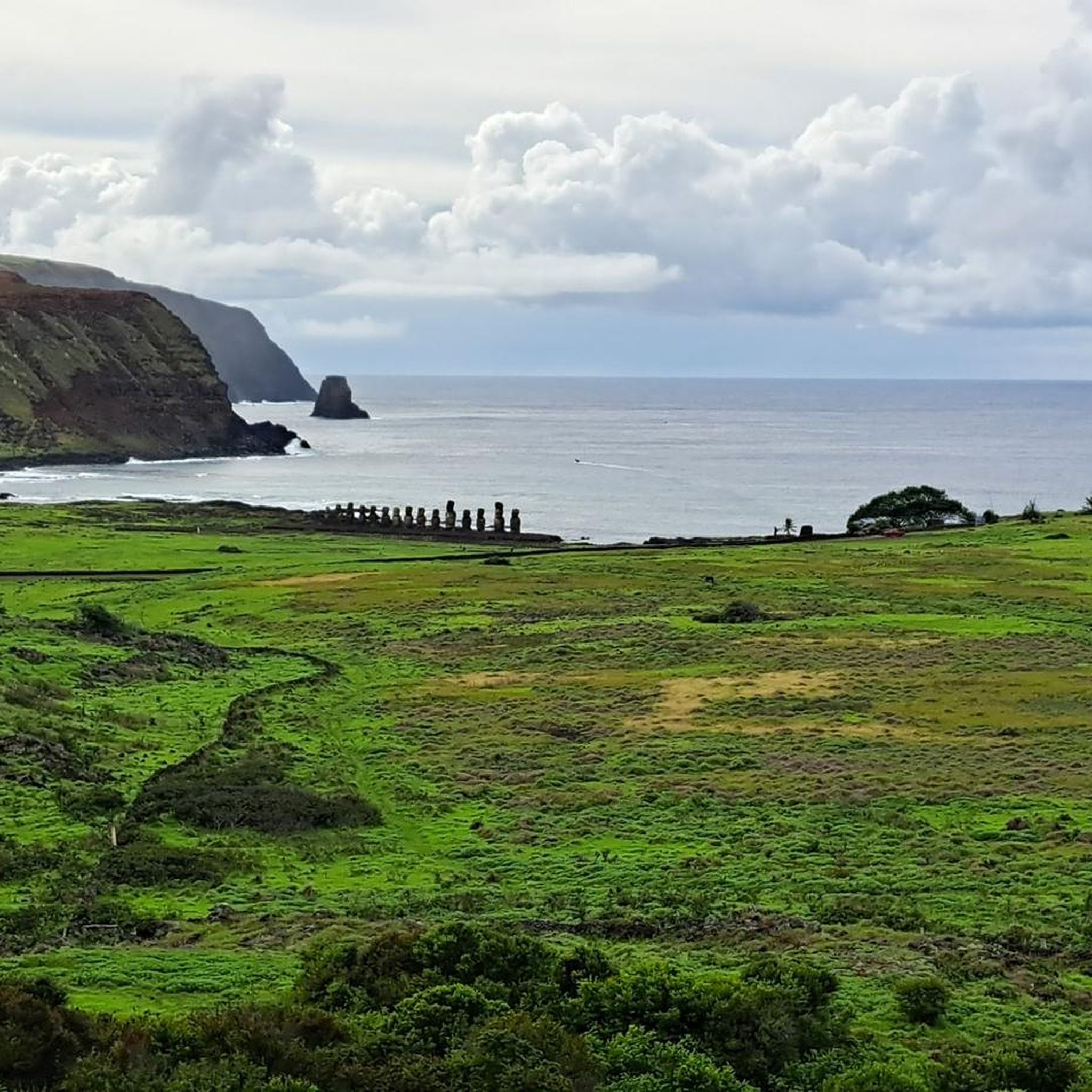
Ahu Tongariki is the name of the largest ahu in Rapa Nui (Easter Island), Chilean island territory.
4
1

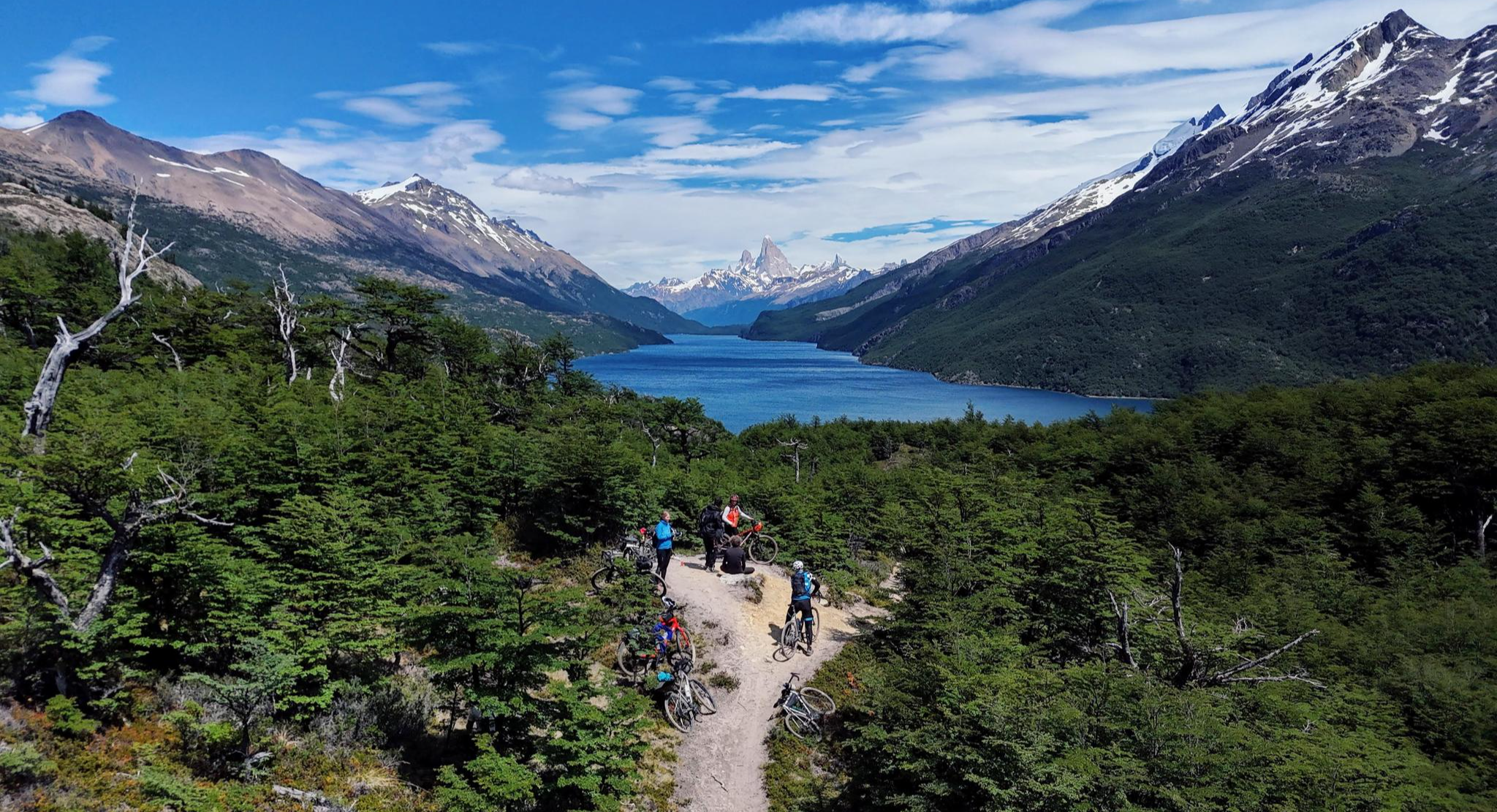
a spectacular landscape, despite the fact that the route is demanding, it is worth it
0
0

In the southern Pacific Ocean, between about 600 and 750 kilometers from the Chilean Away from the coast, three lonely islands lie in the expanse of the sea. The Spanish navigator Juan Fernández discovered the Islas Juan Fernández in 1574 and gave them his name; At least one of the islands only became “known” later through the world-famous novel “Robinson Crusoe”. In 1704, the Scottish sailor Alexander Selkirk was abandoned on Isla Más a Tierra, the largest of the three islands, and lived there for four years and four In total solitude for months. Writer Daniel Defoe was inspired by his story to write his classic novel, after which Isla Más a Tierra was renamed Isla Robinsón Crusoe in honor of the work in 1970. Today around 600 people live on the island, most of whom live in the only town of San Juan Bautista. They live from lobster fishing and tourism. Several hundred tourists visit the island every year, often just because of the prominent name. In addition, diving is also gaining in popularity, with a small part of German history being the focus. During the First World War, the German cruiser SMS Dresden reenacted itself on March 14, 1915 adventurous odyssey and pursuit by the British cruisers Kent, Glasgow and Orama in Cumberland Bay on the island of Más a Tierra under Chilean sovereignty. Nevertheless, the British opened fire and the cruiser SMS Dresden caught fire, after which the ship was sunk by the crew themselves. The site in Cumberland Bay is now marked with two yellow buoys and has been declared a national monument by the Chilean government. The school on the island also bears the name Kreuzer: "Escuela Dresden". In the rocky coast behind the last berth of the cruiser there are still a few shells from the guns of the British pursuers.
0
0

Keep warm as the cold will be felt.
0
0
This viewpoint shows you a complete panorama of the sector known as Quebrada de Alvarado, you must descend with caution.
0
0
The road is very closed and with many curves, it is recommended to stand to the side of the road to take pictures.
0
0
In the La Campana National Park is the main nucleus of the Chilean Palm (Jubaea chilensis).
0
0

Nice very quiet place, in the afternoon dozens of rabbits come out and the wetland itself is full of birds, you cannot camp but I stay the same (never forget to take your garbage), BEWARE at the exit of the wetland going towards Lake Peñuelas there a warehouse where they sell everything.
0
0
Frequently Asked Questions
What are the main natural monuments to explore in the Valparaíso region?
The Valparaíso region is home to significant natural monuments such as La Campana National Park and Lago Peñuelas National Reserve. La Campana National Park is known for its mountainous terrain, Chilean palm forests, and panoramic views from La Campana Mountain. Lago Peñuelas National Reserve centers around a crucial freshwater reservoir and protects diverse wildlife and flora. You can also find unique spots like the Tunquén Wetland Nature Sanctuary, which features a wetland, lake, and beach.
What kind of natural features can I expect to see in Valparaíso's natural monuments?
Visitors can expect a diverse range of natural features. La Campana National Park offers striking mountainous terrain, deep ravines, and verdant forests, including the endangered Chilean palm. Lago Peñuelas National Reserve features a large artificial lake, mixed forests, and riparian scrubland. You can also discover scenic viewpoints like View of the Aconcagua Valley and Quebrada de Alvarado Viewpoint, offering expansive panoramas.
Are there family-friendly natural monuments in the Valparaíso region?
Yes, several natural monuments offer activities suitable for families. Lago Peñuelas National Reserve provides opportunities for hiking on trails like 'Los Coipos' and 'Las Orquídeas,' cycling, and picnicking. While not directly in Valparaíso, Robinson Crusoe Island is also listed as family-friendly, offering a unique remote island experience.
What outdoor activities can I do near these natural monuments?
The Valparaíso region offers a variety of outdoor activities. Near the natural monuments, you can find numerous routes for cycling, road cycling, and hiking. For example, there are easy hikes like the 'Atkinson Promenade – Ascensor Concepción loop' and various cycling routes such as the 'Las Salinas Beach – Avenida Borgoño loop'. You can explore more options for cycling, road cycling, and easy hikes in the region.
What kind of wildlife can be spotted in the natural monuments of Valparaíso?
The natural monuments in Valparaíso are rich in biodiversity. La Campana National Park is an exceptional birdwatching destination, hosting species like the Chilean mockingbird and black-chested buzzard-eagle, and wildlife such as foxes, culpeos, and even elusive pumas. Lago Peñuelas National Reserve protects a diverse array of wildlife, including the black-necked swan, Chilean lizard, peregrine falcon, and various bird species like herons and fishing eagles.
What is the best time to visit the natural monuments in Valparaíso?
While specific seasonal recommendations vary by activity, generally, spring (September to November) is excellent for wildflowers and pleasant temperatures. Summer (December to February) is ideal for outdoor activities, though it can be warmer. Autumn (March to May) offers mild weather and beautiful foliage. Winter (June to August) can be cooler and wetter, but still suitable for some activities, especially in areas like La Campana National Park.
Are there any historical or cultural sites associated with the natural monuments?
Yes, some natural monuments have historical significance. La Campana National Park is notable for Charles Darwin's ascent of Cerro La Campana in 1834. While geographically distant from Valparaíso, the guide also includes sites like Ahu Tongariki and Rano Raraku Quarry and Moai Statues on Easter Island, which are significant for their ancient Rapa Nui culture and Moai statues.
Can I find camping or picnic areas within the natural monuments?
Yes, both La Campana National Park and Lago Peñuelas National Reserve offer designated picnic and camping areas, allowing visitors to extend their stay and fully immerse themselves in nature. It's advisable to check specific park regulations and availability before planning your visit.
What is the Chilean Palm Grove in La Campana National Park?
The Chilean Palm Grove is a significant feature within La Campana National Park. It is a vital stronghold for the endangered Chilean palm (Jubaea chilensis), a species once more widespread in the region. This area allows visitors to experience a unique Mediterranean ecosystem and observe these iconic trees.
Is there a notable lake natural monument in the Valparaíso region?
Yes, Laguna del Inca is a notable lake natural monument in the Valparaíso region. It offers scenic views and is a popular spot for visitors seeking tranquil natural beauty. Lago Peñuelas National Reserve also features Peñuelas Lake, an artificial freshwater reservoir that is crucial for the region's water supply and a central part of the reserve's ecosystem.
What are the entry fees for La Campana National Park and Lago Peñuelas National Reserve?
Entry fees for national parks and reserves in Chile, including La Campana National Park and Lago Peñuelas National Reserve, are typically managed by CONAF (National Forest Corporation). It's recommended to check the official CONAF website or park entrances directly for the most current information on entrance fees and any required permits, as these can change.
Are dogs allowed on trails within the natural monuments of Valparaíso?
Policies regarding dogs in national parks and reserves can vary and are often strict to protect wildlife and natural habitats. Generally, pets are not allowed on trails within national parks like La Campana and Lago Peñuelas. It's crucial to verify the specific pet policies for each natural monument directly with the park authorities before your visit to avoid any issues.
Most popular attractions in Valparaíso

Get inspired with the komoot mobile app


Explore more
Extend your search for the best caves by checking out these guides of the top ones in Valparaíso:
