Top 8 Natural Monuments in Santiago Metropolitan
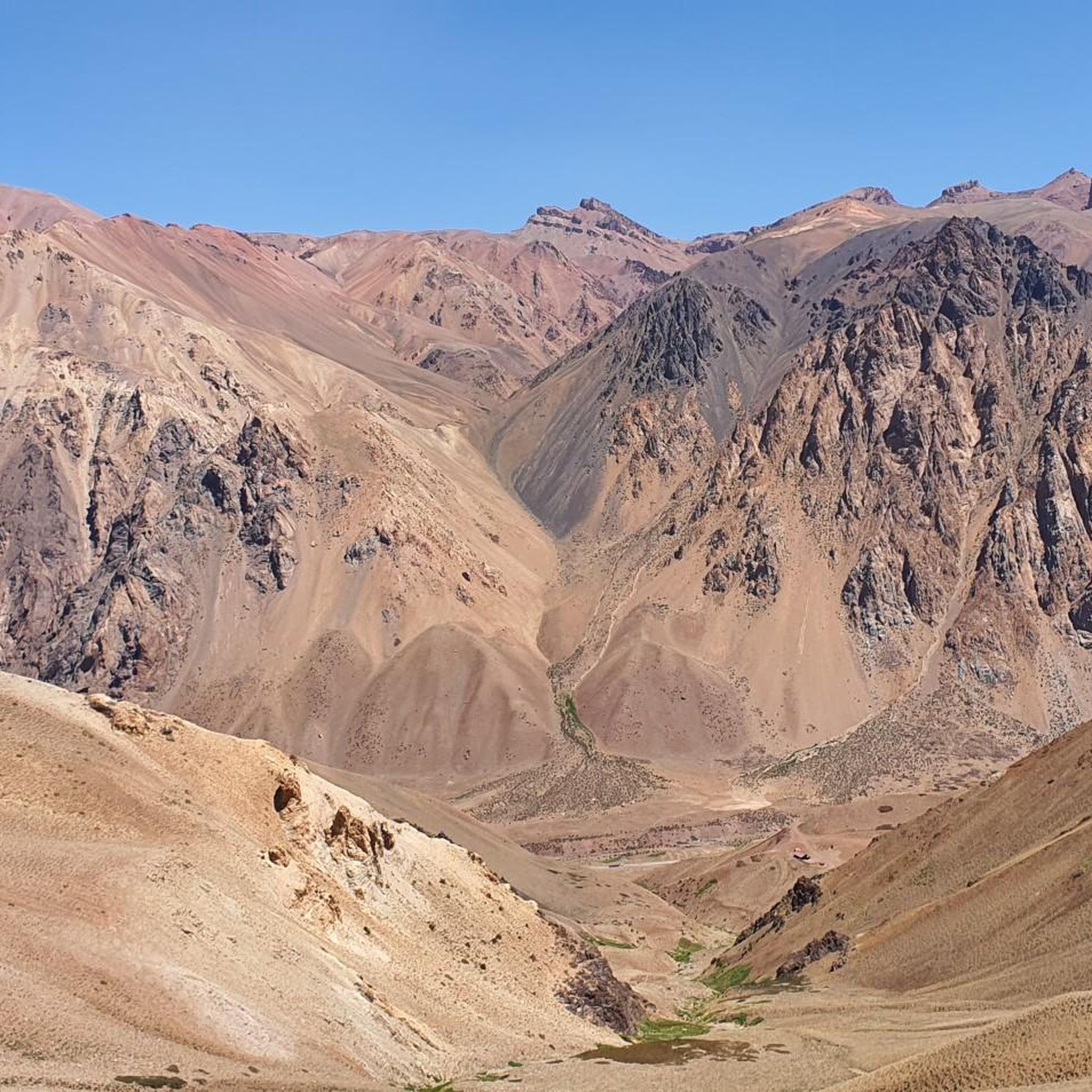
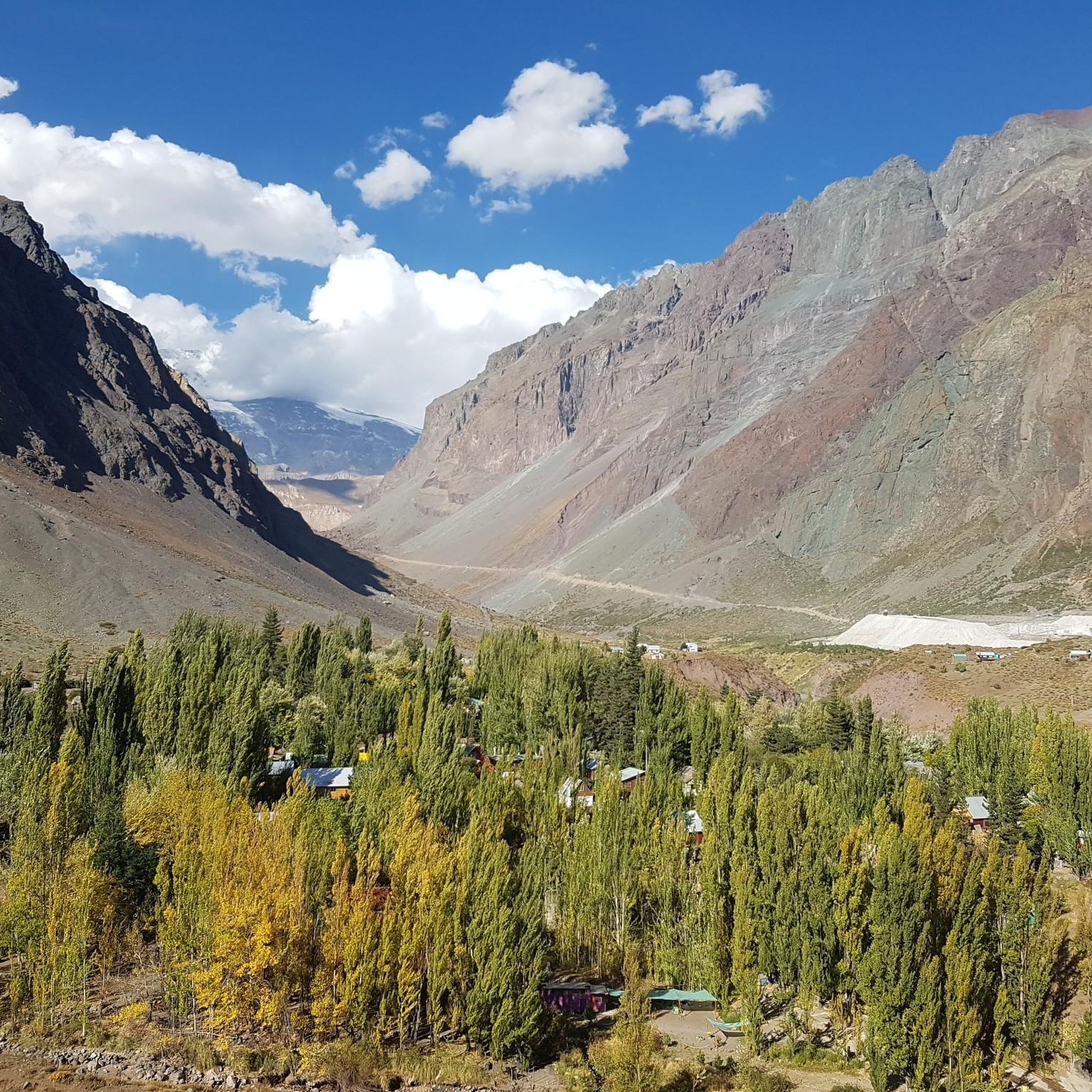
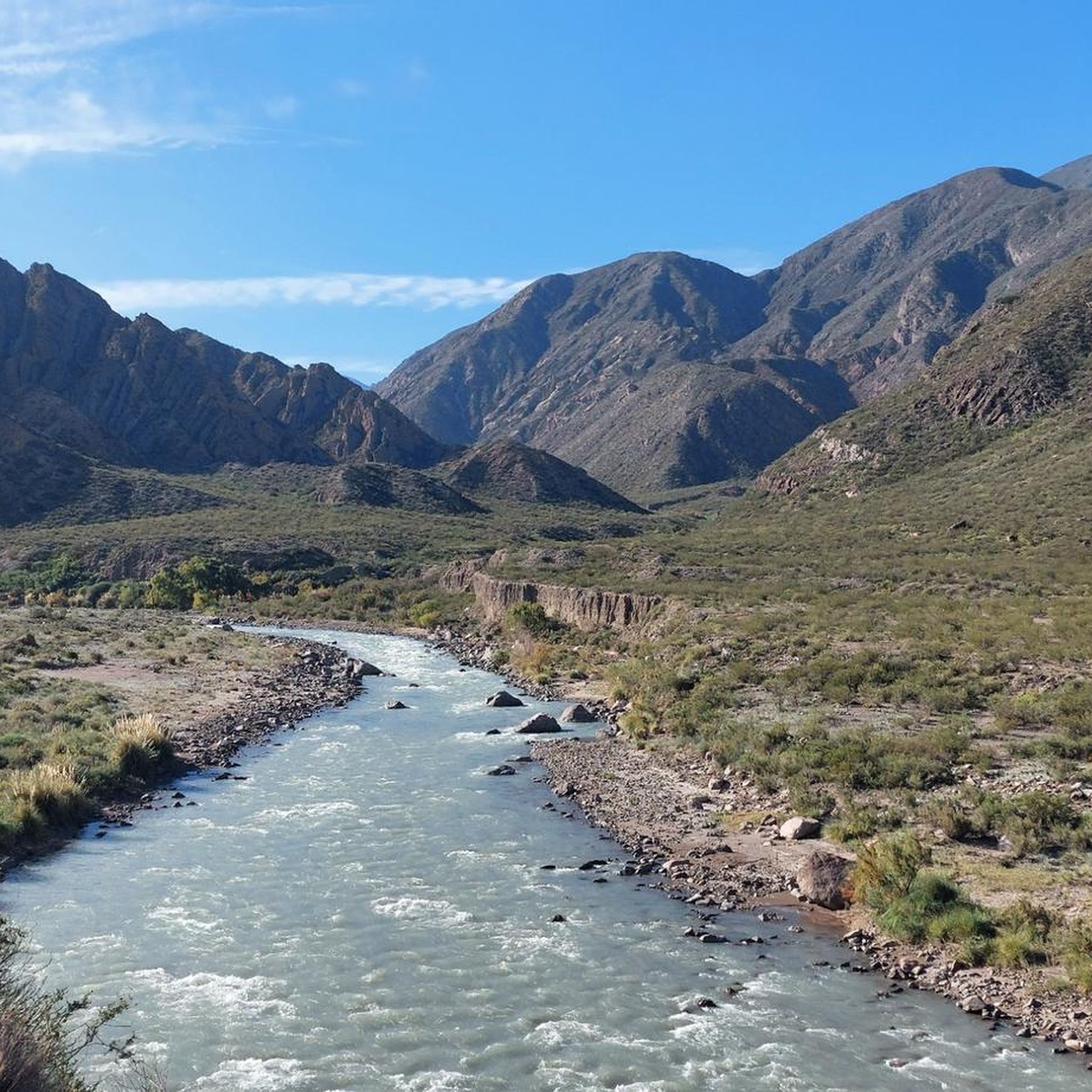
Natural monuments in Santiago Metropolitan offer diverse landscapes, from high-altitude Andean peaks to urban green spaces. The region is characterized by its proximity to the Andes Mountains, providing a dramatic backdrop and numerous natural features. These protected areas preserve unique ecosystems, including sclerophyllous forests and glacial formations. They provide opportunities to experience the natural environment within a short distance of the city.
Best natural monuments in Santiago Metropolitan
- The most popular natural monuments is Statue of the Immaculate Conception, Cerro…
Last updated: July 15, 2026
Statue of the Immaculate Conception, Cerro San Cristóbal
Highlight • Monument
Translated by Google •
Tip by

Cerro Santa Lucía
Highlight • Viewpoint
Translated by Google •
Tip by

Sign up now to discover places like this
Get recommendations on the best single tracks, peaks, & plenty of other exciting outdoor places.
Sign up for free
Cerro Manquehue
Highlight • Summit
Translated by Google •
Tip by

Apoquindo Waterfall
Highlight • Waterfall
Translated by Google •
Tip by

Pochoco Hill
Highlight • Summit
Translated by Google •
Tip by
Ecological Preservation Area
Highlight • Natural Monument
Translated by Google •
Tip by

Yerba Loca Nature Sanctuary
Highlight • Natural Monument
Translated by Google •
Tip by

Trailhead to El Morado Glacier
Highlight • Trail
The park charges 5 pesos per person and 10 pesos for the vehicle. Worth every penny.
Translated by Google •
Tip by

Valle de Colina Hot Springs
Highlight • Natural Monument
Waters of magmatic origin.
Temperature fluctuating between 25 and 55 degrees.
Located in a natural environment.
Natural thermal pools.
Rustic environment.
Translated by Google •
Tip by

Start today with a free account
Your next adventure awaits.
Login or Signup
Tips from the Community

This waterfall is a highly recommended spot in the region. You reach it via a moderately technical trail. The route is a bit long, so it's best to bring all the necessary equipment, water, and food.
0
0

Located relatively close to Santiago, the sanctuary boasts a great abundance and diversity of flora and fauna. It is a protected area and a perfect destination for sightseeing in the region.
0
0

Manquehue Hill, whose name means "place of condors" in Mapudungun, is the highest point in the Santiago Valley and one of the city's most iconic natural viewpoints. At 1,638 meters above sea level, it offers challenging but very popular hiking trails with panoramic views of the valley and the Andes Mountains. Its sclerophyllous vegetation, with quillay, peumo, and chagua trees, is home to fauna such as foxes and Andean condors. It is recommended to bring water and wear good footwear to enjoy this classic Santiago climb.
2
0
Cerro Pochoco, located in the El Arrayán sector of Lo Barnechea, is one of the most popular hiking destinations in Santiago, Chile. At 1,804 meters (6,300 feet), it offers a moderately challenging climb and panoramic views of the city and the Andes Mountains. The Cerro Pochoco Astronomical Observatory is located there, adding an extra attraction for science enthusiasts. Hiking boots and plenty of water are recommended, as sun exposure is high for much of the hike.
1
0

Good view of the city. BUT: Too many people because it's a tourist hotspot
0
0

The park can only be entered from the north or south. All other entrances are closed. You must register at the entrance with your name and pass number. Admission is free.
2
0

CHARACTERISTICS OF THE THERMAL WATER Waters of magmatic origin. Temperature fluctuating between 25 and 55 degrees. Located in a natural environment. Natural thermal pools. Rustic environment.
0
0

Cerro Santa Lucía, originally called Huelén, is a small inselberg in the center of the Chilean capital Santiago. The rock made of adesitic basalt rises 69 meters above the surrounding city with a peak height of 629 meters.
1
0
Frequently Asked Questions
What are some of the most popular natural monuments in Santiago Metropolitan?
Visitors frequently enjoy the iconic Statue of the Immaculate Conception, Cerro San Cristóbal, which offers expansive views over Santiago. Another favorite is Cerro Santa Lucía, a historical site with beautiful city views. For those seeking natural beauty, the Apoquindo Waterfall is a highly recommended spot accessible via a moderately technical trail.
Are there family-friendly natural monuments in Santiago Metropolitan?
Yes, several natural monuments offer family-friendly experiences. The Valle de Colina Hot Springs are a great option for families looking for relaxation. Additionally, urban green spaces like Cerro Santa Lucía provide easy walks and scenic views suitable for all ages. Parque Mahuida, while not an official natural monument, is also known for its family-friendly activities, including a rodelbahn and canopy tours.
What kind of natural features can I expect to see in the region's natural monuments?
The Santiago Metropolitan Region boasts diverse natural features. You can find high-altitude glacial cirques and lakes at Monumento Natural El Morado, including Laguna El Morado and the San Francisco Glacier. Río Clarillo National Park features lush sclerophyllous forests and the Clarillo River. Waterfalls are prominent at Apoquindo Waterfall and Santuario de la Naturaleza Cascada de las Ánimas, which also has steep-sided ravines.
What outdoor activities can I do near these natural monuments?
The region offers a wide range of outdoor activities. You can enjoy high-mountain trekking and mountaineering at Monumento Natural El Morado. Hiking and birdwatching are popular at Río Clarillo National Park and Yerba Loca Nature Sanctuary. For adventure sports, Santuario de la Naturaleza Cascada de las Ánimas provides hiking, horseback riding, rafting on the Maipo River, and canopy tours. Many areas also offer trails for running, gravel biking, and mountain biking. You can find various routes for these activities in the Running Trails, Gravel Biking, and MTB Trails guides for Santiago Metropolitan.
Are there hiking trails near the natural monuments in Santiago Metropolitan?
Yes, numerous hiking trails are available. Monumento Natural El Morado offers a trail leading to Laguna El Morado and the San Francisco Glacier, starting from the Trailhead to El Morado Glacier. Río Clarillo National Park has trails like Quebrada Jorquera and Aliwen Mahuida. Pochoco Hill is another popular hiking destination with panoramic views. For more options, explore the Running Trails in Santiago Metropolitan guide, which includes many suitable for hiking.
What is the best time to visit the natural monuments in Santiago Metropolitan?
The best time to visit largely depends on the specific monument and desired activity. For high-mountain areas like Monumento Natural El Morado, the warmer months (spring to early autumn, roughly October to April) are ideal for trekking, as snow can make access difficult in winter. For lower-altitude parks and urban monuments like Cerro Santa Lucía, spring and autumn offer pleasant temperatures. Summer can be hot, while winter can be cold, especially in the mountains.
Can I see wildlife in the natural monuments of Santiago Metropolitan?
Absolutely. The region's natural monuments are home to diverse wildlife. At Monumento Natural El Morado, you might spot rodents like the cururo and various bird species such as the yal and giant hummingbird. Santuario de la Naturaleza Cascada de las Ánimas is known for condors, foxes, and choro parakeets, and even pumas. Río Clarillo National Park is a haven for birdwatchers, with species like the endangered torcaza, and mammals such as the chilla fox.
Are there any natural monuments that are also historical sites?
Yes, Cerro Santa Lucía is a prime example, combining natural beauty with significant historical importance right in the city center. While Cerro San Cristóbal is primarily known for its views and the Statue of the Immaculate Conception, it also holds historical significance as a landmark of Santiago.
What should I know about visiting Santuario de la Naturaleza Cascada de las Ánimas?
Santuario de la Naturaleza Cascada de las Ánimas is a private sanctuary in Cajón del Maipo known for its waterfall, mountains, and diverse ecosystems. It offers eco-tourism activities like hiking, horseback riding, and rafting. Access to some areas, particularly the waterfall, often requires guided tours to ensure environmental preservation. For more information, you can visit Wikipedia or VisitChile.
What makes Río Clarillo National Park significant?
Río Clarillo National Park, located in Pirque, is significant as the first National Park in the Metropolitan Region, reclassified in 2020. It preserves 13,085 hectares of lush valleys and a vital portion of Mediterranean sclerophyllous forest, which is the last refuge of this forest type in the central zone. The Clarillo River, which flows through the park, is a crucial water source for nearby communities, and the park is home to diverse flora and fauna, including the endangered torcaza.
Are there any natural monuments that offer views of the city?
Many natural monuments and viewpoints provide stunning vistas of Santiago. The Statue of the Immaculate Conception, Cerro San Cristóbal, offers expansive panoramic views. Cerro Santa Lucía also provides beautiful city views from its central location. Additionally, Pochoco Hill offers panoramic views of the city and the Andes Mountains after a moderately challenging climb.
What is Monumento Natural El Morado known for?
Monumento Natural El Morado, located in the Cajón del Maipo, is renowned for its high-mountain glacial landscape. It features a glacial cirque, the San Francisco Glacier, and the picturesque Laguna El Morado. The area is dominated by the towering Cerro El Morado (5,060 meters) and is recognized for its unique geological formations, including moraines. It's a prime destination for high-altitude trekking and experiencing Andean flora and fauna.
Most popular routes in Santiago Metropolitan
Most popular attractions in Santiago Metropolitan

Get inspired with the komoot mobile app


Explore more
Extend your search for the best caves by checking out these guides of the top ones in Santiago Metropolitan:
