Top 3 Mountain Passes in Machupicchu
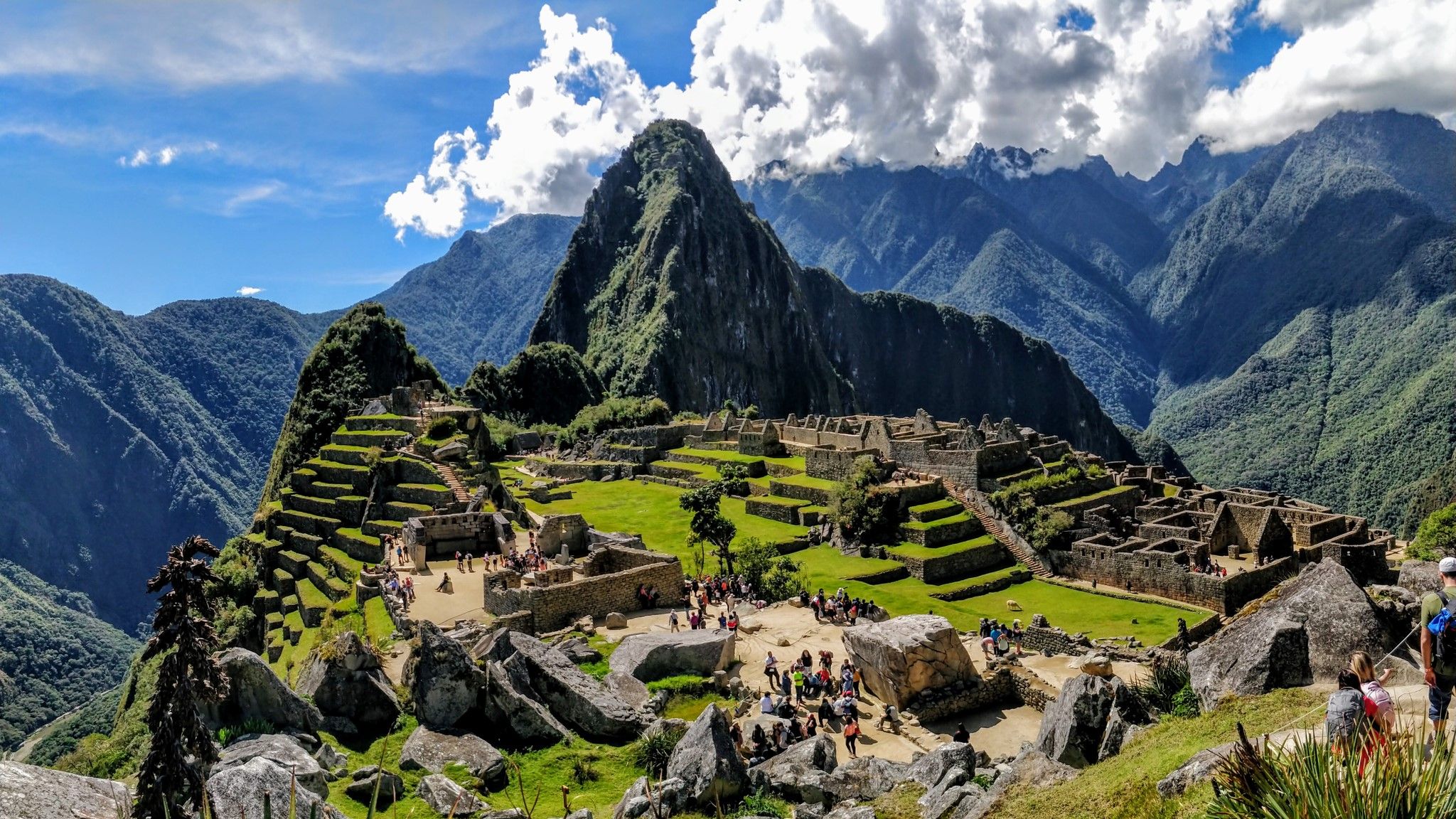
Best mountain passes in Machupicchu are found within the high-altitude Andean landscape of Peru, characterized by challenging terrain and diverse ecosystems. This region is home to several notable passes that serve as critical points on popular trekking routes to ancient sites. The passes often mark transitions between dry highlands and lush cloud forests, offering varied natural features and significant elevation changes. Trekkers encounter dramatic mountain ridges, deep valleys, and unique flora and fauna.
Best mountain passes in Machupicchu
- The most…
Last updated: July 15, 2026
Salkantay Pass
Highlight • Mountain Pass
Translated by Google •
Tip by

Dead Woman's Pass (4,200 m)
Highlight • Mountain Pass
Translated by Google •
Tip by

Sign up now to discover places like this
Get recommendations on the best single tracks, peaks, & plenty of other exciting outdoor places.
Sign up for free
View of Mount Humantay
Highlight • Viewpoint
Translated by Google •
Tip by

View of the Andes Mountains
Highlight • Viewpoint
Translated by Google •
Tip by

Carrizales Viewpoint
Highlight • Viewpoint
Awesome landscape.
Tip by

Start today with a free account
Your next adventure awaits.
Login or Signup
Popular around Machupicchu
Other adventures in Machupicchu

Tips from the Community

The path is slightly longer, but much nicer to hike. Especially early in the morning, it's already sunny and therefore warmer.
0
0


Better hiking trail than on the right side where everyone is sent. Going along the right only makes sense if you need a horse or toilet or a kiosk.
1
0

Day 2 of the Inca Trail was tough. Approximately 1200 m to the Dead Woman Pass
0
0

Very long climb...for our group the path was extremely long...when we got to the top the view was fantastic...the descent was very sporty with large, widely spaced stone steps...when we arrived at the camp we were able to look forward to a self-built tent eucalyptus cooking pot sauna. Thanks go to papaya tours and mountain guide Marco for an unforgettable experience
3
0

Once you reach the spectacular Salkantay Pass, you are faced with breathtaking views of the Humantay and the Salkantay. The pass is located at an altitude of 4,630 meters, but the mountains tower over you. The Humantay measures over 5,500 meters and the Salkantay reaches the dizzying altitude of 6,271 meters. This place has long been considered sacred by the inhabitants of the Peruvian Andes. The climb is tiring, but once up here, the rarefied air doesn't matter anymore. The place has breathtaking beauty. I advise you to chew and suck coca leaves, which are very popular locally and easy to find. They help with the physical challenges of the high altitude.
4
0

Directly below the mighty wall of the Salkantay, you reach the top of the pass of the Salkantay Trek. Leaving behind is the Soraypampa Plateau, which stretches beneath Humantay Lake. Ahead lies the descent into the tropical forest with its colorful plants and humid heat. In every respect a breathtaking landscape in a fascinating Andean world under the mighty mountain peaks.
0
0

The Salcantay Pass is 4650 m above sea level. M. and is surrounded by the spectacular glaciers of Humantay (5917 m.a.s.l.) and Mount Salkantay, which at 6270 m is the highest peak in the region. The Slacantay is the second highest mountain in Peru and means "wild mountain".
0
0
Frequently Asked Questions
What are the most challenging mountain passes in the Machupicchu region?
The region features several demanding passes. Salkantay Pass, at 4,630 meters (15,190 feet), is the highest point of the Salkantay Trek and requires significant endurance. Dead Woman's Pass (Warmiwañusca), at 4,215 meters (13,828 feet), is the highest point on the classic Inca Trail and is known for its steep, continuous ascent.
Which mountain passes offer the best panoramic views?
For breathtaking vistas, Salkantay Pass provides stunning views of the sacred Salkantay mountain and Humantay Lake. Dead Woman's Pass rewards trekkers with dramatic panoramic views of sweeping mountain ridges, deep valleys, and cloud banks. Abra Malaga Pass also offers captivating views as it transitions from snow-capped peaks to lush cloud forests.
Are there mountain passes suitable for birdwatching or experiencing unique biodiversity?
Yes, Abra Malaga Pass is particularly notable for its exceptional biodiversity and is a world-famous birding destination. It's home to many endemic and endangered species, and you can observe a drastic change in climate and scenery from Andean cold to warmer, humid cloud forest environments within a short distance.
What is the significance of Dead Woman's Pass on the Inca Trail?
Dead Woman's Pass (Warmiwañusca) is considered the ultimate test of endurance for those undertaking the Inca Trail. Reaching its summit at 4,215 meters (13,828 feet) is a significant physical and mental milestone, often taking 4 to 5 hours of steep ascent. It marks a
What is the best time to visit the mountain passes in the Machupicchu region?
The dry season, typically from May to October, is generally considered the best time to visit. During these months, the weather is more stable with less rain, offering clearer skies and better visibility for panoramic views, though temperatures can still be cold at higher altitudes.
Are there alternative mountain passes to avoid crowds compared to the Inca Trail?
Yes, the Salkantay Trek, which crosses Salkantay Pass, is a popular alternative to the classic Inca Trail. It is renowned for its wild beauty and generally less crowded paths, providing a more solitary and immersive adventure while still leading to Machu Picchu.
What kind of natural features can I expect to see around Salkantay Pass?
Around Salkantay Pass, you can expect to see majestic snow-capped peaks, including the towering Salkantay Mountain (6,271 meters / 20,574 feet) and Humantay (5,500 meters). The area also features the stunning turquoise waters of Humantay Lake and diverse ecosystems ranging from glaciers to lush cloud forests as you descend.
Are there opportunities for adventure cycling near the mountain passes?
Abra Malaga Pass is a popular spot for adventure cycling. It offers a challenging downhill route of over 60 km that provides dramatic changes in altitude and vegetation, making for a captivating journey for cyclists.
What outdoor activities can I do near these mountain passes?
Beyond trekking, the Machupicchu region offers various outdoor activities. For example, you can find running trails nearby. Explore options like the Running Trails in Machupicchu guide for more details on routes like the Machu Picchu – Huayna Picchu loop.
What should I pack for a hike over these high mountain passes?
Given the high altitudes and varying conditions, it's crucial to pack layers of clothing, including warm jackets, waterproof gear, and sturdy hiking boots. Sun protection (hat, sunglasses, sunscreen) is essential. For high passes like Salkantay and Dead Woman's Pass, consider bringing coca leaves to help with altitude sickness, as recommended by locals.
Are there any cultural or historical aspects associated with these mountain passes?
Yes, the region is rich in cultural significance. Salkantay Mountain, visible from Salkantay Pass, has long been considered sacred by the inhabitants of the Peruvian Andes. Dead Woman's Pass is an integral part of the historic Inca Trail, a pilgrimage route to Machu Picchu, making it a place of deep historical and cultural importance.
Most popular routes in Machupicchu
Most popular attractions in Machupicchu

Get inspired with the komoot mobile app


Explore more
See even more epic mountain passes by checking out these guides in Machupicchu:
