Top 6 Natural Monuments in Machupicchu
Best natural monuments in Machupicchu encompass a diverse landscape of mountains, rivers, and historical sites. The region is characterized by its dramatic Andean terrain, including peaks of the Vilcabamba and Vilcanota mountain ranges, and the Urubamba River. These natural features are often intertwined with Inca history, offering insights into their spiritual and architectural practices. The area provides varied experiences, from challenging mountain treks to panoramic viewpoints of the ancient citadel.
Best natural monuments in Machupicchu
- The most popular natural monuments…
Last updated: July 15, 2026
Machu Picchu
Highlight • Historical Site
Translated by Google •
Tip by

Lake Humantay
Highlight • Lake
Translated by Google •
Tip by
Sign up now to discover places like this
Get recommendations on the best single tracks, peaks, & plenty of other exciting outdoor places.
Sign up for free
Salkantay Pass
Highlight • Mountain Pass
Translated by Google •
Tip by
Climb to Huayna Picchu
Highlight • Summit
Translated by Google •
Tip by

Ancient steps to Machu Picchu
Highlight (Segment) • Trail
Translated by Google •
Tip by
Sign up for free to discover even more natural monuments in Machupicchu.
Sign up for free
Already have an account?
Start today with a free account
Your next adventure awaits.
Login or Signup
Popular around Machupicchu
Other adventures in Machupicchu

Tips from the Community


The view of the lagoon is beautiful. If you have already done hikes in Huaraz, the view is not so exciting. We also have to say that the hike up there was not very exciting. In the end it is just a steep climb until you get to the lagoon. If you want to see more hikes from Peru, you can find them in our Kommod profile and a summary of all Peru hikes will soon be available on our blog https://30tage-reisen.de
1
0

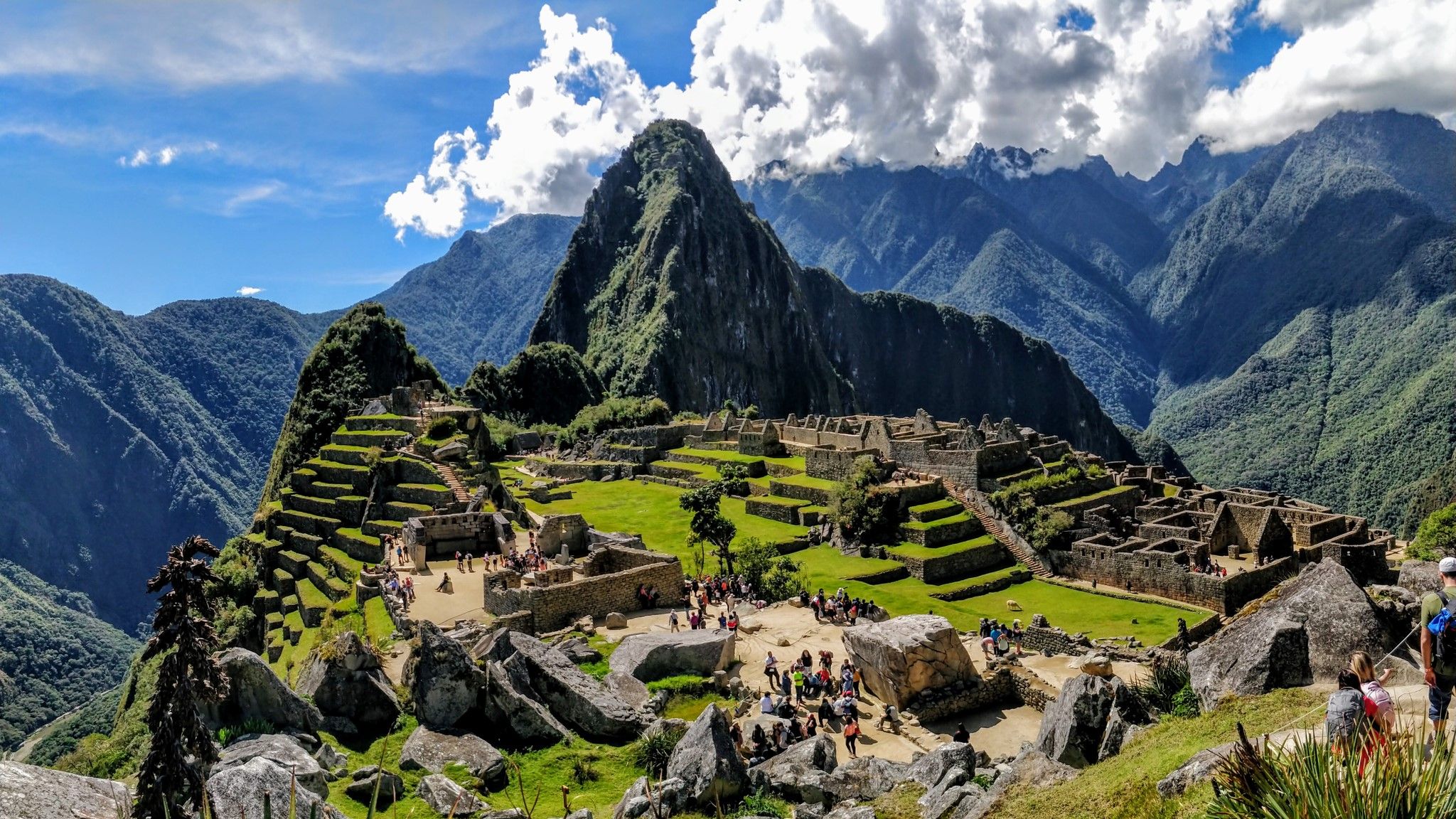
Huayna Picchu (Quechua Wayna Pikchu for "young peak") is one of the two peaks between which the ruins of the Inca city of Machu Picchu lie. The peak is known for the classic postcard motif, where the mountain towers above the ruins of Machu Picchu in the background. The peak is accessible to tourists, but the number of visitors is limited to 400 per day. They must register and enter their names at a checkpoint before the climb. There they are also given an approximate return time. The climb takes about an hour, but the demands should not be underestimated. The steepest sections are equipped with steel cables to hold on to, the path sometimes leads through caves, and on the descent you have to crouch under a rock ledge and climb down 40 cm wide stairs, sometimes directly on the slope, without any safety equipment. A head for heights is therefore an absolute prerequisite. The climb can only be started between 8:00 and 10:00 and must be completed by 14:00. Access to the checkpoint is available after crossing the ruins of Machu Picchu. The same access can also be used to climb Huchuy Picchu in a 15-minute climb. Source: https://de.wikipedia.org/wiki/Huayna_Picchu
1
0

The steps are a must...
0
0

It's a tough climb, but it's worth it if you're fit enough. Start at night and climb as the sun rises. Beautiful!
0
0

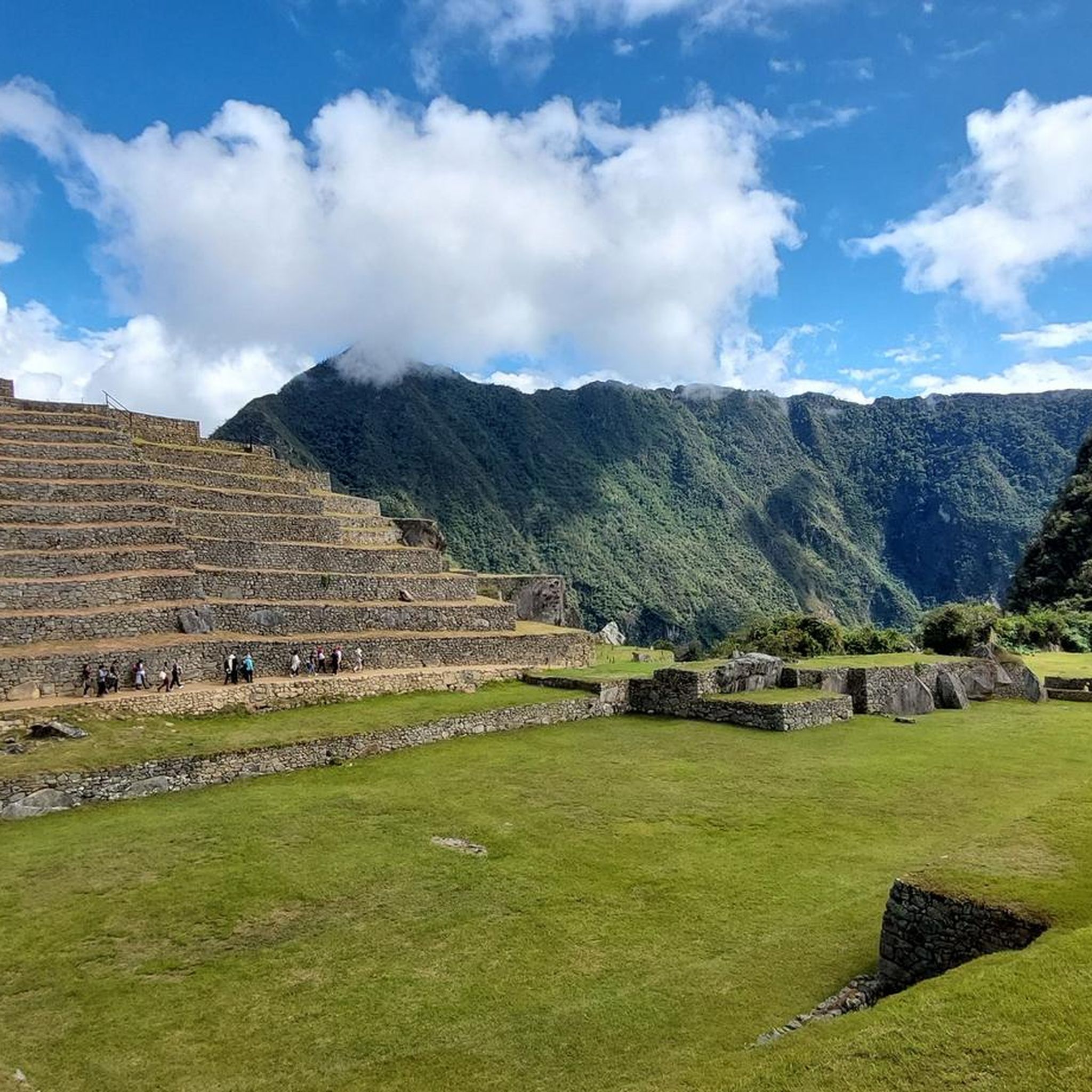
Machu Picchu is epic. The ruins stand 2,430 meters above sea level amidst a tropical mountain forest in a stunningly beautiful environment. It was probably the most incredible urban creation of the Inca Empire at the height of its splendour; its gigantic walls, terraces and ramps seem almost cut naturally into the continuous rock cliffs. Seeing Machu Picchu with your own eyes is simply extraordinary. There is a one-way circuit to visit the site, so please note that there is no turning back. However, you can start the circuit again if you have missed anything. Be aware that the place gets very busy. It's hard to experience the place with peace and quiet, but it's incredibly impressive. The engineering detail is astounding, considering how long ago all of this was built.
7
2
These ancient and monumental stairways that connect Machu Picchu to the Urubamba River were built by the Incas at about the same time as the sacred village itself. They are undoubtedly an amazing engineering feat. Climbing stairs is quite difficult as one climbs several hundred meters in a short distance, through hundreds or perhaps thousands of steps. The stairs go through a misty forest, and you will no doubt fall in love with the surrounding impressive mountain scenery. In some places, the stairs intersect with a paved road, but overall, the path is immersed in the forest.
3
0
Frequently Asked Questions
What are some of the most popular natural monuments in the Machupicchu region?
The Machupicchu region is home to several highly-regarded natural monuments. Among the most popular are the iconic Machu Picchu citadel itself, nestled amidst tropical mountain forests, and the stunning Lake Humantay, known for its vibrant turquoise waters at the foot of Humantay mountain. Another significant site is the Salkantay Pass, offering breathtaking views of the towering Humantay and Salkantay mountains.
Are there any challenging mountain climbs or treks among the natural monuments?
Yes, the Machupicchu region offers several challenging climbs. The Climb to Huayna Picchu is a steep ascent with narrow paths, rewarding climbers with unparalleled views of the Machu Picchu citadel. Another strenuous but rewarding experience is reaching the Salkantay Pass at 4,630 meters, which provides dramatic vistas of the surrounding peaks. The hike to Lake Humantay also involves a difficult high-altitude climb.
What unique natural features can I expect to see in the Machupicchu area?
The Machupicchu area is characterized by dramatic Andean terrain. You'll encounter majestic peaks from the Vilcabamba and Vilcanota mountain ranges, including the sacred Salkantay (6,271 meters) and Humantay (5,500 meters). The turbulent Urubamba River carves through a deep valley, and high-altitude lakes like Lake Humantay with its striking turquoise waters are prominent features. The region's geology, with its granitoid bodies, also influenced the Inca's construction methods.
What historical or cultural sites are integrated with the natural monuments?
The natural monuments in Machupicchu are deeply intertwined with Inca history. The most prominent example is the Machu Picchu citadel itself, an incredible urban creation integrated into continuous rock cliffs. The Climb to Huayna Picchu also leads to ancient Inca stone steps and archaeological features like the Temple of the Moon. Furthermore, the Salkantay Pass and the surrounding mountains were considered sacred by the Incas.
Are there family-friendly natural monuments or trails in the Machupicchu region?
While many trails in the Machupicchu region are challenging, Machu Picchu Mountain offers a wider and less steep trail compared to Huayna Picchu, making it suitable for a wider range of visitors, including families, who still desire a rewarding experience with stunning scenery. The hike to Intipunku (Sun Gate) from the main ruins is also scenic and less strenuous than other mountain climbs, allowing families to appreciate the historical significance and views.
What outdoor activities can I do near these natural monuments?
The Machupicchu region is ideal for various outdoor activities, especially hiking and running. You can find numerous trails that lead to or around these natural wonders. For instance, there are challenging running loops around Montaña Huayna Picchu and Montaña Machupicchu. You can explore more options for running and other activities by visiting the Running Trails in Machupicchu guide.
What is the best time to visit the natural monuments in Machupicchu?
The dry season, from May to October, is generally considered the best time to visit the natural monuments in Machupicchu. During these months, you can expect clearer skies and less rainfall, which is ideal for hiking and enjoying panoramic views. However, this is also peak tourist season, so sites like Machu Picchu can be very busy. The shoulder months of April and November can offer a good balance of pleasant weather and fewer crowds.
What are the permit requirements for visiting natural monuments like Huayna Picchu?
For specific natural monuments like Huayna Picchu, permits are required and visitor numbers are limited. There are typically only two tours per day, and early registration is essential due to the high demand. It's crucial to book your tickets well in advance to secure your spot, as only registered persons are allowed to climb.
What do visitors enjoy most about the natural monuments in Machupicchu?
Visitors consistently praise the breathtaking beauty and the sense of awe inspired by the region's natural monuments. The unparalleled views of the Machu Picchu citadel from various vantage points, the vibrant turquoise waters of Lake Humantay, and the dramatic vistas from high mountain passes like Salkantay Pass are frequently highlighted. Many also appreciate the profound historical and cultural significance intertwined with these natural wonders, offering a unique blend of adventure and discovery.
Are there any less crowded viewpoints to see Machu Picchu and its surrounding nature?
Yes, while the main citadel can be very busy, there are alternative viewpoints that offer unique perspectives with fewer crowds. Machu Picchu Mountain, for instance, provides expansive panoramic views of the entire citadel and surrounding valleys, often considered the best overall view. Putucusi Mountain, located across the Urubamba River, offers a rare horizontal perspective of Machu Picchu. The Intipunku (Sun Gate) also provides a classic first glimpse for Inca Trail hikers and can be a less crowded alternative to other viewpoints.
What is the elevation of the natural sites near Machupicchu?
The natural sites in the Machupicchu region vary significantly in elevation. The Machu Picchu citadel itself stands at 2,430 meters (7,972 feet). Nearby peaks like Huayna Picchu rise to 2,667 meters (8,748 feet), while Machu Picchu Mountain reaches approximately 3,082 meters (10,111 feet). Higher up, Lake Humantay is situated at 4,200 meters (13,780 feet), and the Salkantay Pass is at a challenging 4,630 meters (15,190 feet).
What kind of terrain can I expect on hikes around Machupicchu's natural monuments?
The terrain around Machupicchu's natural monuments is diverse and often challenging. You can expect steep inclines, ancient Inca stone steps, and rugged, rocky outcrops, especially on climbs like Huayna Picchu. Trails often pass through lush tropical vegetation, including cloud forests, with varied flora like orchids and bromeliads. High-altitude routes, such as those leading to Lake Humantay and Salkantay Pass, involve rocky paths and can be exposed to changing weather conditions.
Most popular routes in Machupicchu
Most popular attractions in Machupicchu

Get inspired with the komoot mobile app


Explore more
Extend your search for the best caves by checking out these guides of the top ones in Machupicchu:
