Top 10 Natural Monuments in Santa Teresa
Natural monuments in Santa Teresa, Costa Rica, are characterized by diverse geographic features and ecological significance. The region is known for its coastal landscapes, including extensive beaches and unique tide pools formed by volcanic rock. It also features protected areas with dense forests and significant biodiversity. These natural attractions offer opportunities to observe coastal ecosystems and varied wildlife.
Best natural monuments in Santa Teresa
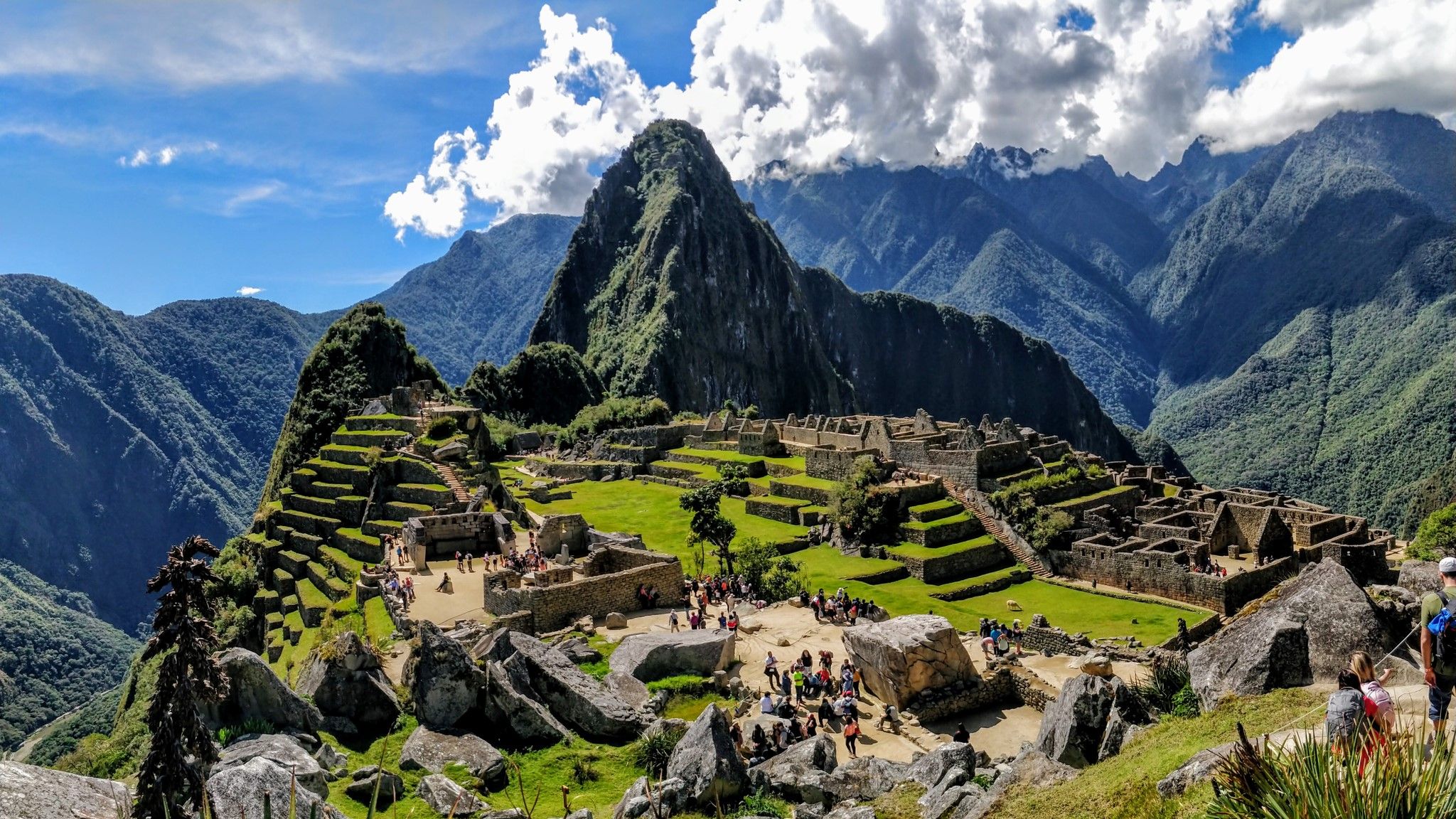
- The most popular natural monuments is Machu Picchu, a historical site that stands 2,430 meters…
Last updated: July 15, 2026
Machu Picchu
Highlight • Historical Site
Translated by Google •
Tip by

Lake Humantay
Highlight • Lake
Translated by Google •
Tip by
Sign up now to discover places like this
Get recommendations on the best single tracks, peaks, & plenty of other exciting outdoor places.
Sign up for free
Salkantay Pass
Highlight • Mountain Pass
Translated by Google •
Tip by
Climb to Huayna Picchu
Highlight • Summit
Translated by Google •
Tip by

Ancient steps to Machu Picchu
Highlight (Segment) • Trail
Translated by Google •
Tip by
Sign up for free to discover even more natural monuments in Santa Teresa.
Sign up for free
Already have an account?
Start today with a free account
Your next adventure awaits.
Login or Signup
Popular around Santa Teresa
Other adventures in Santa Teresa

Tips from the Community


The view of the lagoon is beautiful. If you have already done hikes in Huaraz, the view is not so exciting. We also have to say that the hike up there was not very exciting. In the end it is just a steep climb until you get to the lagoon. If you want to see more hikes from Peru, you can find them in our Kommod profile and a summary of all Peru hikes will soon be available on our blog https://30tage-reisen.de
1
0

Huayna Picchu (Quechua Wayna Pikchu for "young peak") is one of the two peaks between which the ruins of the Inca city of Machu Picchu lie. The peak is known for the classic postcard motif, where the mountain towers above the ruins of Machu Picchu in the background. The peak is accessible to tourists, but the number of visitors is limited to 400 per day. They must register and enter their names at a checkpoint before the climb. There they are also given an approximate return time. The climb takes about an hour, but the demands should not be underestimated. The steepest sections are equipped with steel cables to hold on to, the path sometimes leads through caves, and on the descent you have to crouch under a rock ledge and climb down 40 cm wide stairs, sometimes directly on the slope, without any safety equipment. A head for heights is therefore an absolute prerequisite. The climb can only be started between 8:00 and 10:00 and must be completed by 14:00. Access to the checkpoint is available after crossing the ruins of Machu Picchu. The same access can also be used to climb Huchuy Picchu in a 15-minute climb. Source: https://de.wikipedia.org/wiki/Huayna_Picchu
1
0

The steps are a must...
0
0

It's a tough climb, but it's worth it if you're fit enough. Start at night and climb as the sun rises. Beautiful!
0
0

Machu Picchu is epic. The ruins stand 2,430 meters above sea level amidst a tropical mountain forest in a stunningly beautiful environment. It was probably the most incredible urban creation of the Inca Empire at the height of its splendour; its gigantic walls, terraces and ramps seem almost cut naturally into the continuous rock cliffs. Seeing Machu Picchu with your own eyes is simply extraordinary. There is a one-way circuit to visit the site, so please note that there is no turning back. However, you can start the circuit again if you have missed anything. Be aware that the place gets very busy. It's hard to experience the place with peace and quiet, but it's incredibly impressive. The engineering detail is astounding, considering how long ago all of this was built.
7
2
These ancient and monumental stairways that connect Machu Picchu to the Urubamba River were built by the Incas at about the same time as the sacred village itself. They are undoubtedly an amazing engineering feat. Climbing stairs is quite difficult as one climbs several hundred meters in a short distance, through hundreds or perhaps thousands of steps. The stairs go through a misty forest, and you will no doubt fall in love with the surrounding impressive mountain scenery. In some places, the stairs intersect with a paved road, but overall, the path is immersed in the forest.
3
0
Frequently Asked Questions
What types of natural monuments can I explore in Santa Teresa?
Santa Teresa, Costa Rica, offers a diverse range of natural monuments. You can explore unique coastal features like the Mal Pais Tide Pools, pristine beaches such as Playa Hermosa and Playa Carmen, and lush protected areas like the Cabo Blanco Absolute Natural Reserve. The region also boasts impressive waterfalls, including the Montezuma Waterfalls, and tropical islands like Tortuga Island.
Are there any protected natural reserves near Santa Teresa?
Yes, the Cabo Blanco Absolute Natural Reserve is a significant protected area located at the southernmost tip of the Nicoya Peninsula, a short distance from Santa Teresa. Established in 1963, it was Costa Rica's first protected nature reserve and is a critical sanctuary for seabirds and various mammals.
What kind of wildlife can I expect to see in Santa Teresa's natural monuments?
The natural monuments in Santa Teresa are rich in biodiversity. At the Cabo Blanco Absolute Natural Reserve, you might spot approximately 240 bird species, as well as mammals like capuchin and howler monkeys, anteaters, and coatis. The Mal Pais Tide Pools offer a chance to observe diverse marine life, including colorful fish and invertebrates, while Tortuga Island is known for sea turtles.
Are there any waterfalls I can visit near Santa Teresa?
Absolutely! The Montezuma Waterfalls are a popular attraction about 45 minutes from Santa Teresa, featuring a massive cascade and natural swimming pools. For the more adventurous, stairs lead to two additional waterfalls higher up. Another nearby option is El Chorro, which offers stunning views of water cascading into the ocean.
What are the best beaches to visit for natural beauty in Santa Teresa?
The coastline around Santa Teresa is renowned for its unspoiled beauty. Playa Carmen, Playa Hermosa, and Playa Manzanillo are excellent choices. Playa Hermosa, in particular, is noted for its vastness, tide pool landscapes, and gentle waves, making it a favorite for sunbathing, surfing, and enjoying breathtaking sunsets.
Can I go snorkeling or diving at any of Santa Teresa's natural monuments?
Yes, Tortuga Island, accessible by boat tour, is considered a tropical paradise ideal for snorkeling and diving. Its clear turquoise waters and vibrant marine life, including excellent chances to spot sea turtles, make it a prime location for underwater exploration.
What are the operating hours and fees for the Cabo Blanco Absolute Natural Reserve?
The Cabo Blanco Absolute Natural Reserve is open Wednesday to Sunday from 8:00 a.m. to 2:00 p.m. There is an entrance fee of $12 USD to access the reserve.
Are there hiking opportunities within Santa Teresa's natural monuments?
Yes, hiking is a great way to experience the natural monuments. The Cabo Blanco Absolute Natural Reserve offers rustic trails, including a notable 4-mile out-and-back hike that leads to a secret beach. The Montezuma Waterfalls also involve a hike, with a 15-minute walk to the main fall and additional stairs for higher levels.
What is the best time of year to visit the natural monuments in Santa Teresa?
Generally, the dry season is the best time to visit natural monuments in Santa Teresa, especially for activities like visiting the Montezuma Waterfalls, as conditions are more favorable for hiking and enjoying the outdoors.
Are there family-friendly natural monuments in Santa Teresa?
Many of Santa Teresa's natural monuments can be enjoyed by families. The beaches like Playa Hermosa offer gentle waves and tide pools for children to explore. The Mal Pais Tide Pools provide a fascinating environment for all ages to discover marine life. While some hikes might be more challenging, the main Montezuma Waterfall is relatively accessible for a family outing.
What should I bring when visiting natural monuments in Santa Teresa?
When visiting Santa Teresa's natural monuments, it's advisable to bring essentials like water, sunscreen, insect repellent, and appropriate footwear for hiking or beach activities. If you plan to swim, bring swimwear and a towel. For places like Cabo Blanco, consider binoculars for birdwatching.
Can I find natural tide pools in Santa Teresa?
Yes, the Mal Pais Tide Pools, located just south of Santa Teresa, are an impressive natural phenomenon. These secluded, rocky pools are created by volcanic rock formations and are perfect for exploring diverse marine life.
What outdoor activities can I do near these natural monuments?
Beyond visiting the monuments themselves, Santa Teresa offers various outdoor activities. The beaches are famous for world-class surfing. You can also find running trails in the area, such as those mentioned in the Running Trails in Santa Teresa guide, which provide opportunities for jogging and exploring the coastal landscape.
Most popular routes in Santa Teresa
Most popular attractions in Santa Teresa

Get inspired with the komoot mobile app


