Top 10 Natural Monuments around Bryneglwys
Best natural monuments around Bryneglwys are situated within the Clwydian Range and Dee Valley Area of Outstanding Natural Beauty, a region recognized for its ecological and geographical significance. The village is nestled on the side of Llantysilio Mountain, providing access to several peaks and the picturesque Dee Valley. Notable natural landmarks include prominent summits and river features, offering diverse landscapes for exploration. The area combines natural beauty with historical elements, such as the Bryneglwys Slate Quarry, which is part of…
Last updated: July 1, 2026
Moel Fferna
Highlight • Viewpoint
Tip by

Horseshoe Falls
Highlight • Monument
Tip by

Sign up now to discover places like this
Get recommendations on the best single tracks, peaks, & plenty of other exciting outdoor places.
Sign up for free
Moel Gyw Summit
Highlight • Viewpoint
Tip by

World's End Road and Ford (Eglwyseg Valley)
Highlight (Segment) • Trail
Tip by

River Rapids Access Point – Clwydian Range and Dee Valley
Highlight • Viewpoint
Tip by

Sign up for free to discover even more natural monuments around Bryneglwys.
Sign up for free
Already have an account?
Start today with a free account
Your next adventure awaits.
Login or Signup

Tips from the Community

The Llantysilio Green weir, more commonly known as the Horseshoe Falls, is a 140-meter-long, horseshoe-shaped weir designed by Thomas Telford in 1808 to divert water from the River Dee into the Llangollen Canal. This prominent structure is a significant piece of engineering and a feature of the World Heritage Site, providing water for the canal and attracting tourists with its unique design and surrounding landscape. The Llantysilio Green Car Park is a designated access point for visiting the falls. In the late 19th century a long piece of wood, about 30cm wide, floated on the water here to deflect floating debris away from the canal intake. It was fixed at one end. It’s visible in the photo, taken c.1890. Some trippers couldn’t resist the temptation to walk along it, ignoring a warning sign nearby, if they weren’t spotted by the “waterman” in charge of the sluice. Local residents took a dim view of such “unheeding folly”. 😂😂
4
0
Located on the River Dee, near to Llantysilio, this masterpiece of Thomas Telford Engineering is where the Pontcysllte Aqueduct and Canal World Heritage site begins. He designed this weir to draw water from the River Dee in to the canal, and it became a stunning addition to the landscape. At 460ft (140M) long, it’s a sight to behold.
6
0
The area is popular with walkers, cyclists and tourists. The Offa's Dyke Path passes through World's End. World's End lies on a single track road from the small village of Minera near Wrexham, which crosses Esclusham Mountain and the Ruabon Moors to a public car park at the top of the Eglwyseg valley. The road crosses the Eglwyseg River by a ford, then goes on towards Pentre Dŵr, under the Horseshoe Pass, leading eventually to Llangollen or onto the Panorama in Trevor. Near World’s End is the manor house Plas Ucha yn Eglwyseg, built in 1563. It was for a time the home of John Jones Maesygarnedd, one of the signatories of the death warrant for Charles I of England. The building is said to stand on the site of a hunting lodge of Owain ap Cadwgan, prince of Powys, where Owain carried Nest (daughter of Rhys ap Tewdwr) when he stole her away from her husband Gerald de Windsor in 1109.
3
0

I really cant stress how slippy the ford is and wet and painful
1
0
The distinctively shaped weir, which is 460 feet (140 m) long, helps create a pool of water that can enter the Llangollen Canal (via an adjacent valve house and flow meter). The canal west of Pontcysyllte Aqueduct and the construction of the weir were authorised by an Act of Parliament obtained in 1804 by the Ellesmere Canal Company. The canal was a navigable feeder, which supplied water to the Ellesmere Canal beyond Pontcysyllte, and to the Chester Canal, to which it connected near Nantwich. Thomas Telford was the civil engineer responsible for the design, and the canal and feeder were completed in 1808.
3
1

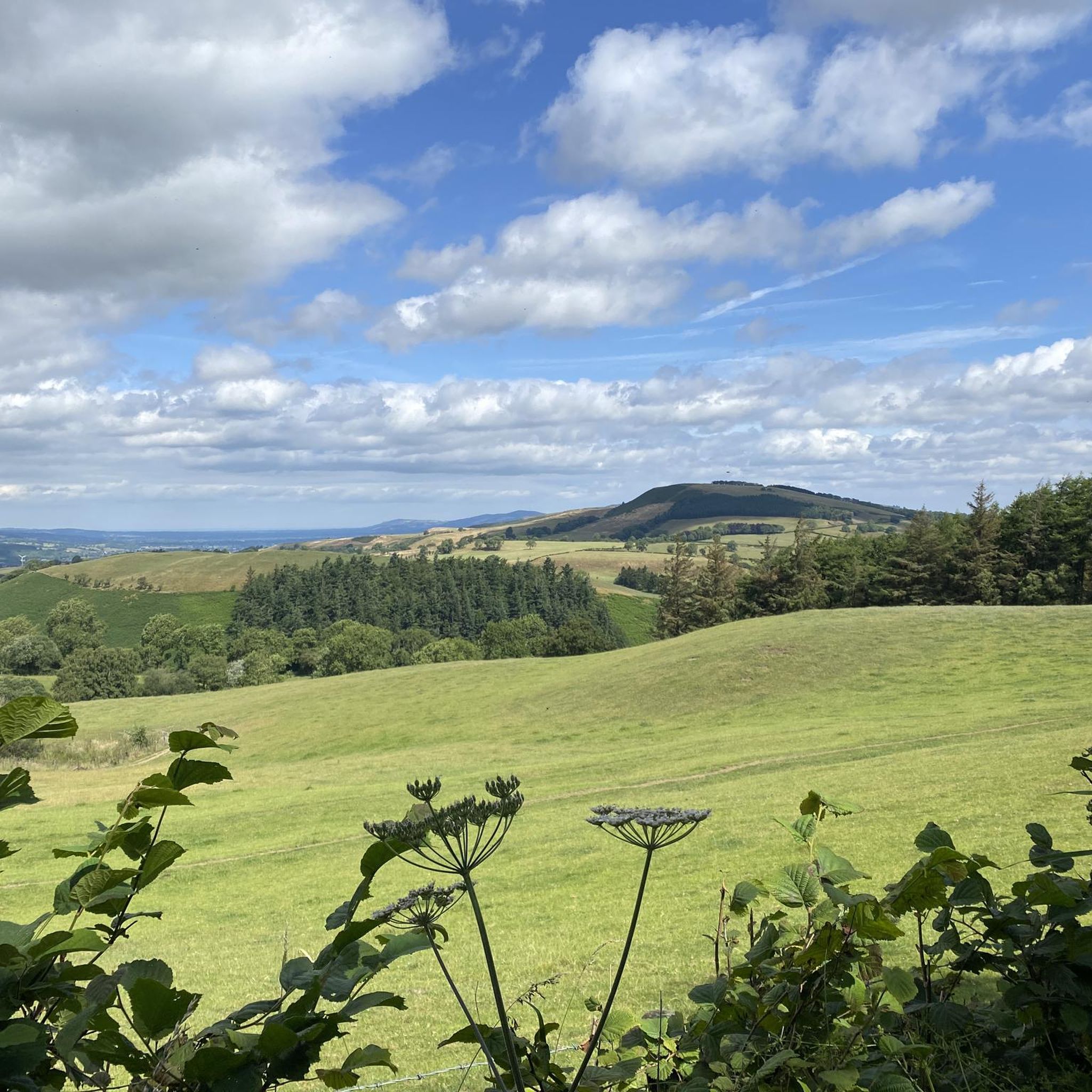
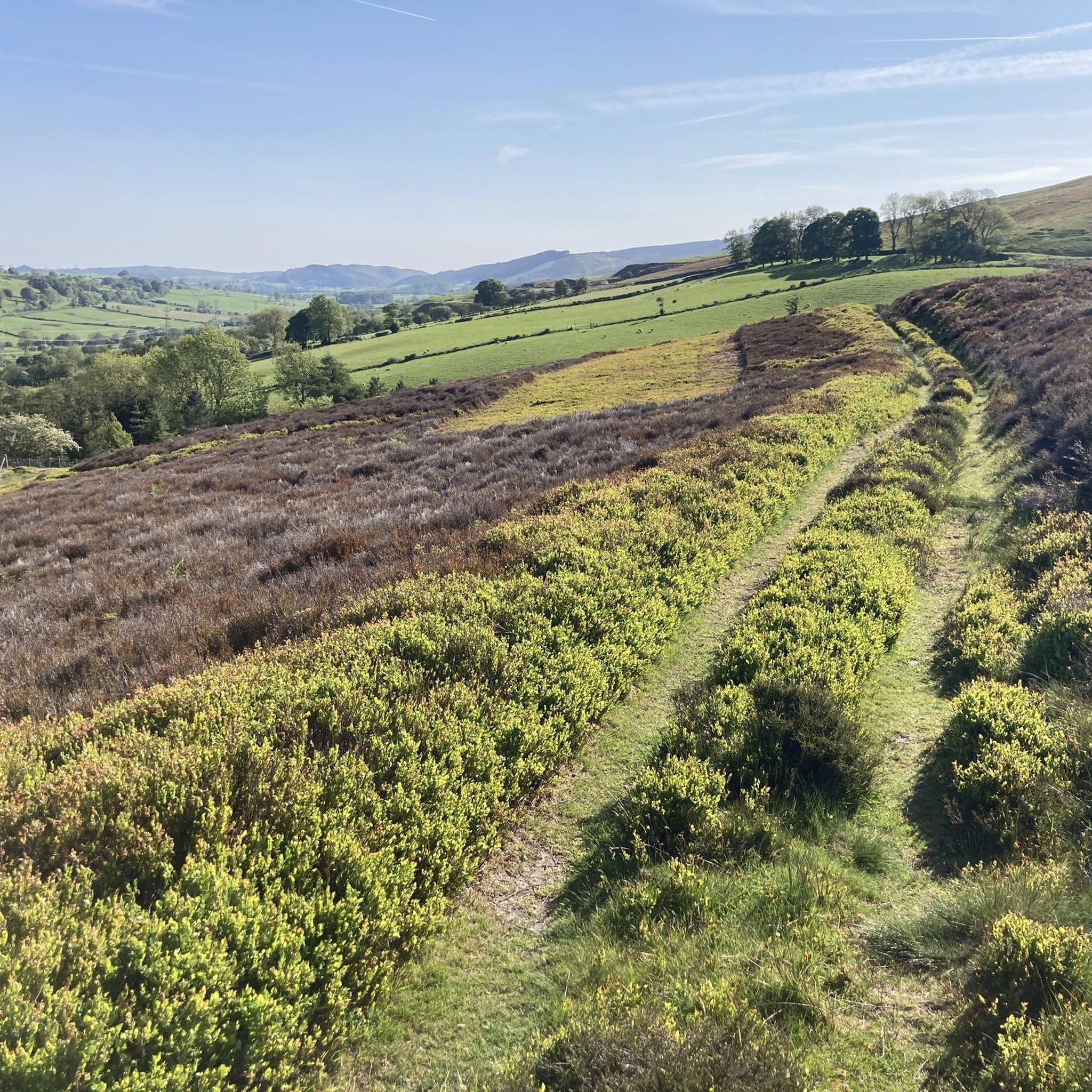
At 2,070 feet (630 m), Moel Fferna is the highest point in the Clwydian Range and Dee Valley Area of Outstanding Natural Beauty. However, it belongs to the wider Berwyn Range, which reaches its apex on Cadair Berwyn to the southwest. It's possible to link both on a long walk, along with other summits in the range. The Dee Valley is a good base for hikes to Moel Fferna, with plenty of accommodation options and places to eat and drink.
2
0

Stunning road. The ford is extremely slippery!
2
0

They call it the "Horseshoe Falls" but it is a weir built to supply water to the canal. The river is spectacular and popular with canoeists
5
0
Frequently Asked Questions
What are some of the most popular natural monuments to visit around Bryneglwys?
Among the most popular natural monuments are Horseshoe Falls, a unique man-made weir on the River Dee, and World's End Road and Ford (Eglwyseg Valley), known for its scenic trail and views. For panoramic vistas, Moel Fferna, the highest point in the Clwydian Range and Dee Valley AONB, is a must-see.
Are there any family-friendly natural attractions near Bryneglwys?
Yes, Horseshoe Falls is considered family-friendly and offers a pleasant setting by the River Dee. The broader Dee Valley also provides numerous accessible walking trails suitable for families.
What kind of natural features can I expect to see in the Bryneglwys area?
The area around Bryneglwys is rich in diverse natural features. You'll find prominent mountain summits like Moel Fferna, Moel y Gaer, and Foel Fenlli, offering expansive views. There are also picturesque river features, including the Afon Morwynion and the scenic Dee Valley, along with rugged escarpments and moorland within the Clwydian Range and Dee Valley AONB.
What outdoor activities can I do near these natural monuments?
The natural monuments around Bryneglwys are perfect for various outdoor activities. You can enjoy extensive hiking, from easy strolls to challenging mountain ascents. Cycling is also popular, with routes like the Horseshoe Pass. For detailed routes, explore the hiking guide or the road cycling guide for Bryneglwys.
Are there specific hiking trails near the natural monuments?
Absolutely. You can find trails leading to summits like Moel Fferna and Moel Gyw Summit. The World's End Road and Ford area also features trails through woods and moorland. For easier options, consider routes like the 'Horseshoe Falls – St Tysilio's Church loop'. More challenging hikes include 'Moel y Gamelin and Moel Morfydd Circular'. Find more options in the hiking guide.
What is the best time of year to visit the natural monuments around Bryneglwys?
The natural monuments around Bryneglwys can be enjoyed year-round, but each season offers a different experience. Spring brings blooming wildflowers, while summer provides warmer weather ideal for longer hikes. Autumn showcases stunning foliage, and winter, though colder, can offer dramatic, clear views, especially from the higher peaks. Always check local weather conditions before your visit.
Are there any natural monuments with historical significance in the area?
Yes, several natural features are intertwined with history. Moel y Gaer and Foel Fenlli, for instance, host well-preserved Iron-Age hill forts at their summits, combining natural elevation with ancient history. Additionally, the Bryneglwys Slate Quarry, though industrial, is now part of a World Heritage Site, showcasing how human activity has shaped the natural environment over time.
Where can I find the best viewpoints around Bryneglwys?
For expansive views, head to Moel Fferna, the highest point in the Clwydian Range and Dee Valley AONB. Other peaks like Moel y Gaer, Foel Fenlli, Moel Gamelin, and Cyrn-y-Brain also offer commanding vistas across North Wales and into England. The World's End Road and Ford area also provides scenic viewpoints towards Llangollen.
What is the difficulty level of trails leading to these natural monuments?
The difficulty varies. Some trails, like those around Horseshoe Falls, are generally easy and suitable for most visitors. Ascents to peaks like Moel y Gaer can be steep and rocky, making them more challenging. Moel Fferna involves extended hikes, often through deep heather. Always check route details in the hiking guides for specific difficulty ratings.
Can I spot wildlife near the natural monuments?
The Clwydian Range and Dee Valley AONB, where Bryneglwys is located, is a designated area for its ecological value. While specific wildlife sightings are never guaranteed, the diverse landscapes of moorland, woodlands, and river valleys provide habitats for various bird species, small mammals, and insects. Keep an eye out, especially in quieter areas.
Are there any less crowded natural monuments or trails to explore?
While popular spots like Horseshoe Falls can attract visitors, many of the higher peaks and more extended trails within the Clwydian Range and Dee Valley AONB offer a sense of solitude. Exploring routes to summits like Moel Gyw Summit or venturing into the broader Berwyn Range from Moel Fferna can lead to less crowded experiences, especially during off-peak times.
What is the significance of the Clwydian Range and Dee Valley AONB to these natural monuments?
The Clwydian Range and Dee Valley Area of Outstanding Natural Beauty (AONB) is the overarching designation that recognizes the ecological value and geographical significance of the region. Many of the natural monuments, including peaks like Moel Fferna and the scenic Dee Valley, fall within this protected area, highlighting their importance and ensuring their preservation for future generations.
Most popular attractions around Bryneglwys

Get inspired with the komoot mobile app


Explore more
Extend your search for the best caves by checking out these guides of the top ones around Bryneglwys:
