Top 11 Natural Monuments around Swynnerton
Best natural monuments around Swynnerton include a variety of natural features, from extensive woodlands to unique geological formations. The area, situated in Staffordshire, features elevated ridges of Sherwood sandstone, providing expansive views across the countryside. Swynnerton's landscape offers opportunities to explore diverse natural attractions, including ancient volcanic rock formations and serene parklands. These sites are protected under designations such as Sites of Special Scientific Interest, highlighting their ecological and geological importance.
Best natural monuments around Swynnerton
- The most popular natural…
Last updated: October 4, 2026
Downs Banks Millennium Viewpoint
Highlight • Viewpoint
Tip by

Ford Green Reed Bed
Highlight • Natural Monument
It has been designated because large numbers of …
Tip by
Sign up now to discover places like this
Get recommendations on the best single tracks, peaks, & plenty of other exciting outdoor places.
Hem Heath Woods Nature Reserve
Highlight • Forest
Tip by
Hulme Quarry
Highlight • Natural Monument
Tip by
The Void Lake
Highlight • Natural Monument
Tip by

Sign up for free to discover even more natural monuments around Swynnerton.
Already have an account?
Start today with a free account
Your next adventure awaits.

Tips from the Community

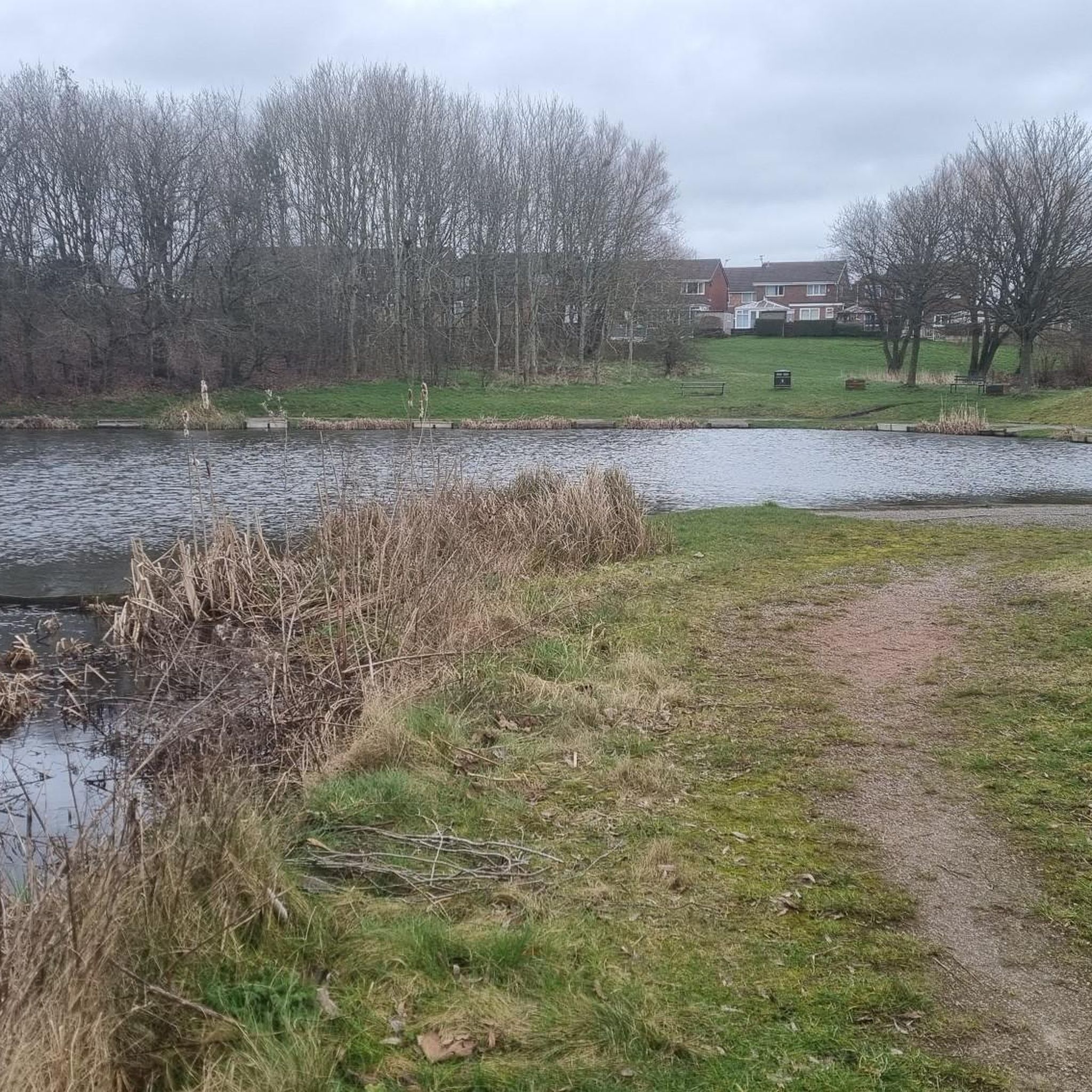
The Ford Green Reed Bed is a Site of Special Scientific Interest, designated because of the large numbers of swallows that gather there before migrating at the end of the summer.
1
0

This area was once used for open cast mining, the history of which is detailed on the on-site information plaque. I am presuming the area was converted to a lake when the site was converted to a Country Park.
1
0

The start of the walk is all up Hill but from then on it's a gentle stroll
0
0

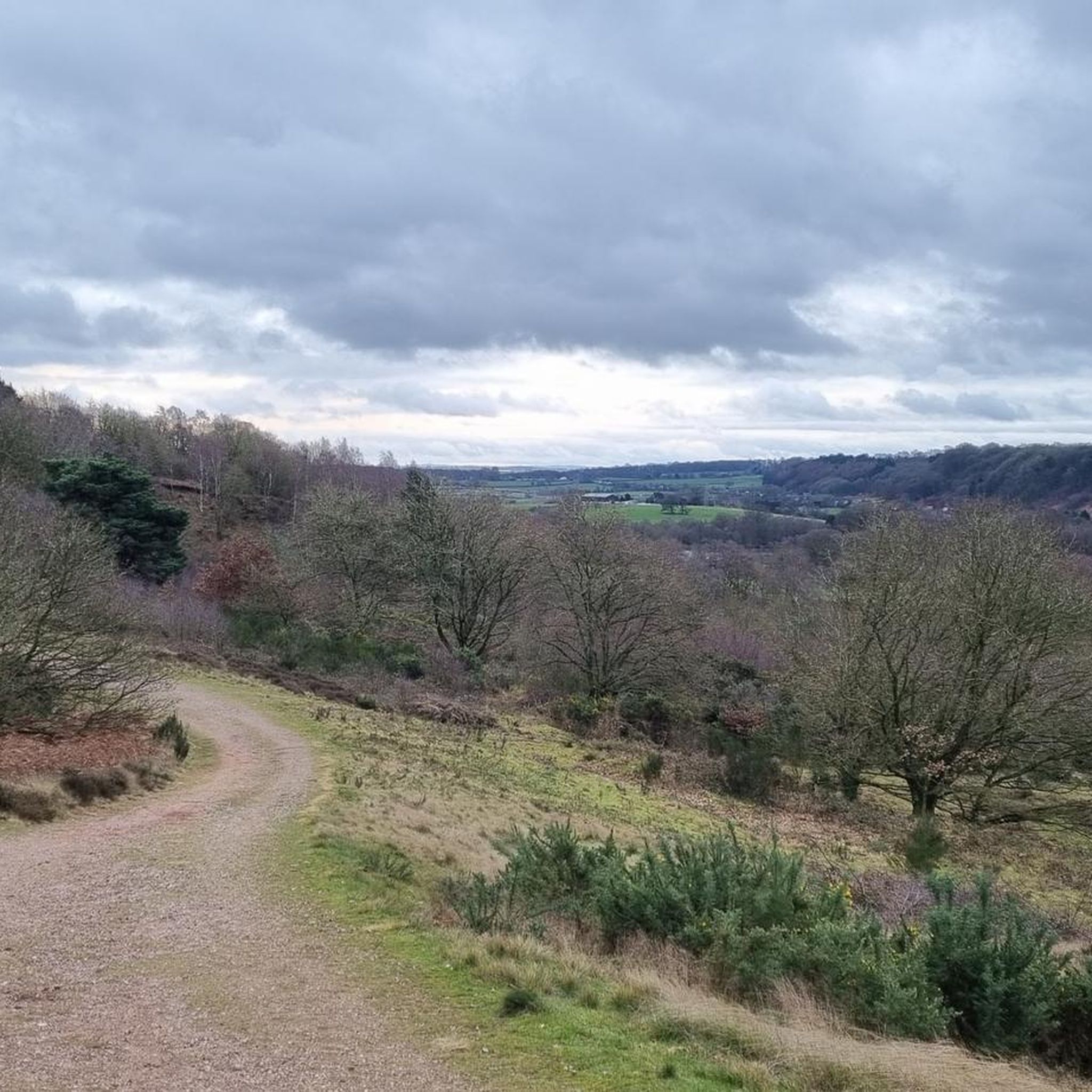
In the 18th century Bluebarn farm on Downs Bank grew hops for Joule's Brewery. In 1946 Joule's purchased the land from Viscount Sidmouth. The area was subject to purchase with the help of a public subscription and it was given to the National Trust by John Joule in 1950, as "an offering for victory in the 1939-45 War, and as a memorial to those who died" - apparently on the grounds that it had originally been common land, and should thus be open again to local people.
7
0
The Ford Green Reed Bed at the south end of the site is one of Stoke-on-Trent's two Sites of Special Scientific Interest. It has been designated because large numbers of swallows gather there before leaving the country at the end of the summer.
9
0
From Wikipedia: In the 18th century a farm on Downs Bank grew hops for Joule's Brewery, who rented it from Viscount Sidmouth. The area was well known to the author Mary Renault, whose parents moved to live nearby in the early 1930s. Hops growing on Downs Bank continued until the 1940s, and there was also cattle grazing until 1959. The area was subject to purchase with the help of a public subscription and it was given to the National Trust by John Joule in 1950, as... "an offering for victory in the 1939-45 War, and as a memorial to those who died" - apparently on the grounds that it had originally been common land, and should thus be open again to local people. However, after 1950 the lack of grazing caused its characteristic heathland to decline, as bracken and birch were allowed to invade. Downs Banks Toposcope There is a Millennium Viewpoint stone at one of the highest points, with a toposcope (a disc of metal sight-lines/landmarks) embedded in the top of it. The toposcope went
6
0
This is the largest woodland area in Stoke on Trent but it is a hidden gem.
26
0
A free car park with no curfew. If this car park is full, just go a bit further up to the Toby Carvery. It also has lots of free parking.
21
0
Frequently Asked Questions
What types of natural features can I explore around Swynnerton?
The Swynnerton area offers a diverse range of natural features. You can find extensive woodlands like Swynnerton Old Park, unique geological formations such as the Butterton-Swynnerton Dykes, and serene parklands. There are also viewpoints providing expansive vistas, and protected nature reserves like Hem Heath Woods Nature Reserve, which is the largest woodland area in Stoke-on-Trent.
Are there any family-friendly natural monuments in the Swynnerton area?
Yes, several natural monuments around Swynnerton are suitable for families. Hulme Quarry is particularly noted for its sandbanks, offering a fun experience for younger children. Other family-friendly spots include Hem Heath Woods Nature Reserve and Ford Green Reed Bed.
Where can I find panoramic views of the countryside near Swynnerton?
For expansive views, visit Downs Banks Millennium Viewpoint, which features a toposcope embedded in a Millennium Viewpoint stone at one of its highest points. Additionally, the village of Swynnerton itself is situated on a ridge of Sherwood sandstone, over 500 feet high, offering elevated vistas across the surrounding landscape.
What geological features are notable in the Swynnerton region?
The most significant geological features are the Butterton-Swynnerton Dykes. These are ancient volcanic rock formations, primarily alkaline-basalt, that extend through Staffordshire. They were first identified by Charles Darwin and date back approximately 52 to 61 million years, offering a tangible link to ancient volcanic activity.
Are there opportunities for wildlife spotting around Swynnerton's natural sites?
Yes, natural sites like Ford Green Reed Bed are excellent for wildlife spotting. This site is designated as a Site of Special Scientific Interest due to the large numbers of swallows that gather there before migrating. Woodlands like Swynnerton Old Park and Hem Heath Woods Nature Reserve also provide habitats for local flora and fauna.
What outdoor activities can I do near the natural monuments around Swynnerton?
You can enjoy various outdoor activities. For cycling, there are routes like the 'Emma Bridgewater Café – Pottery Kilns loop' which is an easy ride. Hikers can explore easy trails such as the 'Dandelion Sculptures – Trentham Lake loop'. Mountain biking enthusiasts have options like the 'Hanchurch Water Tower – Swynnerton Old Park loop'. You can find more details on these activities in the cycling guide, easy hikes guide, and MTB trails guide for Swynnerton.
Is Swynnerton Old Park accessible to the public, and are dogs allowed?
Swynnerton Old Park is an extensive woodland owned by the Forestry Commission, featuring natural pathways suitable for walking. While specific public access details for all areas should be verified, many parts of such woodlands are generally accessible. Downs Banks Millennium Viewpoint, which is nearby, is noted as dog-friendly, suggesting a generally welcoming attitude towards dogs in the wider natural areas.
Are there any natural monuments that were once industrial sites?
Yes, The Void Lake is an example of a natural monument that has a past as an industrial site. This area was once used for open-cast mining, and its history is detailed on an on-site information plaque, indicating its conversion to a lake when it became a Country Park.
What is the best season to visit the natural monuments around Swynnerton?
The best season to visit depends on your preferences. Spring and summer offer lush greenery and warmer weather, ideal for walks and enjoying the vibrant flora. Autumn provides beautiful foliage, while winter can offer crisp, clear views, though some paths might be muddy. For specific wildlife, like the swallows at Ford Green Reed Bed, late summer is ideal before their migration.
Where can I find parking for natural monuments near Swynnerton?
Many natural sites offer parking. For instance, Hem Heath Woods Nature Reserve has a free car park with no curfew. If it's full, there's additional free parking nearby at the Toby Carvery. For other locations, it's advisable to check local signage or specific highlight details for available parking facilities.
Are there any specific conservation designations for natural sites in the Swynnerton area?
While the UK doesn't use 'natural monument' as a formal statutory designation, natural features of scientific or scenic importance in the Swynnerton area are protected under designations such as Sites of Special Scientific Interest (SSSIs) or National Nature Reserves. An example is Ford Green Reed Bed, which is an SSSI.
Most popular routes around Swynnerton
Most popular attractions around Swynnerton

Get inspired with the komoot mobile app


Explore more
Extend your search for the best caves by checking out these guides of the top ones around Swynnerton:
