Top 6 Natural Monuments around Barrow
Natural monuments around Barrow, now known as Utqiaġvik, Alaska, are defined by its Arctic environment. These sites are significant for their geographical features, wildlife, and cultural connections to the Iñupiat people. The area offers unique natural phenomena, including 24-hour daylight in summer and 24-hour darkness in winter. Visitors can experience the vastness of the Arctic landscape and observe diverse wildlife.
Best natural monuments around Barrow
- The most popular natural monuments is Pendle Hill summit trig point, a summit that…
Last updated: October 4, 2026
Pendle Hill summit trig point
Highlight • Summit
Tip by

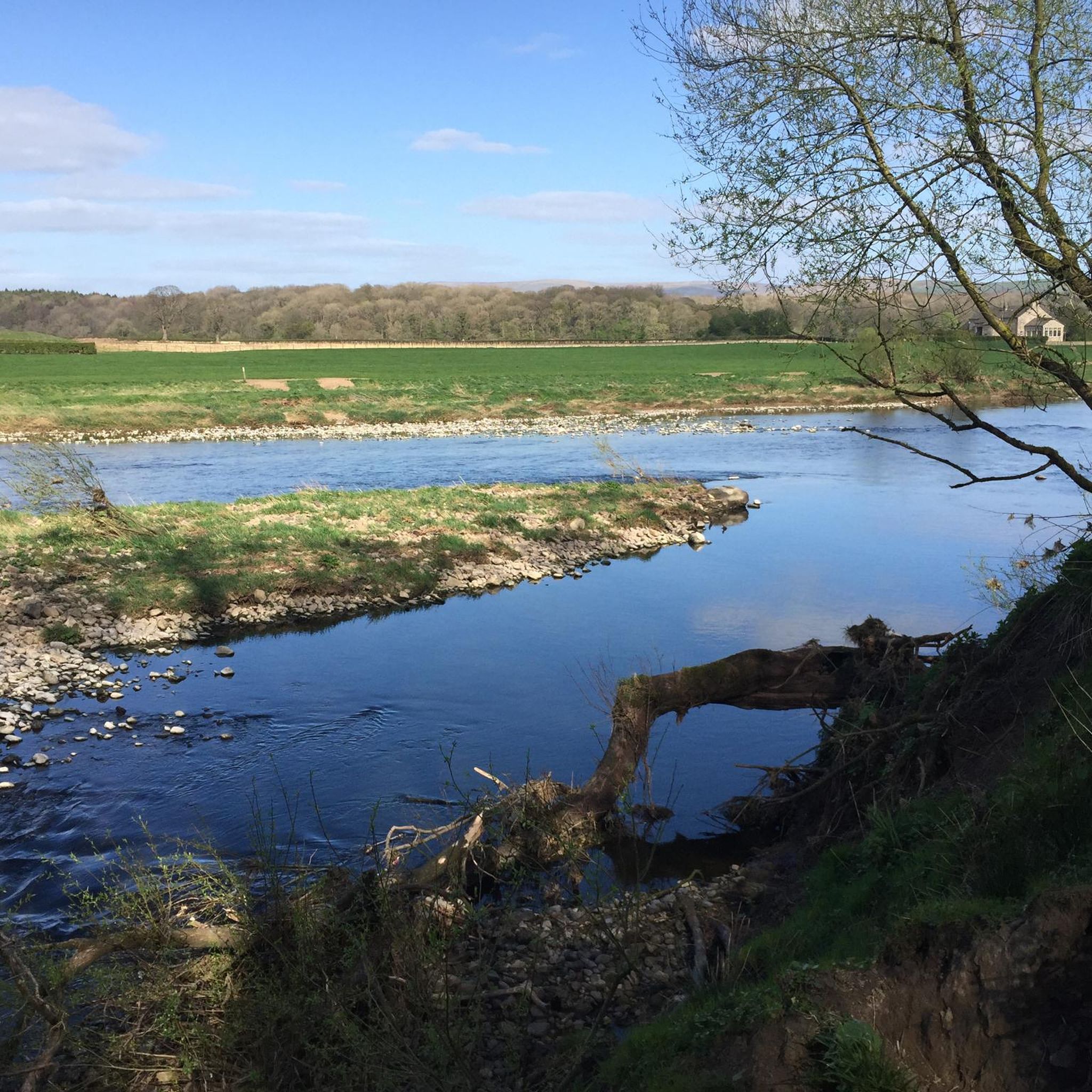
Confluence of the Rivers Calder and Ribble
Highlight • Natural Monument
Tip by

Sign up now to discover places like this
Get recommendations on the best single tracks, peaks, & plenty of other exciting outdoor places.
View of the Forest of Bowland from Jeffrey Hill
Highlight • Viewpoint
Tip by

Tolkien Oak Tree – River Hodder
Highlight • Viewpoint
Tip by

View of Parlick and Beacon Fell
Highlight • Trail
Tip by

Sign up for free to discover even more natural monuments around Barrow.
Already have an account?
Start today with a free account
Your next adventure awaits.
Tips from the Community


any age can do this walk, was a really nice most flat, very enjoyable and had lunch in pub at end great day in all
0
0

Don't forget that it's always windy on top.
1
0

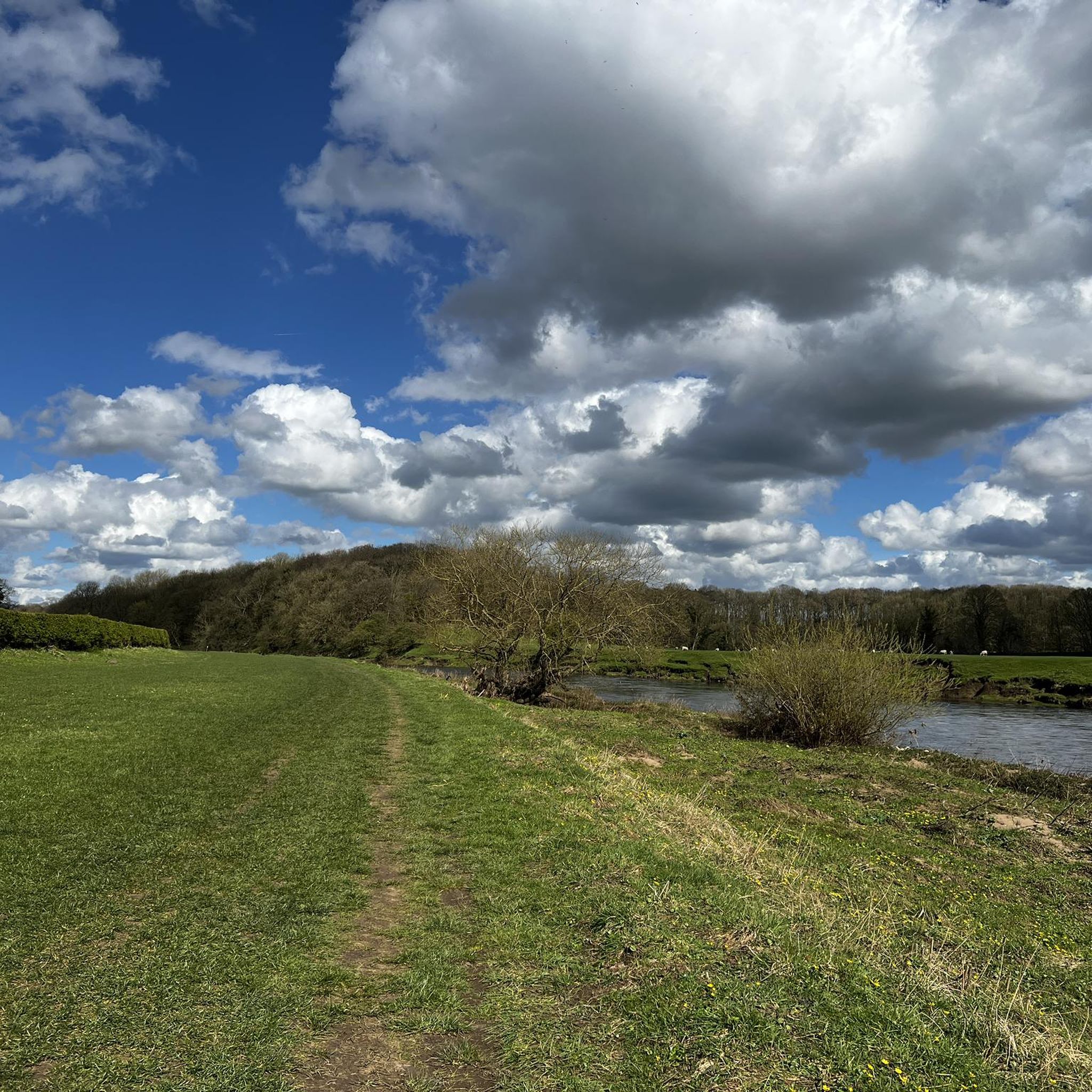
From the Car park, if you stay to the left along the path, you’ll be blessed with stunning views of Beacon Fell and Parlick Fell. As you carry along this path, you’ll see in the distance, the shadow of one of the three peaks, Pen-Y-Ghent. Come here on a clear day and especially at sunset 👌🏼
0
0

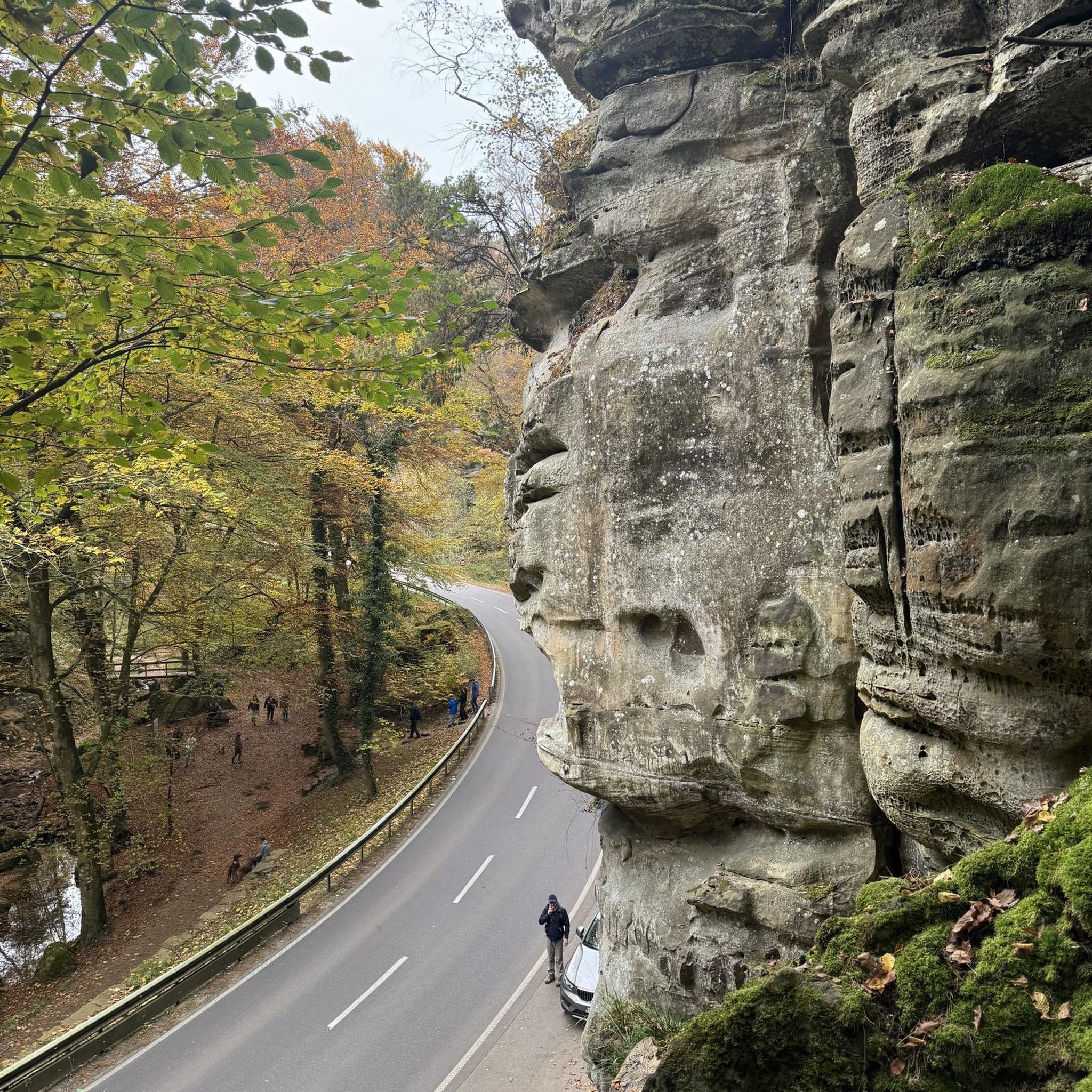
This oak tree was touched by J.R.R. Tolkien and more importantly, the tree touched J.R.R. Tolkien. Some say it may have inspired the Ents in The Lord of the Rings
0
0

I grew up running around here, the front side with the steps is great for training.
0
0

Amazing place enjoyed the scenery but climbs was a little tough
1
0
The Forest of Bowland National Landscape covers 312 square miles of rural Lancashire and adjacent Yorkshire. From Hurst Green in the south to Wennington in the North, the Forest of Bowland is dotted with charming stone villages, some of which date as far back as pre-historic times. It took me breath away when I saw the views here
3
0
Frequently Asked Questions
What are the most significant natural monuments to visit around Utqiaġvik (Barrow)?
Utqiaġvik offers several unique natural monuments. You can visit Point Barrow (Nuvuk), the northernmost point of the U.S. mainland, where the Chukchi Sea meets the Beaufort Sea. The Arctic Ocean Coastline and Barrow Beach are also significant, offering a chance to experience the frigid waters and see the iconic Whale Bone Arch. The vast Arctic Tundra surrounding the town is a natural monument in itself, teeming with unique wildlife.
What kind of wildlife can I expect to see at the natural monuments in Utqiaġvik?
The natural monuments around Utqiaġvik are excellent for wildlife viewing. The Arctic Tundra and coastline are home to a variety of seabirds, including glaucous, Sabine, and ivory gulls, black guillemots, shearwaters, and murres. You might also spot snowy owls, caribou, and foxes. Marine mammals like ringed and bearded seals, walruses, and bowhead and beluga whales migrate through the sea, and there's a chance to see polar bears, especially in the fall and spring.
Are there any historical or cultural sites intertwined with the natural monuments?
Yes, the Birnirk Archaeological Site is a significant natural monument deeply connected to Iñupiat history. It consists of mounds formed by centuries of human habitation, showcasing how ancient Iñupiat cultures adapted to and utilized the Arctic landscape. Point Barrow (Nuvuk) also holds historical significance, with archaeological evidence of Iñupiat habitation for nearly a thousand years due to its location along the bowhead whale migration route.
What is the best time of year to visit Utqiaġvik's natural monuments?
The best time to visit depends on what you want to experience. From May to early August, Utqiaġvik experiences 24-hour daylight, offering extended hours for exploration. This period is excellent for birdwatching and experiencing the 'top of the world' feeling. Wildlife viewing, particularly for polar bears, can be good in the fall and spring. From November to January, the region experiences 24-hour darkness, which offers a different, stark Arctic experience.
Are there any family-friendly natural monuments or activities in Utqiaġvik?
While the Arctic environment can be challenging, families can enjoy walks along the Arctic Ocean Coastline and Barrow Beach, observing the unique landscape and potentially spotting marine life from a distance. Wildlife viewing in the surrounding Arctic Tundra from accessible roads can also be a fascinating experience for all ages. Always prioritize safety and local guidance when exploring with family.
What unique geographical features define the natural monuments in Utqiaġvik?
The natural monuments are defined by extreme Arctic geography. Point Barrow (Nuvuk) is a gravel headland extending into the Arctic Ocean, marking the confluence of the Chukchi and Beaufort Seas. The entire region is characterized by vast Arctic Tundra underlain by thick permafrost, creating a unique ecosystem. The coastline itself, with its ice boulders and dark sands, offers distinctive natural beauty.
Can I visit Point Barrow independently, or do I need a tour?
It is strongly advised to visit Point Barrow (Nuvuk) with a tour. The last few miles to the point require a permit and can be unsafe for independent exploration due to challenging terrain and potential wildlife encounters. A guided tour ensures safety and provides valuable insights into the area's significance.
What outdoor activities can I do near the natural monuments around Utqiaġvik?
While specific trails directly at the monuments might be limited due to the unique Arctic environment, you can explore the broader region. For hiking, consider routes like the easy hikes around Barrow or more general hiking around Barrow. Cycling is also an option, with road cycling routes around Barrow available for those looking to explore the flat tundra landscape.
What should I wear when visiting natural monuments in Utqiaġvik?
Given the Arctic climate, dressing in layers is crucial. Even in summer, temperatures can be cool, and winds can be strong. Waterproof and windproof outer layers, warm base layers, insulated hats, gloves, and sturdy, waterproof footwear are essential for comfort and safety when exploring the natural monuments.
What makes the Arctic Ocean Coastline and Barrow Beach a unique natural monument?
The Arctic Ocean Coastline and Barrow Beach offer a truly unique experience. Visitors can literally dip a toe into the frigid Arctic waters, a distinctive 'bucket list' activity. The beach near the Whale Bone Arch provides an iconic view and symbolizes the area's traditional whaling history. Depending on the season, you might encounter dramatic ice boulders or dark sands, creating a moody and beautiful landscape unlike any other.
How do the natural phenomena of Utqiaġvik contribute to its unique character?
The distinct natural phenomena of Utqiaġvik significantly shape its character. The 24-hour daylight from May to early August allows for extended exploration and unique photographic opportunities. Conversely, the 24-hour darkness from November to January creates a stark, otherworldly atmosphere, offering a profound sense of the Arctic's extreme conditions. These cycles profoundly influence the local ecosystem and human experience.
Most popular routes around Barrow
Most popular attractions around Barrow

Get inspired with the komoot mobile app


Explore more
Extend your search for the best caves by checking out these guides of the top ones around Barrow:
