Top 7 Natural Monuments around Whittington
Best natural monuments around Whittington include diverse geological formations, rich biodiversity, and opportunities for outdoor recreation. The region, encompassing areas like Shropshire and the Wales border, features significant natural areas. These sites offer insights into industrial heritage alongside natural recovery and provide varied landscapes for exploration. Visitors can experience ancient woodlands, unique peatland habitats, and panoramic viewpoints.
Best natural monuments around Whittington
- The most popular natural monuments is Llanymynech Rocks Nature Reserve, a natural monument that is situated at…
Last updated: June 17, 2026
Chirk Castle
Highlight • Castle
Tip by

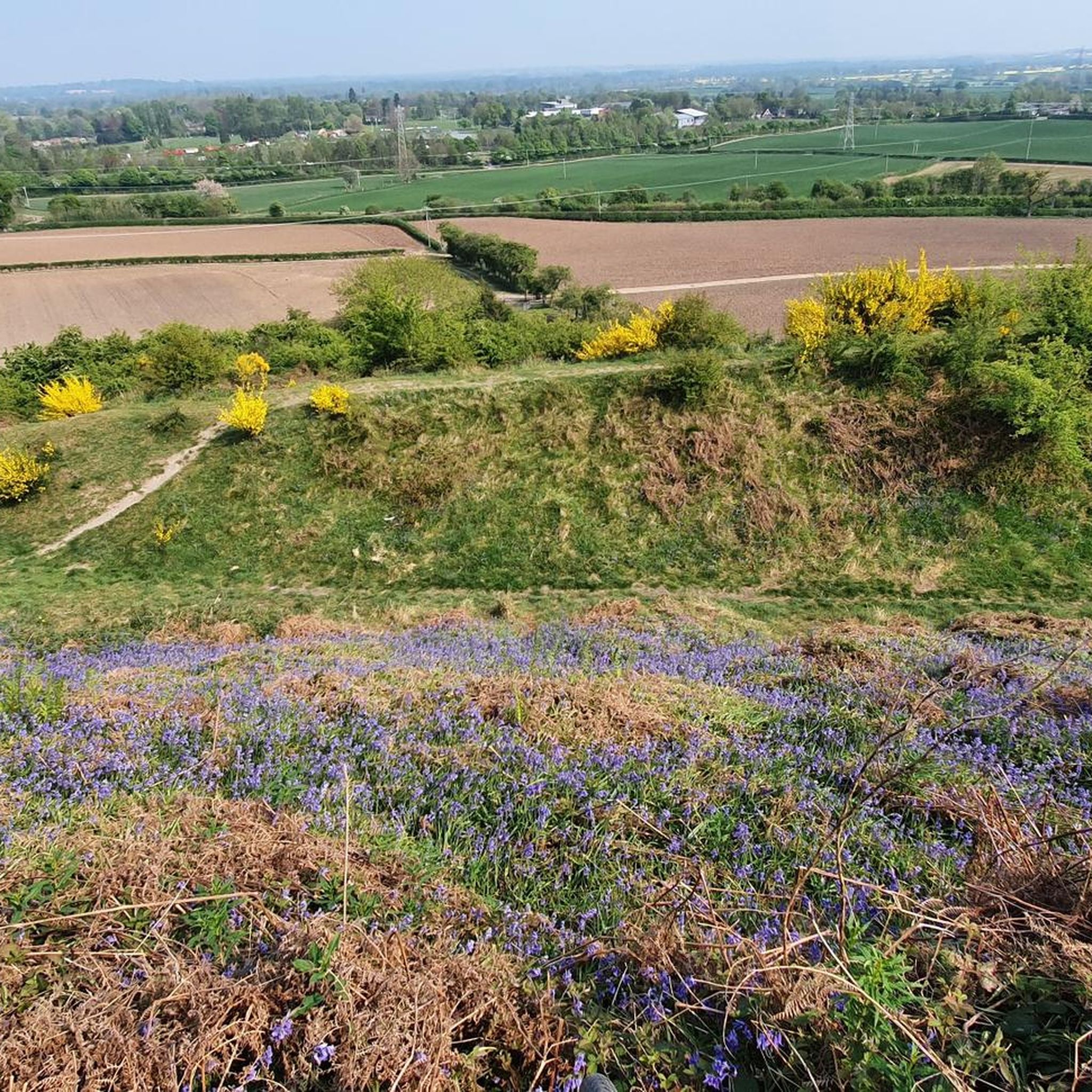
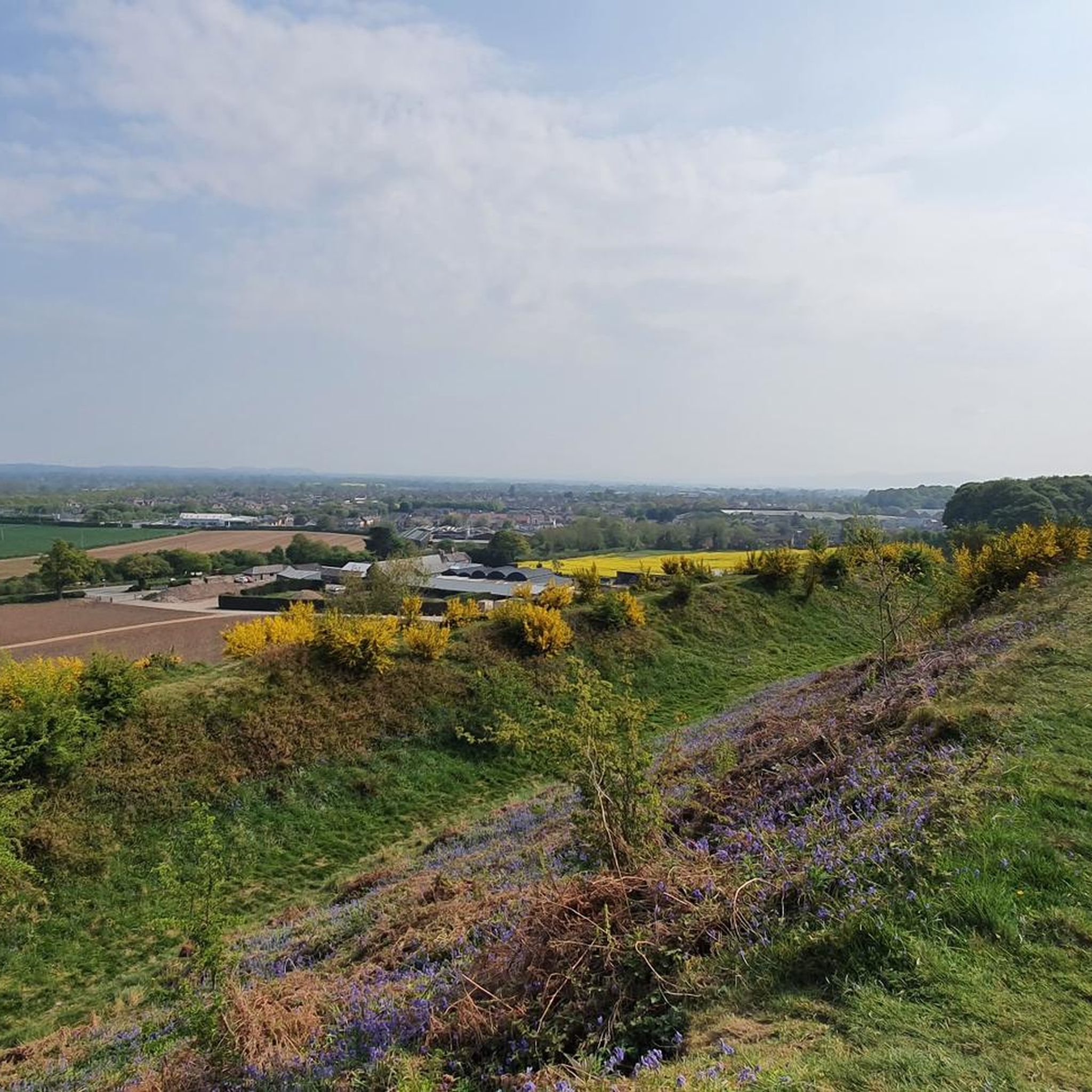
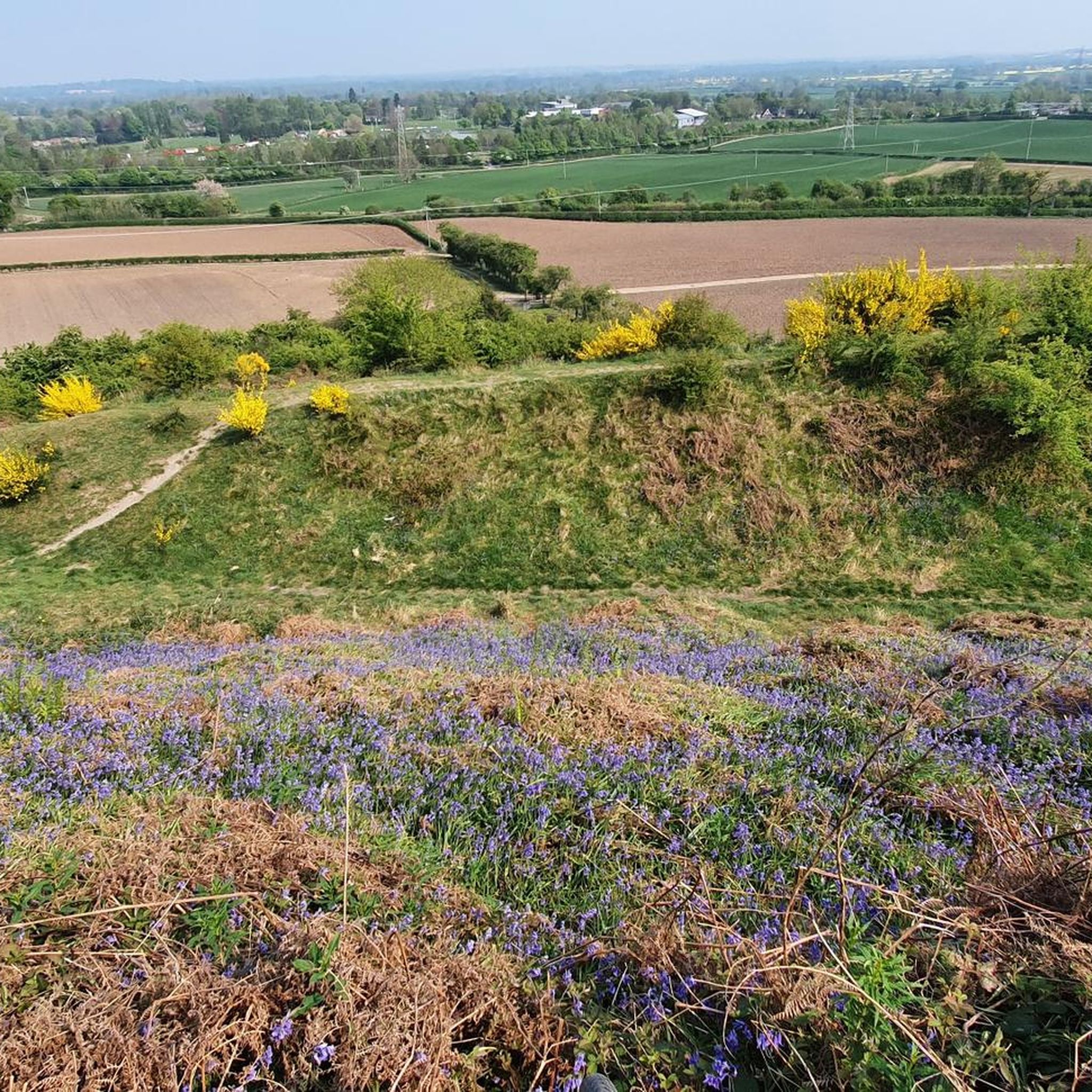
Llanymynech Rocks Nature Reserve
Highlight • Natural Monument
Tip by
Sign up now to discover places like this
Get recommendations on the best single tracks, peaks, & plenty of other exciting outdoor places.
Sign up for free
Nesscliffe Hillfort
Highlight • Historical Site
Tip by

Old Oswestry Hill Fort
Highlight • Viewpoint
Tip by

The Fallen Giant Bench
Highlight • Natural Monument
Tip by

Sign up for free to discover even more natural monuments around Whittington.
Sign up for free
Already have an account?
Start today with a free account
Your next adventure awaits.
Login or Signup
Tips from the Community

The castle was built in 1295 by Roger Mortimer de Chirk, uncle of Roger Mortimer, 1st Earl of March as part of King Edward I's chain of fortresses across the north of Wales, guarding the entrance to the Ceiriog Valley. It was the administrative centre for the Marcher Lordship of Chirkland. The castle was bought by Sir Thomas Myddelton in 1593 for £5,000 (approx. £18 million as of 2024). His son, Thomas Myddelton of Chirk Castle was a Parliamentarian during the English Civil War, but became a Royalist during the 'Cheshire rising' of 1659 led by George Booth, 1st Baron Delamer. Mullioned and transomed windows were inserted in the 16th and 17th centuries; the castle was partly demolished in the English Civil War and then rebuilt. Following the Restoration, his son became Sir Thomas Myddelton, 1st Baronet of Chirke. The castle passed down in the Myddelton family to Charlotte Myddelton (on the death of her father in 1796). Charlotte had married Robert Biddulph, who changed his name to Robert Myddelton-Biddulph, leaving the castle on his death to their son Robert. It then passed down in the Myddelton-Biddulph family.
5
0
Linear earthwork that runs 176 miles that runs along the border of England and Wales. It was named after King Offa the 8th century ruler of the Kingdom of Mercia. Beautiful spot for photo, very pieceful and a great walk.
0
1
The castle was built in 1295 by Roger Mortimer de Chirk, uncle of Roger Mortimer, 1st Earl of March as part of King Edward I's chain of fortresses across the north of Wales. It guards the entrance to the Ceiriog Valley. It was the administrative centre for the Marcher Lordship of Chirkland.
3
1

A great place to see an original part of the Offas Dyke path trench
1
0

WOW, what a place to visit. The Rock faces are impressive and really tall. When I was there, there were some rock climbers as well having fun!
0
0
The castle is an amazing place to visit, the grounds are really accessible and car parking is free.
5
0

You can of course take a day trip to the castle, but also take time to enjoy the garden of Chirk Castle during your leg of the Offa's Dyke path
1
0
Frequently Asked Questions
What kind of natural features can I expect to see around Whittington?
The Whittington area offers a diverse range of natural features. You can explore unique peatland habitats at Whixall Moss National Nature Reserve, ancient woodlands and lakes at Dick Whittington Park, and dramatic limestone outcrops at Llanymynech Rocks Nature Reserve. Many sites also feature extensive views, such as from Nesscliffe Hillfort and Llanymynech Hill.
Are there any family-friendly natural monuments in the Whittington area?
Yes, Chirk Castle is a great family-friendly option. Its extensive parkland, home to wild ponies and sheep, offers plenty of space to explore. Dick Whittington Park also provides family-friendly activities with its ancient woodlands, lakes for water sports, and conservation efforts focused on local wildlife.
What historical natural monuments can I visit near Whittington?
The region is rich in historical natural monuments. Old Oswestry Hill Fort is one of Britain's best-preserved Iron Age hill forts. Nesscliffe Hillfort combines natural beauty with historical significance, featuring Kynaston Cave. Additionally, Chirk Castle, a 14th-century fortress, is set within a natural estate that includes a well-preserved section of Offa’s Dyke.
What kind of wildlife can I spot at the natural monuments?
The natural monuments around Whittington are havens for wildlife. Llanymynech Rocks Nature Reserve is home to 416 species of plants, 33 species of butterflies, 46 different birds, and 92 species of fungi and lichens. Chirk Castle's estate is a Site of Special Scientific Interest for its rare invertebrates, bats, fungi, and wildflowers, alongside wild ponies and sheep. Whixall Moss National Nature Reserve also features unique peatland habitats and associated flora and fauna.
Are there hiking trails near the natural monuments around Whittington?
Yes, there are numerous hiking opportunities. For example, you can find routes that incorporate Old Oswestry Hill Fort, with options ranging from moderate to difficult. You can explore more hiking trails in the area by visiting the Hiking around Whittington guide.
What are the best times of year to visit the natural monuments?
Many natural monuments, like Llanymynech Rocks Nature Reserve, are great to explore at any time of year due to their diverse flora and fauna. Spring and summer offer vibrant plant life and active wildlife, while autumn provides stunning foliage. Winter can offer unique, crisp views, especially from elevated points like Llanymynech Hill, though conditions may vary.
Can I go cycling near the natural monuments?
Absolutely. The Whittington area offers various cycling routes that pass by or near natural monuments and scenic spots. You can find options for both road cycling and general touring. For detailed routes, check out the Road Cycling Routes around Whittington and Cycling around Whittington guides.
Are there any natural monuments with good viewpoints?
Yes, several natural monuments offer excellent panoramic views. From the summit of Nesscliffe Hillfort, you can enjoy extensive vistas across Shropshire and into Wales. Similarly, Llanymynech Hill provides wonderful views over Shropshire. Dick Whittington Park also features a hilltop viewing point with panoramic vistas of the surrounding environment.
What is the significance of Llanymynech Rocks Nature Reserve?
Llanymynech Rocks Nature Reserve is significant for its geological history and biodiversity. It's situated at the southern end of a Carboniferous limestone outcrop and was once a busy quarry. Nature has dramatically reclaimed the area, making it a rich habitat for numerous plant, butterfly, bird, fungi, and lichen species. It's also a popular spot for rock climbers.
Are there any natural monuments that are also Sites of Special Scientific Interest (SSSI)?
Yes, Chirk Castle's estate parkland is designated as a Site of Special Scientific Interest (SSSI). This designation is due to its importance for rare invertebrates, bats, fungi, and wildflowers, highlighting its ecological value.
What is Whixall Moss National Nature Reserve known for?
Whixall Moss National Nature Reserve, located in northern Shropshire, is known for its unique peatland habitats. It is a significant natural area that supports a diverse range of specialized flora and fauna adapted to this environment, making it a valuable site for nature observation and conservation.
What can I expect at Dick Whittington Park?
Dick Whittington Park, near Cheltenham, Gloucestershire, offers a blend of natural features. You can explore ancient woodlands, enjoy lakes suitable for fishing, wild swimming, and water sports, and admire Gloucestershire orchards. The park also has a hilltop viewing point and is dedicated to conservation efforts, including planting for bees and insects.
Most popular routes around Whittington
Most popular attractions around Whittington

Get inspired with the komoot mobile app


Explore more
Extend your search for the best caves by checking out these guides of the top ones around Whittington:
