Top 4 Natural Monuments around Worfield
Best natural monuments around Worfield offer a blend of scenic beauty, geological interest, and historical context within its landscape. The area features significant escarpments, ancient forests, and unique geological formations. These natural features provide opportunities for exploring the region's diverse terrain and natural heritage. Worfield's surroundings are characterized by their varied natural landmarks, making them suitable for outdoor exploration.
Best natural monuments around Worfield
- The most popular natural monuments is Abbots Castle Hill, a natural monument and viewpoint that…
Last updated: July 1, 2026
Abbots Castle Hill
Highlight • Natural Monument
Tip by

Dudmaston Big Pool
Highlight • Forest
Tip by

Sign up now to discover places like this
Get recommendations on the best single tracks, peaks, & plenty of other exciting outdoor places.
Sign up for free
Highley Sandstone Cutting
Highlight • Gorge
Tip by

Ancient Morfe Forest Oak
Highlight • Natural
The forest was perambulated in 1300 and the bounds were recorded. The forest was bounded by the River Severn on …
Tip by
The Royal Oak (Descendant of Charles II's Hiding Tree)
Highlight • Historical Site
Tip by

Start today with a free account
Your next adventure awaits.
Login or Signup
Tips from the Community

Added to the collection: komoot.com/de-de/collection/3600632/-naturdenkmaeler-besondere-baeume-und-weitere-schaetze-der-natur
0
0

Fine man-made lake, with an excellent view across to Dudmaston Hall. The path on the west side may be closed on Fridays and Saturdays, so best check.
0
0

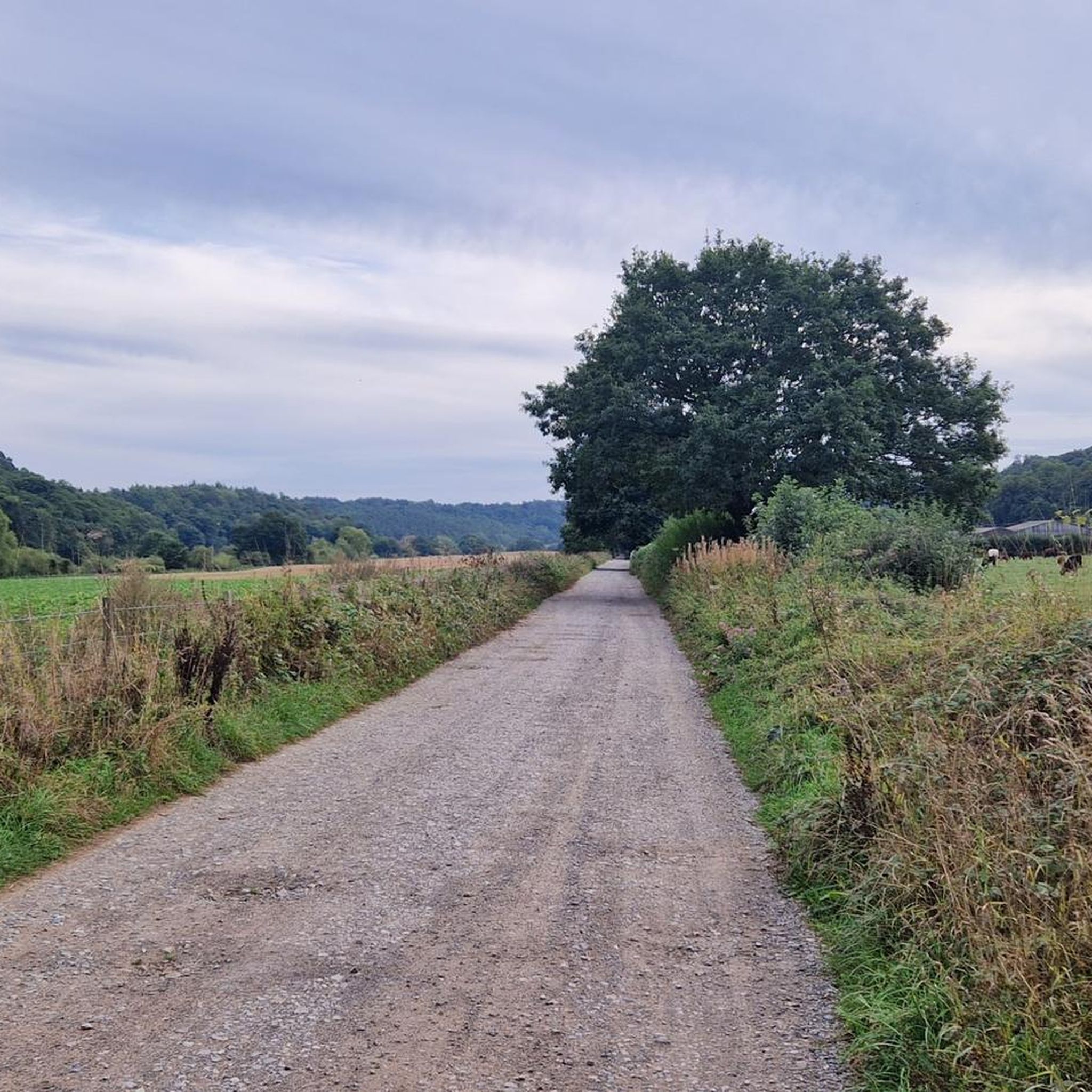
Beautiful, peaceful, wildlife-rich pond set in National Trust parkland at Dudmaston.
0
0

The cutting is through beds of Highley Sandstone. They were deposited in the river channels on swampy deltas 310 million years ago. Their characteristic grey-green tinge indicates deposition in oxygen-poor conditions of a humid swamp. This is in contrast to the red Alveley Sandstone, seen earlier, formed in the oxygen-rich environment of a semi-arid desert. The pronounced 'bedding planes' running almost horizontally across the rock face, represent breaks in deposition. 'Cross-bedded' or 'current-bedded' layers are inclined at angles to each other. This cross cutting relationship is a result of changing directions in the river current that deposited the sediments, in the same way as changes in wind direction caused the dune-bedding seen in the Bridgnorth Sandstone
0
0
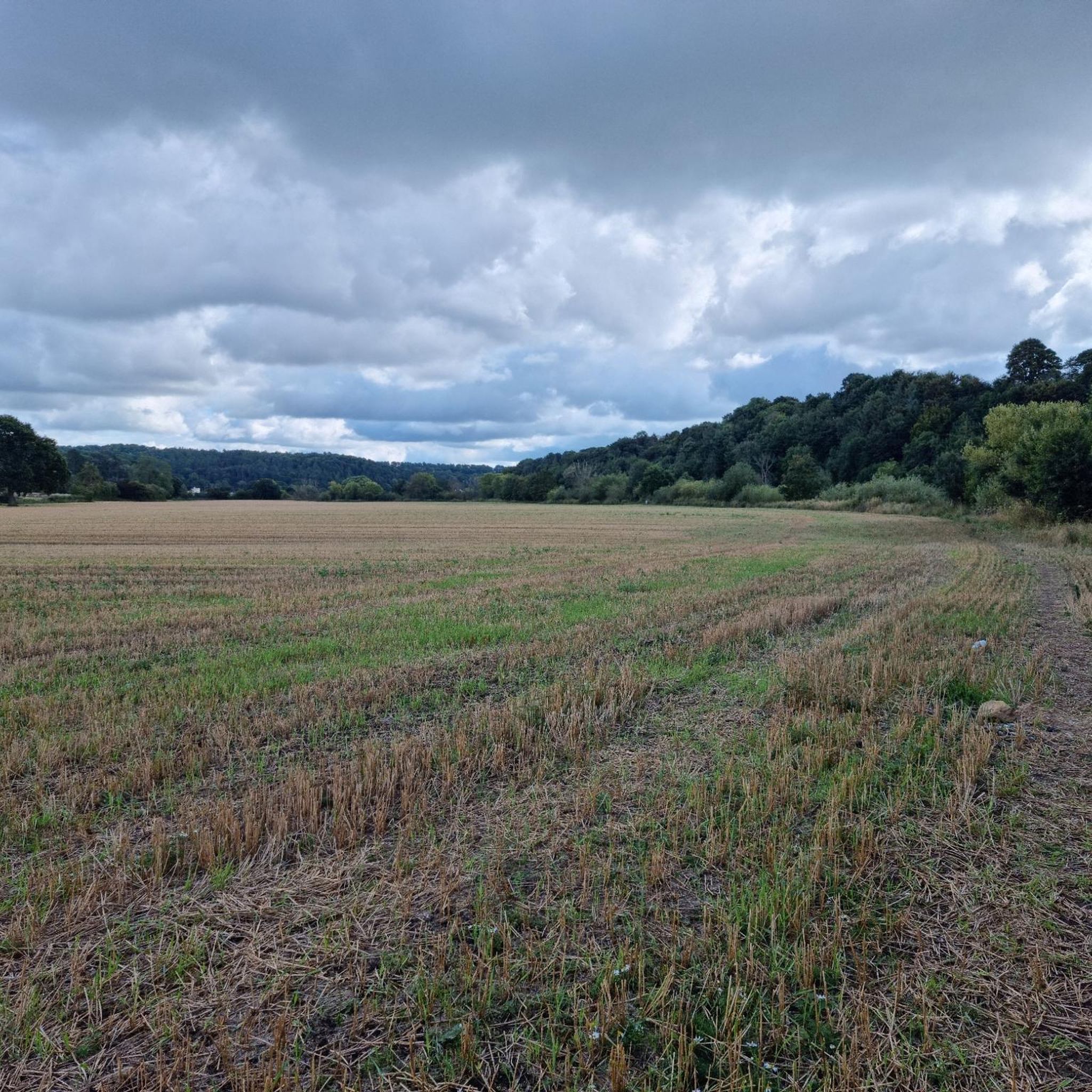
Morfe Forest was a medieval royal forest in east Shropshire. The forest was perambulated in 1300 and the bounds were recorded. The forest was bounded by the River Severn on the west, by the River Worfe on the north and stretched east to Abbots Castle Hill and south into Kings Nordley. At its core was a wood stretching from Bridgnorth to Six Ashes (near Enville) and Claverley. By the 17th century, the wood had become a heath, which was enclosed in 1805. The forest takes its name from the manor of Morfe (in Enville) which was however not part of the forest.
0
0

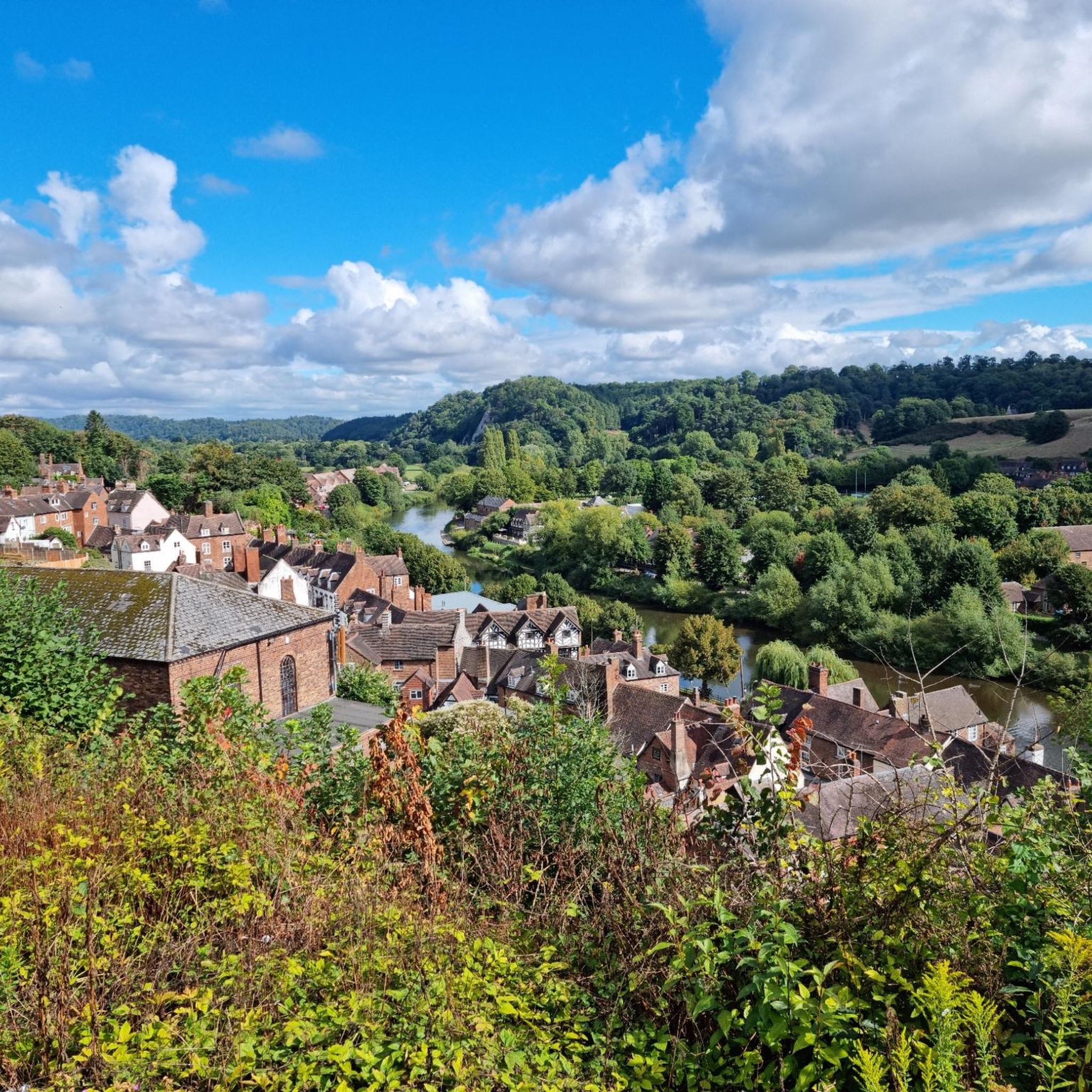
Abbots Castle Hill is a notable escarpment that forms part of the county boundary between Staffordshire and Shropshire. It rises to over 400 feet (120 m) and is around 2 miles (3 km) long, running diagonally from north west to south east. The scarp drops steeply on the Shropshire side, giving it fantastic views to the west. The Shropshire Hills look splendid, with Titterstone Clee Hill, Brown Clee Hill and Wenlock Edge particularly prominent.
0
0

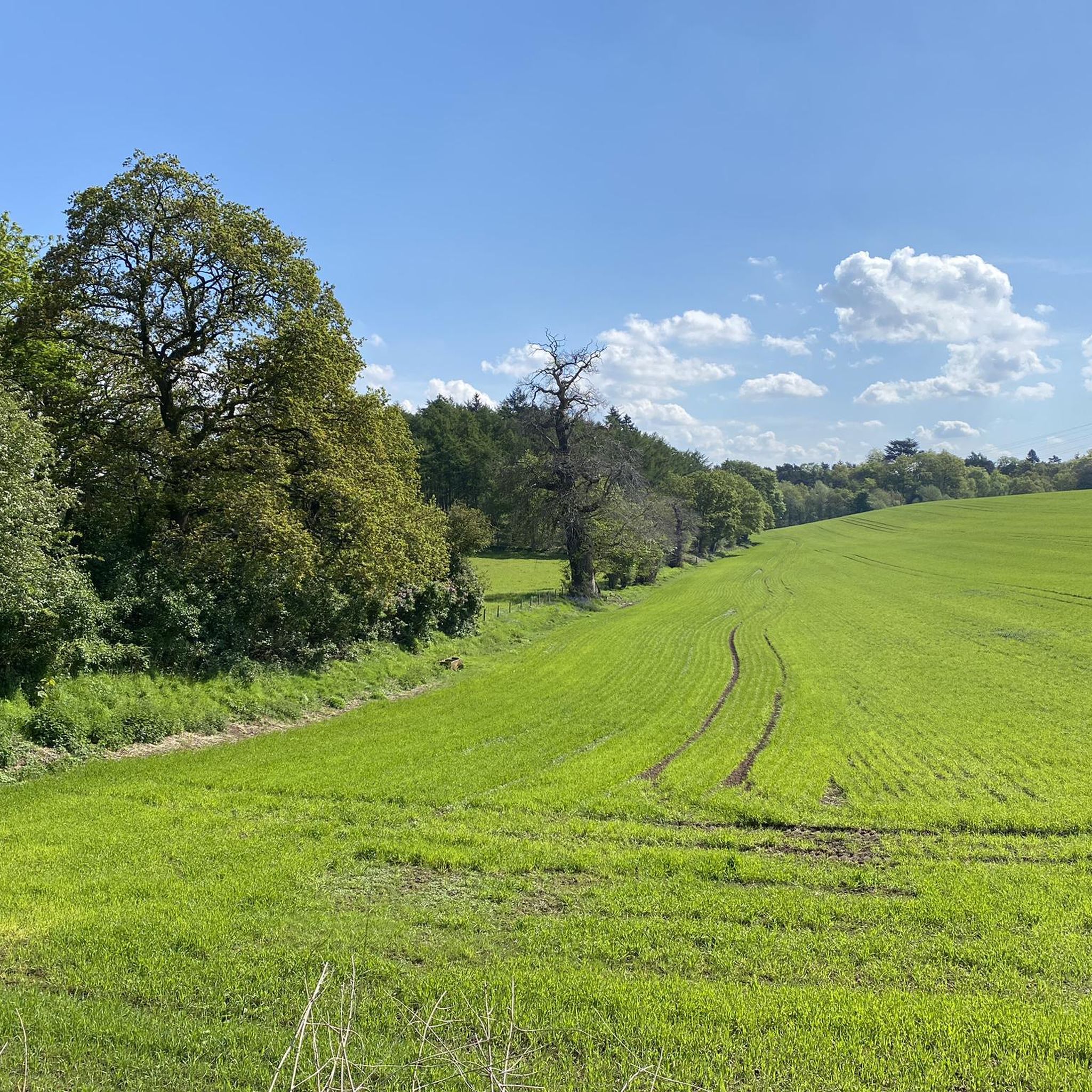
After his crushing defeat in the Battle of Worcester in 1651, King Charles II fled for his life. Charles set out to cross the River Severn into Wales, but was blocked by Cromwell's army. He hid in an oak tree before taking refuge in Boscobel House. The oak you see today is a descendant of the tree that Charles hid in. Next to it is a tree grown from an acorn of the oak, which was planted by the Prince of Wales in 2001 to celebrate the 350th anniversary of Charles II's visit.
2
0
Frequently Asked Questions
What are some of the most notable natural monuments to visit around Worfield?
The Worfield area boasts several impressive natural monuments. You can explore the panoramic views from Abbots Castle Hill, discover the serene beauty and wildlife at Dudmaston Big Pool, or delve into the geological and industrial history of the Highley Sandstone Cutting. Don't miss the historical significance of the Ancient Morfe Forest Oak, representing the remnants of a medieval royal forest.
Are there any natural monuments with historical significance in the region?
Yes, several natural monuments around Worfield are steeped in history. The Highley Sandstone Cutting, for instance, reveals marks from medieval quarrymen and even bullet marks from the Home Guard. The Ancient Morfe Forest Oak stands as a living link to the medieval royal Morfe Forest. Additionally, you can visit The Royal Oak, a descendant of the tree where King Charles II famously hid.
What kind of views can I expect from these natural monuments?
For spectacular westward views, Abbots Castle Hill offers panoramic vistas of the Shropshire Hills, including Titterstone Clee Hill, Brown Clee Hill, and Wenlock Edge. Dudmaston Big Pool provides serene views across the water towards Dudmaston Hall, set within extensive National Trust parkland.
Are there family-friendly natural monuments around Worfield?
Absolutely! Dudmaston Big Pool, located within the Dudmaston Estate, is a great option for families, offering peaceful walks and wildlife spotting opportunities. The wider estate has gardens and woodlands suitable for all ages. The Royal Oak also offers an interesting historical context that can engage younger visitors.
What geological features can I explore near Worfield?
The Highley Sandstone Cutting is a prime example, featuring impressive 50-foot high rock faces formed approximately 300 million years ago during the Carboniferous period. You can observe pronounced bedding planes and cross-bedded layers, showcasing ancient river currents. Abbots Castle Hill itself is a significant geological escarpment, delineating a county line with its steep drop and offering insights into the region's formation.
What outdoor activities can I do near these natural monuments?
The area around Worfield's natural monuments is excellent for various outdoor activities. You can find numerous running trails, cycling routes, and family-friendly hikes. Many routes pass through or near these natural features, allowing you to combine sightseeing with your chosen activity.
Are there specific walking routes that include these natural monuments?
While specific routes directly encompassing all monuments vary, many local walking paths allow you to explore individual sites. For example, the Dudmaston Estate, home to Dudmaston Big Pool, offers several walking routes through its woodlands and around the lake. You can find various hiking guides for the Worfield area that will lead you to these natural highlights.
What is the best time of year to visit the natural monuments around Worfield?
The natural monuments around Worfield can be enjoyed year-round. Spring brings fresh greenery and blooming flora, while summer offers longer daylight hours for exploration. Autumn showcases vibrant foliage, especially around forested areas like the former Morfe Forest. Winter provides a different, often quieter, perspective, though some paths might be muddy. Always check local conditions before your visit.
Can I bring my dog to these natural monuments?
Many outdoor areas around Worfield are dog-friendly, especially for walks. For specific natural monuments like Dudmaston Big Pool within the National Trust estate, it's advisable to check their specific dog policies, as some areas might require dogs to be on a lead or have restricted access to protect wildlife. Always ensure your dog is under control and clean up after them.
Where can I spot wildlife around Worfield's natural monuments?
Dudmaston Big Pool is particularly rich in wildlife, especially birds and aquatic species, making it popular for fishing and birdwatching. The remnants of the Ancient Morfe Forest Oak and surrounding woodlands are crucial for biodiversity, supporting numerous species of insects, fungi, and birds. Keep an eye out for local fauna during your walks.
Where can I find places to eat or drink near the natural monuments?
While the natural monuments themselves are often in rural settings, you'll find pubs and cafes in nearby villages and towns like Worfield or Bridgnorth. It's a good idea to plan your visit and check for local establishments beforehand, especially if you're looking for a meal or refreshment after your exploration.
Most popular routes around Worfield
Most popular attractions around Worfield

Get inspired with the komoot mobile app


Explore more
Extend your search for the best caves by checking out these guides of the top ones around Worfield:
