Top 12 Natural Monuments around Lesbury
Best natural monuments around Lesbury are found within a landscape characterized by diverse natural features. The area encompasses coastal formations, river valleys, and protected wildlife habitats. Geological elements such as limestone escarpments and distinctive rock formations are prominent. This region provides varied natural environments for exploration.
Best natural monuments around Lesbury
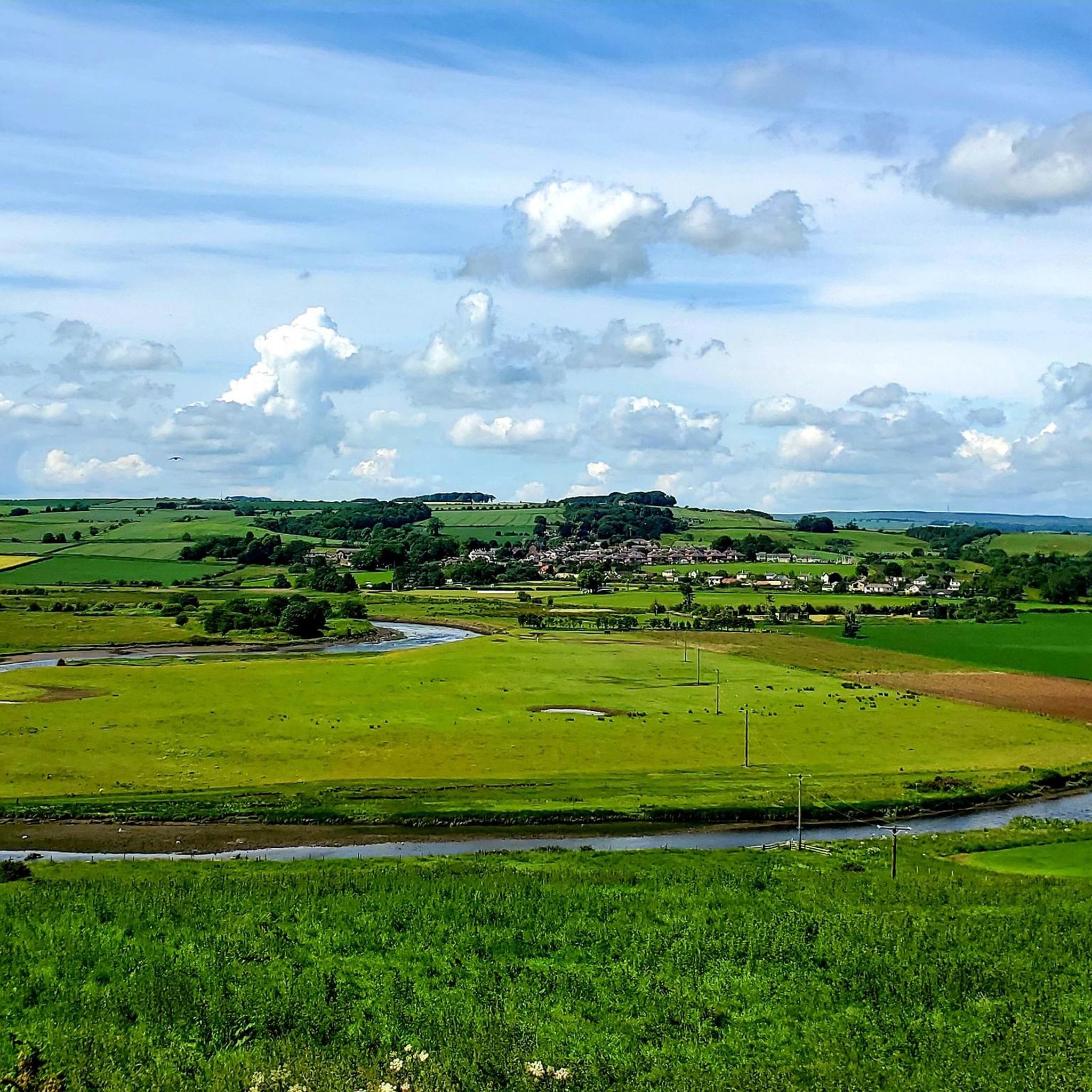
- The most popular natural monuments is Long Heugh Limestone Escarpment, a natural monument that features towering rock faces and impressive cliffs surrounded by green countryside. Sheep graze in…
Last updated: July 1, 2026
Long Heugh Limestone Escarpment
Highlight • Natural Monument
Tip by

Greymare Rock
Highlight • Natural Monument
Comprised of a series of limestone beds extending into the …
Tip by

Sign up now to discover places like this
Get recommendations on the best single tracks, peaks, & plenty of other exciting outdoor places.
Sign up for free
Howick Haven Rock Formations
Highlight • Viewpoint
Tip by
Hauxley Nature Reserve
Highlight • Natural Monument
This picturesque sanctuary attracts a diverse range of birds, including tree sparrows and …
Tip by
Howick Hall Gardens & Arboretum
Highlight • Historical Site
Tip by
Sign up for free to discover even more natural monuments around Lesbury.
Sign up for free
Already have an account?
Start today with a free account
Your next adventure awaits.
Login or Signup
Other adventures around Lesbury

Tips from the Community

Howick Hall, a Grade II listed building in the village of Howick, Northumberland, England, is the ancestral seat of the Earls Grey. It was the home of the Prime Minister Charles, 2nd Earl Grey (1764–1845), after whom Earl Grey tea is named. Howick Hall is the location of the Howick Hall Gardens & Arboretum
0
0

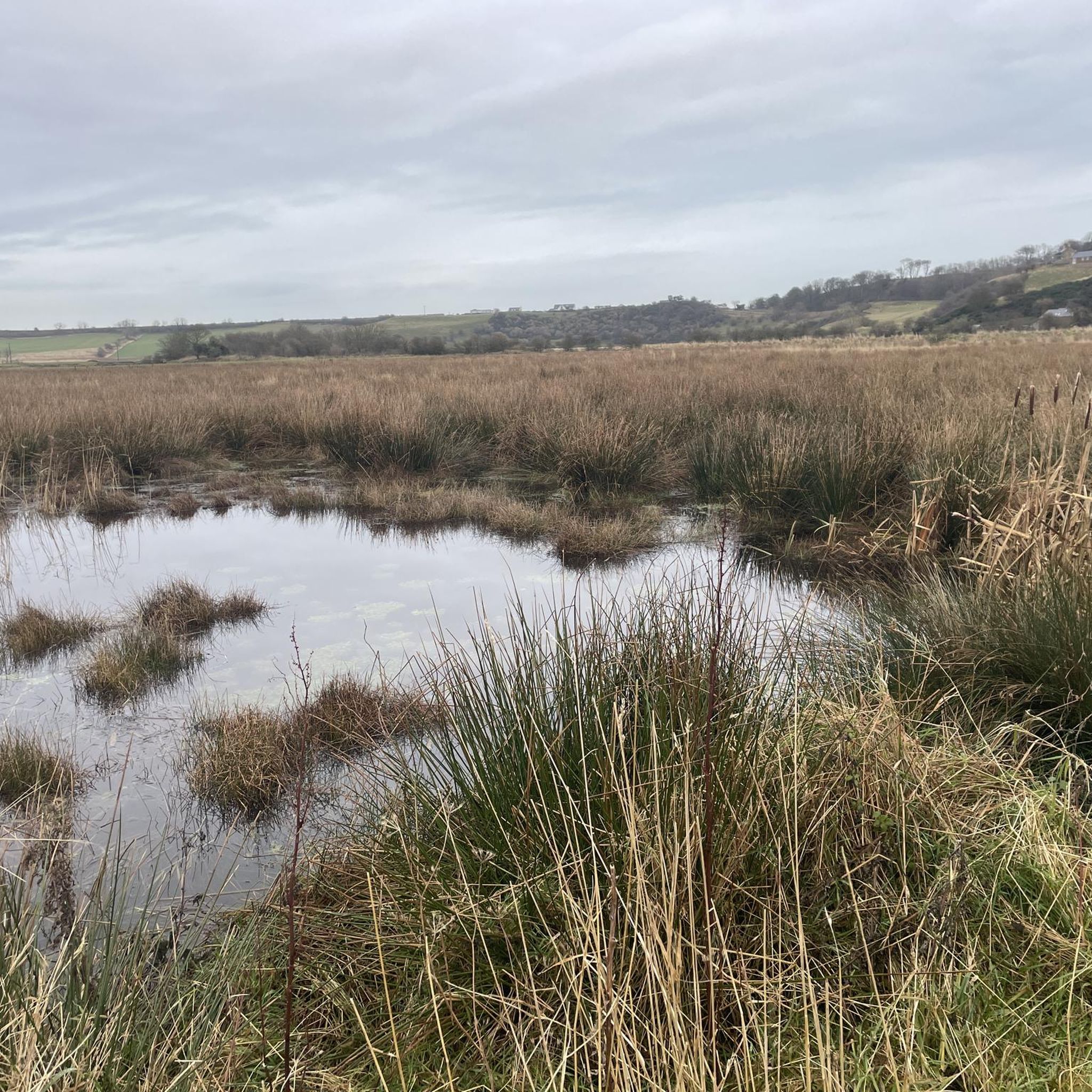
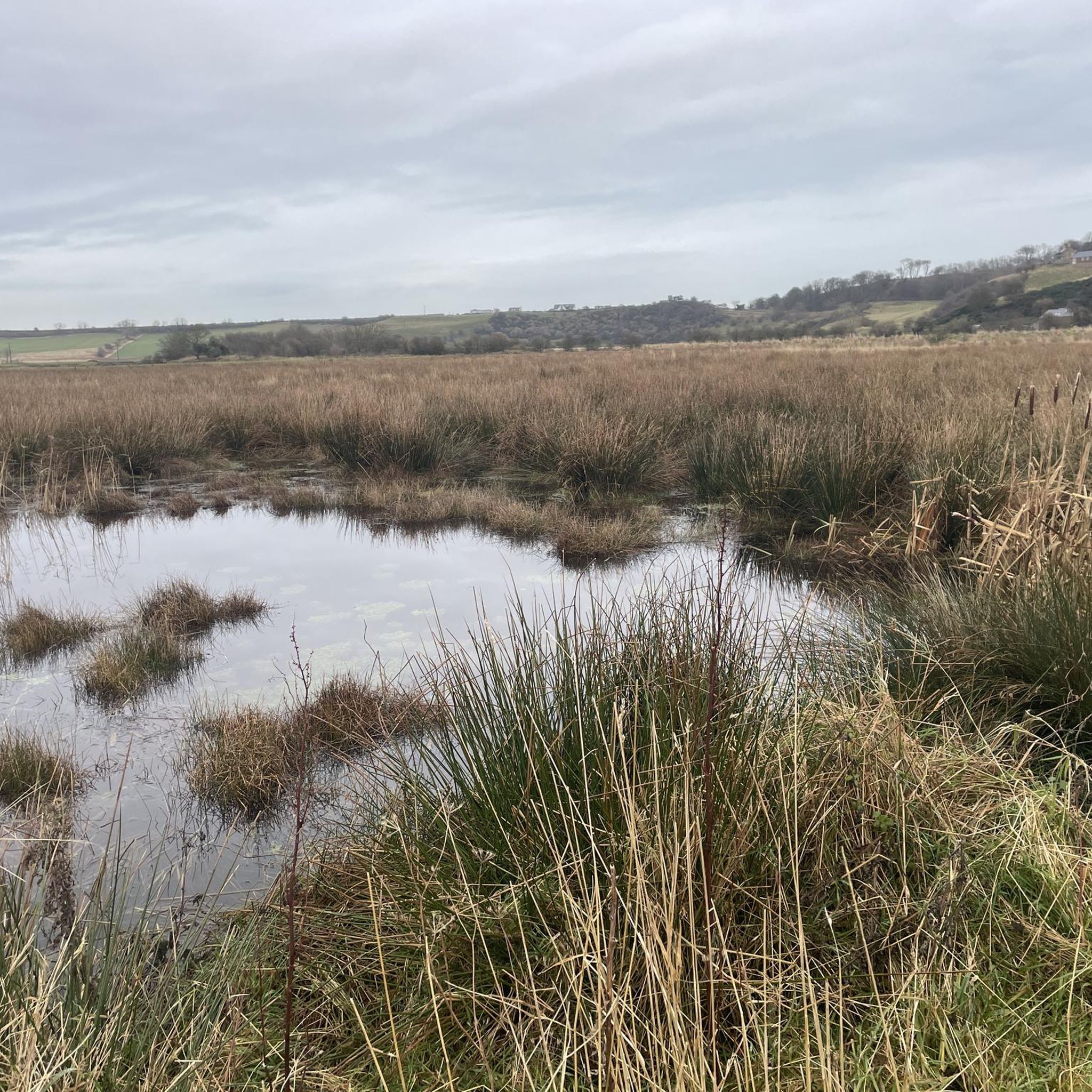
A paradise for terns. Also herons, barn owls, black-headed gulls, ...
0
0

even on a windy late March day theres dozens of species on the lake.
0
0

The rocks on the North side of the haven reveal distinct layers of pale and black rock, formed in calm estuarine conditions. The black rock, made of shale or mudstone, settled in slow-moving water, while the paler rock, composed of fine-grained sandstone or siltstone, formed in slightly faster currents. Keep an eye out for remnants of a marine sandbank and a thin coal seam, offering glimpses into the area's past. As you continue, notice the tabular crossbedding in the sandstone, resembling patterns formed by flowing water around obstacles. These layers showcase the dynamic forces that have shaped this remarkable landscape. On the South side, a similar sequence can be observed, sans the coal. The sandstones, with their warm yellow to brown colors, owe their hues to ferric hydroxide, adding a touch of vibrancy to the scenery. Pay attention to the subtle differences in the rock layers' orientation. The varying strikes—around 50 degrees on the North side and 30 degrees on the South side—hint at a fault's presence, influencing the land and guiding the path of the Howick burn.
1
0
Discover Howick Hall Gardens & Arboretum, the historic residence of the Earls Grey since 1319. Learn about the fascinating life of the 2nd Earl, the inspiration behind the famous Earl Grey Tea. Explore the stunning gardens created by the 5th Earl Grey and his family, or venture into the expansive arboretum spanning 65 acres, showcasing a diverse collection of shrubs and trees from around the world. When you need a break, visit the Earl Grey Tea House for a delicious meal and a cup of Earl Grey Tea.
1
0

Strange formation of rock that looks bent and man made but it is natural
1
0
Hauxley nature reserve has undergone a remarkable transformation, with the addition of the eco-friendly Wildlife Discovery Centre. This picturesque sanctuary attracts a diverse range of birds, including tree sparrows and coots. The reserve boasts stunning flowers like viper's bugloss and northern marsh orchids, attracting butterflies and dragonflies. Originally a coal mine, Hauxley was transformed by the Northumberland Wildlife Trust. Visitors can enjoy a circular walk, hides for bird watching, a wildlife sightings board, and a rubbing disc trail. The Lookout Café offers delicious refreshments with panoramic views. With volunteering opportunities and educational workshops, Hauxley nature reserve offers an immersive nature experience.
0
0
Just north of Dunstanburgh Castle, you'll find Greymare or Saddle Rock, a fascinating geological feature situated in a rocky bay. Comprised of a series of limestone beds extending into the sea amidst dolerite boulders, the rock's upper surface showcases a polished appearance due to wave action. This unique formation boasts a twisted, wave-like shape resulting from the heat and pressure generated during the creation of the nearby Whin Sill. Approximately 300 million years ago, a significant geological event occurred here, known as a Sill, where a horizontal sheet of magma, resembling a volcano's sideways flow, forcefully infiltrated between existing layers of rock strata. As you gaze upon the exposed rock, shaped like a wave, you may envision the grey mares or white horses described in folk tales, believed to gallop alongside breaking ocean waves or accompany the ancient pagan gods of the sea.
1
0
Frequently Asked Questions
What are some of the most popular natural monuments to visit around Lesbury?
Visitors frequently enjoy the dramatic landscapes of Long Heugh Limestone Escarpment, known for its towering rock faces and impressive cliffs. Another favorite is Greymare Rock, a unique geological formation in a rocky bay, showcasing twisted, wave-like shapes formed by ancient geological processes. Hauxley Nature Reserve is also highly appreciated for its diverse birdlife and eco-friendly facilities.
Are there any family-friendly natural monuments near Lesbury?
Yes, Hauxley Nature Reserve is an excellent choice for families. It features an eco-friendly Wildlife Discovery Centre, hides for birdwatching, and a circular walk, making it engaging for all ages. Additionally, Howick Hall Gardens & Arboretum offers beautiful gardens and expansive arboretum grounds that families can explore.
What kind of unique geological features can I explore in the Lesbury area?
The region is rich in geological wonders. You can witness the striking twisted, wave-like formations of Greymare Rock, which resulted from heat and pressure during the creation of the nearby Whin Sill. The Long Heugh Limestone Escarpment offers towering rock faces and cliffs. Further along the coast, Howick Haven Rock Formations display distinct layers of pale and black rock, revealing ancient estuarine conditions and even remnants of a coal seam.
Where can I go for birdwatching or wildlife spotting near Lesbury?
For exceptional birdwatching, Hauxley Nature Reserve is a vital spot, attracting a diverse range of birds like tree sparrows, coots, and various terns. The Northumberland Coast Area of Outstanding Natural Beauty (AONB) is also renowned for its rich wildlife, especially seabirds nesting on offshore islands and cliffs. For an unparalleled wildlife spectacle, consider a boat trip to the Farne Islands from Seahouses, where you can observe thousands of seabirds, including puffins, and a large colony of grey seals.
Are there any good hiking trails near the natural monuments around Lesbury?
Yes, the area offers several hiking opportunities. You can find easy hikes around Lesbury, including coastal and river loops, which are perfect for exploring the natural beauty of the region. For more details and specific routes, you can check out the Easy hikes around Lesbury guide.
What outdoor activities are available besides hiking near these natural monuments?
Beyond hiking, the Lesbury area provides excellent options for cycling and mountain biking. You can explore various routes that take you through scenic landscapes and along the coast. For detailed routes and guides, refer to the Cycling around Lesbury guide and the MTB Trails around Lesbury guide.
What is the best time of year to visit the natural monuments around Lesbury?
The Northumberland Coast, including the natural monuments near Lesbury, offers beauty year-round. Spring and summer (May to July) are ideal for birdwatching, especially for nesting seabirds like Arctic terns at Embleton Bay and the Farne Islands. The weather is generally milder for outdoor activities. Autumn brings spectacular colors to the landscapes and is when grey seals pup on the Farne Islands. Winter can be dramatic and peaceful, with opportunities for stargazing in the dark skies of the AONB.
Can I find historical sites combined with natural beauty in this area?
Absolutely. While primarily a natural monument, Howick Hall Gardens & Arboretum is the historic residence of the Earls Grey, offering a blend of cultivated natural beauty and rich history. Additionally, the iconic ruins of Dunstanburgh Castle stand dramatically on a black cliff promontory at the southern end of Embleton Bay, providing a stunning historical backdrop to a pristine natural beach.
Are there any coastal natural monuments with beaches near Lesbury?
Yes, the Northumberland Coast is famous for its stunning beaches. While not listed as a highlight in the guide, Embleton Bay, just a short distance from Lesbury, is celebrated as one of Northumberland's most beautiful beaches, featuring golden sand, rock pools, and dunes. Howick Haven Rock Formations are also located on a beach, offering unique geological insights right by the sea.
What do visitors particularly enjoy about the natural monuments in this region?
Visitors often highlight the unique geological formations, such as the twisted shapes of Greymare Rock and the distinct layers at Howick Haven Rock Formations. The impressive cliffs and green countryside of Long Heugh Limestone Escarpment are also frequently praised. Many also appreciate the rich birdlife and peaceful atmosphere at Hauxley Nature Reserve, especially the eco-friendly facilities and the Lookout Café with panoramic views.
Is the Northumberland Coast Area of Outstanding Natural Beauty accessible from Lesbury?
Yes, Lesbury is ideally situated to explore the Northumberland Coast Area of Outstanding Natural Beauty (AONB). Many of the natural monuments mentioned, such as Embleton Bay and the coastal sections near Howick, are integral parts of this expansive protected landscape. The AONB stretches for 40 miles and offers numerous access points for walking, cycling, and enjoying its diverse landscapes.
Most popular routes around Lesbury
Most popular attractions around Lesbury

Get inspired with the komoot mobile app


Explore more
Extend your search for the best caves by checking out these guides of the top ones around Lesbury:
