Top 6 Natural Monuments around Holy Island
Best natural monuments around Holy Island encompass the diverse coastal habitats of the Lindisfarne National Nature Reserve. This internationally important area features intertidal mudflats, rocky shores, sand dunes, and saltmarsh. These environments provide critical food and shelter for specialist plants and migrating animals throughout the year. The island offers unique opportunities for wildlife observation, geological interest, and a deep connection with nature.
Best natural monuments around Holy Island
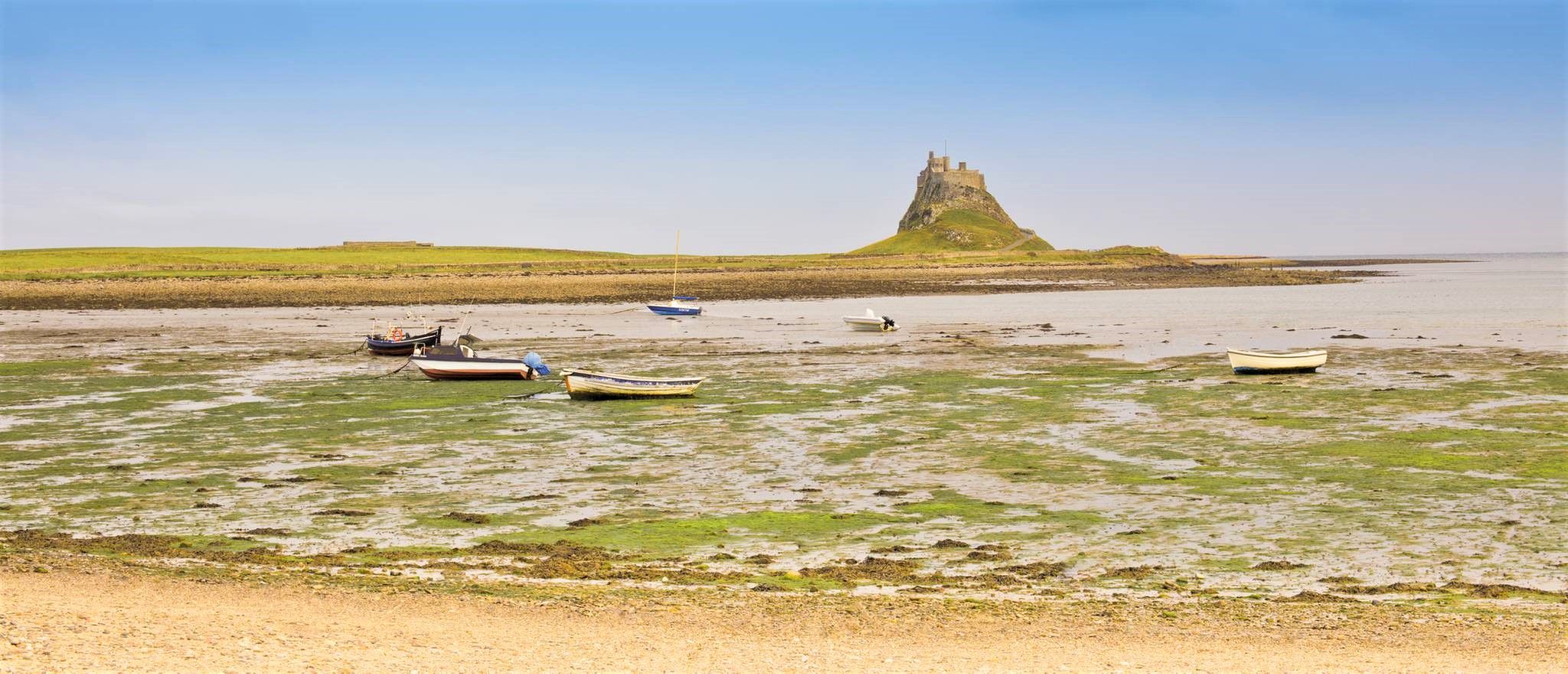
- The most popular natural monument is Holy Island (Lindisfarne), a historical…
Last updated: July 1, 2026
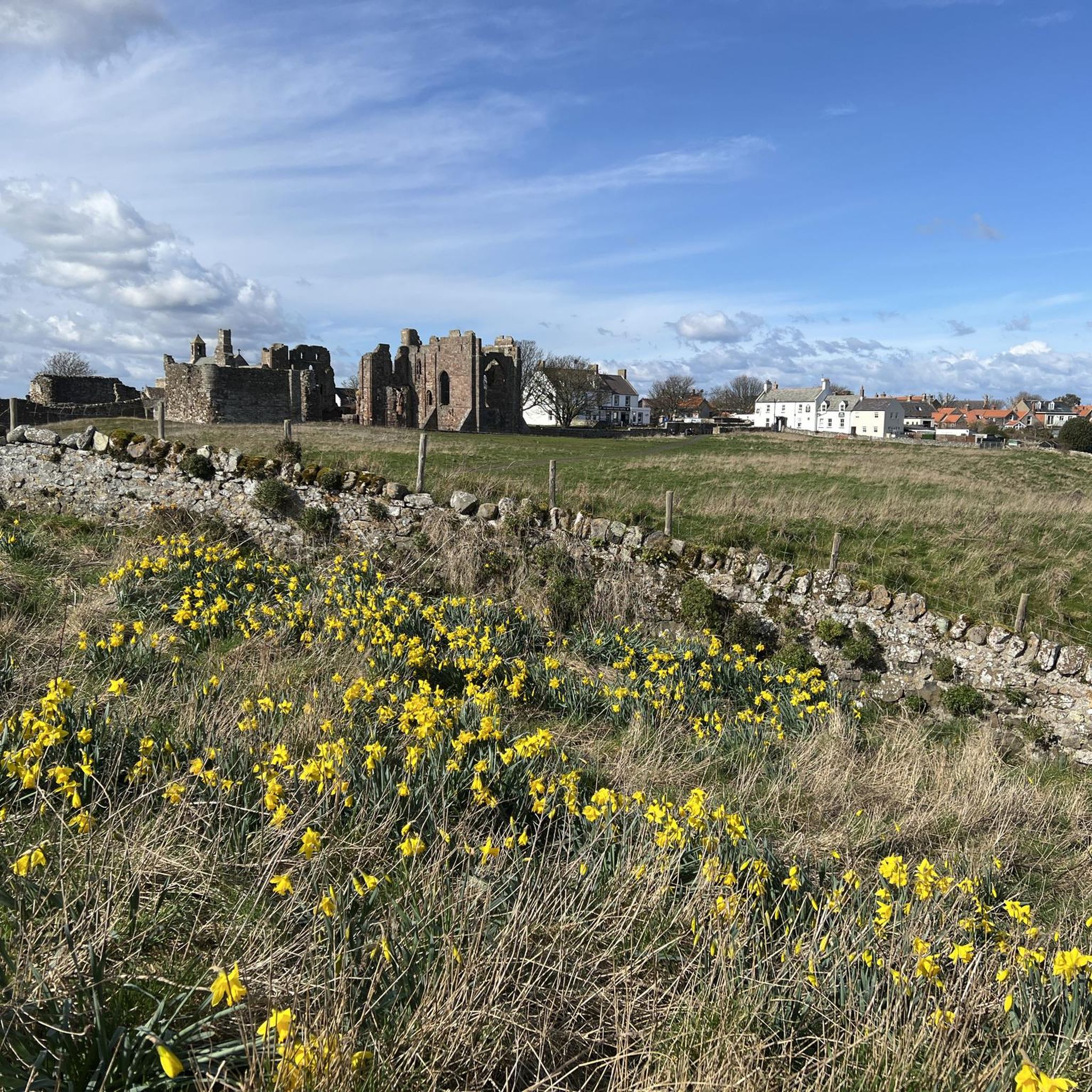
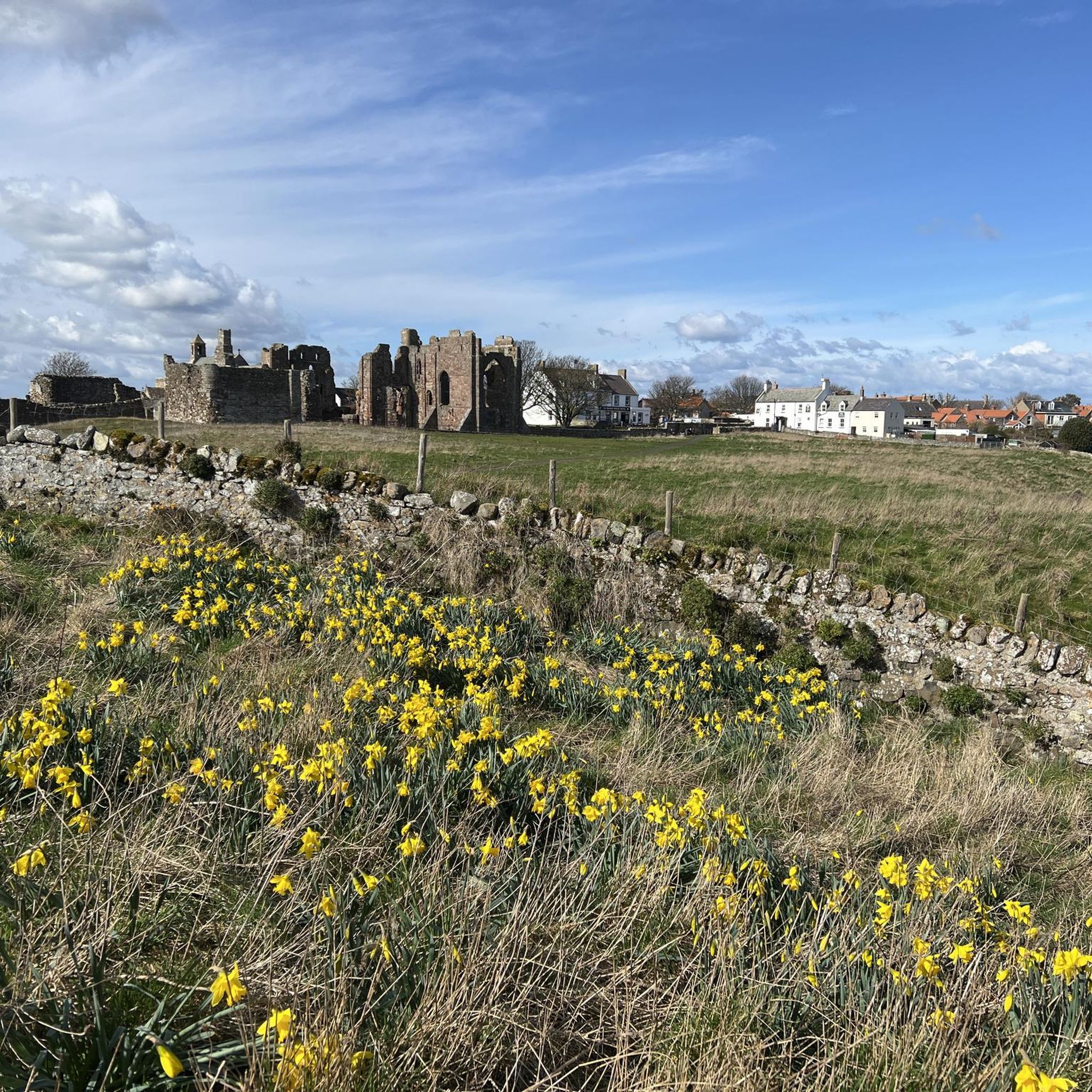
Holy Island (Lindisfarne)
Highlight • Historical Site
Tip by

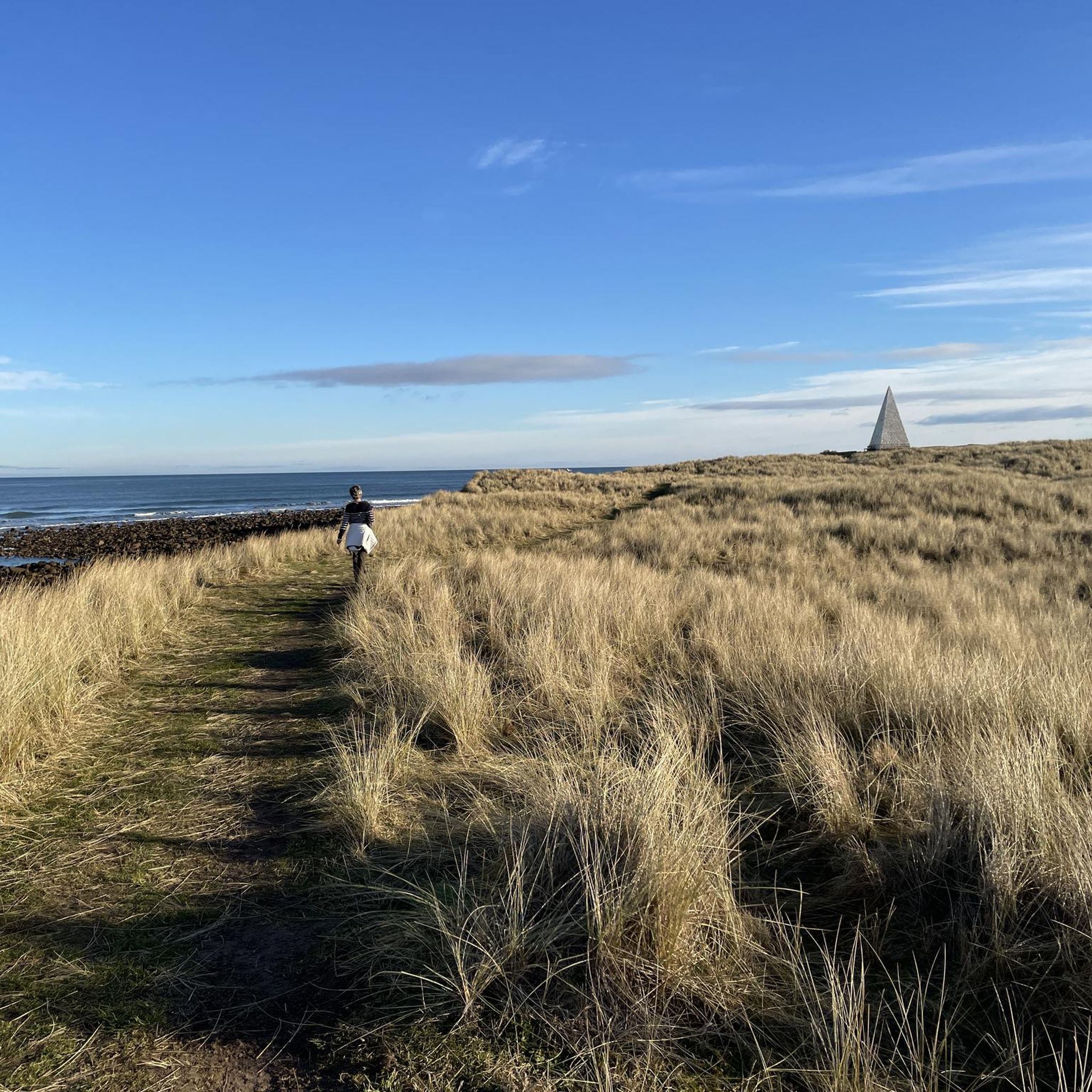
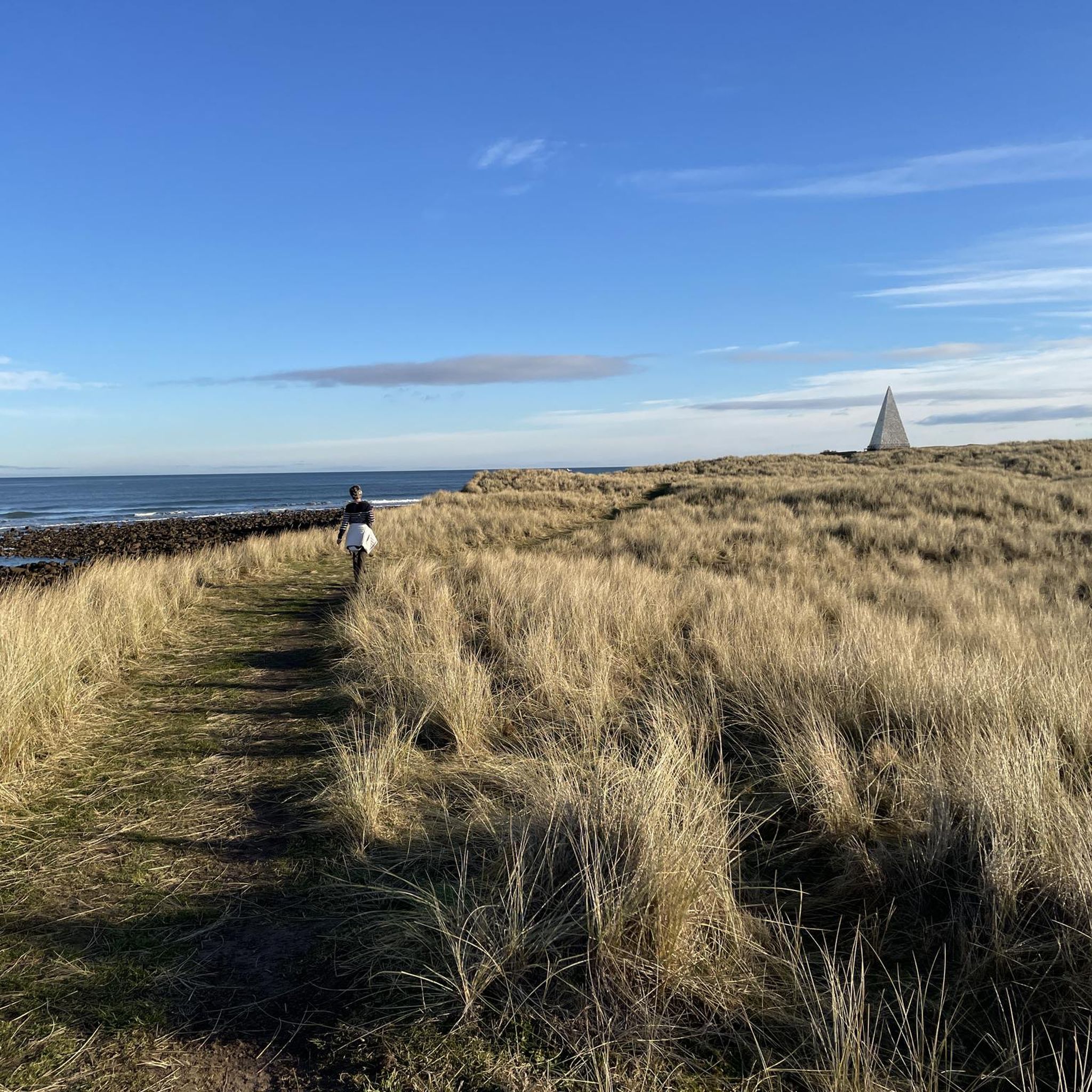
Emmanuel Head Navigation Beacon
Highlight • Monument
Tip by

Sign up now to discover places like this
Get recommendations on the best single tracks, peaks, & plenty of other exciting outdoor places.
Sign up for free
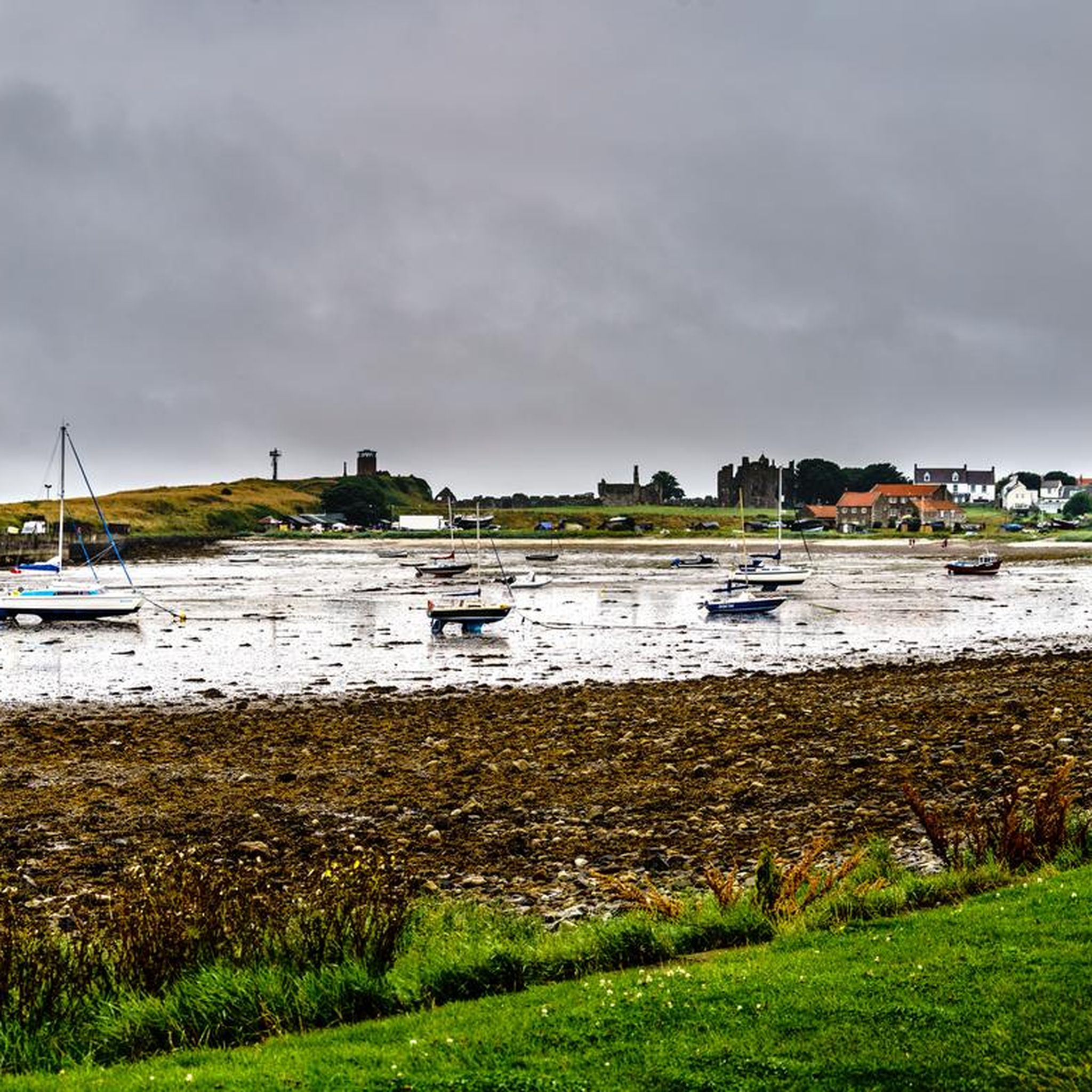
Budle Bay
Highlight • Viewpoint
Tip by

St Cuthbert's Cave
Highlight • Cave
Tip by

View of Bamburgh Lighthouse and Harkess Rocks
Highlight • Viewpoint
Tip by

Sign up for free to discover even more natural monuments around Holy Island.
Sign up for free
Already have an account?
Start today with a free account
Your next adventure awaits.
Login or Signup
Popular around Holy Island


Tips from the Community

Emmanuel Head is one of those quirky, unexpected gems on Holy Island. The stark white pyramid looks almost out of place at first, but it’s actually steeped in history – built in 1810, it’s the oldest surviving daymark in England. Sailors would have used it as a navigational aid to guide them safely around the island’s treacherous coast, long before modern lighthouses and GPS. The walk out there is lovely, with wide-open views across the dunes, sea and Lindisfarne Castle in the distance. Standing by it, with seabirds wheeling overhead and the waves rolling in, you really get a sense of the island’s long connection with the sea. A peaceful, slightly off-the-beaten-path highlight – and a great photo stop too!
0
0


Make sure you stay on the main path else it's easy to miss it
0
0

amazing experince, when you need to check tides time before any trip
1
0
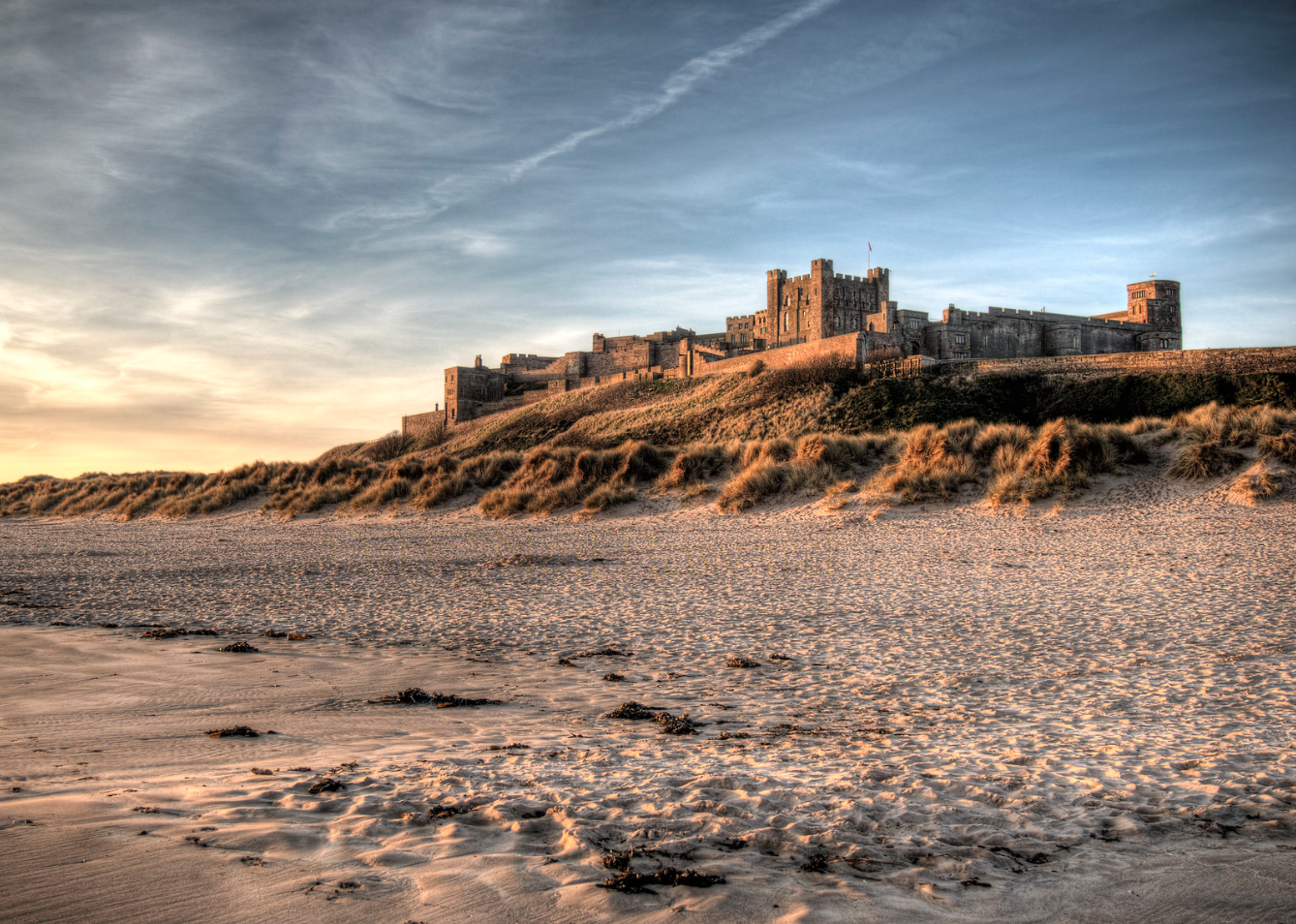
This charming Lighthouse was built by Trinity House in 1910 to guide shipping along the Northumberland coast and in the waters around the Farne Islands.
0
0

The daymark on Emmanuel Head is a visual aid for boats navigating these waters. It's also a great target for a coastal run around the island. Look out for dolphins and seals out to sea.
1
0

Harkess rocks consists of dolerite rock flats to the south, and the more dramatic layers of Harkess gut where the stag painting is found.
0
0
Budle Bay is a square-shaped bay extending 1 mile wide along the North Sea coast of Northumberland, England. Positioned between Bamburgh and Lindisfarne, it features Budle Point on the eastern end. The bay is notable for its association with Bamburgh Castle Golf Club, the Northumberland Coast Path, and St Oswald's Way. Waren Burn and Ross Low are streams that converge into the bay, forming Budle Water as they flow eastward. The area is part of the Lindisfarne National Nature Reserve and is significant in geological conservation. The bay's geological composition includes limestone, Alston Formation rocks, and the quartz-microgabbro of the Whin Sill. Blown sand deposits shape the landscape, with Ross Links on one side. Historically, Budle Bay had a seaport named Waren, which operated until the early 20th century.
1
0
Frequently Asked Questions
What kind of wildlife can I observe around Holy Island's natural monuments?
Holy Island, particularly within the Lindisfarne National Nature Reserve, is a haven for wildlife. You can spot vast numbers of shorebirds and wildfowl, especially during autumn and winter, including light-bellied Brent geese, Bar-Tailed Godwit, Knot, and Curlews. Grey Seals are also frequently seen bobbing in the waters or basking on sandbars, particularly from Emmanuel Head Navigation Beacon or The Heugh. The unique dune slacks are home to rare plants like the Lindisfarne Helleborine and various insects.
What unique natural features define Holy Island?
Holy Island is characterized by a mosaic of coastal habitats, including intertidal mudflats, rocky shores, sand dunes (like those around 'The Snook' and 'The Links'), and saltmarsh, all part of the Lindisfarne National Nature Reserve. The island also features 'The Heugh,' a prominent whinstone outcrop offering panoramic views, and a 'Storm Beach' where you might find 'Saint Cuthbert's Beads,' which are fossilized crinoids.
When is the best time to visit Holy Island's natural monuments?
The best time depends on your interest. For birdwatching, autumn and winter are ideal due to the influx of migratory birds. Generally, the island offers natural beauty year-round. However, it is crucial to check tide times before planning your visit to Holy Island (Lindisfarne), as the causeway is submerged twice daily.
Where can I find the best panoramic views of Holy Island and its surroundings?
For stunning 360-degree panoramic views of Holy Island and its ever-changing landscape, head to The Heugh, a prominent rock outcrop on the island's south side. The Lookout Tower there provides an excellent vantage point. Additionally, Emmanuel Head Navigation Beacon offers great views out to sea, where you might even spot dolphins and seals.
Are there family-friendly natural monuments or activities on Holy Island?
Yes, several natural monuments are suitable for families. Holy Island (Lindisfarne) itself is considered family-friendly, offering coastal walks and exploration. Budle Bay is another family-friendly natural monument, known for its beach and geological interest. Exploring the sand dunes and looking for wildlife can also be engaging for children.
What is the geological significance of Holy Island?
Holy Island's geology is shaped by the Whin Sill, a hard rock line that forms features like The Heugh. Budle Bay, for instance, is significant for geological conservation, with its composition including limestone, Alston Formation rocks, and quartz-microgabbro. The island's storm beaches also reveal geological history through rounded stones and 'Saint Cuthbert's Beads' (fossilized crinoids).
Are there walking routes to explore the natural monuments?
Yes, Holy Island offers various walking routes to explore its natural monuments. You can find easy hikes around the island, such as the 5.1 km loop from Holy Island of Lindisfarne that takes you past Lindisfarne Castle. For more options, you can explore easy hikes around Holy Island, which include routes like the 3.5 km loop from Holy Island of Lindisfarne to the View of Lindisfarne Castle.
What outdoor activities can I do near these natural monuments?
Beyond exploring the natural monuments on foot, Holy Island and its surroundings offer various outdoor activities. You can enjoy cycling, with routes like the 11.7 km easy loop around Holy Island (Lindisfarne) and Lindisfarne Causeway. For more cycling adventures, check out cycling routes around Holy Island or road cycling routes around Holy Island.
Are there natural monuments with historical or folklore significance?
Yes, St Cuthbert's Cave is a natural monument steeped in folklore. It is said that monks carrying St Cuthbert's body took refuge here, or that Cuthbert himself lived as a hermit in the cave before moving to the Farne Islands. The cave offers a beautiful walk with amazing views and connects to the rich history of the region.
What do visitors enjoy most about the natural monuments around Holy Island?
Visitors frequently highlight the exceptional wildlife spotting opportunities, especially the vast birdlife and Grey Seals. The panoramic views from spots like The Heugh and the sense of wilderness offered by the diverse coastal habitats of the Lindisfarne National Nature Reserve are also highly appreciated. Many enjoy the coastal walks and the unique geological features, such as the 'Saint Cuthbert's Beads' found on the storm beach.
Can I spot dolphins near Holy Island's natural monuments?
Yes, it is possible to spot dolphins, particularly from viewpoints like Emmanuel Head Navigation Beacon. Visitors have been lucky enough to see pods of dolphins off the west coast of the island, making it a spectacular sight for those who linger and watch the sea.
Is there a natural monument that also serves as a navigation aid?
While not a natural monument itself, the Emmanuel Head Navigation Beacon is a man-made structure located within the natural landscape of Holy Island. It serves as a visual aid for boats navigating the waters and is also an excellent spot to observe the surrounding natural environment, including dolphins and seals.
Most popular routes around Holy Island
Most popular attractions around Holy Island

Get inspired with the komoot mobile app


Explore more
Extend your search for the best caves by checking out these guides of the top ones around Holy Island:
