Top 14 Natural Monuments around Harbottle
Best natural monuments around Harbottle are located within Northumberland National Park, presenting a blend of geological formations and natural landscapes. This region features more than 10 natural monuments, including impressive rock formations, crags, and scenic viewpoints. Visitors can explore diverse terrains and discover the area's unique natural heritage.
Best natural monuments around Harbottle
- The most popular natural monuments is Simonside Summit, a natural monument that is a 429m summit offering views of the Cheviot Hills and the Northumbrian coastline.…
Last updated: May 3, 2026
Simonside Summit
Highlight • Natural Monument
Tip by

Simonside Crag
Highlight • Climb
Tip by

Sign up now to discover places like this
Get recommendations on the best single tracks, peaks, & plenty of other exciting outdoor places.
Sign up for free
Lordenshaw Cup and Ring Marked Rock
Highlight • Historical Site
Tip by

The Drake Stone
Highlight • Natural
Tip by
View from Dove Crag
Highlight • Natural Monument
Tip by
Sign up for free to discover even more natural monuments around Harbottle.
Sign up for free
Already have an account?
Start today with a free account
Your next adventure awaits.
Login or Signup




Tips from the Community

can be easy or difficult, depends which side you ascend from. so choose wisely
2
0

A rocky scramble at the end of this climb really does make you feel like you’re almost a mountain climber. Wear sturdy shoes and take care and you’ll be treated with unmissable views
0
0

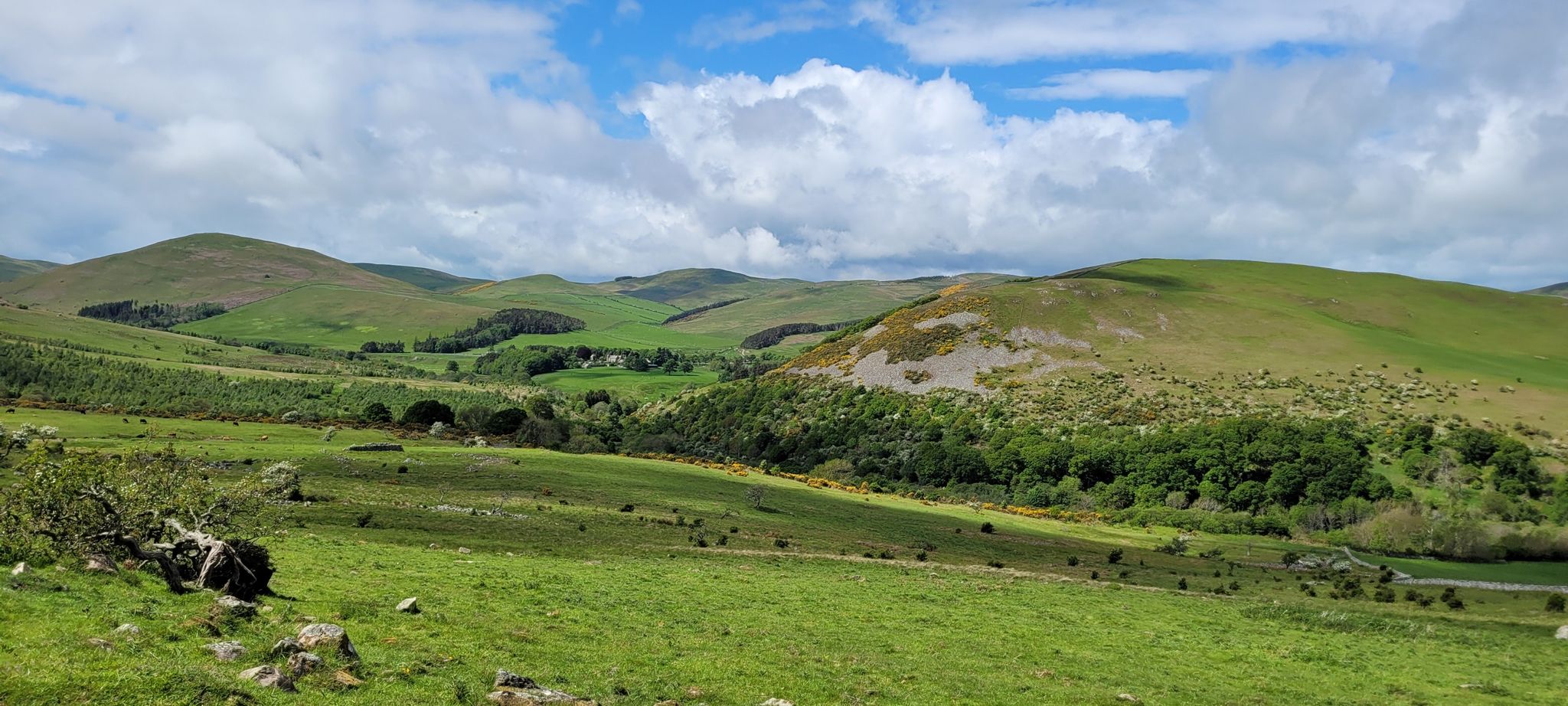
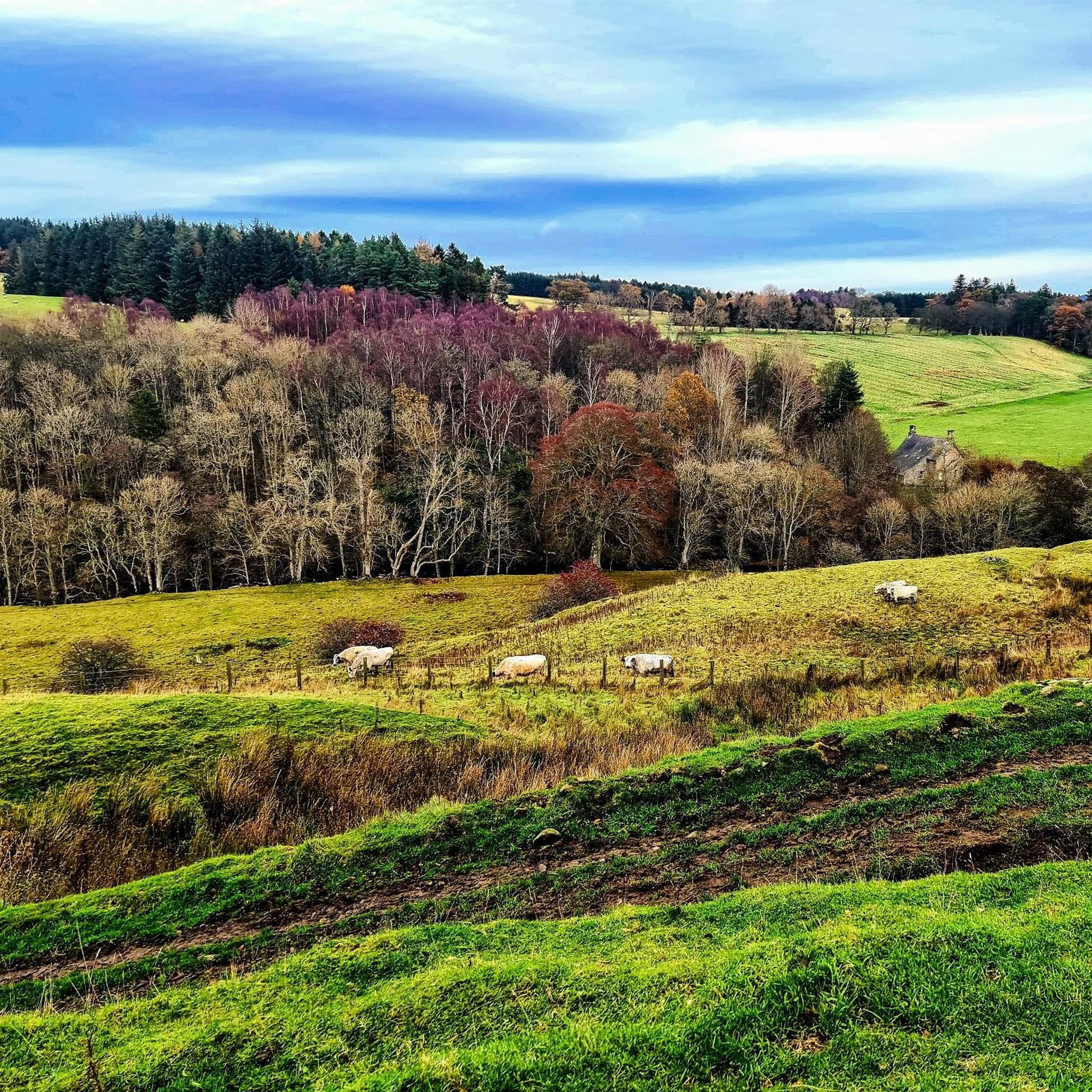
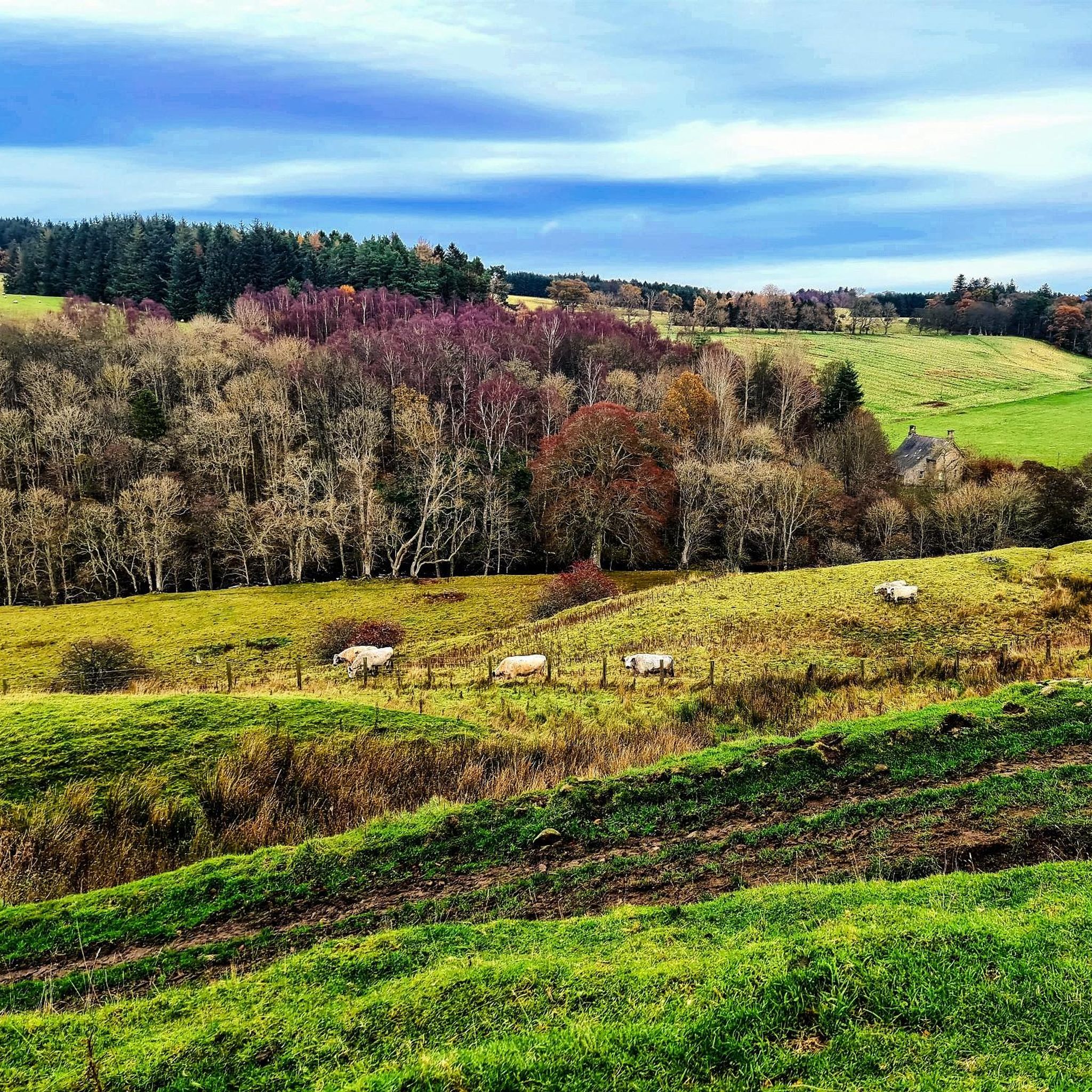
Simonside is a 429m (1400ft) summit perched atop the untamed wilderness of the Northumberland National Park. It boasts a rugged ridge that commands sensational views of the Cheviot Hills to the north and the whole Northumbrian coastline to the east. In close reach from Rothbury, Simonside is a top pick for epic views. Bring a flask of tea, settle in and relish the perfect scenery surround you.
3
0

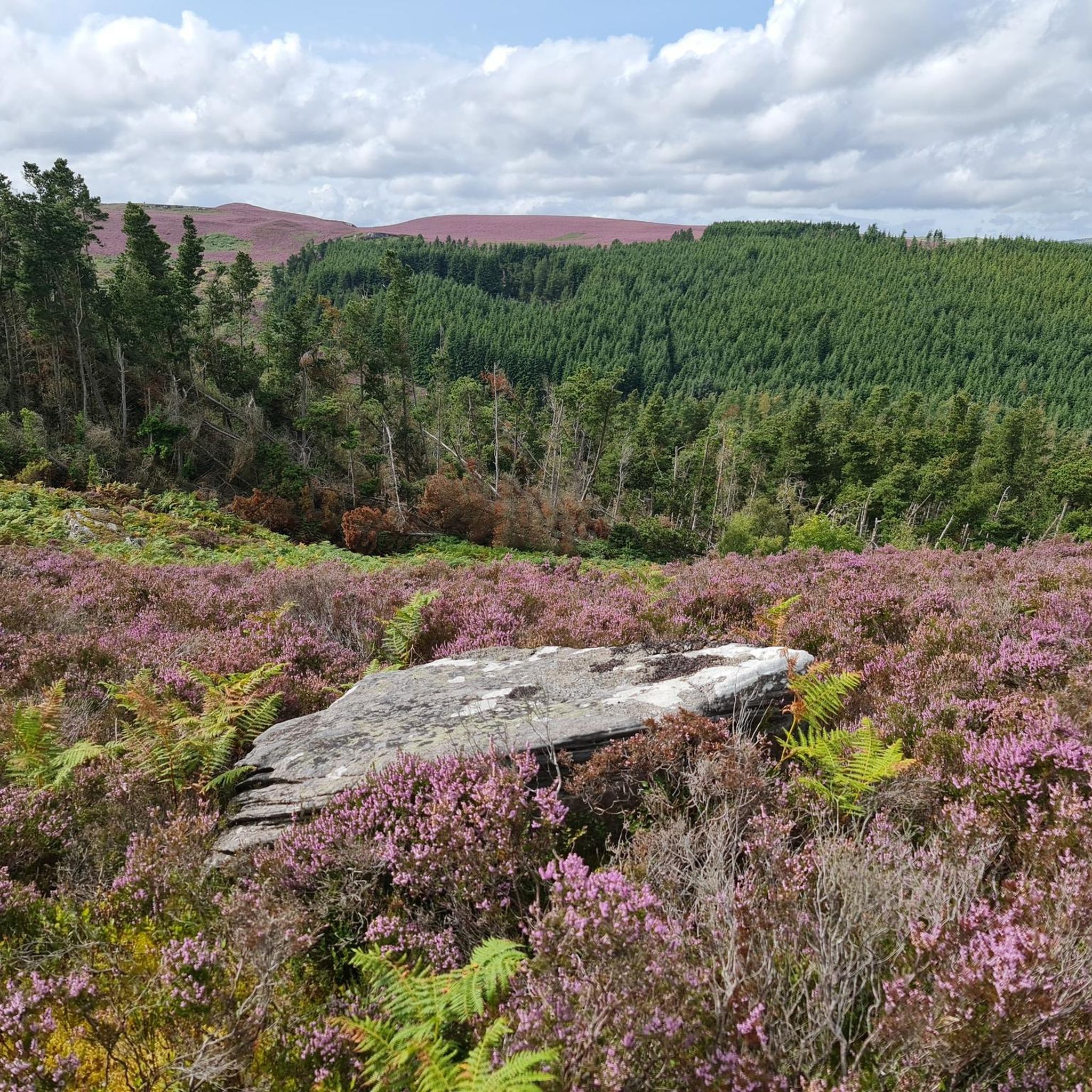
The Drake Stone is a large sandstone boulder that is said to have healing powers and is believed to have been used by druids in their rituals. The stone is about 20 feet tall and weighs 2,000 tonnes. It is said that children who touch the stone are cured of their ailments. The Drake Stone is also said to be haunted. According to legend, a voice once boomed from the stone, warning workers who were attempting to drain the lake nearby that the village would be flooded if they continued. Additionally, those who spend the night near the stone are said to be unable to leave in the morning.
0
0


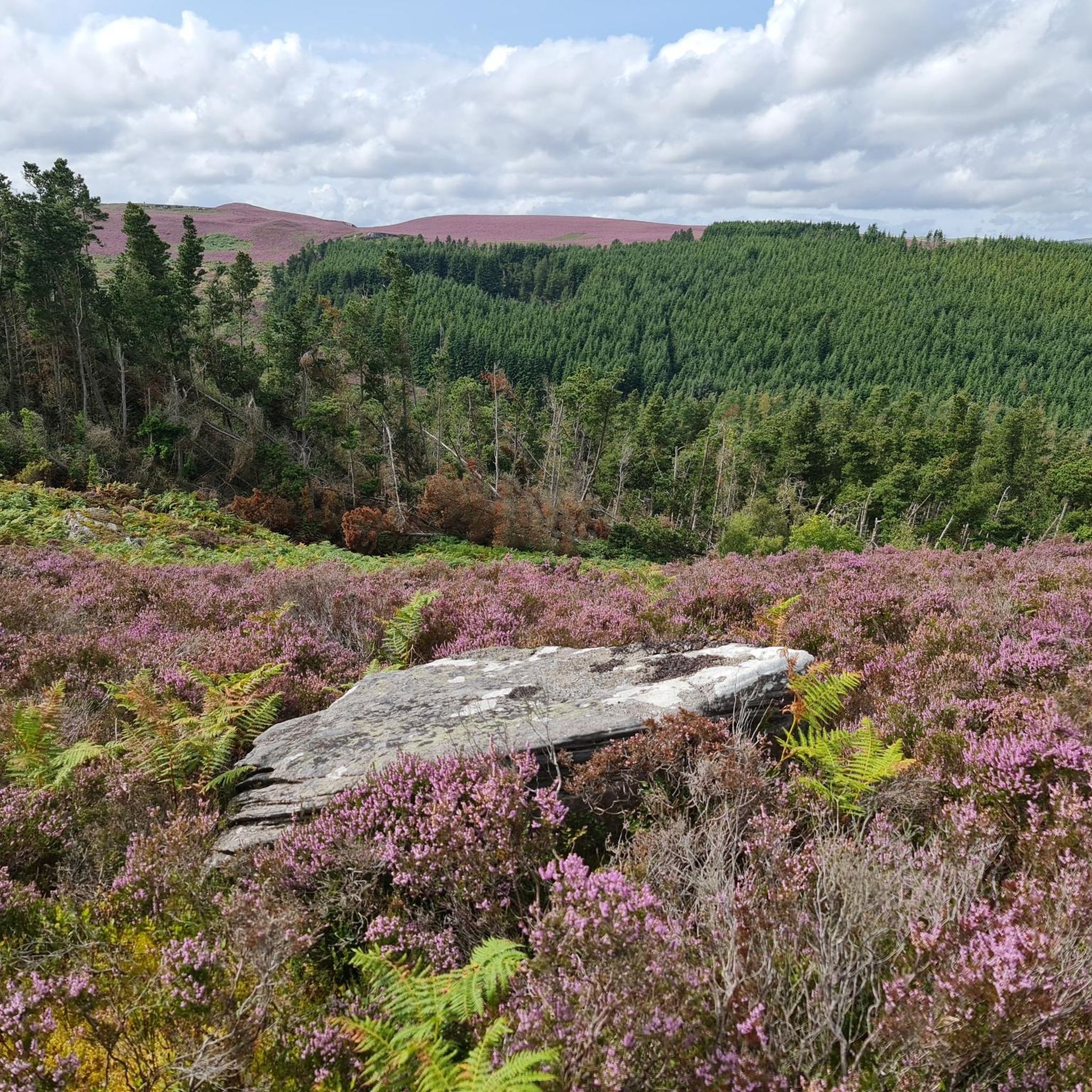
Lordenshaws is an ancient Iron Age hill fort built around 2000 years ago. There is also evidence of a Bronze Age burial mound. The cup and ring marks on this great stone are thought to be rock art etched into the stone by Neolithic and Bronze Age people between 6000 and 3500 years ago. It's well worth running up here from the car park before starting a loop of the Simonside Hills to have a look at this ancient monument and take in the views of the hills you're about to run. It's also on the St Oswald's Way long distance trail or on the way to the Simonside Hills from Rothbury.
0
0
Simonside is a sandstone outcrop at 429m with great views over the Cheviots and out east to the North Sea. The running is on good trails across moorland and up to the edges. It's generally good underfoot with a wild feeling, especially if you run outside of peak times. Look out for curlew, red grouse, mountain bumblebee, emperor moth, and even red squirrels in the forest areas.
1
0

The ancient Fort on the top of the hill is fascinating. I loved seeing the cup and ring markings on the large rocks.
0
0
Frequently Asked Questions
What are the most popular natural monuments to visit around Harbottle?
Among the most popular natural monuments, you'll find Simonside Summit, offering panoramic views of the Cheviot Hills and the Northumbrian coastline. Another highly regarded spot is View from Dove Crag, known for its spellbinding vistas over Northumberland, shaped by ancient glacial activity.
Are there any natural monuments with historical or archaeological significance near Harbottle?
Yes, the Lordenshaw Cup and Ring Marked Rock is a significant site. It features ancient cup and ring carvings etched into the rock by Neolithic and Early Bronze Age ancestors, dating back 6,000 to 3,800 years. The area also includes an Iron Age hillfort and Bronze Age burial mounds.
What geological features can I explore around Harbottle?
The region is rich in geological wonders. The Drake Stone is a massive glacial erratic, a sandstone boulder over 30 feet tall, showcasing the Fell Sandstone Formation from 300 million years ago. Harbottle Crags also feature significant outcrops of the Fell Sandstone Group, including the coarse Harbottle Grit, revealing the area's ancient geological history.
What kind of wildlife can I expect to see at Harbottle Crags?
Harbottle Crags, a nature reserve managed by Northumberland Wildlife Trust, supports diverse habitats. You might spot various invertebrate species, including the emperor moth and different butterflies, as well as adder, slow worm, and common lizard. The peat bogs also host unique flora like the carnivorous round-leaved sundew and bog myrtle.
Are there family-friendly natural monuments or walks in the Harbottle area?
Yes, the Lordenshaw Cup and Ring Marked Rock is categorized as family-friendly. The walk to the Drake Stone is also considered 'easy-ish' on a well-defined footpath, making it suitable for families looking for a rewarding trek.
What are the best hiking trails near the natural monuments around Harbottle?
You can find several excellent hiking trails. For example, the 'The Drake Stone, West Wood & Harbottle Castle loop' is a moderate hike. There are also easy options like 'The Drakestone & Harbottle Lake loop'. You can explore more hiking routes in the area by visiting the Hiking around Harbottle guide.
Can I go running near the natural monuments in Harbottle?
Yes, there are several running trails available. Options range from moderate routes like the 'Coquet valley loop near Alwinton' to more challenging ones such as the 'Clennell Street and Usway Burn Trail'. For a comprehensive list of routes, check out the Running Trails around Harbottle guide.
What makes Harbottle Lake (Harbottle Lough) unique?
Harbottle Lake, located behind the Drake Stone, offers tranquil scenery, especially at sunset. It holds ecological value with a peat bog formed from sphagnum moss, attracting various water birds like teal, goosander, and little grebe. Local folklore also suggests it's protected by a mysterious ghostly spirit.
What are the views like from the natural monuments in Harbottle?
Many natural monuments offer spectacular views. From Simonside Summit, you get 360-degree views of the Cheviot Hills and the Northumbrian coastline. The Drake Stone provides expansive views of the surrounding countryside, including Harbottle Castle and the Coquet Valley. From Harbottle Crags, you can see Harbottle village below and the distant Cheviot Hills.
Is there a natural monument that is secluded or hidden?
Yes, Little Church Rock is an isolated outcrop of fell sandstone hidden within a dense forest. It's known for its character and eerie atmosphere, with some believing it was a gathering place in ancient times, possibly indicated by cup marks on the stone.
What should I know about accessibility when visiting the natural monuments?
The walk to the Drake Stone is described as an 'easy-ish' walk on a well-defined footpath through heather moorland. For other areas like Simonside Summit, visitors note it can be very boggy on top, so good footwear is recommended.
What are some local legends or folklore associated with the natural monuments?
The Drake Stone is steeped in legend, believed to have magical healing powers and to have been a meeting place for druids. Children were reportedly passed over it to cure illnesses. Harbottle Lake also has folklore, with tales of a mysterious ghostly spirit protecting it.
Most popular attractions around Harbottle

Get inspired with the komoot mobile app


Explore more
Extend your search for the best caves by checking out these guides of the top ones around Harbottle:
