Top 7 Natural Monuments around Bamburgh
Best natural monuments around Bamburgh are found along the Northumberland coast, an area characterized by its diverse natural features. This region encompasses expansive sandy beaches, significant dune systems, and offshore islands. The landscape offers a blend of coastal scenery, historical sites, and important wildlife habitats. It provides varied opportunities for exploration and appreciating the natural environment.
Best natural monuments around Bamburgh
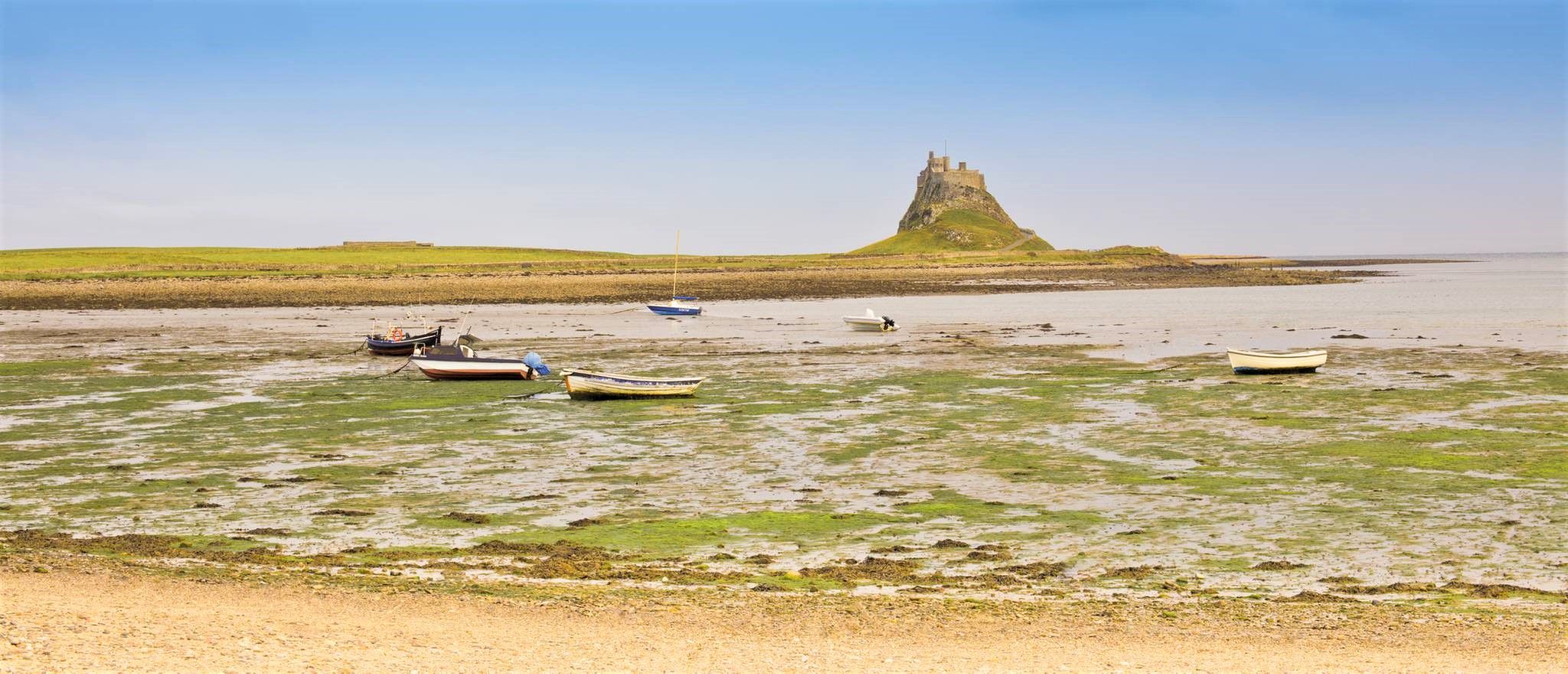
- The most popular natural monument is Holy Island (Lindisfarne), a historical site and natural monument known for its…
Last updated: July 1, 2026
Holy Island (Lindisfarne)
Highlight • Historical Site
Tip by

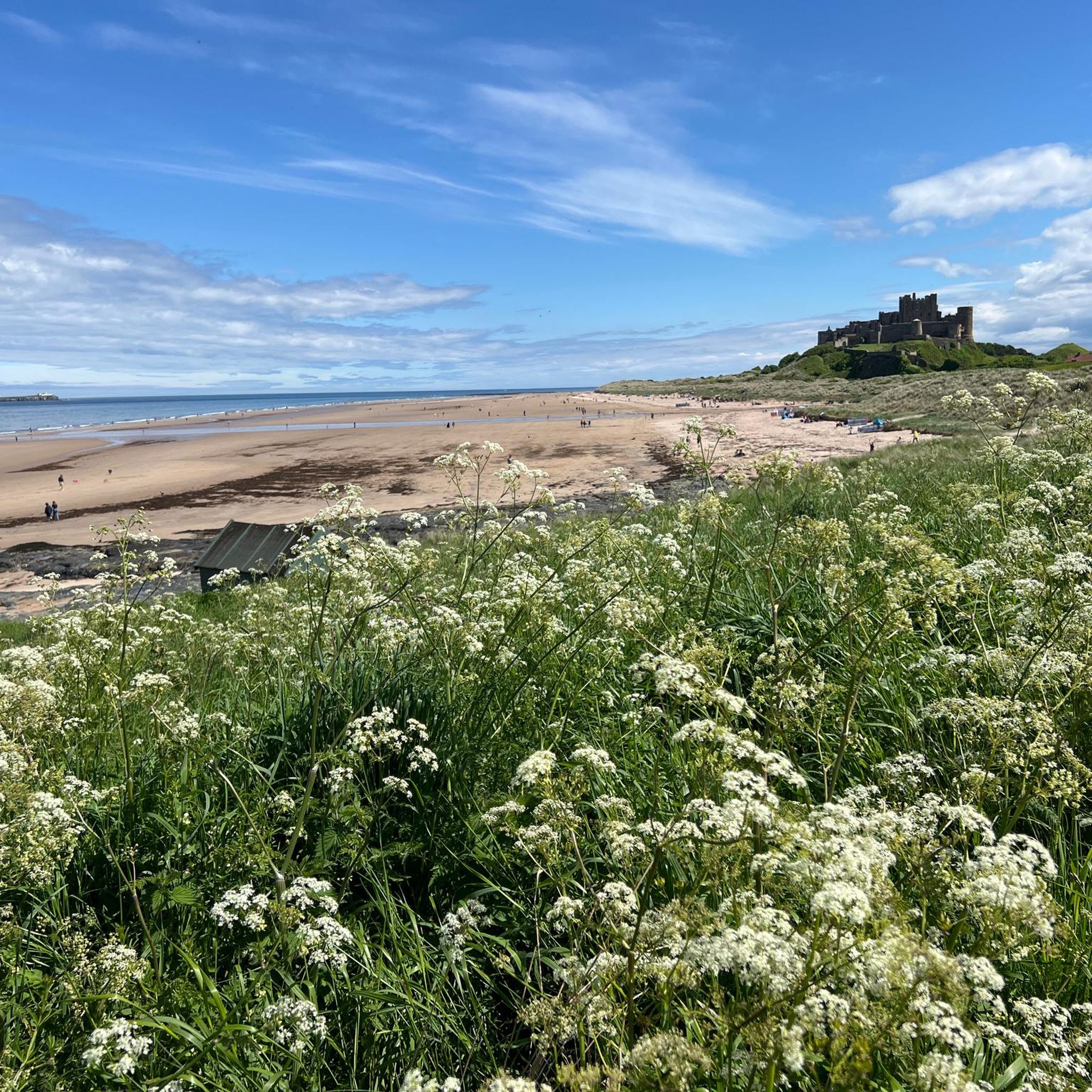
Low Newton Beach
Highlight • Beach
Tip by

Sign up now to discover places like this
Get recommendations on the best single tracks, peaks, & plenty of other exciting outdoor places.
Sign up for free
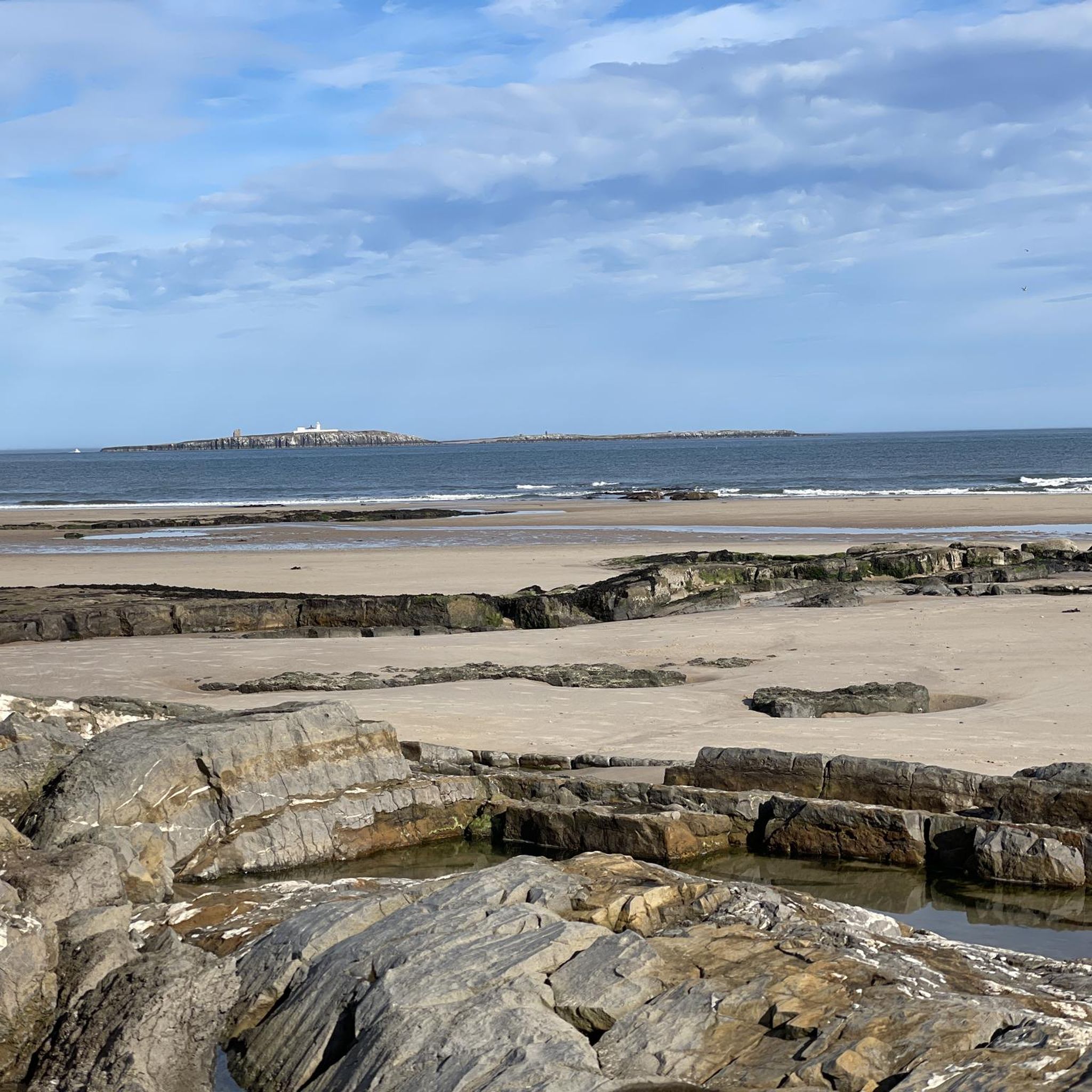
Emmanuel Head Navigation Beacon
Highlight • Monument
Tip by

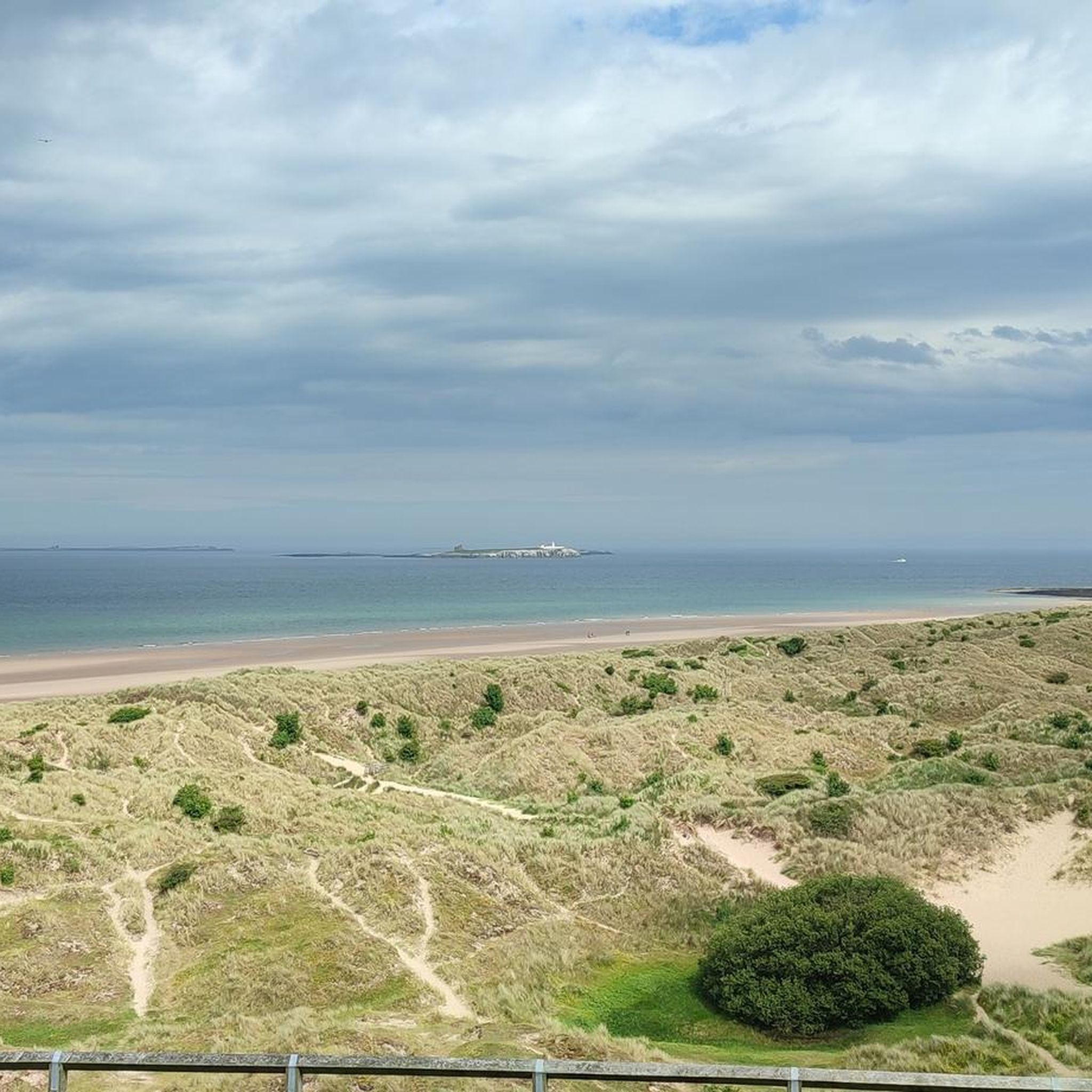
Budle Bay
Highlight • Viewpoint
Tip by

St Cuthbert's Cave
Highlight • Cave
Tip by

Sign up for free to discover even more natural monuments around Bamburgh.
Sign up for free
Already have an account?
Start today with a free account
Your next adventure awaits.
Login or Signup
Other adventures around Bamburgh

Tips from the Community

Emmanuel Head is one of those quirky, unexpected gems on Holy Island. The stark white pyramid looks almost out of place at first, but it’s actually steeped in history – built in 1810, it’s the oldest surviving daymark in England. Sailors would have used it as a navigational aid to guide them safely around the island’s treacherous coast, long before modern lighthouses and GPS. The walk out there is lovely, with wide-open views across the dunes, sea and Lindisfarne Castle in the distance. Standing by it, with seabirds wheeling overhead and the waves rolling in, you really get a sense of the island’s long connection with the sea. A peaceful, slightly off-the-beaten-path highlight – and a great photo stop too!
0
0


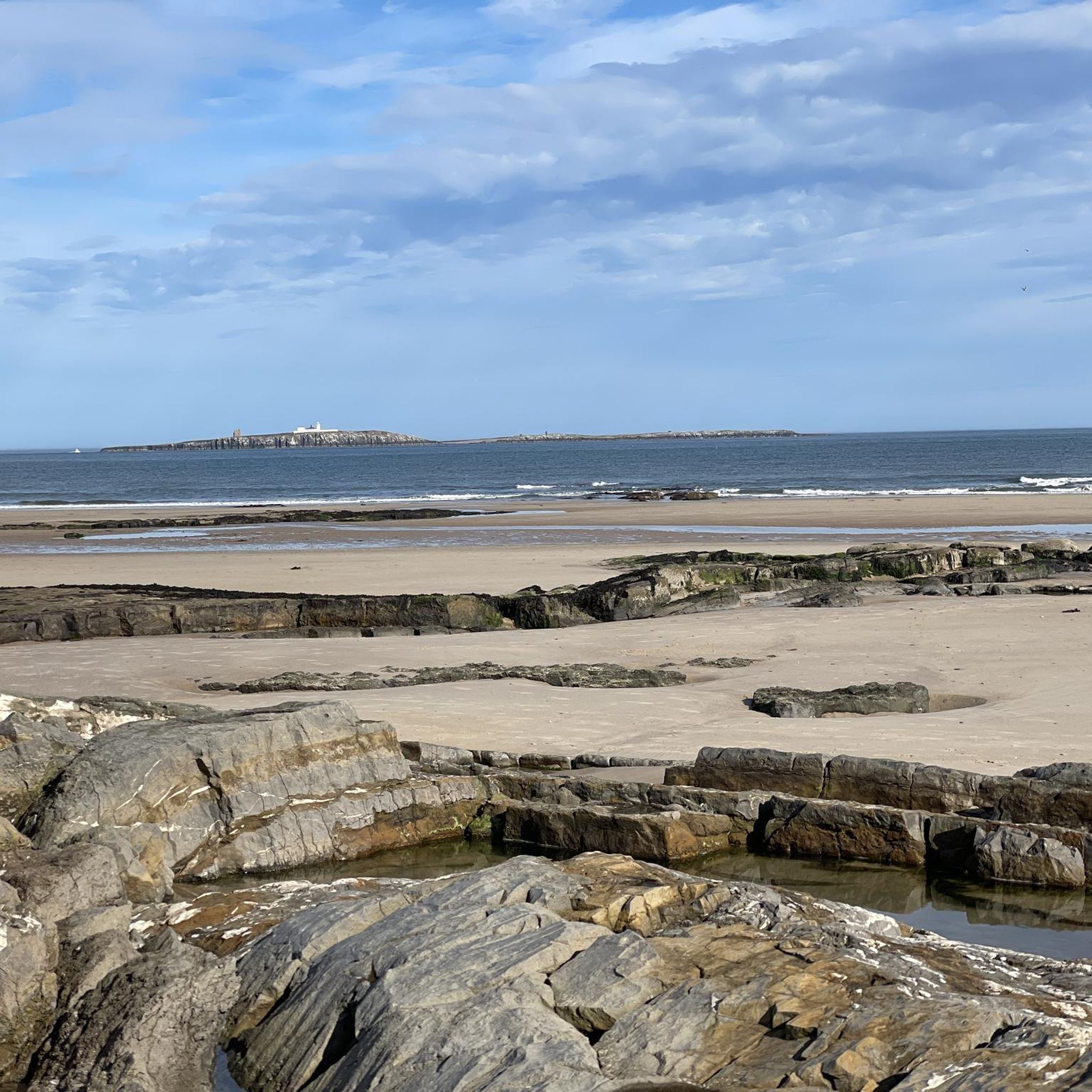
In the mid-13th century, Newton-by-the-Sea was part of the barony of Vesci, initially held by John Viscount for one knight's fee. Ownership passed through notable figures including Simon de Montfort and Edmund of Lancaster. By 1725, it became part of the Barony of Embleton and saw ownership by the Forster family, who built Newton Hall in the late 18th century for Joseph Forster. Low Newton, or Newton Seahouses, emerged in the early 19th century as a community for fishermen. The National Trust now manages some of these cottages, as well as the Coastguard Station, built around 1828. In the 19th century, Newton-by-the-Sea had around 250 residents. By 1895, it was a township of 1,211 acres with a population of 220. Today, the parish has about 135 dwellings, home to a mix of residents, holiday homeowners, and visitors. Many residents commute to nearby towns or Newcastle. The National Trust owns much of the coastal land and part of The Square at Low Newton.
0
0


Make sure you stay on the main path else it's easy to miss it
0
0

amazing experince, when you need to check tides time before any trip
1
0

The daymark on Emmanuel Head is a visual aid for boats navigating these waters. It's also a great target for a coastal run around the island. Look out for dolphins and seals out to sea.
1
0
Budle Bay is a square-shaped bay extending 1 mile wide along the North Sea coast of Northumberland, England. Positioned between Bamburgh and Lindisfarne, it features Budle Point on the eastern end. The bay is notable for its association with Bamburgh Castle Golf Club, the Northumberland Coast Path, and St Oswald's Way. Waren Burn and Ross Low are streams that converge into the bay, forming Budle Water as they flow eastward. The area is part of the Lindisfarne National Nature Reserve and is significant in geological conservation. The bay's geological composition includes limestone, Alston Formation rocks, and the quartz-microgabbro of the Whin Sill. Blown sand deposits shape the landscape, with Ross Links on one side. Historically, Budle Bay had a seaport named Waren, which operated until the early 20th century.
1
0
Frequently Asked Questions
What are some popular natural monuments to visit around Bamburgh?
The area around Bamburgh offers a variety of natural monuments. Highly regarded spots include Holy Island (Lindisfarne), known for its historical significance and coastal walks, and Low Newton Beach, a charming village and beach area. Another unique site is St Cuthbert's Cave, steeped in folklore and offering scenic views.
Are there family-friendly natural monuments in the Bamburgh area?
Yes, several natural monuments around Bamburgh are suitable for families. Holy Island (Lindisfarne) offers a blend of history and nature that can engage all ages, while Low Newton Beach provides a lovely setting for walks and exploring. Budle Bay is also a great family-friendly option for birdwatching and enjoying the mudflats at low tide.
What kind of natural features can I expect to see around Bamburgh?
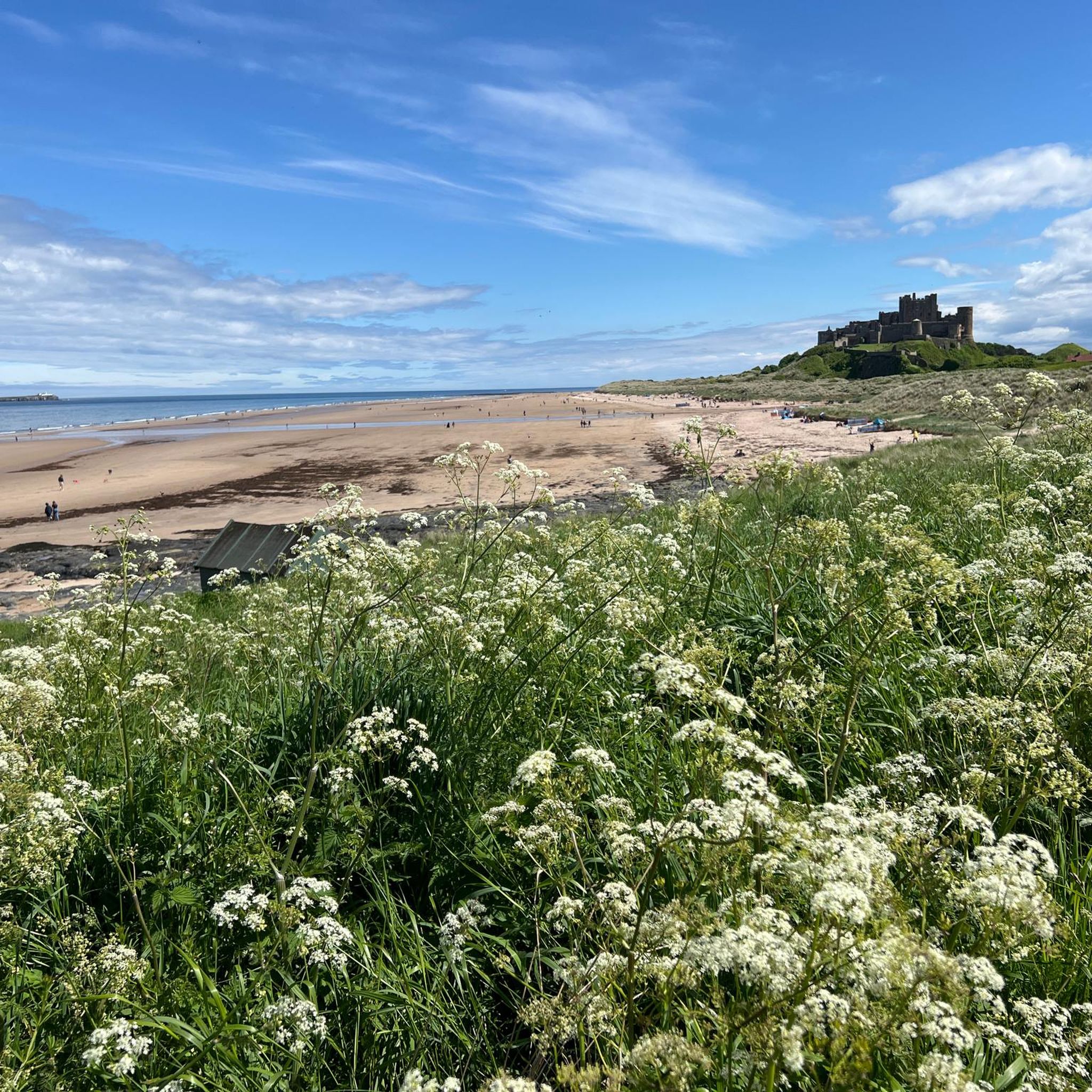
The natural monuments around Bamburgh showcase diverse features. You'll find expansive sandy beaches like Bamburgh Beach, significant dune systems such as the Bamburgh Dunes, and offshore islands like the Farne Islands, which are rich in wildlife. Budle Bay offers extensive mudflats and is part of a National Nature Reserve, while St Cuthbert's Cave provides a unique geological formation.
What is the best time of year to visit the natural monuments around Bamburgh?
The best time to visit depends on your interests. For seabird colonies, late spring and early summer (May-July) are ideal for seeing puffins on the Farne Islands. Winter brings thousands of migratory seabirds to Budle Bay, making it excellent for birdwatching. The beaches and dunes are enjoyable year-round, though summer offers warmer weather for walks and picnics, and wildflowers in the dunes. Always check tide times for places like Holy Island.
Are there good walking trails near the natural monuments?
Yes, the area is excellent for walking. You can find easy hikes like the 'Bamburgh Castle & Beach loop' or the 'Bamburgh Beach and Dunes – View of the Farne Islands loop' which are great for exploring the coastline. For more options, you can explore various easy hikes around Bamburgh, which include routes around the castle and dunes.
Can I spot wildlife at the natural monuments near Bamburgh?
Wildlife spotting is a major draw. The Farne Islands are famous for their large populations of puffins, grey seals, and various seabirds, with dolphins often seen from boat trips. Budle Bay is a significant birdwatching site, especially in winter. The Bamburgh Dunes also provide a vital habitat for rare plants and wildlife. Keep an eye out for dolphins off Emmanuel Head Navigation Beacon as well.
Are there any less crowded natural monuments to explore?
While popular spots can get busy, exploring areas like Budle Bay during off-peak times or focusing on the quieter sections of Bamburgh Beach and the Bamburgh Dunes can offer a more tranquil experience. The Farne Islands, while popular, offer a unique experience that feels remote once you're on the boat.
What outdoor activities can I do near these natural monuments?
Beyond exploring the natural monuments themselves, the region offers various outdoor activities. You can find numerous running trails around Bamburgh, including coastal routes with views of Bamburgh Castle. There are also MTB trails for cycling enthusiasts, such as loops from Budle to Seahouses Harbour. Bamburgh Beach is also a popular spot for surfing, dog walking, and horse riding.
How long should I plan for a visit to the natural monuments?
The duration of your visit depends on the specific monument. For Holy Island (Lindisfarne), it's recommended to plan a full day, keeping in mind tide times for access. Shorter visits of a few hours are sufficient for places like Budle Bay or St Cuthbert's Cave. A boat trip to the Farne Islands typically takes a few hours. For Bamburgh Beach and Dunes, you can spend anywhere from an hour to a full afternoon enjoying walks and scenery.
What are the parking options for natural monuments near Bamburgh?
Parking is generally available at or near the main access points for many natural monuments. For example, there is parking available for visitors to Holy Island (Lindisfarne), and a circular walk for Budle Bay can start from Bamburgh Castle's car park. It's always advisable to check specific parking details for each location, especially during peak season.
Are the natural monuments around Bamburgh dog-friendly?
Many of the natural areas around Bamburgh are dog-friendly, particularly the beaches and dunes. Bamburgh Beach is a popular spot for dog walkers. However, specific restrictions may apply in certain wildlife-sensitive areas, such as parts of the Farne Islands or Lindisfarne National Nature Reserve, especially during nesting seasons. Always check local signage and keep dogs under control.
What historical or cultural sites are integrated with the natural monuments?
The region beautifully blends natural beauty with history. Holy Island (Lindisfarne) is a prime example, featuring Lindisfarne Castle and Priory alongside its natural coastal environment. St Cuthbert's Cave is steeped in folklore related to the Northumbrian saint. Bamburgh Castle itself dramatically overlooks Bamburgh Beach, providing a stunning historical backdrop to the natural landscape.
Most popular routes around Bamburgh
Most popular attractions around Bamburgh

Get inspired with the komoot mobile app


Explore more
Extend your search for the best caves by checking out these guides of the top ones around Bamburgh:
