Top 6 Natural Monuments around Adderstone With Lucker
Best natural monuments around Adderstone With Lucker are found within Northumberland, a region known for its dramatic coastlines and diverse landscapes. The area offers a variety of natural attractions, characterized by scenic beauty and significant natural landmarks. Visitors can explore expansive beaches, unique island ecosystems, and ancient geological formations. This makes the Adderstone With Lucker area a notable destination for experiencing natural environments.
Best natural monuments around Adderstone With Lucker
- The most popular natural monuments is Holy Island (Lindisfarne),…
Last updated: October 17, 2026
Ros Castle Hill Fort
Highlight • Viewpoint
Tip by

Holy Island (Lindisfarne)
Highlight • Historical Site
Tip by

Sign up now to discover places like this
Get recommendations on the best single tracks, peaks, & plenty of other exciting outdoor places.
Low Newton Beach
Highlight • Beach
Tip by
Budle Bay
Highlight • Viewpoint
Tip by

St Cuthbert's Cave
Highlight • Cave
Tip by

Sign up for free to discover even more natural monuments around Adderstone With Lucker.
Already have an account?
Start today with a free account
Your next adventure awaits.
Tips from the Community

Ros Castle (Ros Hill) 316m P221 (1037ft) (DoBIH Hill ID: 2317) [JNSA 12818] County of Northumberland Definitive List summit.
0
0


In the mid-13th century, Newton-by-the-Sea was part of the barony of Vesci, initially held by John Viscount for one knight's fee. Ownership passed through notable figures including Simon de Montfort and Edmund of Lancaster. By 1725, it became part of the Barony of Embleton and saw ownership by the Forster family, who built Newton Hall in the late 18th century for Joseph Forster. Low Newton, or Newton Seahouses, emerged in the early 19th century as a community for fishermen. The National Trust now manages some of these cottages, as well as the Coastguard Station, built around 1828. In the 19th century, Newton-by-the-Sea had around 250 residents. By 1895, it was a township of 1,211 acres with a population of 220. Today, the parish has about 135 dwellings, home to a mix of residents, holiday homeowners, and visitors. Many residents commute to nearby towns or Newcastle. The National Trust owns much of the coastal land and part of The Square at Low Newton.
0
0


Make sure you stay on the main path else it's easy to miss it
0
0

amazing experince, when you need to check tides time before any trip
1
0
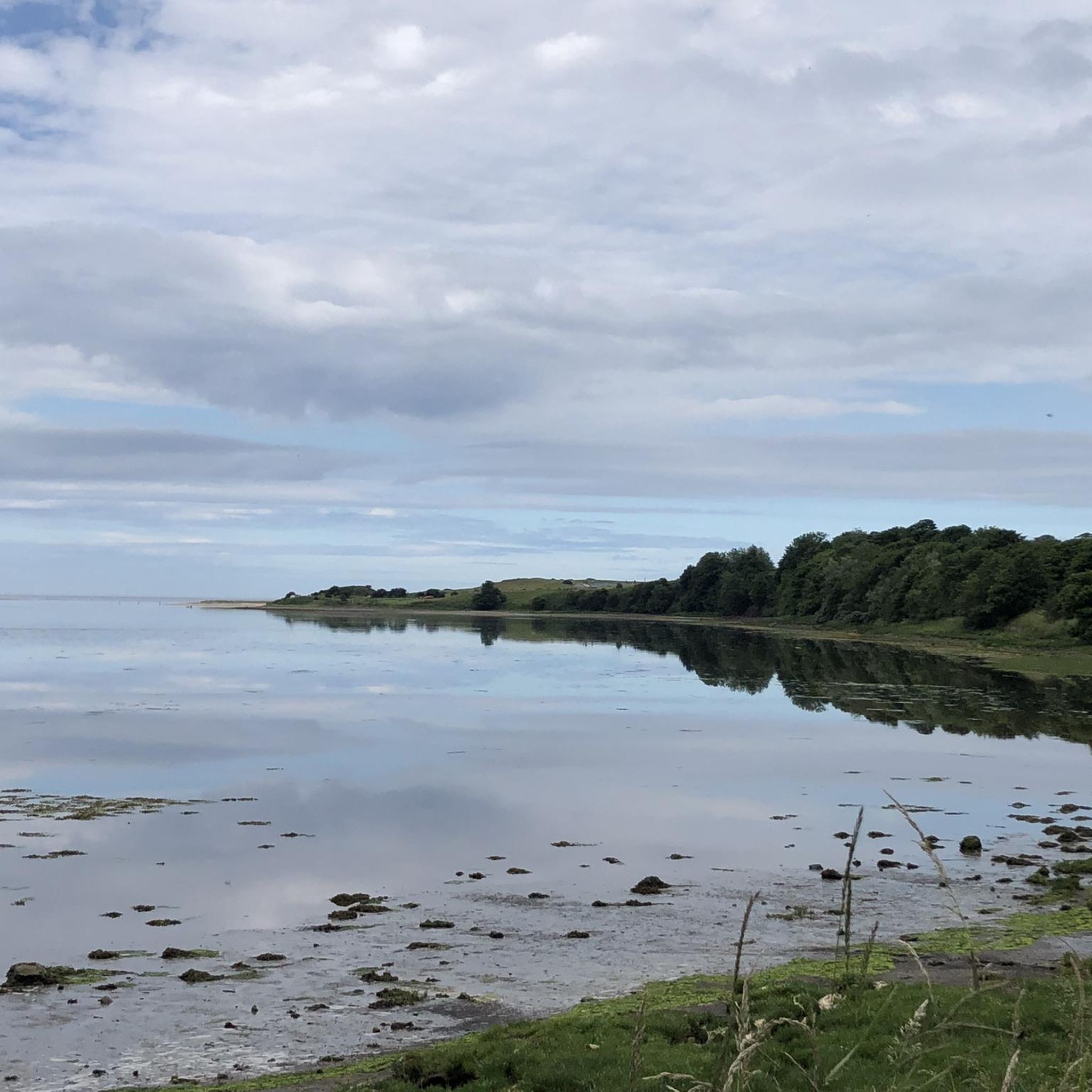
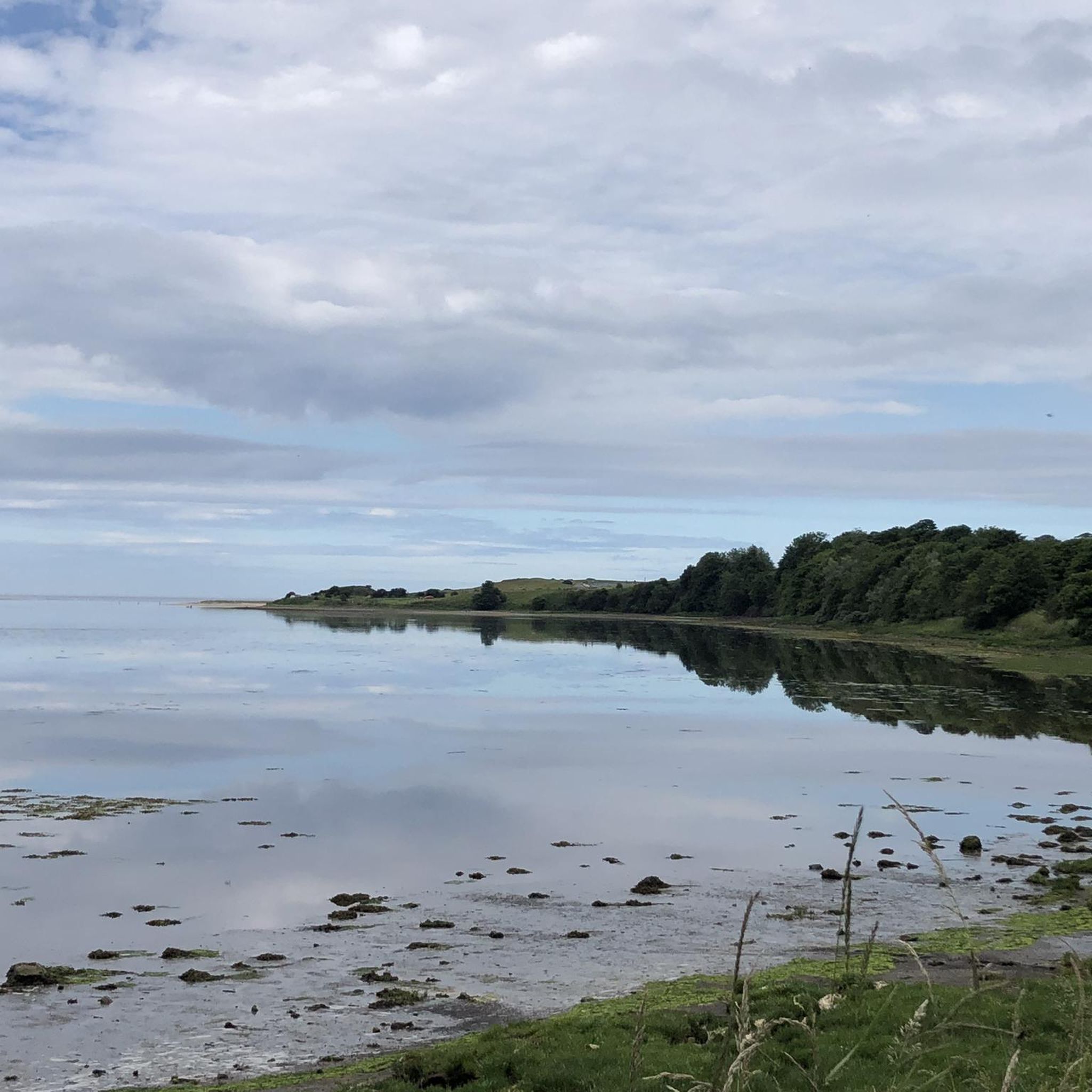
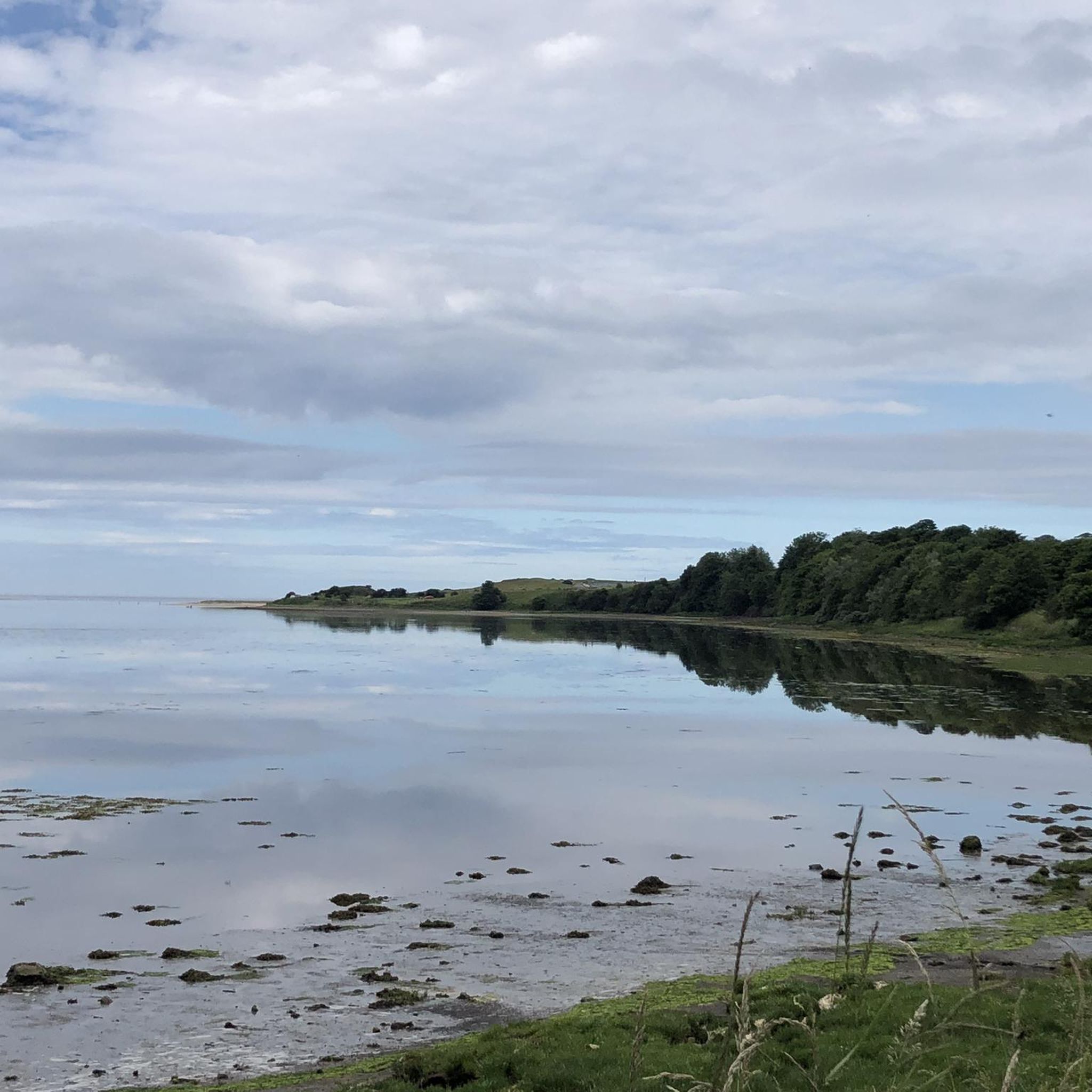
Budle Bay is a square-shaped bay extending 1 mile wide along the North Sea coast of Northumberland, England. Positioned between Bamburgh and Lindisfarne, it features Budle Point on the eastern end. The bay is notable for its association with Bamburgh Castle Golf Club, the Northumberland Coast Path, and St Oswald's Way. Waren Burn and Ross Low are streams that converge into the bay, forming Budle Water as they flow eastward. The area is part of the Lindisfarne National Nature Reserve and is significant in geological conservation. The bay's geological composition includes limestone, Alston Formation rocks, and the quartz-microgabbro of the Whin Sill. Blown sand deposits shape the landscape, with Ross Links on one side. Historically, Budle Bay had a seaport named Waren, which operated until the early 20th century.
1
0

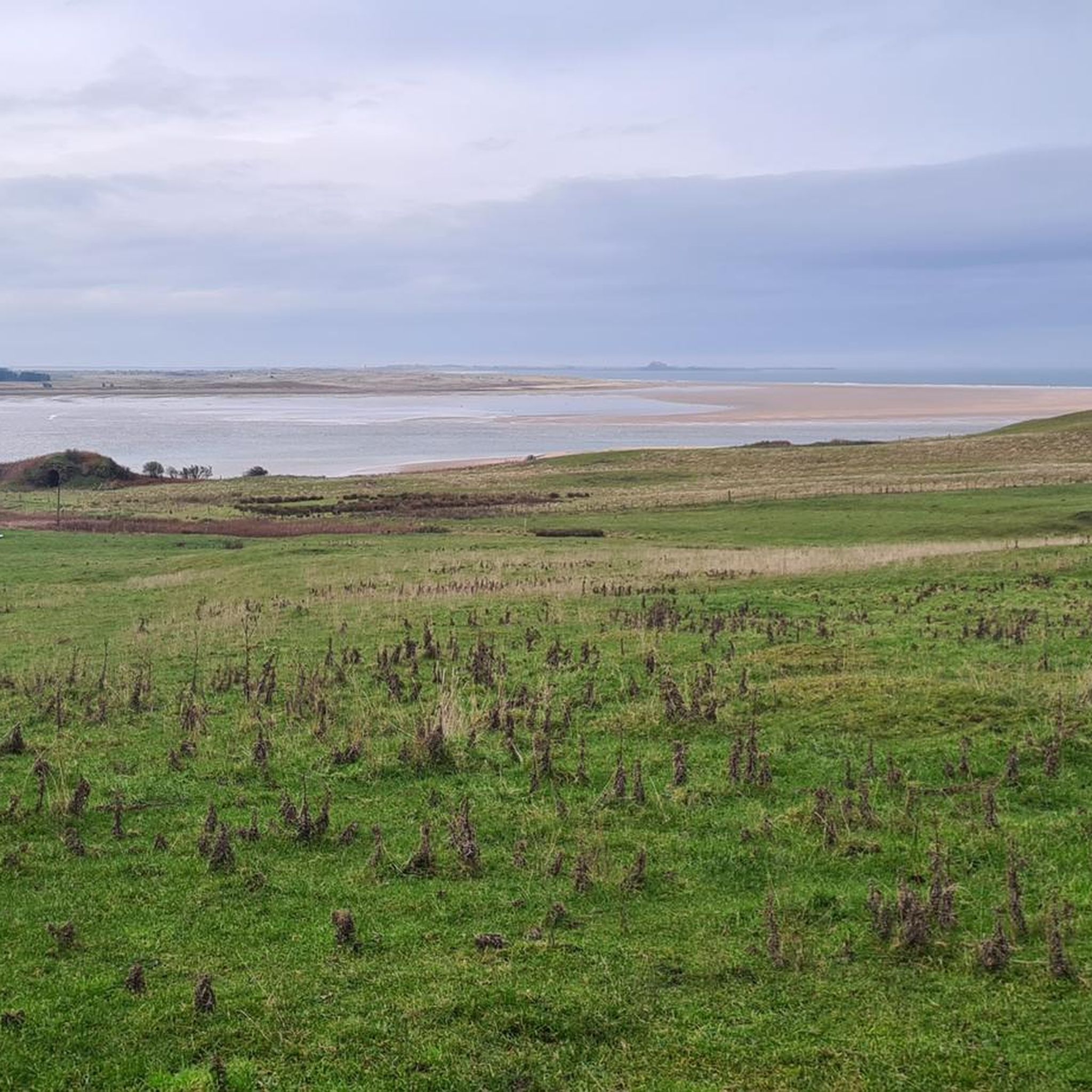
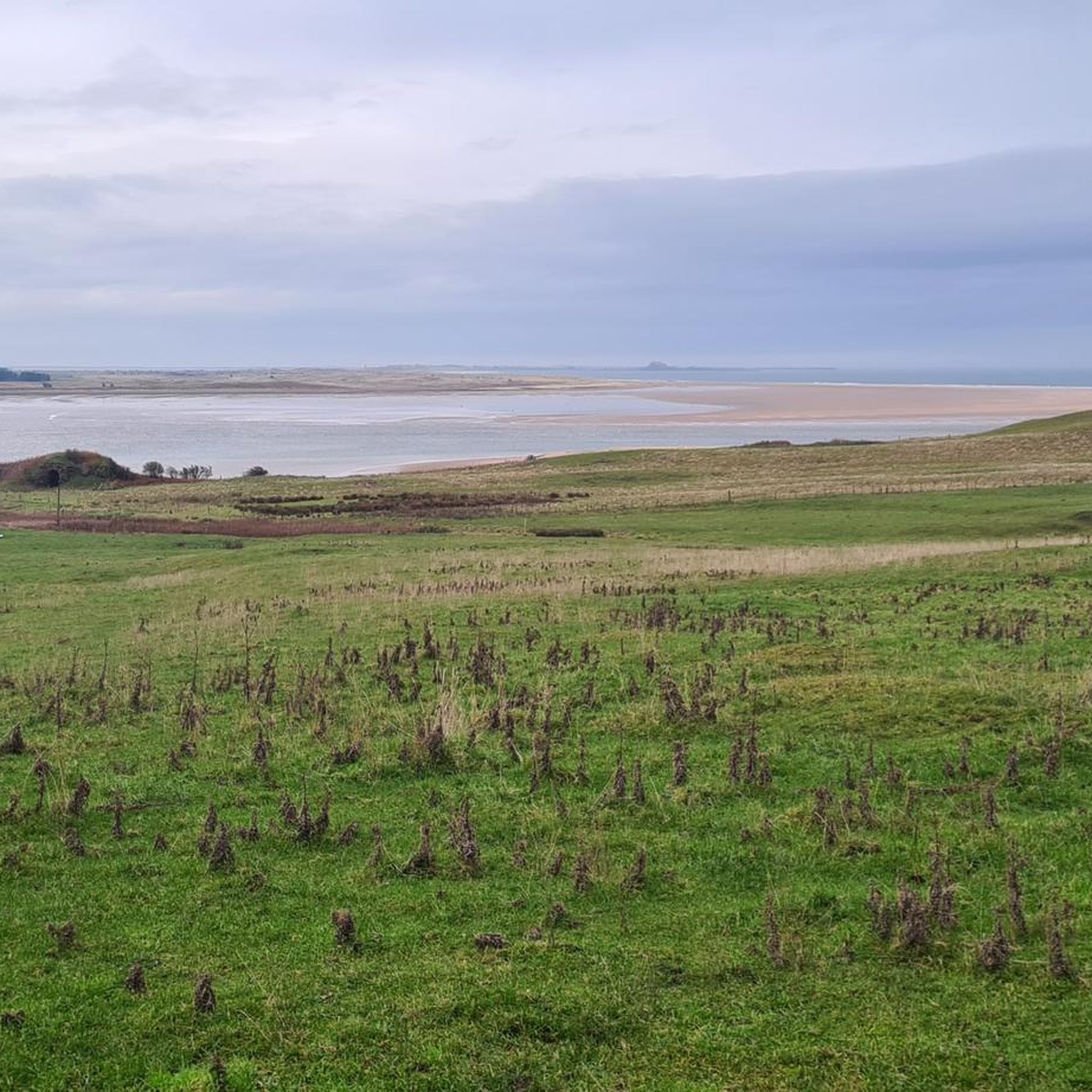
Ros Castle is a 3000-year-old Iron Age Hill Fort, at 315m it's also the highest point in the Chillingham Hills. There is a trig point and a toposcope building with four viewpoints and a labelled diagram for each. The views are superb. Managed by the National Trust but free and open access.
0
0
Frequently Asked Questions
What are some of the most popular natural monuments to visit near Adderstone With Lucker?
The area around Adderstone With Lucker is rich in natural beauty. Highly regarded spots include Holy Island (Lindisfarne), known for its unique tidal environment and historical significance. Low Newton Beach offers a lovely coastal experience with a nature reserve, and St Cuthbert's Cave provides a walk steeped in folklore with beautiful views.
Are there natural monuments suitable for families near Adderstone With Lucker?
Yes, several natural monuments are great for families. Holy Island (Lindisfarne) offers exploration of beaches and nature. Low Newton Beach is perfect for walks and enjoying the seaside, and Budle Bay is a wide, sandy bay ideal for family outings and birdwatching.
What kind of natural features can I expect to see around Adderstone With Lucker?
The region boasts a diverse range of natural features. You'll find dramatic coastlines with expansive sandy beaches, dunes, and rugged cliffs, as well as unique island ecosystems like the Farne Islands. Inland, the Northumberland National Park offers rolling hills, ancient woodlands, and pristine rivers. Specific natural monuments include viewpoints, beaches, and caves.
Are there any historical or cultural natural monuments in the area?
Absolutely. Many natural sites here are intertwined with history. Holy Island (Lindisfarne) is a significant historical site with a unique natural environment. St Cuthbert's Cave is shrouded in folklore, and Ros Castle Hill Fort is a 3000-year-old Iron Age site offering superb views from its natural summit.
What outdoor activities can I do near these natural monuments?
The area is fantastic for outdoor activities. You can enjoy various hikes, from easy coastal strolls to more challenging routes. Cycling is also popular, with options for road cycling and mountain biking. For specific routes and guides, you can explore easy hikes, road cycling routes, and MTB trails around Adderstone With Lucker.
What is the best time of year to visit the natural monuments around Adderstone With Lucker?
The best time to visit largely depends on your preferred activities. Spring and summer (May to September) offer warmer weather, ideal for coastal walks, wildlife spotting (especially seabirds on the Farne Islands), and enjoying the beaches. Autumn can be beautiful with changing foliage, while winter provides a dramatic, quieter landscape, though some services might be reduced.
Are there any natural monuments that are particularly good for birdwatching or wildlife spotting?
Yes, the region is a haven for wildlife. The Farne Islands, accessible by boat from Seahouses, are a National Nature Reserve teeming with seabirds like puffins and guillemots, and home to a large grey seal colony. Holy Island (Lindisfarne), with its mudflats and saltmarshes, is vital for migratory birds. Budle Bay is also known for its birdlife.
Are there any natural monuments with significant geological features?
The geology of the Northumberland coast is quite interesting. Budle Bay, for instance, is part of a geological conservation area, featuring limestone, Alston Formation rocks, and the quartz-microgabbro of the Whin Sill. The dramatic cliffs and coastal formations along the Northumberland Coast National Landscape also showcase fascinating geological processes.
Can I find any hidden natural gems or less-known spots near Lucker?
While the main attractions are well-known, exploring the broader Northumberland Coast National Landscape or parts of the Northumberland National Park can reveal quieter spots. For example, the Linhope Spout waterfall in Ingram Valley within the National Park offers a beautiful, less crowded natural experience. Many smaller coves and stretches of beach along the coastline also provide serene escapes.
What do visitors enjoy most about the natural monuments around Adderstone With Lucker?
Visitors frequently praise the stunning panoramic views, especially from spots like Ros Castle Hill Fort. The unique experience of places like Holy Island (Lindisfarne), with its tidal access and rich history, is also a highlight. Many appreciate the peaceful coastal walks and the chance to observe abundant wildlife.
Are there options for wild swimming near the natural monuments?
While specific designated wild swimming spots are not explicitly highlighted within the natural monuments data, the Northumberland coastline offers numerous beaches and bays. Beadnell Bay, for example, is known for its calm waters and is popular for various water sports, which could include swimming. Always exercise caution, check local conditions, and be aware of tides and currents if considering wild swimming.
How accessible are the natural monuments for visitors with mobility considerations?
Accessibility varies greatly among the natural monuments. Many coastal paths and beaches, like parts of Low Newton Beach or Budle Bay, may offer relatively flat sections suitable for easier access. However, sites like Ros Castle Hill Fort or St Cuthbert's Cave involve more rugged terrain and inclines. It is advisable to check specific site information for detailed accessibility details before visiting.
Most popular attractions around Adderstone With Lucker

Get inspired with the komoot mobile app


Explore more
Extend your search for the best caves by checking out these guides of the top ones around Adderstone With Lucker:
