Top 14 Natural Monuments around Lunedale
Natural monuments around Lunedale are found within Teesdale, a region in the south of County Durham. This area is characterized by impressive fells, unique geology, and a rich ecological landscape. Over 50% of the wider Teesdale area, including Lunedale, is part of the North Pennine Area of Outstanding Natural Beauty (AONB). The region offers diverse natural features, from waterfalls to upland landscapes, providing opportunities for exploration.
Best natural monuments around Lunedale
- The most popular natural monuments is High Force Waterfall…
Last updated: May 3, 2026
High Force Waterfall
Highlight • Viewpoint
Tip by

High Cup Nick
Highlight • Gorge
Tip by
Sign up now to discover places like this
Get recommendations on the best single tracks, peaks, & plenty of other exciting outdoor places.
Sign up for free
Cauldron Snout Waterfall
Highlight • Natural Monument
Tip by
Mickle Fell Summit Cairn
Highlight • Viewpoint
Tip by

Dufton Pike
Highlight • Natural Monument
Tip by

Sign up for free to discover even more natural monuments around Lunedale.
Sign up for free
Already have an account?
Start today with a free account
Your next adventure awaits.
Login or Signup
Tips from the Community

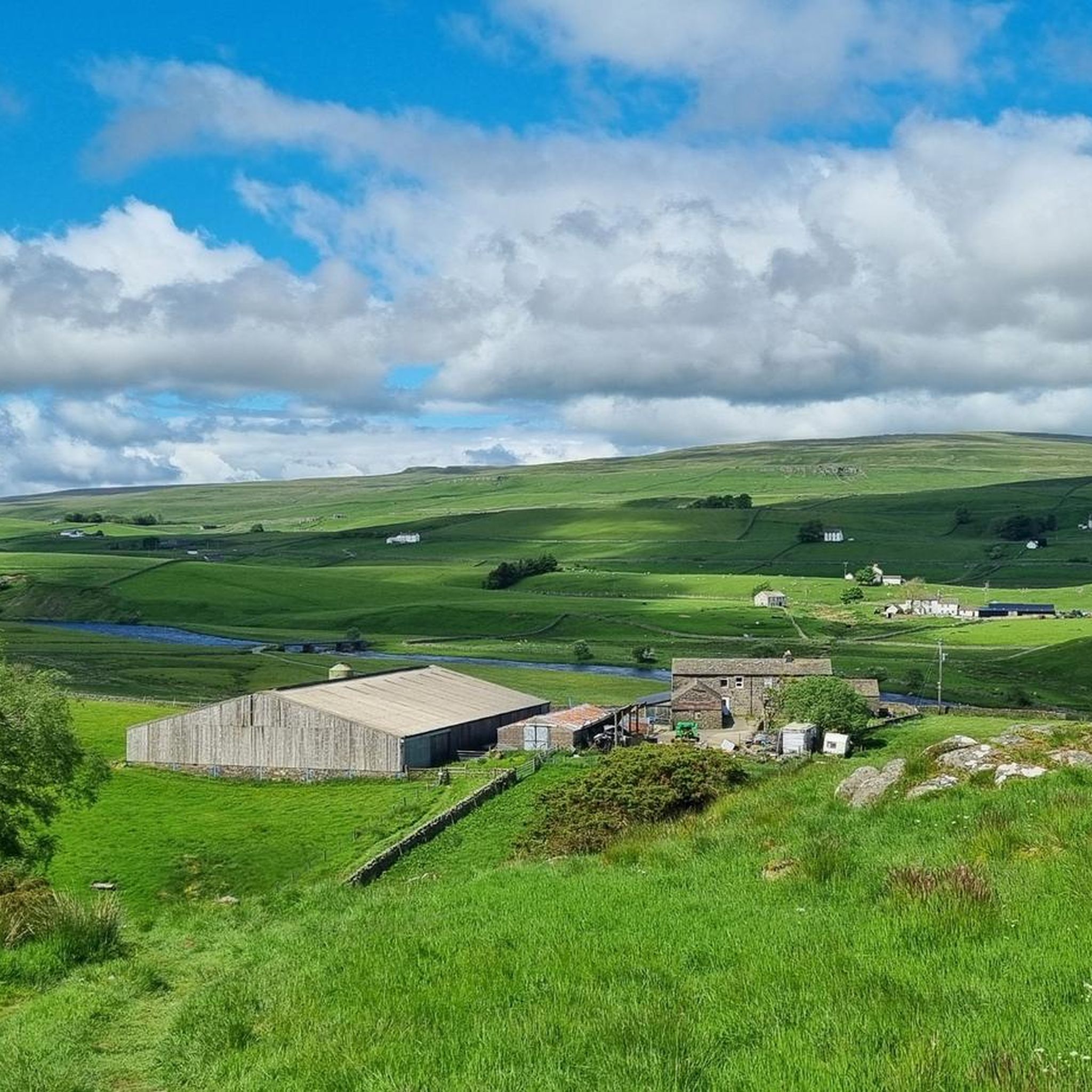
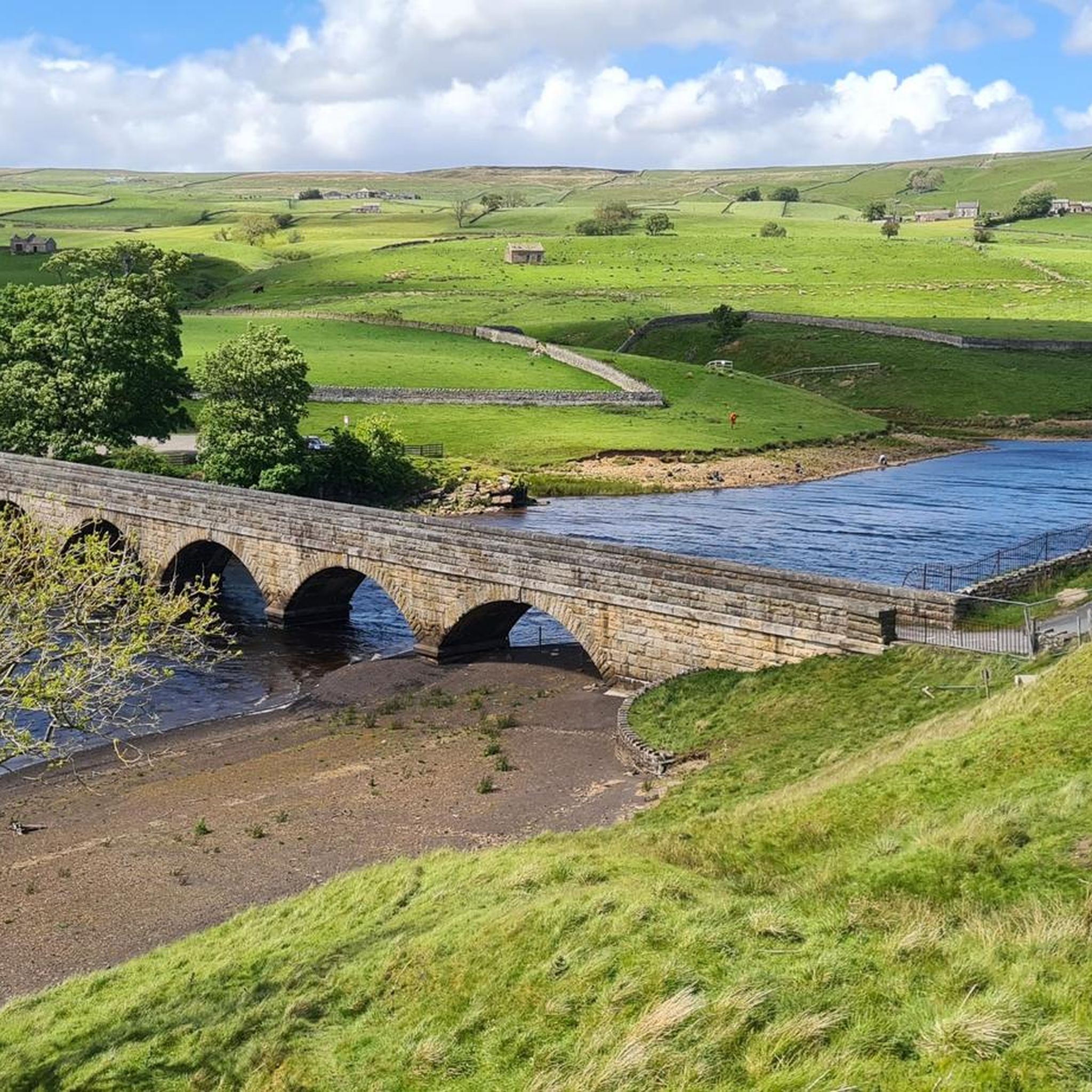
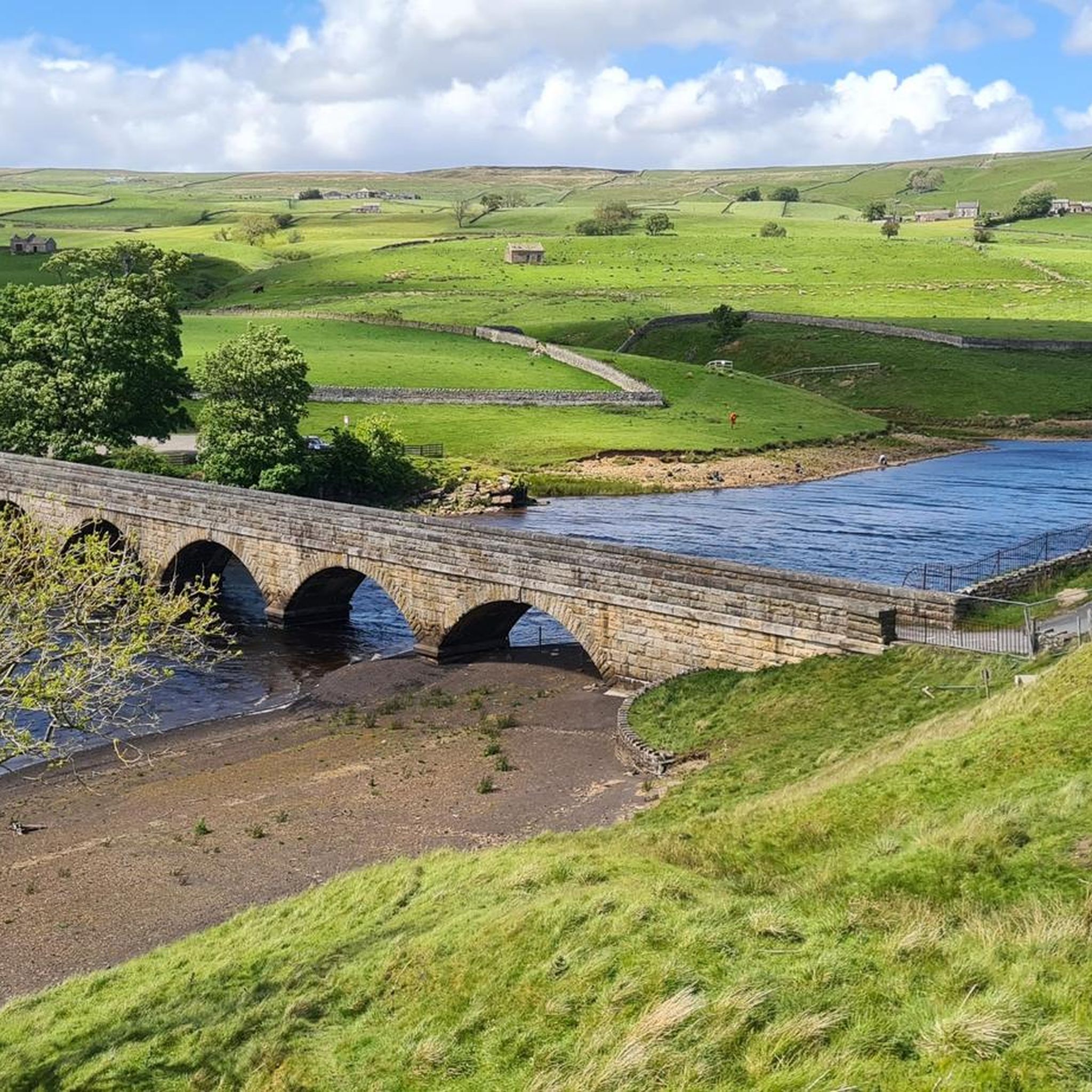
The waterfall is fed by the Cow Green Reservoir, with water running over a dam wall and then plunging into the river.
0
0

it more of a long cataract than a waterfall and at 200 yards long ,reckoned to be the longest waterfall in England . keep away from the edges cos can be very slippery when wet .
1
0

Cauldron Snout is a stunning series of waterfalls accessible from the Pennine Way, and the large car park at Cow Green Reservoir. There is a rocky footpath that is a bit of a scramble leading down to it from Cow Green Dam; the latter makes a super nice backdrop to the first waterfall. This footpath is treacherous when wet, and you need to be very careful, a fall could have serious consequences.
3
0
Dufton Pike is a super nice hill and a UK designated P100, a hill with a 100 metres of prominence. The views from the top looking up towards Backstone Edge is super nice. It is a nice short, sharp pull to get to the top, but well worth it. The top has an unmarked summit.
0
0
Mickle Fell is the highest peak in Yorkshire, depending on which list you look at. It is an imposing bulk of a mountain and difficult to get to as a large chunk of it is in the Warcop military training range and access is limited. Normally, 10–12 weekends are set aside annually by the military to allow hikers to walk one of two routes to its summit. There are two routes: the Northern Route and the Southern Route, and both require permits. I did the Southern Route, which is a linear route following a fence for most of the way. The middle section of this route is difficult and boggy. For further information, scheduled hiking days, and contact numbers, see the links below. Access Days — https://www.gov.uk/government/publications/warcop-access-times General Information — https://assets.publishing.service.gov.uk/media/5a79714ce5274a2acd18cdf4/dte_info_leaflet_northwest.pdf Application procedure — https://assets.publishing.service.gov.uk/media/66339f8e4d8bb7378fb6c172/WTA_Mickle_Fell_Access_Permit_Request_Procedures.pdf
3
0

One of the most impressive summits and views I’ve ever seen. Pics don’t do it justice. Amazing spot
2
0

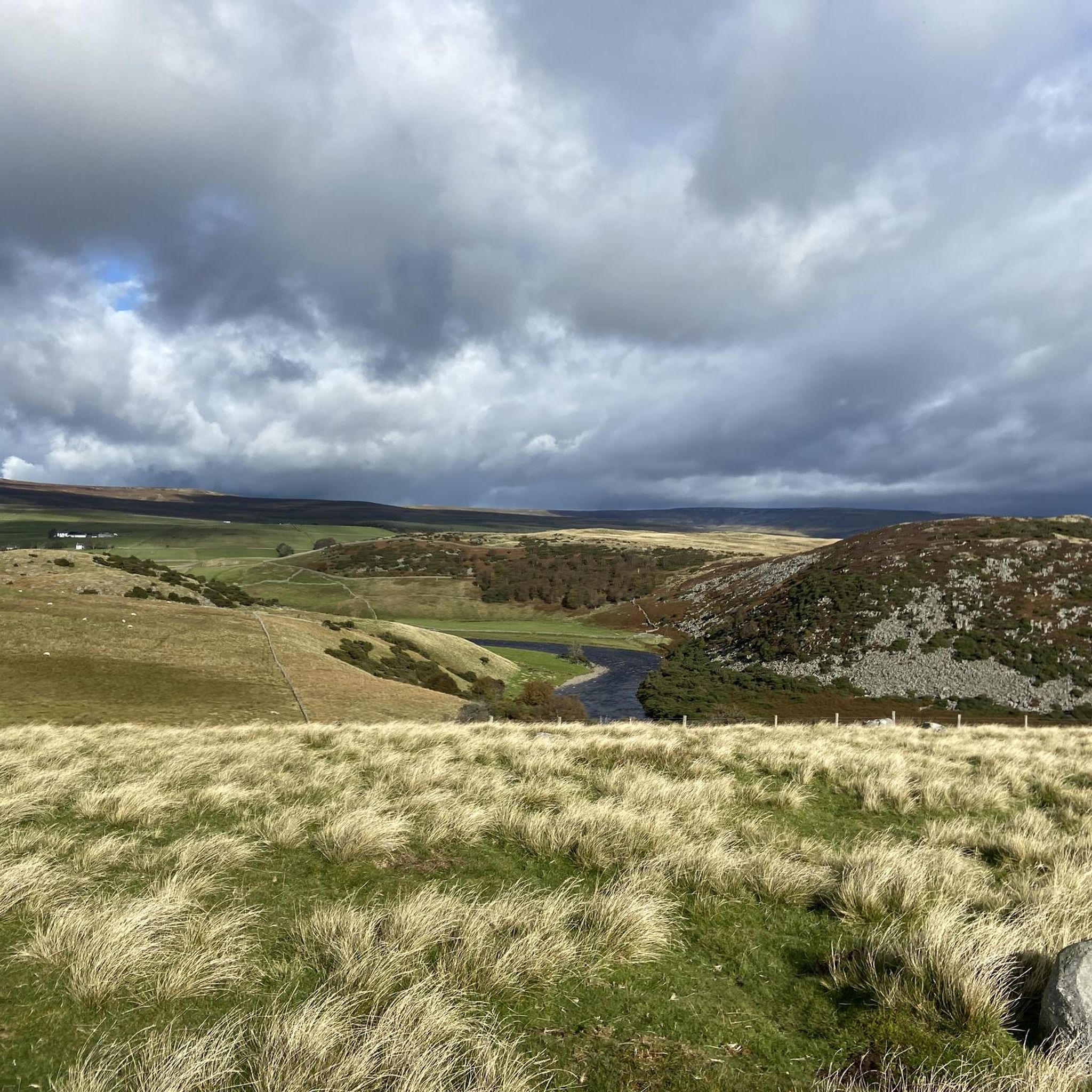
Cauldron Snout is a rocky ravine below Cow Green Reservoir that the infant River Tees descends through spectacularly. The falls, which nestle within the North Pennines Area of Outstanding Natural Beauty (AONB), are caused by the upper Tees passing over dolerite steps of the Whin Sill.
1
0

This peak, with an altitude of 481 metres (1,578 ft), is considered a Marilyn, which are hills with a prominence greater than 150 metres. The easiest way to reach it is from the village of Dufton.
1
1
Frequently Asked Questions
What unique natural features can I explore in Lunedale?
Lunedale, situated within the North Pennine Area of Outstanding Natural Beauty, offers a diverse range of natural features. You can explore impressive fells, unique geological formations like the dolerite crags at High Cup Nick, and several powerful waterfalls such as High Force Waterfall and Cauldron Snout Waterfall. The area is also known for its rare post-Ice Age flora, particularly on Cronkley Fell.
Are there any historical or archaeological natural monuments in Lunedale?
Yes, Lunedale has a rich prehistoric past. A notable example is the Prehistoric Stone Circle southwest of Lune Head Farm, a scheduled monument offering insights into ancient ritual activities. Additionally, Cronkley Fell features multi-period archaeology, including well-preserved prehistoric hut circle settlements and medieval farmsteads, providing a glimpse into thousands of years of human activity.
What are the best natural monuments for families with children in Lunedale?
Several natural monuments in Lunedale are suitable for families. High Force Waterfall is a great option with well-maintained paths, making it accessible for all ages. Cauldron Snout Waterfall can also be family-friendly, though the footpath down to it can be rocky and requires careful navigation. Dufton Pike is another family-friendly natural monument, offering an intermediate hike to a summit with great views.
What is the highest point in Lunedale and how can I access it?
The highest point in County Durham, which encompasses Lunedale, is Mickle Fell, reaching 788 meters (2,585 feet). Access to Mickle Fell is restricted as it lies within the Warcop Training Area, a Ministry of Defence firing range. Public access is typically limited to specific non-firing days and usually requires a permit. You can find more information on access days and permit procedures on the official government website.
What kind of rare plants can I find in Lunedale?
Lunedale is renowned for its unique botanical significance, particularly on Cronkley Fell, which is part of the Moor House - Upper Teesdale National Nature Reserve. Here, you can discover rare post-Ice Age flora that has vanished from much of upland England. These include delicate species like deep pink bird's-eye primroses, tiny white stars of spring sandwort, and the intensely blue trumpets of spring gentians, often found in protected 'exclosures'.
Are there any challenging hikes to natural monuments in Lunedale?
Yes, Lunedale offers several challenging hikes to its natural monuments. The ascent to Mickle Fell Summit Cairn is a challenging yet rewarding hike across vast moorland. High Cup Nick also involves a challenging route, often done as a circular walk from Dufton. The path to Cauldron Snout Waterfall from Cow Green Reservoir is described as a rocky scramble, requiring careful footing.
What outdoor activities can I do near the natural monuments in Lunedale?
Beyond exploring the natural monuments themselves, Lunedale offers various outdoor activities. You can find numerous hiking trails, including easy options like the High Force Waterfall – Low Force Waterfall loop. For cyclists, there are road cycling routes and touring bicycle routes, such as the Grassholme Reservoir – Lune Railway Viaduct loop. Many routes allow you to experience the region's fells and valleys.
When is the best time to visit Lunedale to see its natural beauty?
The best time to visit Lunedale depends on your interests. Spring is particularly rewarding for nature enthusiasts, as it's when the rare wildflowers on Cronkley Fell are in bloom. The waterfalls, like High Force Waterfall, are especially impressive after heavy rain, which can occur throughout the year. Summer offers generally milder weather for hiking, while autumn brings vibrant colors to the landscape.
Are there dog-friendly natural monuments or trails in Lunedale?
Many areas in Lunedale are dog-friendly, especially for walks on public footpaths and bridleways. Dufton Pike is listed as a dog-friendly natural monument. When visiting, always ensure dogs are kept under control, especially around livestock, and adhere to any specific signage in nature reserves or protected areas.
What are the views like from the natural monuments in Lunedale?
The natural monuments in Lunedale offer breathtaking panoramic views. From High Cup Nick, you can witness an utterly stunning vista of a glaciated u-shaped valley. Mickle Fell Summit Cairn provides extensive 360-degree views, including distant glimpses of the Lake District hills. Even from Dufton Pike, you can enjoy significant views of the surrounding landscape.
Where can I find easy hiking trails around Lunedale's natural monuments?
For easier walks, you can explore trails around the lower sections of the River Tees. The easy hikes around Lunedale guide features routes like the 'High Force Waterfall – Low Force Waterfall loop from High Force' and the 'Low Force Waterfall – Wynch Bridge loop from High Force', which are well-maintained and suitable for a relaxed pace.
Is public transport available to reach natural monuments in Lunedale?
Public transport options to reach some of the more remote natural monuments in Lunedale can be limited. It is often advisable to check local bus services for routes to nearby villages like Middleton in Teesdale or Dufton, and then plan your journey to the monuments from there. For specific locations, driving and parking may be the most direct option.
Are there any hidden natural gems to discover in Lunedale?
While the main natural monuments are well-known, Lunedale's designation within the North Pennine AONB means the entire area is a natural gem. Exploring the less-trafficked paths and riverbanks can reveal secluded spots and unique flora. The archaeological remains on Cronkley Fell, for instance, offer a blend of natural beauty and historical intrigue that might be considered a hidden gem for those who venture beyond the main trails.
Most popular attractions around Lunedale

Get inspired with the komoot mobile app


Explore more
Extend your search for the best caves by checking out these guides of the top ones around Lunedale:
