Top 4 Natural Monuments around Barton-Under-Needwood
Best natural monuments around Barton-Under-Needwood are situated within a landscape shaped by the National Forest and the Trent and Mersey Canal. This area offers a variety of natural features and recreational opportunities. The region's natural heritage includes regenerated woodlands, historic waterways, and diverse river valleys. Visitors can explore tranquil settings for walking and observing local wildlife.
Best natural monuments around Barton-Under-Needwood
- The most popular natural monuments is Fauld Explosion Crater Memorial, a historical site that marks the location of…
Last updated: August 24, 2026
Minster Pool
Highlight • Viewpoint
Tip by

National Memorial Arboretum
Highlight • Natural
Tip by

Sign up now to discover places like this
Get recommendations on the best single tracks, peaks, & plenty of other exciting outdoor places.
Sign up for free
Fauld Explosion Crater Memorial
Highlight • Historical Site
Tip by

Diana, Princess of Wales Memorial Woodland
Highlight • Forest
Tip by

Branston Water Park – The Gravs
Highlight (Segment) • Lake
Tip by

Start today with a free account
Your next adventure awaits.
Login or Signup
Tips from the Community

At 11:11 am on 27 November 1944 a huge explosion occurred at the RAF Fauld underground munitions facility. The accident caused over 3,500 tonnes of bomb and ammunition to explode, which resulted in this massive crater. The site is still considered dangerous with possible unexploded ordnance, so please obey the signs and stay on the path.
0
0

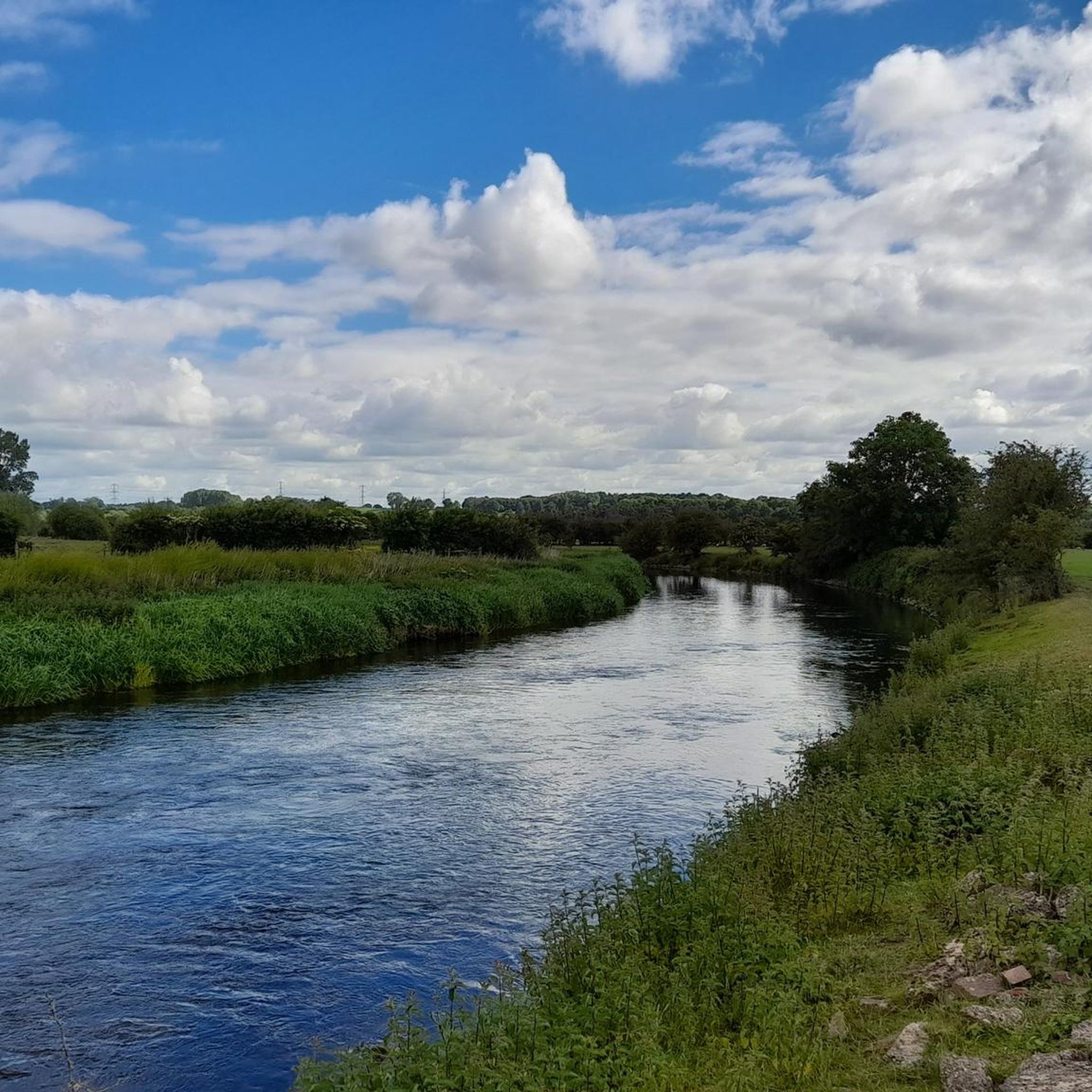
A nice place for a walk in the sunshine
0
0

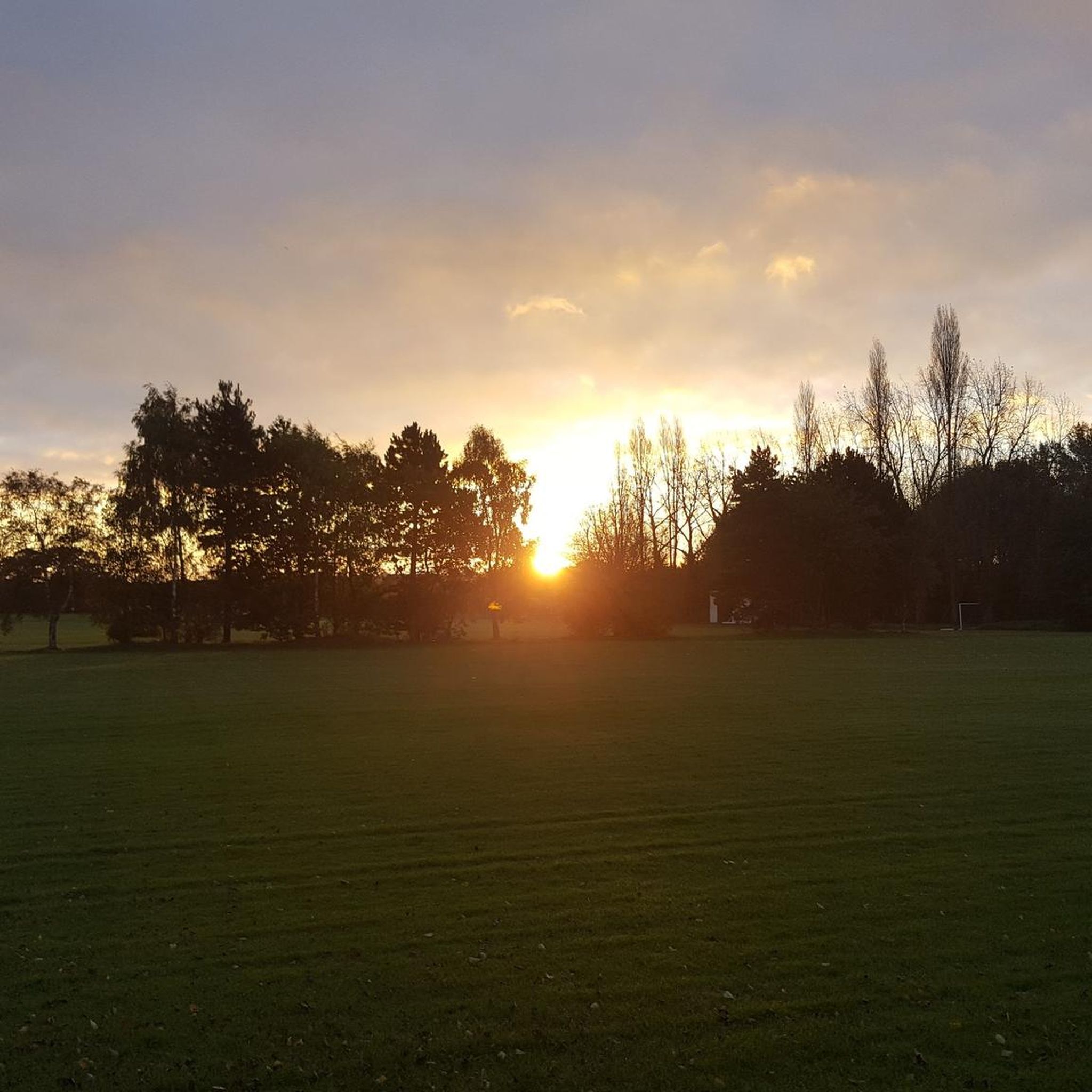
For Covid-19 period, a one way (clockwise) circuit of the lake has been introduced. Please follow the signs
0
0

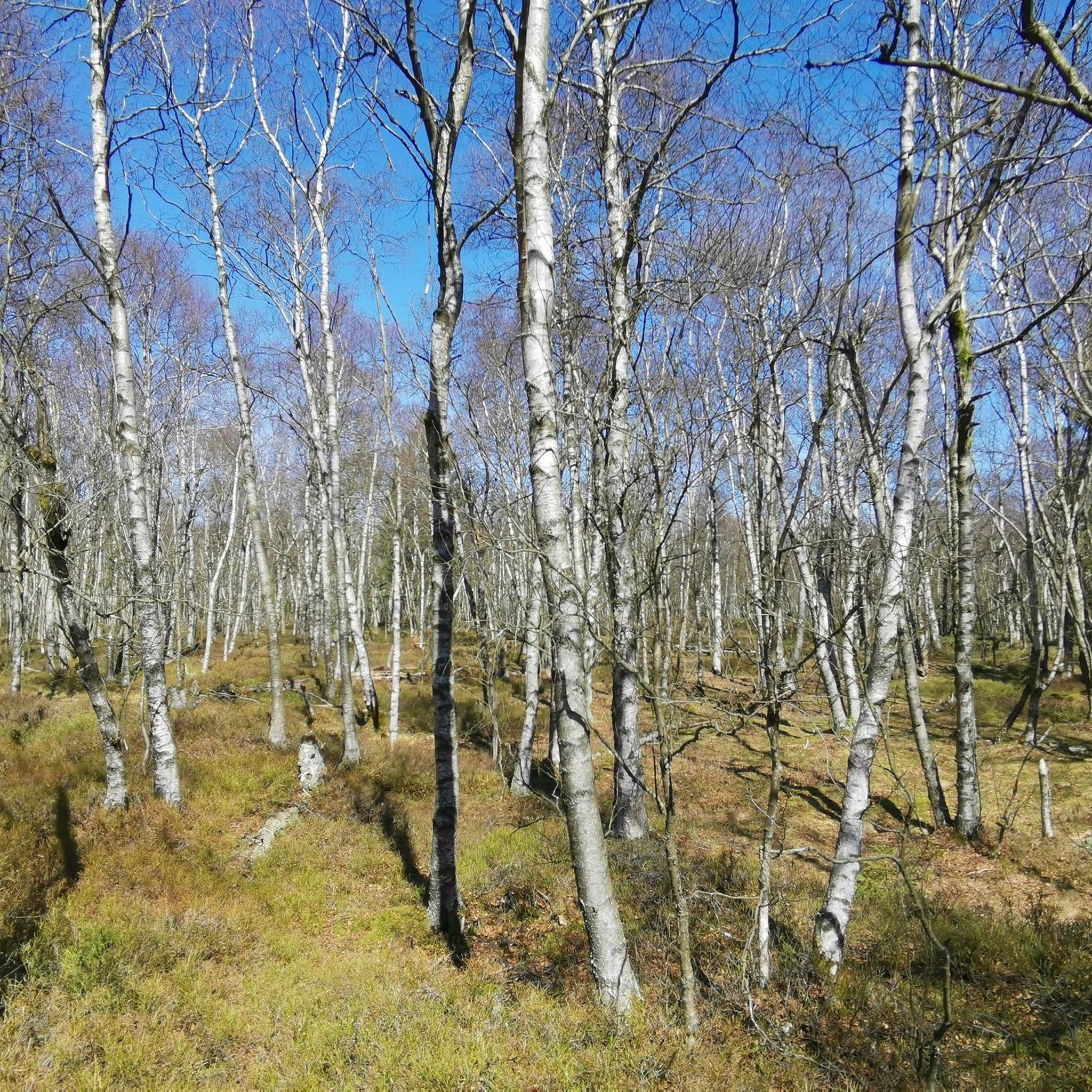
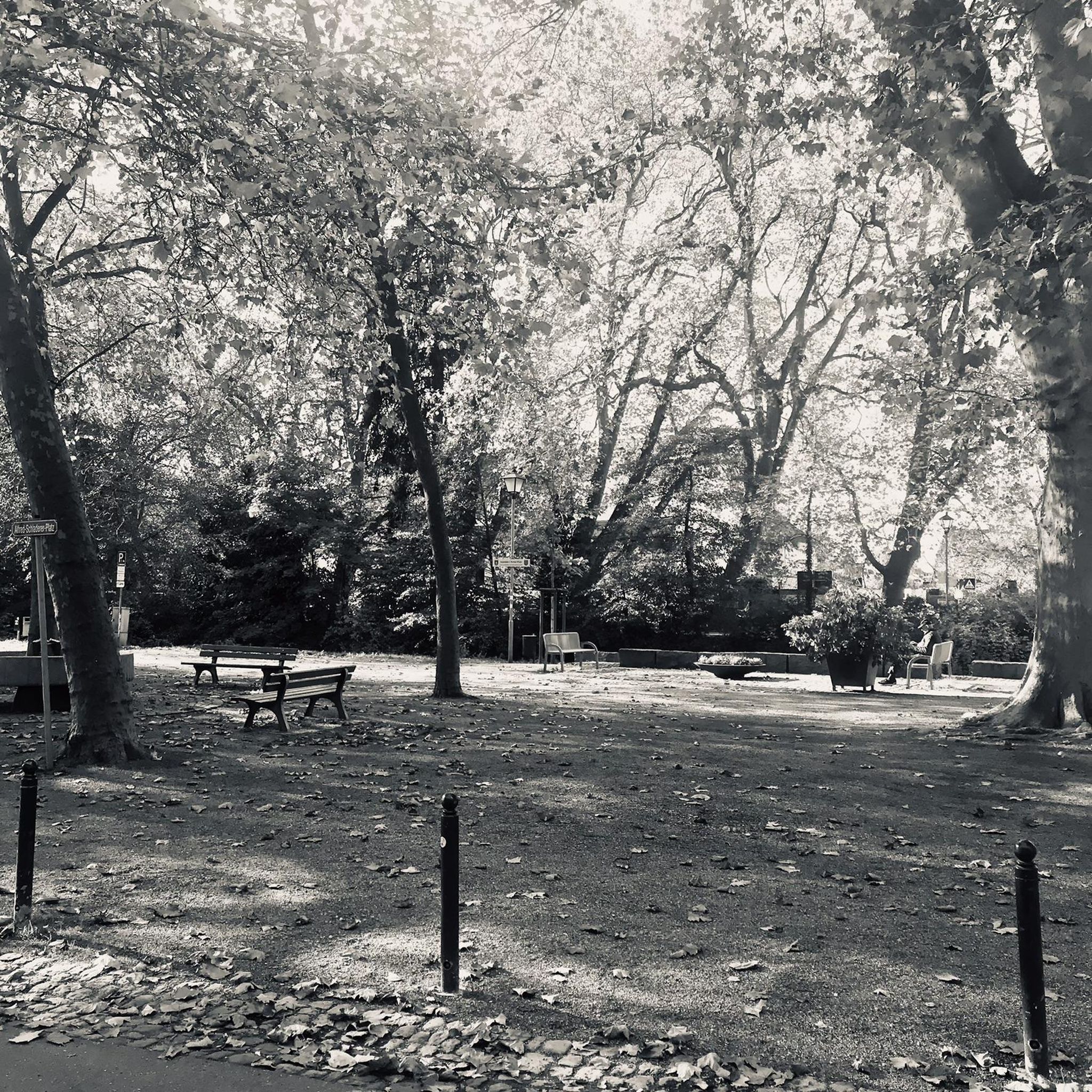
It is an incredibly wet, boggy area. Even when all the other paths in the surrounding woods are bone dry, this part of the woodlands stays wet and boggy. Boots are needed.
1
0

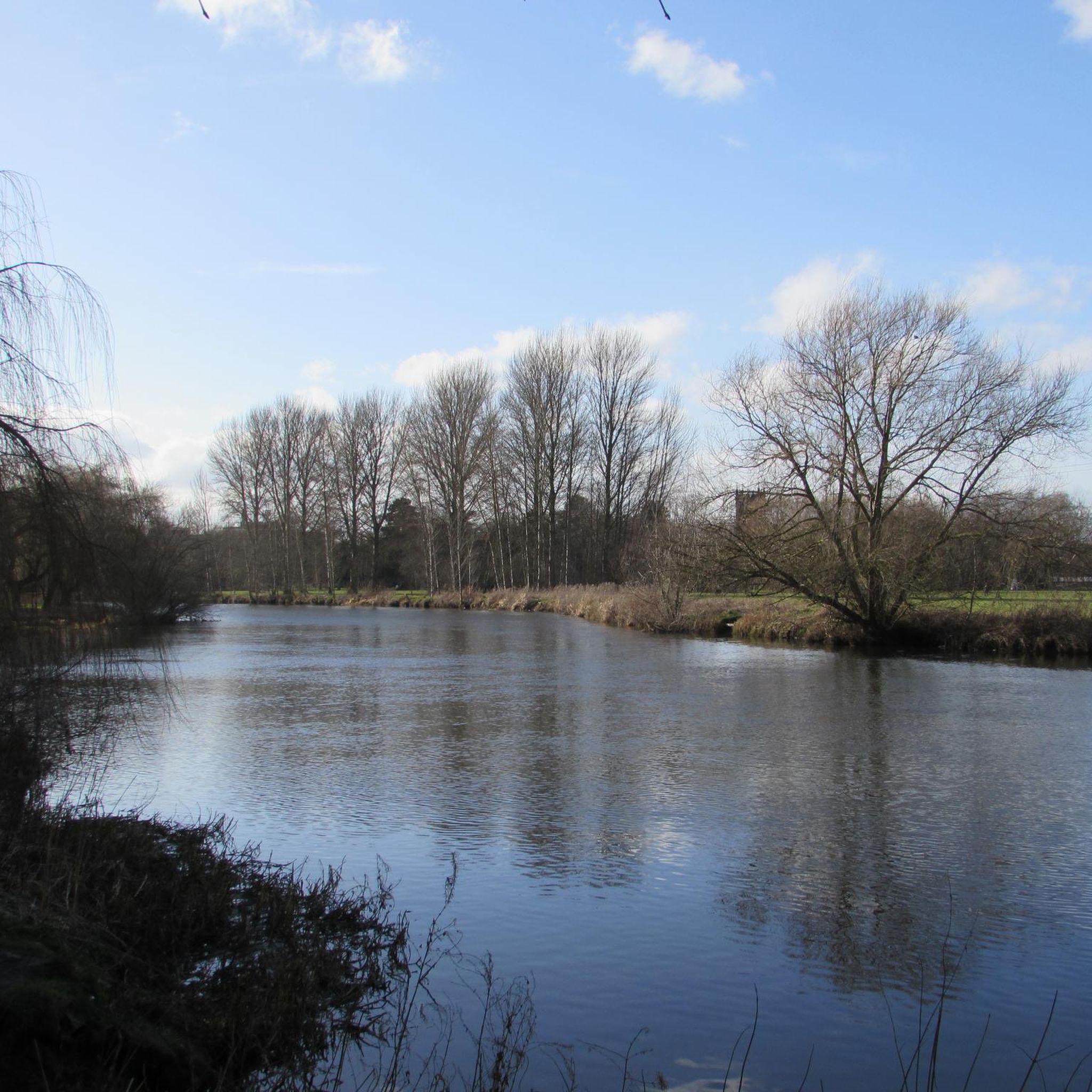
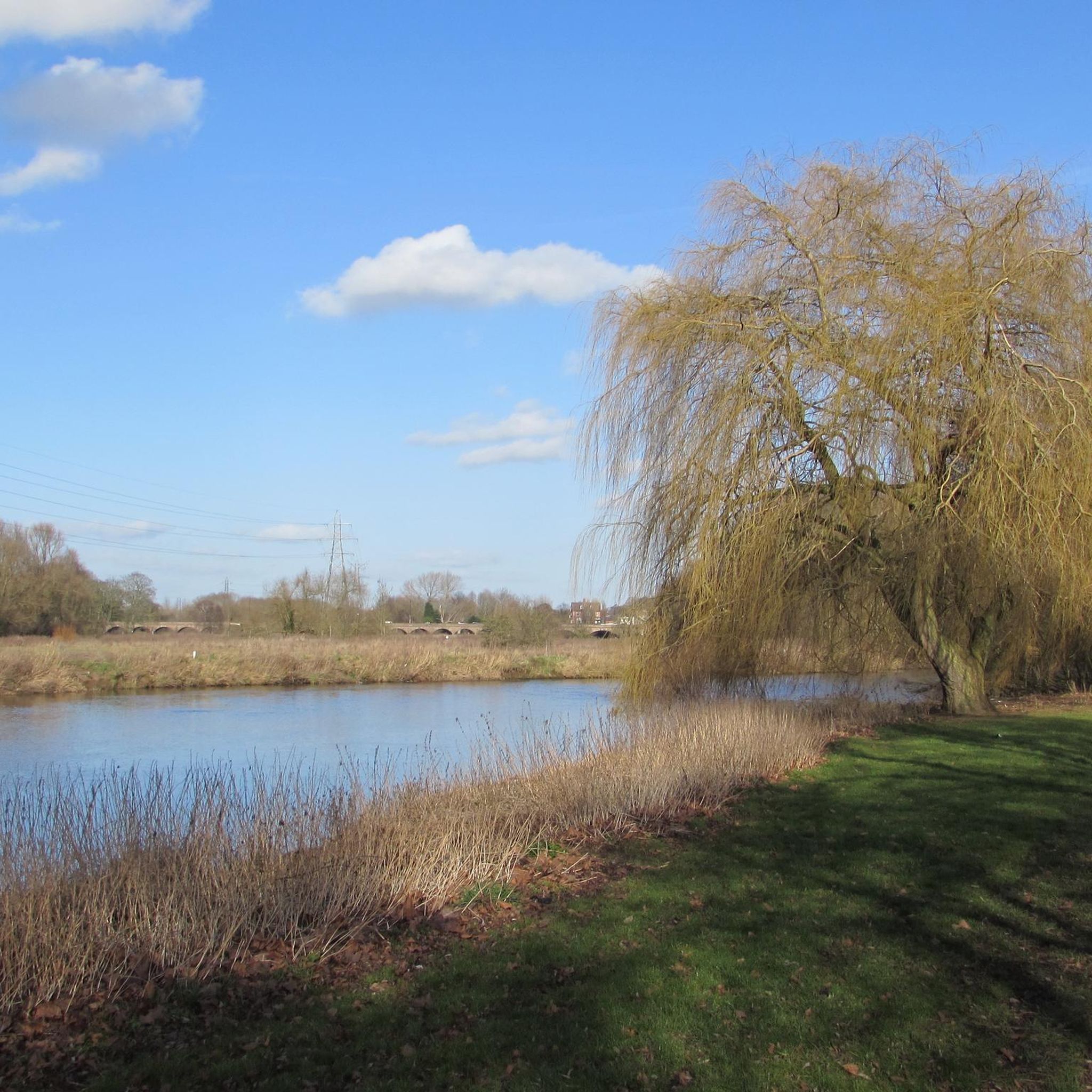
Minster Pool is a pretty reservoir situated to the south of Lichfield Catherdral. From the banks, you get a lovely view over the water and cathedral. The pool is fed by Leomansley and Trunkfield brooks.
1
0

Minster Pool is a reservoir located between Bird Street and Dam Street in the heart of the city of Lichfield, Staffordshire in the United Kingdom. The pool lies directly south of Lichfield Cathedral and historically has been important to the defence of the Cathedral Close. The pool was originally formed in the 11th century when a boggy stream was dammed at its eastern end to drive a mill on Dam Street. The pool was used as a mill pond and fishery until 1856 when the mill was demolished; it has since been retained for public amenity. It was originally thought that Minster Pool was created in 1310 when, under the orders of Bishop Langton, causeways were built on Bird Street and Dam Street to connect the Cathedral close to the town. However, after dredging works in the 19th century engineers discovered strata of red and white sandstone, which may indicate that the pool formed in the cavity created from quarrying of the sandstone to build the Norman Cathedral in around 1085. According to the Domesday Book, the Bishop had two mills in 1086, one of these is likely to have been on Dam Street and would have involved construction of the dam which would have formed Minster Pool. In 1310 Bishop Langton built a causeway on Bird Street splitting a much larger pool into two, these became known as Bishops Fish Pool on the west and Minster Pool on the east. At this time Langton paved the streets and improved the fortifications to the Close with high stone walls and towers built on the north bank of the pool. Langton is thought to have improved and enlarged the dam at the east end of the pool at this time. The south entrance to the Close was located at the east end of Minster Pool on Dam Street and consisted of a portcullis and drawbridge. The pool proved to be a significant defence during the siege of the Cathedral during the Civil War of 1643-46. The mill on Dam Street was known as Castle mill in the 14th and 15th centuries. In early 14th the mill ground malt only, in 1670 it consisted of a corn mill and a malt mill. It was described as a corn mill in 1696 and in 1716 it had been converted into an oil mill. By 1731 it was a wheat, rye and malt mill and remained in use as corn mill until 1856 when it was demolished by South Staffordshire Waterworks Co. The slow flowing nature of the streams caused a lot of siltation in the pool, this combined with it being used as a sewer for the Close caused it to become dirty. In 1772 the pool was cleaned and landscaped by the Corporation. Poet Anna Seward was instrumental in landscaping the pool into a serpentine shape and developing a ‘New Walk’ along its southern bank. By the mid 19th century it had become dirty again and five feet of mud was dredged in 1855. During these works cannonballs and shells from the Civil War were found in the mud. In 1816-17 Bishop Langtons 14th-century bridge on Bird Street was replaced with the current bridge. The 14th-century bridge was very narrow and could not take coaches across it, causing them to be diverted around Stowe Pool and back onto Beacon Street. The new bridge designed by Joseph Potter, was built of ashlar stone and comprises 3 elliptical arches, a low parapet and iron railings with two pylons surmounted by lamp irons. Parts of Bishop Langtons original Causeway were left below the new bridge. This new bridge could now carry the main road from London to Chester. Causeway bridge is now a Grade II Listed building. In 1857 the South Staffordshire Waterworks Co. proposed to fill in the pool and replace it with a public gardens. This was proposed, as it was undesirable to have an open area of water in the middle of a city, which would be used for domestic supply. This proposal was very unpopular among the citizens and the proposal was amended to retain the pool. Instead a cast iron pipe supported by brick piers was laid along the bed of the pool extending under Dam Street and into Stowe Pool. The pipe would carry water from Leamonsley and Trunkfield Brooks through the Museum Gardens in Beacon Park, under Bird Street through Minster Pool and into Stowe Pool. When water was being conveyed in the opposite direction from Stowe Pool to Sandfields Pumping Station the outflow of the brooks would be turned into Minster Pool from where it would outflow into Stowe Pool. South Staffordshire Waterworks Co. passed ownership of the pool back to Lichfield District Council in 1968 when the water supply from Stowe Pool was no longer needed. The pool remains an important public amenity to the city and memorial gardens have been laid out on both sides of the pool. The Garden of Remembrance was laid out on the north bank in 1920 to commemorate World War I and the small memorial gardens that lie alongside Minster Walk were opened in 1955 in memory of Lichfield citizens that lost their lives in World War II. In 2010, with funding from the Heritage Lottery Fund and Big Lottery Fund the pool underwent restoration works. Works were completed in July 2011 and included dredging the pool, reinforcing the pool's bank with local red sandstone, installing new railings, seats and benches, and creating a new Speakers' Corner adjacent to Dam Street. New trees were also added to the ancient avenue of limes and up-lighters were installed at the base of the trees, creating a beautiful night time vista.
0
0

Built to honour the lives of those who died during conflicts, the National Memorial Arboretum is an interesting place to visit, especially if you are interested in military history. You can learn more about Britain's conflicts at the exhibition galleries or reflect on the tyranny of war at the restaurants, cafe and courtyard garden. The arboretum has over 30,000 trees and 350 memorials. A church service takes place in the Millenium Chapel of Peace every morning at 11am, when the Last Post is played. The arboretum is open from 10am - 4pm. You can find more information here: http://www.thenma.org.uk/
0
0

Frequently Asked Questions
What natural attractions can I explore around Barton-Under-Needwood?
The area offers a variety of natural features, including the regenerated woodlands of the National Forest, the tranquil Branston Water Park – The Gravs, and the historic Trent and Mersey Canal. You can also find scenic views from places like Battlestead Hill across the Trent Valley.
Are there family-friendly natural monuments in the area?
Yes, several natural monuments are suitable for families. National Memorial Arboretum offers extensive grounds and memorials to explore, while Minster Pool provides a pleasant setting for a stroll with views of Lichfield Cathedral. Branston Water Park – The Gravs is also a great spot for a family outing.
Where can I find walking trails near Barton-Under-Needwood's natural monuments?
The region is rich with walking opportunities. The National Forest, which surrounds Barton-Under-Needwood, offers extensive woodlands for exploration. For specific routes, you can find easy hikes around the area, including trails near Barton Marina, by visiting the Easy hikes around Barton-Under-Needwood guide.
What historical natural monuments are there to visit?
The Fauld Explosion Crater Memorial marks the site of a significant historical event from 1944. Additionally, National Memorial Arboretum is a poignant site with over 350 memorials dedicated to those who served. Minster Pool also has a rich history, having been important to the defense of Lichfield Cathedral.
Can I spot wildlife near the natural monuments?
Yes, the natural areas around Barton-Under-Needwood are home to various wildlife. The Trent and Mersey Canal, particularly around Barton Marina, is known for kingfishers. The woodlands of the National Forest and local brooks also provide habitats for diverse flora and fauna, offering opportunities for wildlife observation.
What is the National Memorial Arboretum, and what can I do there?
The National Memorial Arboretum is a living tribute with over 30,000 trees and 350 memorials, honoring those who have served the nation. Visitors can explore the extensive grounds, reflect at various memorials, and learn about Britain's conflicts in the exhibition galleries. A daily church service with the Last Post is held in the Millennium Chapel of Peace.
Is Minster Pool suitable for a leisurely visit?
Absolutely. Minster Pool is a picturesque reservoir in Lichfield, offering lovely views over the water and Lichfield Cathedral. It's an ideal spot for a leisurely walk, with memorial gardens laid out on both sides of the pool, providing a tranquil public amenity.
What is the Fauld Explosion Crater Memorial?
The Fauld Explosion Crater Memorial marks the site of a massive explosion that occurred on November 27, 1944, at the RAF Fauld underground munitions facility. Over 3,500 tonnes of bombs and ammunition detonated, creating the large crater visible today. Visitors are advised to obey signs and stay on paths due to the historical nature of the site.
Are there any natural woodlands or forests to explore?
Yes, the area is part of The National Forest, offering extensive woodlands for exploration. The Diana, Princess of Wales Memorial Woodland is one such area with footpaths, linking to the Ashby Heritage trail and the National Forest Trail. Battlestead Hill also features mature woodland, particularly beautiful in spring with primroses and bluebells.
What are the best times of year to visit the natural monuments around Barton-Under-Needwood?
Spring is particularly beautiful, with primroses, bluebells, and violets carpeting the woodland floors in areas like Needwood Forest and Battlestead Hill. The regenerated woodlands and canal paths are pleasant for walking throughout the warmer months. Autumn also offers stunning foliage. While accessible year-round, some areas might be wet and boggy in winter, so appropriate footwear is recommended.
Are there options for longer hikes or runs near these natural monuments?
Yes, the region provides various routes for longer outdoor activities. You can find moderate to difficult running trails, including loops that incorporate the Trent and Mersey Canal Towpath. For hiking, there are options like the 'National Memorial Arboretum – Trent and Mersey Canal Towpath loop'. More details can be found in the Hiking around Barton-Under-Needwood guide and the Running Trails around Barton-Under-Needwood guide.
Are the natural monuments around Barton-Under-Needwood dog-friendly?
Many of the natural areas, such as the woodlands within the National Forest and the canal towpaths, are generally dog-friendly, especially for walks. It's always advisable to check specific site regulations, particularly for places like the National Memorial Arboretum, regarding dog access and leash requirements.
Where can I find water-based natural features or parks?
The Trent and Mersey Canal runs through the parish, offering a tranquil setting for walks and observing canal life. Branston Water Park – The Gravs is a notable lake with a circuit path. Additionally, Minster Pool in Lichfield provides a beautiful water feature with views of the cathedral.
Most popular routes around Barton-Under-Needwood
Most popular attractions around Barton-Under-Needwood

Get inspired with the komoot mobile app


Explore more
Extend your search for the best caves by checking out these guides of the top ones around Barton-Under-Needwood:
