Top 20 Natural Monuments around Harwood Dale
Best natural monuments around Harwood Dale include a variety of geological formations and historical sites. This tranquil area near Scarborough features extensive open countryside and impressive views, particularly across its escarpment. The region's geological character is shaped by sedimentary rocks like sandstones and gritstones, influenced by millions of years of natural processes. Harwood Dale offers opportunities to observe wildlife in its natural habitat and explore unique natural features.
Best natural monuments around Harwood Dale
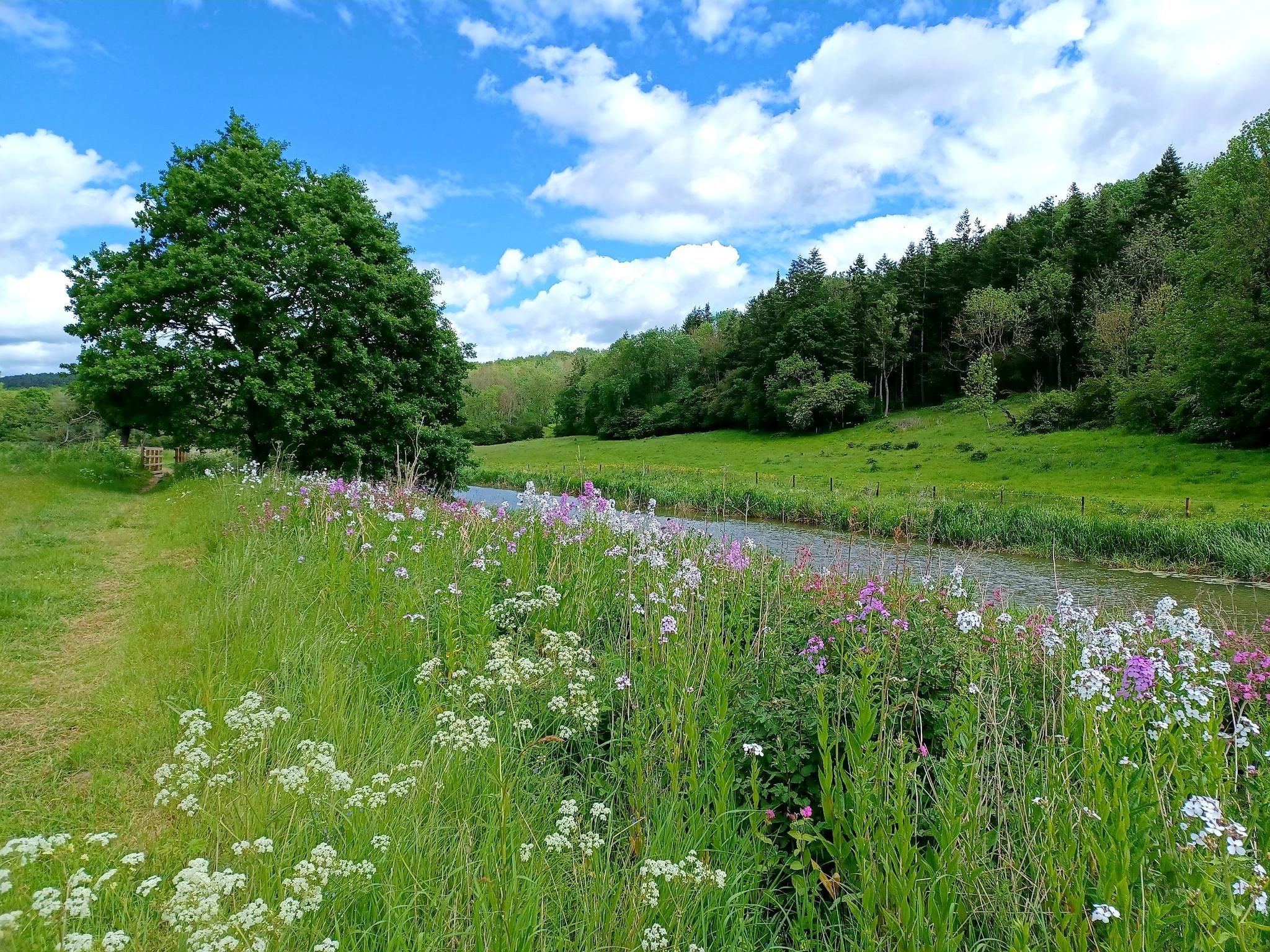
- The most popular natural monuments is The Bridestones, an other_natural formation consisting of unusually-shaped ancient sandstone rock formations. These rise above heather moorland and are designated as a nature reserve, offering plentiful wildlife and views.
- Another must-see spot is The Hermitage (North York Moors), a cave featuring a circular room cut into a large gritstone block. Inside, a seat is carved around the edge, believed to have been created in the 18th century.
- Visitors also love Staindale Lake, a lake that is easily accessible with a car park located beside it. This picturesque spot is known for its wildlife spotting opportunities.
- Harwood Dale is known for its unique rock formations, historical sites, and tranquil lakes. The area offers a variety of natural monuments to see and explore, from ancient stone structures to picturesque water bodies.
- The natural monuments around Harwood Dale are appreciated by the komoot community, with more than 40 upvotes and over 50 photos shared by visitors.
Last updated: July 1, 2026
The Bridestones
Highlight • Natural
Tip by

Simon Howe Bronze Age Cairn
Highlight • Viewpoint
Tip by

Sign up now to discover places like this
Get recommendations on the best single tracks, peaks, & plenty of other exciting outdoor places.
Sign up for free
The Hermitage (North York Moors)
Highlight • Cave
Tip by

Staindale Lake
Highlight • Lake
Tip by
Hole of Horcum Bridleway
Highlight • Natural Monument
Tip by

Sign up for free to discover even more natural monuments around Harwood Dale.
Sign up for free
Already have an account?
Start today with a free account
Your next adventure awaits.
Login or Signup
Other adventures around Harwood Dale

Tips from the Community

Bridestones are unique rock formations located in Dalby Forest, North Yorkshire. Originally formed by movement of glaciers during the last Ice Age, the sandstone formations date back 150 million years ago.
0
0

The Bridestones are the remnants of a sandstone cap, deposited during the Jurassic period, some 150 million years ago. The formations consist of alternating layers of hard sandstone and softer calcareous layers. Erosion by wind, frost, and rain over millennia has created the unique and bizarre shapes seen today. The term "Bridestones" may have originated from the Old Norse words "brink-stones" or "edge stones" The Bridestones are steeped in folklore and legend, connecting them to ancient cultures and mythical beings. Some legends suggest the Bridestones were ancient meeting places for Druids, while others tell tales of giants who once roamed the moors. One legend speaks of a young couple who eloped and found shelter among the rocks, whose love caused the stones to form a protective arch. Another story tells of Nan Moor and Jack Stone, guardians of the stones, who lived in a rock house and were possibly married there. The Bridestones are sometimes associated with the Celtic goddess Brigantia.
0
0
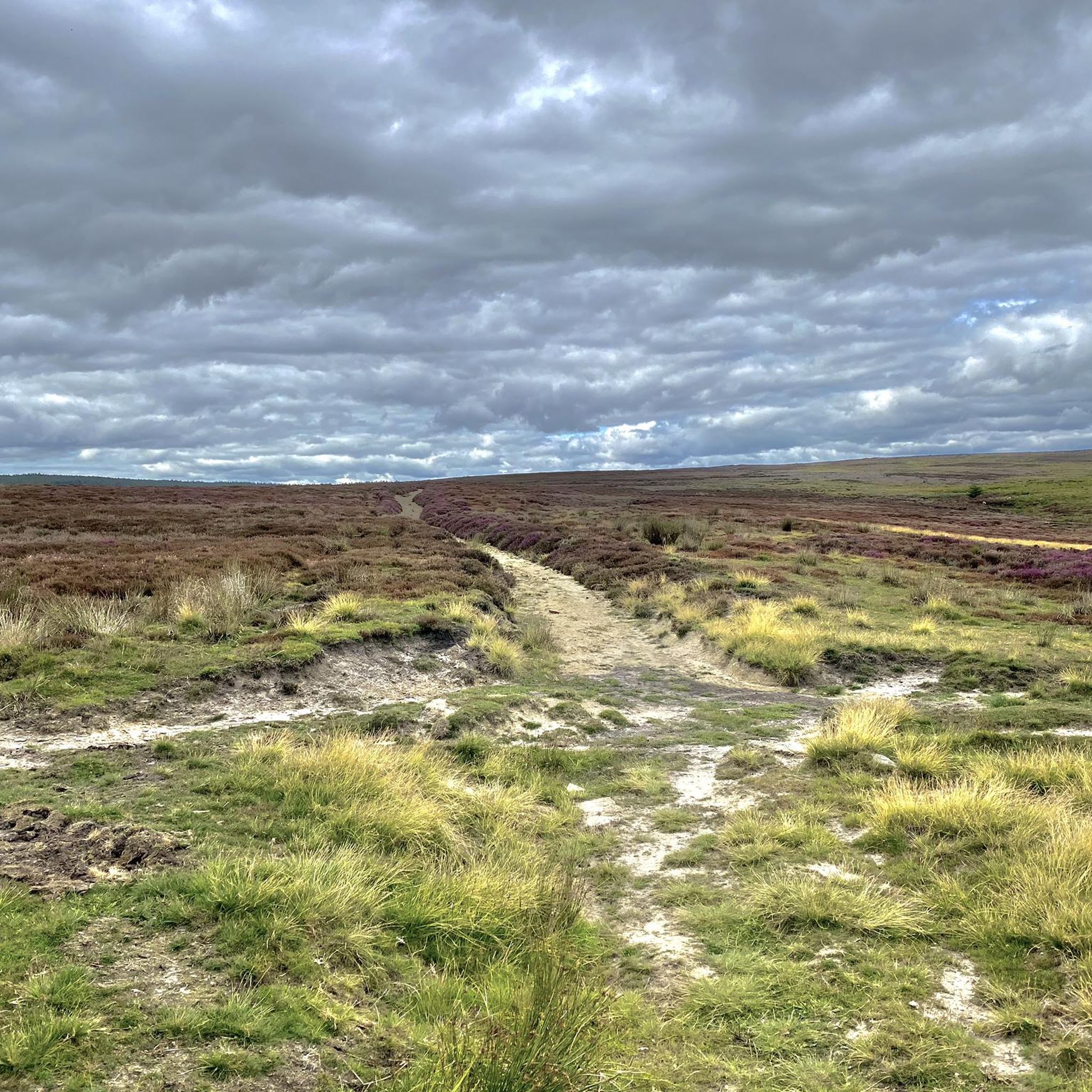
Fantastic 360 degree views and a variety of routeing options. I can't comment on the track west to Wheeldale Lodge or the bridleway south along Simon Howe Rigg to Cropton Forest, but both the bridleway north to Goathland, and the track east to Fen Bog Nature Reserve and the A169 are good quality tracks over easy terrain. The track east to Fen Bog is still quite waterlogged and boggy in some places even in July, but it is quite easy to skirt around these over the heather.
1
0

What a interesting place this must of taken a lot of making back in the day 1790.
0
0

It is said the Hermitage dates back to the 18th century and that it was the home of a hermit who lived a life of foraging for fuel and food in the woods. The Hermitage is ideal for an emergency bivvy shelter.
0
0

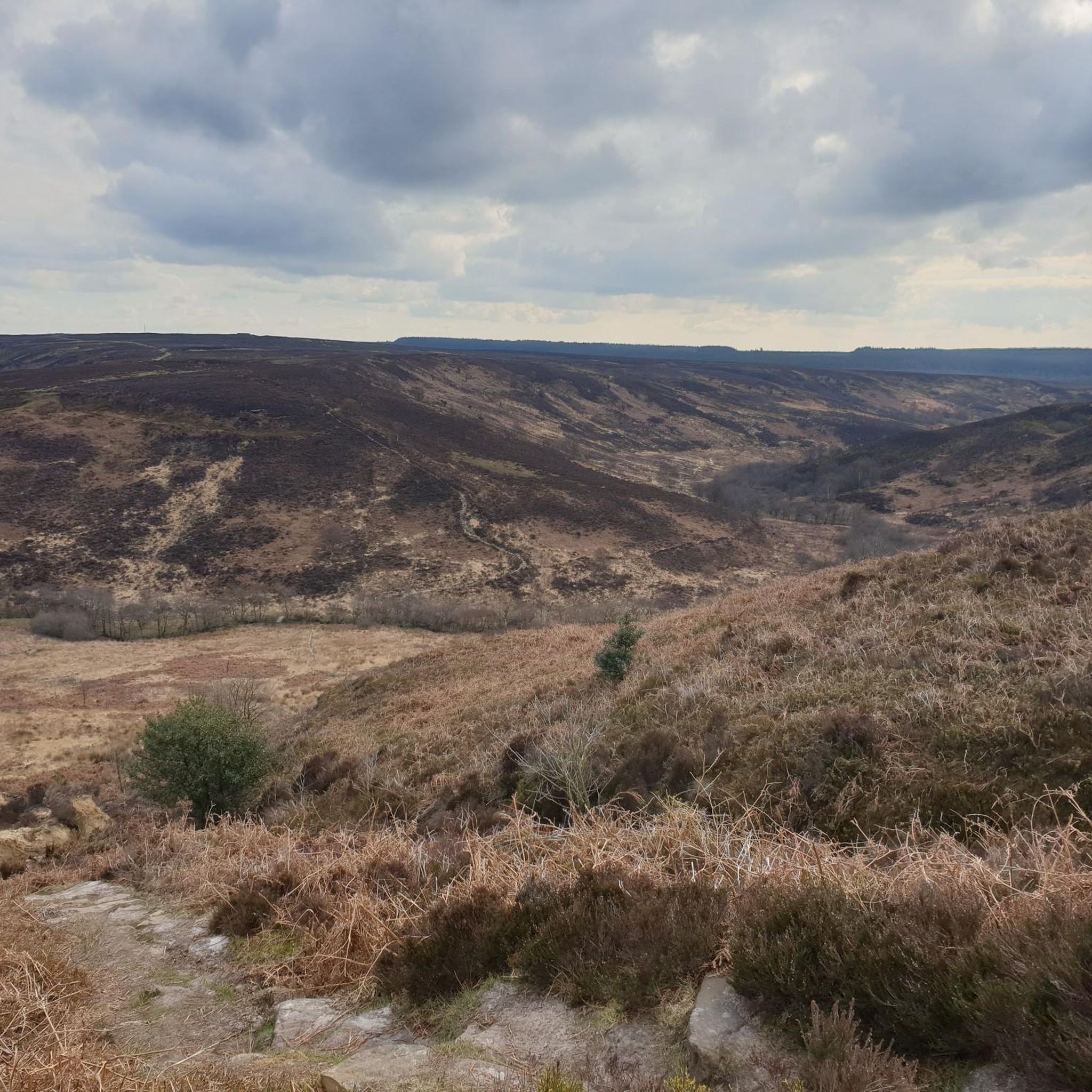
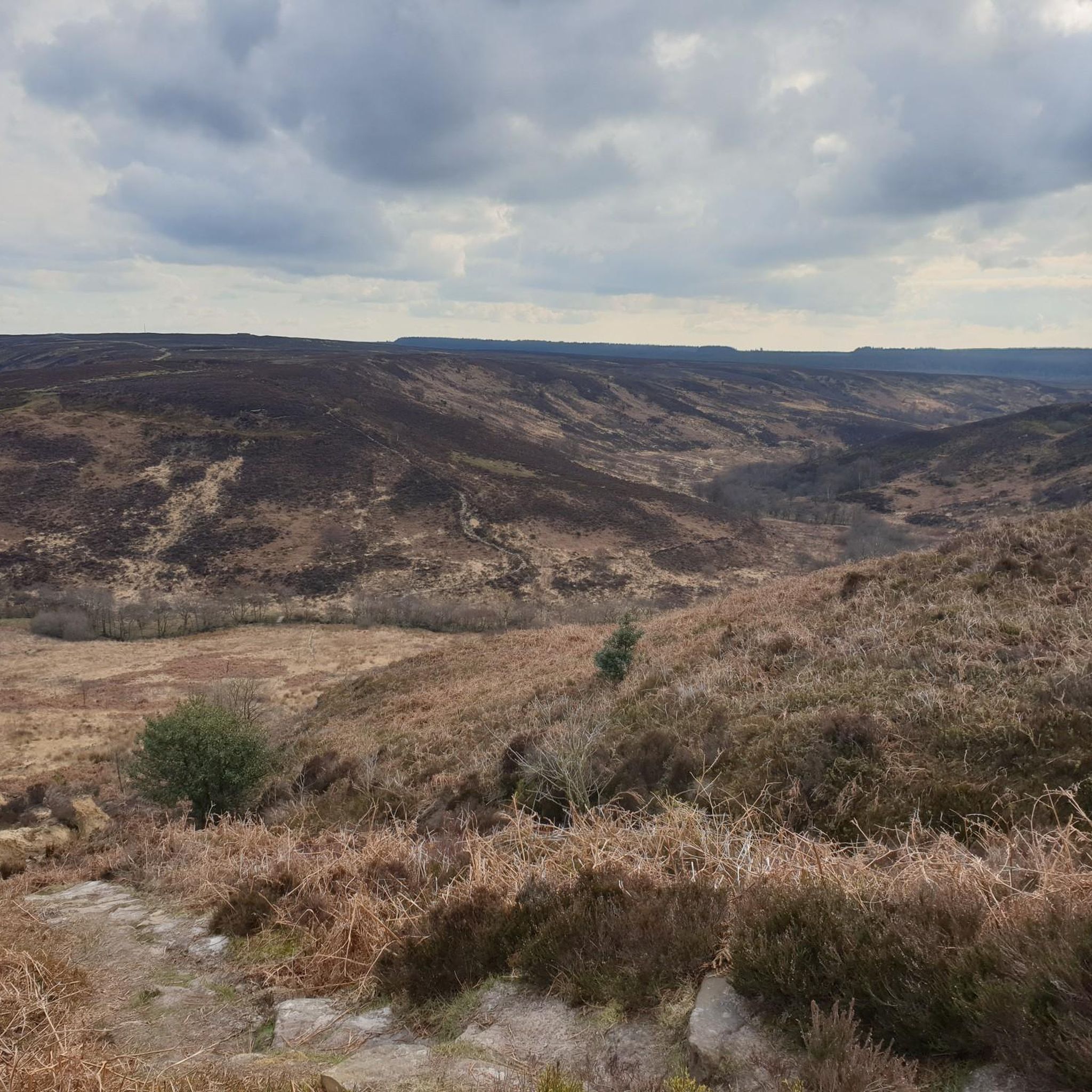
A scheduled monument, Simon Howe is a large round cairn on Goathland Moor that offers great views of the North York Moors National Park.
0
0

A very obvious place to stop; you won't need me to tell you that, as you will see the lake from the Dalby Forest Drive road, and you will want to immediately make a stop and look at it! Staindale Lake has a car park area, so it's easy to leave your bike here and have a look at the beautiful waters of the lake and spot some of the wildlife around here.
0
0
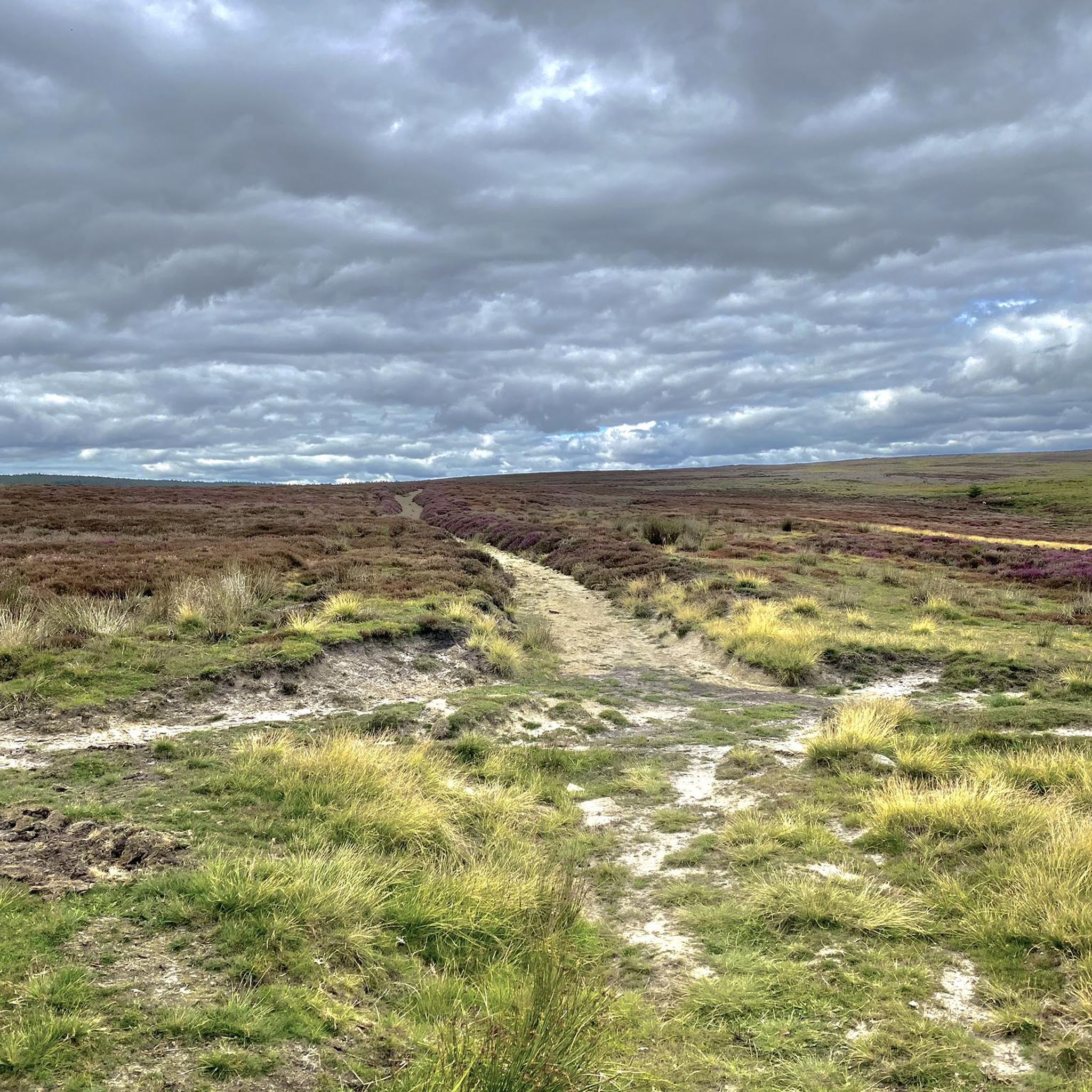
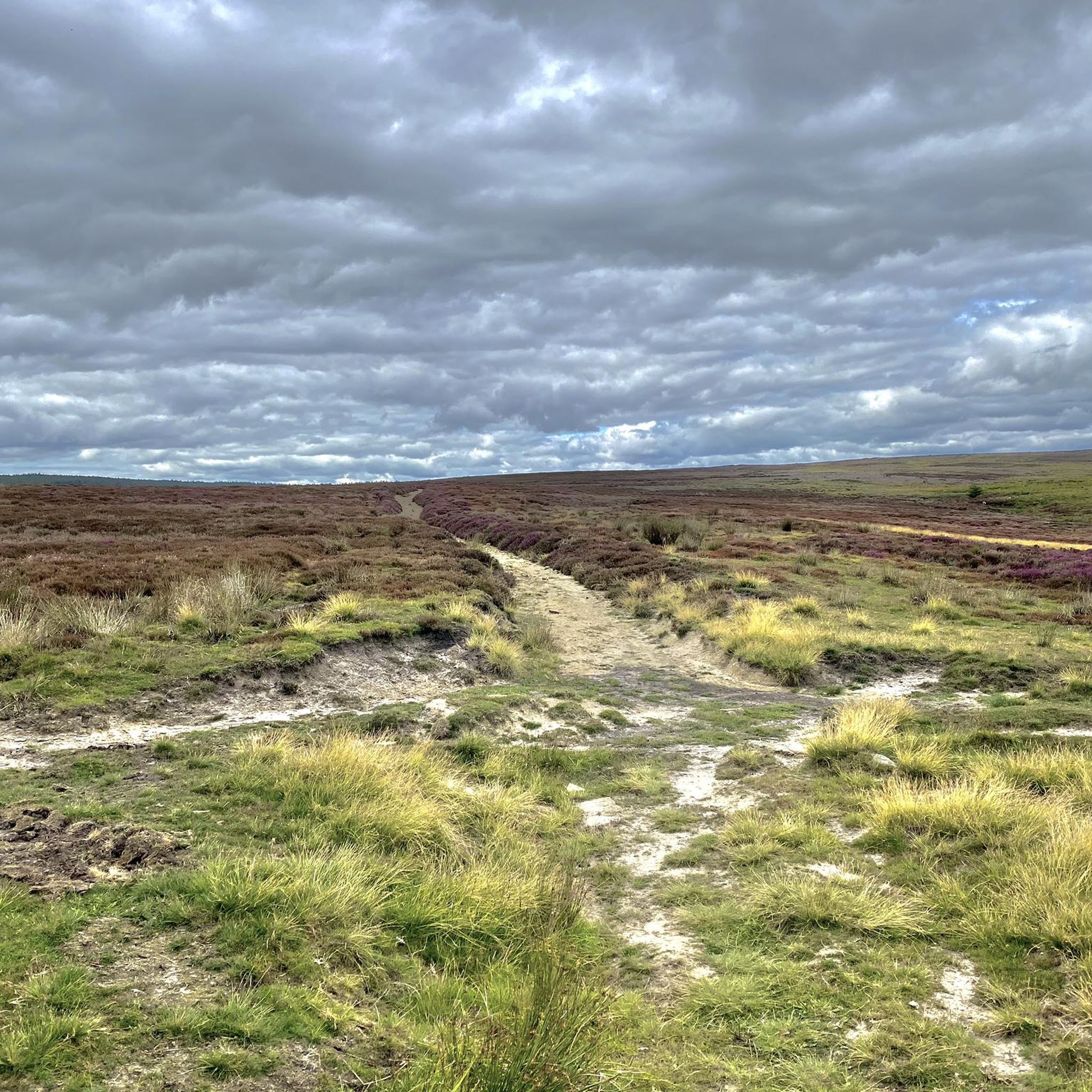
At Simon Howe (260 m), you will see a cairn and a ring of stones, but what they used to be and for what purpose is apparently 'shrouded by the mist of time' as they used to phrase it in my favourite sci-fi series! In the summer, you will be surrounded by a sea of purple heather. There are some stones here on which it will be possible to rest your running feet for awhile.
1
0
Frequently Asked Questions
What are the most unique natural monuments to visit in Harwood Dale?
Harwood Dale offers several unique natural monuments. Don't miss The Bridestones, ancient, unusually-shaped sandstone rock formations set amidst heather moorland. Another intriguing spot is The Hermitage (North York Moors), a circular room carved into a large gritstone block, believed to be an 18th-century folly. For a dramatic landscape, visit the Hole of Horcum Bridleway, a vast natural amphitheatre formed by erosion.
Are there any family-friendly natural monuments in Harwood Dale?
Yes, Staindale Lake is an excellent family-friendly option. It's easily accessible with a car park nearby and offers opportunities for wildlife spotting. The area around The Bridestones is also great for active children to explore and climb on the rock formations.
What historical natural monuments can I find in the Harwood Dale area?
The region is rich in historical natural monuments. The Simon Howe Bronze Age Cairn features a well-preserved Bronze Age round cairn and a ring of stones, offering a glimpse into ancient history. Additionally, the Harwood Dale Stone Circle, a Bronze Age monument, is deeply embedded within the natural landscape, featuring remaining stones from an original twenty-four, with three upright stones in the center believed to be part of a burial cist.
Where can I enjoy scenic views of the Harwood Dale landscape?
For breathtaking vistas, head to Simon Howe Bronze Age Cairn, which offers fantastic 360-degree views over the wild expanse of Goathland Moor. The Hole of Horcum Bridleway also provides spectacular views of the natural amphitheatre. The area around The Bridestones is known for its enchanting views across heather moorland.
What kind of wildlife can I expect to see around Harwood Dale's natural monuments?
Harwood Dale is excellent for wildlife observation. The Bridestones nature reserve offers plentiful wildlife. Staindale Lake is a picturesque spot known for spotting and listening to a variety of wildlife. The tranquil countryside throughout Harwood Dale provides opportunities to observe wildlife in its natural habitat.
Are there hiking trails near the natural monuments in Harwood Dale?
Yes, Harwood Dale offers numerous hiking opportunities. You can find easy walks and more challenging routes that incorporate these natural monuments. For a selection of trails, explore the Easy hikes around Harwood Dale guide, which includes routes like the 'View from Reasty Hill Top loop from Harwood Dale'.
What other outdoor activities are available near Harwood Dale's natural monuments?
Beyond hiking, the Harwood Dale area is popular for cycling. You can find various routes for both mountain biking and road cycling. Check out the MTB Trails around Harwood Dale guide for mountain biking options or the Road Cycling Routes around Harwood Dale guide for road cycling adventures.
Is parking available at the natural monuments in Harwood Dale?
Yes, parking is available at some key locations. For instance, Staindale Lake has a car park conveniently located right beside it, making it easily accessible for visitors.
What is the geological significance of the natural monuments in Harwood Dale?
The natural monuments in Harwood Dale are primarily shaped by the region's geology, which features sedimentary rocks like sandstones and gritstones. These have been influenced by millions of years of natural processes, including glacial activity. For example, The Bridestones are ancient sandstone formations, and The Hermitage (North York Moors) is carved into a gritstone block.
What do visitors enjoy most about the natural monuments in Harwood Dale?
Visitors frequently praise the tranquility and serene beauty of the area. They appreciate the unique geological formations like The Bridestones, the historical intrigue of sites like the Harwood Dale Stone Circle, and the abundant opportunities for wildlife spotting, especially around Staindale Lake. The impressive views and escape from crowds are also highly valued.
Are the natural monuments in Harwood Dale accessible in winter?
While many natural monuments remain accessible, winter conditions can vary. Paths may become muddy or slippery, especially after rain or during colder months. It's always advisable to check local weather forecasts and trail conditions before visiting in winter, and to wear appropriate footwear.
How long should I plan for a visit to the natural monuments in Harwood Dale?
The duration of your visit depends on which monuments you plan to see and your activity level. For individual sites like Staindale Lake or The Hermitage, a short stop of 30 minutes to an hour might suffice. If you plan to hike around The Bridestones or the Hole of Horcum, allow for several hours to fully explore and enjoy the views.
Most popular attractions around Harwood Dale

Get inspired with the komoot mobile app


Explore more
Extend your search for the best caves by checking out these guides of the top ones around Harwood Dale:
