Top 6 Natural Monuments around Clitheroe
Best natural monuments around Clitheroe include prominent geological features, river confluences, and expansive natural areas. The region, situated within the Ribble Valley, offers diverse landscapes with significant geological formations and opportunities for outdoor recreation. These sites provide insights into ancient marine environments and showcase rich biodiversity. The area is appealing to nature enthusiasts and those seeking tranquil escapes.
Best natural monuments around Clitheroe
- The most popular natural monuments is Pendle Hill summit trig point, a summit that offers excellent…
Last updated: June 17, 2026
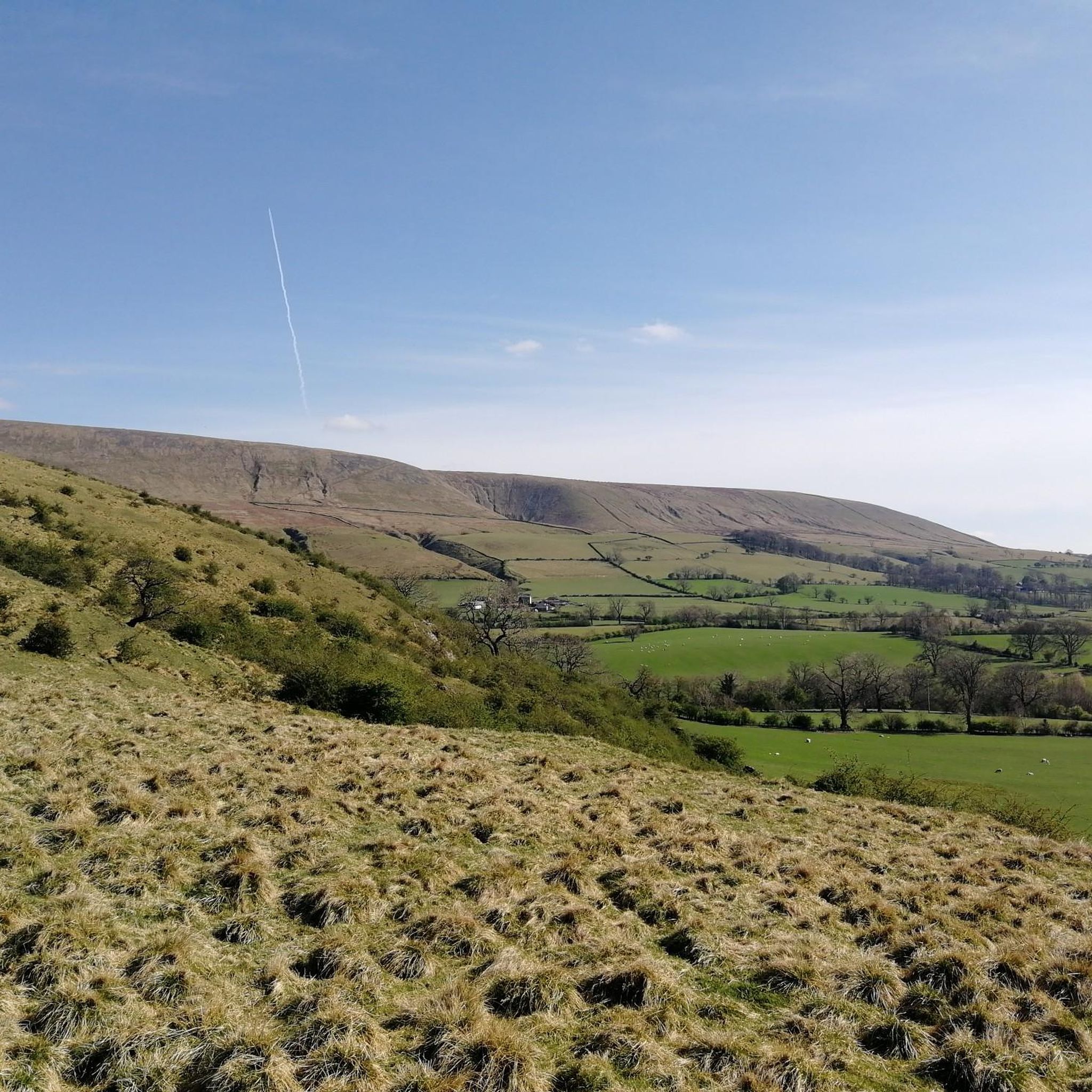
Pendle Hill summit trig point
Highlight • Summit
Tip by

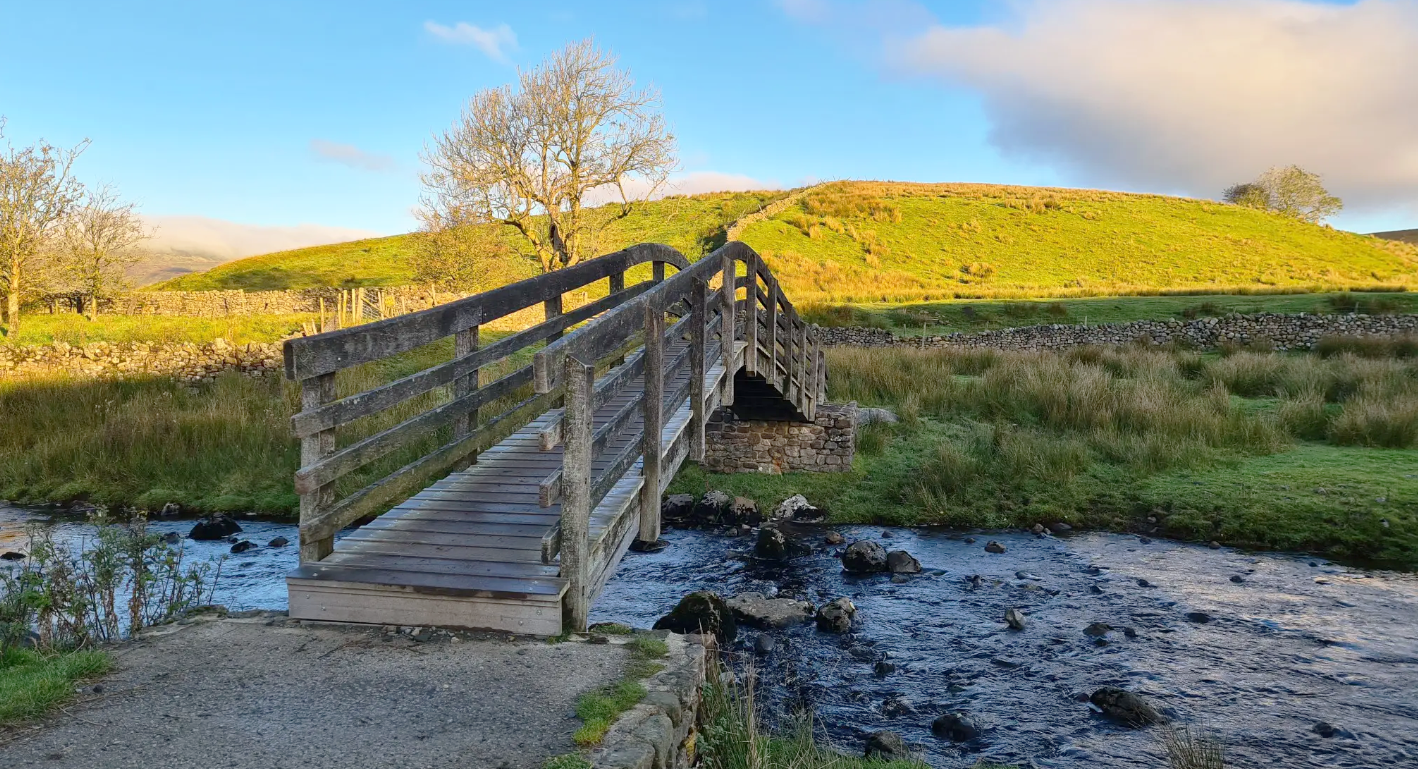
Confluence of the Rivers Calder and Ribble
Highlight • Natural Monument
Tip by

Sign up now to discover places like this
Get recommendations on the best single tracks, peaks, & plenty of other exciting outdoor places.
Sign up for free
View of the Forest of Bowland from Jeffrey Hill
Highlight • Viewpoint
Tip by

Tolkien Oak Tree – River Hodder
Highlight • Viewpoint
Tip by

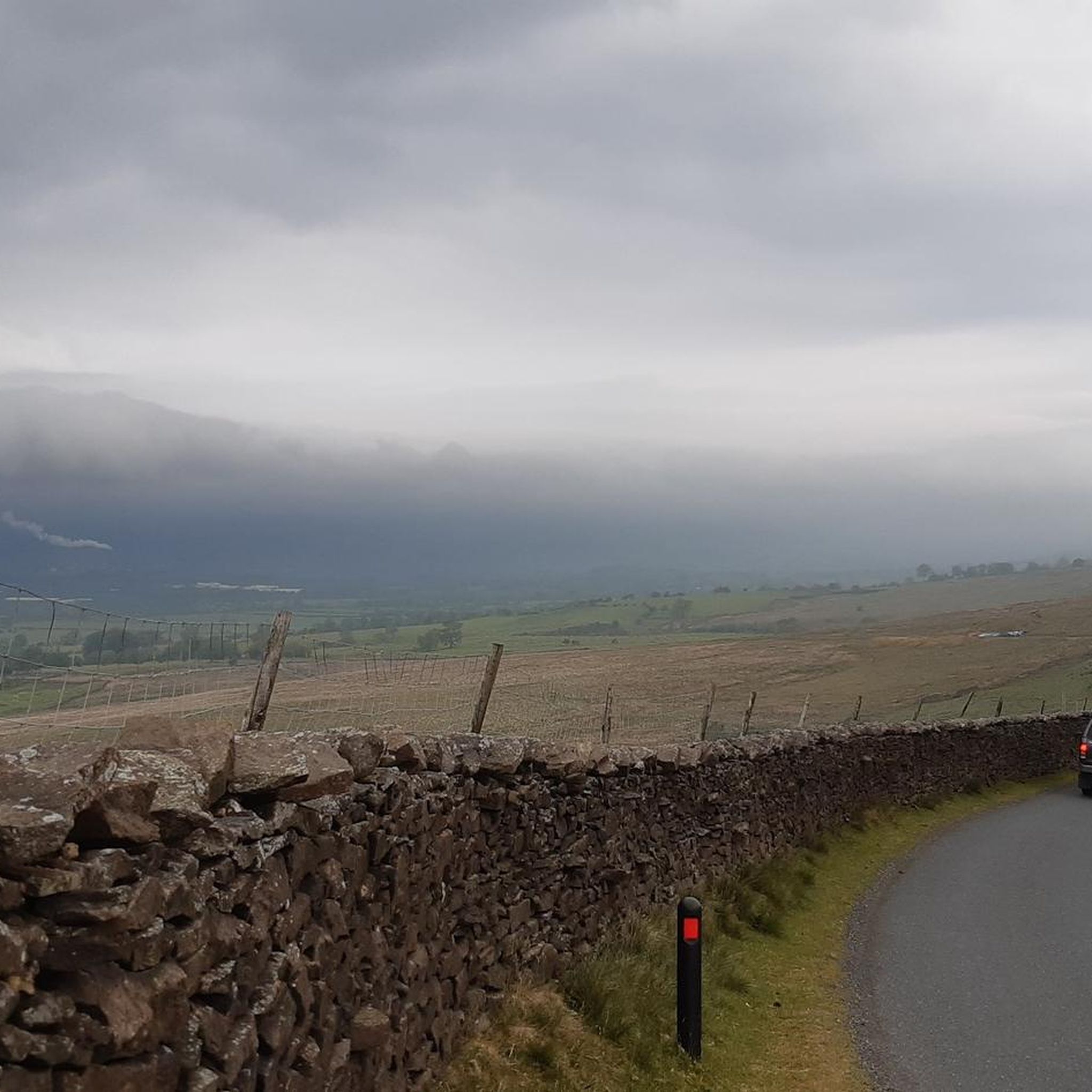
View of Parlick and Beacon Fell
Highlight • Trail
Tip by

Sign up for free to discover even more natural monuments around Clitheroe.
Sign up for free
Already have an account?
Start today with a free account
Your next adventure awaits.
Login or Signup
Other adventures around Clitheroe

Tips from the Community


any age can do this walk, was a really nice most flat, very enjoyable and had lunch in pub at end great day in all
0
0

Don't forget that it's always windy on top.
1
0

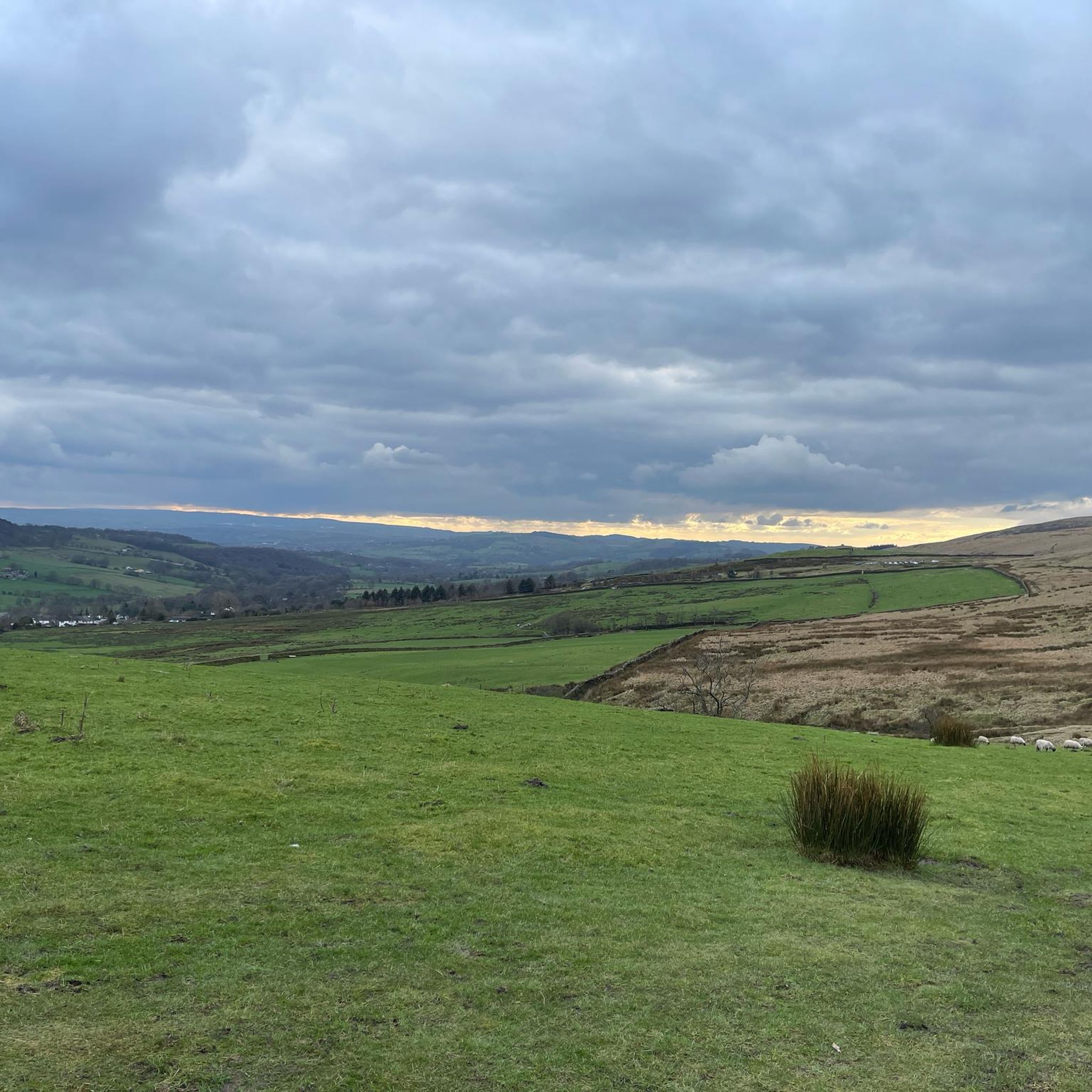
From the Car park, if you stay to the left along the path, you’ll be blessed with stunning views of Beacon Fell and Parlick Fell. As you carry along this path, you’ll see in the distance, the shadow of one of the three peaks, Pen-Y-Ghent. Come here on a clear day and especially at sunset 👌🏼
0
0

This oak tree was touched by J.R.R. Tolkien and more importantly, the tree touched J.R.R. Tolkien. Some say it may have inspired the Ents in The Lord of the Rings
0
0

I grew up running around here, the front side with the steps is great for training.
0
0

Amazing place enjoyed the scenery but climbs was a little tough
1
0
The Forest of Bowland National Landscape covers 312 square miles of rural Lancashire and adjacent Yorkshire. From Hurst Green in the south to Wennington in the North, the Forest of Bowland is dotted with charming stone villages, some of which date as far back as pre-historic times. It took me breath away when I saw the views here
3
0
Frequently Asked Questions
What kind of geological features can I explore around Clitheroe?
The Clitheroe area is rich in geological history. You can visit Clitheroe Castle Hill, a prominent limestone outcrop that is a Waulsortian limestone mudmound, offering insights into ancient marine environments. Another significant site is Salthill Quarry, recognized as a geological Site of Special Scientific Interest for its well-preserved mud-mound deposits rich in fossil crinoids. The nearby Clitheroe Castle Museum often hosts events focusing on local geology, allowing visitors to delve deeper into the area's past. You can learn more about the geology at Clitheroe Castle Museum by visiting their page on Visit Lancashire.
Are there family-friendly natural monuments to visit near Clitheroe?
Yes, several natural monuments are suitable for families. The Confluence of the Rivers Calder and Ribble is a great spot for a leisurely visit, offering a chance to see where two major rivers meet. Cross Hill Nature Reserve, a reclaimed quarry now teeming with flora and fauna, provides peaceful walks and opportunities to observe butterflies and orchids. Additionally, Spring Wood (Bluebell Woods) near Whalley is a well-known picnic site with an arboretum, a waterfall, and stunning bluebell carpets in spring, making it ideal for family strolls.
What outdoor activities can I do near these natural monuments?
The natural monuments around Clitheroe offer a variety of outdoor activities. You can enjoy extensive hiking, cycling, and mountain biking. For example, the Forest of Bowland, an Area of Outstanding Natural Beauty, provides exceptional opportunities for walking, cycling, wildlife-watching, and stargazing across its diverse landscapes. If you're looking for specific routes, you can find numerous options for hiking around Clitheroe, MTB trails around Clitheroe, and running trails around Clitheroe.
Where can I find the best panoramic views of the Ribble Valley?
For breathtaking panoramic views, Clitheroe Castle Hill offers expansive vistas of the Ribble Valley and the surrounding countryside, including the Forest of Bowland. Another excellent spot is the View of the Forest of Bowland from Jeffrey Hill, which provides magnificent views across the Forest of Bowland National Landscape and out towards Morecambe Bay. Climbing Pendle Hill also rewards hikers with superb panoramic views across Lancashire and Yorkshire, stretching as far as North Wales on a clear day.
Are there any natural monuments with historical or literary connections?
Yes, the area has strong historical and literary ties. Pendle Hill is famously associated with the Pendle Witches of the early 17th century, adding a layer of myth and legend to its natural beauty. The Confluence of the Rivers Calder and Ribble is linked to J.R.R. Tolkien, who stayed nearby and found inspiration for 'The Fellowship of the Ring' in the local landscape, including a ferry that once operated near the confluence. This connection is further highlighted by the Tolkien Oak Tree – River Hodder, which some say may have inspired the Ents in 'The Lord of the Rings'.
What is the best time of year to visit the natural monuments around Clitheroe?
The best time to visit depends on your interests. Late April to early May is ideal for seeing the stunning carpets of bluebells and wild garlic at Spring Wood (Bluebell Woods). Summer offers pleasant weather for hiking and exploring the diverse landscapes of the Forest of Bowland. Autumn brings beautiful foliage, while winter can offer crisp, clear views, especially from elevated points like Pendle Hill, though conditions can be more challenging. For wildlife enthusiasts, the Ribble Estuary, fed by the Confluence of the Rivers Calder and Ribble, is internationally important for overwintering birds.
Are there any nature reserves or areas for wildlife observation?
Absolutely. Cross Hill Nature Reserve, a former quarry, has been transformed into a vibrant habitat, colonized by orchids and teeming with butterflies, making it an excellent spot for observing local flora and fauna. The Forest of Bowland, an Area of Outstanding Natural Beauty, is home to diverse bird species, squirrels, and deer across its heather moorland, blanket bog, and ancient woodlands. Spring Wood (Bluebell Woods) also hosts diverse bird species, squirrels, and deer, particularly during the spring bloom.
Can I find easy walking trails near the natural monuments?
Yes, there are options for easy walks. Cross Hill Nature Reserve offers peaceful strolls through its reclaimed natural landscape. Spring Wood (Bluebell Woods) is ideal for leisurely walks, especially when the bluebells are in bloom. For a gentle riverside experience, you can follow sections of the Ribble Way walking trail from the Confluence of the Rivers Calder and Ribble. You can also find specific easy hiking routes listed in the hiking guide for Clitheroe, such as the 'River Ribble – View of Pendle Hill loop from Clitheroe'.
What should I wear when visiting the natural monuments?
Given the varied terrain and often unpredictable weather in the Ribble Valley, it's advisable to wear layers of clothing. Sturdy, waterproof walking boots are recommended, especially for trails and hill climbs like Pendle Hill or exploring the Forest of Bowland. A waterproof jacket is also essential. For more leisurely walks in places like Spring Wood or Cross Hill Nature Reserve, comfortable shoes are sufficient, but be prepared for potentially muddy paths.
Are there any natural monuments that are particularly good for photography?
Many natural monuments in the area offer fantastic photographic opportunities. The panoramic views from Pendle Hill summit trig point and the View of the Forest of Bowland from Jeffrey Hill are highly photogenic, especially at sunrise or sunset. Spring Wood (Bluebell Woods) provides stunning scenes in late spring with its vibrant bluebell carpets. The dramatic meeting point of the Confluence of the Rivers Calder and Ribble and the ancient geological formations at Salthill Quarry also offer unique subjects for photographers.
Can I bring my dog to the natural monuments around Clitheroe?
Many natural monuments and trails in the Clitheroe area are dog-friendly, provided dogs are kept under control, especially around livestock and wildlife. The Forest of Bowland offers extensive areas for dog walking. Cross Hill Nature Reserve and Spring Wood are also popular for walks with dogs. Always remember to check local signage for specific restrictions, keep dogs on a lead where required, and clean up after your pet to preserve the natural environment for everyone.
Are there any natural monuments that are less well-known but worth visiting?
While not a hidden gem in the traditional sense, Salthill Quarry is a unique site often overlooked by those not specifically interested in geology. Its significance as a geological Site of Special Scientific Interest with well-preserved fossil crinoids offers a fascinating glimpse into ancient marine life. Another less-trafficked but rewarding spot is the View of Parlick and Beacon Fell, which provides stunning vistas of these distinctive fells and beyond, offering a quieter experience than some of the more popular viewpoints.
Most popular routes around Clitheroe
Most popular attractions around Clitheroe

Get inspired with the komoot mobile app


Explore more
Extend your search for the best caves by checking out these guides of the top ones around Clitheroe:
