Top 17 Natural Monuments around Lupton
Natural monuments around Lupton, Cumbria, are characterized by diverse geological formations and proximity to significant protected landscapes. This area offers access to unique natural features, including distinctive rock formations and expansive views. Situated near the Lake District National Park and several Areas of Outstanding Natural Beauty, Lupton provides a gateway to varied natural environments. The region's natural attractions showcase a blend of historical geology and scenic beauty.
Best natural monuments around Lupton
- The most popular natural monuments is Fairy Steps…
Last updated: July 1, 2026
Fairy Steps
Highlight • Natural Monument
Tip by

The Helm Trig Point
Highlight • Natural Monument
Tip by

Sign up now to discover places like this
Get recommendations on the best single tracks, peaks, & plenty of other exciting outdoor places.
Sign up for free
Hawes Water
Highlight • Lake
Tip by

Warton Crag Road Climb
Highlight • Natural Monument
It's managed by the Wildlife Trust due to the important habitat for …
Tip by

New Bridge and Picnic Site, Sedbergh
Highlight • Rest Area
There …
Translated by Google •
Tip by

Sign up for free to discover even more natural monuments around Lupton.
Sign up for free
Already have an account?
Start today with a free account
Your next adventure awaits.
Login or Signup
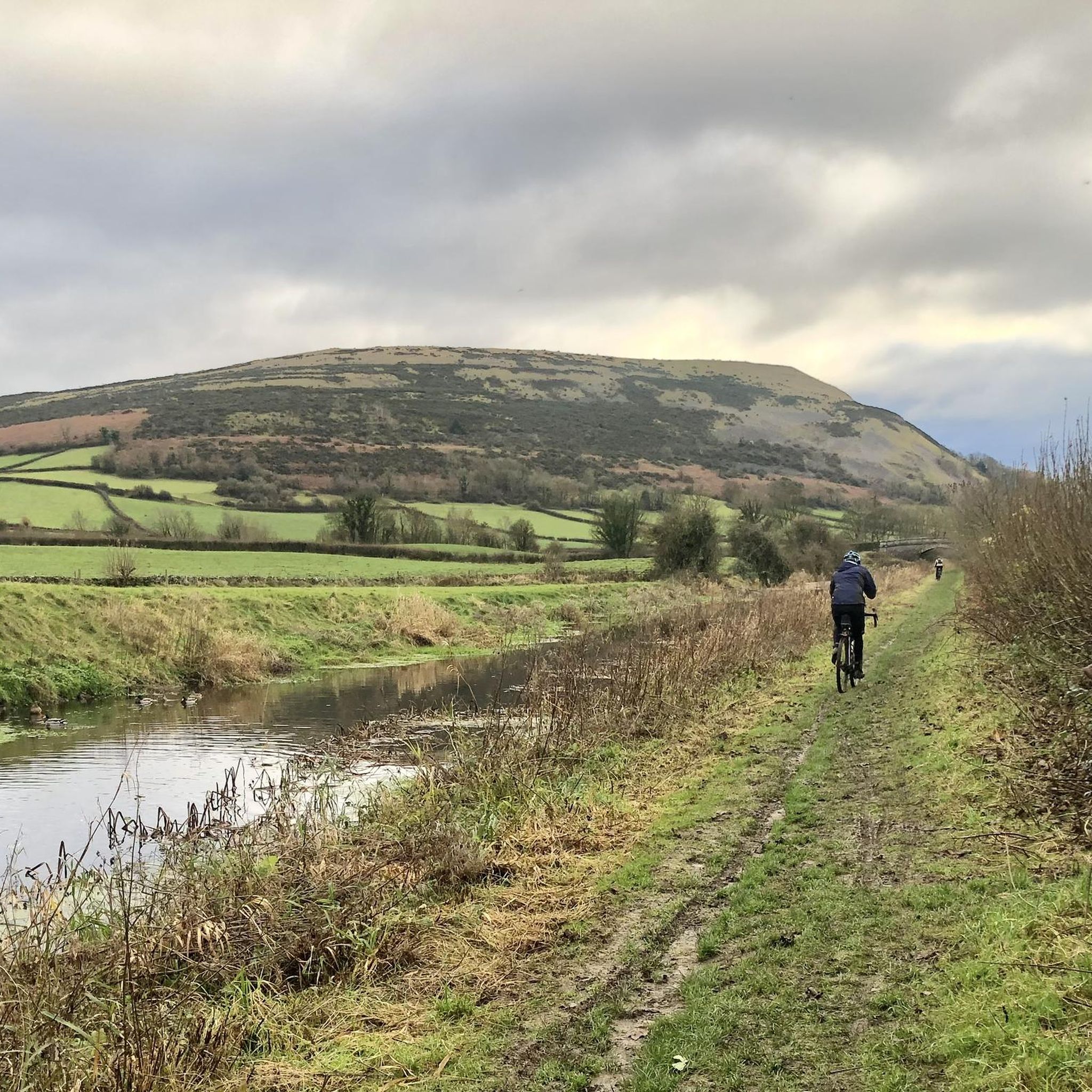
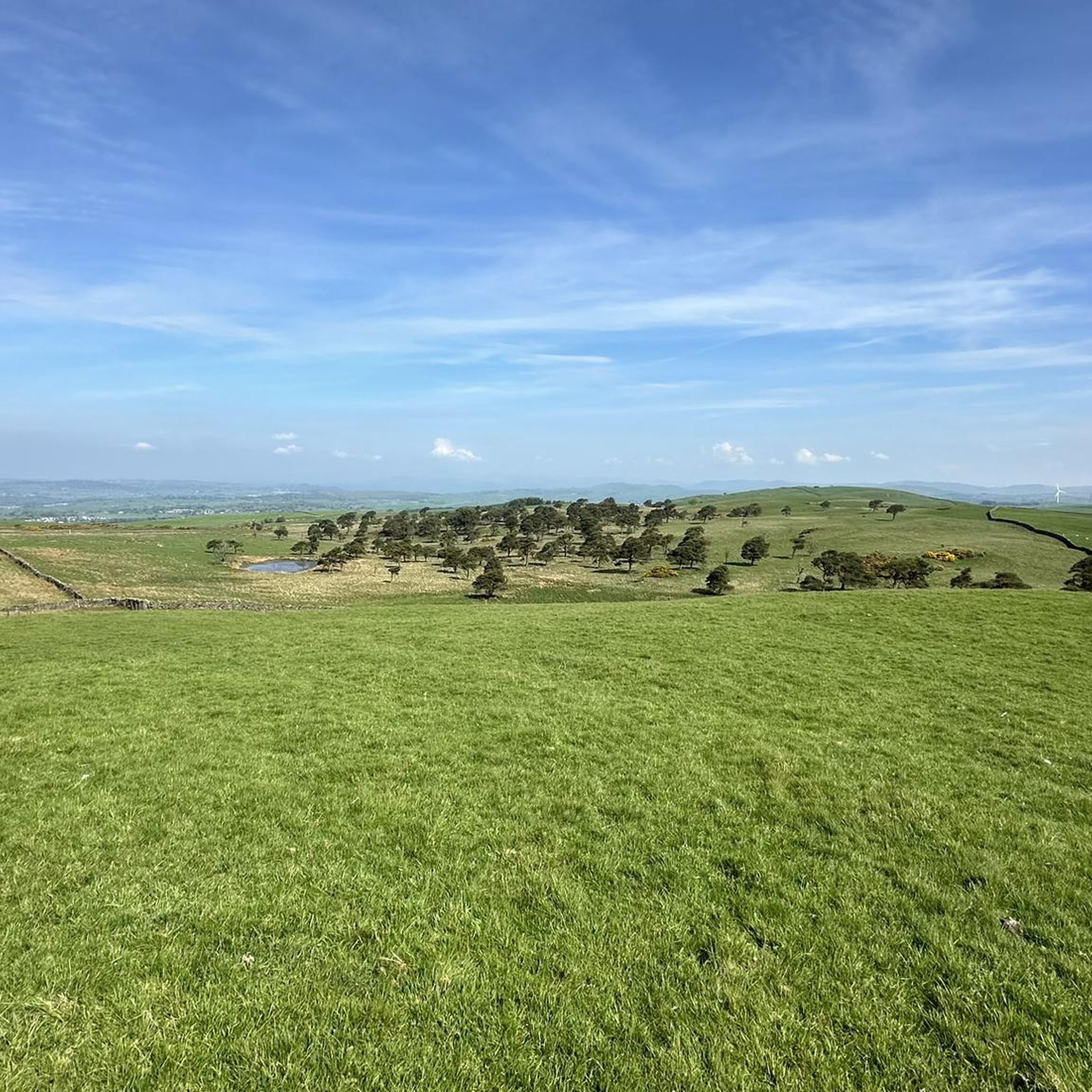
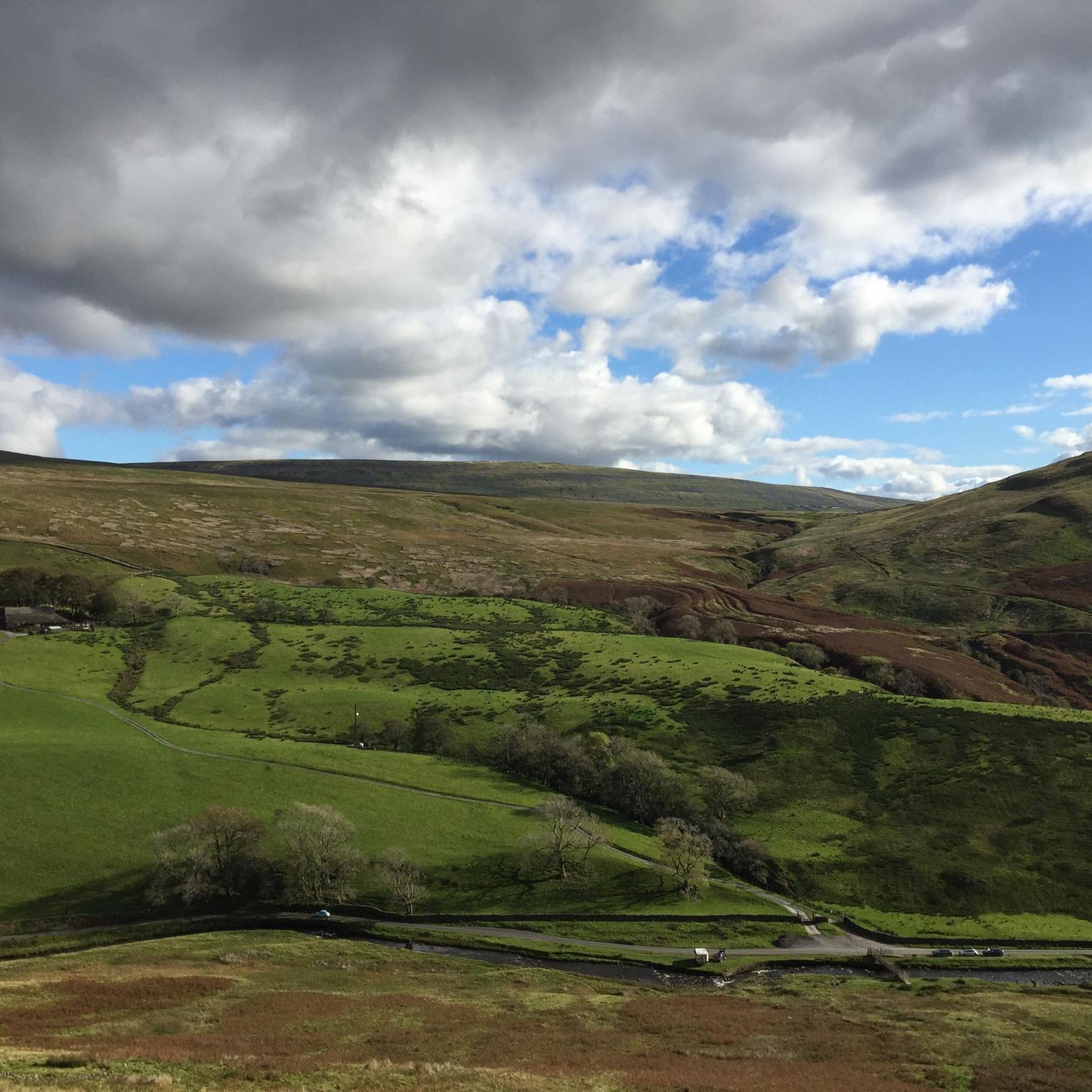
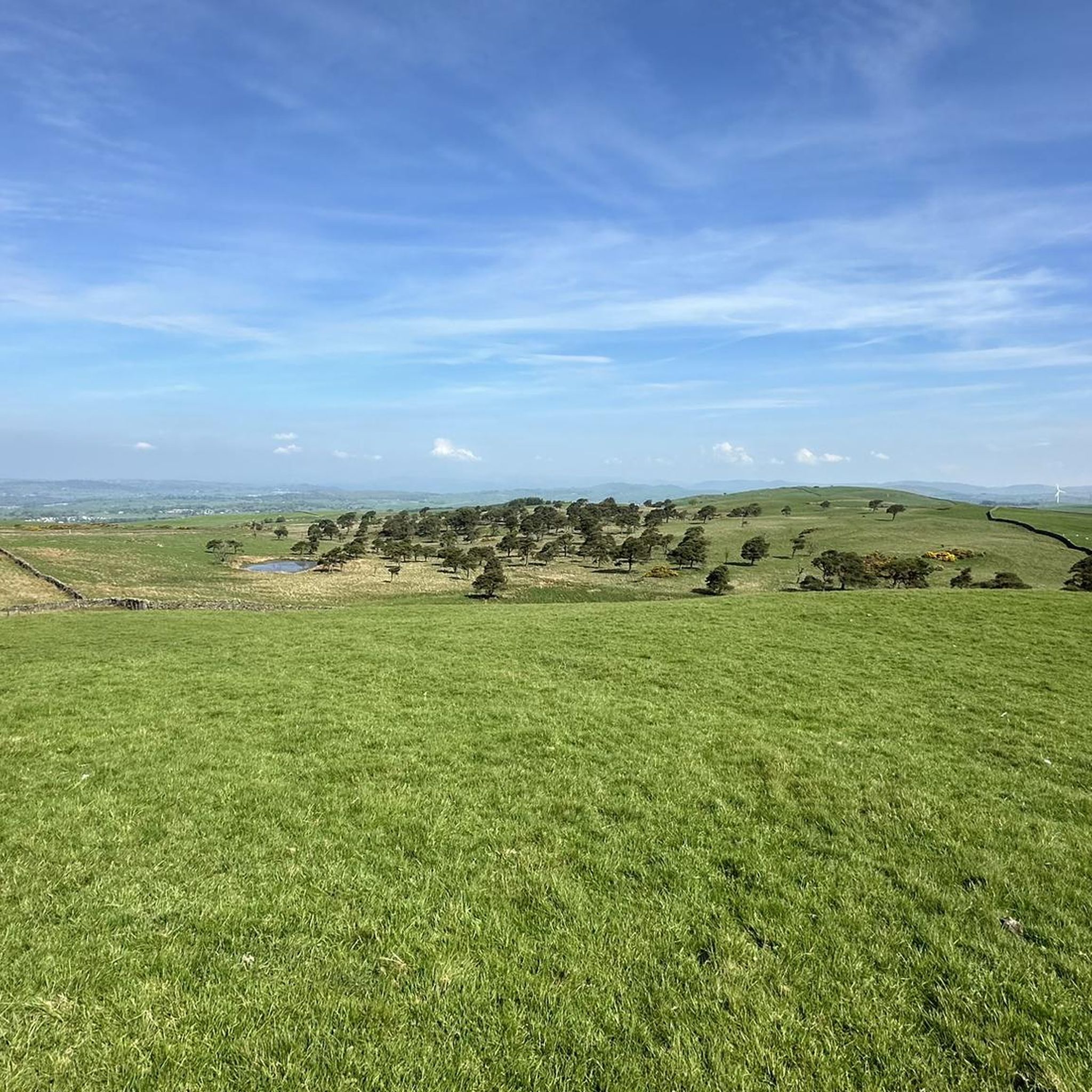
Tips from the Community


The Helm 185m P55 (607ft) [Tump 1] (DoBIH Hill ID: 16219) [JNSA 19230] County of Westmorland Definitive List summit. County of Westmorland Trig Pillar.
0
0

Good fun but a bit of a squeeze. You can walk around instead.
0
0

good fun! just beware, going down, it can be a bit slippy. Down is in the south west direction.
0
0
Easy walk if you from the Station Inn but a lot steeper coming the other way. Great views over Kendal and out into Morecambe Bay .
0
0

Frequently Asked Questions
What unique natural features can I explore around Lupton?
The Lupton area, situated in Cumbria, offers a variety of distinctive natural features. You can visit the Fairy Steps, a geological formation steeped in local legends. Another notable spot is The Helm Trig Point, a flat-topped upland providing extensive views. Additionally, Hawes Water is one of Lancashire's natural freshwater lakes, known for its birdlife.
Are there family-friendly natural monuments in the Lupton area?
Yes, several natural monuments around Lupton are suitable for families. Hawes Water is explicitly categorized as family-friendly, offering a peaceful setting to observe birdlife. The New Bridge and Picnic Site, Sedbergh, also provides a family-friendly spot by the River Rawthey, perfect for a relaxing break.
What kind of wildlife can I expect to see near Lupton's natural monuments?
The natural monuments around Lupton are home to diverse wildlife. Hawes Water is a significant center for birdlife and insects. Warton Crag is managed by the Wildlife Trust due to its important habitat for small animals, birds, and butterflies. The Helm is also known for its native ponies.
What outdoor activities can I do near these natural monuments?
The Lupton area offers numerous outdoor activities. You can find various hiking trails, including moderate and easy options, such as the 'Fast Descent to Clawthorp – Farleton Fell Summit loop'. For cycling enthusiasts, there are routes like the 'Borwick Hall – Sunset Bench loop'. Running trails are also available, with options like the 'View from Farleton Knott loop'. You can explore more options for hiking, cycling, and running in the area.
Are there any historical or cultural sites associated with the natural monuments?
Yes, some natural monuments in the Lupton area have historical connections. The Helm Trig Point is not only a natural viewpoint but also the site of an Iron Age hillfort. Additionally, New Bridge, Sedbergh, is an 18th-century monumental structure, showcasing historical engineering alongside natural beauty.
What are the best times of year to visit Lupton's natural monuments?
The Lupton area, being part of Cumbria, is generally beautiful year-round. Spring and summer offer lush greenery and pleasant weather for hiking and outdoor activities. Autumn brings vibrant colors to the landscape, particularly in areas like the nearby Lake District and AONBs. Even winter can be rewarding for those who enjoy crisp, clear days and quieter trails, though some paths might be more challenging.
Are there any natural monuments with significant views?
Absolutely. The Helm Trig Point is renowned for its tremendous views towards the Lake District’s mountains and the Howgill Fells. Warton Crag also offers great views across Morecambe Bay to the southern Lake District.
What makes the Fairy Steps a unique natural monument?
The Fairy Steps are a distinctive geological formation shrouded in local legends. The most popular tale suggests that if you can ascend or descend the steps without touching the sides, the fairies will grant you a wish. This romantic notion attracted many tourists in the late 19th century, making it a captivating blend of natural wonder and folklore.
Are there any natural monuments suitable for dog walking?
While specific dog-friendly designations aren't always listed for every natural monument, many outdoor areas in Cumbria are welcoming to dogs on leads. Places like The Helm Trig Point and trails around Warton Crag are generally suitable for walks with dogs, provided they are kept under control and any local signage regarding livestock or protected wildlife is observed.
What is the significance of Hawes Water near Lupton?
Hawes Water is significant as one of only two natural freshwater lakes in Lancashire. Although smaller than its Lake District namesake, it is quite deep and serves as an important habitat for birdlife and insects, making it a valuable natural monument for ecological observation.
Are there any hidden natural gems or less-known spots around Lupton?
While the main highlights are well-regarded, the broader region of Cumbria, including the nearby Arnside and Silverdale AONB, is full of less-trafficked natural beauty. Exploring the numerous trails and smaller woodlands within these protected areas can reveal hidden viewpoints, unique geological formations, and tranquil spots away from the main tourist paths. The charm of the area often lies in discovering these quieter corners.
What are the typical hiking difficulties around Lupton's natural monuments?
Hiking difficulties around Lupton vary. You can find easy trails, such as some sections leading to Hawes Water or gentle paths around the New Bridge and Picnic Site. Moderate routes are common, for instance, the ascent to The Helm Trig Point. Some areas, like the approach to Fairy Steps or certain sections of Warton Crag, can be more challenging due to steepness or uneven terrain.
Most popular attractions around Lupton

Get inspired with the komoot mobile app


Explore more
Extend your search for the best caves by checking out these guides of the top ones around Lupton:
