Top 15 Natural Monuments around Hutton Roof
Best natural monuments around Hutton Roof include significant geological formations and diverse natural landscapes. Hutton Roof, a village in Cumbria, England, is known for its ecological and geological importance, particularly the Hutton Roof Crags, a Site of Special Scientific Interest. This area features extensive limestone pavements, unique karst features, and varied habitats including woodland and grassland. Visitors can explore these natural features and enjoy panoramic views of the surrounding landscape.
Best natural monuments around Hutton Roof
- The most popular natural…
Last updated: August 24, 2026
Arnside Knott
Highlight • Summit
Tip by

Fairy Steps
Highlight • Natural Monument
Tip by

Sign up now to discover places like this
Get recommendations on the best single tracks, peaks, & plenty of other exciting outdoor places.
Sign up for free
The Helm Trig Point
Highlight • Natural Monument
Tip by
Hawes Water
Highlight • Lake
Tip by

Warton Crag Road Climb
Highlight • Natural Monument
It's managed by the Wildlife Trust due to the important habitat for …
Tip by

Sign up for free to discover even more natural monuments around Hutton Roof.
Sign up for free
Already have an account?
Start today with a free account
Your next adventure awaits.
Login or Signup
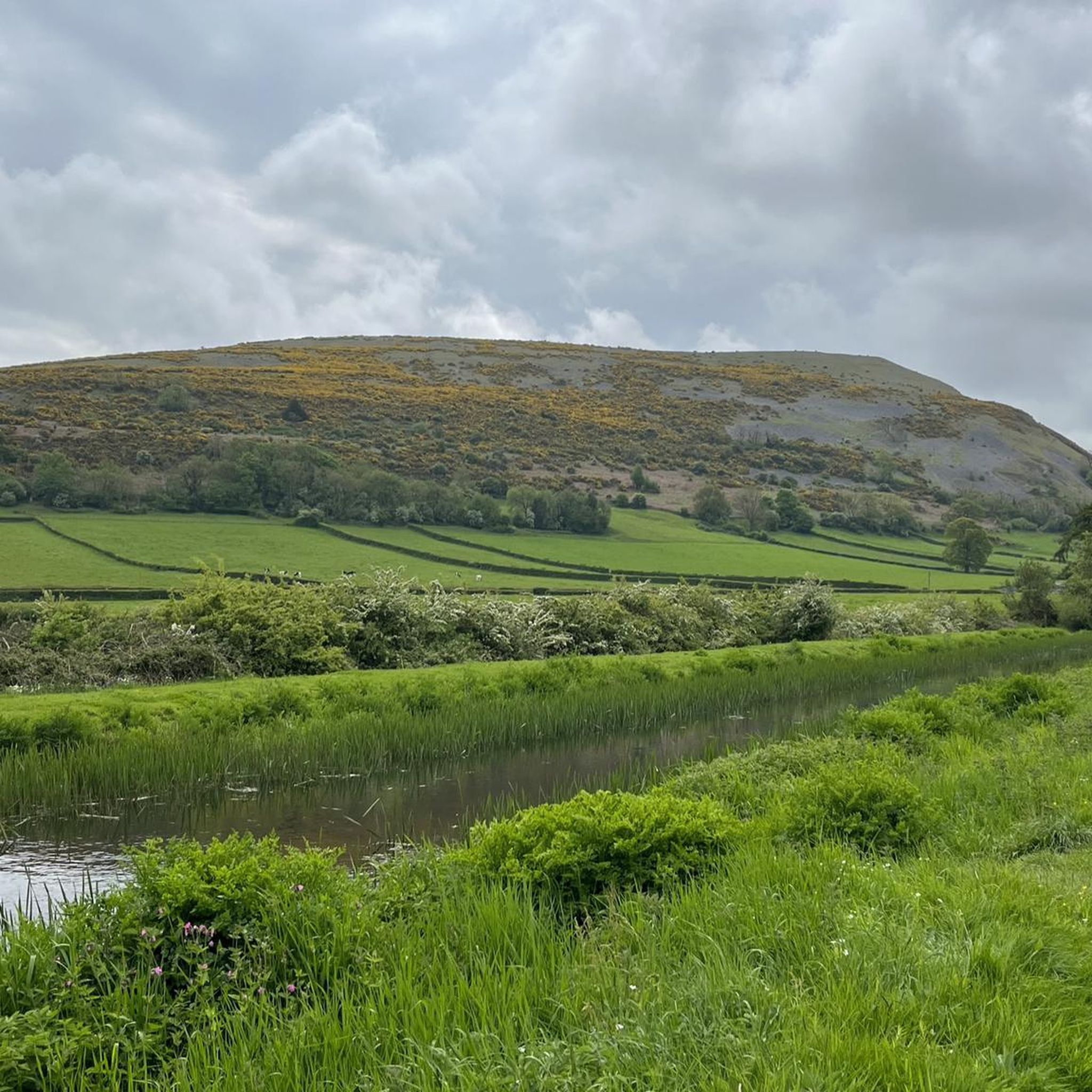
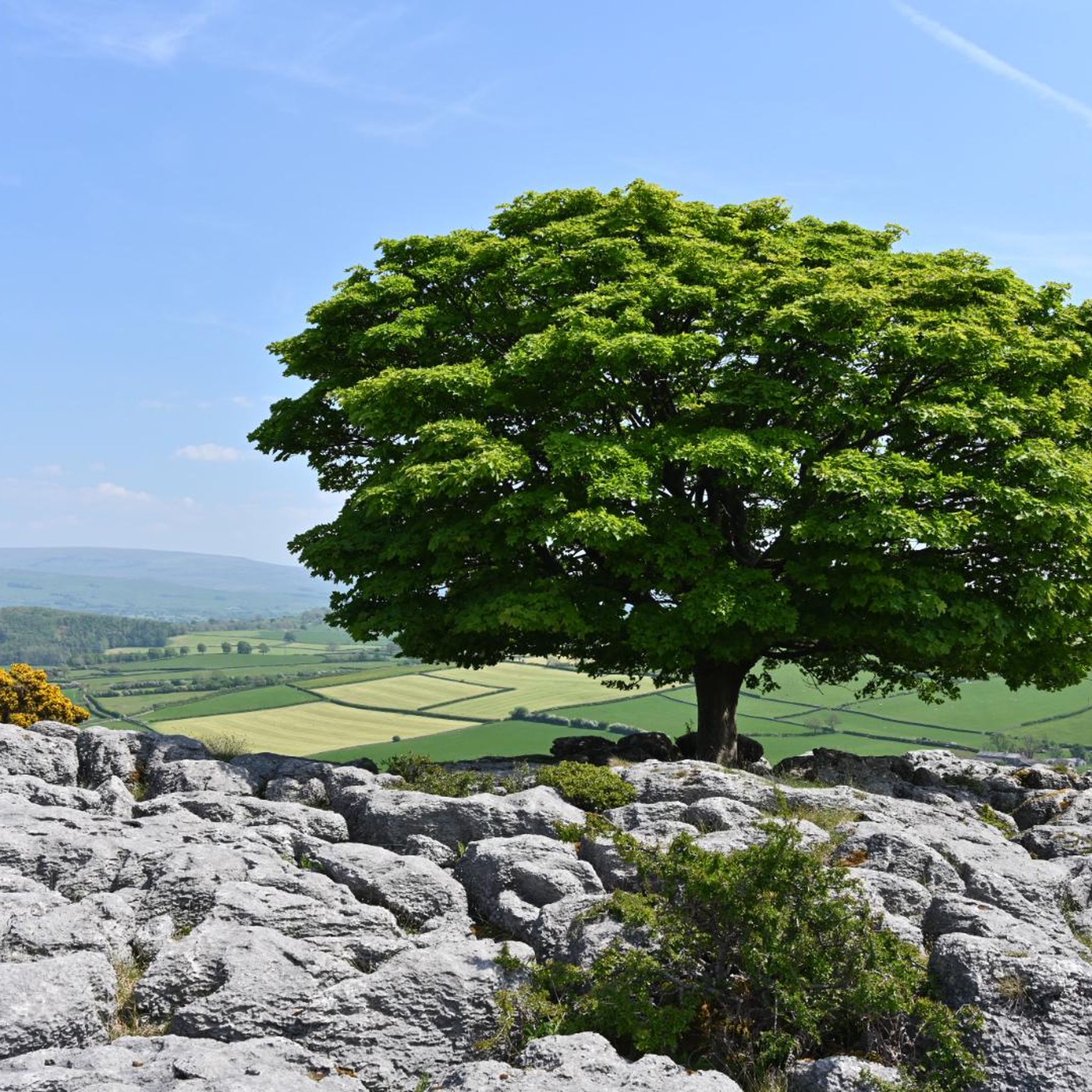
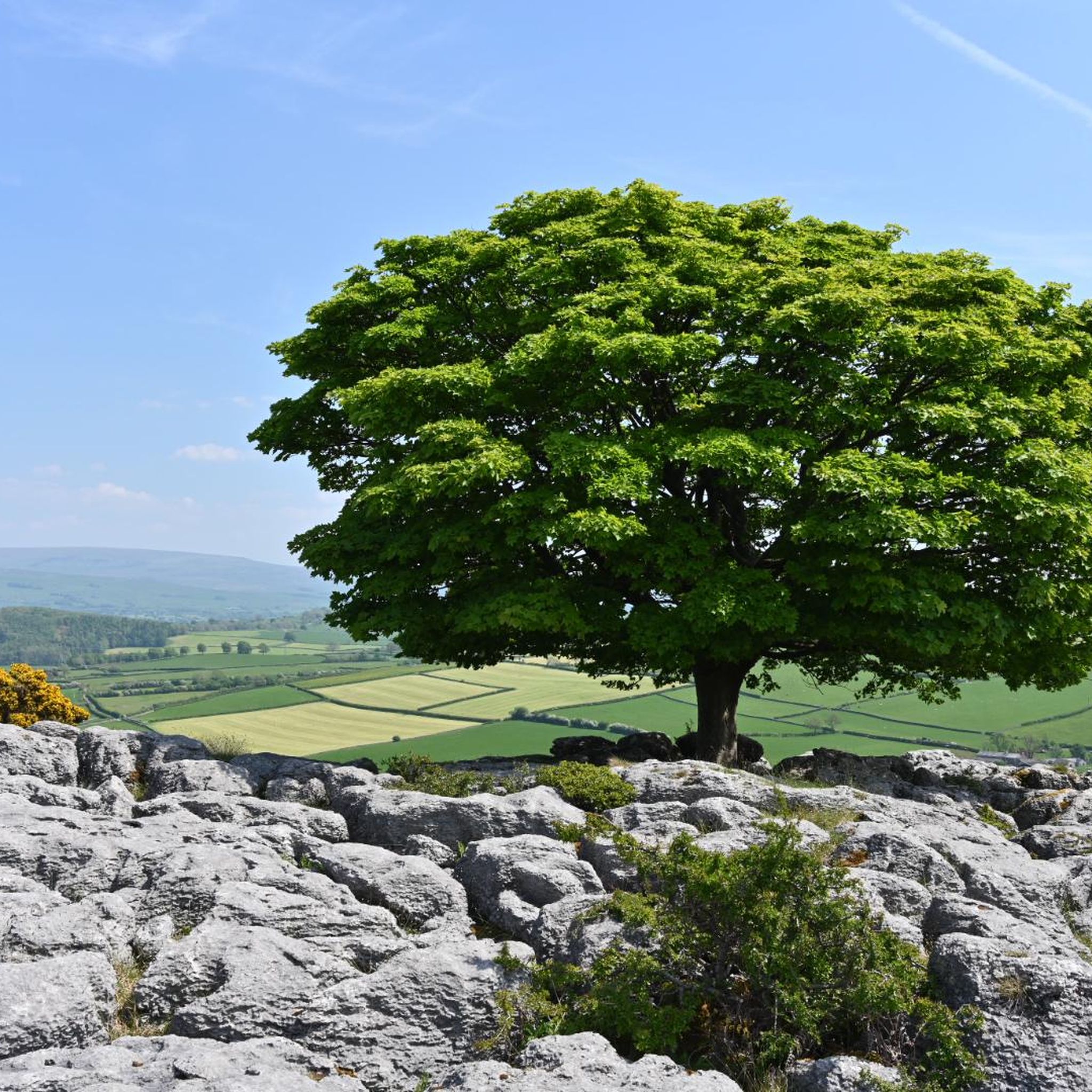
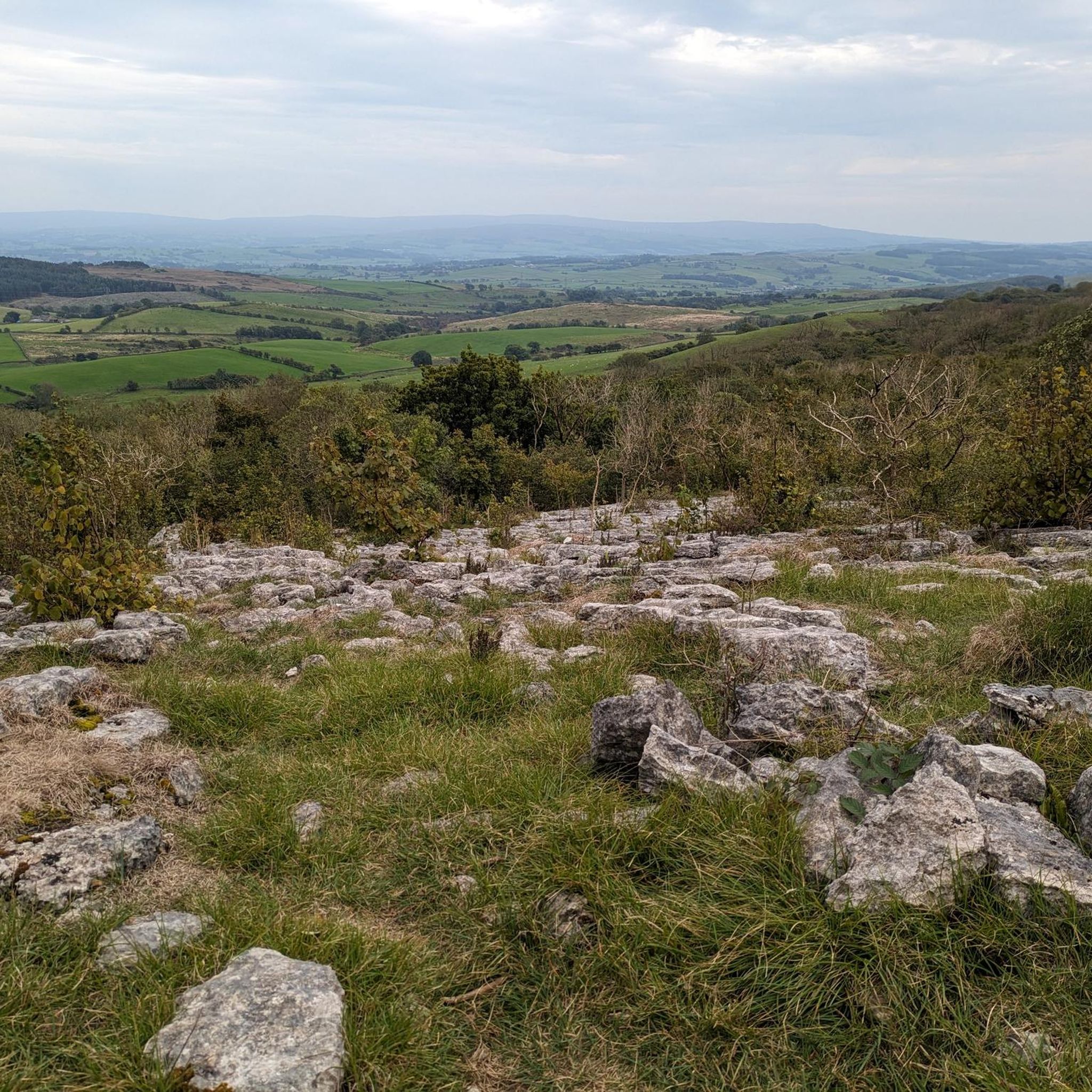
Tips from the Community


The Helm 185m P55 (607ft) [Tump 1] (DoBIH Hill ID: 16219) [JNSA 19230] County of Westmorland Definitive List summit. County of Westmorland Trig Pillar.
0
0

Good fun but a bit of a squeeze. You can walk around instead.
0
0

good fun! just beware, going down, it can be a bit slippy. Down is in the south west direction.
0
0
Easy walk if you from the Station Inn but a lot steeper coming the other way. Great views over Kendal and out into Morecambe Bay .
0
0
Frequently Asked Questions
What unique geological features can I explore around Hutton Roof?
Hutton Roof is renowned for its significant geological formations. You can explore extensive limestone pavements, which are nationally and internationally important. Look out for unique karst features like deep cracks called 'grikes' and flat blocks known as 'clints'. The area also features 'The Rakes' with their steeply dipping pavements and fine 'rinnenkarren', as well as 'Hanging Scar', a massive perched limestone boulder.
What kind of wildlife and rare plants can I expect to see near Hutton Roof's natural monuments?
The specialized limestone soil around Hutton Roof provides a habitat for unusual and rare plants such as dark-red helleborine, angular Solomon's seal, limestone fern, rigid buckler-fern, and juniper. The area also supports diverse wildlife, including various butterflies like small tortoiseshell, brimstone, and peacock, as well as birds such as willow warblers and skylarks. Badgers, foxes, and roe deer are also frequently spotted.
Are there natural monuments around Hutton Roof that offer panoramic views?
Yes, several natural monuments provide excellent viewpoints. Arnside Knott offers extensive views of the Lakeland Fells and Yorkshire Dales. Similarly, The Helm Trig Point, despite its modest elevation, provides tremendous views towards the Lake District mountains and the Howgill Fells. A trek to the top of Hutton Roof Crags itself also rewards visitors with stunning 360-degree views of the surrounding landscape and Morecambe Bay.
What is the best time of year to visit the natural monuments around Hutton Roof?
The spring and summer months are particularly rewarding for visiting Hutton Roof's natural monuments. During this time, the area's rare flora is in bloom, and you can observe a diverse range of butterflies and birds. The weather is also generally more favorable for walking and enjoying the panoramic views.
Are there family-friendly natural monuments or walks suitable for children?
Yes, Arnside Knott is considered family-friendly, offering varied paths through mixed woodland and limestone grassland. While some areas might involve scrambling, many routes are suitable for families. Additionally, Hawes Water is also listed as family-friendly, providing a more relaxed natural setting.
What kind of outdoor activities can I do near these natural monuments?
The area around Hutton Roof is popular for various outdoor activities. You can enjoy hiking on trails like the 'Farleton Fell Summit loop' or the 'Hutton Roof Crag Trig Point loop'. For cycling enthusiasts, there are routes like the 'Lune Millennium Bridge – Morecambe Promenade loop'. Gravel biking options are also available, such as the 'Barbon Dale Road – Kingsdale Valley Road loop'. You can find more details on these activities in the hiking, gravel biking, and cycling guides for Hutton Roof.
Are there any challenging natural monuments or trails for experienced hikers?
For those seeking a challenge, Fairy Steps is categorized as challenging due to its unique rock formation and narrow passages. Successfully navigating it without touching the sides is part of its legend. Additionally, some hiking routes around Hutton Roof, such as the 'Fast Descent to Clawthorp – Farleton Fell Summit loop', are rated as moderate, offering a good workout.
What do visitors enjoy most about the natural monuments around Hutton Roof?
Visitors frequently highlight the stunning, unspoiled views, especially from spots like Arnside Knott and The Helm Trig Point. The unique geological formations, particularly the limestone pavements and the intriguing Fairy Steps, are also big draws. The rich biodiversity and the chance to spot rare plants and wildlife add to the appeal, making it a rewarding experience for nature lovers.
Are there any natural monuments with historical significance in the area?
Yes, The Helm Trig Point is not only a natural monument but also an historical site, being home to an Iron Age hillfort. Additionally, Warton Crag Road Climb features a small hill fort at its top, adding a layer of historical interest to its natural beauty.
How accessible are the natural monuments around Hutton Roof by public transport?
While specific public transport details for each trailhead can vary, the village of Hutton Roof itself is a starting point for many walks. It's advisable to check local bus services to Hutton Roof or nearby towns like Kirkby Lonsdale or Kendal, and then plan your walk or cycle from there. Some routes might require a short walk from the nearest bus stop.
Can I bring my dog to the natural monuments and trails in Hutton Roof?
Many of the trails and natural areas around Hutton Roof are dog-friendly, especially those on public footpaths and open access land. However, as the area is rich in wildlife and often features grazing livestock, it's crucial to keep dogs under close control, preferably on a lead, to protect both the animals and the natural environment. Always check local signage for specific restrictions.
Are there any natural monuments that are lakes or water features?
Yes, Hawes Water is a natural monument in the form of a lake. It is one of only two natural freshwater lakes in Lancashire and is known for supporting diverse birdlife and insects. It's a smaller, tranquil water feature compared to its larger namesake in the Lake District.
What is the significance of Hutton Roof Crags as a natural monument?
Hutton Roof Crags is a Site of Special Scientific Interest (SSSI) and part of the Morecambe Bay Pavements Special Area of Conservation. Its significance lies in its extensive and diverse limestone pavement, formed over millions of years, and its unique karst features. The area also boasts a mosaic of habitats supporting rare flora and fauna, making it of national and international importance for its geology and ecology.
Most popular attractions around Hutton Roof

Get inspired with the komoot mobile app


Explore more
Extend your search for the best caves by checking out these guides of the top ones around Hutton Roof:
