Top 9 Natural Monuments around Plumbland
Best natural monuments around Plumbland are found within the scenic Lake District National Park, an area characterized by its unique geological history and diverse natural features. The landscape includes distinctive mountains, U-shaped valleys, and deep lakes, shaped by volcanic activity, sedimentation, and glaciation. This region offers numerous natural attractions, including accessible summits and significant viewpoints.
Best natural monuments around Plumbland
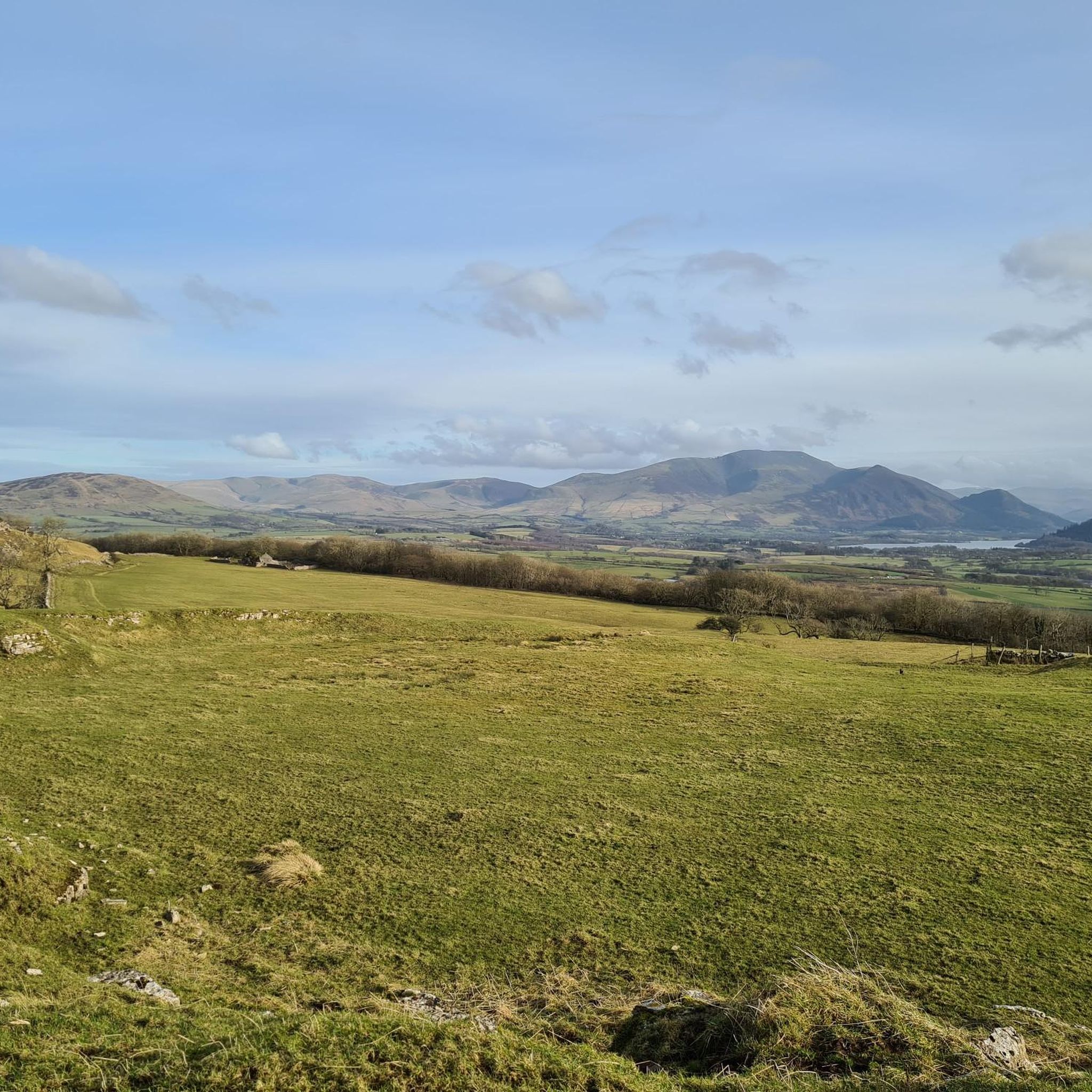
- The most popular natural monuments is View of Bassenthwaite Lake and Skiddaw from Sale Fell, a summit and viewpoint…
Last updated: July 1, 2026
Ling Fell Summit
Highlight • Natural Monument
Tip by

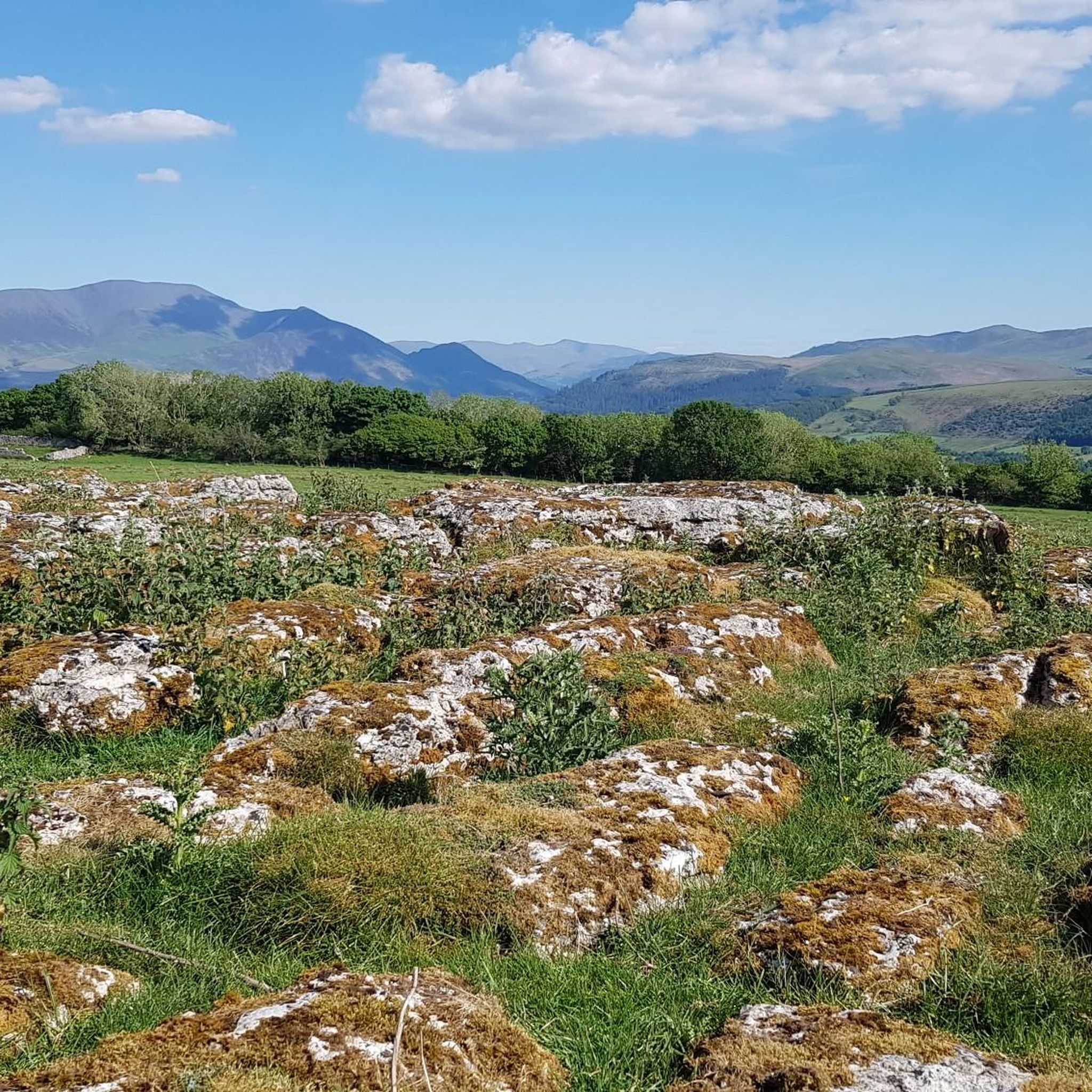
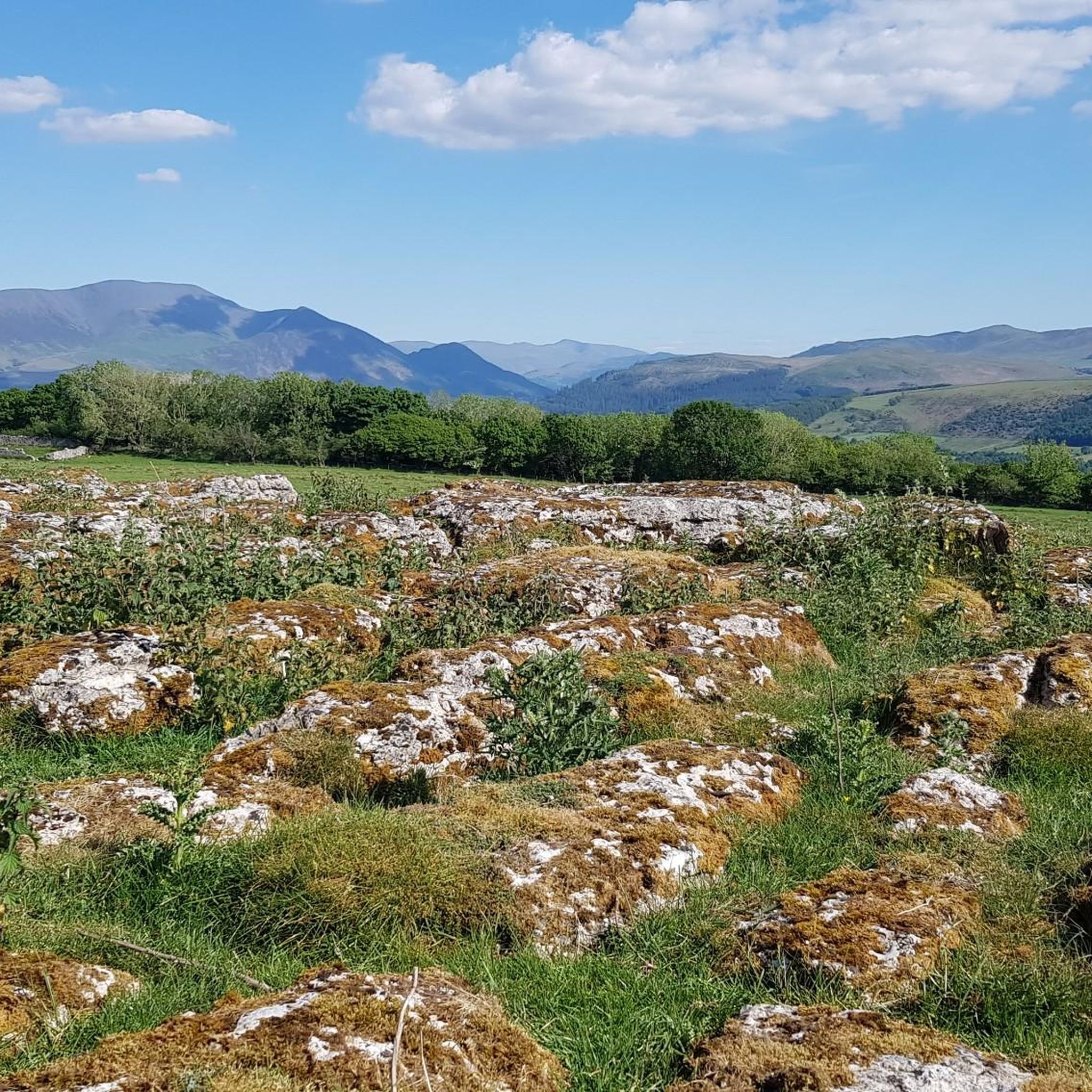
Rivings Summit Cairn
Highlight • Summit
Tip by

Sign up now to discover places like this
Get recommendations on the best single tracks, peaks, & plenty of other exciting outdoor places.
Sign up for free
Watch Hill Summit
Highlight • Viewpoint
Tip by
View of Bassenthwaite Lake and Skiddaw from Sale Fell
Highlight • Summit
Tip by
Tallentire Hill Trig Point
Highlight • Summit
Tip by
Sign up for free to discover even more natural monuments around Plumbland.
Sign up for free
Already have an account?
Start today with a free account
Your next adventure awaits.
Login or Signup

Tips from the Community


Although not a Wainwright. You can bag Rivings after the decent of Sale Fell.
0
0
The accent up Ling Fell, from the Greystones approach, Was a quite tough and steep. Once it levels out though, you feel the burn from the legs ease and your greeted with a well earned actual trig.
0
0


Ling Fell and Sale Fell are the most northerly of the Wainwright Fells in the north western group. Overlooking Embleton and Wythop Mill and with commanding views of Bassenthwaite, the Skiddaw fells and further afield to Criffel in Galloway, both hills make good viewpoints despite their diminutive size. Ling Fell, so named because it is covered all around by Ling heather (Calluna vulgaris), is the more westerly and the slightly higher (373m) of the pair. It looks stunning in August with huge swathes of pink. Ling Fell is easily climbed from just above Wythop Mill where there is adequate parking.
0
0

The BEST view on Sale Fell as Adventurer Nic says it is far superior to the summit of Sale Fell. On a clear day the sheer depth of landscape the eye can see is possible one of the most idyllic views in the entire Lake District. If the bench is occupied - don’t worry as the view can be enjoyed for several yards along the path. On some days this makes for a nice place to stop for a mid-hike picnic as the lower elevation makes it a little less windy than the summit on some days.
0
0

Ling Fell is a small hill in the north west of the Lake District. It is close to the village of Wythop Mill, from where it can easily be climbed, but can be incorporated into a circular route including Sale Fell.
1
0

Watch Hill is a lovely little hill to do from Cockermouth. I was up and back in less than an hour and a half. It is also a UK designated Marilyn. It has no summit cairn or marking.
1
0
Frequently Asked Questions
What are some of the most popular natural monuments around Plumbland?
The area around Plumbland, nestled within the Lake District National Park, offers several highly-rated natural monuments. Among the most popular is the View of Bassenthwaite Lake and Skiddaw from Sale Fell, which is celebrated for its expansive vistas across the lake to the Skiddaw Massif. Another favorite is Ling Fell Summit, offering terrific views to the north-west, including Cockermouth and, on clear days, the Galloway hills in Scotland. Visitors also appreciate Rivings Summit Cairn for its views towards Sale Fell, Skiddaw, and Barf.
What kind of natural features can I expect to see near Plumbland?
The natural monuments near Plumbland are primarily characterized by the stunning geological formations of the Lake District. You'll encounter distinctive mountains, U-shaped valleys, and deep lakes, all sculpted by volcanic activity, sedimentation, and extensive glaciation over millions of years. Specific features include prominent fells and summits like Ling Fell and Sale Fell, offering panoramic viewpoints. The broader region is also renowned for its numerous lakes, such as Buttermere, Crummock Water, and Ullswater, and impressive waterfalls like Aira Force and Scale Force.
Are there family-friendly natural monuments around Plumbland?
Yes, several natural monuments in the vicinity of Plumbland are suitable for families. Watch Hill Summit is noted as family-friendly, offering a grassy and gradual approach from Cockermouth. The View of Bassenthwaite Lake and Skiddaw from Sale Fell is also considered family-friendly, providing a rewarding viewpoint without an overly strenuous climb to the very summit of Sale Fell itself. Many of the lower fells and lake shore walks offer accessible options for families.
What views can I expect from Ling Fell Summit?
From Ling Fell Summit, you can expect terrific views to the north-west, overlooking the town of Cockermouth. On a clear day, the vistas extend even further, allowing you to see the Galloway hills in Scotland. Ling Fell is one of the northernmost fells in Wainwright's North Western Fells, providing a unique perspective of the surrounding landscape.
What makes the View of Bassenthwaite Lake and Skiddaw from Sale Fell special?
The View of Bassenthwaite Lake and Skiddaw from Sale Fell is considered by many to offer a superior vista compared to the actual summit of Sale Fell. It provides a gorgeous sight across Bassenthwaite Lake to the majestic Skiddaw Massif. On a good weather day, the sheer depth of the landscape visible from this spot is often described as one of the most idyllic views in the entire Lake District, with a conveniently placed bench for enjoying the scenery.
Are there other significant fells or summits to explore besides Sale Fell and Ling Fell?
Beyond Sale Fell and Ling Fell, you can explore Rivings Summit Cairn, which offers lovely views across to Sale Fell, Skiddaw, and Barf and can easily be incorporated into a loop walk with Sale Fell. Another notable outlying fell is Watch Hill Summit, a grassy hill with a gradual approach from Cockermouth. Further north, Tallentire Hill Trig Point provides outstanding views to Criffel in Scotland and a stunning panorama of the Lake District mountains, including Skiddaw, Grisedale Pike, and even Helvellyn on clear days.
What outdoor activities can I do near these natural monuments?
The area around Plumbland and its natural monuments is excellent for various outdoor activities. You can find numerous routes for cycling, including touring and road cycling, with options like the 'Solway Coast loop from Aspatria' or the challenging 'Buttermere and Keswick loop'. For runners, there are many running trails, such as the 'High Calfshaw Wood loop' or a 'Running loop from Plumbland'. These activities allow you to explore the diverse landscapes and natural beauty of the region. You can find more details on routes in the Cycling around Plumbland, Running Trails around Plumbland, and Road Cycling Routes around Plumbland guides.
Is the Lake District's geology a natural monument in itself?
Yes, the broader Lake District area, which encompasses Plumbland, is considered a natural monument due to its unique geological history spanning 500 million years. The landscape has been dramatically sculpted by volcanic activity, sedimentation, and extensive glaciation. This has resulted in its distinctive mountains, U-shaped valleys, and deep lakes. The Borrowdale Volcanic Group forms the rugged mountains like Scafell and Helvellyn, while the northern parts feature older sedimentary rocks, creating smoother, more rounded fells. This rich geological diversity makes the entire park a fascinating area for those interested in earth sciences and dramatic landscapes. For more information, you can refer to Wikipedia's article on the Geology of the Lake District.
What do visitors enjoy most about the natural monuments near Plumbland?
Visitors consistently praise the breathtaking panoramic views offered by the fells and summits. The ability to see vast stretches of the Lake District, including prominent peaks and lakes, is a major draw. Many appreciate the peaceful atmosphere and the opportunity for rewarding hikes without overly strenuous climbs, such as on Binsey Summit or Sale Fell. The geological significance and the sheer natural beauty of the landscape, often captured in over 70 shared photos, are also highly valued by the komoot community.
Are there any notable lakes or waterfalls near Plumbland that are considered natural monuments?
While Plumbland itself is not directly on a major lake, the surrounding Lake District National Park is renowned for its significant lakes and waterfalls. Buttermere and Crummock Water, located southwest of Plumbland, are tranquil glacial lakes encircled by mountains. Ullswater, the second largest lake, is famous for its clear waters and the majestic Helvellyn range backdrop. For waterfalls, Aira Force near Ullswater is an enchanting 66-meter waterfall, and Scale Force near Buttermere is Cumbria's highest, plunging 120 feet in a single drop, both powerful displays of nature's force.
What is the best time to visit the natural monuments around Plumbland?
The best time to visit the natural monuments around Plumbland largely depends on your preferred activities. Spring and summer (April to September) generally offer the most favorable weather for hiking and outdoor exploration, with longer daylight hours and milder temperatures. This period is ideal for enjoying the panoramic views and exploring the fells. Autumn brings beautiful foliage, while winter can offer dramatic, snow-capped landscapes for experienced hikers, though conditions can be challenging and require appropriate gear and caution.
Most popular attractions around Plumbland

Get inspired with the komoot mobile app


Explore more
Extend your search for the best caves by checking out these guides of the top ones around Plumbland:
