Top 5 Natural Monuments around Camerton
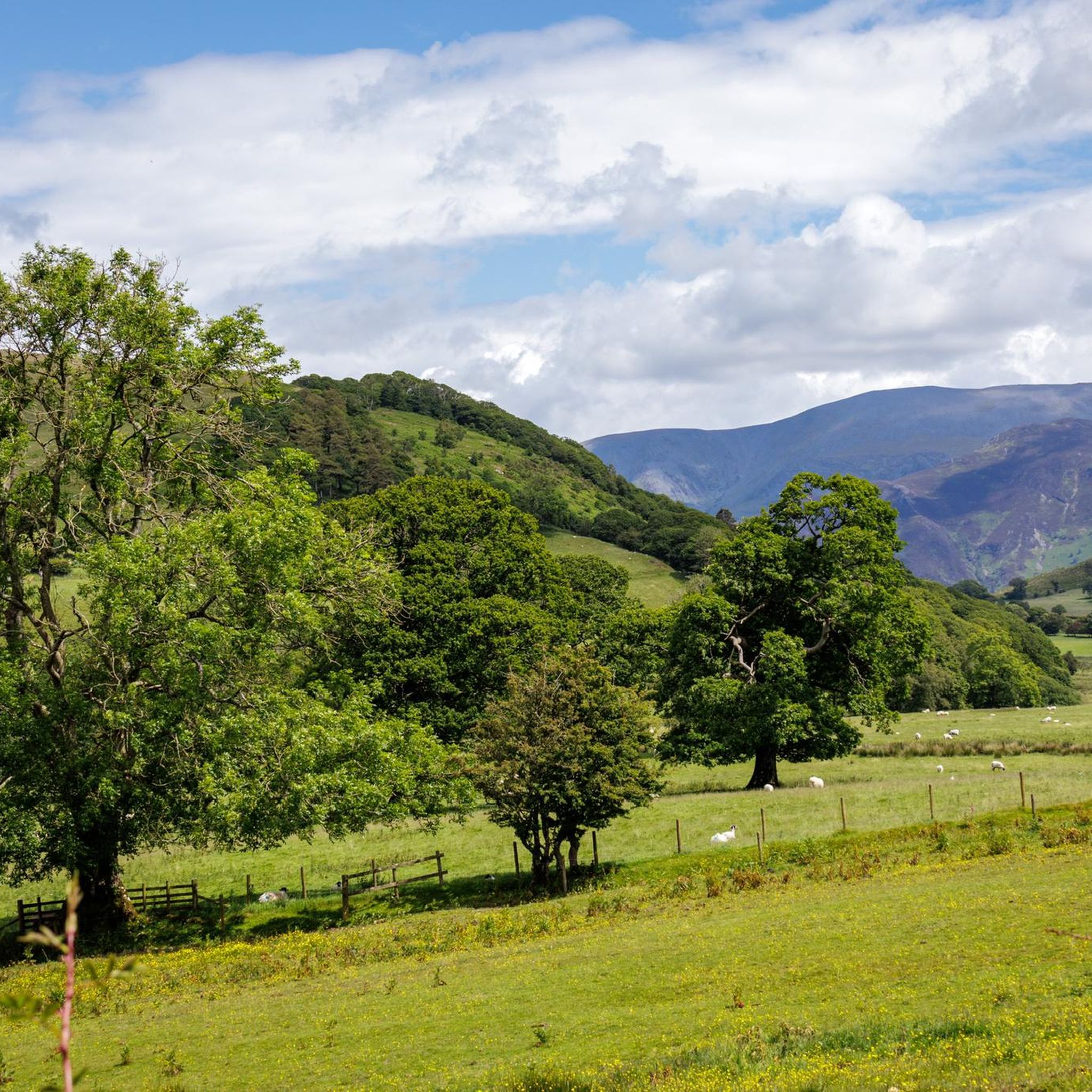
Best natural monuments around Camerton offer diverse natural features within the Somerset countryside. The area is characterized by gently rolling hills, river valleys, and reclaimed industrial landscapes. These natural attractions provide opportunities for walks and experiencing local flora and fauna. The region's geography includes the Cam Brook and its valley, alongside areas of ecological interest.
Best natural monuments around Camerton
- The most popular natural monument is Fellbarrow Summit, a natural monument that is a hill in the western Lake…
Last updated: October 17, 2026
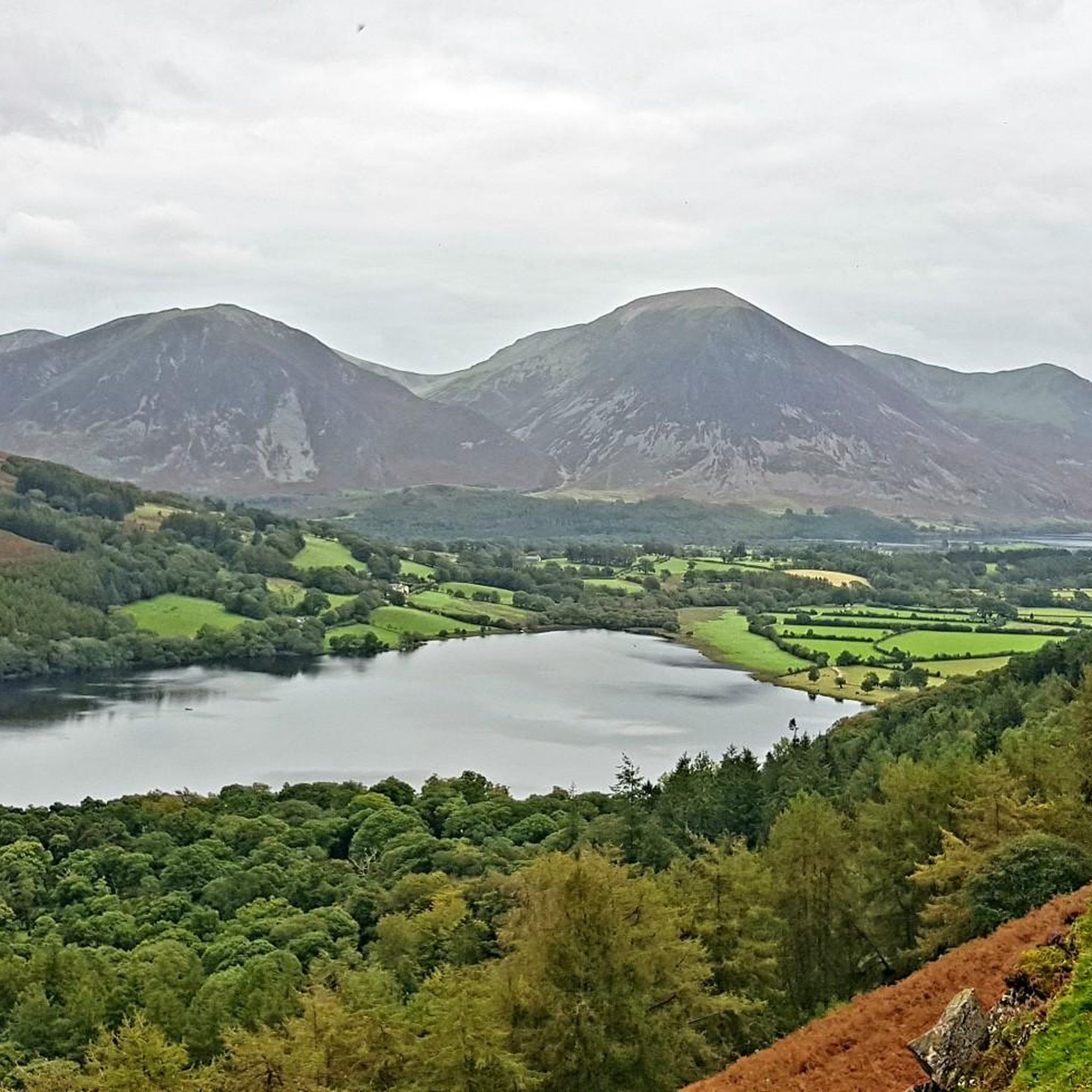
Fellbarrow Summit
Highlight • Natural Monument
Tip by

Watch Hill Summit
Highlight • Viewpoint
Tip by
Sign up now to discover places like this
Get recommendations on the best single tracks, peaks, & plenty of other exciting outdoor places.
Tallentire Hill Trig Point
Highlight • Summit
Tip by
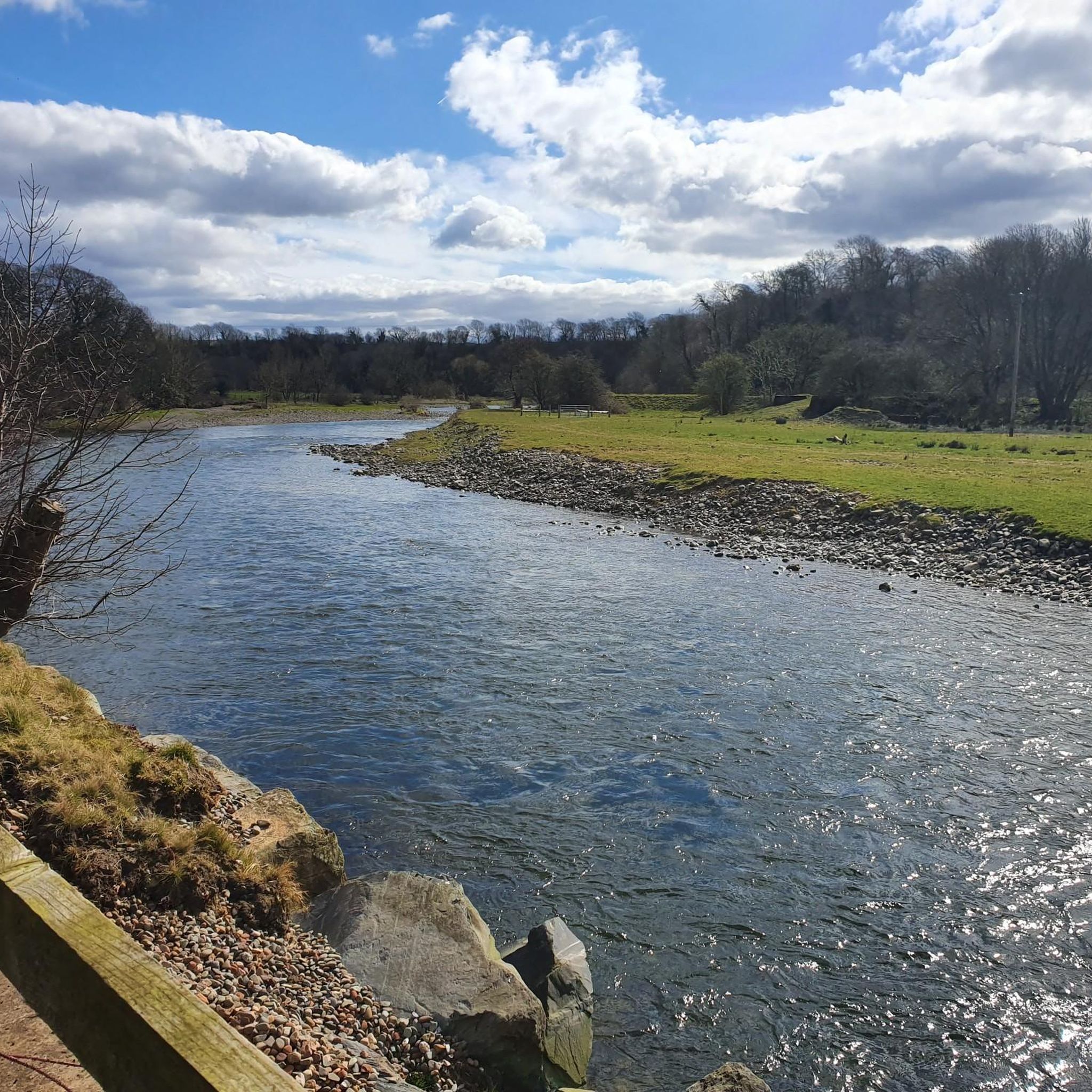
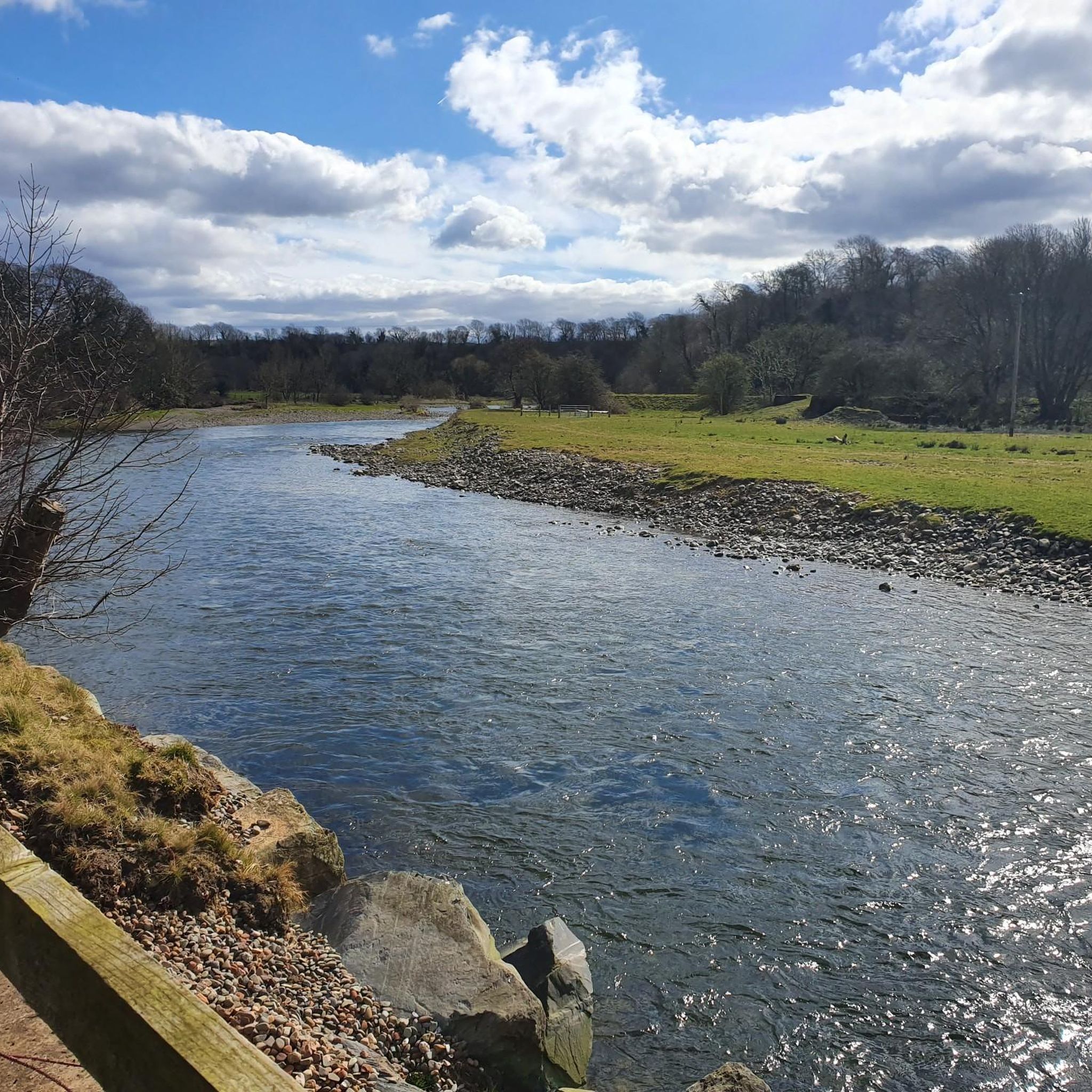
Confluence of the Rivers Cocker and Derwent
Highlight • River
Tip by
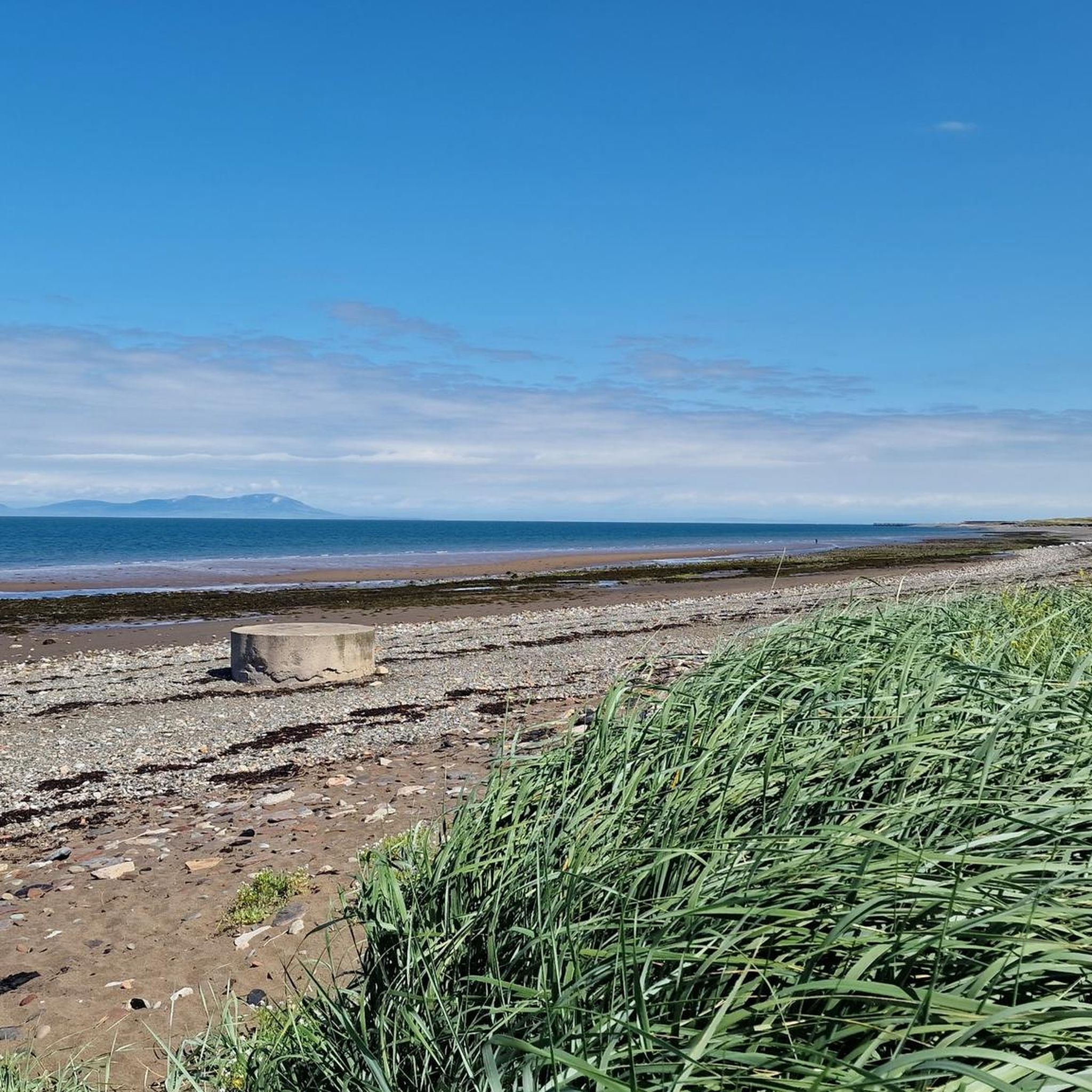
View of Siddick Ponds Nature Reserve
Highlight • Natural
Translated by Google •
Tip by

Sign up for free to discover even more natural monuments around Camerton.
Already have an account?
Start today with a free account
Your next adventure awaits.

Tips from the Community

Siddick Ponds is a valuable nature reserve in Cumbria, designated as both a Local Nature Reserve (LNR) and a Site of Special Scientific Interest (SSSI). The area comprises two large ponds—one freshwater and one brackish—surrounded by extensive reedbeds, creating a unique ecological combination within the region. This diverse habitat makes Siddick Ponds one of Cumbria's most important birdwatching areas, hosting a diverse community of bird species year-round.
9
0

This is the place that gave the town its name, where the River Cocker joins the much larger River Derwent. With a small but well stocked garden in the summer and several seats, this is a contemplative spot.
0
0

Watch Hill is a lovely little hill to do from Cockermouth. I was up and back in less than an hour and a half. It is also a UK designated Marilyn. It has no summit cairn or marking.
1
0
An easy Wainwright to bag along with its nearby neighbour Low Fell. Both can be done from Thackthwaite with a two hour walk but parking can be an issue on weekends.
1
0

Fellbarrow is a hill in the western Lake District. The fell is 1,364 feet (416 m) in height. Close to the summit is a trig pillar. I prefer to hike this fell together with it's neighbour - Low Fell - as a circular from Thackthwaite. The bigger nearby fells like Grasmoor look super imposing from Fellbarrow, especially in winter.
2
0
Watch Hill is one of the Wainwright Outlying Fells (235m). A grassy and gradual approach from Cockermouth over fields full of curious sheep. The ground beyond the summit is rippled and undulates on to Sethmurthy Common.
5
0
A trig pillar can be found atop this 223m hill in north west Cumbria. A right of way which is fenced on both sides can be followed up and over the hill. Views to Criffel (largest hill across the Solway Firth over in Dumfries and Galloway, Scotland) are outstanding from here. But the biggest treat comes with the view across to the Lake District mountains. Not only can you see the giants of the north and north western fells like Skiddaw, Grisedale Pike, Hopegill Head and Grasmoor, but on a good day you can even spot Helvellyn, Steeple and Pillar. What a stunning treat from a small hill that's probably seldom hiked.
2
0
The North bank of the River Derwent is a great vantage point to see the two rivers converge
2
0
Frequently Asked Questions
What are some of the most popular natural monuments featured in this guide?
Among the natural monuments highlighted, visitors frequently enjoy Fellbarrow Summit, a hill in the western Lake District known for its views and often hiked with Low Fell. Another favorite is Watch Hill Summit, a family-friendly viewpoint, and Tallentire Hill Trig Point, offering expansive views across to the Lake District mountains and Criffel.
What kind of natural landscapes and features can I expect to find in the Camerton area?
The Camerton area in Somerset is characterized by diverse natural features, including gently rolling hills, river valleys, and unique reclaimed industrial landscapes. You'll find woodlands, the meandering Cam Brook, and areas of significant ecological interest like the Camerton Batch Local Nature Reserve.
Are there any natural monuments suitable for families with children?
Yes, Watch Hill Summit is noted as a family-friendly viewpoint and summit, offering a gradual approach over fields. Additionally, the Confluence of the Rivers Cocker and Derwent is also considered family-friendly, providing a contemplative spot with benches nearby.
What outdoor activities can I do near these natural monuments?
The area offers various outdoor activities. For hiking, you can explore easy trails like the Siddick Ponds Nature Reserve loop or Joe's Walk – The Lakeland Shepherd Monument loop. Cyclists can find road cycling routes such as the View of the Solway Firth loop or touring bicycle routes like the Navvies Bridge loop. You can find more details on these activities and routes in the easy hikes around Camerton guide, the road cycling routes guide, and the cycling around Camerton guide.
What historical or cultural significance do the natural monuments in Camerton hold?
The Camerton Batch Local Nature Reserve is a unique example of natural reclamation, being a former spoil heap from 19th-century coal mining operations. This site showcases nature's resilience and human-led conservation efforts. The Cam Valley also features historical remnants of the Somerset Coal Canal, which once utilized water from the Cam Brook, blending natural beauty with industrial heritage.
What is the best time of year to visit the natural monuments around Camerton?
The Camerton area is enjoyable throughout the year, but spring and summer offer lush greenery and warmer weather ideal for walking and exploring the woodlands and river valleys. Autumn brings beautiful foliage, while winter can offer crisp, quiet walks, though some paths might be muddy. Always check local weather conditions before your visit.
Are there any dog-friendly trails or natural monuments in the area?
Many public rights of way and woodland paths in the Camerton area, including those within the Camerton Batch Local Nature Reserve and along the Cam Brook, are suitable for dog walking. It's always recommended to keep dogs on a lead, especially near livestock or in nature reserves, to protect wildlife and ensure a pleasant experience for all visitors.
What wildlife can I expect to see at Camerton Batch Local Nature Reserve?
The Camerton Batch Local Nature Reserve is a haven for diverse wildlife. It's particularly known for being a habitat for the rare Greater Horseshoe Bat. Visitors can also spot various bird species, insects, and other small mammals within its managed woodland and network of paths.
Where can I find viewpoints with scenic vistas?
For scenic vistas, Watch Hill Summit offers a family-friendly viewpoint. Tallentire Hill Trig Point provides outstanding views across to the Lake District mountains and Criffel. Additionally, the View of Solway Coast offers coastal perspectives.
What do visitors enjoy most about the natural monuments in this guide?
Visitors appreciate the diverse landscapes, from elevated perspectives like Fellbarrow Summit to tranquil river convergences such as the Confluence of the Rivers Cocker and Derwent. The opportunity for leisurely walks, experiencing local flora and fauna, and the blend of natural beauty with historical context are frequently highlighted.
Are there any specific river features worth exploring?
The Cam Brook itself is a significant river feature, meandering through the picturesque Cam Valley. Its narrow floodplain and tree-lined banks offer tranquil beauty. The Confluence of the Rivers Cocker and Derwent is another notable river feature, marking where the River Cocker joins the larger River Derwent, a spot that gave Cockermouth its name.
Most popular attractions around Camerton

Get inspired with the komoot mobile app


Explore more
Extend your search for the best caves by checking out these guides of the top ones around Camerton:
