Top 17 Natural Monuments around Drymen
Natural monuments around Drymen are concentrated within the Loch Lomond and The Trossachs National Park, offering diverse landscapes. This area, situated in the Stirling council, features a mix of rolling hills, lochs, and unique geological formations. The region serves as a gateway to the Highlands, providing access to significant natural features. Its geography includes the Highland Boundary Fault, which separates distinct lowland and highland environments.
Best natural monuments around Drymen
- The most popular natural monument is View of Loch Lomond…
Last updated: July 1, 2026
View of Loch Lomond from Conic Hill
Highlight • Viewpoint
Sometimes it can …
Translated by Google •
Tip by

Path to Conic Hill Summit
Highlight (Segment) • Trail
Tip by

Sign up now to discover places like this
Get recommendations on the best single tracks, peaks, & plenty of other exciting outdoor places.
Sign up for free
Milarrochy Bay
Highlight • Natural Monument
Tip by

Mugdock Castle
Highlight • Castle
Tip by

Devil's Pulpit (Finnich Glen)
Highlight • Natural Monument
Tip by

Sign up for free to discover even more natural monuments around Drymen.
Sign up for free
Already have an account?
Start today with a free account
Your next adventure awaits.
Login or Signup
Popular around Drymen
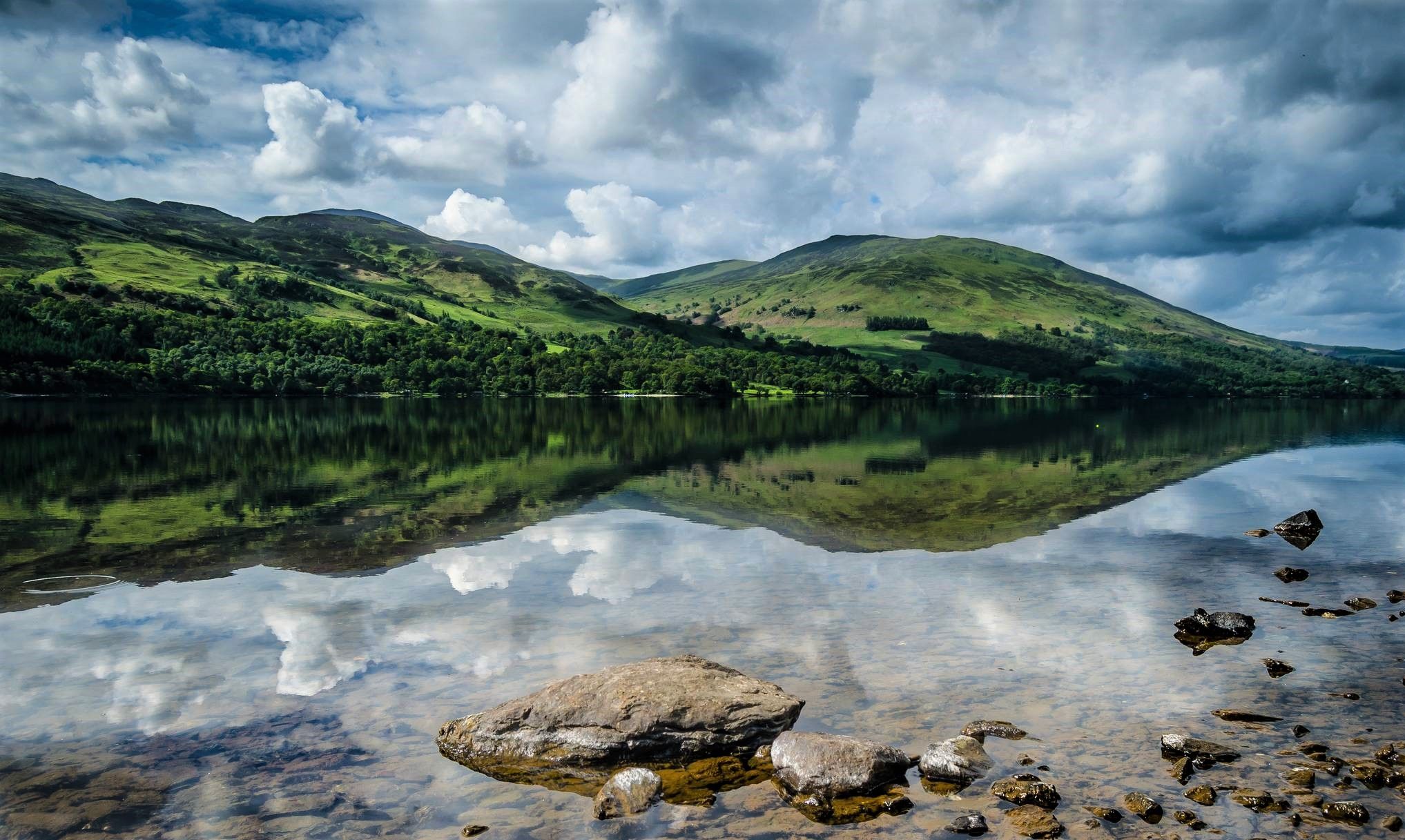
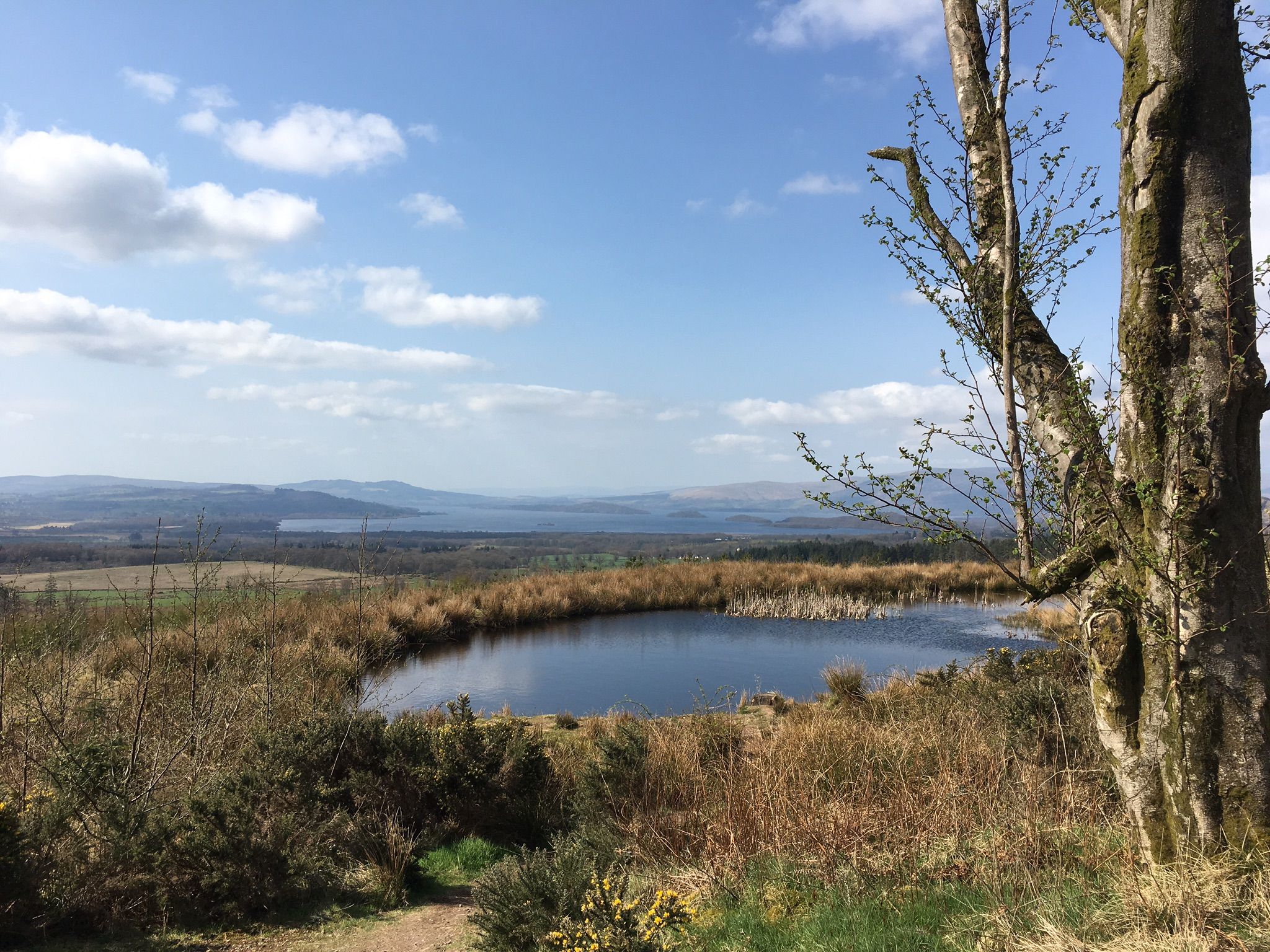
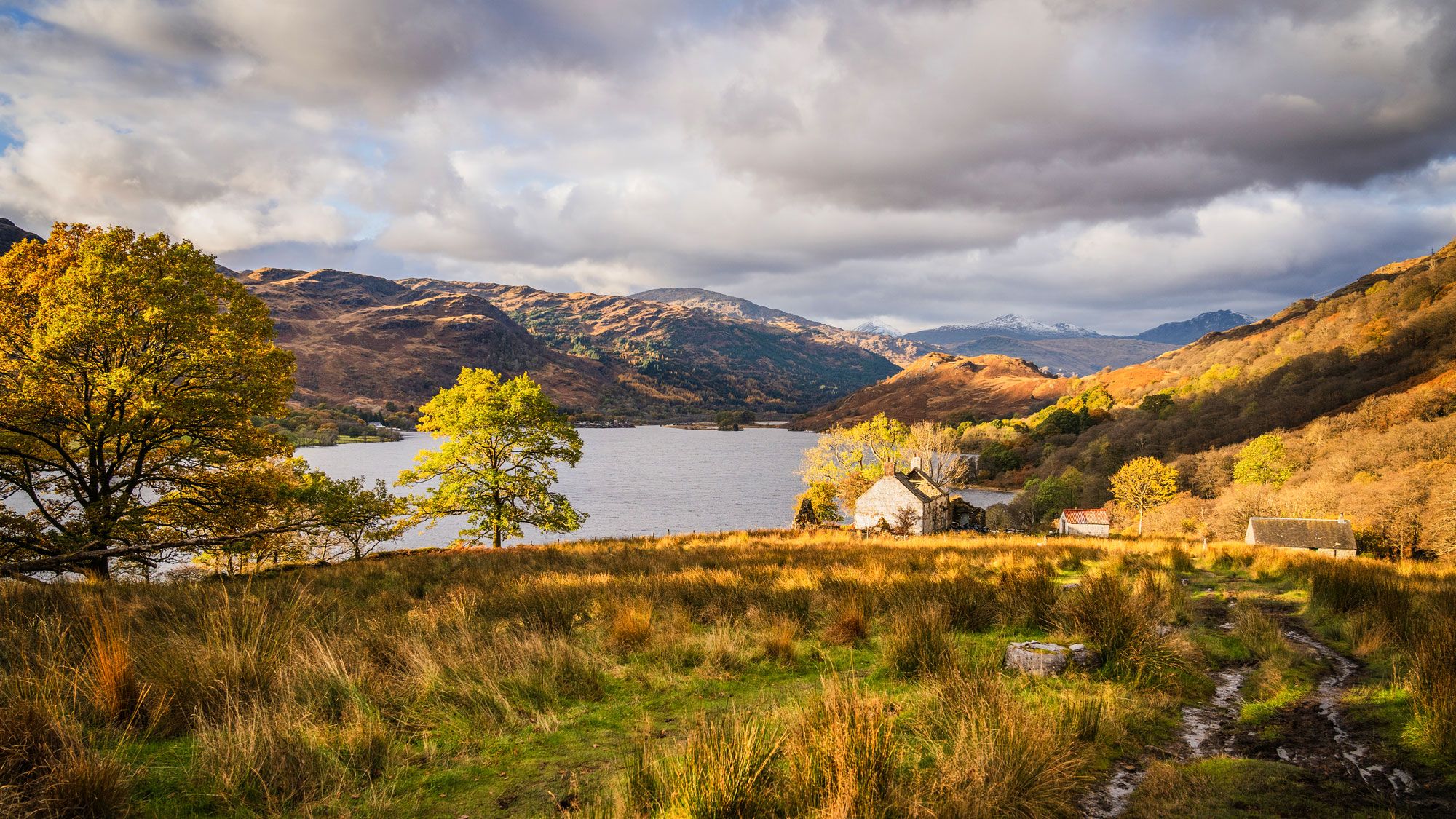

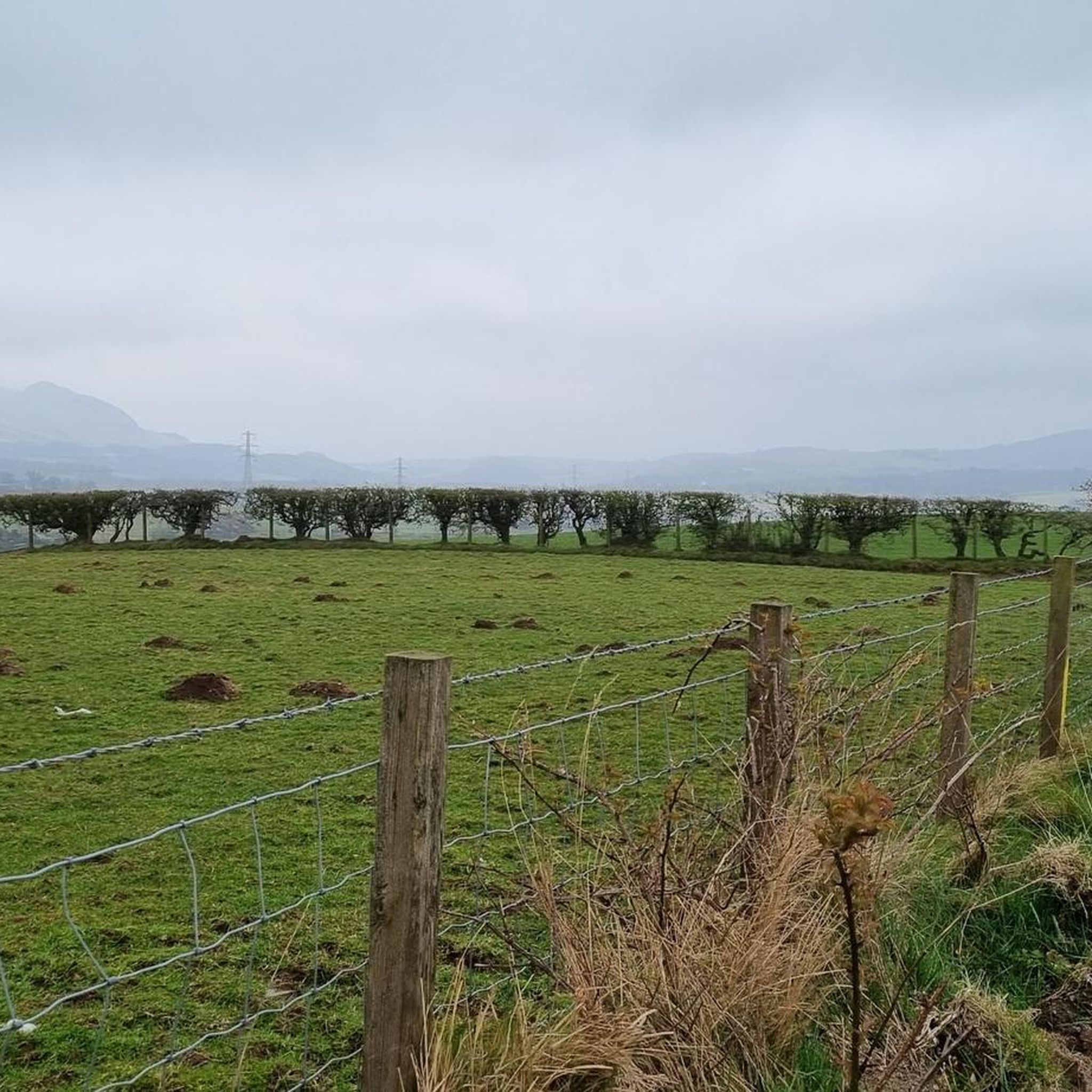
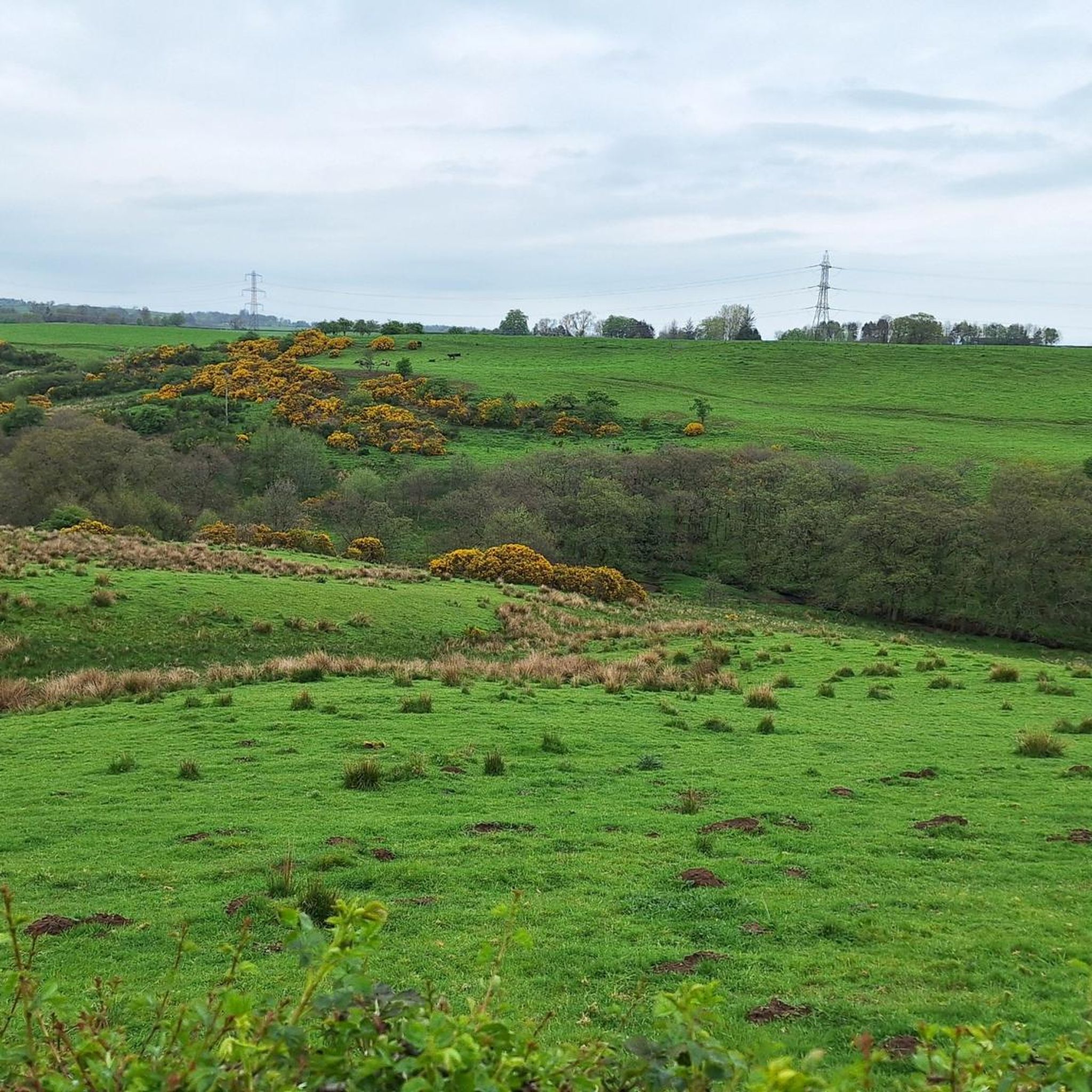
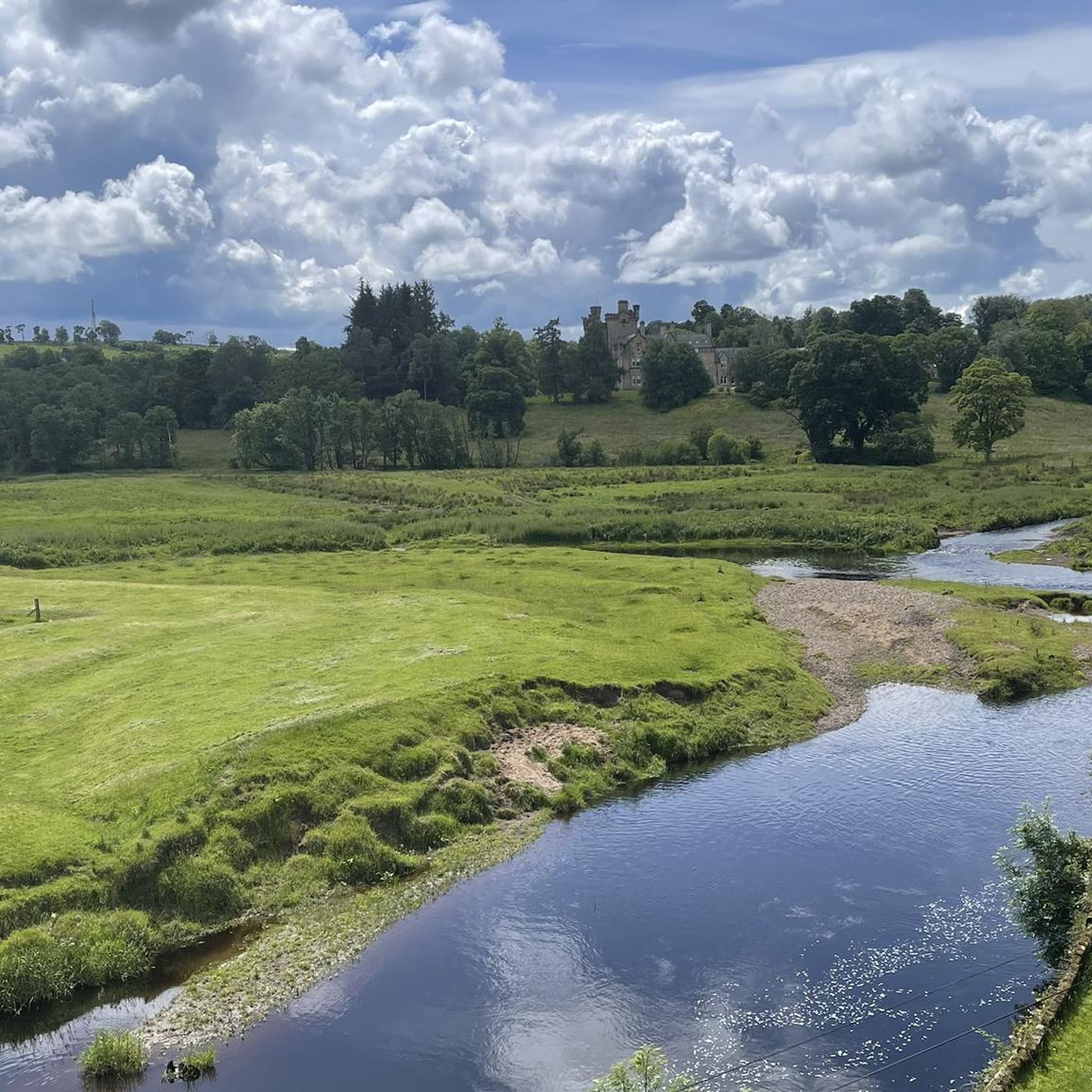


Tips from the Community

There are stone steps for over 2km - so it's worth getting out your hiking poles...
0
0
Above all, the path through Mugdock-Forest is worth it.
0
0


The original Castle on this site was built in the 13th century by the Graham family. The Grahams were a family on the rise and the family were made the Earls of Montrose in 1505. The most famous Graham resident of Mugdock Castle was James Graham (1612-1650) known as The Great Montrose. He was a poet and soldier who fought for the cause of King Charles I during the Wars of The Three Kingdoms (more commonly referred to as The English Civil Wars) and was marked as one of the greatest soldiers of the time. So great was his military fame that King Louis XIV offered him the role as Marshal of France. His success ultimately ran out in 1650 with the loss of The Battle of Carbisdale in Rosshire. Montrose was betrayed by a fellow Scotsman and was ultimately Hung, Drawn and Quartered for his part in the war. His campaigns were immortalised by Sir Walter Scott in his 1819 novel A Legend of Montrose.
0
0

Sturdy shoes are highly recommended, as it is usually very wet and slippery. Not recommended for small children or people with walking problems!
0
0
Great gorge, brown-red water. In warmer seasons, the Devils Pulpit is also perfect for a swim. Be sure to park a few meters further north at the intersection (small parking lot). The actual path to the pulpit is south, just behind the bridge. STURDY footwear is a must
0
0
The steps collapsed, access was not possible in rainy weather that was too slippery and too steep
0
0

Probably most famous for the tree, a great place to wild swim. Also worthy to note there are public toilets here.
0
0
Frequently Asked Questions
What unique geological features can I explore near Drymen?
The region around Drymen offers fascinating geological formations. Conic Hill is a significant feature, forming part of the Highland Boundary Fault, which separates the Scottish Lowlands from the Highlands and showcases distinct rock types and ecosystems. Another unique site is Devil's Pulpit (Finnich Glen), known for its oddly shaped rock above surging crimson waters, a color attributed to underlying red sandstone.
Are there family-friendly natural monuments around Drymen?
Yes, several natural monuments are suitable for families. Milarrochy Bay on Loch Lomond offers a beach area perfect for a relaxing walk. While not strictly a natural monument, Mugdock Castle, located on a rocky promontory, is also family-friendly and provides historical context within a natural setting.
Where can I find the best panoramic views of Loch Lomond near Drymen?
For breathtaking panoramic views of Loch Lomond and the surrounding Highlands, Conic Hill is highly recommended. The climb, though challenging, rewards hikers with spectacular vistas. Another excellent viewpoint is Duncryne Hill, affectionately known as 'The Dumpling,' which offers arguably the best views of Loch Lomond and the southern Highlands from its accessible summit.
What kind of wildlife can I expect to see in the natural monuments around Drymen?
The natural monuments around Drymen are rich in wildlife, particularly within the Loch Lomond and The Trossachs National Park. RSPB Loch Lomond is a premier wildlife destination, boasting diverse habitats that support a wide array of fauna and flora, making it excellent for bird-watching. The River Endrick also offers picturesque scenery and opportunities for nature observation.
Are there any historical sites among the natural monuments near Drymen?
While many natural monuments focus on geological or scenic beauty, Mugdock Castle is a notable historical site situated on a natural promontory. Its strategic location was historically protected by Mugdock Loch. Additionally, Conic Hill offers a fascinating insight into Scotland's geological history as part of the Highland Boundary Fault.
What outdoor activities can I do near the natural monuments around Drymen?
The area around Drymen, being part of Loch Lomond and The Trossachs National Park, is ideal for various outdoor activities. You can find numerous running trails, including routes like 'View of Loch Lomond – Path to Conic Hill Summit loop from Drymen.' Cycling enthusiasts can explore routes such as 'View of Loch Ard – View of Loch Ard loop from Drymen.' For mountain biking, there are trails like 'Corrie Aqueduct Bridge – Aberfoyle Riverside Cycle Path loop from Buchanan Smithy.' You can find more details on these activities in the running trails, cycling, and MTB trails guides for Drymen.
What do visitors enjoy most about the natural monuments near Drymen?
Visitors frequently praise the stunning views and the sense of accomplishment after a hike. For instance, the climb up Conic Hill is often described as strenuous but rewarding, offering beautiful views over Loch Lomond. The unique and somewhat eerie atmosphere of Devil's Pulpit (Finnich Glen) also captivates visitors, with many noting its striking visual appeal and photo opportunities.
Are there any natural monuments near Drymen that are part of the West Highland Way?
Yes, several natural monuments near Drymen are integral to the West Highland Way. Conic Hill serves as a significant challenge and offers a spectacular prelude to the Loch Lomond section of the trail. Milarrochy Bay is also a popular spot along the route, providing picturesque scenery and camping opportunities on the shores of Loch Lomond.
What should I know before visiting Devil's Pulpit (Finnich Glen)?
Visiting Devil's Pulpit (Finnich Glen) requires careful planning. The descent into the gorge is very steep and challenging, often referred to as 'slippery Devil's Steps.' Good footwear is essential, and visitors are advised to take care both going down and coming back up. Arriving early is recommended if you wish to experience the site with fewer crowds.
Can I go swimming in the natural waters around Drymen?
While Loch Lomond offers vast freshwater, the water temperature can be quite cold. Milarrochy Bay is a spot where visitors might consider swimming, but it's important to be aware of the cold temperatures and any local camping management zones or regulations that might apply to water activities.
What is the best time of year to visit the natural monuments around Drymen?
The Loch Lomond and The Trossachs National Park, where Drymen is located, offers beauty year-round. Spring and autumn provide pleasant temperatures and vibrant colors, with fewer midges than summer. Winter can offer dramatic, snow-dusted landscapes, though some trails may be more challenging due to weather conditions. Always check local weather forecasts before your visit.
Are there any easy walks to natural monuments near Drymen?
While some natural monuments involve challenging hikes, there are easier options. A walk along the shores of Milarrochy Bay offers relaxing scenery. Duncryne Hill, though providing stunning views, is a relatively accessible climb compared to higher peaks, making it a rewarding option for those seeking a less strenuous experience.
Most popular routes around Drymen
Most popular attractions around Drymen

Get inspired with the komoot mobile app


Explore more
Extend your search for the best caves by checking out these guides of the top ones around Drymen:
