Top 8 Natural Monuments around Hobkirk
Best natural monuments around Hobkirk are found in a landscape characterized by rolling hills, river valleys, and expansive views. Situated by the Rule Water, south-east of Hawick, the area offers various natural features and outdoor recreation opportunities. Visitors can explore summits and viewpoints that provide vistas across the Scottish Borders. The region is well-suited for walking and enjoying scenic natural attractions.
Best natural monuments around Hobkirk
- The most popular natural monument is Rubers Law Summit and Trig Point, a…
Last updated: August 24, 2026
Lilliard's Stone and Lilliot Cross
Highlight • Historical Site
Tip by

Rubers Law Summit and Trig Point
Highlight • Viewpoint
The black toposcope placed on top of …
Tip by

Sign up now to discover places like this
Get recommendations on the best single tracks, peaks, & plenty of other exciting outdoor places.
Sign up for free
Bonchester Hill Cairn
Highlight • Historical Site
Stunning views of the area from …
Tip by
Needs Law Cairns and Quarry
Highlight • Structure
Tip by
High Seat Summit
Highlight • Natural Monument
Tip by
Sign up for free to discover even more natural monuments around Hobkirk.
Sign up for free
Already have an account?
Start today with a free account
Your next adventure awaits.
Login or Signup

Tips from the Community

The climb itself is breathtaking and largely pathless.
1
0

Some say Maid Lilliard fought at Lilliard’s Edge during the Battle of Ancrum Moor to avenge her slain lover, while others believe she sought revenge for her lost family. According to legend, she either killed the ruthless English leaders Sir Ralph Evers and Sir Brian Laiton or rallied the outnumbered Scots to victory. After the battle, searchers found her body near the fallen English leaders. Though badly injured, she was recognized by her golden hair and white plume. Whether she truly struck down Laiton remains unknown, but she was given an individual burial, and a memorial was later erected in her honor.
0
0

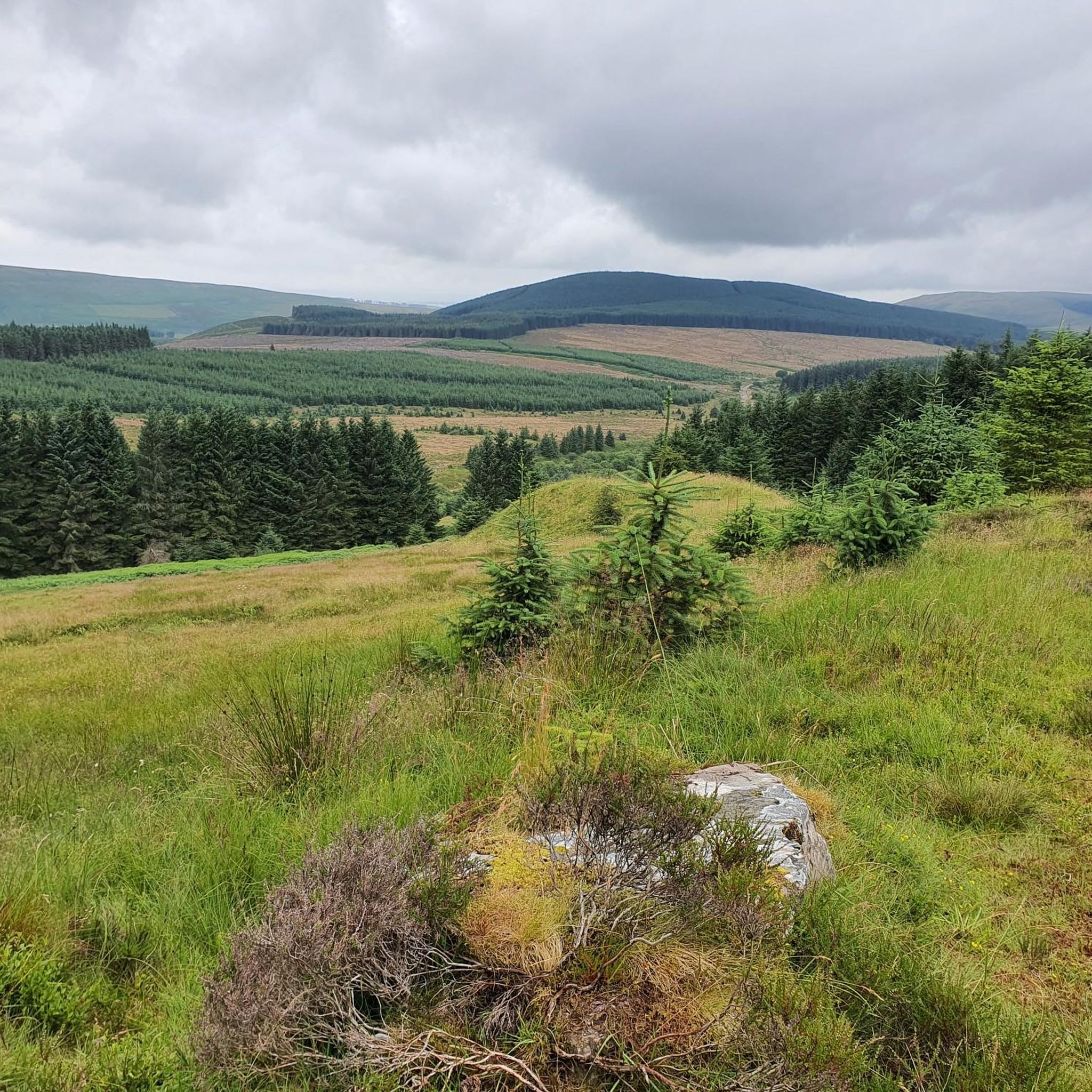
This hill (323m), with a cairn, overlooks the village of Bonchester Bridge; it is also the site of a fort, so of archeological interest. Stunning views of the area from up here: you will see the summits of Rubers Law and Black Law, but I am sure the Eildon Hills will draw your keen eyes first!
1
0
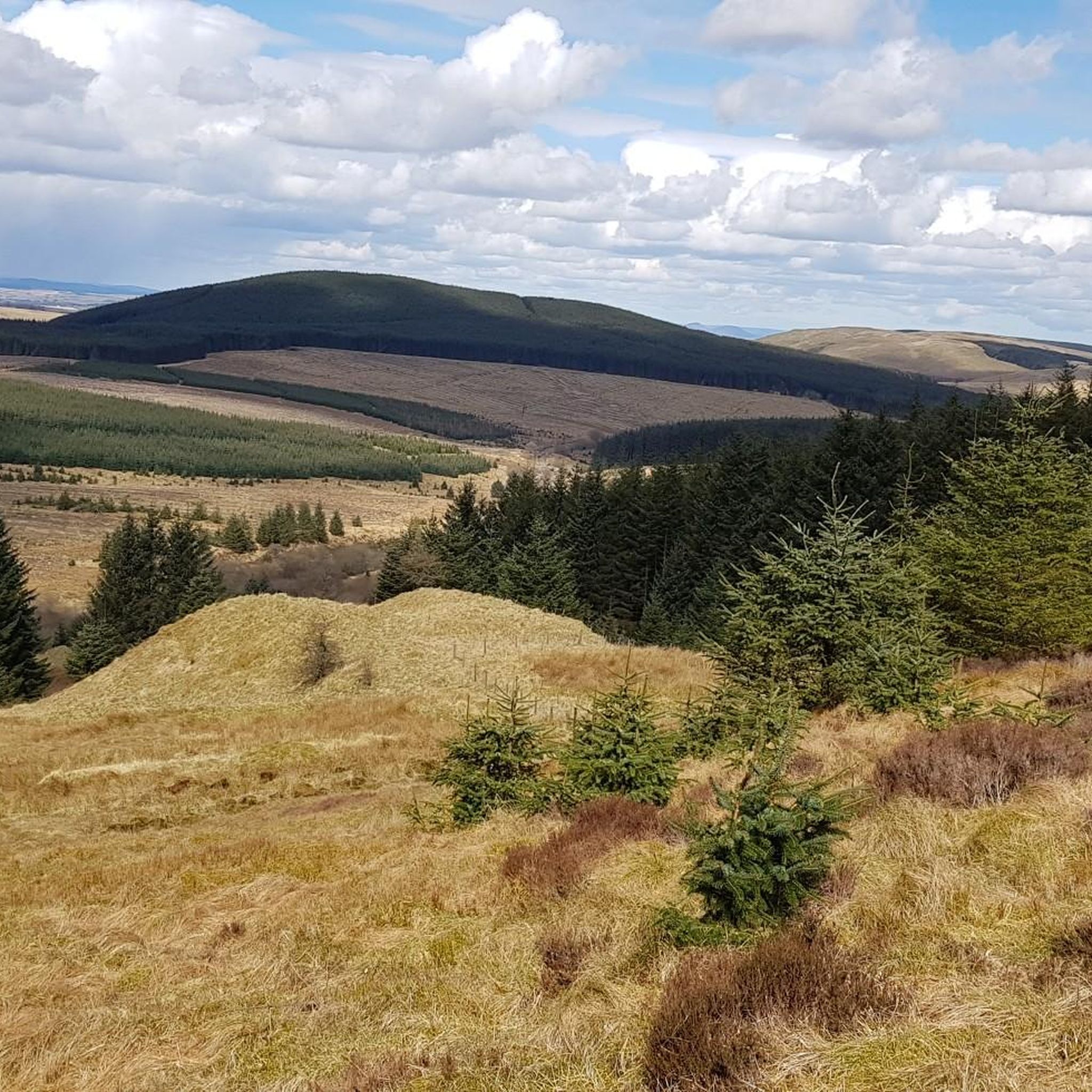
Remote, grassy, wild, a loch in the distance and hilly moorland everywhere. In other words: paradise. High Seat is at 347m. The loch is Broadlee Loch, and in the right light its waters are of that lovely blue hues that only Scottish lochs seem to be able to take. Close to the summit, there is a marker stone, but it is not clear what its original purpose was.
1
0
Needs Law, at 444m, has, perhaps unusually, two cairns on it (Mag and the Bairns), and apparently there perhaps used to be even a third. Such cairns were used in the 19th century as reference points in foggy, misty conditions. You will additionally see a disused quarry here. Gorgeous views from up here too: you can easily see Peel Fell and Deadwater Fell from here (in non-foggy conditions, that is!)
1
0
This lovely hill (424m), south of Denholm, has a hill fort and was a Roman signal station. Fantastic, far-reaching views in all directions. The black toposcope placed on top of the triangulation pillar here identifies many of the hills / landmarks visible from up here.
1
0

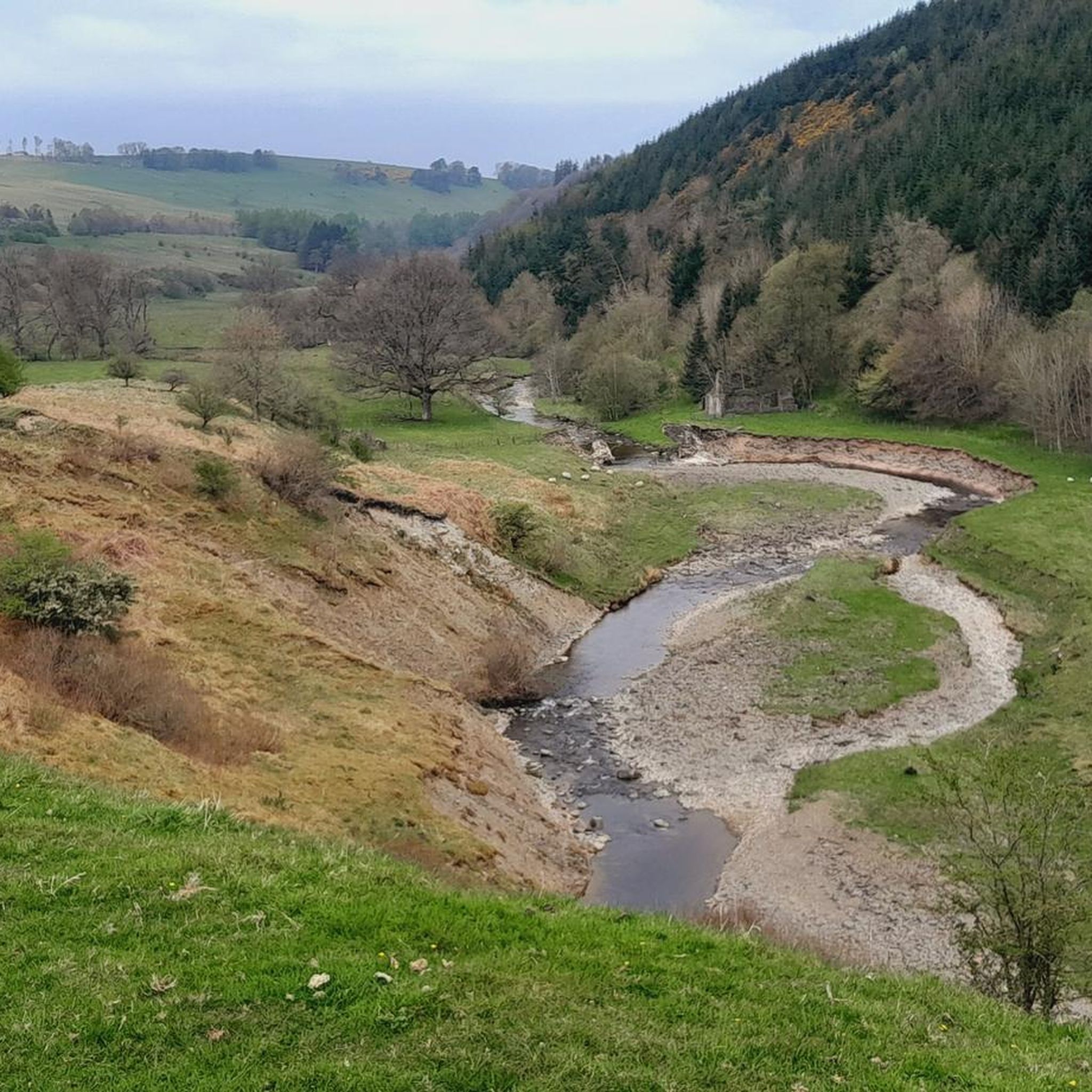
Around 800 years ago, the monks of Melrose Abbey erected a stone at this spot, beside the Dere Street Roman road. By 1372 the stone was known as Lylliot Cross and members of the Scottish and English crowns met here to resolve disputes. Unfortunately, the meetings were unsuccessful and the Battle of Ancrum Moor took place in 1545 resulting in victory for the Scottish Army against a much larger English force. According to legend, the fair maiden Lilliard followed her lover to this battle and when he was killed, took up his sword and set about slaying the English until she died of her own wounds. There is no evidence of this event, though.
2
0
Frequently Asked Questions
What types of natural features can I explore around Hobkirk?
Around Hobkirk, you'll find a landscape of rolling hills, river valleys, and expansive views. The natural monuments primarily consist of summits and viewpoints offering panoramic vistas. These often include historical elements like hill forts or cairns, blending natural beauty with archaeological interest.
What are some of the most notable viewpoints near Hobkirk?
Several summits offer excellent views. Rubers Law Summit and Trig Point provides fantastic, far-reaching views in all directions, complete with a toposcope. Bonchester Hill Cairn offers stunning views of Rubers Law and the Eildon Hills. Additionally, High Seat Summit presents views of hilly moorland and Broadlee Loch, while Needs Law Cairns and Quarry offers gorgeous views towards Peel Fell and Deadwater Fell.
Are there historical sites combined with natural monuments in the area?
Yes, several natural monuments around Hobkirk also have historical significance. Rubers Law Summit, for instance, was once a hill fort and a Roman signal station. Bonchester Hill Cairn is also the site of an ancient fort, making it of archaeological interest. You can also visit Lilliard's Stone and Lilliot Cross, a historical site located beside the Dere Street Roman road, with legends tied to the Battle of Ancrum Moor.
What makes Rubers Law Summit a popular destination?
Rubers Law Summit and Trig Point is popular for its commanding position at 424 meters, offering fantastic, far-reaching views in every direction. A toposcope at the summit helps identify visible landmarks, enhancing the experience. It also holds historical value as a former hill fort and Roman signal station.
What kind of hiking trails are available near Hobkirk's natural monuments?
The area around Hobkirk offers a variety of hiking trails, ranging from moderate to difficult. For example, you can find routes like the 'Bonchester Hill and Hobkirk Church loop' or the 'Wigg Plantation and Needs Law loop'. More challenging options include the 'Penchrise Pen and Maiden Paps loop' and the 'Merlin Dean and Rubers Law loop'. You can find more details and routes on the Hiking around Hobkirk guide.
Are there cycling opportunities near these natural attractions?
Yes, Hobkirk is well-suited for cycling, with various routes available. You can explore road cycling routes such as the 'Cavers & Stobs loop from Hawick' or the 'Border Loop'. For touring bicycles, options like the 'Bonchester Bridge and Hermitage loop' or the 'Friendly Café – Scenic Road South of Hawick loop' are available. Discover more routes in the Road Cycling Routes around Hobkirk and Cycling around Hobkirk guides.
What is the terrain like for exploring natural monuments around Hobkirk?
The terrain generally involves rolling hills and moorland. While some paths may be well-defined, others, especially on summits like Bonchester Hill Cairn, can be largely pathless. Expect varied conditions, from grassy slopes to potentially 'gnarly sections' on some trails, offering a rewarding experience for those seeking scenic views and outdoor activity.
What is the best time of year to visit Hobkirk's natural monuments?
The best time to visit is generally during the warmer months, from spring to autumn, when the weather is more predictable and trails are less challenging. However, the views can be stunning year-round. Be prepared for varied weather conditions, as the Scottish Borders can experience sudden changes.
Are there any family-friendly natural attractions or walks?
While specific 'family-friendly' designations are not always given, many of the viewpoints and lower-elevation trails can be enjoyed by families. The general outdoor recreation opportunities, including walking and enjoying scenic views, make the area suitable for families who enjoy active outings. Always check the difficulty of specific routes before heading out.
What can I expect to see at High Seat Summit?
High Seat Summit, at 347 meters, is described as remote, grassy, and wild. From here, you can enjoy views of expansive hilly moorland and catch glimpses of Broadlee Loch in the distance, known for its lovely blue hues in the right light. There's also a marker stone near the summit, though its original purpose is unclear.
What are the Needs Law Cairns and Quarry?
Needs Law, standing at 444 meters, is unique for having two cairns (Mag and the Bairns) that were historically used as reference points in foggy conditions. In addition to these historical markers, you'll also find a disused quarry. The summit offers gorgeous views, including Peel Fell and Deadwater Fell on clear days.
What do visitors enjoy most about the natural monuments around Hobkirk?
Visitors particularly appreciate the fantastic, far-reaching views from summits like Rubers Law and Bonchester Hill. The blend of natural beauty with historical elements, such as ancient forts and cairns, also adds to the appeal. The remote and wild feel of places like High Seat Summit is also highly valued by those seeking tranquility and expansive landscapes.
Most popular attractions around Hobkirk

Get inspired with the komoot mobile app


Explore more
Extend your search for the best caves by checking out these guides of the top ones around Hobkirk:
