Top 4 Natural Monuments around Ardrossan
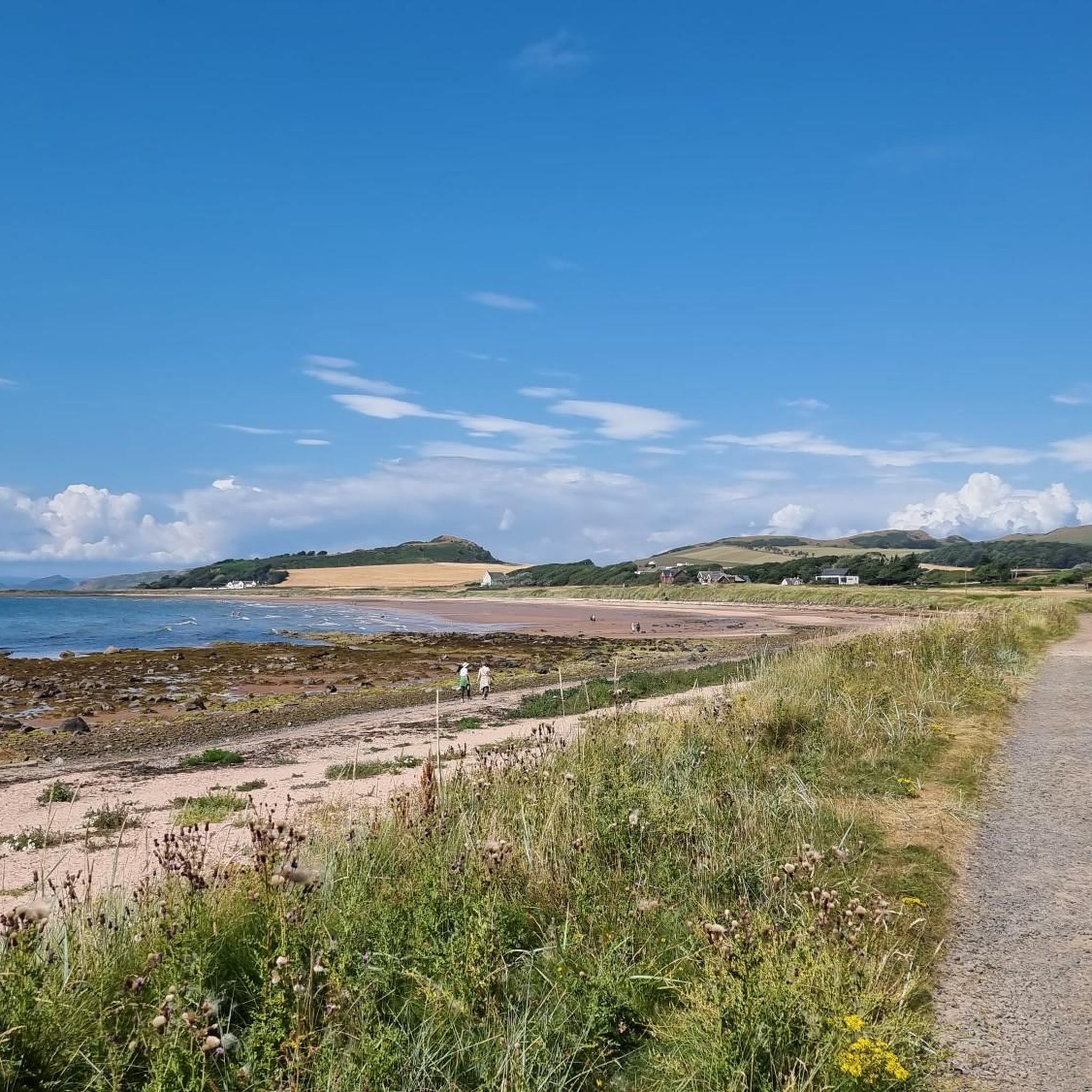
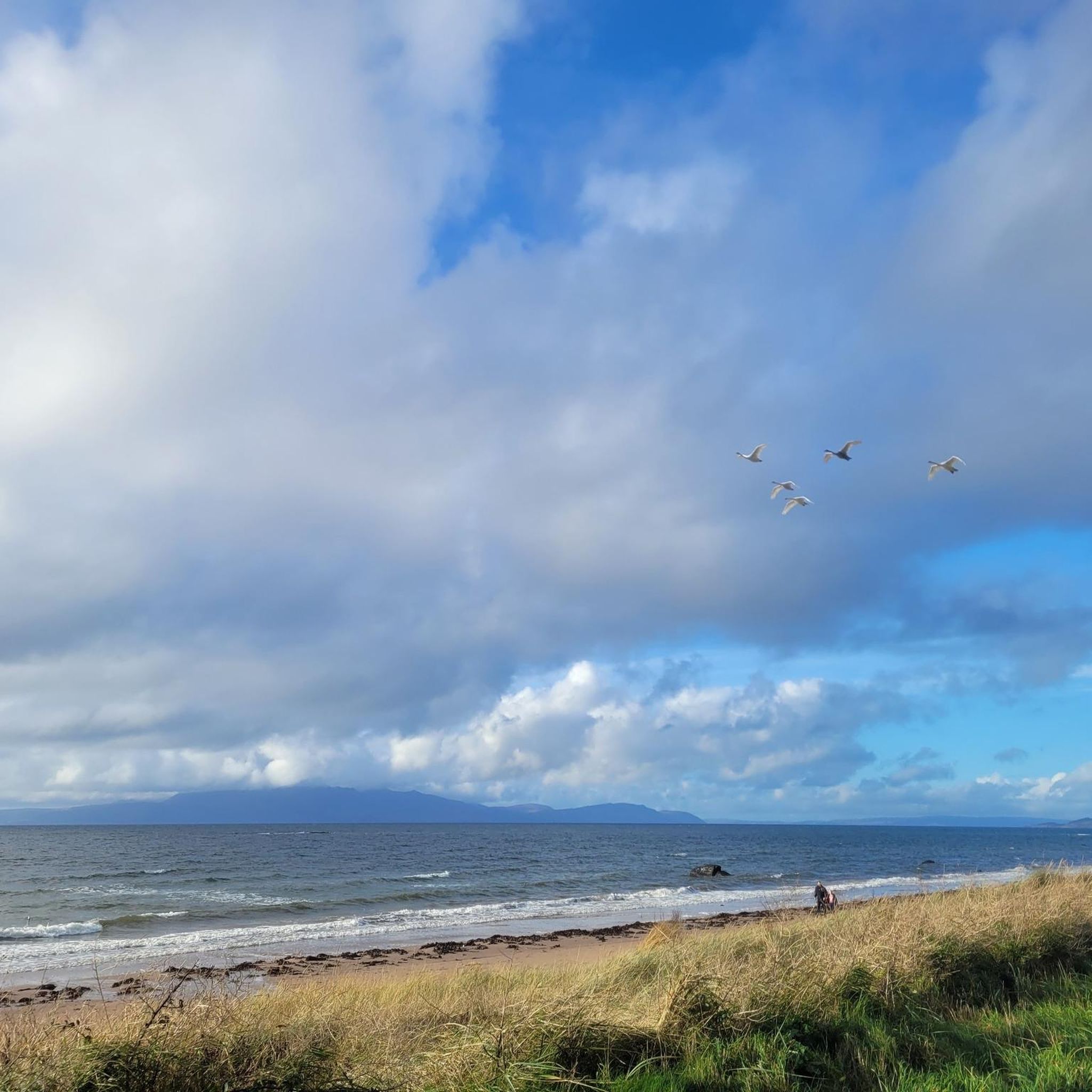
Best natural monuments around Ardrossan are found along its scenic coastline and in the surrounding North Ayrshire landscape. The area features sandy beaches, coastal paths, and elevated viewpoints offering vistas across the Firth of Clyde. Ardrossan also serves as a ferry link to the Isle of Arran, which hosts diverse natural features. These locations provide opportunities to explore geological formations and coastal environments.
Best natural monuments around Ardrossan
- The most popular natural monuments is Lion Rock, a viewpoint and…
Last updated: July 1, 2026
Cairnmount Hill Standing Stones
Highlight • Monument
Tip by

Lion Rock
Highlight • Viewpoint
Tip by

Sign up now to discover places like this
Get recommendations on the best single tracks, peaks, & plenty of other exciting outdoor places.
Sign up for free
Putyan Burn Waterfall
Highlight • Waterfall
Tip by

View of Horse Isle and the Beacon
Highlight • Natural Monument
Tip by
Goldenberry Hill Cairn and View
Highlight • Viewpoint
Tip by

Start today with a free account
Your next adventure awaits.
Login or Signup
Tips from the Community

have to detour route if after 16.30 as visitor centre closed ..very muddy at places
0
0

The Putyan Burn forms from a number of small burns, etc., such as the Baidland Burn from Baidland Hill and springs at Baidland Mill. It reaches its confluence with the Garnock at Putyan Cottage and the Lynn Holm, near the road junction for Ardrossan at the Kilwinning end of the town. It passes Broadlie House where a small weir or dam still exists as part of an abandoned 1892 hydroelectric scheme which provided the house with its own electricity.
0
0
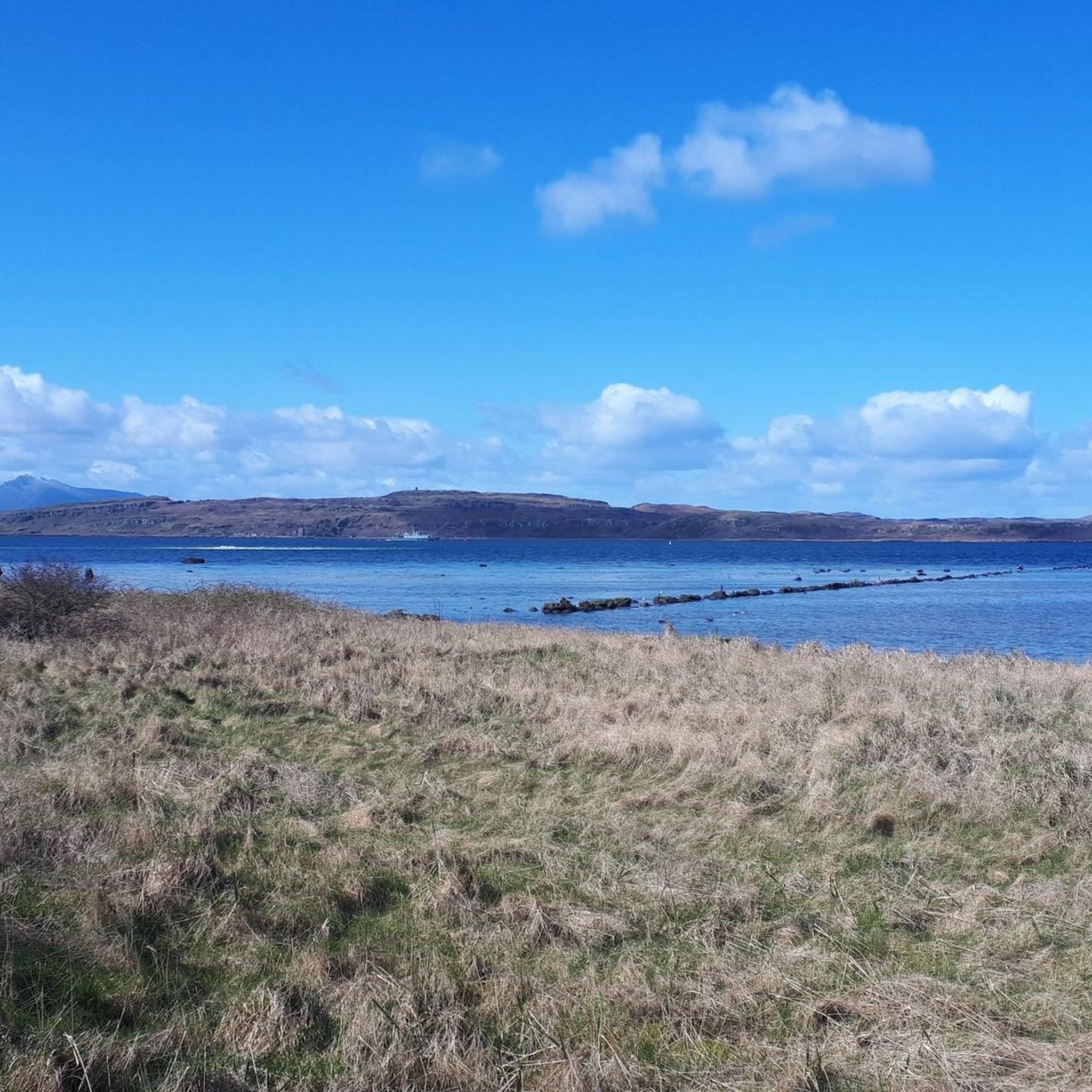
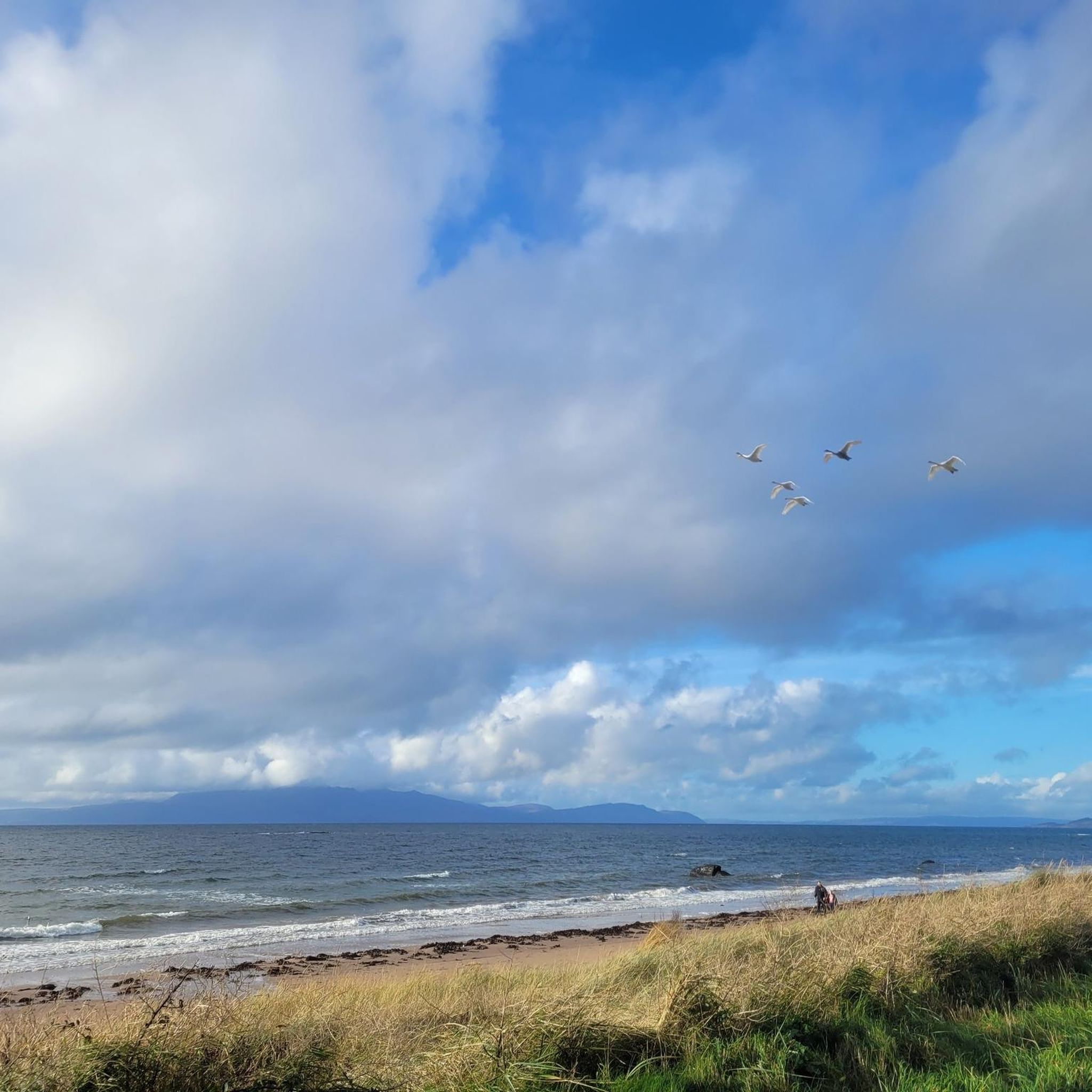
Horse Isle is a nature reserve, run by the RSPB. The Arran ferry passes close to the island. Two smaller islands, North Islet and East Islet, skirt the east coast of Horse Isle and a number of other rocks litter the sound between the island and the mainland. A 52 foot tall stone beacon stands at the south end of Horse Isle marking the island for shipping. Erected in 1811, it was intended to alleviate some of the hazards the island's position has, historically, posed to passing vessels. This is reflected in the fact that in excess of 17 ships have been wrecked on or near the island. Today, Horse Isle is a nature reserve, run by the Royal Society for the Protection of Birds (RSPB). It is designated as an Area of Special Protection (AoSP) for breeding seabirds and waterfowl and winter grounds, with the aim of preventing disturbance or destruction of birds.
0
0
An opencast mine was established at Sourlie in 1983. Once the extraction process ended in 1986, reclamation and landscaping followed until completion in 1987. These large boulders recovered during mining were erected on top of the restored Sourlie Hill (also known as Cairnmount Hill).
0
0

Enjoy the wonderful circle of standing stones that sit on top of Sourlie Hill (also known as Cairnmount Hill).
1
0

There is an electric fence over gate you climb over at summit to get to cairn with no signage. Not sure it is love or not.
0
0


Nice climb up to the phone mast, there's a gate on the way you need to climb over.
0
0
Frequently Asked Questions
What types of natural monuments can I explore around Ardrossan?
The area around Ardrossan offers a variety of natural monuments, including impressive rock formations, scenic waterfalls, and coastal viewpoints. You can discover unique features like Lion Rock, a 10-meter high and 50-meter long natural rock formation, and the tranquil Putyan Burn Waterfall, which features a small weir from an abandoned hydroelectric scheme.
Are there any natural monuments with historical or cultural significance near Ardrossan?
Yes, the Cairnmount Hill Standing Stones are a notable site. While arranged by humans in 1987, these large boulders were recovered from a nearby open-cast coal mine, marking the closing of the last mine in the area after centuries of production. They offer a distinctive natural monument set within a reforested landscape.
Where can I find the best views of the surrounding landscape and the Isle of Arran?
For panoramic views, consider visiting Goldenberry Hill Cairn and View, which offers a rewarding climb. Additionally, the Boydston Braes near Ardrossan provide expansive vistas across the Clyde to the Isle of Arran. The View of Horse Isle and the Beacon also provides excellent coastal views, with Horse Isle being a nature reserve.
Are there family-friendly natural monuments to visit in the Ardrossan area?
Many natural monuments around Ardrossan are suitable for families. The coastal areas, including Ardrossan's sandy beaches and promenade, are ideal for strolls. Lion Rock and the View of Horse Isle and the Beacon are also considered family-friendly, offering interesting sights and views without overly strenuous activity.
What outdoor activities can I do near these natural monuments?
The Ardrossan area is excellent for various outdoor activities. You can enjoy hiking along the scenic Ayrshire Coastal Path, with routes like the 'Ardrossan Harbour – South Ardrossan Beach loop'. Cycling is also popular, with routes such as 'Moorpark East Pond – River Garnock Cycle Path loop'. For more challenging adventures, there are MTB trails like the 'Fairlie and Ayrshire Coastal Loop'. You can find more details on these activities in the Hiking around Ardrossan, Cycling around Ardrossan, and MTB Trails around Ardrossan guides.
Are there any unique coastal natural features to explore?
Ardrossan's coastline itself is a significant natural feature. The town is situated between two bays with sandy beaches and a promenade. At low tide, you might even spot the Stokers shipwreck north of Ardrossan. The South Bay offers a beautiful curve of sandy beach, perfect for coastal walks and observing the Firth of Clyde.
What is the Isle of Arran's connection to Ardrossan's natural monuments?
Ardrossan serves as the main ferry link to the Isle of Arran, often called 'Scotland in Miniature' due to its diverse landscapes. Arran itself boasts significant natural monuments like the dramatic King's Cave (not directly in Ardrossan but a major nearby attraction), the atmospheric Machrie Moor Standing Stones, and Goatfell, the island's highest point offering rugged Highland scenery.
What do visitors enjoy most about the natural monuments around Ardrossan?
Visitors frequently appreciate the stunning coastal views and the unique geological formations. The sense of history, even with modern arrangements like the Cairnmount Hill Standing Stones, adds to the experience. The tranquility of places like the Putyan Burn Waterfall and the opportunity for scenic walks along the coastline are also highly valued.
Are there any easy walks to natural monuments in the area?
Yes, many of the coastal paths offer easy walking opportunities. For instance, the 'Ardrossan Harbour – South Ardrossan Beach loop' is an easy 6.2 km hike. Strolling along Ardrossan's beaches and promenade provides accessible ways to enjoy the natural coastal beauty and views of the Firth of Clyde.
Can I find waterfalls near Ardrossan?
Yes, the Putyan Burn Waterfall is a natural waterfall formed from several smaller burns. It's a peaceful spot that also features a small weir from an abandoned hydroelectric scheme, adding an interesting historical element to the natural setting.
What is the significance of Horse Isle near Ardrossan?
Horse Isle, visible from Ardrossan, is a significant natural monument and a nature reserve managed by the RSPB. It's designated as an Area of Special Protection for breeding seabirds and waterfowl. A 52-foot stone beacon, erected in 1811, stands on its south end, marking the island for shipping and highlighting its historical importance for maritime safety.
Are there opportunities for wild swimming near Ardrossan's natural features?
While not a purely natural feature, the restored Saltcoats Bathing Pond, set within a rocky cove, offers a unique spot for wild swimming. Historically Scotland's largest tidal pool, it blends seamlessly with the natural coastal environment and provides a distinctive experience.
Most popular attractions around Ardrossan

Get inspired with the komoot mobile app


Explore more
Extend your search for the best caves by checking out these guides of the top ones around Ardrossan:
