Top 5 Natural Monuments around Sleat
Best natural monuments around Sleat offer a diverse landscape on the Isle of Skye, known for its lush scenery. The region features a variety of natural attractions, from coastal points and secluded beaches to ancient geological formations and forested areas. These sites provide opportunities for exploring unique geological insights and experiencing the tranquil essence of the area. Sleat's natural monuments showcase a rich blend of natural beauty and historical significance.
Best natural monuments around Sleat
- The most popular natural monument…
Last updated: July 1, 2026
Spar Cave
Highlight • Natural Monument
Tip by

Aant Sithe Chambered Cairn
Highlight • Viewpoint
Folklore in the area says it is Aant Sithe. The name implies its a type of …
Tip by

Sign up now to discover places like this
Get recommendations on the best single tracks, peaks, & plenty of other exciting outdoor places.
Sign up for free
Armadale Castle Ruins and Gardens
Highlight • Castle
Tip by

Sandaig Beach and Gavin Maxwell Memorials
Highlight • Natural Monument
Tip by

Beinn an Dubhaich Cave
Highlight • Cave
Tip by
Start today with a free account
Your next adventure awaits.
Login or Signup
Tips from the Community

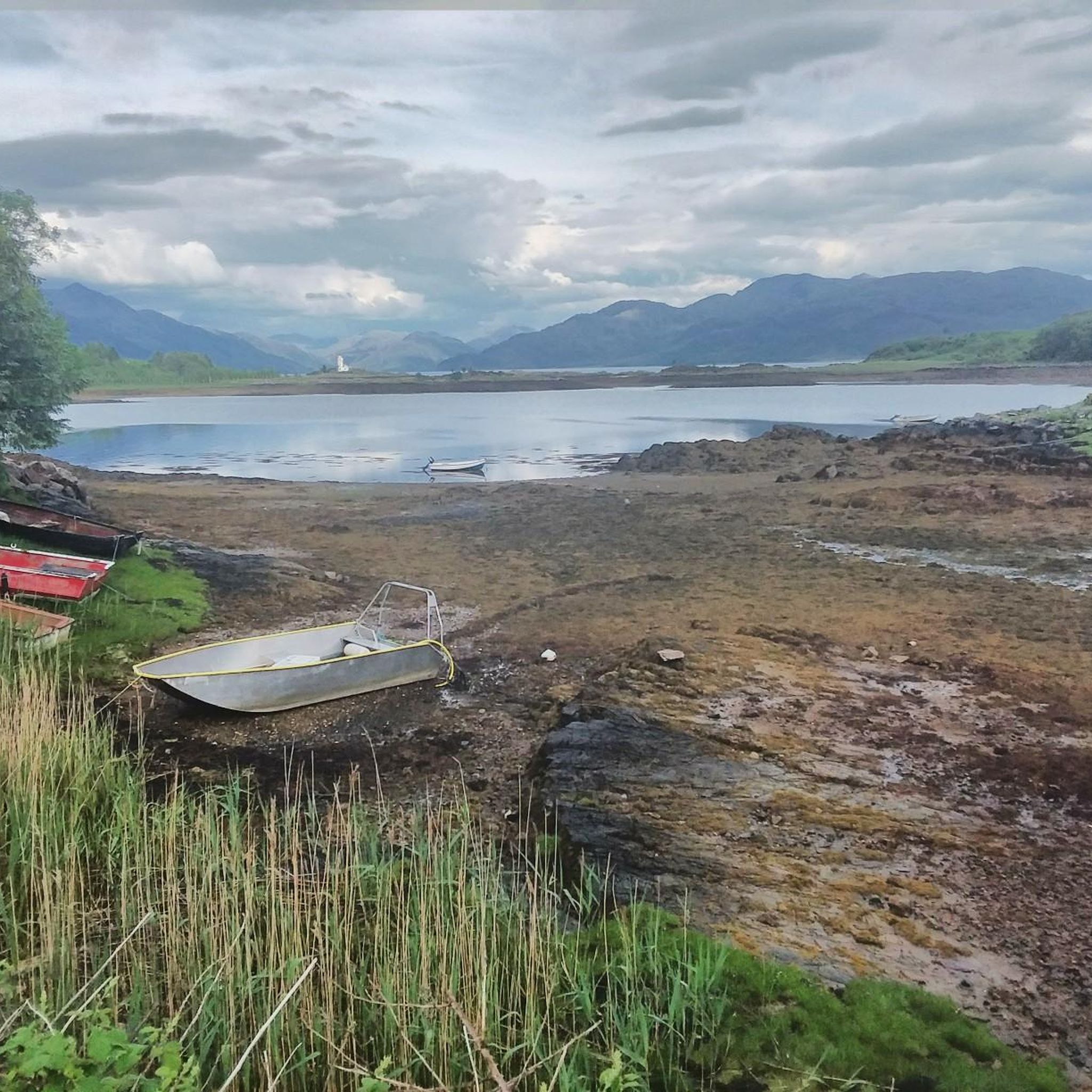
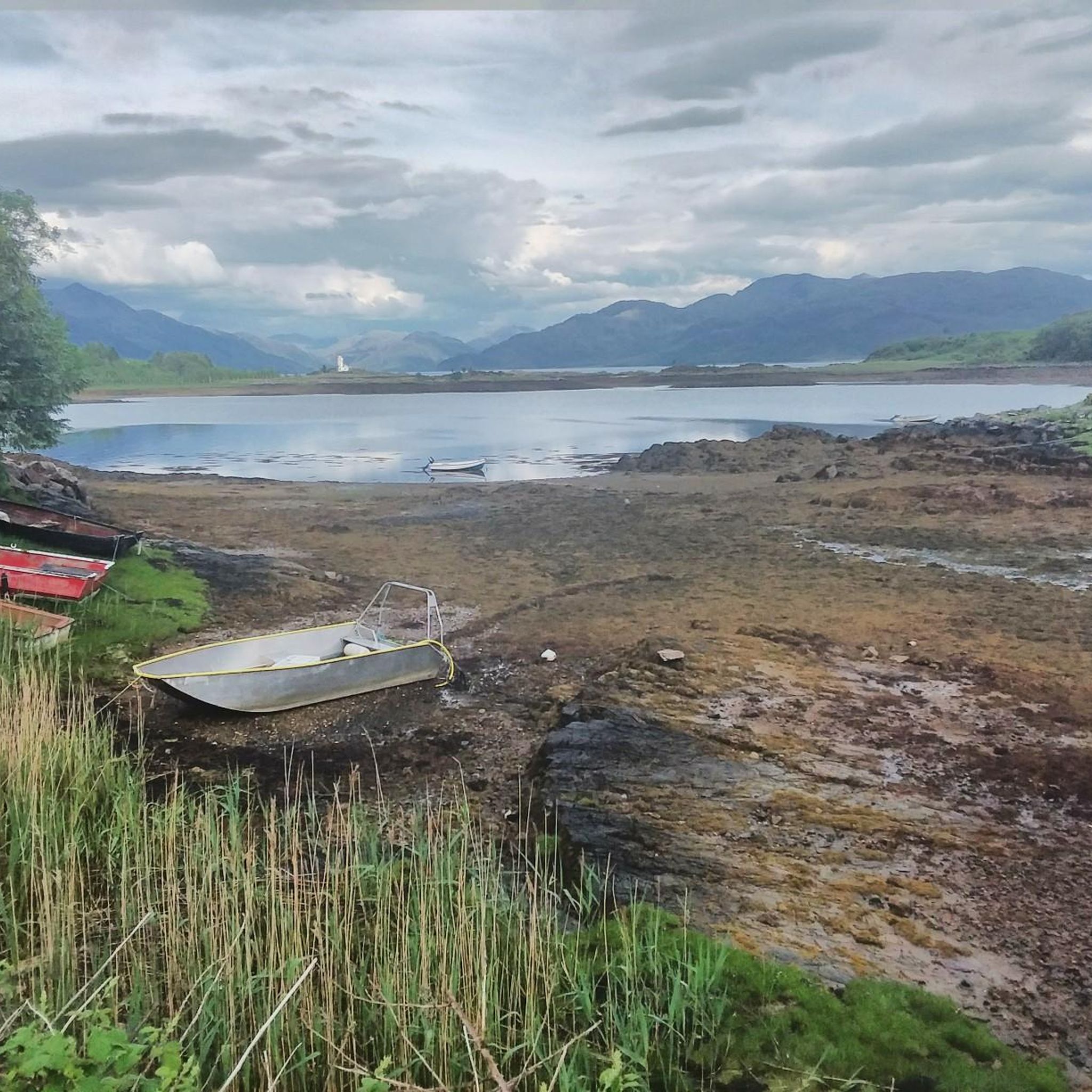
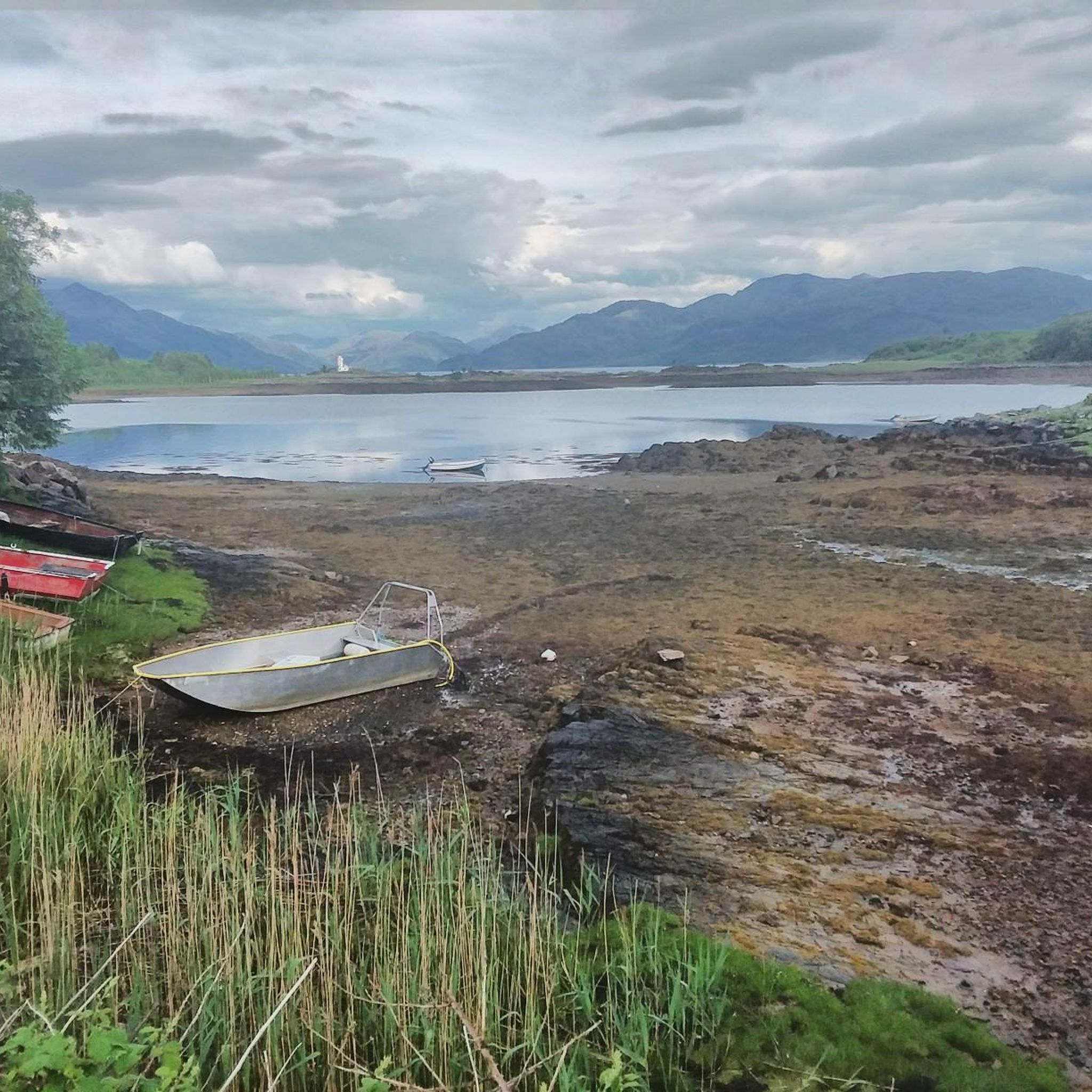
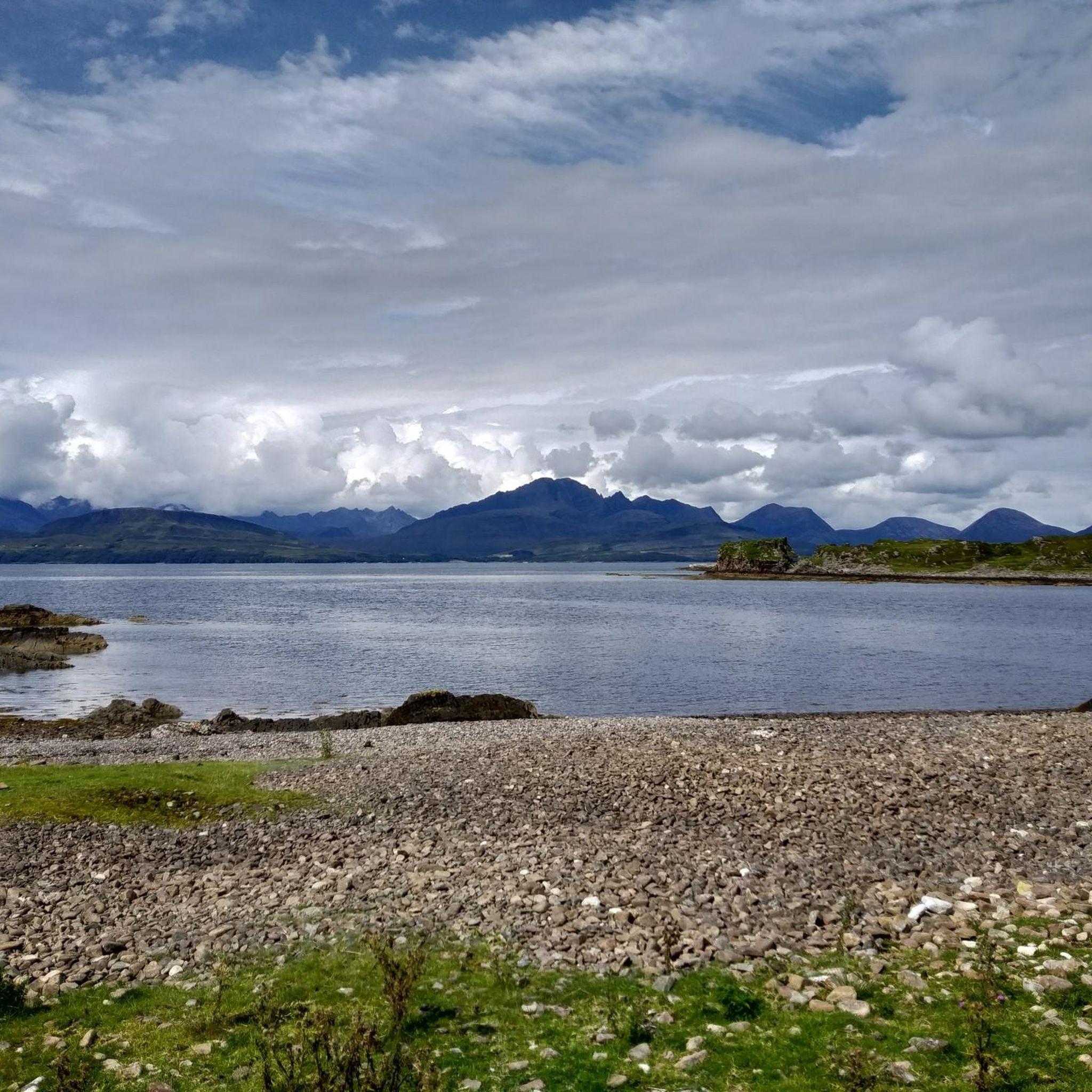
Something a little different this week, and back to sea-level! Visits to Scotland are not all about climbing mountains, every now and then I get to do something else. This time I decided to take the short walk to beautiful and atmospheric Sandaig bay on the Glenelg penisula. This sublime place was immortalised as Camusfearna in 'Ring of Bright Water' - the famous book by Gavin Maxwell telling of his life with his pet otters at this lonely spot. The weather was calm and warm, and while I was exploring the little islands this yacht slowly made its way towards me.
0
0

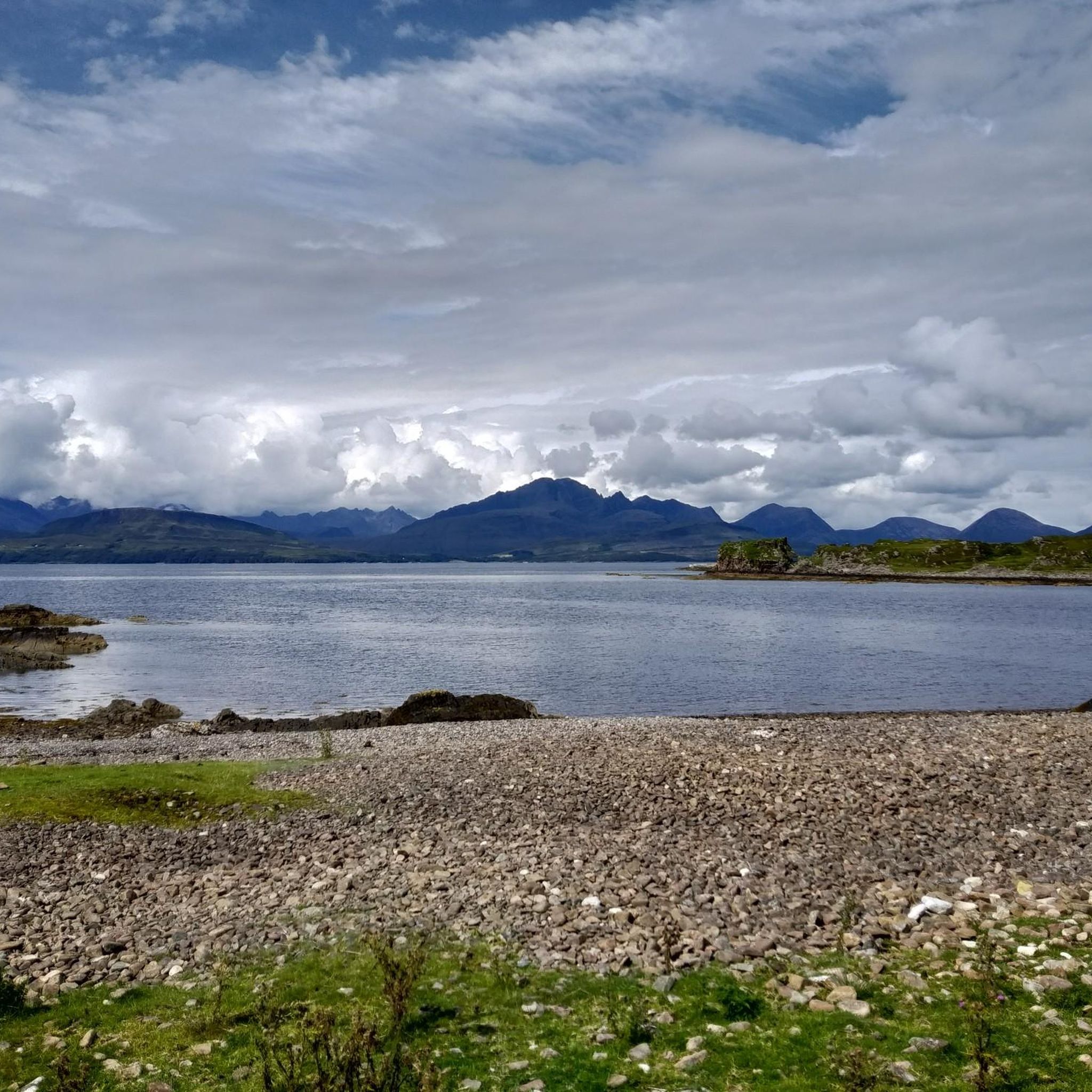
Most maps have this mound noted as a chambered cairn, a Neolithic burial monument. Folklore in the area says it is Aant Sithe. The name implies its a type of fairy place. The centre of the summit stands a large stone, maybe once a standing stone. The mound itself offers amazing views across Strath.
1
0
Beinn an Dubhaich Cave is a limestone cave on the Isle of Skye, near the hamlet of Torrin. It is the second longest cave on the island, after Valley Head Cave, and has a length of 174 m and a vertical range of 10.7 m1. The cave has two entrances: a sink entrance where a stream goes underground and a main entrance that is a shaft with a tree growing out of it. The cave has several passages and chambers, some of which are dry and some of which are flooded. The cave is connected to Beinn an Dubhaich Rising, a nearby resurgence, by a short underwater passage that was first dived in 1980. The cave is of geological and archaeological interest, as it shows evidence of multiphase cave development and granite/limestone contact, and it is located near the High Pasture Cave, a prehistoric site that was used for ritual purposes.
0
0

Armadale Castle, located on the Isle of Skye, is a historic estate and a popular tourist attraction and the former home of Clan Donald. The castle's picturesque ruins and beautiful gardens offer visitors a glimpse into Scotland's rich history and natural beauty.
1
0

This looks like a bit of a hill along the road, but in fact is the remains of a chambered cairn.
0
0

There is a good path down from the village to the adjacent beach. It is only accessible at low tide so best to arrive an hour before low tide. From the beach walk round the shore north to the caves inlet, where you will see an old stone wall. You will need a headtorch to go in and explore, and ideally a good pair of boots to help climb through it. The stone is not slippy with boots on and it is an incredible sight of stalactites in the deepest part.
0
0

Enter at low tide, best just before the lowest tide to avoid getting cut off when the sea comes in. https://www.bbc.co.uk/weather/coast-and-sea/tide-tables/7/341
0
0

An amazing cave but with awkward access, bring two torches because if one failed, you'd struggle to escape. You can only get here at low tide up to about 1 hour away from the lowest point so do check the tide times. You need to scramble down to the beach and then left (facing out to sea) around the headland. The cave itself is amazing with a cascade of flow stone and a pool on the other side if you climb up to see. It's all very slippery but absolutely awesome.
0
0
Frequently Asked Questions
What unique geological features can I explore in Sleat?
Sleat is a geological marvel, home to some of Europe's oldest rocks, the Lewisian gneisses, dating back approximately 2,800 million years. You can also find the Sleat Group, composed of ancient sandstones, and the 'Ord Window,' which reveals complex mountain-building events. For a unique underground experience, consider visiting Spar Cave, known for its cascade of flowstone, or Beinn an Dubhaich Cave, a limestone cave of significant geological interest.
Where can I find the best panoramic views in Sleat?
For breathtaking vistas, head to the Point of Sleat, the southernmost tip of Skye, offering panoramic views of the Small Isles and the mainland. Tarskavaig provides classic Skye views of the majestic Cuillin Hills on clear days. Kinloch Forest also offers sweeping views over the Sound of Sleat towards Knoydart and the Isle of Eigg. Additionally, Aant Sithe Chambered Cairn, a Neolithic burial monument, offers amazing views across Strath.
Are there family-friendly natural monuments in Sleat?
Yes, Sleat offers several family-friendly options. Armadale Castle Ruins and Gardens is a great choice, allowing families to explore picturesque ruins and beautiful gardens. Tormore Forest is also ideal for easy walks and picnics, with accessible routes for enjoying woodland scenery. Ostaig Beach is a lovely sandy spot perfect for spending a few hours when the weather is fine.
What are some easy walks to natural monuments in Sleat?
For easy walks, Tormore Forest offers several miles of forest roads and footpaths, perfect for enjoying woodland scenery. The Black Lochs provide a serene and easy walk along an old, traffic-free single-track road. You can find more easy hiking options in the area by exploring the Easy hikes around Sleat guide, which includes routes like the Tormore Forest Loop and the Kinloch Car Park loop.
Can I go cycling near the natural monuments in Sleat?
Yes, Sleat offers cycling opportunities. The old single-track road around the Black Lochs is ideal for cycling, providing a peaceful experience. For more extensive routes, you can explore the Cycling around Sleat guide, which features routes like the Sleat Peninsula loop and scenic paths with views of Knock Castle.
What is the best time of year to visit Sleat's natural monuments?
Sleat, often called 'The Garden of Skye,' is beautiful year-round. However, the spring and summer months (May to September) generally offer the most pleasant weather for exploring, with longer daylight hours and lush landscapes. These seasons are ideal for coastal walks, wildlife spotting, and enjoying the beaches. While winter offers a dramatic, tranquil beauty, some paths might be more challenging due to weather conditions.
Are the natural monuments in Sleat dog-friendly?
Most outdoor natural monuments in Sleat, such as coastal paths, beaches, and forest trails, are generally dog-friendly. However, it's always best to keep dogs on a leash, especially in areas with livestock or ground-nesting birds, and to follow the Scottish Outdoor Access Code. Specific attractions like Armadale Castle Ruins and Gardens may have specific rules regarding dogs, so it's advisable to check their guidelines beforehand.
Where can I spot wildlife in Sleat?
Sleat is rich in wildlife. The waters around the Point of Sleat are known for marine wildlife, including dolphins and other marine mammals, as well as seabirds like gannets and shags. Kinloch Forest is an excellent spot for wildlife enthusiasts, offering opportunities to spot deer, birds of prey, and potentially even pine martens.
Are there historical sites among Sleat's natural monuments?
Yes, several natural monuments in Sleat also hold historical significance. Armadale Castle Ruins and Gardens is a prime example, offering a glimpse into Scotland's history amidst beautiful natural surroundings. Sandaig Beach and Gavin Maxwell Memorials is another, known for its connection to author Gavin Maxwell and his otters, with memorials found near the beach. Additionally, Aant Sithe Chambered Cairn is a Neolithic burial monument with folklore ties.
How accessible are Sleat's natural monuments by public transport?
Public transport options in Sleat can be limited, especially to more remote natural monuments. Buses serve some of the main villages and roads, but reaching specific natural sites often requires a car or a combination of bus and walking. Planning your journey in advance and checking local bus schedules is recommended. Some locations, like Armadale Castle, are more readily accessible.
Are there facilities like cafes or restrooms near Sleat's natural monuments?
Facilities such as cafes and restrooms are generally found in the main villages and towns within Sleat, rather than directly at every natural monument. For instance, Armadale Castle Ruins and Gardens has visitor facilities. For more remote sites like the Point of Sleat or the Black Lochs, it's advisable to plan ahead and bring your own provisions, as amenities will be scarce. Ostaig Beach is located near Sabhal Mòr Ostaig, which may offer some facilities.
What do visitors enjoy most about Sleat's natural monuments?
Visitors particularly enjoy the tranquility and stunning views that Sleat offers, contrasting with the more rugged parts of Skye. The pristine, secluded sands of Camas Daraich Beach are often highlighted for quiet reflection. The unique geological insights, such as the ancient rock formations, also fascinate many. The opportunity for wildlife spotting, from marine mammals to birds of prey, is another popular aspect, as is the chance to explore historical sites like Sandaig Beach with its literary connections.
Most popular attractions around Sleat

Get inspired with the komoot mobile app


Explore more
Extend your search for the best caves by checking out these guides of the top ones around Sleat:
