Top 8 Natural Monuments around Latheron, Lybster And Clyth
Best natural monuments around Latheron, Lybster And Clyth include a variety of compelling outdoor sites that showcase both geological processes and ancient human history. The area features dramatic coastal formations and ancient structures integrated into the natural landscape. These locations offer insights into the region's unique geology and its long-standing past. Visitors can explore a range of natural and historically significant landmarks.
Best natural monuments around Latheron, Lybster And Clyth
- The most popular natural monuments is Whaligoe Steps, a…
Last updated: October 4, 2026
Whaligoe Steps
Highlight • Structure
Translated by Google •
Tip by

Stack o' Brough Natural Arch
Highlight • Natural Monument
Tip by

Sign up now to discover places like this
Get recommendations on the best single tracks, peaks, & plenty of other exciting outdoor places.
Grey Cairns of Camster
Highlight • Historical Site
Tip by

Whaligoe Steps and Harbour
Highlight • Natural Monument
Tip by

Geo and Sea Arch at Duncansby Head
Highlight • Natural Monument
Translated by Google •
Tip by
Sign up for free to discover even more natural monuments around Latheron, Lybster And Clyth.
Already have an account?
Start today with a free account
Your next adventure awaits.
Tips from the Community

A very steep staircase leads down. Unfortunately, no lift back up.
0
0

One of the most beautiful formations in Caithness
0
0

The stairs are quite steep, so you should not be afraid of heights.
0
0

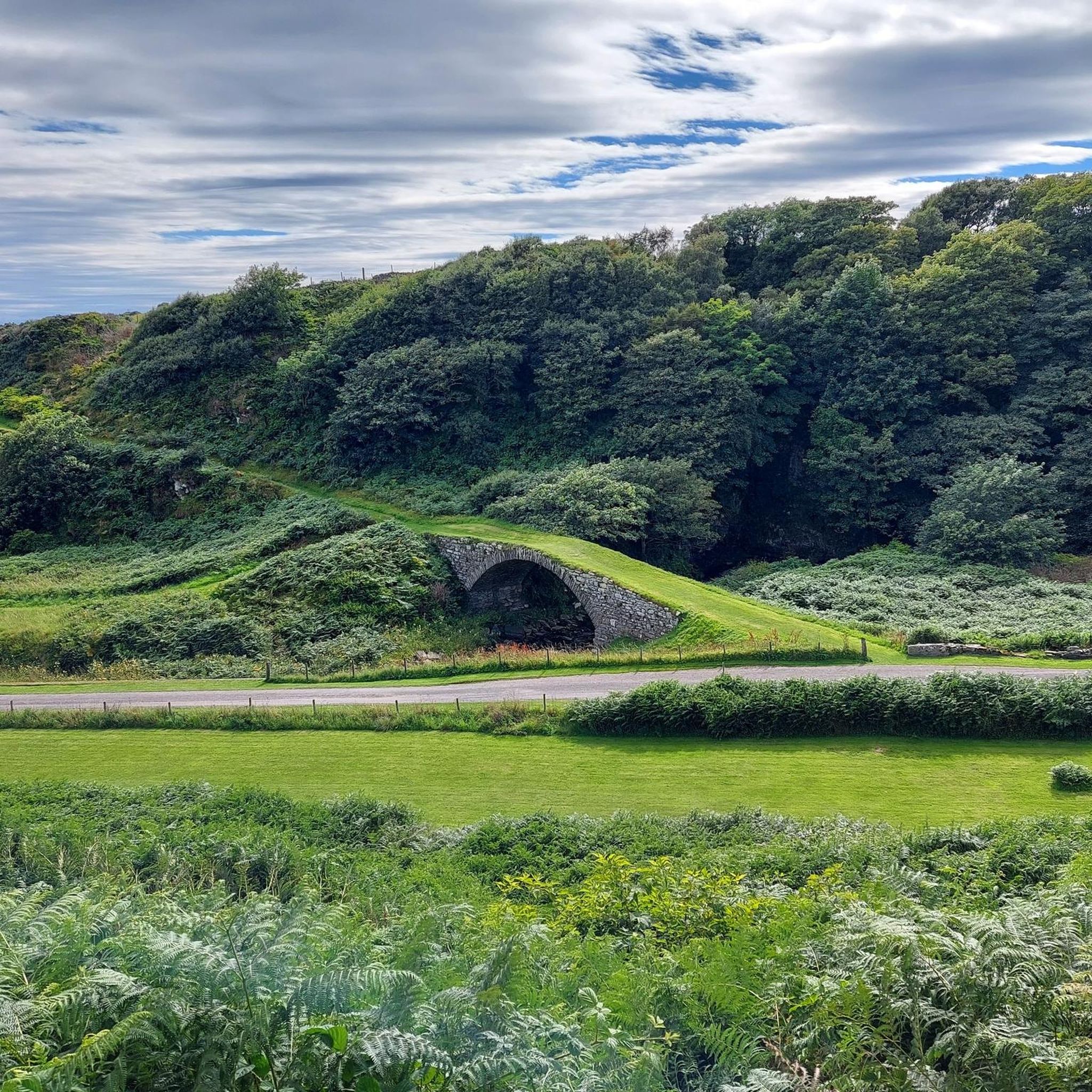
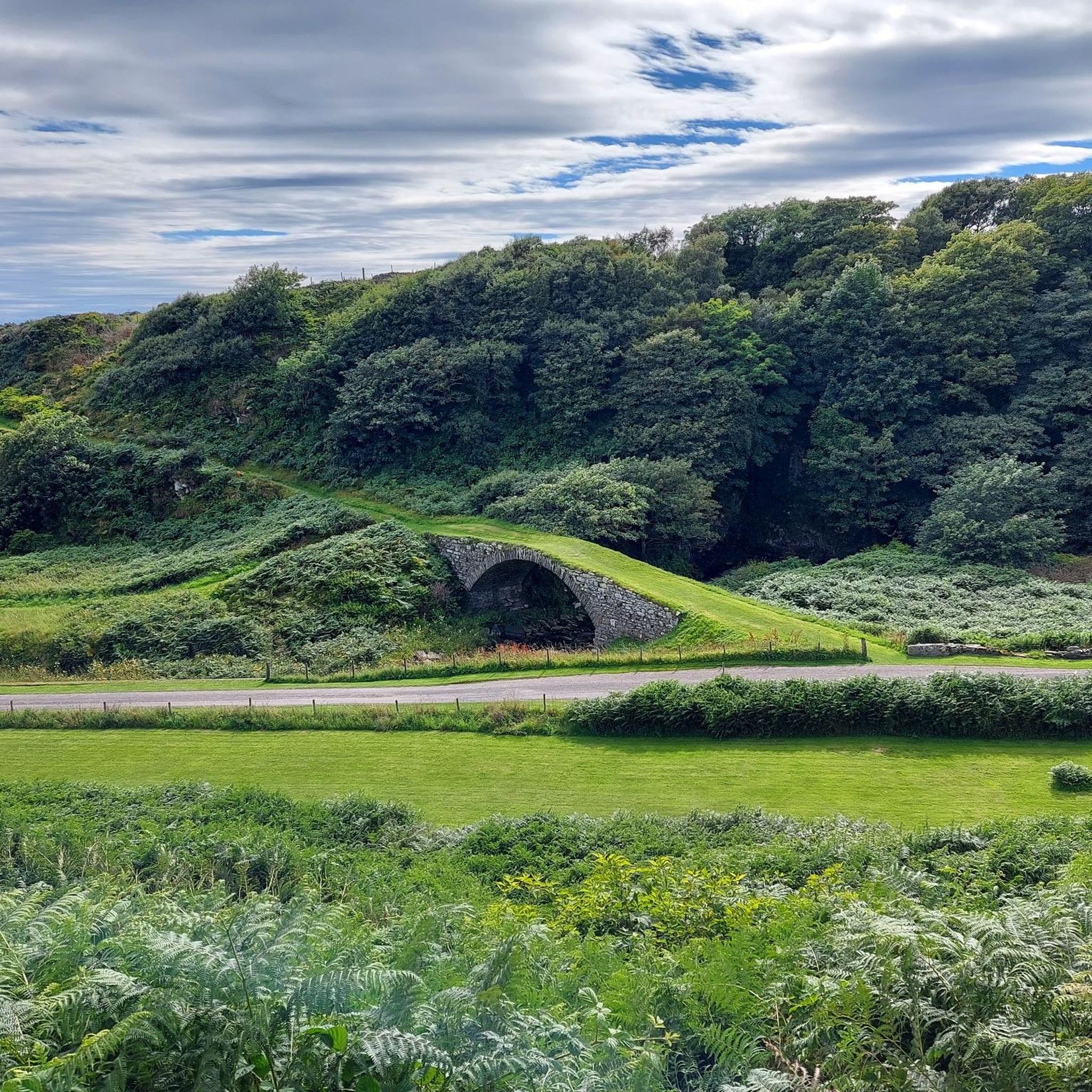
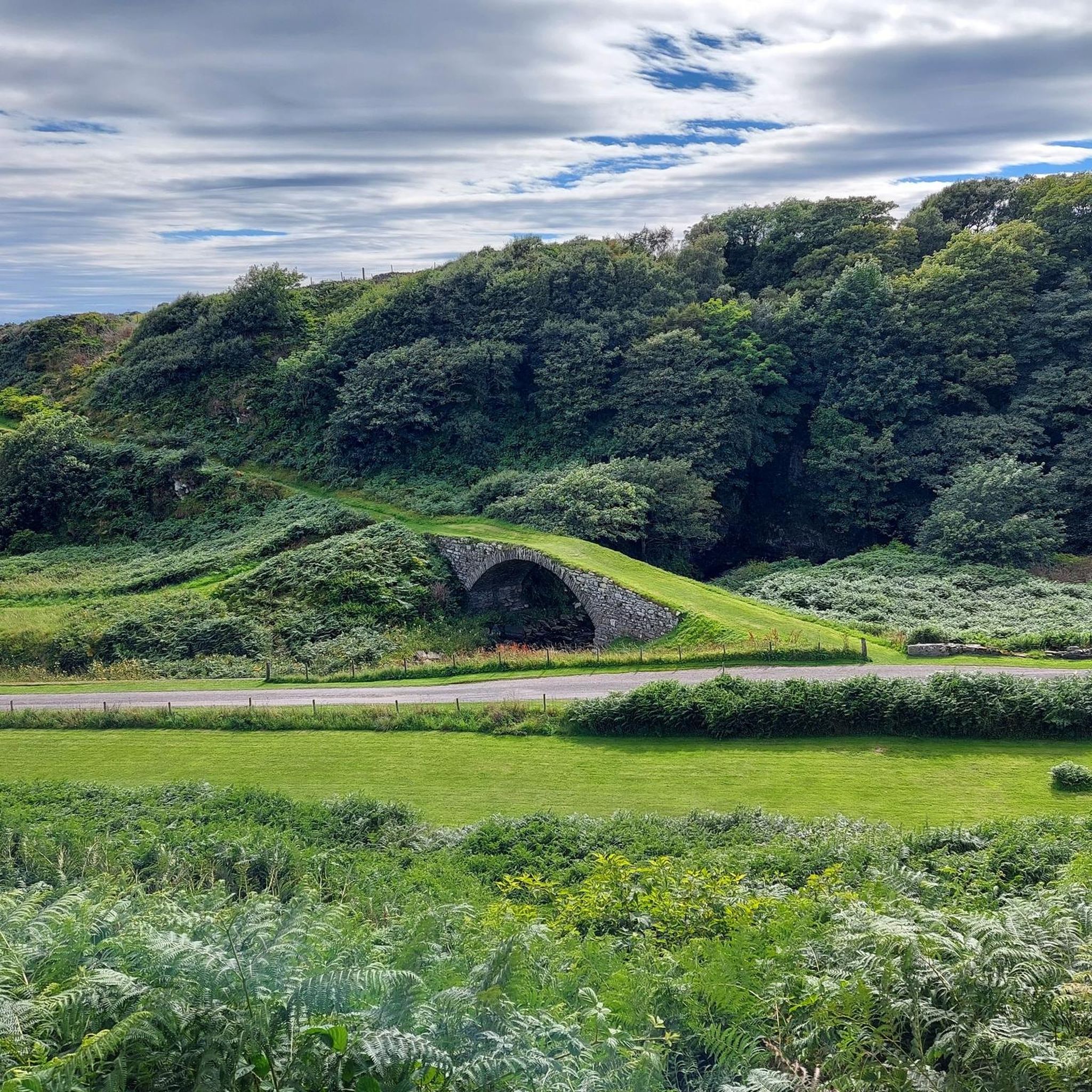
The path to the viewpoint is now very easy, you no longer have to go around the valley (there is a comfortable path with wooden steps and a bridge). However, there can be a nasty wind at the top of the ledge, there are no railings!
0
0

... and the time aspect should not be underestimated! 😅😵💫
0
0

Locally known as "Scorrie's Island", the Stack o'Brough is a unique, tall rock rising out of the North Sea, with its' defining characteristic being the large tunnel hole from front to back.
0
0

The Grey Cairns of Camster are two large Neolithic chambered cairns that are among the oldest structures in Scotland, dating to about 5,000 years ago. The cairns demonstrate complex neolithic architecture, with central burial chambers accessed through narrow passages. They were excavated and restored by Historic Environment Scotland in the late 20th century. The cairns were constructed in the third of fourth millennium BC in an empty, boggy and peat-covered moorland. Although the surrounding countryside is now inhospitable with little population, it was a fertile farming land in the Stone Age, only becoming covered in peat during the Bronze Age.
1
0
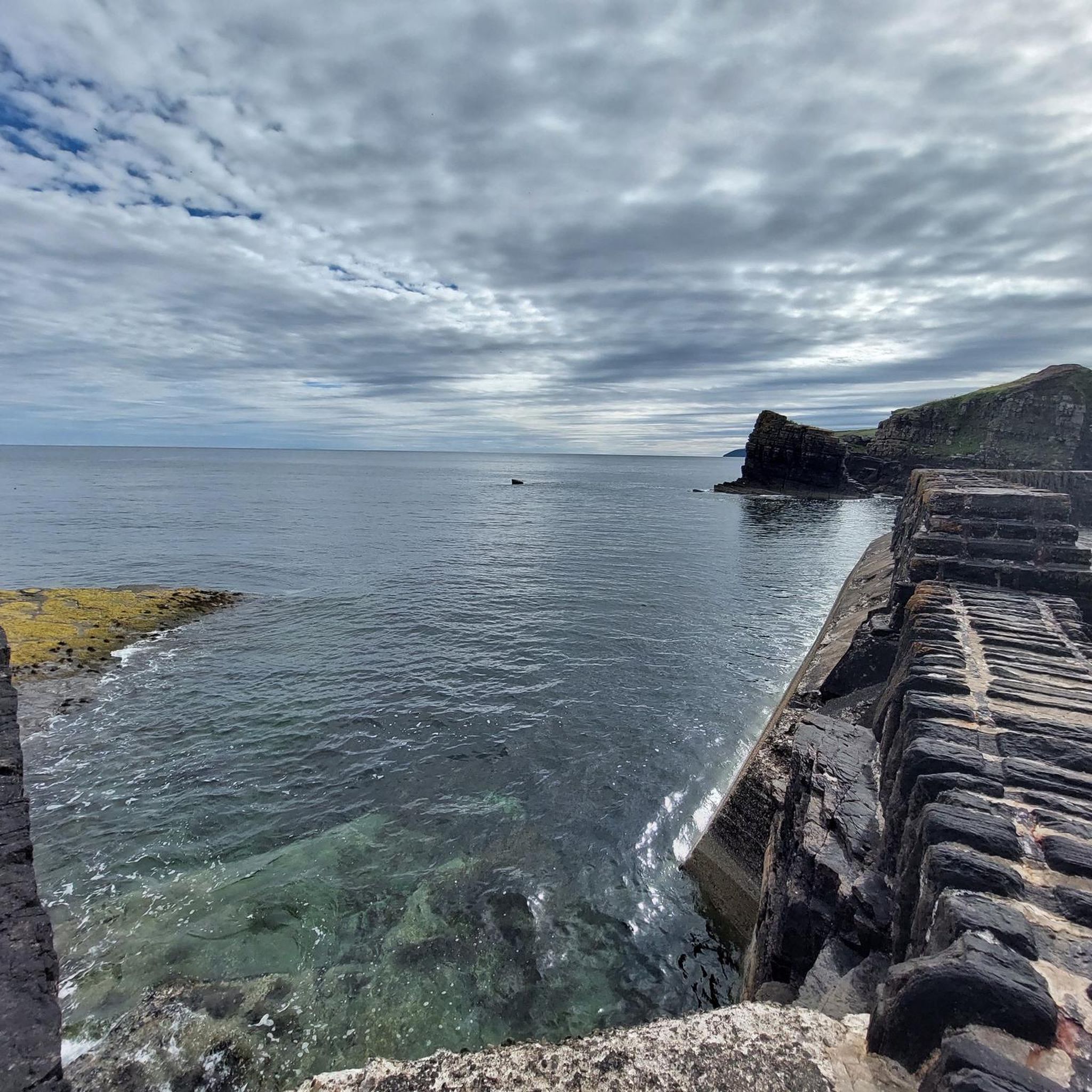
Whaligoe Harbour is one of the most spectacular and unique harbours in Scotland. It is surrounded on three sides by 250 foot cliffs, and reached by the Whaligoe Steps which zig-zag down the cliffside. The natural harbour at the foot of the steps has been a landing spot for herring, salmon, whitefish and shellfish for a long time. The harbour steps were built by Captain David Brodie which enabled the harbour to support 14 herring boats. If you are going to descend the steps be sure to leave your bike safely at the top!
1
0
Frequently Asked Questions
What kind of natural monuments can I expect to find in the Latheron, Lybster, and Clyth area?
The area offers a diverse range of natural monuments, from dramatic coastal geological formations to ancient man-made structures integrated into the landscape. You can explore impressive sea arches, geos (cliff niches carved by the sea), and Neolithic chambered cairns. These sites showcase both the powerful forces of nature and the long-standing human history of the region.
Are there any impressive sea arches or coastal features to visit?
Yes, the region is known for its spectacular coastal features. A notable example is the Stack o' Brough Natural Arch, locally known as "Scorrie's Island." This unique, tall rock rises from the North Sea and features a distinctive tunnel-like hole passing through it, offering a striking example of natural erosion.
What historical natural monuments are there in the area?
For those interested in history, the Grey Cairns of Camster are a must-see. These two large Neolithic chambered cairns date back approximately 5,000 years and are among Scotland's oldest structures. They feature complex architecture with central burial chambers accessible through narrow passages, providing a profound connection to the ancient past.
Are there any unique archaeological sites integrated into the natural landscape?
Absolutely. The Hill O' Many Stanes is a unique Bronze Age site featuring about 200 upright stones, none exceeding half a meter in height, arranged in a mysterious fan-shaped pattern on a south-facing hillside. This monument offers insight into prehistoric practices and their integration with the natural environment.
What are some challenging but rewarding natural monuments to visit?
For a challenging and rewarding experience, consider visiting the Whaligoe Steps. This historical site features 330 painstakingly maintained stone steps that descend steeply down the cliffs to a hidden harbor. It's a real highlight, especially for those who appreciate a strenuous climb with a unique historical context and stunning views.
Can I see dramatic geological formations and seabirds in the region?
Yes, you can. While slightly further north, the Geo and Sea Arch at Duncansby Head is renowned for its spectacular coastal geos (cliff niches carved by the sea) and sea arches. These formations are created by the sea eroding the Old Red Sandstone and Caithness Flagstone cliffs, and the area is also a significant breeding ground for seabirds.
What outdoor activities can I do near these natural monuments?
The area around Latheron, Lybster, and Clyth offers various outdoor activities. You can find numerous cycling routes, including options for touring bicycles and road cycling, as well as hiking trails. For more details on routes, you can explore the Cycling around Latheron, Lybster And Clyth guide or the Hiking around Latheron, Lybster And Clyth guide.
Are there hiking trails that include some of these natural monuments?
Yes, there are several hiking routes that allow you to explore the natural monuments. For example, you can find routes like "Cairn o' Get & Whaligoe Steps from Whaligoe" or a longer "Cairns of Camster from Mid Clyth" route. These are detailed in the Hiking around Latheron, Lybster And Clyth guide.
What is the best time of year to visit the natural monuments in this region?
The best time to visit the natural monuments in Latheron, Lybster, and Clyth generally depends on your preference for weather and outdoor activities. Spring and summer offer milder temperatures and longer daylight hours, ideal for exploring coastal paths and ancient sites. However, the dramatic coastal scenery can be particularly atmospheric in autumn and even winter, though you should be prepared for colder, wetter, and windier conditions.
What should I wear when visiting the natural monuments, especially in damp weather?
Given the coastal and often exposed nature of many sites, and the potential for damp weather, it's highly recommended to wear sturdy shoes with good tread resistance. Layered clothing is also advisable to adapt to changing weather conditions, and waterproof outer layers are often beneficial.
Are there any natural monuments suitable for families with children?
Many of the natural monuments offer an engaging experience for families, especially those with an interest in history and nature. Sites like the Grey Cairns of Camster and the Hill O' Many Stanes provide fascinating insights into ancient history in an outdoor setting. For coastal exploration, areas with easier access to viewpoints can be enjoyed by families, though some sites like Whaligoe Steps require caution due to their challenging nature.
What do visitors enjoy most about the natural monuments in Latheron, Lybster, and Clyth?
Visitors frequently appreciate the unique blend of breathtaking natural scenery and profound historical significance. The dramatic coastal formations, the ancient architecture of the cairns, and the mysterious stone arrangements all contribute to a sense of wonder and connection to the past. The opportunity to explore these outdoor sites and experience the raw beauty of the Scottish landscape is a major draw.
Most popular attractions around Latheron, Lybster And Clyth

Get inspired with the komoot mobile app


Explore more
Extend your search for the best caves by checking out these guides of the top ones around Latheron, Lybster And Clyth:
