Top 6 Natural Monuments around Central Maryhill
Natural monuments near Central Maryhill are characterized by their integration within an urban landscape, offering green spaces and waterways. The district, located in the north-west of Glasgow, features significant natural elements like the Forth and Clyde Canal and the River Kelvin. These areas provide opportunities for recreation and connection with nature amidst its industrial and historical heritage. Urban regeneration efforts have transformed sites such as the Claypits into accessible local nature reserves.
Best natural monuments around Central Maryhill
- The most…
Last updated: July 1, 2026
Mugdock Castle
Highlight • Castle
Tip by

West Highland Way: Southern Section in Loch Lomond and The Trossachs National Park
Highlight (Segment) • Viewpoint
In addition, a pause at the distillery Glengoyne worthwhile :)
Translated by Google •
Tip by

Sign up now to discover places like this
Get recommendations on the best single tracks, peaks, & plenty of other exciting outdoor places.
Sign up for free
Glasgow Green
Highlight • Historical Site
Translated by Google •
Tip by

Linn Park Waterfall
Highlight • Natural Monument
Tip by

Scholars Rocks
Highlight • Structure
Translated by Google •
Tip by

Sign up for free to discover even more natural monuments around Central Maryhill.
Sign up for free
Already have an account?
Start today with a free account
Your next adventure awaits.
Login or Signup


Tips from the Community

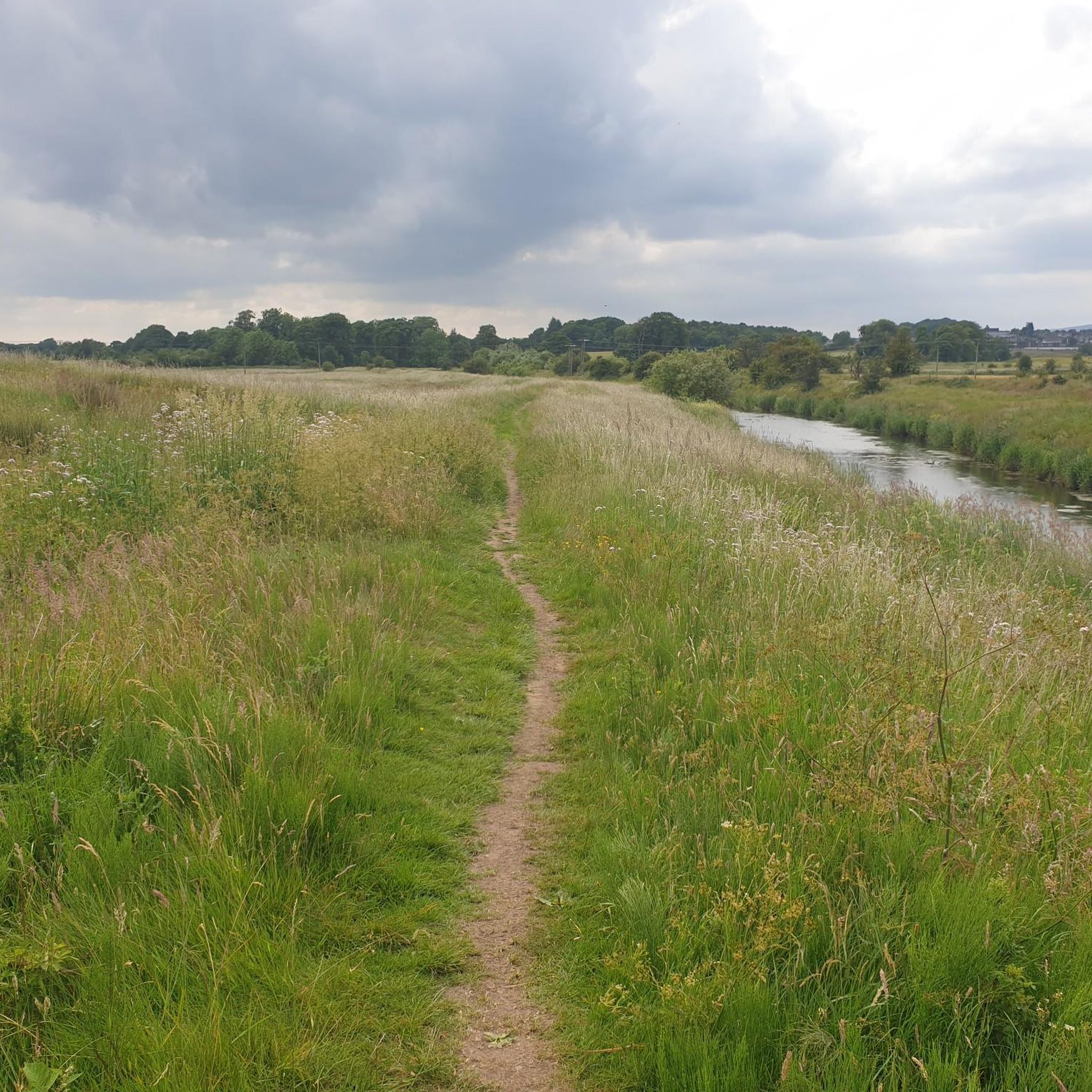
Solid starting stage of the West Highland Way. Every day heading north, it becomes more "typically Scottish".
0
0
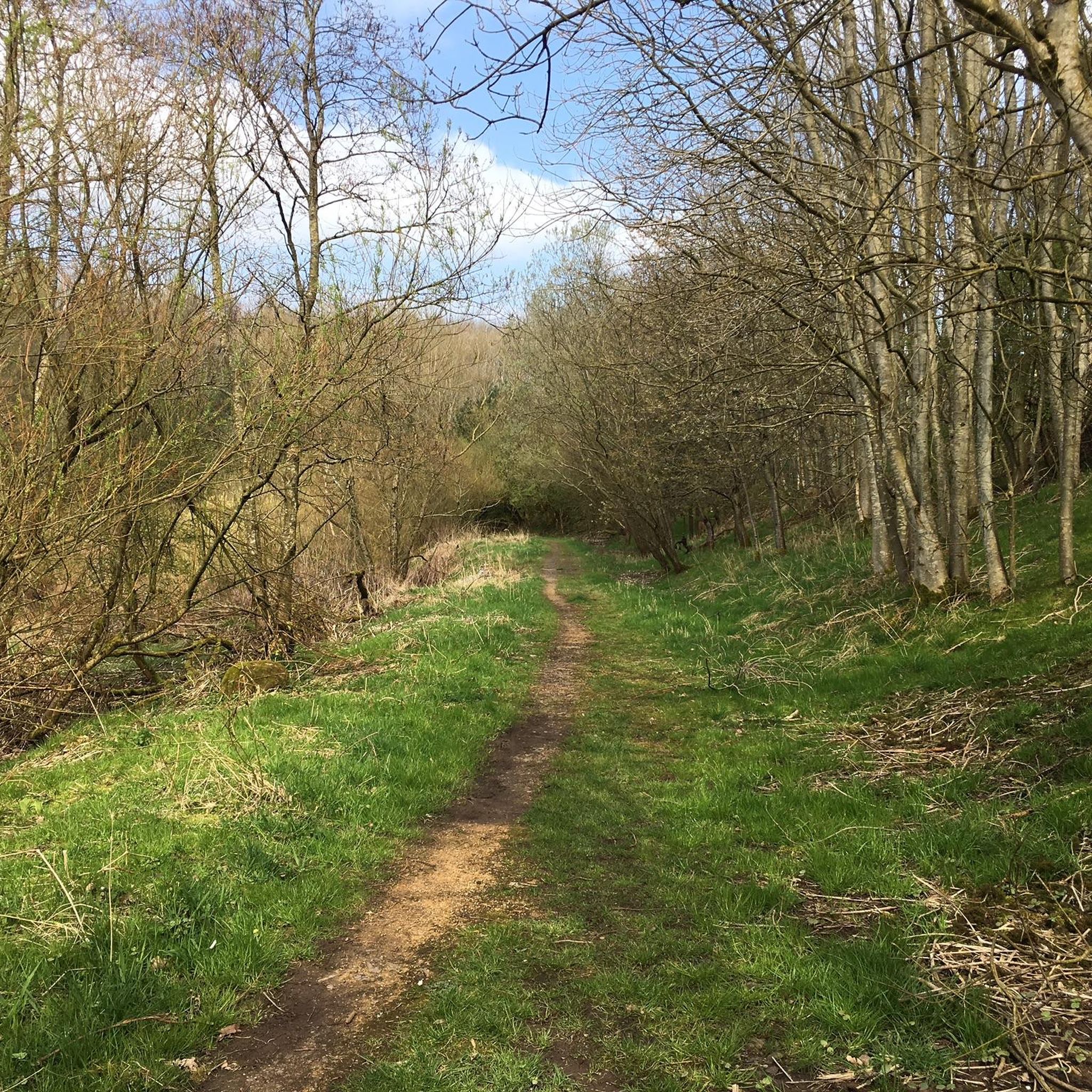
Above all, the path through Mugdock-Forest is worth it.
0
0

The original Castle on this site was built in the 13th century by the Graham family. The Grahams were a family on the rise and the family were made the Earls of Montrose in 1505. The most famous Graham resident of Mugdock Castle was James Graham (1612-1650) known as The Great Montrose. He was a poet and soldier who fought for the cause of King Charles I during the Wars of The Three Kingdoms (more commonly referred to as The English Civil Wars) and was marked as one of the greatest soldiers of the time. So great was his military fame that King Louis XIV offered him the role as Marshal of France. His success ultimately ran out in 1650 with the loss of The Battle of Carbisdale in Rosshire. Montrose was betrayed by a fellow Scotsman and was ultimately Hung, Drawn and Quartered for his part in the war. His campaigns were immortalised by Sir Walter Scott in his 1819 novel A Legend of Montrose.
0
0

The oldest of Glasgow's city parks, a short walk from the centre, Glasgow Green is a great place to spend a day outdoors, enjoy a picnic or go for a walk. Attractions include: • The People's Palace, a museum dedicated to the history of Glasgow's working class • The Nelson Monument, a 130-foot (40-metre) column dedicated to Admiral Lord Nelson • The McLennan Arch, a 19th-century archway • The St. Andrew's Suspension Bridge, connecting Glasgow Green to the south side of the River Clyde
0
0

Some of these sculptures stand here along the way.
6
0


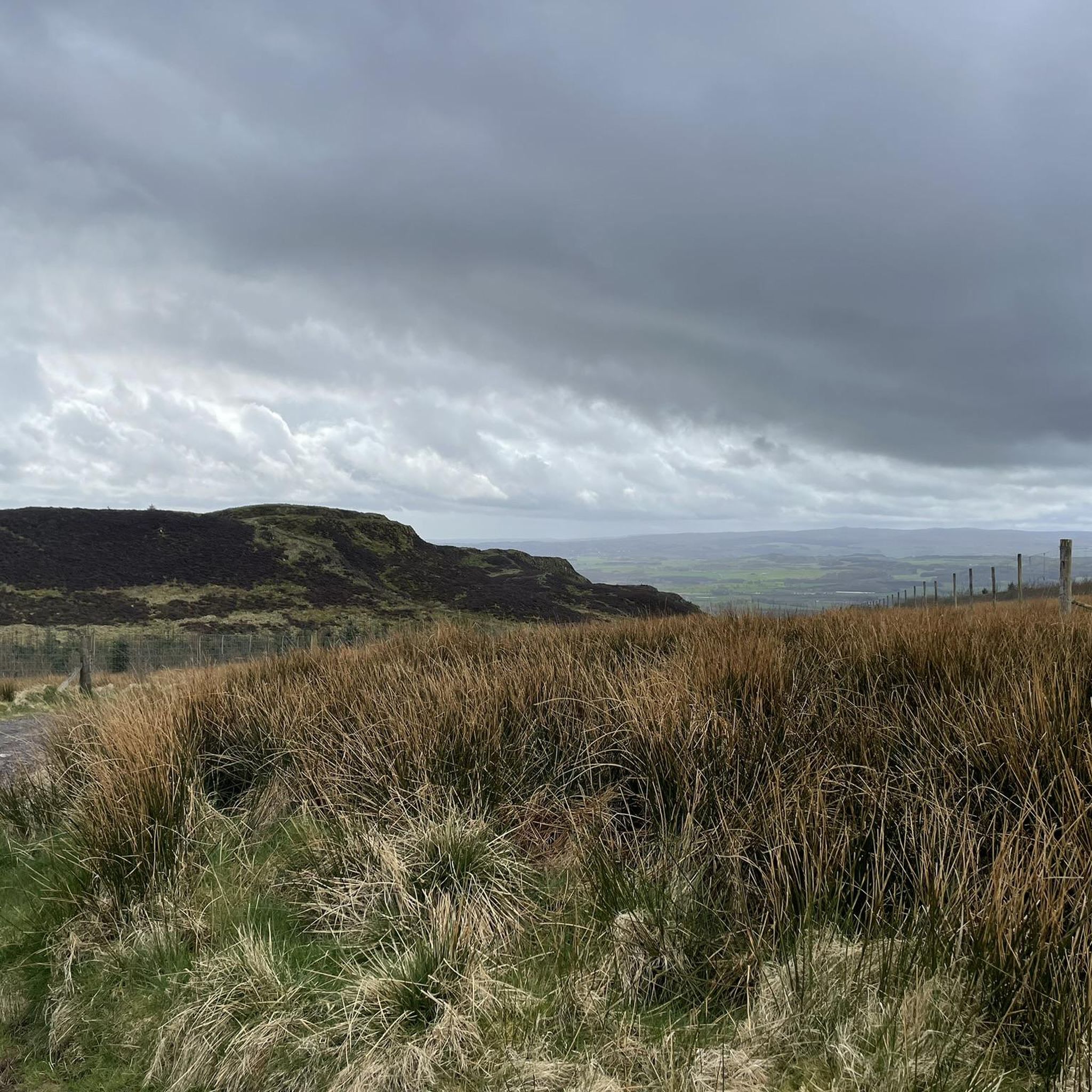
The second largest area of parkland in Glasgow Linn Park is banked by White Car Water. There is a pretty footbridge and a waterfall. There is a golf course, equestrian centre, cemetery and a large area of parkland to explore.
0
0
Frequently Asked Questions
What are the primary natural features and green spaces in Central Maryhill?
Central Maryhill, while urban, is notable for its waterways and green spaces. Key features include the Forth and Clyde Canal and the River Kelvin, which offer picturesque walking and cycling routes. The Maryhill Nature Trail follows these, showcasing urban wildlife. Additionally, the Claypits, Glasgow's Inner City Nature Reserve, is an award-winning urban green space transformed from an industrial site, providing accessible paths and viewpoints.
Are there family-friendly natural monuments around Central Maryhill?
Yes, several natural monuments are suitable for families. Mugdock Castle, located on a rocky promontory, is family-friendly and offers free entry and parking. Glasgow Green is a large urban park perfect for various family activities. The Linn Park Waterfall area is also family-friendly, featuring a footbridge and extensive parkland to explore.
What kind of walking trails can I find near Central Maryhill's natural monuments?
You can find a variety of walking trails. The Forth and Clyde Canal and River Kelvin offer peaceful routes, including the Maryhill Nature Trail. For more structured hikes, consider routes like the 'Kelvin Walkway and Forth & Clyde Canal Loop' or the 'Maryhill Locks – Kelvin Aqueduct loop'. You can find more details on these and other hiking options in the Hiking around Central Maryhill guide.
What outdoor activities are available near these natural monuments?
Beyond walking, Central Maryhill offers opportunities for cycling and running. The canal paths are popular for cycling, with routes like the 'Forth and Clyde Canal Towpath' available. Runners can explore trails such as the 'View of Firhill Stadium – Forth & Clyde Smart Canal loop'. For comprehensive guides on these activities, refer to the Cycling around Central Maryhill and Running Trails around Central Maryhill guides.
What historical sites are integrated with the natural monuments in the area?
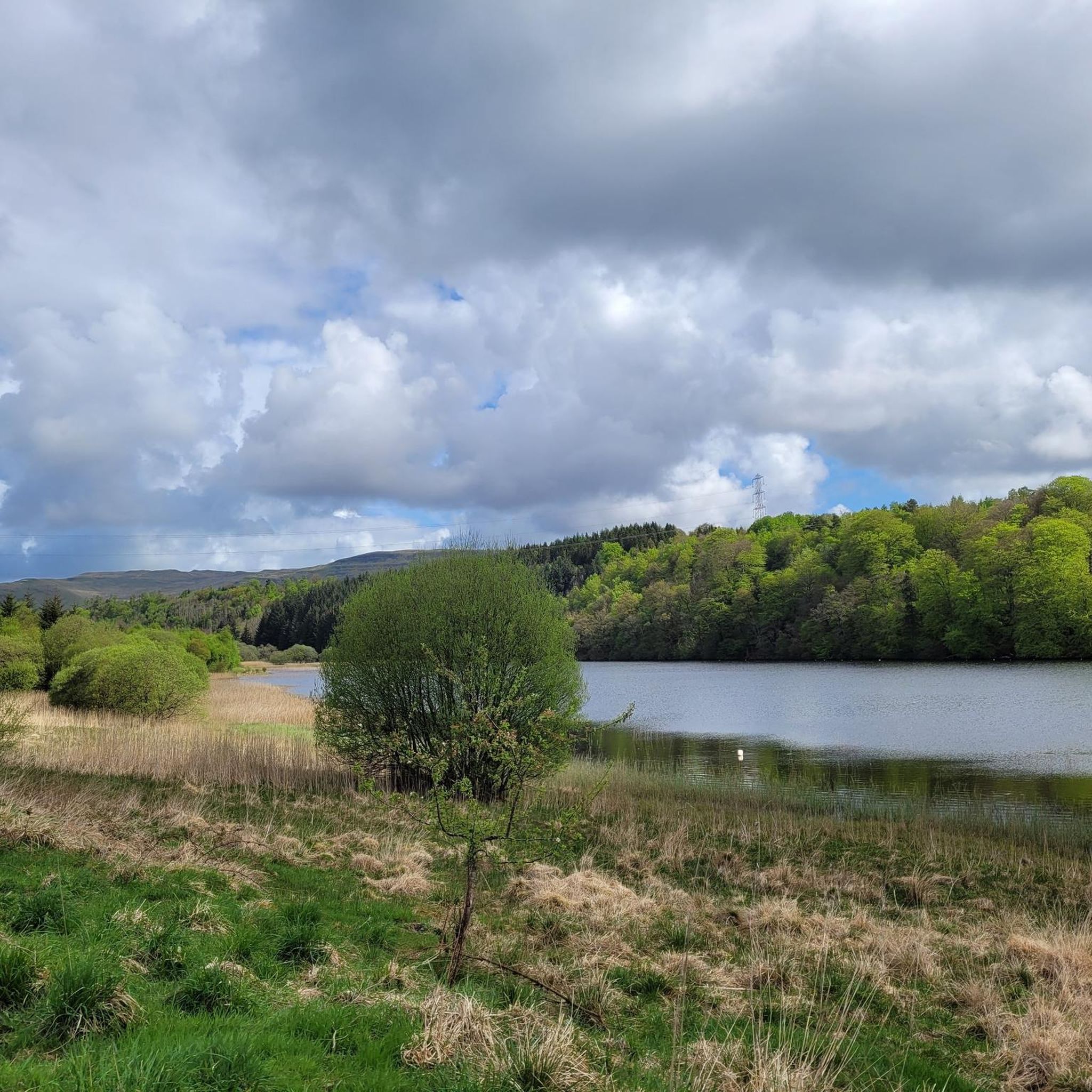
Central Maryhill's natural monuments often have a rich historical context. Mugdock Castle is a significant historical site, once protected by a much larger Mugdock Loch. Glasgow Green is a historical park within the city. The Forth and Clyde Canal itself is a historical feat of engineering, and the Kelvin Aqueduct is a notable landmark where the canal crosses the River Kelvin.
What is the best time of year to visit Central Maryhill for walking and exploring natural monuments?
The best time to visit for walking and exploring is generally during the milder months, from spring to early autumn (April to October). During this period, the weather is more pleasant for outdoor activities, and the green spaces are in full bloom. The canal paths and parks are particularly enjoyable when the weather is dry.
Are there any natural monuments that offer good viewpoints?
Yes, several spots provide excellent views. Mugdock Castle offers views from its historic grounds. The West Highland Way: Southern Section in Loch Lomond and The Trossachs National Park is specifically highlighted as a viewpoint, offering diverse and beautiful landscapes. The Claypits also feature new viewpoints overlooking the regenerated nature reserve.
Can I spot wildlife around the natural monuments in Central Maryhill?
Yes, despite its urban setting, Central Maryhill offers opportunities for wildlife spotting, especially along its waterways. The Maryhill Nature Trail, which follows the Forth and Clyde Canal and River Kelvin, is a good place to look for swans, voles, mallard ducks, grey herons, and even foxes. The Claypits nature reserve also supports diverse urban wildlife.
What are the parking options for visiting natural attractions in Central Maryhill?
Parking availability varies by location. For instance, Mugdock Castle and its country park offer free parking. For other urban green spaces and canal access points, street parking or public car parks may be available nearby. It's advisable to check specific locations for the most up-to-date parking information.
How accessible are the natural monuments in Central Maryhill by public transport?
Central Maryhill is well-served by public transport, making many natural monuments accessible. Buses frequently run through the area, connecting to various parts of Glasgow. The Forth and Clyde Canal and River Kelvin are often within walking distance of bus stops. The Claypits nature reserve was designed with accessibility in mind, including new path infrastructure.
Are there any easy walks among the natural monuments in Central Maryhill?
Yes, there are several easy walking options. The paths along the Forth and Clyde Canal are generally flat and suitable for leisurely strolls. The Southern Section of the West Highland Way, particularly at its beginning, follows an old railway line, meaning there's hardly any incline, making it an easy entry stage. Glasgow Green also offers extensive flat paths for easy walking.
Are dogs allowed on trails and in natural monuments around Central Maryhill?
Most public green spaces and trails in Central Maryhill, including the canal paths and parks like Glasgow Green, are dog-friendly. However, it's always recommended to keep dogs on a leash, especially in areas with wildlife or other visitors, and to clean up after them. Specific rules might apply in certain nature reserves or enclosed areas, so always look for local signage.
Most popular routes around Central Maryhill
Most popular attractions around Central Maryhill

Get inspired with the komoot mobile app


Explore more
Extend your search for the best caves by checking out these guides of the top ones around Central Maryhill:
