Top 6 Natural Monuments around Gullane Area
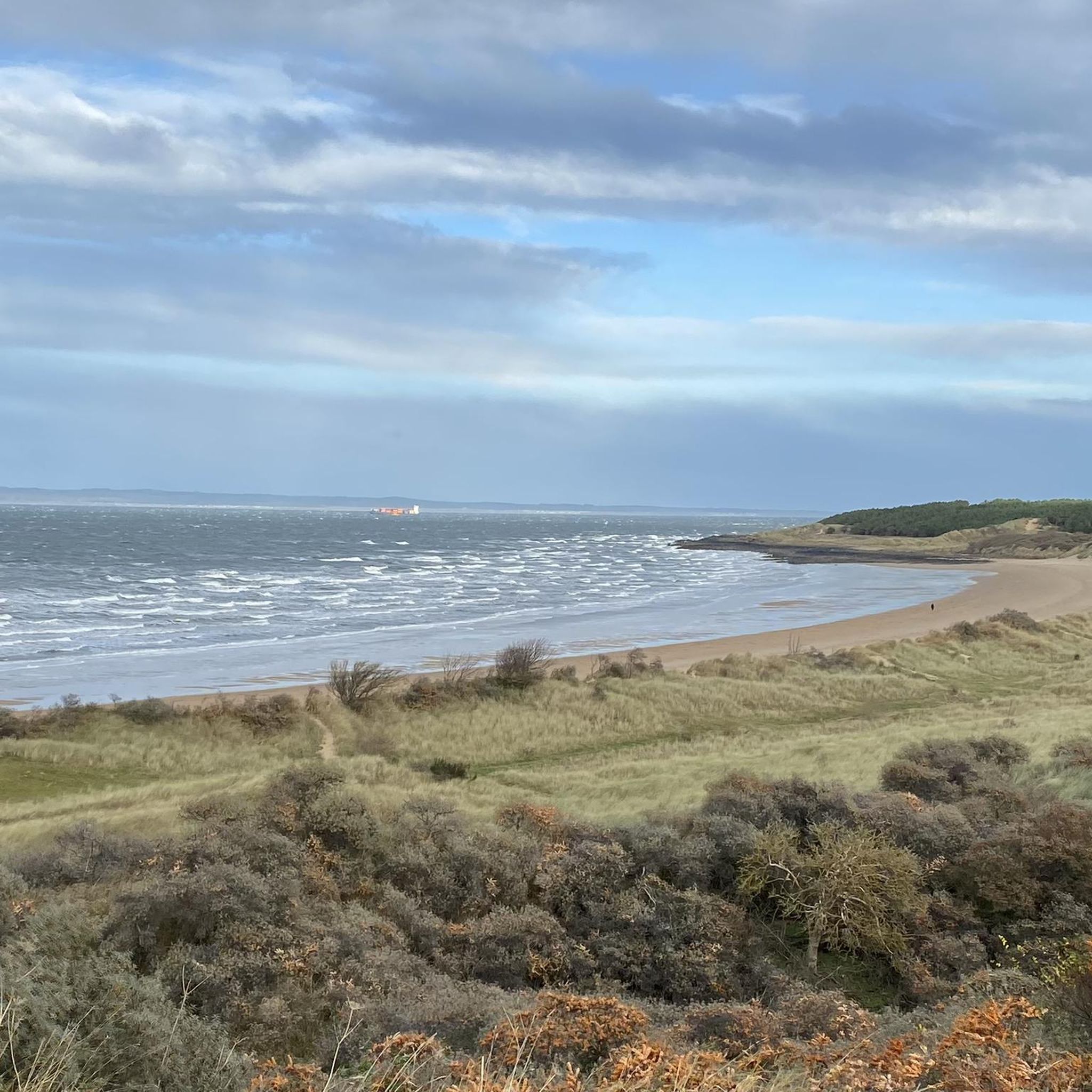
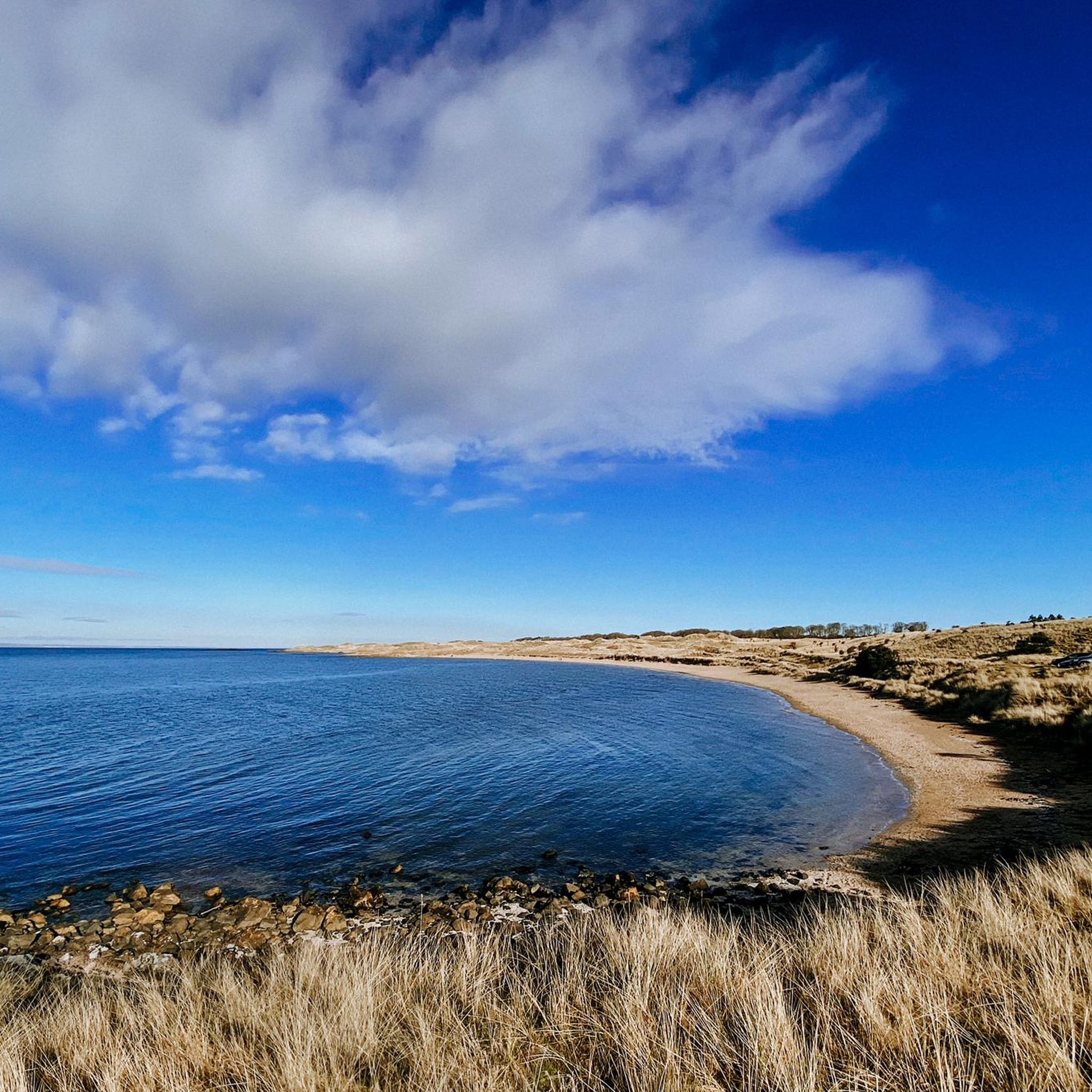
Best natural monuments around Gullane Area showcase diverse coastal habitats, significant geological formations, and rich wildlife. This region in East Lothian, Scotland, features expansive sand and mudflats, ecologically rich sand dunes, and volcanic islands. These natural features offer opportunities to explore unique ecosystems and observe a variety of bird species. The area's natural landmarks provide varied landscapes for outdoor activities.
Best natural monuments around Gullane Area
- The most popular natural monuments is Bass Rock, a natural monument known for…
Last updated: August 24, 2026
Rock Arch at North Berwick
Highlight • Natural Monument
Tip by

Traprain Law
Highlight • Natural Monument
Tip by

Sign up now to discover places like this
Get recommendations on the best single tracks, peaks, & plenty of other exciting outdoor places.
Sign up for free
Bass Rock
Highlight • Viewpoint
Tip by

View of The Leithies, Yellow Man, and Bass Rock
Highlight (Segment) • Natural Monument
Tip by

Hopetoun Monument
Highlight • Monument
Tip by

Start today with a free account
Your next adventure awaits.
Login or Signup
Other adventures around Gullane Area

Tips from the Community

The entrance to the tower itself was closed not sure about opening time
1
0

For a rewarding experience at the View of the Rock Arch in North Berwick, plan your visit during the spring or autumn months. These seasons offer milder weather and fewer crowds, enhancing your enjoyment of the natural beauty [1]. Be prepared for strong winds at the summit, even if conditions are calm at lower levels [2]. To ensure safety and minimize environmental impact, stick to the established paths during your hike. [1] https://www.chasingthelongroad.com/scotland/things-to-do-north-berwick/ [2] https://app.wanderlog.com/place/details/410193 [3] https://en.wikipedia.org/wiki/North_Berwick_Law
0
0

The outcrop is Traprain Law, the original ‘capital’ of the Votadini - the Celtic kingdom that dominated this part of Scotland around the time of the Romans. A bit later they got on their bikes and shifted to a bigger outcrop to the west. These days we call their new capital Edinburgh.
0
0

This scenic walk along the stunning clifftops just east of North Berwick offers breathtaking views of unique rock formations, including The Leithies and Yellow Man. On clear days, you can spot the iconic Bass Rock with its historic castle and lighthouse rising from the sea in the distance.
1
0

It's a great spot to get some photographs of Bass Rock looking quite close. There is a path to stand on, and it's simply a case of stopping at the spot of your choice.
0
0


A great, quiet lane that takes you along to East Linton. There's often gravel in the centre and it can be hard to see round the bends - so be careful.
0
0

The biggest gannet colony in the world is on Bass rock. It turns white in summer because the birds congregate here.
0
0
Frequently Asked Questions
What are the most notable natural monuments to visit in the Gullane Area?
The Gullane Area features several remarkable natural monuments. You can observe the world's largest gannet colony at Bass Rock, explore the diverse coastal habitats of Aberlady Bay Local Nature Reserve, or enjoy the expansive sandy shores of Gullane Bents. For unique rock formations and clifftop views, visit View of The Leithies, Yellow Man, and Bass Rock.
Are there any natural monuments suitable for families with children?
Yes, several natural monuments in the Gullane Area are family-friendly. Bass Rock is a great option for observing wildlife, particularly the gannet colony. Gullane Bents (Gullane Beach) offers wide sandy areas for play and walking, and the extensive paths through its dunes are suitable for family strolls. Aberlady Bay Local Nature Reserve also has accessible paths for exploring its diverse habitats.
What kind of wildlife can I expect to see at the natural monuments?
The Gullane Area is rich in wildlife. At Bass Rock and Fidra Island, you can witness vast seabird colonies, including gannets, fulmars, puffins, razorbills, and guillemots. Aberlady Bay Local Nature Reserve is a haven for birdwatchers, especially for wildfowl and waders, and during autumn, over 30,000 pink-footed geese arrive. Gullane Bents' dunes are home to various breeding birds, foxes, small mammals, and roe deer.
When is the best time to visit the natural monuments around Gullane Area?
The best time to visit depends on your interests. For birdwatching, autumn is ideal for seeing pink-footed geese at Aberlady Bay, while spring and summer bring migrants. To avoid crowds and enjoy milder weather, consider visiting natural beauty spots like Rock Arch at North Berwick during spring or autumn. Summer is popular for beach activities at Gullane Bents.
Are there any historical or geological features at these natural monuments?
Yes, the area combines natural beauty with historical and geological significance. Fidra Island, formed by volcanic activity, features historical ruins of a chapel and a lighthouse. At Gullane Bents, the ruins of St Patrick's Chapel, dating back to the early 1500s, can be seen at Black Rocks. Traprain Law is an ancient hill fort with historical significance, and Hopetoun Monument, while man-made, is a prominent landmark in the natural landscape.
What outdoor activities can I do near the natural monuments?
The Gullane Area offers a variety of outdoor activities. You can enjoy walking and hiking along coastal paths and through nature reserves. Gullane Bents is popular for walking, sunbathing, kite-surfing, horse riding, and wild swimming. For cycling enthusiasts, there are numerous routes, including those for gravel biking. Explore options like Cycling around Gullane Area or Gravel biking around Gullane Area.
Are there easy hiking trails near the natural monuments?
Yes, there are several easy hiking trails available. For instance, you can find easy routes like the Sand Dunes – Aberlady Bay Beach loop from Aberlady, or the Cherish Vintage Tearoom – Gullane Beach loop from Gullane. These are perfect for leisurely strolls and enjoying the coastal scenery. More options can be found in the Easy hikes around Gullane Area guide.
Can I bring my dog to the natural monuments?
Dog policies vary by location. While Gullane Bents (Gullane Beach) is generally dog-friendly, allowing walks along its expansive sands, Aberlady Bay Local Nature Reserve typically restricts dogs to protect nesting and roosting birds. Always check local signage or official websites for specific rules before visiting with your pet to ensure compliance and protect wildlife.
Where can I find parking for natural monuments near Gullane?
Gullane Bents (Gullane Beach) offers ample parking facilities, making it easily accessible. For other natural monuments like Aberlady Bay Local Nature Reserve, parking is available at designated points. It's advisable to check specific access points and parking information for each site before your visit. For more details on Gullane's facilities, you can visit visiteastlothian.org.
What are the unique geological features of the Gullane Area's natural monuments?
The Gullane Area showcases diverse geological features. Fidra Island is a volcanic formation, approximately 335 million years old, consisting of three distinct sections. The coastline, including Gullane Bents, features extensive sand dunes and bents, shaped by natural processes and supporting unique ecosystems. The region's varied landscapes, from expansive sand and mudflats to rocky outcrops, are a result of ancient geological activity and ongoing coastal erosion.
Are there any viewpoints offering scenic vistas of the natural monuments?
Yes, the area is dotted with excellent viewpoints. At Gullane Point, you can enjoy spectacular views over Gullane Bay and the Firth of Forth. View of The Leithies, Yellow Man, and Bass Rock offers breathtaking clifftop views of unique rock formations and the iconic Bass Rock. Distant views of Arthur's Seat in Edinburgh and the Fife coast can also be seen from Aberlady Bay.
What do visitors enjoy most about the natural monuments in the Gullane Area?
Visitors frequently praise the stunning natural beauty, diverse wildlife, and peaceful atmosphere. The opportunity to observe large seabird colonies at Bass Rock, the expansive sandy beaches of Gullane Bents for various activities, and the rich ecosystems of Aberlady Bay Local Nature Reserve are often highlighted. The scenic clifftop walks and unique geological formations also receive high acclaim.
Most popular routes around Gullane Area
Most popular attractions around Gullane Area

Get inspired with the komoot mobile app


Explore more
Extend your search for the best caves by checking out these guides of the top ones around Gullane Area:
