Top 11 Natural Monuments around Ardrishaig
Best natural monuments around Ardrishaig are found in a landscape shaped by Loch Fyne and the Crinan Canal, offering a blend of natural beauty and historical significance. The area features ancient geological formations and prehistoric sites that reveal the region's deep past. Visitors can explore a variety of natural and semi-natural features integrated into the scenic environment. This region provides opportunities to experience Scotland's natural heritage through its unique monuments and landscapes.
Best natural monuments around Ardrishaig
- The most popular…
Last updated: June 30, 2026
Ballymeanoch Prehistoric Monuments
Highlight • Historical Site
Tip by

Dunchraigaig Cairn
Highlight • Monument
Translated by Google •
Tip by

Sign up now to discover places like this
Get recommendations on the best single tracks, peaks, & plenty of other exciting outdoor places.
Sign up for free
Ballymeanoch Henge and Standing Stones
Highlight • Natural Monument
Translated by Google •
Tip by
Dunadd Hillfort and Carvings
Highlight • Historical Site
Tip by
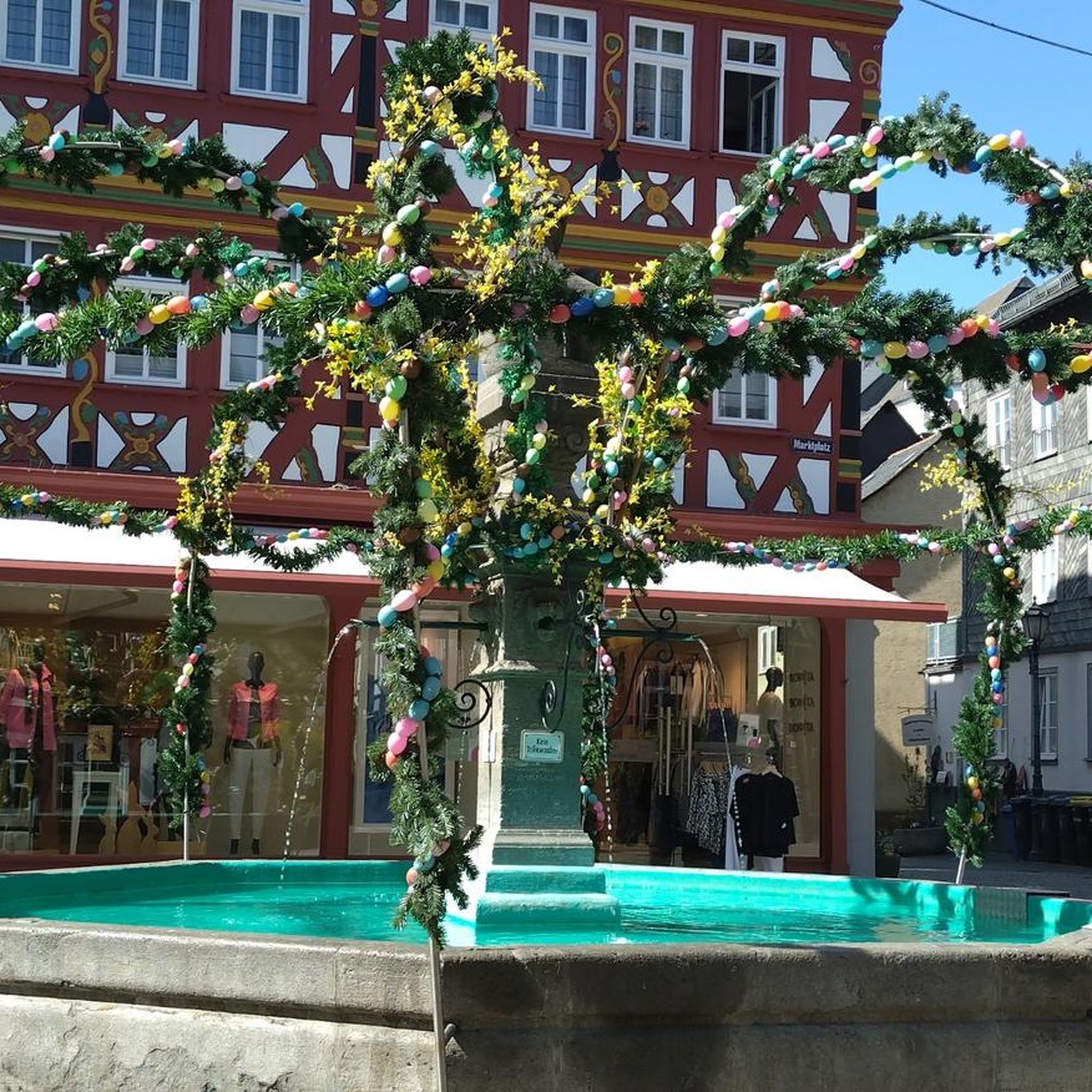
Patrick Rankin Memorial Fountain
Highlight • Rest Area
Tip by

Sign up for free to discover even more natural monuments around Ardrishaig.
Sign up for free
Already have an account?
Start today with a free account
Your next adventure awaits.
Login or Signup
Other adventures around Ardrishaig

Tips from the Community

The Dunchraigaig Cairn is located south of Kilmartin in the Kilmartin Glen in Argyll and Bute in Scotland. The cairn is 3.0 m high and has a diameter of around 30.0 m. It dates from the early Bronze Age (around 2000 BC). https://de.wikipedia.org/wiki/Dunchraigaig_Cairn
0
0

This little detour is definitely worth it. There is a parking lot nearby
0
0
Dunadd (Scottish Gaelic Dún Ad, "fort on the [River] Add", Old Irish Dún Att) is a hillfort, dating from the Iron Age and early medieval period and is believed to be the capital of the ancient kingdom of Dál Riata. Dal Riata was a kingdom, that appeared in Argyll in the early centuries AD, possibly after the Romans had abandoned Southern Britain and at the time when the Anglo Saxons were crossing the North Sea to counter incursions over Hadrian's Wall by the Picts and Dalriadan Scots. It is known for its unique stone carvings below the upper enclosure, including a footprint and basin thought to have formed part of Dál Riata's coronation ritual. On the same flat outcrop of rock is an incised boar in Pictish style, and an inscription in the ogham script. The inscription is read as referring to a Finn Manach and is dated to the late 8th century or after. https://en.wikipedia.org/wiki/Dunadd
0
0
The Ballymeanoch henge lies in a field not far from the line of stones. The Neolithic earthwork includes the outer wall, which is only 40 centimeters high, and an inner ditch, interrupted in the north and south by access to the inner area. The henge is approximately 40 meters in diameter. The shallow ditch is about four meters wide but no more than 40 centimeters deep. https://www.wikiwand.com/de/Ballymeanoch
0
0
The Dunchraigaig Cairn is located south of Kilmartin in the Kilmartin Glen in Argyll and Bute in Scotland. The cairn is 3.0 m high and approximately 30.0 m in diameter. It dates from the early Bronze Age (around 2000 BC). https://de.wikipedia.org/wiki/Dunchraigaig_Cairn
0
0

Very slow drip when I went past, it has been a very hot week here so maybe it had dry a bit dry.
0
0

The Kilmartin Glen gives the possibility to see a lot of prehistoric cairns and standing stones. All places are very good accessible and during the winter time one will not meet a lot of other hikers. Watch out for cows and be aware that it could be muddy, when it rained.
0
0

A great place to fill your bidons on a hot day!
0
0
Frequently Asked Questions
What kind of natural monuments can I expect to find around Ardrishaig?
Ardrishaig's natural allure is deeply integrated with its picturesque setting. You'll find natural beauty centered around Loch Fyne and the Crinan Canal, which offers stunning views and opportunities to spot local wildlife. The area also features ancient geological formations, such as the Ardrishaig Phyllites, and significant prehistoric sites that reveal the region's deep past.
Are there any significant historical or archaeological natural monuments in the area?
Yes, the region is rich in historical and archaeological natural monuments. You can explore the Ballymeanoch Prehistoric Monuments, which include numerous prehistoric cairns and standing stones in the Kilmartin Glen. Another notable site is the Ballymeanoch Henge and Standing Stones, a Neolithic earthwork. The Dunchraigaig Cairn, dating from the early Bronze Age, is also a significant find. Additionally, the Dunadd Hillfort and Carvings, an Iron Age and early medieval hillfort, offers a glimpse into the ancient kingdom of Dál Riata.
Are there family-friendly natural monuments to visit near Ardrishaig?
Absolutely. The Ballymeanoch Henge and Standing Stones are considered family-friendly, offering an engaging historical experience. The Patrick Rankin Memorial Fountain is also listed as family-friendly and can be a convenient stop. The Crinan Canal towpaths provide easy, scenic walks suitable for families, where you can watch boats navigate the locks and look for wildlife.
What outdoor activities can I do near these natural monuments?
The area around Ardrishaig is excellent for various outdoor activities. You can enjoy cycling along the Crinan Canal, with routes like the 'Crinan Canal – Crinan Canal Cycle Path loop from Ardrishaig'. For hikers, there are easy trails such as 'Achnabreck Rocks circular' and 'Cruach Mor Dunardry loop'. Running enthusiasts can find routes like the 'Crinan Canal – Crinan Canal loop from Lochgilphead'. You can find more details on these activities and routes in the cycling guide, easy hikes guide, and running trails guide for Ardrishaig.
What is the best time to visit the natural monuments around Ardrishaig?
The best time to visit is generally during the spring and summer months (April to September) when the weather is milder and daylight hours are longer, making it ideal for exploring the outdoor sites. However, even in winter, sites like the Ballymeanoch Prehistoric Monuments are accessible and offer a quieter experience, though paths might be muddy after rain.
Are there accessible natural monuments for visitors with limited mobility?
Many of the prehistoric sites in the Kilmartin Glen, such as the Ballymeanoch Prehistoric Monuments, are noted for being very accessible. The towpaths along the Crinan Canal also offer relatively flat and well-maintained surfaces suitable for those with limited mobility, allowing enjoyment of the scenic views and canal activity.
Can I bring my dog to the natural monuments and walking trails?
Yes, many of the outdoor areas and walking trails around Ardrishaig are dog-friendly. The Crinan Canal towpaths are popular for dog walking. When visiting sites like the Ballymeanoch Prehistoric Monuments, be aware that you might encounter livestock, so keeping dogs on a lead is advisable.
Where can I find parking for natural attractions in Ardrishaig?
Parking is generally available near popular attractions. For instance, there is a parking lot nearby the Ballymeanoch Prehistoric Monuments. Along the Crinan Canal, you'll find various parking spots, particularly at the Ardrishaig basin and other lock locations, making it convenient to access the towpaths and surrounding natural areas.
What kind of wildlife can I expect to see around Ardrishaig's natural sites?
The natural surroundings of Ardrishaig, especially along the Crinan Canal and Loch Fyne, are home to diverse wildlife. You might spot seals, otters, and various bird species. The surrounding hills and woodlands also provide habitats for other local fauna, making it a rewarding area for nature observation.
Are there any unique geological features to explore?
Yes, the area is underlain by significant geological formations, particularly the Ardrishaig Phyllites. These ancient Dalradian rocks showcase complex geological history, with exposures revealing intricate folds, sedimentary dykes, and ripple marks. While not a 'monument' in the traditional tourist sense, these formations offer a tangible connection to the powerful natural forces that shaped the Scottish Highlands for those interested in geology.
How long should I plan to spend at the natural monuments around Ardrishaig?
The time you spend can vary. For individual prehistoric sites like the Dunchraigaig Cairn or Ballymeanoch Henge, a visit might take 30 minutes to an hour. If you plan to explore multiple sites in Kilmartin Glen or walk a significant portion of the Crinan Canal, you could easily spend half a day or a full day enjoying the natural beauty and historical context.
Are there cafes or facilities near the natural monuments?
While some natural monuments are in more remote settings, you'll find facilities in Ardrishaig itself and along the Crinan Canal. The Patrick Rankin Memorial Fountain offers a place to refill water bottles. There are cafes and pubs in nearby villages like Lochgilphead and Crinan, which are easily accessible from the canal path.
Most popular routes around Ardrishaig
Most popular attractions around Ardrishaig

Get inspired with the komoot mobile app


Explore more
Extend your search for the best caves by checking out these guides of the top ones around Ardrishaig:
