Top 7 Natural Monuments around Carnoustie
Best natural monuments around Carnoustie include a diverse range of coastal and inland features. This coastal town in Angus, Scotland, is characterized by its expansive sandy beaches, dramatic sea cliffs, and tranquil woodland areas. The region offers a blend of geological formations and significant natural landscapes, providing various opportunities for exploration. These natural landmarks Carnoustie viewpoints offer insight into the area's unique geology and ecology.
Best natural monuments around Carnoustie
- The most popular natural monuments is The Needle's Eye Sea…
Last updated: June 30, 2026
Light Cave
Highlight • Cave
Tip by

The Needle's Eye Sea Arch
Highlight • Viewpoint
Tip by

Sign up now to discover places like this
Get recommendations on the best single tracks, peaks, & plenty of other exciting outdoor places.
Sign up for free
Arbroath Red Sandstone Cliffs
Highlight (Segment) • Natural Monument
Tip by
Deil's Heid Cave
Highlight • Cave
Tip by
The Deil's Heid Sea Stack
Highlight • Viewpoint
Tip by
Sign up for free to discover even more natural monuments around Carnoustie.
Sign up for free
Already have an account?
Start today with a free account
Your next adventure awaits.
Login or Signup
Other adventures around Carnoustie

Tips from the Community

An impressive rock arch which can be easily reached on foot.
0
0

One of the caves marked on the Arbroath Cliff Trail, Light cave is easy to access along the rocks at low tide. You can walk through to the other side to another beach, and return either the same way or via Dark Cave, just further up the beach. You won't need a head torch for this one but watch your head!
0
0

The Light Cave is located just right of the Dark Cave. It also takes you to the beach „on the other side“. It is not accessible if the tide is high.
1
0
One of the best caves along the Arbroath sea cliffs. In here is the Deil's chair, a rock formation shaped similar to a chair or plinth. Graffiti has marked a rather creepy face on it. Further in a torch is needed to navigate the narrow passage to the other side. Here you reach another beach. You can return the same way, or closer to the sea you can find light cave and return to the other side through it.
0
0
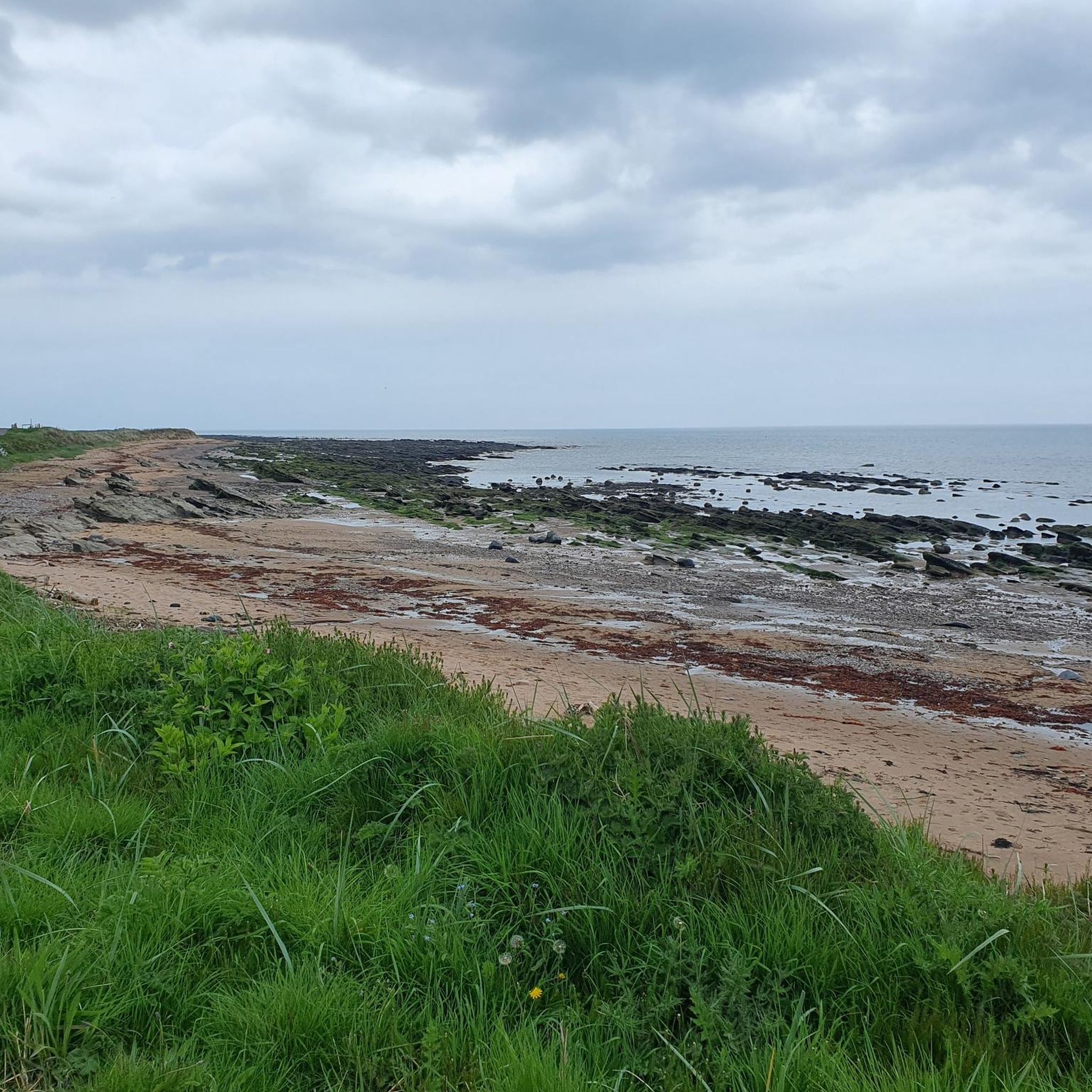
The red sandstone cliffs along from Arbroath make an interesting costal walk. The path is tarmac, and easy to follow, though there are still a couple of narrow sections to be careful at. Lots of wildlife to see, as well as caves and other geological formations.
0
0
The Needle's Eye is an impressive sea arch, once the entrance to a cave before its collapse. Historically the sea level was much higher here and the cave would have looked out onto a beach.
1
1
The Deil's Heid (Scots for 'The Devil's Head') is a sea stack sticking out of the cliffs and can be reached even at high tide.
2
0
Frequently Asked Questions
What are some of the most popular natural monuments around Carnoustie?
Visitors frequently enjoy the impressive coastal formations. Among the most popular are The Needle's Eye Sea Arch, a striking arch that was once a cave entrance, and The Deil's Heid Sea Stack, a distinctive rock formation accessible even at high tide. The Arbroath Red Sandstone Cliffs also draw many for their interesting geology and wildlife.
What kind of coastal natural features can I expect to see near Carnoustie?
Carnoustie's coastline is rich with diverse natural features. You'll find expansive sandy beaches like Carnoustie Beach (also known as Barry Sands), dramatic sea cliffs, and unique geological formations such as sea arches, sea stacks, and caves. The area east of the Lochty burn also reveals exposed Devonian Old Red Sandstone bedrock.
Are there any natural monuments away from the coast in Carnoustie?
Yes, just outside Carnoustie, you can explore Craigmill Den. This tranquil woodland area offers a peaceful escape from the coast, known for its diverse birdlife and remnants of a historical weir and mill lade. It's a great spot for nature lovers looking for a different kind of natural beauty.
Are there family-friendly natural monuments around Carnoustie?
Absolutely. Carnoustie Beach (Barry Sands) is an excellent family-friendly option, offering vast sands for play, rock-pooling at low tide, and a peaceful promenade. While not strictly a natural monument, the nearby The Dunnichen Stone and Battle of Nechtansmere Memorial is also listed as family-friendly and offers a blend of history and outdoor exploration.
Where can I observe wildlife near Carnoustie's natural monuments?
Several locations offer great wildlife viewing opportunities. Craigmill Den is a haven for birdwatchers, with over 70 species recorded, including Dippers and Grey Wagtails. Carnoustie Beach is known for seals, seabirds, and occasional dolphin sightings. The Arbroath Red Sandstone Cliffs also provide opportunities to observe various coastal wildlife.
What geological features are prominent among Carnoustie's natural monuments?
The region is characterized by its striking geology. Key features include the impressive red sandstone cliffs, particularly the Arbroath Red Sandstone Cliffs, which showcase exposed Devonian Old Red Sandstone bedrock. You'll also find dramatic sea arches like The Needle's Eye, sea stacks such as The Deil's Heid, and various sea caves, including the Light Cave.
Are there hiking trails near Carnoustie's natural monuments?
Yes, there are several hiking opportunities. You can find routes like the 'Carnoustie Beach – East Haven Coastal Path loop' or shorter 'Carnoustie Beach loop'. These trails often provide access to the coastal natural monuments. For more details on hiking routes, visit the Hiking around Carnoustie guide.
What other outdoor activities can I do near these natural monuments?
Beyond hiking, the area around Carnoustie offers options for cycling. You can explore gravel biking routes, such as those in the Tentsmuir Forest area, or mountain biking trails. For more information on these activities, check out the Gravel biking around Carnoustie guide and the MTB Trails around Carnoustie guide.
When is the best time to visit Carnoustie's natural monuments?
The natural monuments, especially the coastal ones, can be enjoyed year-round. However, for pleasant walks and outdoor activities, the warmer months from late spring to early autumn (May to September) generally offer more favorable weather. Coastal walks can be invigorating in winter, but be prepared for colder temperatures and potentially stronger winds.
Are there any natural monuments with historical significance?
Yes, while primarily natural, some sites have historical connections. Craigmill Den features the remains of a weir and mill lade, hinting at past industrial use. Additionally, the The Dunnichen Stone and Battle of Nechtansmere Memorial, though a man-made monument, commemorates a significant historical battle in a natural setting, offering insight into Pictish history.
What is the Light Cave and how can I access it?
The Light Cave is a sea cave located near Arbroath, just to the right of the Dark Cave. It allows passage to a beach on the other side. Access is only possible at low tide, so it's essential to check tide times before planning your visit. You can walk through it without a head torch, but watch your head.
What are the Barry Links and their significance?
The Barry Links area, adjacent to Carnoustie, is a significant natural landscape comprising expansive sand dunes at the entrance to the Tay Estuary. It's an important wildlife habitat and forms the natural setting for the famous Carnoustie Golf Links, contributing to the unique coastal ecosystem of the region.
Most popular routes around Carnoustie
Most popular attractions around Carnoustie

Get inspired with the komoot mobile app


Explore more
Extend your search for the best caves by checking out these guides of the top ones around Carnoustie:
